Zigong: The Human Touch of Southern Sichuan, Hidden in Yanbang Cuisine
Meta Description: Discover Zigong, the hidden gem of Southern Sichuan. From fiery Yanbang cuisine to ancient salt wells and legendary rabbit dishes, explore the city that time forgot—and your taste buds will never forget.
Introduction: Why Zigong is Sichuan's Best-Kept Secret
In the heart of Sichuan, just two hours from Chengdu, lies a city that most travelers overlook—and that's precisely its charm. Zigong, known for its legendary Yanbang cuisine (salt gang cooking), is a place where flavor meets ferocity. For years, I hesitated to visit, intimidated by the reputation of dishes like Zigong diving frog and diving rabbit. But after three days of eating my way through this city, I can say with certainty: Zigong is a must-visit for any serious food lover.
The people here are as bold as their food. Straightforward, passionate, and unapologetically stubborn. When I asked a local chef to make my dish less spicy, he sighed and pointed to a porridge shop across the street. "Go there," he said. "They're not spicy." That's Zigong in a nutshell—unfiltered, unforgettable, and utterly addictive.
But Zigong is more than just heat. It's a city built on salt, preserved in time, and bursting with character. Let's dive into what makes this Southern Sichuan destination so special.
The Soul of Zigong: Salt, Derricks, and Slow Time

A City Born from Salt
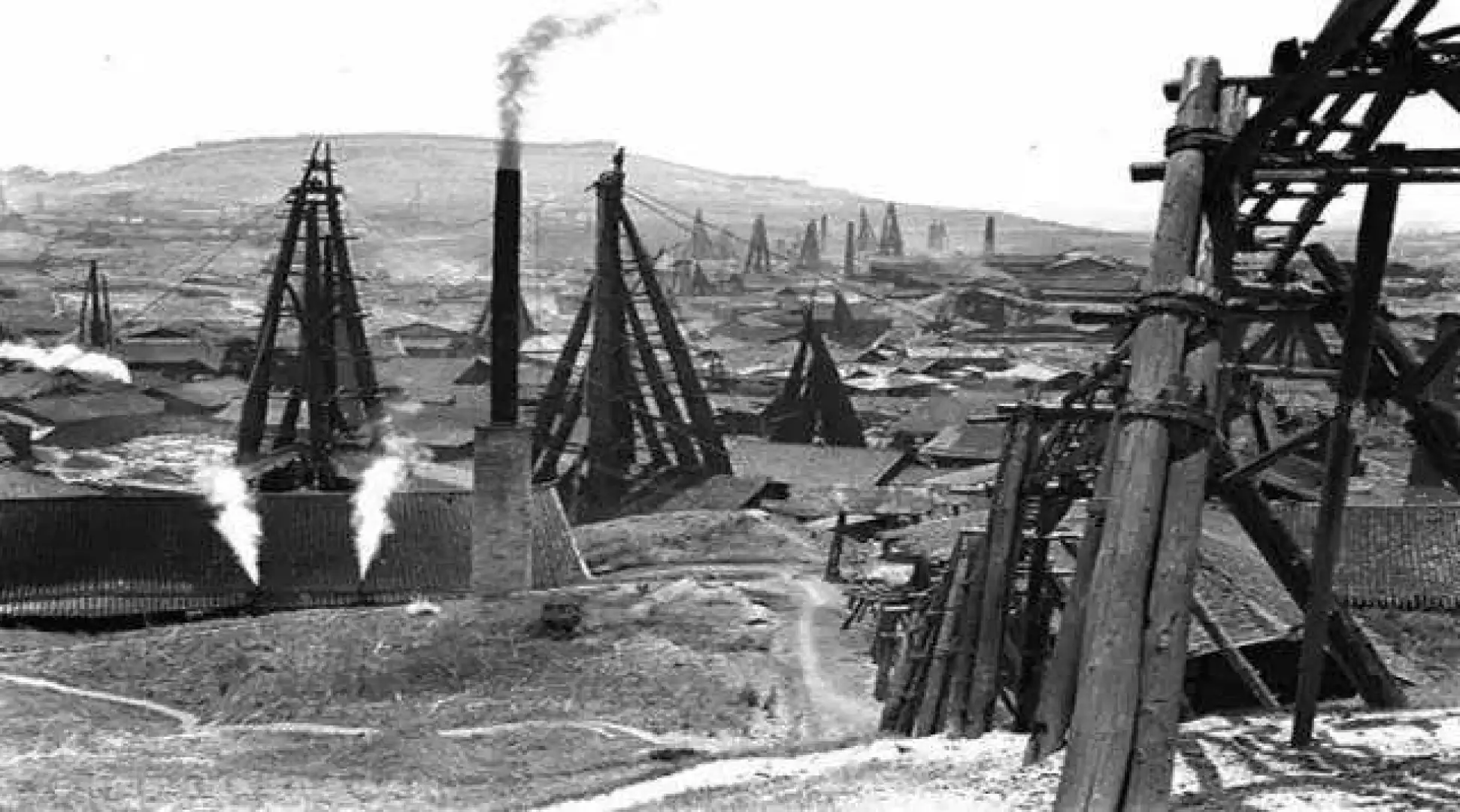
Zigong's history is inseparable from salt. The name itself comes from "Ziliujing" (Self-Flowing Well) and "Gongjing" (Tribute Well). For over two thousand years, this city was the salt capital of China, its skyline dominated by towering wooden derricks known as tianche (heavenly derricks). These structures, resembling dark cannon towers, were used to extract brine from nearly a kilometer underground.
Today, the Shensheng Well (Shenhai Jing) is the only traditional well salt workshop preserved in the city. The number of craftsmen who maintain these derricks? You can count them on one hand. Zigong's salt industry may have faded, but its legacy lives on in every bite of authentic Sichuan cuisine.
The Slow Pulse of Old Streets
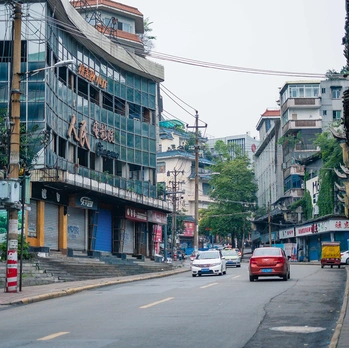
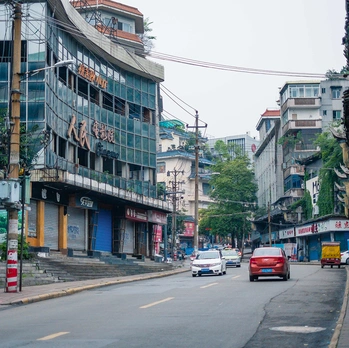
Zigong moves at its own pace. The prosperity brought by salt couldn't keep up with modern economic development, and the city has acquired a touch of melancholy. Old streets remain intact, but shantytown renovations have displaced artisans and snack vendors. The cries of "sharpening scissors, honing cleavers" have faded into memory.
Yet, for Zigong natives living far from home, taste buds remain the strongest trigger of nostalgia. A music creator I met, known as Wuge, returns to Zigong every month from Chengdu. He told me about a malatang (spicy hot pot) stall that had been open for 28 years—now facing demolition. The owner simply shook his head: "Not doing it anymore. Costs are too high."
When these stalls disappear, diners become like homeless children. That's the tradition of the people—and the heart of Zigong.
Why Yanbang Cuisine is Different
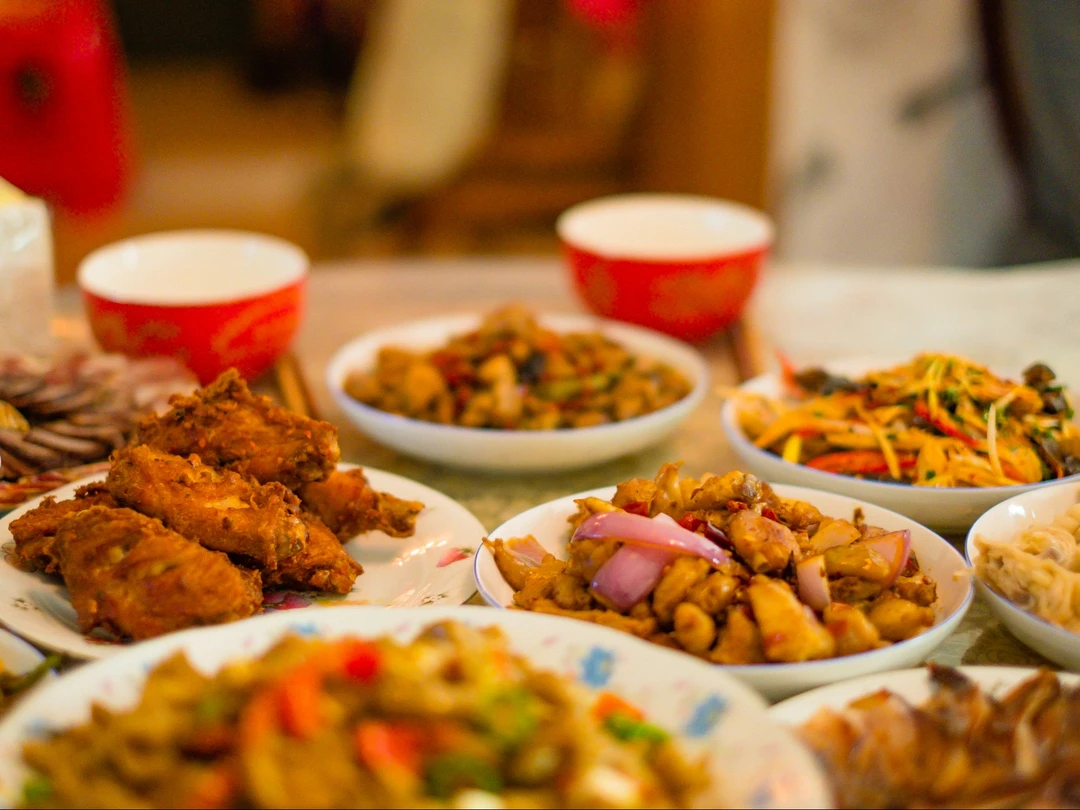
Yanbang cuisine is the culinary soul of Zigong. Unlike other Sichuan styles, it relies on pickled chilies and young ginger as a base, then amplifies the heat with fresh small green chilies and long hot peppers. The result? A fiery, aromatic, and deeply satisfying flavor profile that sets Zigong apart from the rest of Sichuan.
Why does Sichuan food elsewhere often taste "off"? Because only salt born from a thousand-meter-deep well can truly saturate our spoiled tongues.
No Rabbit Leaves Zigong Alive
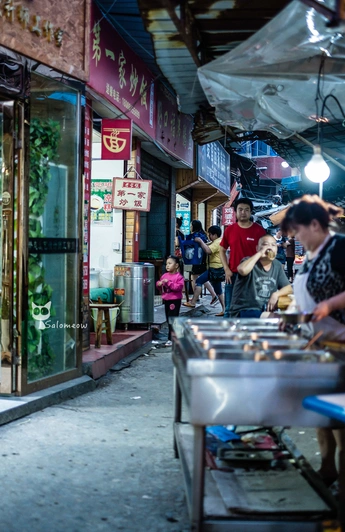
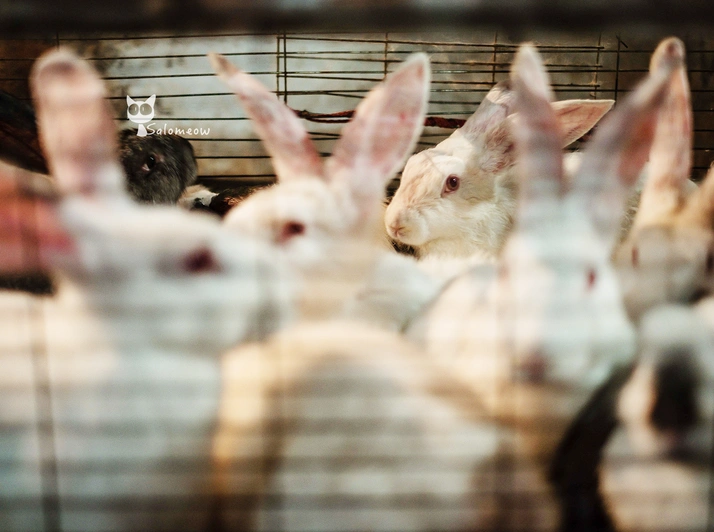
Zigong's love affair with rabbit is legendary. From cold-eaten rabbit to hand-torn rabbit, fresh-pot rabbit, roasted rabbit, stir-fried rabbit tripe, spicy rabbit heads, and rabbit ears—no rabbit leaves Zigong alive. Here are two must-try rabbit experiences.
The Legendary "Toilet Rabbit": Food God
Food God (Shishen) is a hole-in-the-wall eatery so famous that people make special trips to Zigong just for it. It's located next to a toilet—hence the nickname. The building is run-down, the plates are chipped, and the owner has a famously bad temper. But the food? Unforgettable.
Upon arrival, you pick your rabbit. It's ordered live, slaughtered on the spot, and stir-fried immediately. When business is too good, the owner lady yells at the waiting crowd: "Stop lining up! There's none left!"
The most classic dishes are dry-pot rabbit and double-pepper rabbit. The meat is tender and smooth, cooked immediately after slaughter, with flavor seeping into the bone. Wait five to ten minutes, and even a chopstick tip will numb your tongue completely.
Riverside "Dangerous Building": Bishan Rabbit
Bishan Rabbit (Bishan Tu) is a 20-year-old private kitchen located next to the Zigong Salt Industry Museum. It's so small it has no sign. The hallway is narrow, the windows are barely see-through, and the chairs creak. But the food is legendary.
Before the main courses arrive, you must cleanse your palate with cold noodles with chili oil, sweet-and-sour ribs, stir-fried rabbit tripe, and pork aorta appetizers. These open up your stomach and prepare you for the real challenge.
The cold noodles themselves are flavorless—but that's the point. They're a canvas for the explosive sauces that follow.
FAQ: Everything You Need to Know About Zigong
1. What is Yanbang cuisine?
Yanbang cuisine, or "salt gang cooking," is a regional style of Sichuan food originating in Zigong. It emphasizes pickled chilies, young ginger, and fresh green chilies as its base, creating a uniquely fiery and aromatic flavor profile.
2. Is Zigong food spicier than regular Sichuan food?
Yes. Zigong's heat is more intense and layered. While standard Sichuan cuisine uses doubanjiang (fermented bean paste) and Sichuan peppercorns, Zigong relies on fresh and pickled chilies for a sharper, more direct heat.
3. What are the must-try dishes in Zigong?
- Diving rabbit / diving frog (stir-fried with chilies and pickled peppers)
- Double-pepper rabbit (a signature dish at Food God)
- Dry-pot rabbit (crispy, spicy, and addictive)
- Cold noodles with chili oil (a perfect palate cleanser)
- Fresh-pot rabbit (a milder but equally flavorful option)
4. How do I get to Zigong from Chengdu?
Zigong is about a two-hour drive from Chengdu. You can also take a high-speed train from Chengdu East Station to Zigong Station (approximately 1 hour). Once there, taxis and ride-hailing apps are widely available.
5. What else is there to do in Zigong besides eat?
- Visit the Zigong Salt Industry Museum to learn about the city's salt heritage.
- Explore the Shensheng Well (Shenhai Jing), the only preserved traditional well salt workshop.
- Stroll through the old streets of Ziliujing and Gongjing for a glimpse of slow-paced local life.
- See the Zigong Dinosaur Museum, one of the largest dinosaur fossil sites in the world.
[Link: Zigong travel guide] [Link: Best Sichuan food cities] [Link: How to eat spicy food as a beginner]
Conclusion: Your Next Food Adventure Awaits
Zigong is not for the faint of heart—or the faint of palate. But for those willing to embrace the heat, the chaos, and the charm, it offers an unforgettable journey into the soul of Southern Sichuan.
From the legendary Toilet Rabbit to the riverside Bishan Rabbit, from the ancient salt derricks to the slow-moving old streets, Zigong is a city that refuses to be forgotten. It's a place where flavor is fierce, people are real, and every meal tells a story.
So pack your bags, bring your appetite, and prepare to fall in love with Zigong. Your taste buds will thank you—even if they're on fire.
Ready to explore Zigong? [Link: Book your Zigong food tour] [Link: Best restaurants in Zigong] [Link: Sichuan travel itinerary]
Have you visited Zigong? Share your favorite dish in the comments below!
You may also like