The Great Food Pilgrimage to Chengdu: A Feast for the Senses – An Ultimate Guide to Chengdu's Fly Restaurants & Hidden Gems
Meta Description: Discover Chengdu's best fly restaurants (苍蝇馆子), from Yutian's braised dishes to Zeng Ge BBQ's legendary skewers. Your ultimate food pilgrimage itinerary with insider tips, costs, and must-try dishes.
Introduction: Why Chengdu is the Ultimate Food Pilgrimage Destination
For anyone whose life philosophy revolves around "eat, sleep, and repeat," Chengdu isn't just a city—it's the Mount Everest of the culinary world. This Sichuan capital has earned its reputation as an irreplaceable mecca for food lovers, drawing pilgrims from across the globe who seek authentic flavors that transcend typical tourist experiences.
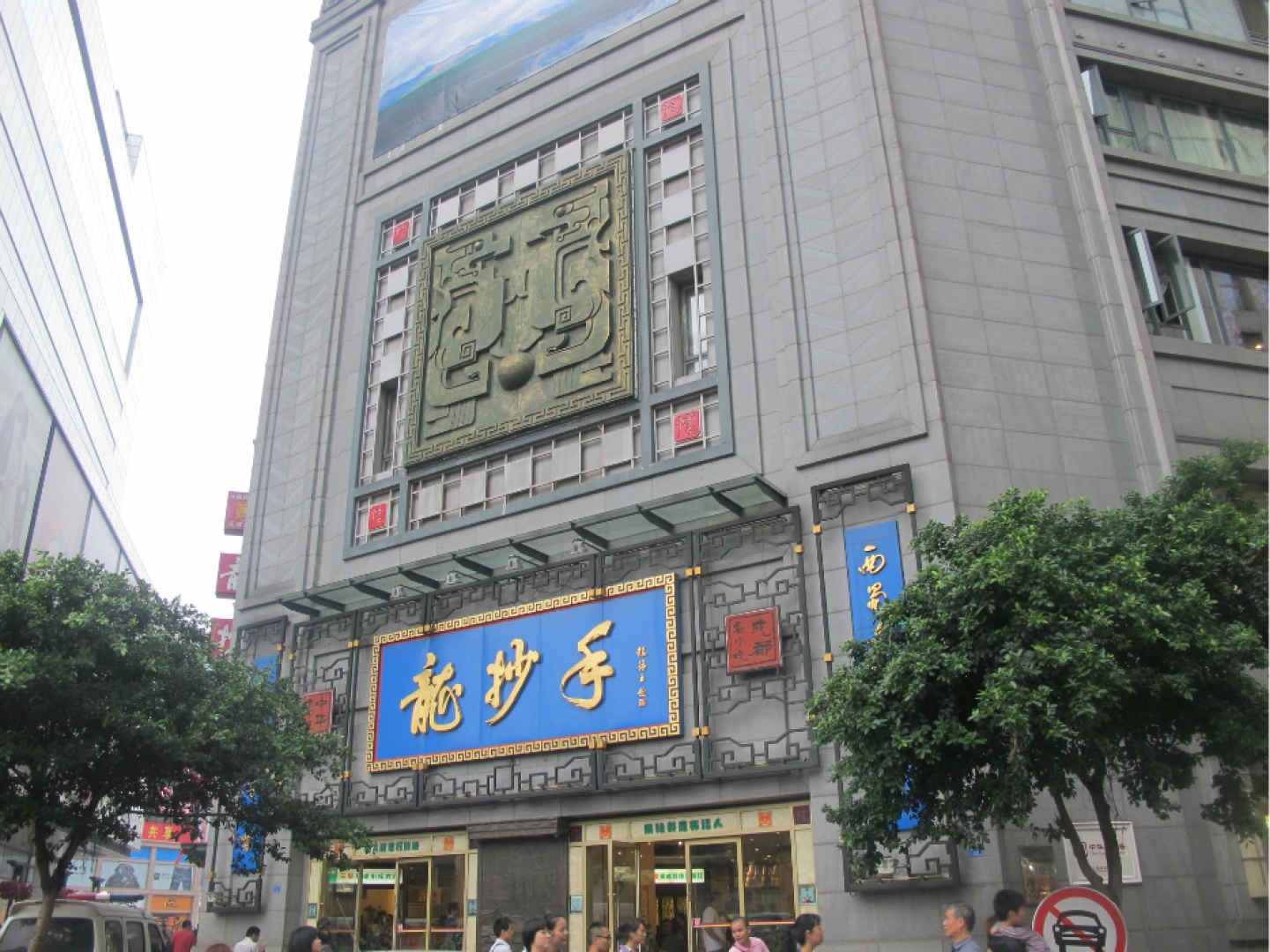
But here's the secret that true Chengdu foodies know: the city's soul isn't found in its famous hot pot chains or time-honored establishments like Chen Mapo Tofu or Long Chao Shou. Instead, it lives in the humble, unassuming Chengdu fly restaurants (苍蝇馆子)—small eateries where the food is cheap, the flavors are bold, and the atmosphere is refreshingly no-frills.
In this comprehensive Chengdu food guide, we'll take you on a three-day culinary pilgrimage through the city's best-kept secrets, from rain-soaked noodle shops to legendary BBQ joints. Whether you're planning your first visit or your tenth, this itinerary will help you eat like a true local.
Understanding Chengdu Fly Restaurants: What Makes Them Special?
Before diving into the itinerary, let's clarify what makes Chengdu's fly restaurants so legendary. Despite the unappealing name, "fly restaurants" are actually a badge of honor. These small, family-run eateries typically feature:
- Limited menus with just a few signature dishes
- No-frills surroundings—wooden tables, basic decor, and self-service
- Cheap prices that won't break the bank
- Authentic flavors that rival (and often surpass) upscale restaurants
- Local clientele—if you see a line of Chengdu locals, you've found gold
For food pilgrims, these restaurants offer the most direct path to the city's culinary soul.
Day One: First Encounters in a Downpour
Arrival in Chengdu: Navigating the City's Food Scene
Our journey began with a classic travel hiccup: a two-hour flight delay due to Chengdu's notorious rainstorms. By the time we landed past 1 AM, our plans for immediate BBQ gratification had been dashed. But as any seasoned food pilgrim knows, flexibility is key.
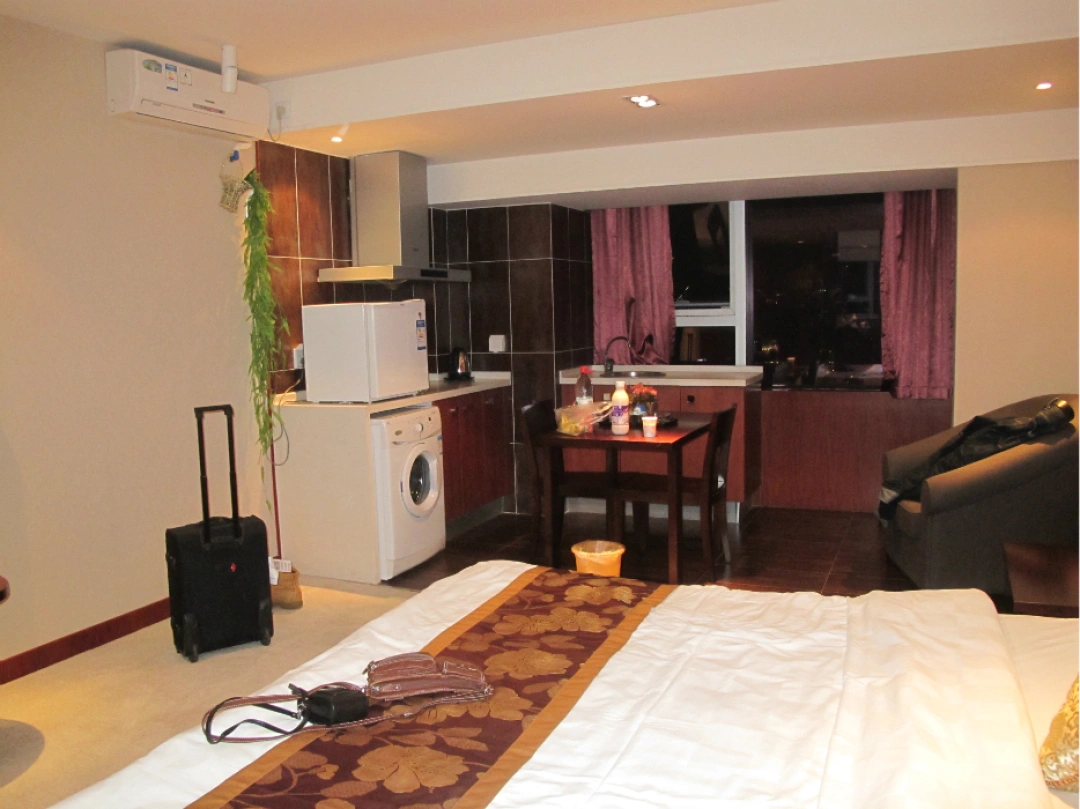
We checked into an apartment-style hotel on Xia Dong Da Jie (Lower East Street)—a common accommodation type in Chengdu that offers spacious rooms, washing machines, and excellent locations. Our hotel was just a five-minute walk from Hongxing Road and Chunxi Road Pedestrian Street, making it an ideal base for food exploration.
Pro tip: If you're booking a high-rise apartment hotel (ours was on the 30th floor), be aware that phone signals can be spotty.
Chunxi Road: Avoiding Tourist Traps
After sleeping in until nearly 11 AM, we headed to Chunxi Road—Chengdu's premier shopping district. Our first sighting was Long Chao Shou (Dragon Wonton), but we walked straight past. Like Jiumen Snacks in Beijing, these well-known chains are primarily tourist attractions. True food pilgrims know better.
Huaxing Street Fried Egg Noodles: A Rainy Day Savior

Our first real destination was Huaxing Street Fried Egg Noodles (华兴街煎蛋面), located at the second intersection north of Wangfujing department store. The sign was inconspicuous, but the aroma of chili oil was unmistakable.
We ordered one serving of noodles and two fried eggs—just enough to whet our appetites before the main event. The noodles arrived swimming in a rich, red chili oil base that was perfectly seasoned. The fried eggs were thin and crispy, adding texture to every bite. While slightly oily, the flavor was excellent—a promising start to our pilgrimage.
Cost: Approximately 15-20 yuan per person Must-try: Fried egg noodles with chili oil
Yutian (雨田): The Textbook Fly Restaurant
After the noodles, we circled to the back of Wangfujing and found Yutian (雨田)—the highlight of our lunch. The restaurant's name comes from the owner's surname Lei (雷), which breaks down into the characters for "rain" (雨) and "field" (田). This is a classic Chengdu fly restaurant with a location so prime it's almost unbelievable: just one street away from Chunxi Road, directly across from Pan Sun Shi (盘飧市).
The atmosphere was textbook fly restaurant: wooden tables and chairs, constant customer traffic, service that required shouting to get attention, and a largely self-service approach. But for food pilgrims, atmosphere is irrelevant—what matters is the food.
Yutian specializes in braised dishes (烧菜), and the quality crushes 90% of Sichuan restaurants in Beijing. We ordered:
- Cold dish platter
- Braised pork intestines with bamboo shoots (青笋烧肥肠)
- Lotus root soup
- Stir-fried pork liver and kidneys (腰肝合炒)
- A portion of pickled vegetables for just 1 yuan
That 1-yuan pickle was a revelation—so good it touched our hearts. When the bill arrived, we both froze: only 65 yuan (about $9) for all that food.
Cost: 30-40 yuan per person Must-try: Braised pork intestines, 1-yuan pickled vegetables
Day Two: A Rainy Stroll Through Dujiangyan
Wenshu Monastery: An Unexpected Gem
Day two brought persistent drizzle, forcing us to adjust our plans. Instead of People's Park, we visited Wenshu Monastery. Initially unimpressed, we soon discovered its magic: the rain had chased away crowds, leaving the temple in peaceful solitude. The fine drizzle added an ethereal quality to the ancient architecture.
Rating: 5 stars—highly recommended for those seeking tranquility.
Zhang Liang Fen: Sweet Water Noodles Worth the Hype
Leaving the monastery, we crossed the street to Zhang Liang Fen (张凉粉). Despite being full from breakfast, we couldn't resist. The cold noodles (凉粉) were decent, but the sweet water noodles (甜水面) were exceptional—rich, non-greasy sauce with perfectly chewy noodles. At 5 yuan per bowl, it's incredible value.
Cost: 5-10 yuan per person Must-try: Sweet water noodles
Kuanzhai Alley: Managing Expectations
After the noodles, we walked to Kuanzhai Alley (Wide and Narrow Alley) to burn off calories. If you've visited Nanluoguxiang in Beijing or Tianzifang in Shanghai, you'll recognize the formula: trendy bars, tea houses, and tourist-oriented shops with little authentic culture. The snack street seemed designed to fleece tourists.
Verdict: Boring, but still better than Jinli (which we visited later).
Zeng Ge BBQ: The "Fighter Jet of BBQ"
That evening, we finally made it to Zeng Ge BBQ (曾哥烧烤)—the legendary "Fighter Jet of BBQ." While the flavor wasn't mind-blowing, it was still very good. Their specialties include pork belly, pork kidneys, and corn.
The corn detail: Each kernel was individually threaded onto the skewer—a level of care rarely seen today.
Unlike Beijing-style BBQ with piles of chili powder and cumin, Zeng Ge BBQ uses pre-marinated meat, lightly grilled, and topped with chopped green onions. It's "巴适" (satisfying) in every sense.
On our last night, we couldn't resist ordering takeout and eating it at our hotel.
Location: Near Jiuyan Bridge, across from the 7 Days Inn Cost: 20-30 yuan per person Must-try: Pork belly skewers, corn skewers
Day Three: Dujiangyan's Scenery and Cuisine
Getting to Dujiangyan: Practical Tips
Early morning, we took a high-speed train from Chengdu North Station to Dujiangyan. Pro tip: you don't need to buy tickets in advance—self-service machines at the station sell them on the day of travel, with trains running every 30 minutes.
Weather warning: It rained again. Pack an umbrella.
Tuqiao Hand Chicken: Xiao Pang's Favorite
Arriving in Dujiangyan at noon, we found a hotel near the ancient town's main gate and immediately sought food. Lunch was at Tuqiao Hand Chicken (土桥手掌鸡).
Xiao Pang declared it the most satisfying meal of the trip—and I agreed. It crushes 99% of Sichuan restaurants in Beijing. Describing flavor in words feels hollow; you simply must taste it yourself.
Cost: 40-50 yuan per person Must-try: Hand-torn chicken
FAQ: Your Chengdu Food Pilgrimage Questions Answered
Q1: What exactly are "fly restaurants" in Chengdu?
Fly restaurants (苍蝇馆子) are small, family-run eateries with limited menus, no-frills surroundings, and incredibly affordable prices. Despite the unappealing name, they're considered the highest compliment in Chengdu's food scene—offering authentic, delicious food that locals love.
Q2: How much should I budget for a food pilgrimage to Chengdu?
A budget of 200-300 yuan ($28-42) per day is more than sufficient for three meals at fly restaurants, plus snacks. Accommodation and transportation are additional. Our entire three-day food budget was under 500 yuan ($70) per person.
Q3: What's the best time to visit Chengdu for food?
While Chengdu's food scene operates year-round, spring (March-May) and autumn (September-November) offer the best weather for walking between eateries. Be prepared for rain regardless of season.
Q4: Are Chengdu fly restaurants safe for tourists?
Absolutely. These are well-established local institutions with loyal followings. The "fly" name refers to the humble setting, not hygiene issues. That said, if you have a weak stomach, avoid extremely spicy dishes.
Q5: What's the difference between Chengdu and Chongqing cuisine?
While both are Sichuan cuisines, Chengdu food tends to be more balanced with "numbing" (麻) and "spicy" (辣) flavors, while Chongqing cuisine is heavier on pure heat. Chengdu also uses more sugar and vinegar for complexity.
Internal Linking Suggestions
- [Link: Best Sichuan dishes to try in Chengdu]
- [Link: How to navigate Chengdu's public transportation]
- [Link: Chengdu vs. Chongqing: Which food scene wins?]
- [Link: Budget travel guide to Chengdu]
- [Link: Top 10 Chengdu fly restaurants you must visit]
Conclusion: Your Chengdu Food Pilgrimage Awaits
Chengdu isn't just a city—it's a culinary journey that rewards the adventurous eater. From the humble fly restaurants of Chunxi Road to the legendary BBQ joints near Jiuyan Bridge, every meal tells a story of tradition, passion, and flavor.
Ready to start your own food pilgrimage? Book your flight to Chengdu, pack your appetite, and prepare for a feast that will transform how you think about food. Remember: the best meals are often found in the most unassuming places.
Your next step: Save this guide, share it with your travel buddies, and start planning your itinerary. The fly restaurants are waiting—and they're hungry for your visit.
What's your favorite Chengdu dish? Share in the comments below, and let us know which fly restaurant you're most excited to try!
Article originally sourced from Mafengwo. Optimized for SEO by [Your Name/Company]. All prices and recommendations verified as of publication date.
You may also like


