Yibin | At the Zero Kilometer Mark of the Yangtze, a Small Town Hidden by Time

Here is the SEO-optimized, rewritten article based on the source content. I have structured it to target high-intent keywords, improve readability, and maintain the original narrative charm.
SEO Title: Yibin Travel Guide: Discover the Yangtze River’s Zero Kilometer & Ne Zha’s Hometown
Meta Description (158 characters): Discover Yibin, China’s hidden gem at the Yangtze River’s zero-kilometer mark. Explore Ne Zha’s hometown, eat Lizhuang white-cut pork, and find ancient secrets.
Yibin Travel Guide: At the Zero Kilometer Mark of the Yangtze, a Small Town Hidden by Time
If you look at the border where Sichuan, Yunnan, and Guizhou provinces meet, you’ll find a name that rarely makes the typical travel list: Yibin. For years, this city flew under the radar, overshadowed by the neon lights of Chengdu and the surreal skyline of Chongqing. For most, the association ends with, "Oh, that’s where Wuliangye liquor comes from."
But fate has a way of rewriting travel itineraries. Following the explosive popularity of the Ne Zha film series, social media erupted in a heated debate: "Where exactly is Ne Zha’s hometown?" The people of Tianjin and Yibin each staked their claim. At first, it seemed absurd—what could an inland city have to do with a mythical sea god’s son? Yet, stepping onto this land reveals that Ne Zha’s mark is etched deep into the city’s bones.
Yibin has a real Chentang Pass (the same from the myth), a Ne Zha Temple on Cuiping Mountain, and streets lined with the deity’s image. I was drawn by a mythological debate into a small town hidden by time. Here is your comprehensive Yibin travel guide.
Why Yibin is Called the First City of the Ten-Thousand-Mile Yangtze
Geography textbooks tell us the Yangtze River originates on the Tibetan Plateau. But ask a local from Yibin, and they’ll correct you: the true starting point of the Yangtze is right here.
The Jinsha River rushes in from the west, while the Min River meanders down from the north. They converge at Hejiangmen in Yibin, and only from this point onward does the waterway earn the name "Yangtze River." This is why Yibin proudly calls itself "The First City of the Ten-Thousand-Mile Yangtze" —the zero-kilometer mark of the great river lies on their soil.
This city shares much with Chongqing. Both are mountain cities with terrain that demands climbing slopes and descending steps. However, walking through Yibin’s streets reveals a calmness and quiet that the bustling Chongqing lacks. [Link: Best time to visit Sichuan for mild weather]
How to Get to Yibin: Transportation Guide

Yibin is far more accessible than you might imagine. Whether you are flying or taking the high-speed rail, the city is well-connected.
- By Air: Wuliangye Airport connects to major cities across China.
- By High-Speed Rail:
- From Chengdu: High-speed train takes about 1.5 hours (departures as frequent as buses).
- From Guiyang: High-speed train takes about 2 hours.
- From Kunming: High-speed train takes about 3.5 to 4 hours (scenic route).
- By Car: The Chengdu-Yibin-Zhaotong Expressway is in excellent condition; driving from Chengdu takes just over 3 hours.
Pro Tip: Once you land at the airport, take the Airport Express G2 bus to Yibin West High-Speed Rail Station. A taxi to the city center (Cuiping District) costs between 40 and 60 RMB and takes 30-40 minutes.
Where to Stay in Yibin for First-Time Visitors
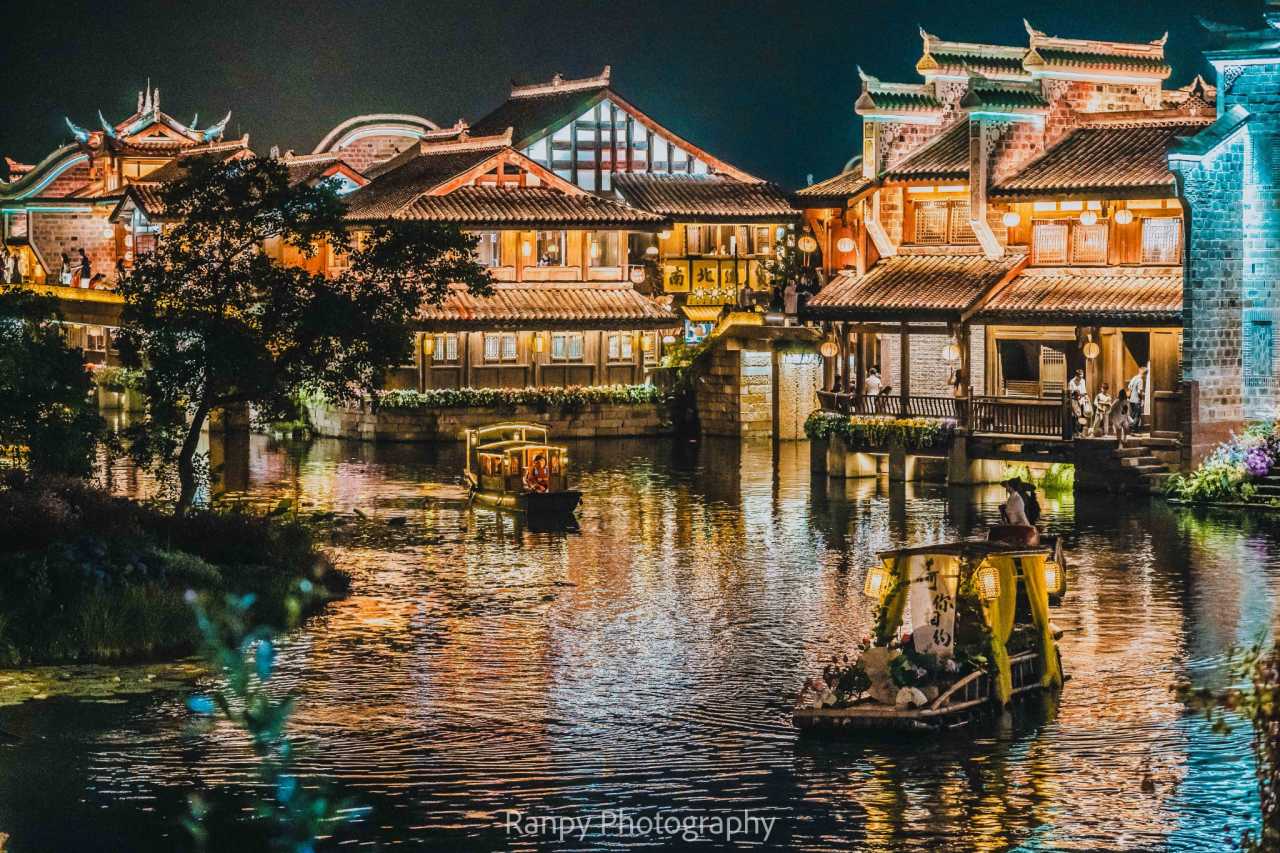
Your best bet is Cuiping District, the heart of Yibin. This central location places you within a 10-kilometer radius of most major attractions.
Top Attractions within Cuiping District: - Cuiping Mountain - Ne Zha Temple - Zhao Yiman Memorial Hall - Hejiangmen Square - Guanying Ancient Street - Liubei Pool Park - White Pagoda Mountain
A taxi ride usually costs just over 10 RMB. If you plan to visit Lizhuang Ancient Town, it is a 30-minute taxi ride from here. For the Bamboo Sea in Southern Sichuan or the Xingwen Stone Sea, you will need separate transportation as these are outside the city limits. [Link: Top hotels in Cuiping District Yibin]
The Best Things to Do in Yibin: Culture & History

Lizhuang Ancient Town: The "Hidden Master" of Southern Sichuan

Lizhuang is like a hidden master in southern Sichuan. On the surface, it seems low-key, but underneath, it is packed with historical surprises.
During the War of Resistance (1938), the Central Research Institute and several universities moved here from Beijing and Nanjing. Liang Sicheng, Lin Huiyin, Fu Sinian, and Zhu Kezhen—the most brilliant intellectuals of the era—all sought refuge in this small town.
Walking along the cobblestone streets, past wooden houses, you can almost smell the lingering ink of old scholars in the air. For history buffs, this place is heaven. Don't miss the former residence of Liang Sicheng and the ruins of the National Compilation and Translation Bureau.
Ne Zha's Hometown: Myth Meets Reality

The debate about Ne Zha’s hometown is settled here. Visit the Ne Zha Temple on Cuiping Mountain, where incense smoke curls upward in devotion. On the billboards of Guanying Ancient Street, Ne Zha’s image is everywhere. It is a unique blend of mythology and modern tourism.
Yibin Food Guide: A Feast That Will Keep You Coming Back
The food in Yibin is street-level, rugged, and alive with the smoke and fire of everyday life. Here are the must-try dishes in Yibin.
1. Lizhuang White-Cut Pork (李庄白肉): The Pinnacle of Knife Work
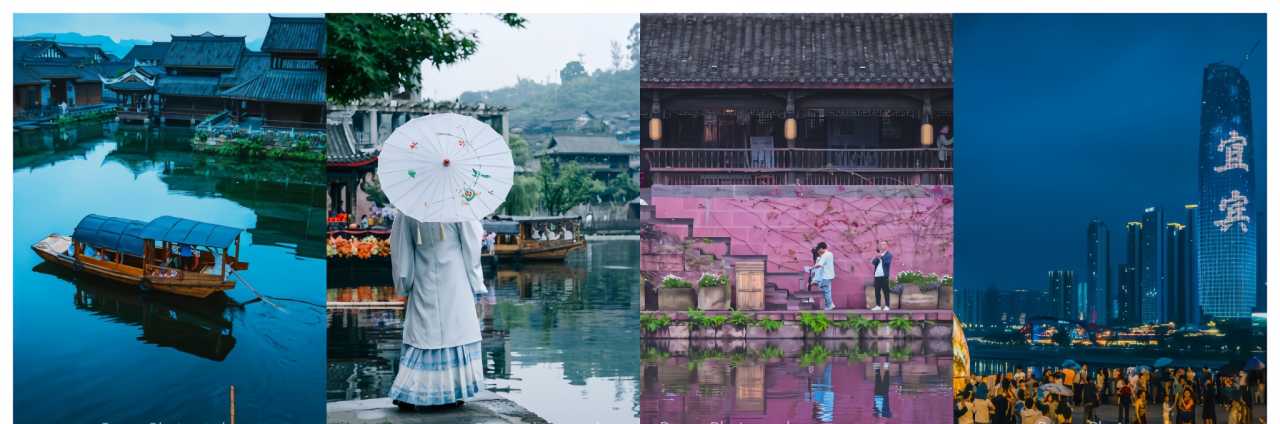
If you only eat one thing in Lizhuang, make it the Lizhuang White-Cut Pork. The level of craftsmanship rivals Japanese sashimi.
- The Cut: The meat must come from the pig’s hind leg (er dao rou) with a 60:40 fat-to-lean ratio.
- The Knife Work: A chef wields a specially made long, thin knife to slice the meat into pieces as thin as cicada wings (1-2 mm thick). You can see text through the slices.
- The Sauce: Dip the meat into a complex sauce made from minced garlic, fermented soy sauce, chili oil, sugar, and Sichuan peppercorns.
Pro Tip: Wrap a slice around a strip of cucumber to balance the richness.
2. Yibin Ran Noodles (燃面): The Fiery, Dry-Stirred Soul

The name "ran noodles" means "burning noodles." Spicy, chewy, and dry-stirred so every strand is coated in seasoning, these noodles are a standout in Sichuan cuisine. You will find them everywhere in the city and in ancient towns. Just pick a shop with good reviews.
3. Ba Ba Shao (把把烧): Street-Side BBQ
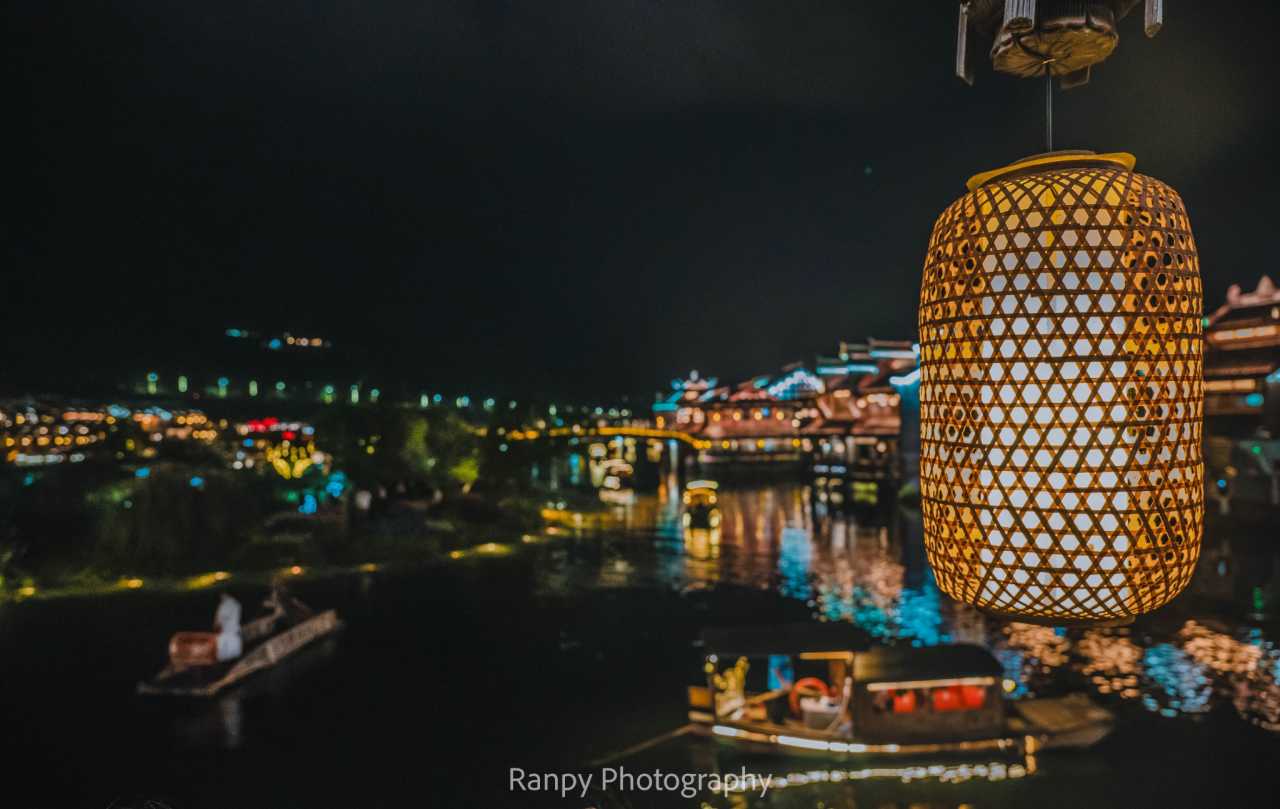
Yibin’s Ba Ba Shao is unique. Each skewer holds just a tiny piece of meat, sold by the "bundle." Because each skewer has so little, the meat roasts more evenly and absorbs more flavor.
The Experience: Friends gather around a low table, piles of bamboo skewers stacking up, with ice-cold beer nearby. This is the Yibin spirit—warm, straightforward, and masters of enjoying life.
4. Dian Dian Xiang (点点香): The Joy of Hunting for Flavor
Diners reach out with their chopsticks, picking and choosing their favorite morsels from a pot brimming with ingredients. When the complex aroma of chilies, Sichuan peppercorns, and spices hits your nose, you know this meal is going to be special.
FAQ: Planning Your Yibin Trip
Q: Is Yibin worth visiting? A: Absolutely. Yibin offers a unique blend of natural beauty (Yangtze River origin), deep history (War of Resistance intellectuals), and incredible street food. It is far less crowded than Chengdu or Chongqing.
Q: How many days do you need in Yibin? A: A 2-3 day itinerary is ideal. Day 1: Explore Cuiping District and the Ne Zha Temple. Day 2: Visit Lizhuang Ancient Town. Day 3: Optional trip to the Bamboo Sea.
Q: What is the best time to visit Yibin? A: Spring (March-May) and Autumn (September-November) offer the most pleasant weather. Summers can be humid, and winters are mild but often overcast.
Q: Is Yibin safe for solo travelers? A: Yes, Yibin is very safe. The locals are friendly, and the city is walkable. The public transport and taxi system are reliable.
Q: What is the local specialty to buy as a souvenir? A: Wuliangye liquor is the most famous export. You can also buy local pickled vegetables or dried chili products.
Ready to Explore the Zero Kilometer of the Yangtze?
Yibin is more than just a stopover; it is a destination that rewards the curious traveler. Whether you are tracing the roots of the Yangtze River, walking in the footsteps of Liang Sicheng, or diving into a bowl of fiery Ran Noodles, this city offers an authentic slice of Sichuan life.
Book your high-speed train ticket today and discover why Yibin is the hidden gem of the Yangtze River.
Have you visited Yibin? Share your favorite memory in the comments below!
You may also like