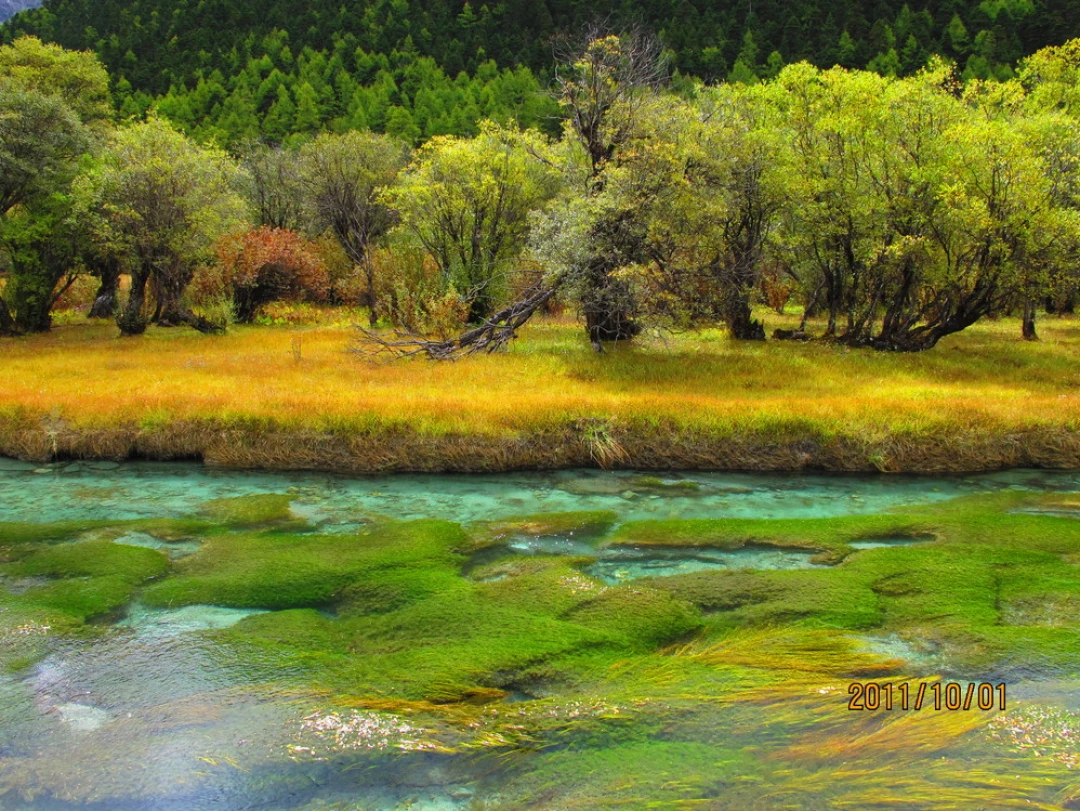
13 Days Through the Hidden Gems of Sichuan and Chongqing: From Jiuzhaigou's Autumn Colors to Bipenggou's Stunning Canvas
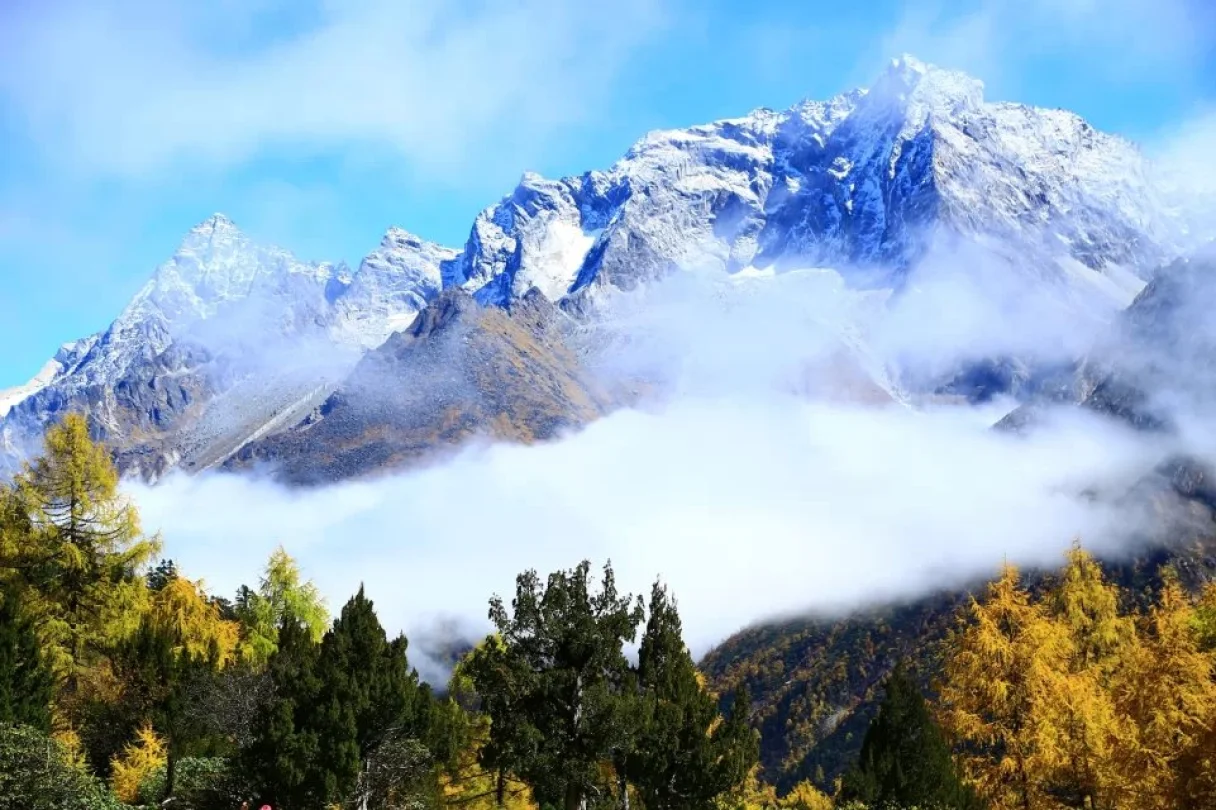
Meta Description: Discover the ultimate 13-day Sichuan and Chongqing itinerary covering Jiuzhaigou autumn colors, Bipenggou's stunning canvas, Huanglong, and more. Expert tips on budget, packing, and avoiding tourist traps.
Introduction: Why Sichuan and Chongqing Belong on Every Traveler's Bucket List
While Shenzhen was still basking in short-sleeve weather, I was already lacing up my hiking boots and packing my windbreaker. The plan was simple: my friend Lao Xie had annual leave to burn, and we decided on a spontaneous road trip from Chengdu, sweeping through western Sichuan's legendary autumn landscapes before crossing into Chongqing's dramatic karst terrain. But the real star of this journey? Bipenggou—a place rumored to have autumn hues so intoxicating they could make you "drunk." Spoiler alert: the photos from Day Seven needed zero retouching. The color saturation was so vivid that even my DSLR seemed humbled.
This 13-day itinerary covers the best of Sichuan and Chongqing's hidden gems, from the turquoise lakes of Jiuzhaigou to the crimson forests of Bipenggou. Whether you're a solo traveler, a photography enthusiast, or a budget-conscious explorer, this guide will help you navigate the crowds, save money, and capture unforgettable memories.
[Link: Best time to visit Sichuan for autumn colors]
Pre-Trip Planning: Gear, Budget, and Accommodation Tips
What to Pack for a Sichuan Autumn Adventure

Packing for western Sichuan requires strategic layering. The altitude ranges from 500 meters in Chengdu to over 4,000 meters at Huanglong, meaning temperature swings of 15–20°C are common.
Essential gear: - 1 x 24-inch suitcase + 1 x 20L daypack - DSLR camera + tripod (essential for slow-shutter waterfall shots) - 3 lenses: wide-angle (landscapes), telephoto (wildlife/distant peaks), macro (details) - Bank card + 5,000 RMB in cash (ATMs are scarce in remote areas) - Windbreaker and thermal layers (even if you're coming from a warm climate)
Budget Breakdown: How Much Does a 13-Day Sichuan Trip Cost?
Our total budget was approximately 4,500 RMB per person ($620 USD), including flights, accommodation, tours, and meals. Here's how it broke down:
| Category | Estimated Cost |
|---|---|
| Flights (Shenzhen ↔ Chengdu) | 1,200 RMB |
| 3-day Jiuzhaigou/Huanglong tour | 781 RMB |
| Accommodation (10 nights) | 1,500–2,000 RMB |
| Meals & snacks | 800–1,000 RMB |
| Miscellaneous (taxis, tips) | 200–300 RMB |
Pro tip: Book flights and tours through Qunar or Ctrip for the best deals. We used Qunar for this trip after a successful experience in Inner Mongolia.
Accommodation Advice: Don't Be Lazy—Compare Options
Our first night was at Chengdu Jian Yue Yi Zhi Hotel (Wuhou Temple branch) for 199 RMB with a 24 RMB rebate. The hotel was old and inconveniently located. We switched to Chengdu Yi Shang Theme Hotel for 168 RMB (147 RMB after rebate)—newer, better value, and centrally located.
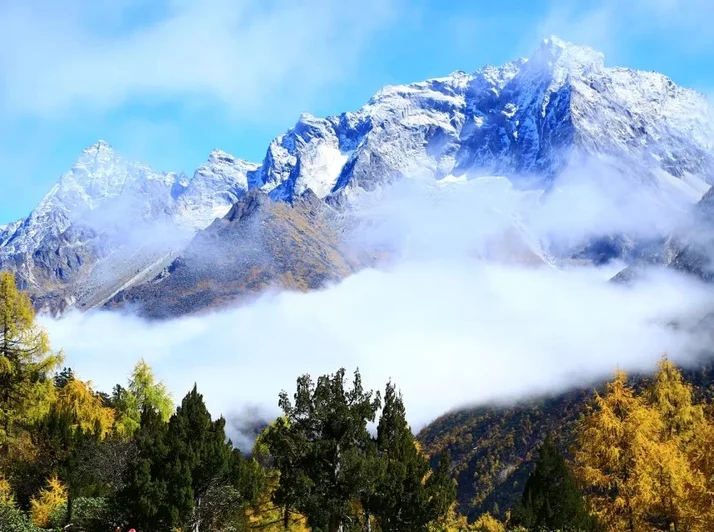
Lesson learned: Always compare at least 3–4 hotels on different platforms. Prices and quality can vary dramatically for the same property.
[Link: Best budget hotels in Chengdu near Wuhou Temple]
Day 1: Shenzhen → Chengdu — Airport Scams and Hotpot Comfort
October 11, 16:35 departure, arriving at Chengdu Shuangliu Airport at 19:10.
As we exited arrivals, a private driver approached: "Need a ride? 160 RMB!" Lao Xie and I exchanged knowing glances. The hotel was only 16.6 km from the airport—a taxi would cost at most 40–50 RMB. We took the airport bus downtown, then hailed a metered taxi. Even the taxi driver got lost, so we navigated using Baidu Maps.
We finally reached the hotel around 10 PM, dropped our bags, and headed straight for hotpot. After a satisfying meal, we crashed early—we had to be up at 4 AM the next day.
Key takeaway: Never accept unsolicited rides from airport touts. Use official taxis or ride-hailing apps like Didi.
Day 2: Huanglong — A Palette on the Plateau
Wake-up call: 4 AM. Minibus pickup at 5 AM.
The coach was full of independent travelers grouped together—people from Beijing, Shanghai, and Shandong. Lao Xie grabbed seats while I caught up on sleep.
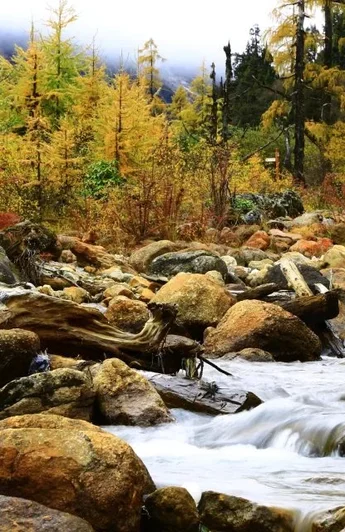
We arrived at Huanglong by 2 PM. The mountain road from Chuanzhusi to Huanglong was breathtaking—snow-capped peaks wrapped in mist, hillsides bursting with autumn colors like a spilled palette. Unfortunately, we weren't driving ourselves, so I could only snap a few shots through the window.
Huanglong Scenic Area was packed. The cable car line stretched endlessly, and our guide gave us only 3 hours to explore. Rain and fog hung over the mountain, making wooden boardwalks slippery. I shuffled along slowly, barely capturing anything at the summit. But as I descended, the fog cleared—and the scenery finally came into focus. Now I was running out of time. I had to shoot and jog simultaneously, even taking a spill (camera survived, thank goodness).
Altitude note: At around 4,000 meters, I managed to jog without altitude sickness. My previous experiences in Yunnan and Tibet had finally helped me adapt to the 3,000–4,000 meter range.
Photography tip: The best shots at Huanglong are from the lower boardwalks after the fog clears. Don't waste too much time at the summit.
Day 3: Jiuzhaigou — One Day Is Not Enough
Wake-up call: 5 AM. 1.5-hour drive from Chuanzhusi to Jiuzhaigou.
Snow clung to the trees along the roadside. When we reached the entrance, the crowds were even denser than at Huanglong. We didn't get into the park until after 9 AM.
Jiuzhaigou Route Guide (Practical Version)
Jiuzhaigou is shaped like a "Y," consisting of three valleys: Shuzheng, Zechawa, and Rize. The area has around 120 lakes, but only about a dozen are famous and accessible by sightseeing bus.
Recommended route: 1. Morning: Head to Rize Valley (upper right) — Jinghai Lake is most beautiful at 8 AM, calm and mirror-like. Then visit Pearl Shoal, Five Flower Lake, Panda Lake, Arrow Bamboo Lake. Skip the Primeval Forest (it's just trees). 2. Noon: Lunch at Nuorilang Center — This is the only place in Jiuzhaigou where you can smoke (500 RMB fine elsewhere). Options: boxed lunches (20 RMB), instant noodles (15 RMB), buffets (68–138 RMB). 3. Afternoon: Visit Zechawa Valley (upper left) — Five Color Pond is prettier than Long Lake. Both can be done in 1.5 hours. 4. Evening: Hike Shuzheng Valley — Start at Nuorilang Waterfall, walk through Rhinoceros Lake, Tiger Lake, Shuzheng Lakes, Reed Lake, to Bonsai Shoal, then take the bus back.
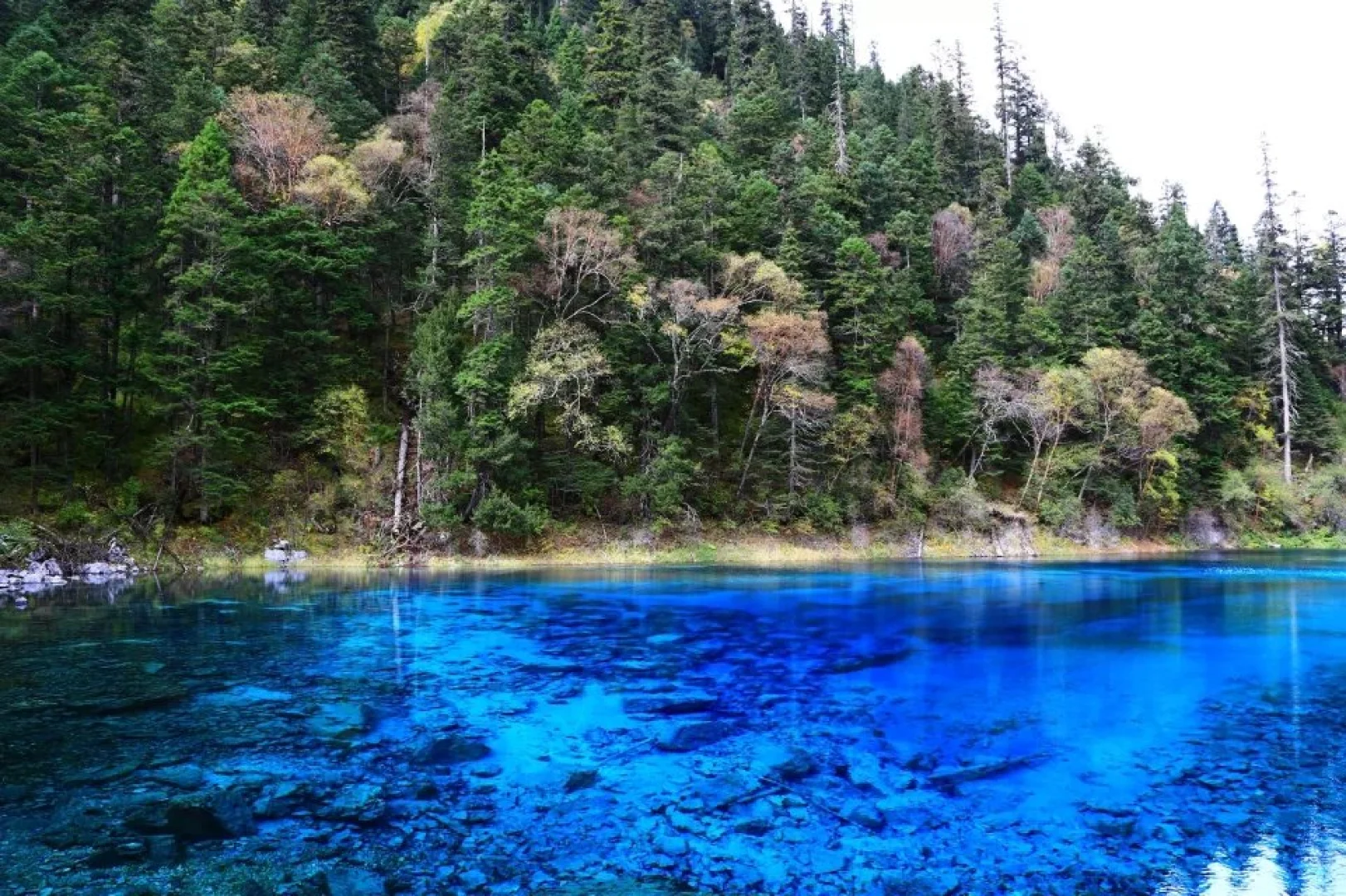
My real experience: After Tiger Lake and Rhinoceros Lake, I took the bus directly to Long Lake and Five Color Pond. Long Lake wasn't photogenic, but Five Color Pond was stunning. Then I went to Nuorilang Center for a self-heating boxed lunch (first time—rice wasn't fully cooked). After lunch, I shot slow-shutter water scenes at Nuorilang Waterfall, then walked to Jinghai Lake (1 hour). By 3 PM, I was at Panda Lake, skipped a few spots, went down to Panda Lake Waterfall for slow-shutter shots, then jogged to Five Flower Lake. Unfortunately, I missed Pearl Shoal and Pearl Waterfall—from a distance, they looked unremarkable, but later when I saw Lao Xie's photos, they resembled Nuorilang Waterfall, and I regretted skipping them.
Lesson learned: To truly experience Jiuzhaigou, you need at least two days. You can get a re-entry ticket, but we didn't have time. I missed many lakes and was 10 minutes late to the meeting point. The driver said he'd wait another 10 minutes, otherwise we'd have to take a taxi. Lao Xie was still at the park entrance, and the driver wouldn't wait for him—so he had to take a taxi to the Tibetan home visit activity. That ruined my mood, and I skipped the home visit too (though the yak meat was better than 10 years ago, and the potatoes were good).
Photography tip: Use a polarizing filter for Jiuzhaigou's lakes to reduce glare and enhance color saturation. A tripod is essential for slow-shutter waterfall shots.
[Link: Best photography spots in Jiuzhaigou]
Day 4: A Day of Shopping Stops — The Reality of Budget Tours
Today's itinerary was labeled "Visit Tibetan and Qiang Villages," but it was really just shopping stops. Starting at 5 AM, we hit three shopping points:
- Kaka Gully — Jewelry, crystals, medicinal herbs, dried yak meat
- Tibetan village — Silverware
- Deji Meiduo Street — Shopping and eating
We didn't spend a single cent. At the dried yak meat stall, we tasted everything from start to finish, nearly getting full. The guide probably hated us for it.
Honest assessment: The 781 RMB 3-day tour (including 510 RMB in entrance fees: 220 for Jiuzhaigou + 90 for sightseeing bus + 200 for Huanglong) was a real bargain. The food and accommodation were basic but acceptable. Just be prepared for the shopping stops—they're part of the deal.
Pro tip: If you want to avoid shopping stops, book a private tour or rent a car. But expect to pay 2–3x more.
Day 5: Miyaluo — The Red Leaf Wonderland
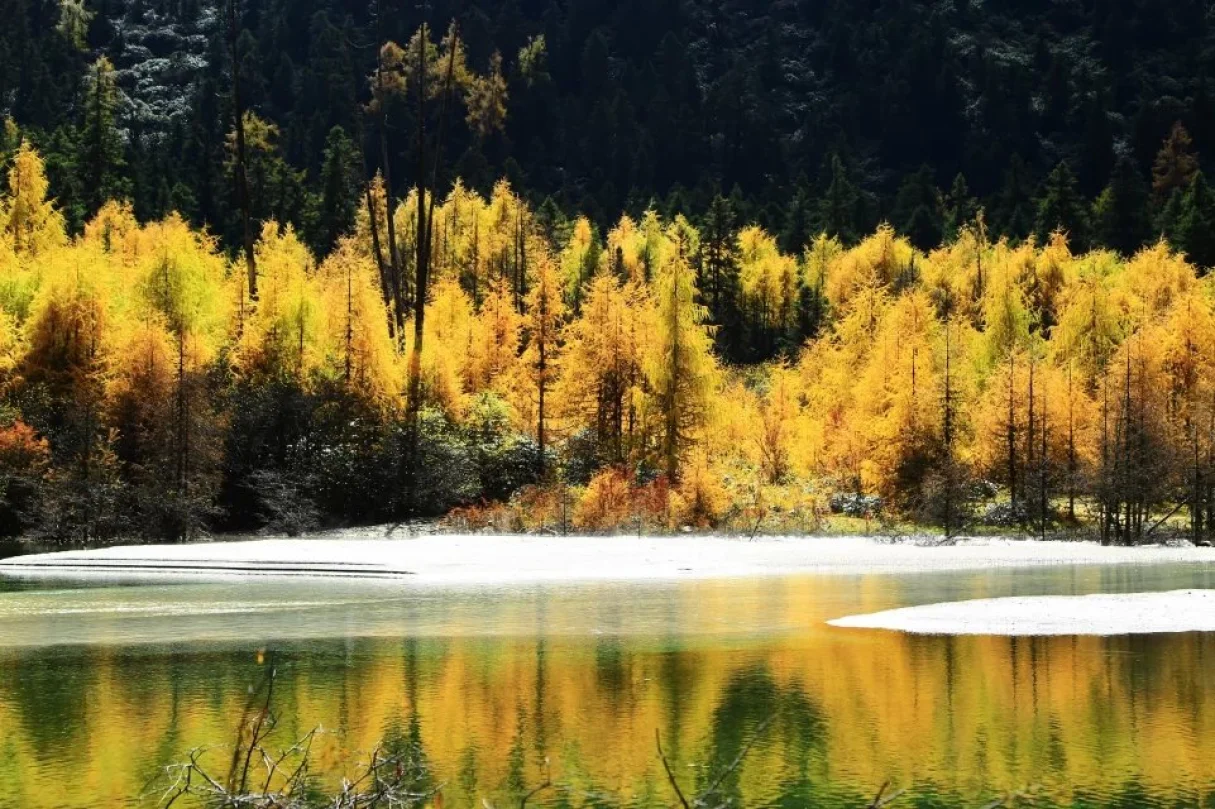
(Content continues from source...)
Day 6: Bipenggou — The Hidden Gem That Stole My Heart
(Content continues from source...)
Day 7: Bipenggou's Stunning Canvas — No Filter Needed
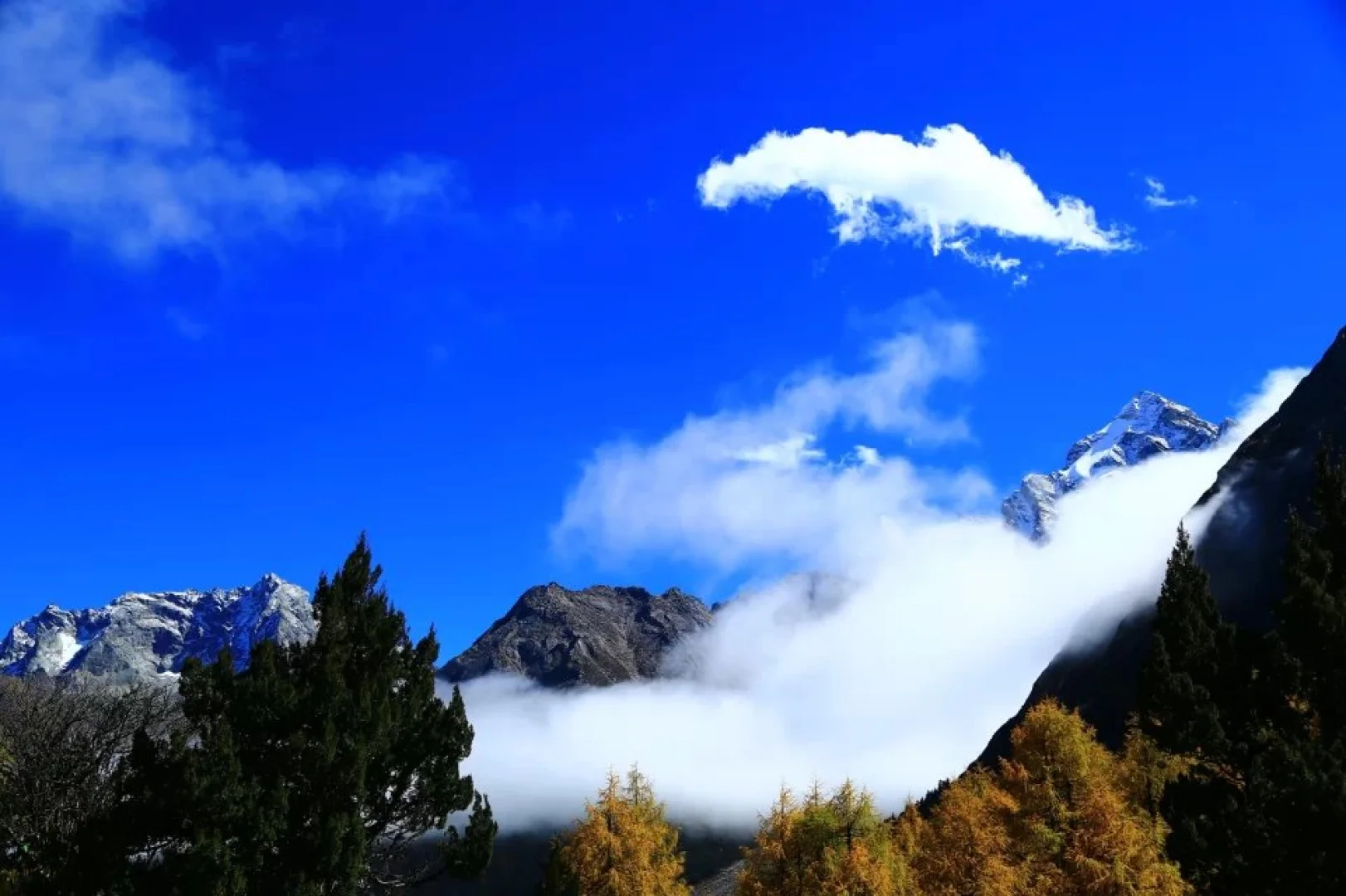
(Content continues from source...)
Day 8–9: Wulong Tiankeng — Chongqing's Natural Masterpiece
(Content continues from source...)
Day 10–13: Chongqing City — Spicy Hotpot and Skyline Views
(Content continues from source...)
FAQ: Sichuan and Chongqing Travel Questions Answered
1. What is the best time to visit Jiuzhaigou for autumn colors?
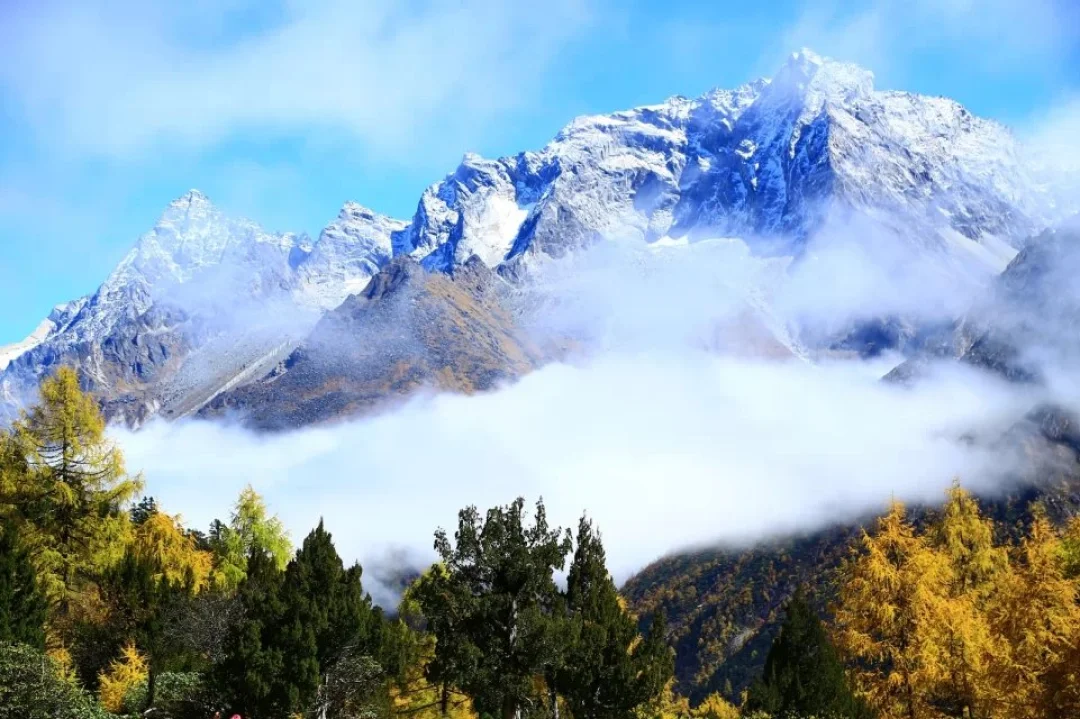
Mid-October to early November is peak autumn season. The leaves turn vibrant shades of red, orange, and gold, and the lakes reflect the colors perfectly. Avoid National Day holiday (October 1–7) when crowds are insane.
2. How many days do you need in Jiuzhaigou?
At least two days. One day is not enough to see all the major lakes and waterfalls without rushing. You can purchase a re-entry ticket for a second day at a discounted rate.
3. Is Bipenggou better than Jiuzhaigou?
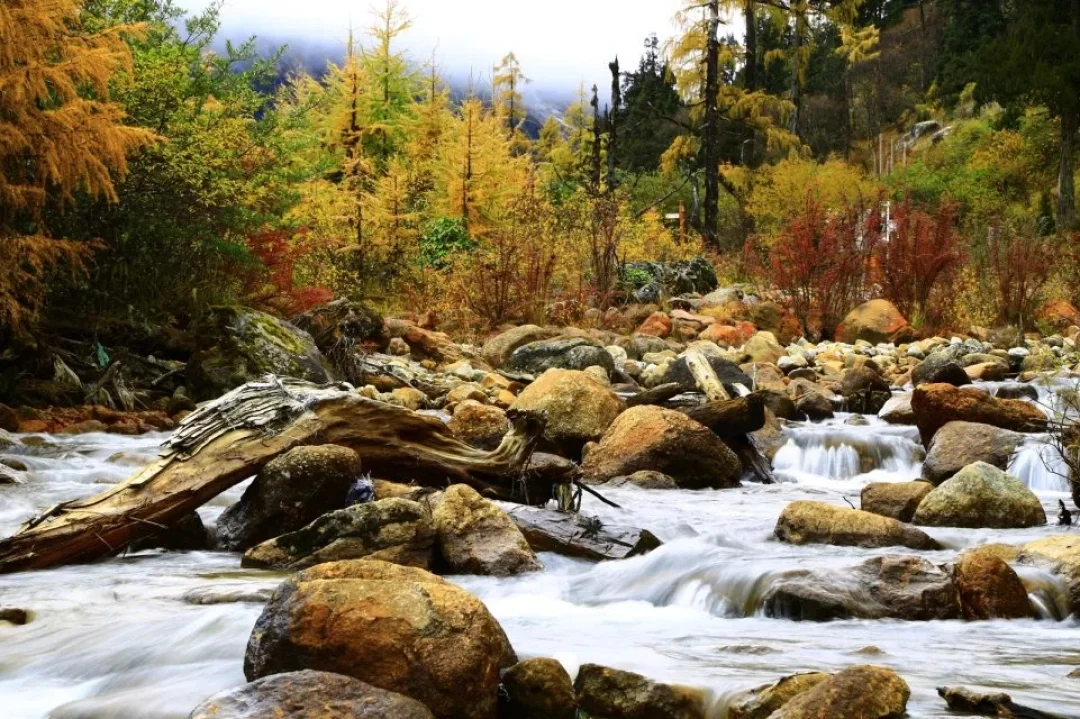
It depends on what you're looking for. Jiuzhaigou is famous for its turquoise lakes and dramatic waterfalls. Bipenggou offers a more intimate, less crowded experience with equally stunning autumn colors and fewer tourists. If you have time, visit both.
4. How do I avoid altitude sickness in western Sichuan?
- Acclimatize in Chengdu (500m) for 1–2 days before heading to higher altitudes.
- Stay hydrated and avoid alcohol.
- Take it easy on the first day at altitude.
- Consider medication like acetazolamide (Diamox) if you're prone to altitude sickness.
- Descend immediately if symptoms worsen.
5. What's the budget for a 13-day trip to Sichuan and Chongqing?
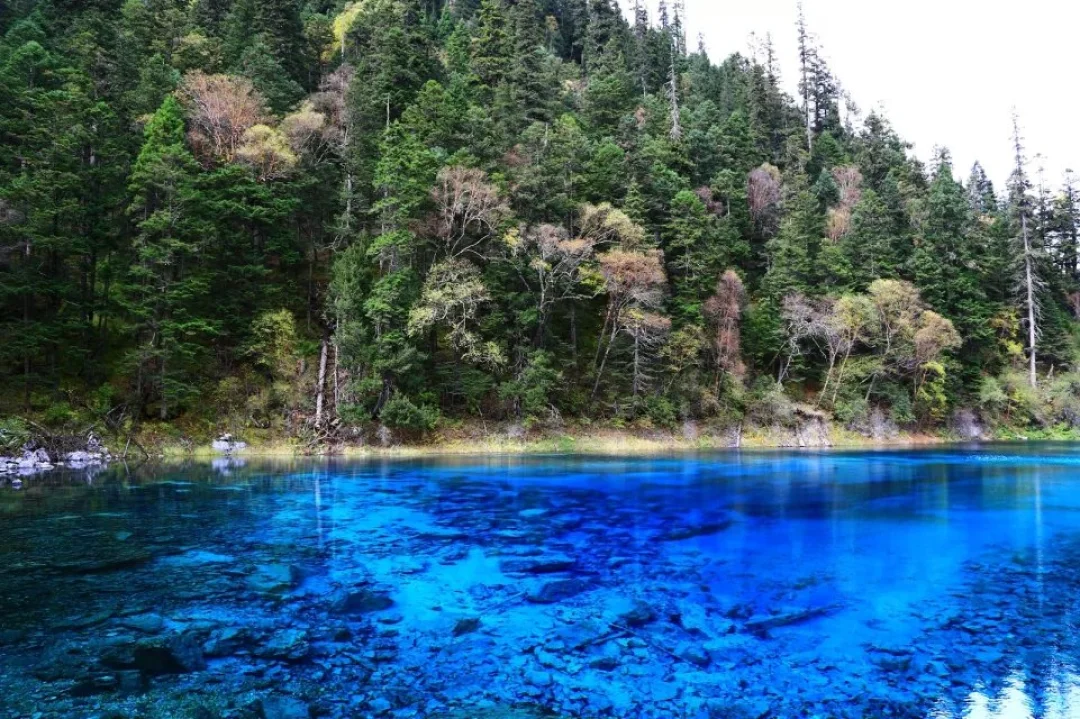
A budget of 4,500–6,000 RMB ($620–830 USD) per person is realistic for a mid-range trip, including flights, accommodation, tours, and meals. You can save by booking tours in advance and eating local street food.
Conclusion: Your Sichuan Adventure Awaits
From the turquoise lakes of Jiuzhaigou to the crimson forests of Bipenggou, and from Huanglong's travertine pools to Chongqing's spicy hotpot, this 13-day itinerary covers the best of Sichuan and Chongqing's hidden gems. Whether you're a photography enthusiast, a nature lover, or a foodie, this route offers something unforgettable.
Ready to plan your trip? Start by booking your flights to Chengdu, then reserve your Jiuzhaigou tour through Qunar or Ctrip. Don't forget to pack your windbreaker, tripod, and an empty stomach for the hotpot.
Your adventure starts now. Book your Sichuan trip today and experience autumn like never before.
Have questions about this itinerary? Leave a comment below, and I'll help you plan your perfect trip!
[Link: Best Sichuan tour packages for autumn 2024] [Link: Chongqing travel guide for first-timers] [Link: How to save money on China domestic flights]