Deep Breaths at Gongga: A Pilgrimage Hike Through the Clouds – A Complete Trekking Guide

Meta Description: Experience the ultimate Gongga (Minya Konka) trekking adventure through this first-hand account of a 7-day full-circuit pilgrimage hike. Discover altitude sickness tips, camping essentials, and why no photo compares to standing beneath these sacred snow-capped peaks.
Introduction: Why Gongga Calls to Every Hiker's Soul
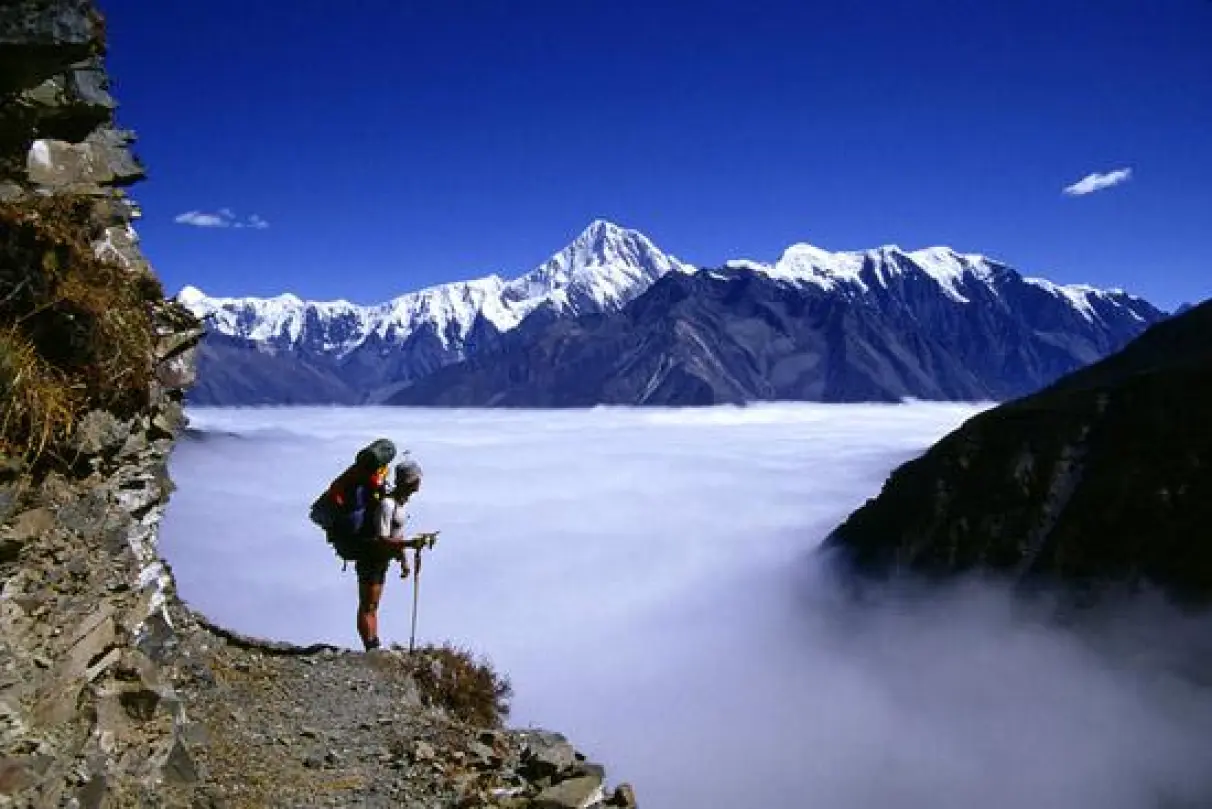
Once upon a time, I was a backpacker, a climbing fanatic, a hiking addict. These days, my daily rhythm revolves around school drop-offs and shuttling kids to extracurriculars—but that time I spent breathing deeply beneath the snow-capped peaks of Gongga (Minya Konka) remains the most vivid chapter in my memory.
During the 2014 National Day holiday, I set off with 11 companions on a 7-day full-circuit trek around Gongga. We left Beijing, traveling over 2,000 kilometers, just for a glimpse of the mountain that had captivated so many souls. Honestly, I was initially lured there by a classic photo taken by someone online—the main peak of Gongga reflected in a turquoise alpine lake, so beautiful it looked unreal. But after completing the route, I realized that no matter how stunning a photo is, it can't compare to even a fraction of the real experience.
This article isn't just a travelogue—it's your practical guide to surviving and thriving on the Gongga trekking circuit, complete with altitude sickness management, gear advice, and the emotional rollercoaster that defines this pilgrimage.
[Link: Best time to trek Gongga]
Pre-Trip Planning: How to Prepare for the Gongga Full Circuit

Assembling Your Gongga Trekking Team
Our group of 12 included five veterans from a previous Tibet trip: Xingkong, Zhenzhen, Naicha, Xiaosong, Yutian, Hongwu Xie, Huang Jingling Ruru, Huang Xiaodian, Wangya, Huihui, Chaojidan, and me. For safety reasons, we signed up for the full Gongga circuit organized by Sichuan 8,000 Miles Outdoor Club. Our group of 26 had one leader and two assistants. This setup was reassuring—on the plateau, an extra layer of professional support means an extra layer of safety.
Pro tip: If you're a first-time high-altitude trekker, joining a commercial Gongga hiking tour is strongly recommended. The logistics—horse caravans, campsite selection, meal preparation—are handled for you, allowing you to focus entirely on the physical challenge.
[Link: How to choose a trekking agency in Sichuan]
The Gear Disaster That Almost Derailed Everything
September 30, Beijing → Chengdu
At 4:20 a.m., after only three hours of sleep, I dragged myself out of bed. Thankfully, I'd scouted out the airport bus stop beforehand. A 10-minute walk got me there, and I boarded at 5:20 sharp. Half-asleep, I heard something fall off the luggage rack but didn't think much of it. When I went to check my bags in Chengdu, I discovered—my sleeping pad was gone! Someone must have untied my bag and taken it out mid-journey. Great. Losing gear before even reaching the destination—what a magical start.
Lesson learned: Always secure your luggage with zip ties or a lock when traveling on public transport. A sleeping pad is non-negotiable on a Gongga camping trek—the ground is rocky and cold.
The Hair Braid Ritual (And Why It Matters)
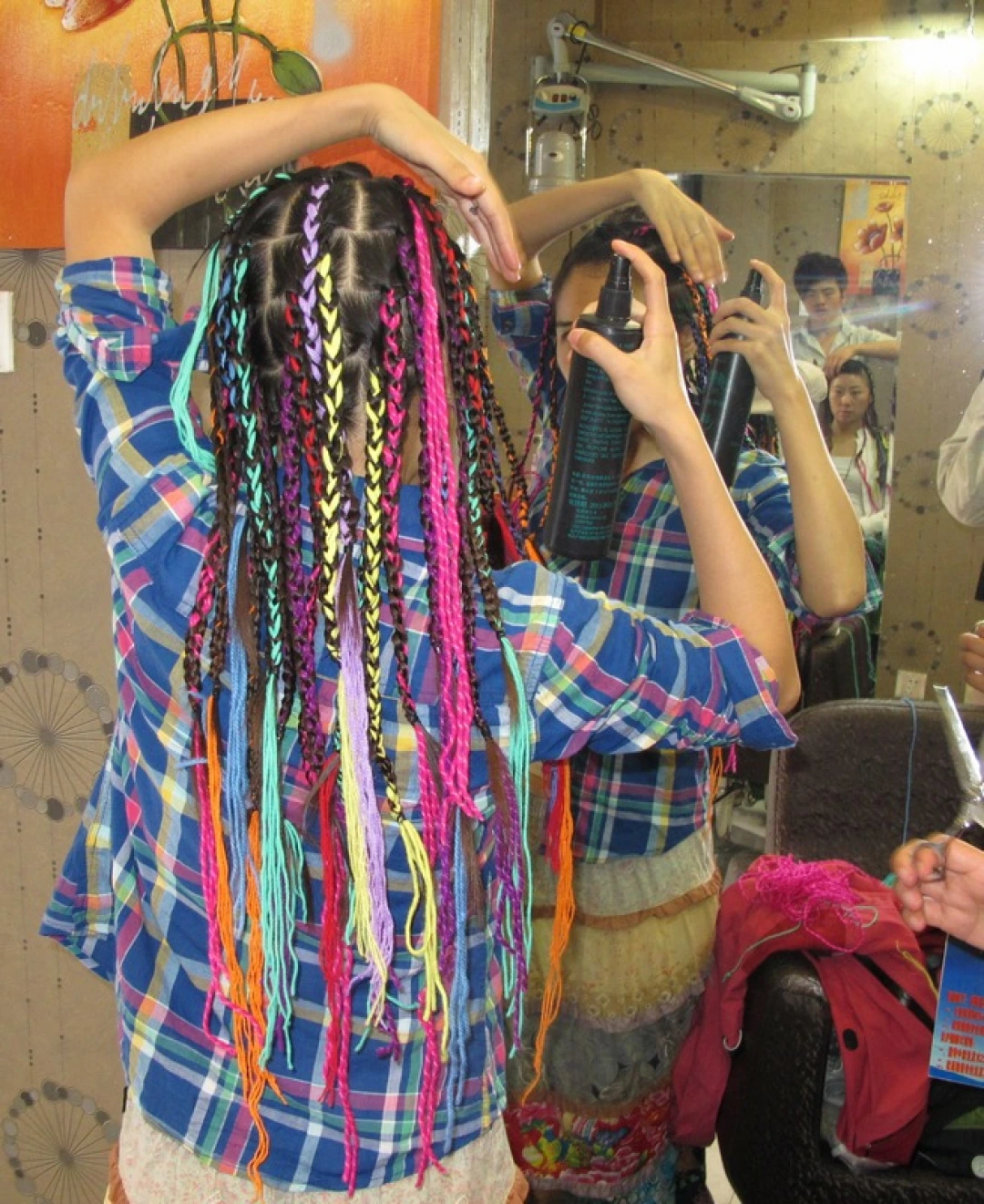
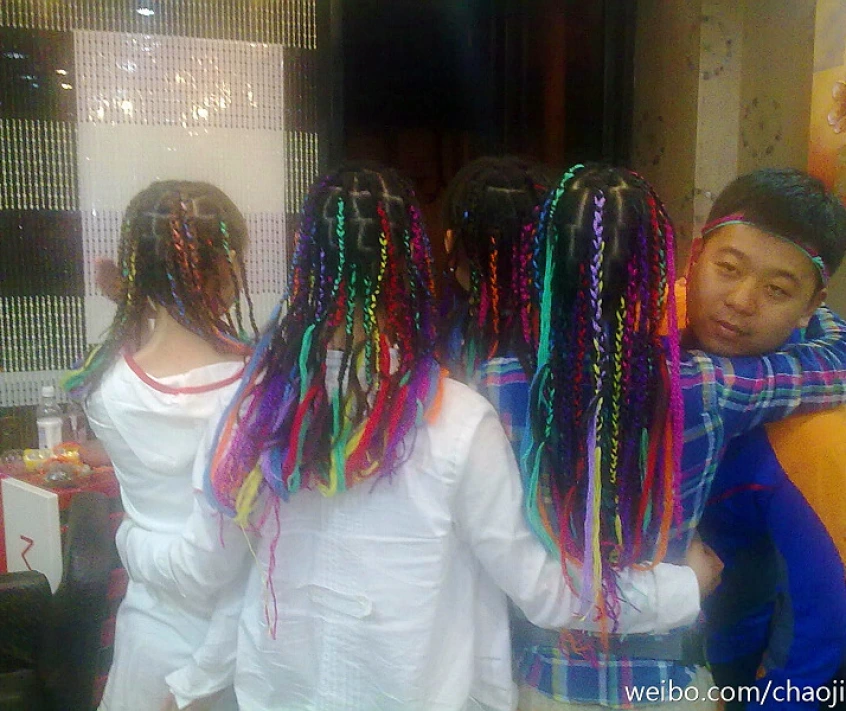
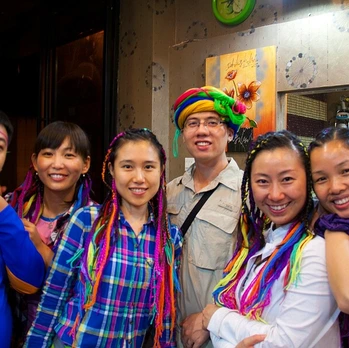
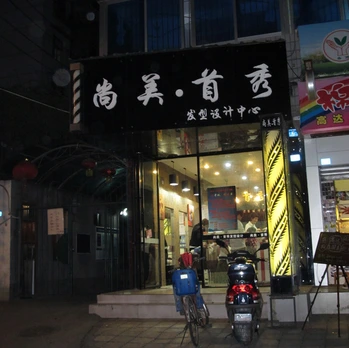
The flight was delayed by half an hour, and we landed in Chengdu around 11 a.m. I took a taxi to the hotel and reunited with the advance team. The most important task of the afternoon: getting braids! Several of the girls essentially took over a small hair salon on Yulin West Street, opposite the Three-Ear Hotpot on Nijiaqiao Road. They started at 3 p.m. and didn't finish until after 9 p.m. The hairdresser even developed blisters on his hands from all the work. At 25 yuan per person, it was incredible value, and everyone's braids turned out more beautiful than the last.
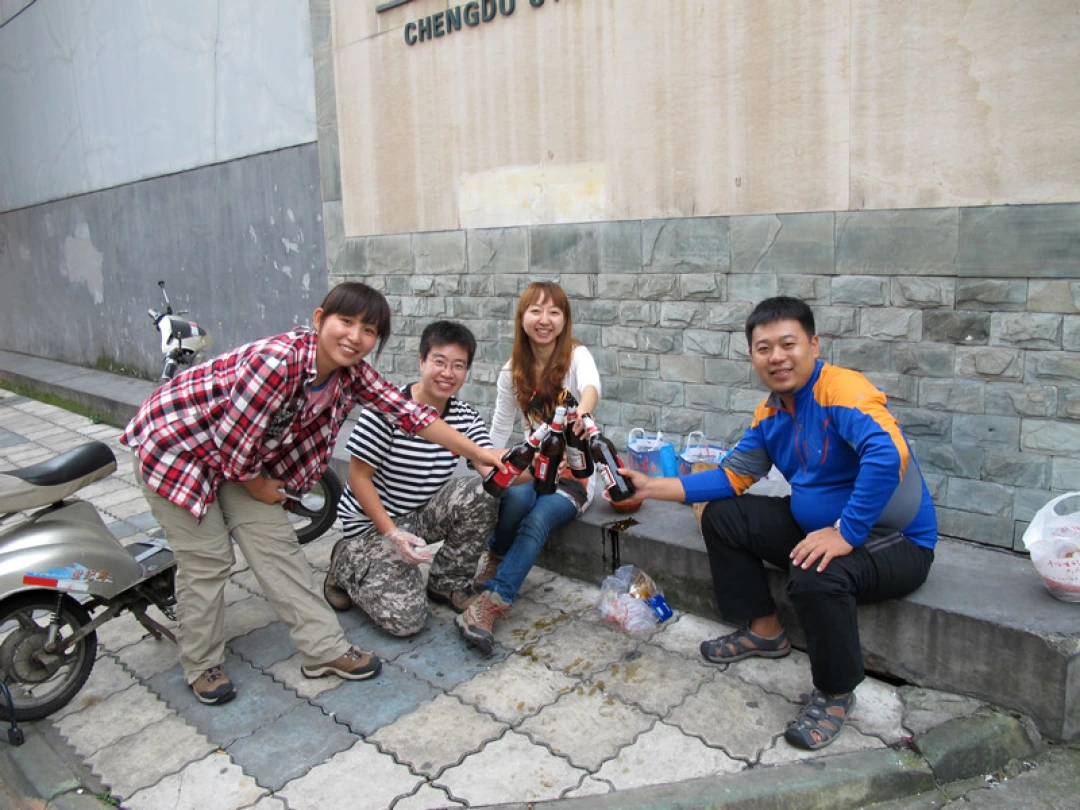
While they were getting their hair done, Dian'er and I bought roasted rabbit, bang bang chicken, and beer, and sat by the roadside feasting. It felt like the calm before the storm—tomorrow we'd set out to face the unknown.
Day One: The Plateau's "Welcome" – Gexi Grassland Camp
October 1, Chengdu → Kangding → Old Yulin → Gexi Grassland Hike: ~7 km, 3,200m → 3,600m elevation
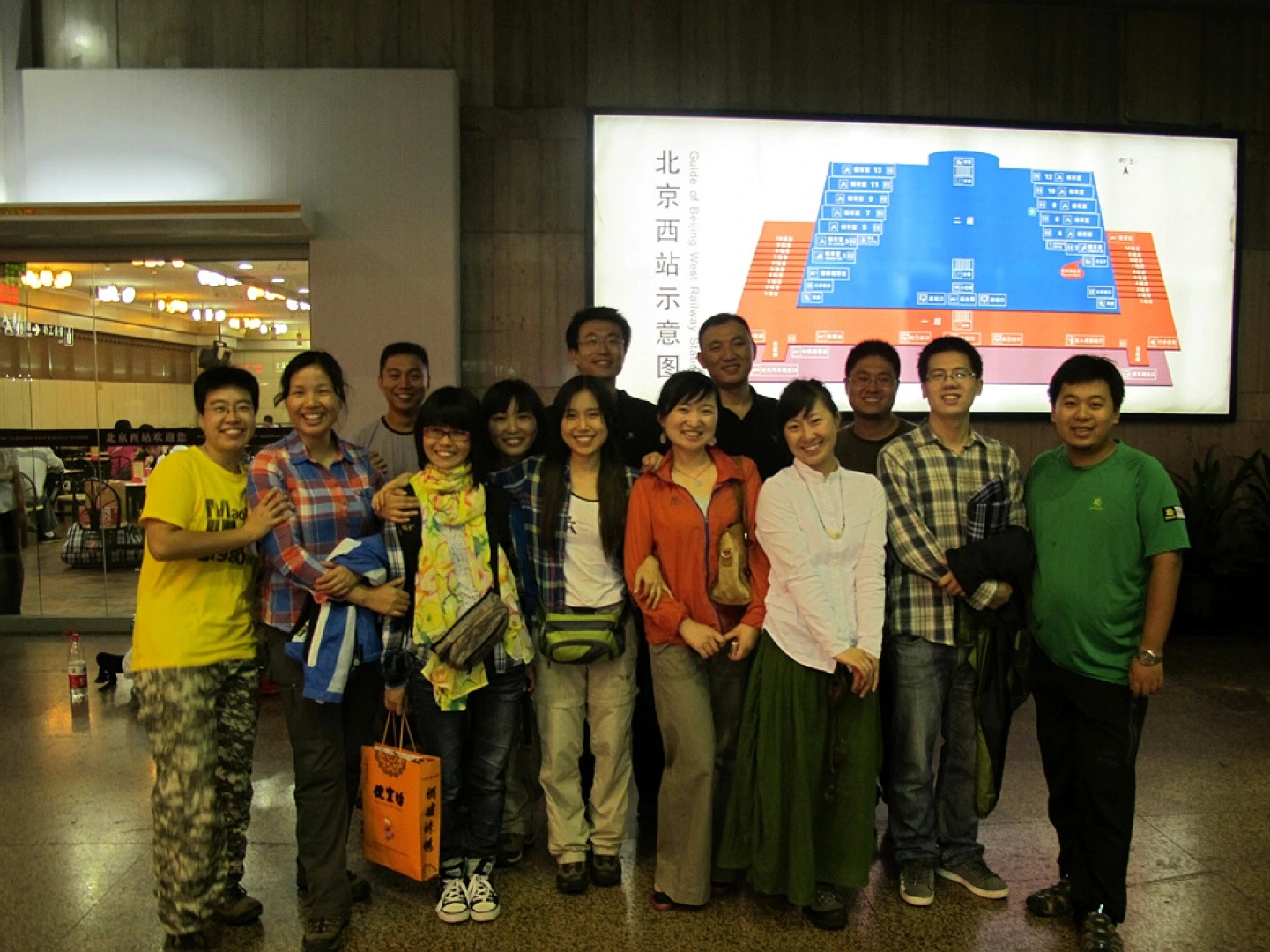
We left before dawn. We met our leader, Xiaochuang Yidao—a handsome Yi guy—and our assistants, "Luguo" and "Shitou." We passed through Ya'an, crossed the Erlang Mountain Tunnel, went through Luding, and arrived in Kangding. Traffic was heavy all the way, and we didn't reach Old Yulin until after 5 p.m.
Kangding looked just as I remembered it. I'd stayed here one night in 2006, watching a performance by Khampa men and women, and I'd thought then that I would definitely come back. Five years later, my wish came true—though unfortunately, we didn't stop this time.
When we got off at Old Yulin, the horse caravan was already waiting. We set off with light packs. As soon as we entered the valley, we saw rushing streams and the deepening colors of autumn. But it was too late—darkness fell quickly.
At 3,200 meters, we had a two-hour walk ahead to reach the Gexi Grassland camp at 3,600 meters. As soon as I shouldered my pack, I felt a clear headache—altitude sickness had arrived. From then on, it would be my constant companion.
The First Night: Vomiting at 3,600 Meters
After an hour, we passed a power station. Another hour later, lights appeared in the distance. As we got closer, we saw a huge campsite, as flat as a football field, with dozens of tents already pitched. This was where we'd sleep tonight.
The horse caravan arrived, and chaos ensued: find your pack, pick a campsite, pitch your tent. The headache was getting worse. While setting up, I met 77 and Wu Di, who were also hiking Gongga. Their itinerary was almost identical to ours, and we'd run into each other frequently over the next few days.
Once everything was set up, the leader made steamed rice and bamboo shoot chicken stew. This is the advantage of going with a commercial group—you don't have to worry about meals. My plateau experience was limited, so I wolfed down two small bowls. That night, I couldn't sleep—my head ached and my stomach felt bloated. At around 4 a.m., I couldn't take it anymore. I scrambled out of my tent, and just after squatting down, I threw up. After vomiting, I actually felt better and finally managed to fall asleep.
Essential Altitude Sickness Tips for Gongga
- There's road construction after Luding—watch out for safety
- Ya'an's red-fleshed kiwifruit are very sweet—worth buying to try
- Make sure you get enough sleep before heading to the plateau. I hadn't slept well in the days prior, and my altitude sickness was severe
- Move slowly when you first arrive at high altitude
- If you're clearly suffering from altitude sickness, eat less; otherwise, your stomach won't get enough blood supply and you'll throw up
- Pitch your tent far from the horses—their neck bells ring all night long
[Link: Altitude sickness prevention and medication guide]
Day Two: Breathing Deeply on the Edge – The 17km Grind
October 2, Gexi Grassland → Liangcha River → Xia Riwuqie → Shang Riwuqie Hike: ~17 km, 3,600m → 4,330m elevation
I'd only slept two hours the night before. I got up at 7 a.m., took a painkiller, and the headache eased a bit. For breakfast, I had some porridge and pickled vegetables, then packed up and set off.
The weather was terrible—thick fog, damp and cold. The sound of rushing water followed us almost the entire way. We passed a stretch of red-stone beach, but in the heavy fog, we couldn't see anything. An hour later, the headache returned with a vengeance, and I gradually fell behind.
When the Horse Caravan Catches Up
The horse caravan caught up. The muleteers didn't ride—they just walked alongside the horses, all of them moving at a brisk pace. Around 1 p.m., we reached the Liangcha River camp. I drank a can of Red Bull and felt a bit better. Just before reaching Xia Riwuqie, I even managed a short jog—but it only lasted 20 minutes before my condition plummeted again.
Snow began to fall. Everything was white, and beautiful ice flowers had formed on the bushes. After passing Xia Riwuqie, we started climbing. Wangya saw I was struggling and offered me a horse (we'd specifically hired a pack horse that could also carry people). I insisted on walking, stubbornly dragging myself upward.
The Breaking Point at 4,330 Meters
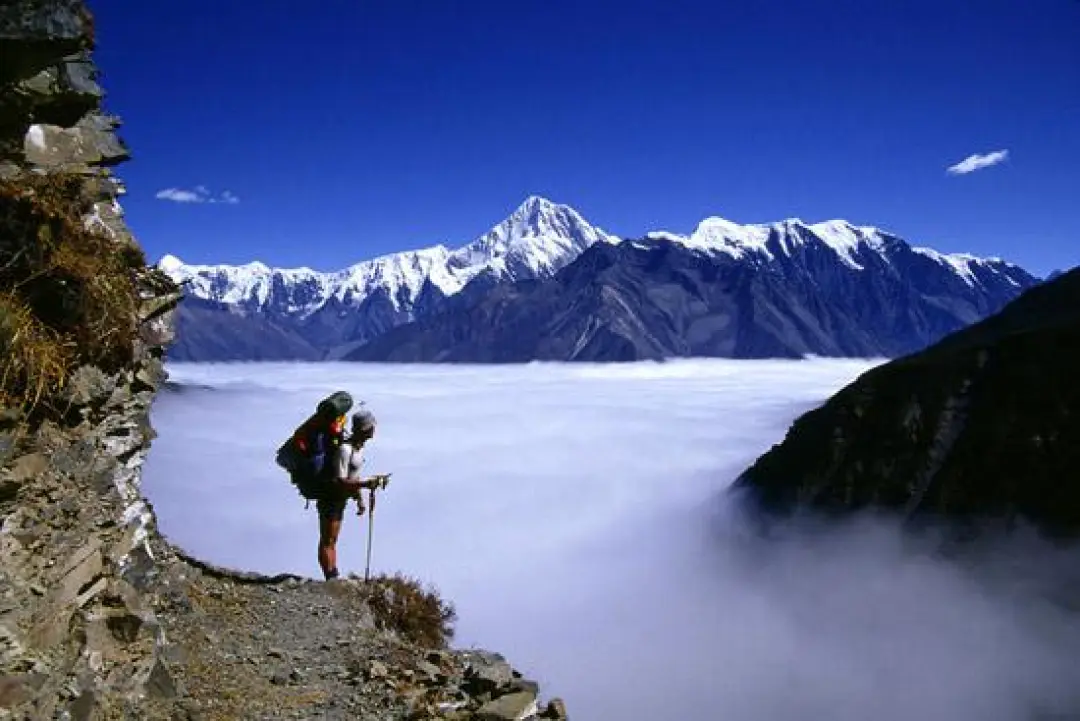
The road ahead was brutal—a gravel path climbing alongside a raging river, stretching endlessly. Every few dozen steps, I felt like my heart was about to explode, forcing me to sit down and take deep, gasping breaths. Throughout the entire Gongga trip, deep breathing was what I did most.
Just as I was about to break down, a blur of colorful shapes appeared in the distance—tents! I'd made it to camp. My eyes welled up at that moment.
As soon as I reached camp, the first thing I did was crawl into my tent to catch my breath. After ten minutes of recovery, I got up and sorted out my gear. I skipped dinner, only drinking some ginger brown sugar water.
What Makes the Gongga Circuit So Special?
The Gongga full-circuit trek (also known as the Minya Konka trek) is widely considered one of China's most challenging and rewarding high-altitude hikes. Here's what sets it apart:
- Altitude profile: The route ranges from 3,200m to over 4,900m at the highest pass
- Duration: Most commercial groups complete it in 6-8 days
- Scenery: Alpine lakes, glaciers, rhododendron forests, and views of the 7,556m main peak
- Difficulty: Moderate to strenuous, primarily due to altitude and long hiking days
- Best season: Late September to October (post-monsoon, clear skies)
FAQ: Your Gongga Trekking Questions Answered
1. Is the Gongga circuit suitable for beginners?
Not recommended for complete beginners. You should have prior multi-day trekking experience and ideally some exposure to altitudes above 3,500m. However, joining a commercial Gongga trekking tour with professional guides and horse support makes it accessible for fit intermediate hikers.
2. How do I prevent altitude sickness on the Gongga trek?
Key strategies include: ascending slowly (no more than 300-500m per day above 3,000m), staying well-hydrated, eating light meals, avoiding alcohol, and carrying medication like Diamox (acetazolamide). Our experience shows that sleep deprivation before departure significantly worsens symptoms—prioritize rest.
3. What gear is essential for a Gongga camping trek?
Must-haves include: a 4-season tent, sleeping bag rated to -10°C, sleeping pad (don't lose yours like I did!), trekking poles, waterproof boots, headlamp, thermal layers, and a down jacket. The horse caravan can carry up to 15kg per person, so pack smart.
4. Can I do the Gongga circuit independently?
Yes, but it's challenging. You'll need to arrange your own horse caravan, permits, and campsite logistics. The route is marked but can be confusing in fog and snow. For first-timers, a guided Gongga hiking tour is safer and more convenient.
5. What's the best time of year for Gongga trekking?
Late September through October offers the most stable weather and stunning autumn colors. May-June has wildflowers but more rain. July-August is monsoon season—expect heavy clouds and limited views of the peak.
Final Thoughts: Why You Should Answer the Call
That 2014 National Day holiday changed something in me. The deep breaths I took at 4,330 meters weren't just about oxygen—they were about presence, about perseverance, about proving to myself that even when my body screamed "stop," my spirit could whisper "one more step."
The Gongga circuit isn't a vacation. It's a pilgrimage. It will test your limits, humble your ego, and reward you with moments of such raw beauty that you'll cry—whether from exhaustion or awe, you won't know the difference.
If you've been dreaming of standing beneath those snow-capped peaks, stop dreaming. Start planning. The mountain is waiting.
Ready to take your first deep breath at Gongga? [Link: Book a guided Gongga trekking tour] or [Link: Download our complete Gongga packing checklist]
Have you trekked the Gongga circuit? Share your experience in the comments below—we'd love to hear your story.


