Chengdu to Zoigê: A 4-Day Self-Drive Journey Through Grasslands and Faith

Meta Description: Experience the ultimate Sichuan plateau road trip from Chengdu to Zoigê Grassland. Discover the First Bend of the Yellow River, Flower Lake, and Langmusi Monastery in this 4-day itinerary. Plan your high-altitude adventure now.
Introduction: Why the Chengdu to Zoigê Road Trip Belongs on Your Bucket List
If you're craving an escape from the noise of city life and a chance to embrace the vastness of the high plateau, then a road trip from Chengdu to the Zoigê Grassland is an unforgettable choice. During the National Day holiday in 2010, my partner and I spent four days driving 1,623 kilometers through breathtaking landscapes. From the foot of snow-capped mountains to the banks of the Yellow River, from the dawn light at Flower Lake to an unexpected act of kindness at Langmusi Monastery, this journey gave us not only a treasure trove of photos but also a profound lesson about humanity and faith.
This comprehensive guide will help you plan your own Chengdu to Zoigê self-drive tour, covering everything from route planning and altitude acclimatization to must-see attractions and practical tips.
Why Zoigê? The "Oasis of the Northwest Sichuan Plateau"
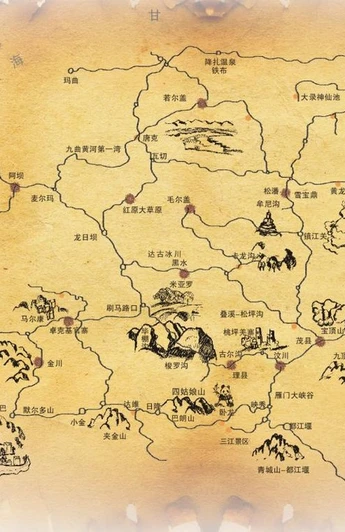
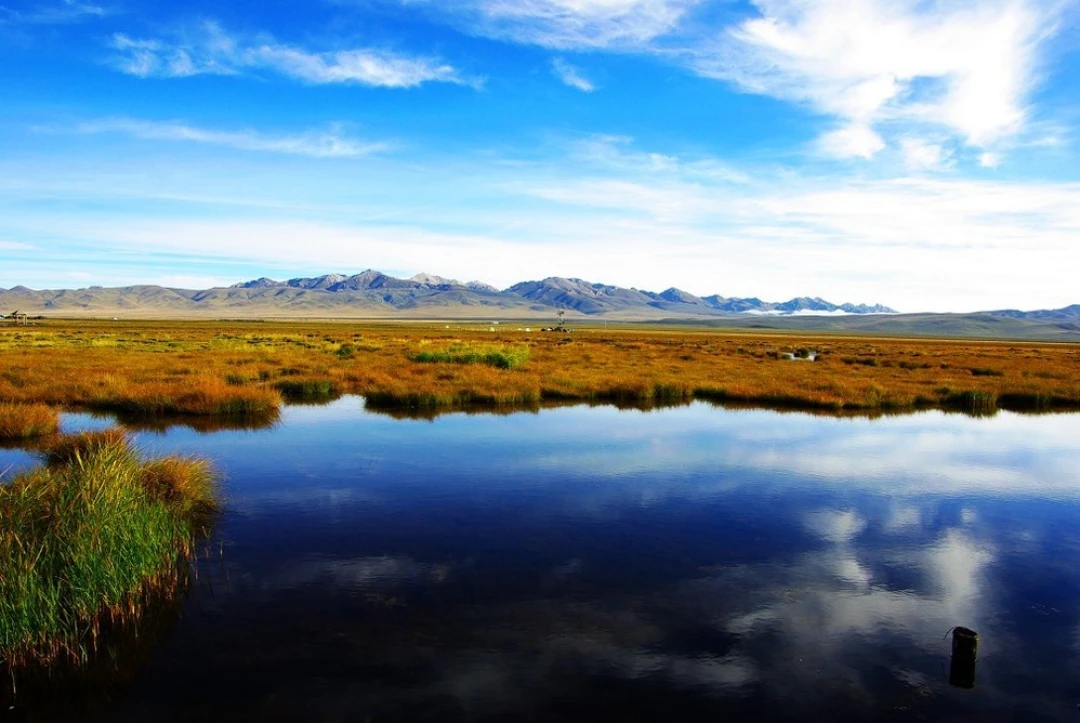
Zoigê, often called the "Oasis of the Northwest Sichuan Plateau," is an emerald gem set at the junction of Sichuan, Gansu, and Qinghai provinces. Its nearly 30,000 square kilometers of meadows and marshes were once a treacherous stretch for the Red Army's Long March. Today, they are home to swans, sika deer, and other wildlife. Here, there are no concrete jungles—only scattered tents, curling smoke from campfires, herds of cattle and sheep, and an endless pastoral song that seems to play on repeat.
Our itinerary will take you to the Zoigê Grassland, the First Bend of the Yellow River, Flower Lake, and Langmusi Monastery—each name evokes a living, moving painting.
Itinerary Overview: 1,623 Kilometers in 4 Days
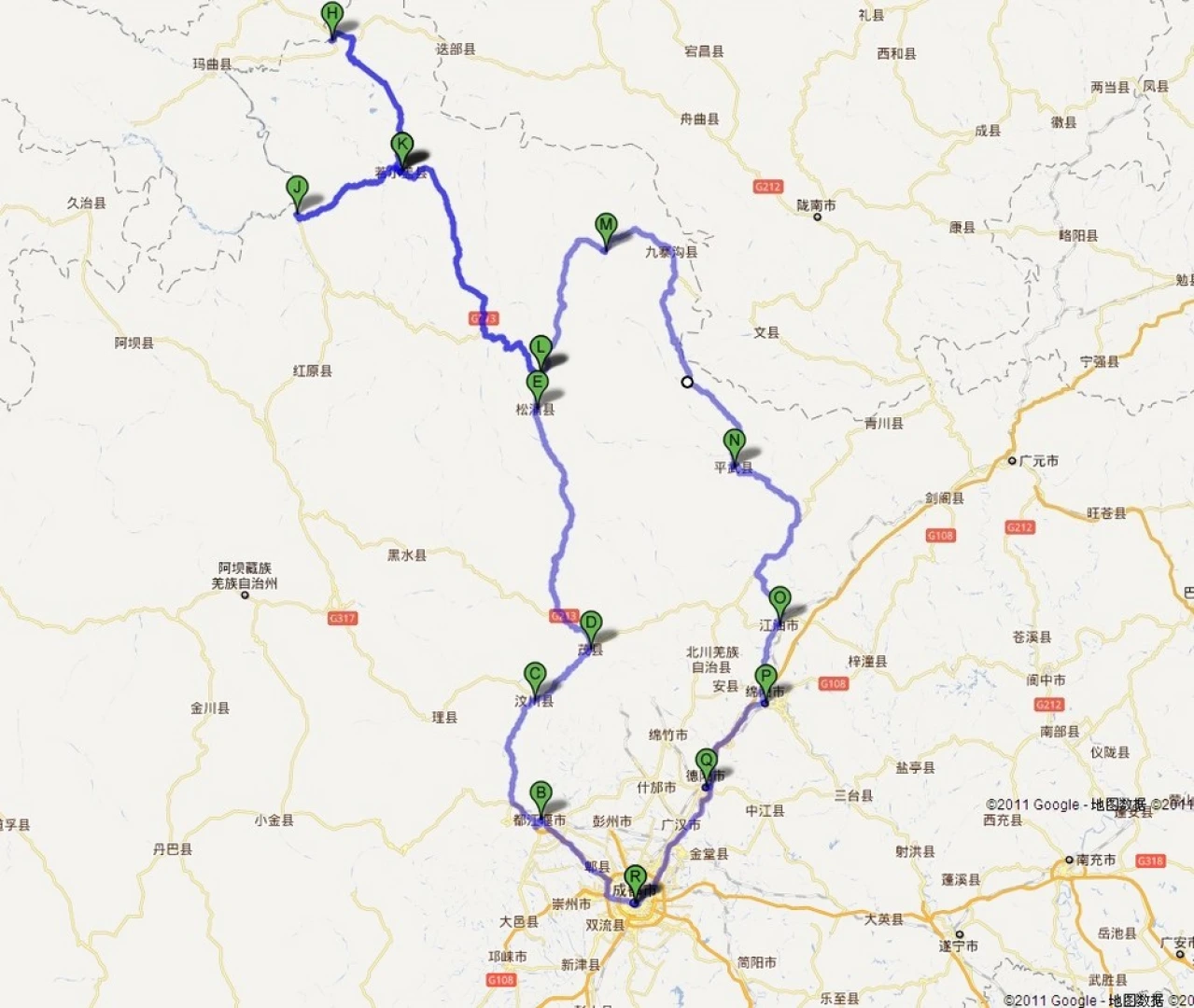
- Day 1: Chengdu → Dujiangyan → Wenchuan → Maoxian → Songpan → Chuanzhusi (approx. 350 km)
- Day 2: Chuanzhusi → Zoigê → Flower Lake (passing through) → First Bend of the Yellow River → Zoigê County Town (approx. 390 km)
- Day 3: Zoigê → Flower Lake → Langmusi Monastery → Zoigê → Chuanzhusi (approx. 320 km)
- Day 4: Chuanzhusi → Jiuzhaigou → Pingwu → Jiangyou → Mianyang → Deyang → Chengdu (approx. 563 km)
Day 1: Transition from Basin to Plateau

The Drive: A Race Against Time on the Jiuhuang West Route
We set off from Chengdu at 6:30 a.m., heading northwest along the Jiuhuang West Route toward Chuanzhusi. By 2011, this road was fully completed, but during the 2010 National Day holiday, the section between Maoxian and Songpan still had unfinished pavement. Combined with mud from summer rainstorms, we ended up munching dry snacks in the car and didn't get a proper Sichuan meal until 5:00 p.m. in Songpan County. By 6:00 p.m., we finally checked into the Sunshine Hotel in Chuanzhusi.
Insight: The first day was tough, but if you travel after 2011, the road conditions are much better—you could even drive straight to Zoigê County Town. However, staying in Chuanzhusi gave us an unexpected gift: the snow-covered scenery the next morning. Sometimes, plans change, and change brings surprises.
Scenic Highlights: Gorges and the Power of Reconstruction
The stretch from Wenchuan to Songpan offers spectacular canyon views, but the risk of landslides and falling rocks is ever-present. Seeing the traces of local communities rebuilding after disasters reminds you of life's fragility and human resilience.
Friendly Reminders: - Pack plenty of snacks and water—stay calm if traffic jams occur. - Watch for falling rocks; drive safely above all. - Chuanzhusi altitude: about 3,000 meters above sea level. Avoid strenuous activity as you first arrive on the plateau. - [Link: Altitude sickness prevention tips for Sichuan plateau travel]
Day 2: The Plateau's Gifts and the Yellow River's Majesty
Early Morning: Snow at Gala Terrace (3,500 Meters)
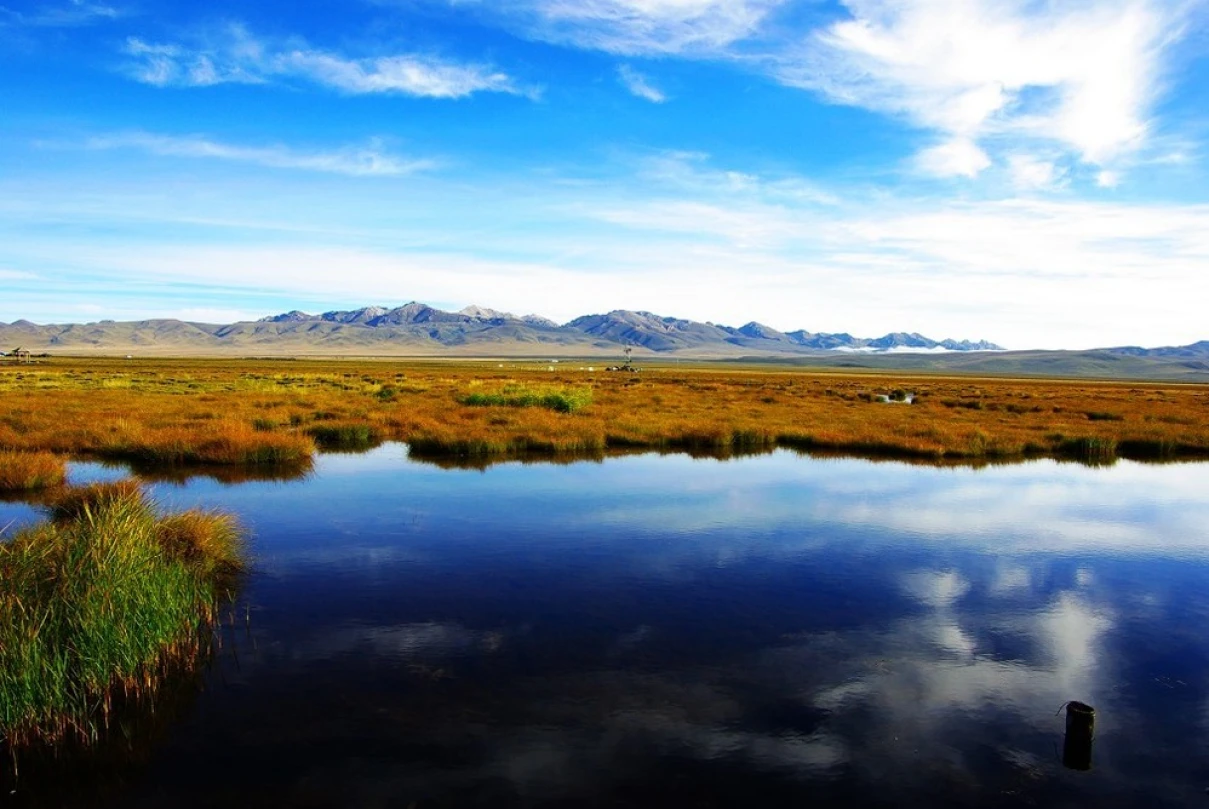
We left Chuanzhusi at 6:30 a.m., and an hour later, we reached the highest point of our trip: Gala Terrace (3,500 meters). The morning grassland was dusted with thin snow, a vast white expanse stretching into the distance. Tourists jumped out of their cars to take photos; some even stripped off their shirts to play in the snow. We worried about the weather ahead, but after the sun came out, the snow vanished in less than an hour, and the temperature soared—we had to change clothes.
This day turned out to be the best weather of the entire trip. The post-rain sky was crystal clear, clouds raced across the horizon, and every moment looked like a desktop wallpaper. The distance from Chuanzhusi to Zoigê County Town is only 140 kilometers, but it took us five hours—we simply couldn't stop taking pictures.
Flower Lake: A Question of "Is It Worth It?"
After reaching Zoigê County Town, we headed straight for Flower Lake. We imagined buying a ticket and seeing the lake, but reality hit hard: the commercialization was staggering. During the National Day holiday, the entrance fee jumped from 50 yuan to 100 yuan, and the sightseeing bus from 20 yuan to 40 yuan—140 yuan per person just to get in. Moreover, the best views at Flower Lake are at sunrise. To catch that, you'd have to camp overnight in a basic tent area at the entrance, which sits right next to National Highway 213—no scenery whatsoever.
We made a quick decision: buy tickets for the next day (the park opens at 6:30 a.m.) and head straight for the First Bend of the Yellow River to watch the sunset.
Lesson Learned: If I could do it over, I'd take the route Chuanzhusi → Wachie → Tangke Township → First Bend of the Yellow River → Zoigê, about 270 kilometers total. Cut straight to the point and spend the whole day at the Yellow River.
The First Bend of the Yellow River: A Solemn Illusion in the Universe
By 4:00 p.m., we arrived at what is often called the "Solemn Illusion in the Universe"—the First Bend of the Yellow River. The camping area sits right by the river, backed by a gentle slope, with the scenery unfolding before you. We were so captivated by the riverside beauty that by the time we decided to climb higher, the sunset had already begun. Climbing at 3,500 meters is far more exhausting than you'd expect; hiring a horse (for a fee, of course) is a wise choice. Unfortunately, we only made it one-third of the way up when the sunset was nearly over—and my DSLR battery, with its single weak cell, died at the worst possible moment.
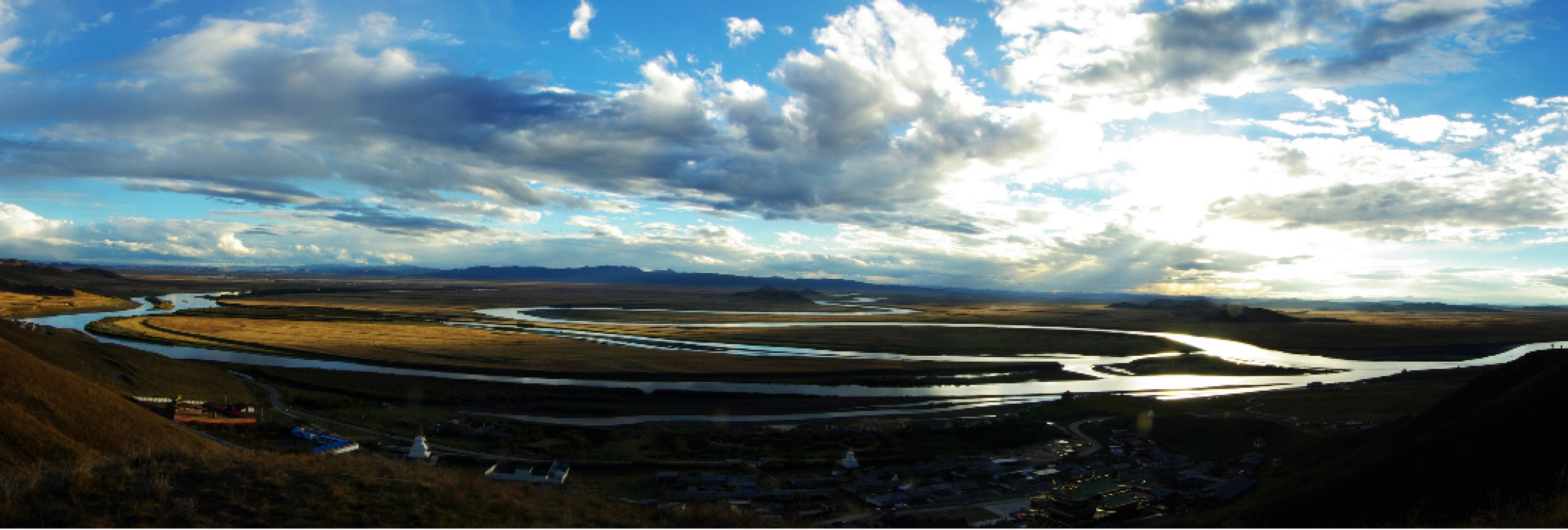
Even so, the magnificence of the scene was enough to convince us: we must come back next summer, and this time, we'll camp.
A Nervous Night Drive: After the sun set, the temperature plummeted, and the wind was so strong it gave us headaches (bring a warm hat!). To minimize night driving, we rushed back. Many cars with Sichuan license plates (川A, 川B) were on the road, so I picked a Honda with a 川A plate to follow. Judging by its speed and how it took the curves, the driver was experienced. We tailed it all the way to Zoigê County Town—nervous but safe. Thank you, unknown "lighthouse" driver.
We got back to the hotel at nearly 10:00 p.m., had instant noodles for dinner, charged our devices, backed up photos, set the alarm for 5:30 a.m., and collapsed into bed.
Day 3: Flower Lake Sunrise and an Unexpected Lesson at Langmusi
Flower Lake: The Early Bird Gets the View
We woke up at 5:30 a.m. and left by 6:00 a.m. The gas station in Zoigê County Town was a nightmare: the PetroChina station had a "24-hour" sign but no one there at 6:00 a.m.; the Sinopec station had limited 93# octane fuel. We were lucky to fill up, but the car behind us was told to wait until daylight. The early bird catches the worm—true enough.
The 49-kilometer drive from Zoigê to Flower Lake on National Highway 213 was excellent, taking just 40 minutes. But to see the sunrise at Flower Lake, you really do need to camp at the entrance. We arrived at 6:40 a.m., queued up, took the sightseeing bus, and trudged through biting snow-wind. By the time we reached the main area, it was nearly 7:30 a.m. We missed the sunrise, but the early arrival had its perks: the snow was still there, and there were few people—great for photos. After 8:30 a.m., the crowds poured in, so we quickly retreated and headed for Langmusi Monastery.
Langmusi Monastery: An Accident and a Lesson
Flower Lake to Langmusi is 38 kilometers, and the road was as smooth as ever. As we approached Langmusi, we felt a surge of excitement—this was the moment we had been waiting for. But as we entered the monastery complex, something unexpected happened. A local monk approached us, not to ask for money or to sell a tour, but to offer us a cup of hot tea. He had seen us shivering in the cold and wanted to help. This simple act of kindness, without any expectation of return, left a deeper impression than any scenic view. It reminded us that travel is not just about seeing new places—it's about connecting with people and understanding different ways of life.
Key Takeaway: Langmusi is not just a tourist attraction; it's a living monastery where Tibetan Buddhism is practiced daily. Respect local customs, dress modestly, and be open to unexpected moments of connection.
[Link: Tibetan Buddhism etiquette guide for travelers]
Day 4: The Return Journey to Chengdu
The final day was all about covering distance. From Chuanzhusi, we drove through Jiuzhaigou, Pingwu, Jiangyou, Mianyang, Deyang, and finally back to Chengdu—a total of 563 kilometers. The scenery shifted from high plateau to lush valleys, and eventually to the familiar urban sprawl of the Sichuan basin.
Pro Tip: If you have extra time, consider a side trip to Jiuzhaigou National Park. It's one of China's most famous scenic areas and a worthy detour. [Link: Jiuzhaigou travel guide – best time to visit and ticket prices]
FAQ: Chengdu to Zoigê Self-Drive Tour
1. What is the best time to drive from Chengdu to Zoigê Grassland?
The best time is June to September, when the weather is mild, the grasslands are green, and Flower Lake is in bloom. Avoid the National Day holiday (October 1–7) if possible, as crowds and prices spike.
2. How long does the Chengdu to Zoigê drive take?
The total driving distance is approximately 1,623 kilometers over 4 days. On average, you'll drive 4–6 hours per day, depending on road conditions and photo stops.
3. Do I need a 4WD vehicle for this route?
No, a standard sedan is sufficient for the main highways (National Highway 213 and the Jiuhuang West Route). However, after rain, some unpaved sections may be tricky. A vehicle with good ground clearance is recommended.
4. What altitude is Zoigê, and how do I prevent altitude sickness?
Zoigê County Town sits at about 3,400 meters (11,155 feet). Chuanzhusi is around 3,000 meters. To prevent altitude sickness: - Ascend gradually (spend a night in Chuanzhusi or Songpan) - Stay hydrated - Avoid alcohol and strenuous activity on the first day - Consider taking acetazolamide (Diamox) if you're prone to altitude issues
5. Can I camp at the First Bend of the Yellow River?
Yes, there is a designated camping area by the river. It's a fantastic experience, but be prepared for cold nights (even in summer, temperatures can drop below 5°C). Bring a warm sleeping bag and a windproof tent.
Final Thoughts: Plan Your Own Zoigê Grassland Adventure
The Chengdu to Zoigê self-drive tour is more than just a road trip—it's a journey through landscapes that shift from lush valleys to high-altitude grasslands, and through cultures that blend Tibetan Buddhism with modern China. Whether you're chasing the First Bend of the Yellow River at sunset, waking up to snow at Gala Terrace, or sharing tea with a monk at Langmusi, every moment offers a chance to connect with something larger than yourself.
Ready to plan your trip? Start by booking your accommodation in Chuanzhusi and Zoigê County Town. Pack layers for the cold, bring extra camera batteries, and leave room in your schedule for the unexpected. The plateau is waiting.
Have questions about this route? Drop a comment below, or share your own Zoigê travel tips. Safe travels!
Note: Prices and road conditions mentioned reflect the 2010 experience. Always check current conditions and ticket prices before traveling.
You may also like


