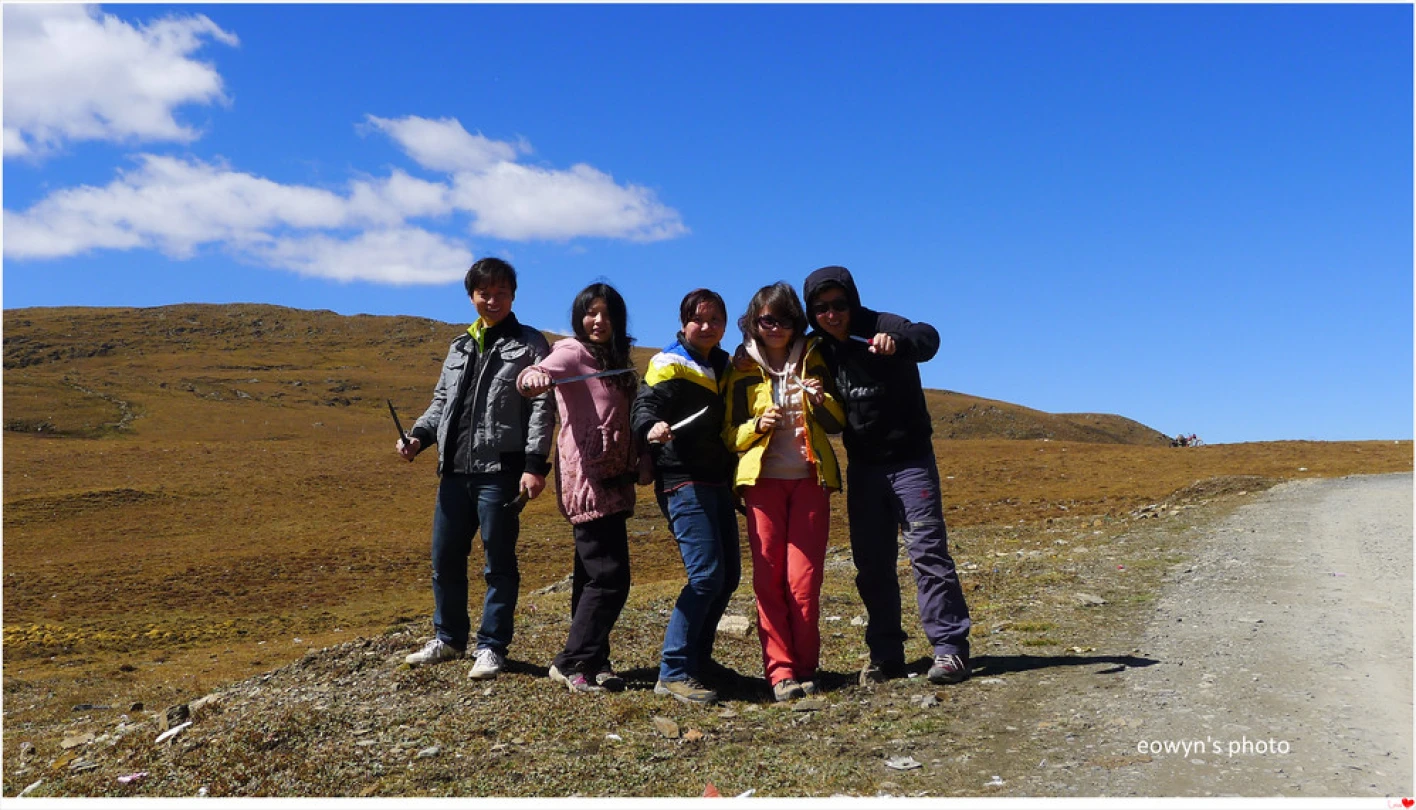
Winter Break on Wheels: A Family of Five’s 4,300km Revelatory Road Trip Through Western Sichuan
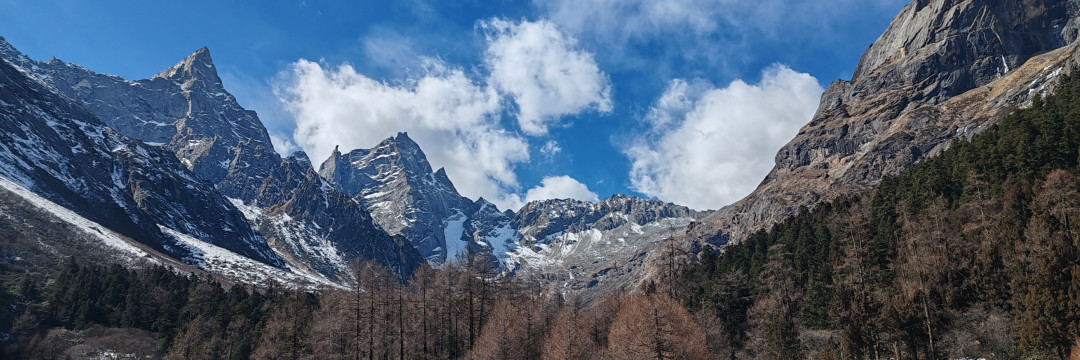
Meta Description: Discover how one family of five completed an epic 4,300km Western Sichuan road trip for under 17,000 RMB. From traffic jams to Tibetan villages, this winter break adventure proves that the best classroom is the open road.
Introduction: Why We Chose the Road Over the Classroom
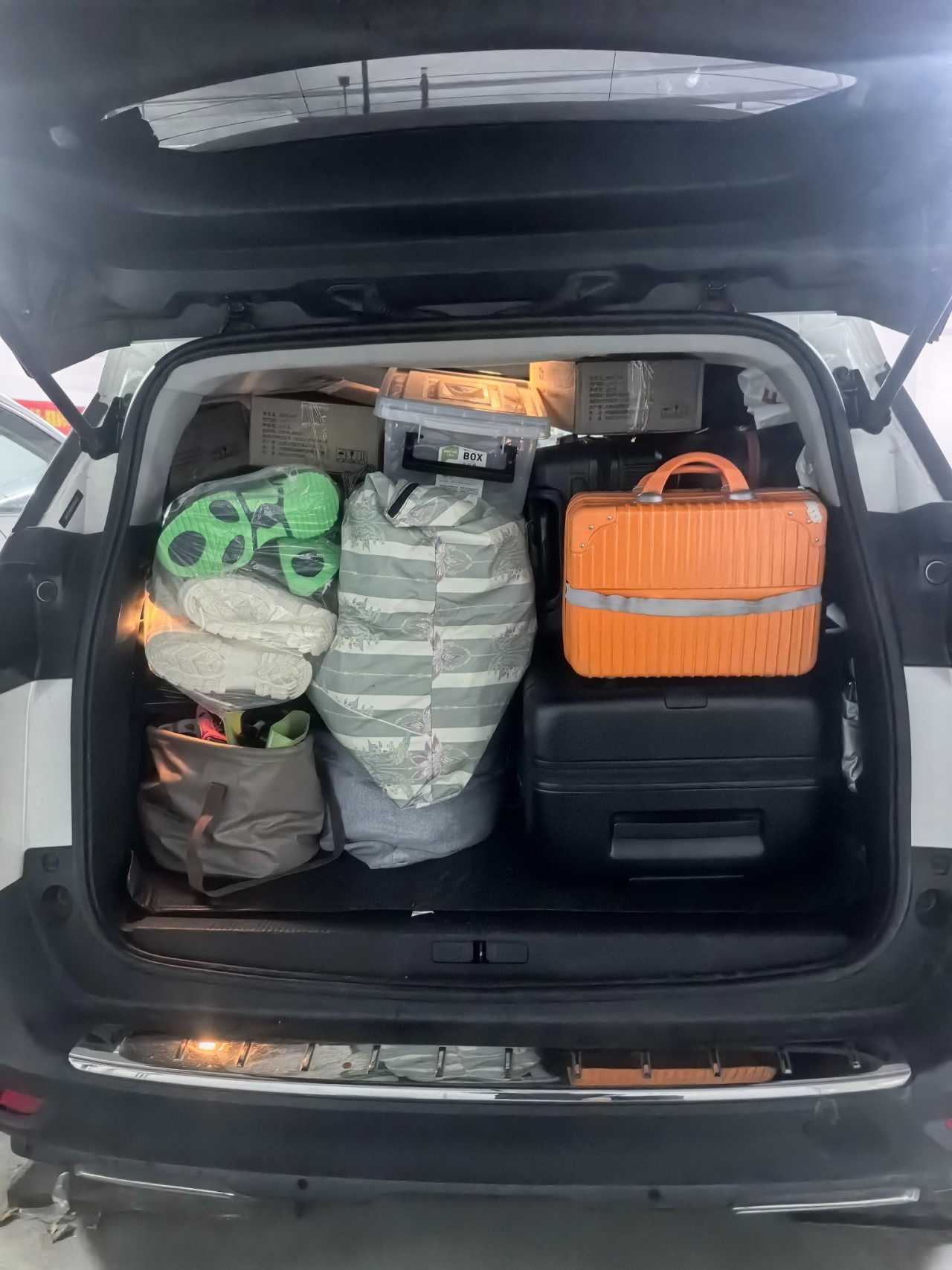
While other parents in my social circle began posting screenshots of their tutoring payment receipts, I was cramming the last piece of luggage into the trunk—a spare wool blanket. Winter break had arrived, and instead of signing my kids up for any classes, I decided to hit the road with them.
Some might call this irresponsible. But I’ve always believed that a break should feel like a break. After a whole semester of tension at school, rather than chaining my child to a desk for more drills, why not take him to breathe the highland wind and see the world beyond textbooks? Those hours on the road—the frustration of traffic jams, the exhaustion of late-night driving, the novelty of bunking down in an unfamiliar town—these seemingly “useless” experiences are precisely the most valuable nutrients for growth.
This is the story of our family road trip through Western Sichuan—a 4,300km journey that transformed how we see travel, education, and each other.
Planning a Family Road Trip in Western Sichuan: The Route
Our plan was a panoramic family road trip through Sichuan weaving together history, ethnic culture, earthquake ruins, national treasures like giant pandas, snow-capped mountain highways, forest hot springs, highland skiing, Tibetan villages, ancient towns, and world-class waterscapes. Starting from Guangzhou, we would dive deep into the Aba Small Loop in western Sichuan, covering roughly 4,300 kilometers over 11 days.
The route looked something like this:

Guangzhou → Chengdu → Wenchuan → Wolong → Xiaojin County → Li Xiaolu Road → Bipenggou → Lixian County → Zhegu Mountain → Yangrong Hade Tibetan Village → Diexi → Songpan → Jiuzhaigou → Return to Guangzhou
It was a journey that bridged city and plateau, culture and nature, warmth and ice. And what I’m most proud of? For a family of five over 11 days, the total cost was under 17,000 RMB—just 3,400 RMB per person. Good food, comfortable stays, and plenty of fun. Who says a budget family road trip in China has to be more expensive than a package tour?
[Link: How to Plan a Budget Self-Drive Trip in Western China]
Day One: The “Zunyi Conference” That Reality Crushed
The original plan was simple: leave Guangzhou at 11 a.m. and head straight for Chengdu. I even joked with the kids before we set off that tonight, our family would hold a historic “Zunyi Conference”—in the hotel room over a late-night snack, of course.
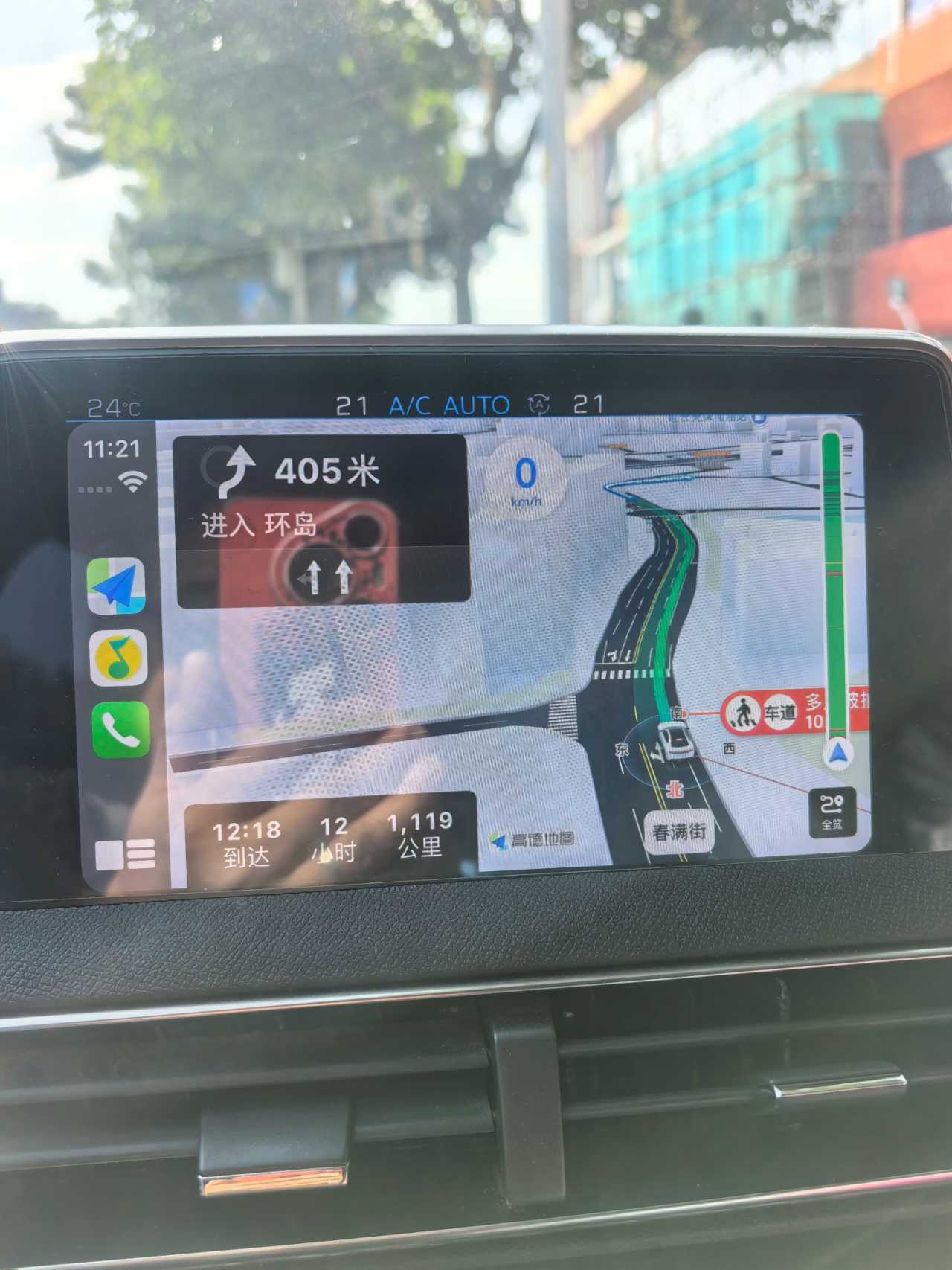
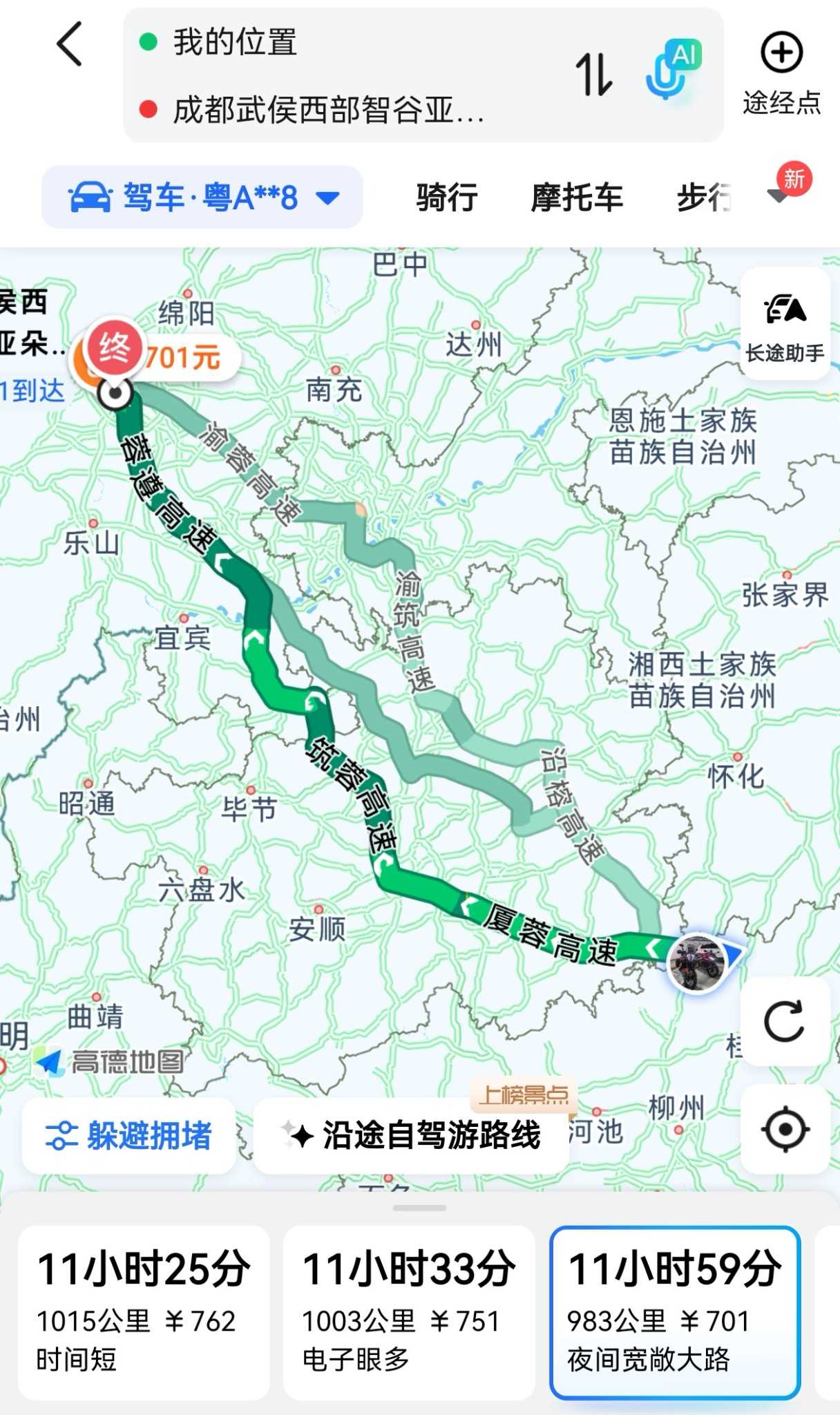
The budget was optimistic: 12 hours, 1,000 kilometers, arrive in Zunyi before midnight, sleep it off, and hit the road again tomorrow.
As it turned out, plans are made to be shattered by reality.
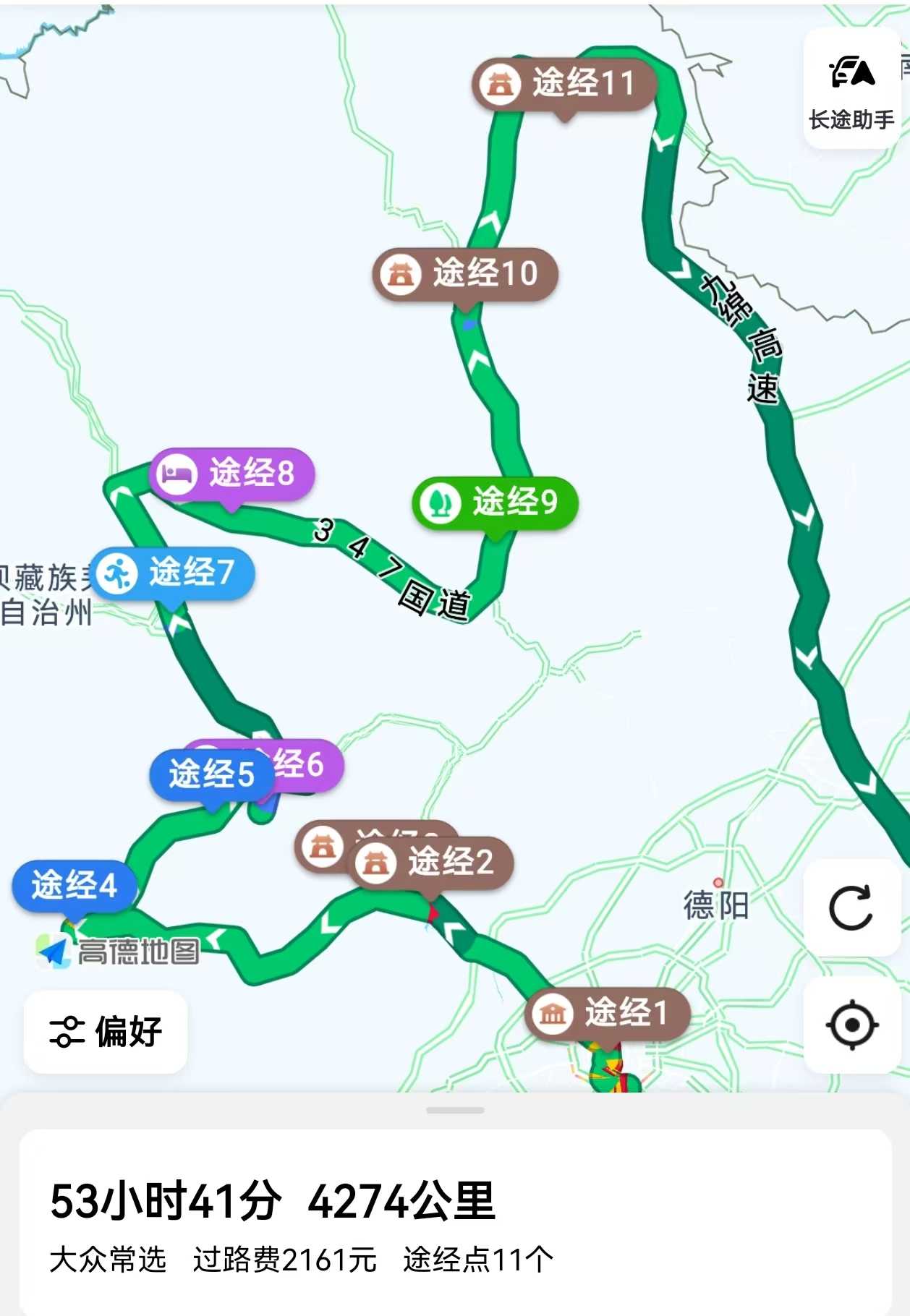
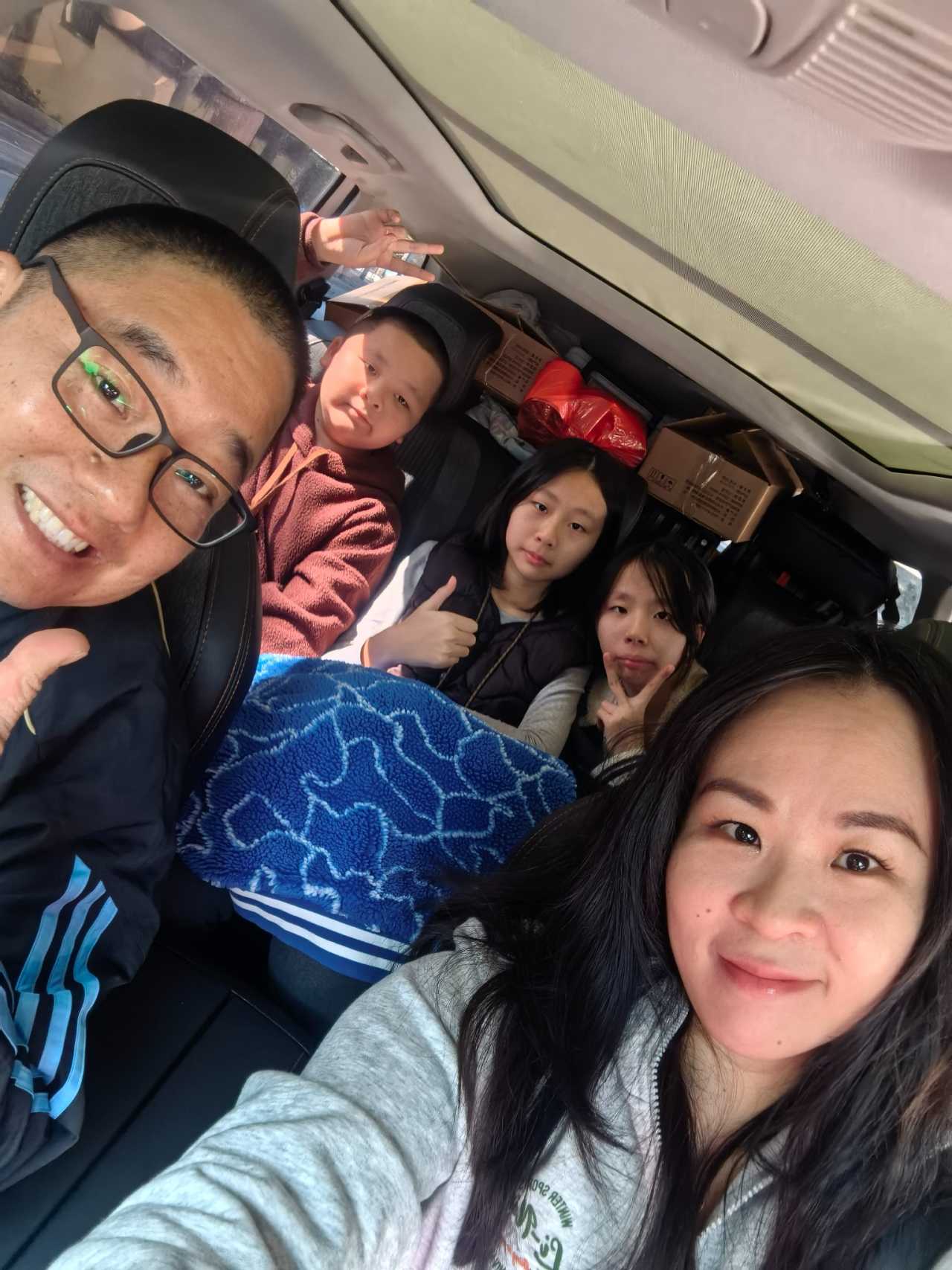
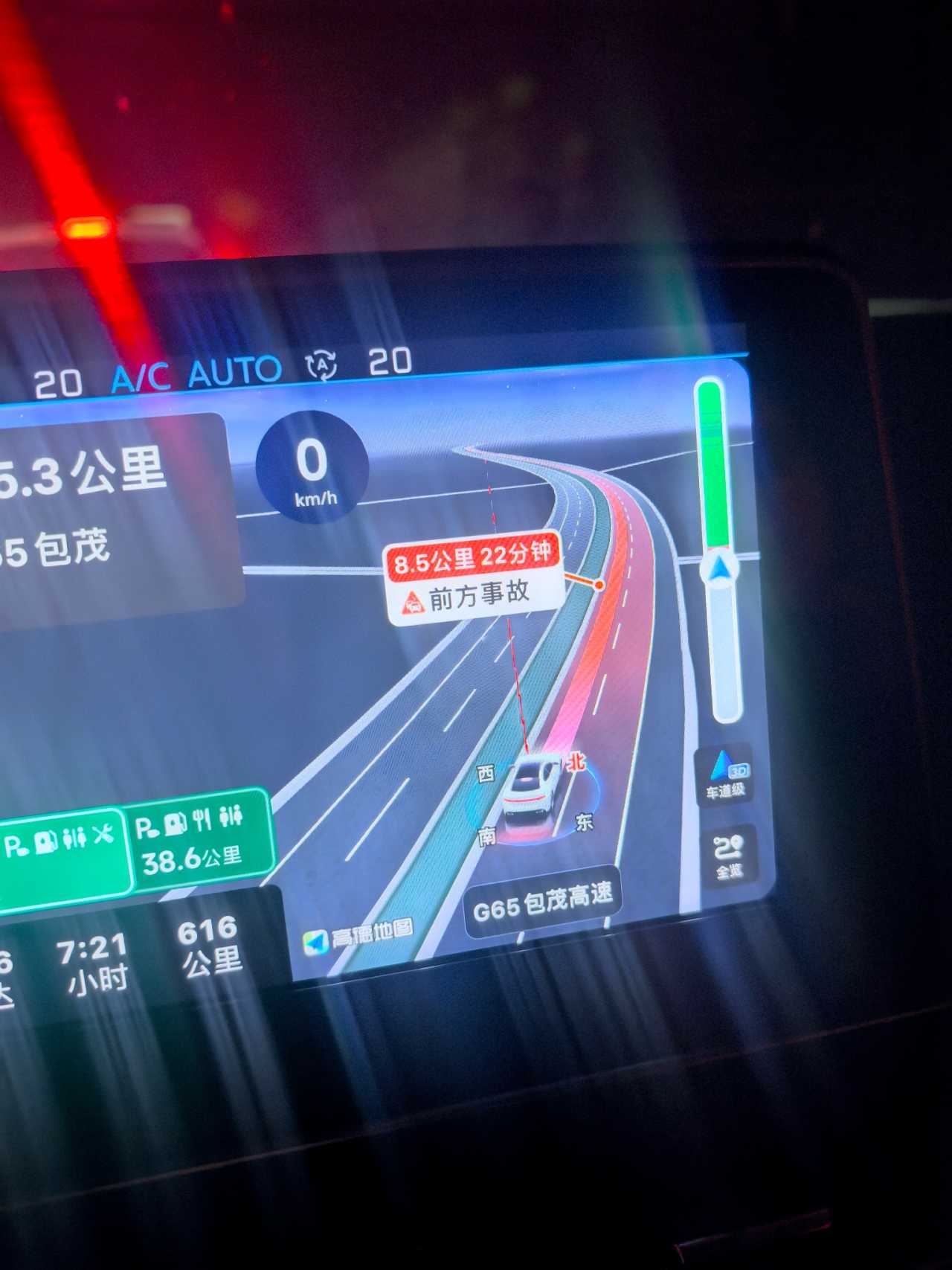
The car’s speed began to feel like an old man’s pulse—there one moment, gone the next. The route on the navigation screen shifted from deep green to light green, from light green to dark red, and finally settled into a solid, liver-like purple. The traffic crawled like a pilgrimage, testing our patience with every kilometer.
The sky darkened gradually. Headlights formed two winding dragons. By 11 p.m., my eyelids were heavy, my back was stiff, and the navigation showed we were barely halfway, still over 400 kilometers from Zunyi. I gritted my teeth and considered pushing on, but my wife said something that instantly drained my resolve while warming my heart: “Don’t force it. Let’s find a place to sleep. The family’s safety comes first.”
So we took the nearest exit and pulled into Sanjiang, Liuzhou. By the time we pushed open the hotel room door, it was nearly 1 a.m. The original “Zunyi Conference” had been hastily rescheduled to Sanjiang.
At first, it felt like a day of nothing accomplished—1,000 kilometers shrunk to 500, Zunyi swapped for Sanjiang. But thinking back, that day might have been more meaningful than a smooth arrival. The kids got a taste of what Spring Festival travel is really like, what it means to be on the road. Together, we weathered the frustration of traffic, the fatigue of late hours, and the novelty of stopping over in a strange town. Best of all, they didn’t complain once. Instead, they thought staying in Sanjiang felt “like an adventure.”
They say plans can’t keep up with changes. So let the changes become part of the scenery.
Day Two: The Ferryman Who Covered a Thousand Miles in a Day
Before dawn, when Sanjiang’s night still clung to the window, I dragged the whole family out of bed. No choice—the mileage we owed from yesterday had to be repaid today.
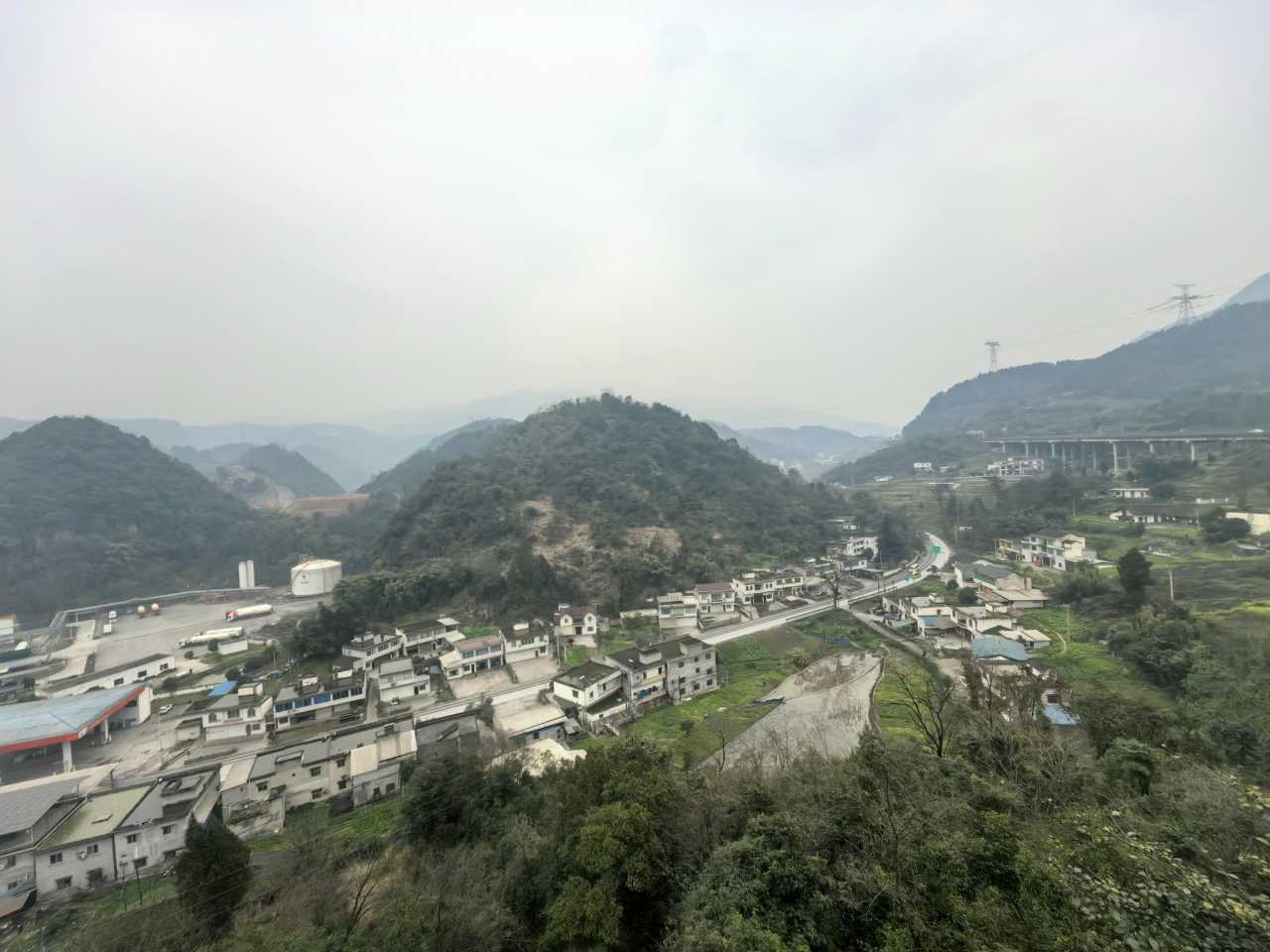
We drove from the first light of morning to the blazing sun overhead, then from afternoon into dusk. The scenery outside the window shifted from Guangxi’s karst peaks to Guizhou’s layered mountains, until finally, the open expanse of the Sichuan Basin appeared. When the “Sichuan Border” sign swept past the roof, I felt a strange thrill and shouted to the back seat: “Comrades, we’ve entered the land of Shu!”
By evening, we pulled into the Luzhou service area. The moment the wheels stopped, everyone in the car let out a collective stretch. Even more surprising, in the parking lot, a car with a Henan license plate was flashing its lights—it was my sister-in-law’s family! They had driven from Shenzhen, even farther than us, and happened to meet us here.
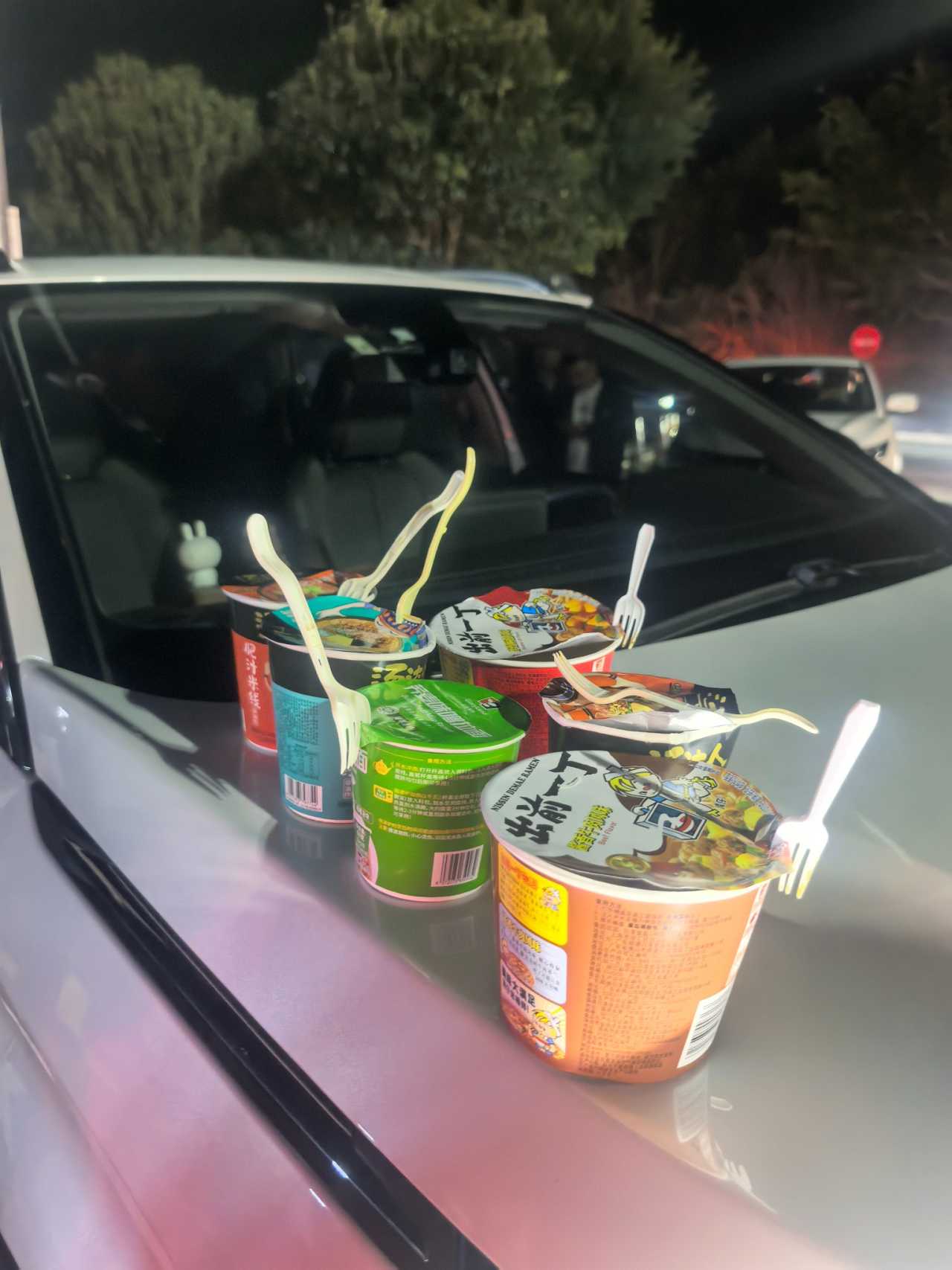
The two cars parked side by side. The kids tumbled out and hugged each other. The adults waved through the windows. Both families made instant noodles with hot water from the service station and stood by the cars, eating and chatting. After all the separate journeys, meeting up in a service area in Shu felt like a ceremonial “reunion.”
At 10 p.m., when the navigation voice said, “Your destination is on the right,” I used the last shred of my energy to ease the car into the parking spot outside the guesthouse. Fifteen hours, from 6 a.m. to 10 p.m., from Sanjiang, Guangxi, to Chengdu, Sichuan. I felt like a tireless ferryman, delivering my most precious “passengers” safely to the other shore.
Starving, we found a random local restaurant downstairs from the guesthouse and “opened a blind box.” To our surprise, that blind box delivered a huge delight—the spicy, numbing flavors exploded in our mouths, paired with steaming rice. No one spoke. All we heard was the clatter of chopsticks and satisfied sighs. The most delicious meals on a journey are often these unexpected finds.
[Link: Best Road Trip Food Stops Along the Chengdu-Lhasa Highway]
Day Three: Measuring Chengdu on Foot
At 7:30 a.m., before my phone alarm even rang, I was awake. I slipped quietly out of bed, pushed open the guesthouse door, and Chengdu’s morning hit me—why wasn’t it light yet?
In the south, winter days dawn late anyway. But at 7:30 on Chengdu’s streets, the streetlights were still on, shop shutters were down, and the whole avenue seemed half-asleep. I suddenly laughed. No wonder they say Chengdu is the laziest city. In Guangzhou at this hour, the metro would be packed like sardines. Here, even the stray cats were still curled under cars, sleeping soundly.
Our grand plan of an early start, of beating the tourist crowds into the park, was completely defeated by “dragging our feet.” By the time everyone had washed up, eaten breakfast, and packed their gear, it was 11 a.m. When we pushed open the guesthouse door, we were greeted by a steady drizzle.
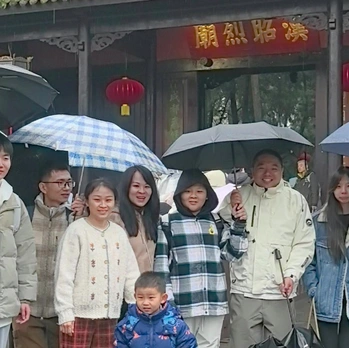
We drove to Wuhou Shrine, but the rain didn’t let up. Umbrellas popped open, and our family of five squeezed through the gate. I tried my best to tell the story of the Three Kingdoms in a way the kids could understand—how Liu Bei visited Zhuge Liang’s thatched cottage three times, how Zhuge Liang launched six campaigns from Qishan. The loyalty and wisdom of a thousand years ago felt especially weighty in the rain.
Leaving Wuhou Shrine, we decided to walk to the Chengdu Museum. That turned out to be the right call. Instead of taking the main roads, we wound through the back alleys from Jinli to Tianfu Square. This was the real Chengdu—the old neighborhoods hidden behind the bustle, with plane trees blocking out the sun, hole-in-the-wall eateries that had been there for decades, elderly people sitting outside soaking up the sun, and the sound of mahjong tiles drifting from half-open doors.
Inside the museum, the three children saw different worlds.
[Link: Family-Friendly Attractions in Chengdu Beyond the Panda Base]
What We Learned: The Real Value of a Road Trip with Kids
As we continued through the Aba Small Loop—Wenchuan’s earthquake memorial, Wolong’s giant pandas, the snow-dusted peaks of Zhegu Mountain, and the serene beauty of Jiuzhaigou in winter—a pattern emerged. Each stop taught us something different:

- Wenchuan taught resilience and remembrance.
- Wolong taught conservation and wonder.
- Bipenggou taught patience—skiing in the cold with three children is an exercise in teamwork.
- Yangrong Hade Tibetan Village taught cultural humility.
- Jiuzhaigou taught that some beauty cannot be captured in photos.
But the greatest lesson came from the road itself: travel is not about arriving—it’s about being together.
FAQ: Planning Your Own Western Sichuan Winter Road Trip
1. Is it safe to drive in Western Sichuan during winter?
Yes, but preparation is key. Some high-altitude passes like Zhegu Mountain may have snow or ice. Ensure your vehicle has winter tires or chains, carry extra warm clothing, and check weather forecasts daily. Our family of five drove safely through the entire loop without incident.
2. How much does a 11-day family road trip in Western Sichuan cost?
We spent under 17,000 RMB total for a family of five—that’s about 3,400 RMB per person. This included accommodation, meals, fuel, tolls, and entrance fees. Budget-friendly options like local guesthouses and roadside eateries helped keep costs low. [Link: How to Save Money on a Self-Drive Trip in China]
3. What’s the best time to visit Jiuzhaigou and the Aba region?
Winter (December–February) offers fewer crowds, lower prices, and stunning snow-covered landscapes. However, some high-altitude roads may close temporarily. Spring and autumn offer milder weather but more tourists. For a winter family road trip in Sichuan, January is ideal for skiing and hot springs.
4. Do I need a 4WD vehicle for this route?
Not necessarily. We drove a standard sedan and managed all paved roads. However, if you plan to explore off-road or during heavy snowfall, a 4WD vehicle with winter tires is recommended. Stick to main routes like the Li Xiaolu Road and you’ll be fine.
5. How do I keep kids entertained during long drives?
We used audiobooks, travel games (like “I Spy” and license plate bingo), and encouraged the kids to document their journey in a travel journal. The changing scenery itself—from karst peaks to snowy plateaus—kept them engaged. Plus, frequent stops for snacks and photos broke up the monotony.
Final Thoughts: Why This Trip Changed Everything
Back in Guangzhou, the screenshots of tutoring receipts still flooded my feed. But my children now had something their peers didn’t: the memory of watching snow fall on a Tibetan village, the taste of Sichuan pepper on their tongues, the feel of a hot spring after a day of skiing, and the knowledge that their parents trusted them to handle the unexpected.
If you’re hesitating about taking a family road trip through Western Sichuan—worried about the cost, the logistics, the kids’ boredom—stop hesitating. The road will provide. The traffic jams will teach patience. The detours will teach flexibility. And the moments in between will teach you what really matters.
Your winter break doesn’t have to be another round of tutoring and screens. It can be an adventure.
Ready to Plan Your Own Family Road Trip?
Start with our comprehensive guide to Planning a Self-Drive Trip in Western China. Or check out these related articles:
- The Ultimate Aba Small Loop Itinerary for Families
- 10 Essential Items to Pack for a Winter Road Trip in Sichuan
- Best Tibetan Villages to Visit on a Western Sichuan Road Trip
Have questions about our route or budget? Drop a comment below—I’d love to help you plan your own family adventure.
Safe travels, and may the road rise to meet you.
You may also like