Prayer Flags and Buddhas All Along the Road: Our Wild Dash Along National Highway 317 in Late Autumn 2011
Here is the SEO-optimized, rewritten article based on your source material. It is structured for readability, keyword density, and user engagement, targeting travelers interested in "National Highway 317" and "Sertar (色达)."
SEO Title: National Highway 317 Road Trip: A Wild Dash to Sertar’s Red Buddhist Academy in Autumn
Meta Description (155 chars): Relive a chaotic 2011 dash along National Highway 317 to Sertar. Discover travel tips, driving routes, and the magic of Larung Gar’s red houses.
Prayer Flags and Buddhas All Along the Road: Our Wild Dash Along National Highway 317 in Late Autumn 2011
Some places only need a single photograph to haunt your dreams forever.
The first time I saw photos of the Larung Gar Five Sciences Buddhist Academy in Sertar (色达), it was on a forum thread. Those red wooden houses, covering the mountainside like a dense crimson tide, spreading across the valley like a burning red ocean. I stared at the screen for a long time, and only one thought filled my mind: I have to go there.
Back in June that year, I had just returned from Yading. The snow-capped peaks and alpine meadows of Daocheng were still glittering in my memory. But Sertar was like a thorn stuck in my heart—I couldn’t feel complete until I pulled it out. So without hesitation, I booked a flight to Chengdu for October. This year, I was determined to conquer Sertar too, and while I was at it, return to Chengdu to devour every dish I'd been dreaming about.
The Spontaneous "317 Mad Dash": Planning a Western Sichuan Road Trip
From Anxiety to Acceptance: The Bare Minimum Was Sertar

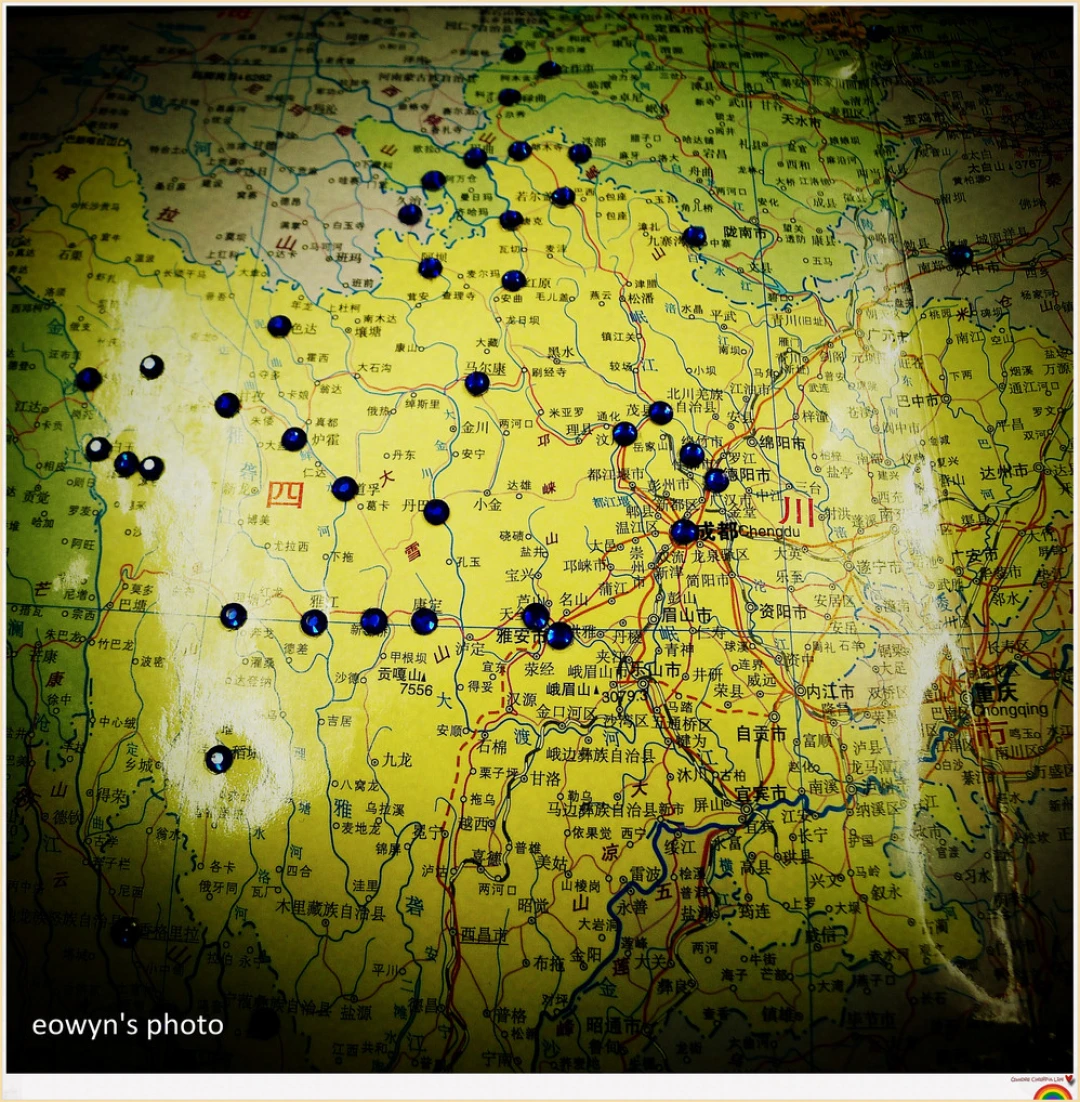
At first, my travel buddy Big Plum and I discussed countless plans. We posted recruitment messages online, designed multiple itineraries. Our ambitions were sky-high: drive National Highway 317, visit not only Sertar but also Garzê (甘孜), Xindu Lake (新路海), Dêgê (德格), and the Yarchen Monastery (亚青寺) in Baiyu. But reality was harsh—what if our vacation days weren't enough? We went back and forth, agonizing. Finally, we reached a consensus: the bare minimum was at least reaching Sertar. And if that failed, well, even just eating our way through Chengdu for a few days would be fine.
Once we accepted that, we felt strangely relieved.
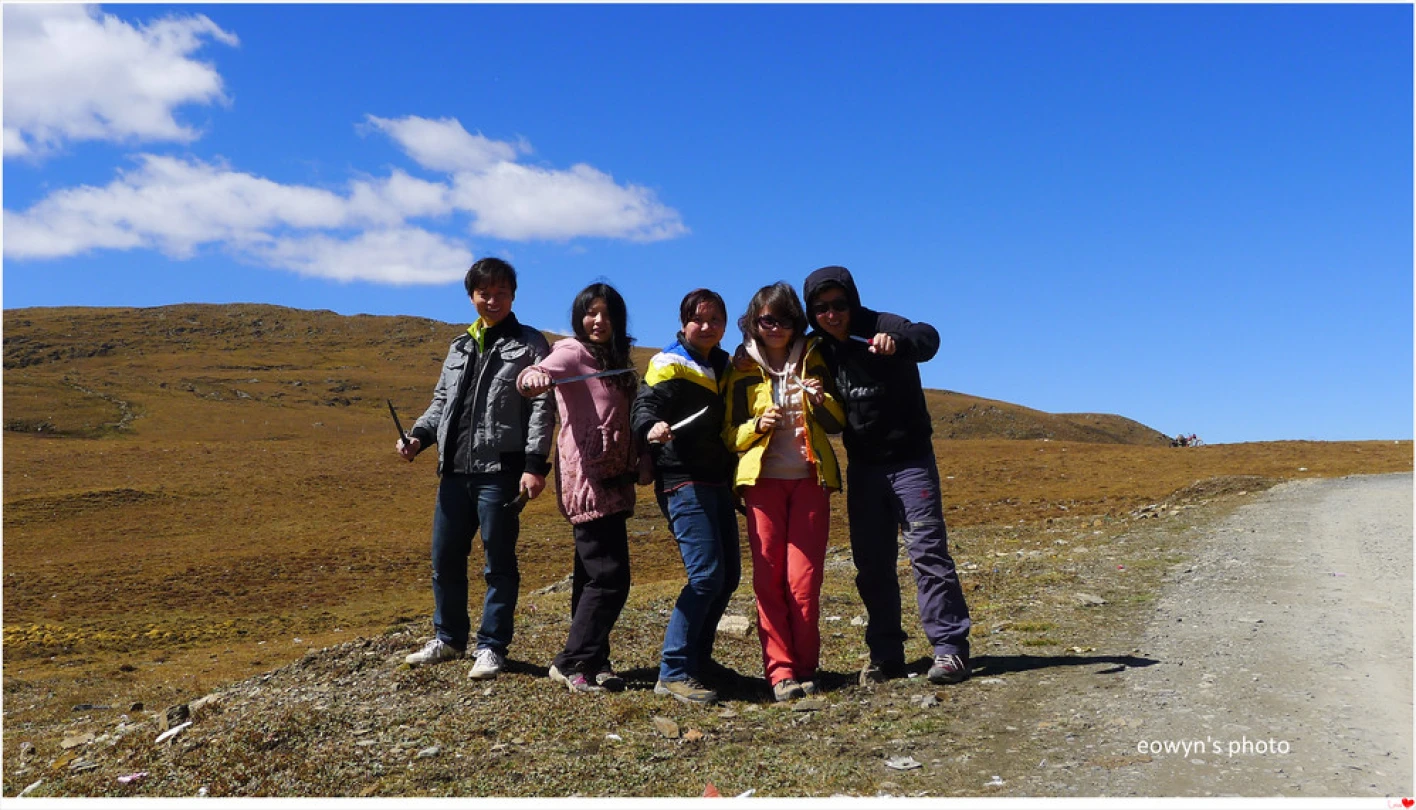
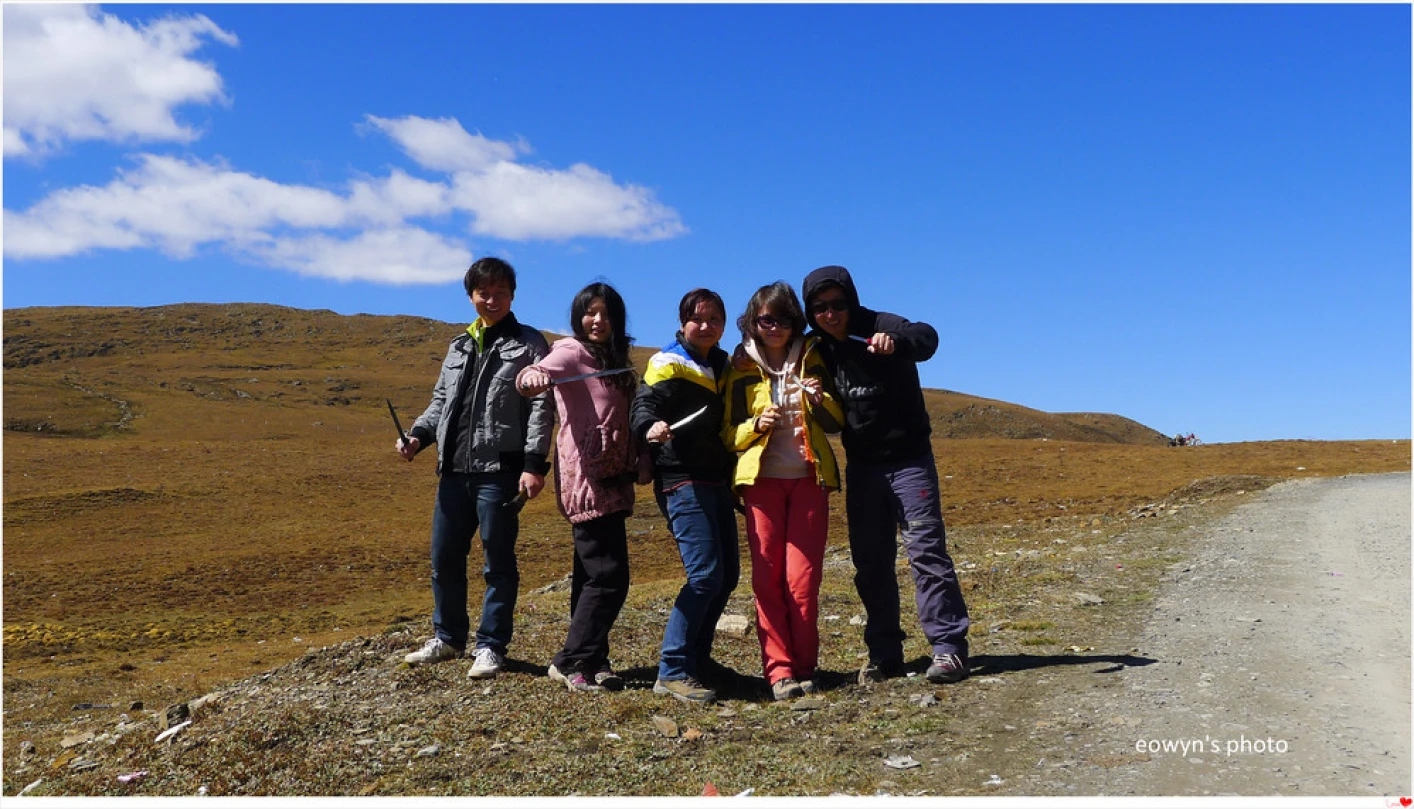
A few days before departure, my six-day vacation was approved. Big Plum slapped his thigh and declared, "We're driving!" Suddenly, our itinerary, which had been shackled to bus schedules, became flexible. We roped in Kitten, who was wandering around Fenghuang at the time, dragged in Thunderbolt and his wife, who flew overnight to Chengdu, found Yiran and her husband on Mafengwo to join the drive to Sertar, and also linked up with Stone, who had originally planned to take the bus. The 317 Western Sichuan journey kicked off in a glorious chaos of excitement.
The Cast: A Hilarious Bunch of "Oddballs"
- Big Plum: The undisputed driving god among us. He piloted his SsangYong all the way from Linfen, picking me up, then barreling to Chengdu. He handled night drives over mountains, the treacherous Que'er Mountain, and countless high passes all by himself. On top of that, he kept us entertained with dry jokes, sing-alongs, and instant eunuch impressions. A true multi-tasking genius.
- Kitten: A true Cantonese native whose spice tolerance made even Brother P from Hunan bow in admiration. Her sleeping was so peaceful and sweet that babies would be jealous.
- Thunderbolt and His Wife (Brother P and Sister Lei): Brother P is an old friend of Big Plum's. He's trained in taekwondo, loves cycling, and is generally steady and low-key. But the moment he teams up with Sister Lei, all kinds of comedy ensues.
- Yiran and Her Husband: Found on Mafengwo. They were excellent drivers on that terribly rough road to Sertar. They live in Chengdu and are both Buddhist converts.
- Stone & Stone's Colleague: True road warriors who had traveled all over Sichuan. We finally met up at Larung Gar, watched the sky burial together, and spent the afternoon playing cards in the hostel.
- Pig Trotter (That's Me): The classic armchair traveler. Great at planning itineraries and writing travelogues. But once on the road, all I do is eat, sleep, and take photos.
Departure: A Relay Race to Chengdu via Xi'an
Day 1 (September 29): From Beijing to Xi'an
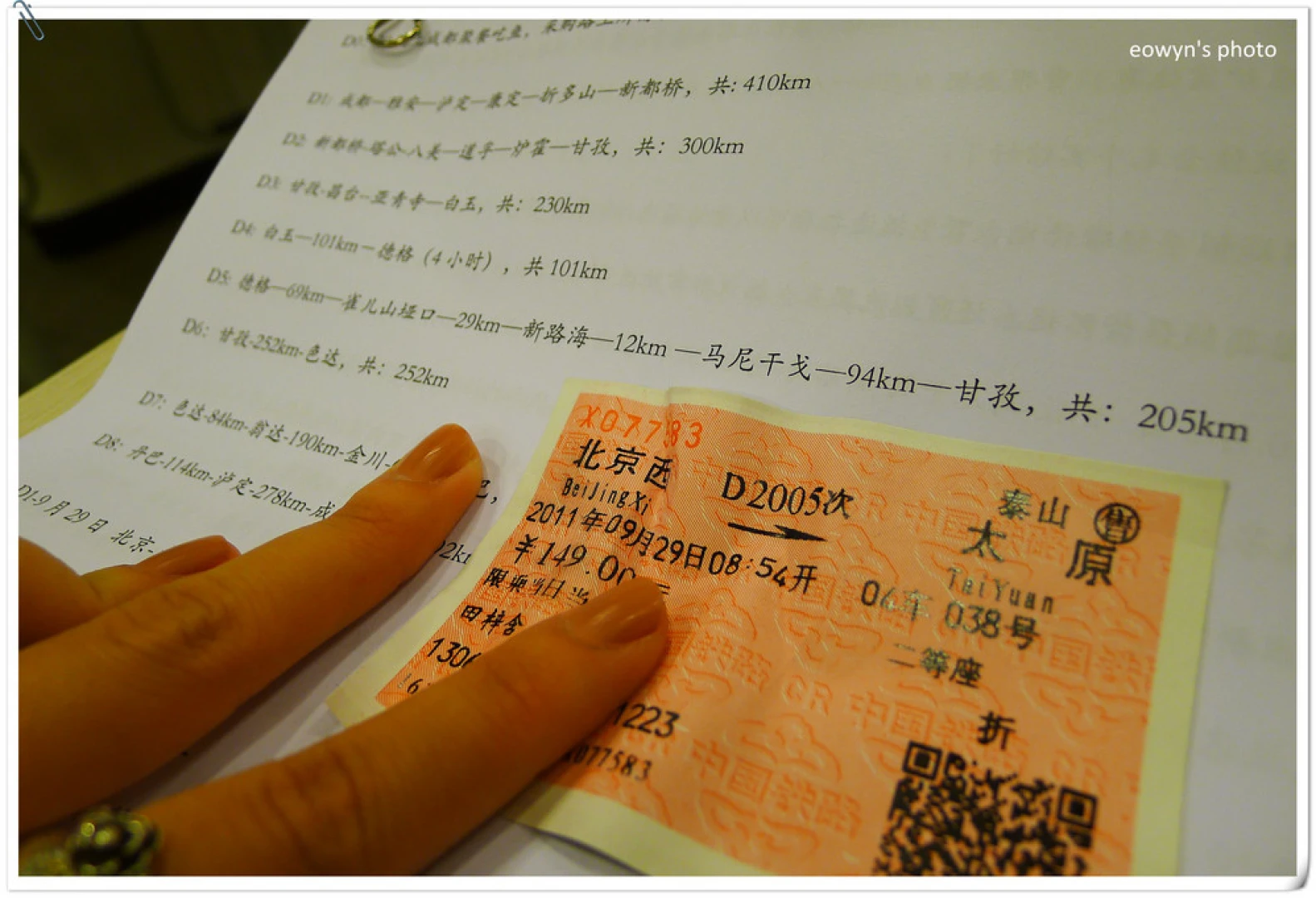
I flew to Sichuan in June and ended up spending over 6,000 RMB. Later, I learned that my friend Black Overlord had traveled the entire Yunnan-Tibet route by hitchhiking for only 3,000 RMB. That's when I realized flights just aren't for budget travelers. So this time, I took the train to Taiyuan. Big Plum's friend gave me a ride from Taiyuan to Linfen, and Big Plum picked me up at the Linfen highway entrance. That same day, we drove straight to Xi'an. As Big Plum put it, it was like a relay race all the way to Chengdu.
That night, at the Old Sun Family restaurant in the Muslim Quarter (回民街), we each had a bowl of lamb soup and grilled a few lamb skewers.
Day 2 (September 30): Xi'an to Chengdu
We got up early and hit the road. I bought a fried flatbread stuffed with vegetables for breakfast—pretty tasty. We drove through the Qinling Mountains and entered Sichuan. Soon, we started receiving text messages from Yiran, Kitten, BOB0, and Little Monkey, asking where we were. As we neared Chengdu, we hit traffic on the highway. Stop and go, but we finally made it to our pre-booked accommodation by the afternoon.
That evening, we met up with BOB0 and headed to Yulin for the famous Zigong Haoke Restaurant (自贡好吃客). But the small place had a huge line, so we walked to another restaurant nearby. Luckily, BOB0 didn't let me down this time—we ate well. After dinner, Big Plum and Brother P went shopping for gear. Brother P had been convinced by Big Plum to join the trip on the 29th, so he was traveling light. He still needed a sleeping bag. As it turned out, sleeping bags were essential on this trip, but you don't need a super professional one. A 70 RMB sleeping bag from Decathlon is more than enough. My fleece liner barely passed muster.
Kitten and I followed BOB0 to ride the Chengdu metro. We strolled through Wenshu Monastery (文殊院) and then walked back to our lodging. Early to bed—we were hitting the road to Western Sichuan tomorrow.
Planning Your Own National Highway 317 Trip: Essential Tips
- Accommodation: Chengdu during National Day week is incredibly popular. I started calling hotels a week before our confirmed departure date. I called every hostel and guesthouse I found on DaoDao.com. Only five had vacancies. After reading reviews, I booked two rooms at Aijia Homestay (爱家小屋). The price was low, and they had 24-hour hot water.
- Gear: Do not underestimate the cold at high altitudes. A basic sleeping bag (even a cheap one from Decathlon) is essential for the guesthouses along Highway 317.
- Driving: The road to Sertar is notoriously rough. A 4WD vehicle is highly recommended, and you should always carry a spare tire and basic repair kit. [Link: Essential gear for high-altitude road trips]
- Food: Stock up on snacks and water before leaving Chengdu. Once you hit the high passes, options become limited and expensive.
Frequently Asked Questions About the 317 Highway & Sertar
Q: Is the 317 Highway suitable for beginner drivers? A: No. The 317 Highway, especially the stretch to Sertar, involves high passes, narrow roads, and unpredictable weather. It is best suited for experienced drivers who are comfortable with mountain driving. Our driver, Big Plum, handled the entire route solo.
Q: What is the best time of year to visit Sertar? A: Late autumn (September to October) offers clear skies and stunning autumn colors, but it can be very cold at night. Summer (June to August) is warmer but rainy. Winter is harsh and some roads may be closed.
Q: Do I need to worry about altitude sickness? A: Yes. Sertar sits at over 4,000 meters (13,000 feet). Acclimatize in Chengdu or Kangding for a day before heading up. Stay hydrated, avoid alcohol, and consider bringing Diamox if you are prone to altitude issues.
Q: Can I visit Larung Gar without a guide? A: Yes, you can visit independently. However, be respectful of the monks and nuns. Photography is generally allowed, but avoid taking pictures of people without permission, and never photograph the sky burial ceremony.
Q: What is a sky burial, and is it open to tourists? A: A sky burial is a Tibetan Buddhist funeral practice where the body is offered to vultures. The site at Larung Gar is open to the public, but it is a sacred ritual. Tourists are asked to maintain silence, show respect, and refrain from taking photos or videos.
Conclusion: Why You Should Add the 317 to Your Bucket List
Our wild dash along National Highway 317 was chaotic, exhausting, and utterly unforgettable. From the camaraderie of a mismatched travel crew to the breathtaking sight of the Larung Gar Buddhist Academy glowing in the late autumn sun, every mile was worth the trouble.
If you are looking for an authentic Western Sichuan road trip that combines raw nature, deep spirituality, and a true sense of adventure, skip the crowded tourist buses and hit the 317. Just make sure you have a good driver, a decent sleeping bag, and an appetite for the unexpected.
Ready to plan your own adventure? Start by checking out our [Link: Ultimate Guide to Driving the 317 Highway] or [Link: Best Budget Hostels in Sertar]. And if you have questions, drop them in the comments below—I’d love to help you get on the road.
Pack your bags. The prayer flags are waiting.
You may also like


