A Decade-Long Dream Come True: Mount Siguniang – A Belated Rendezvous with the Snow Mountains

Meta Description:
Discover the ultimate Mount Siguniang travel guide. A decade-long dream fulfilled: crossing Balang Mountain, tackling altitude sickness, and finding serenity at Ice Stone Bar. Plan your Sichuan snow mountain adventure today.
Introduction: The Dream That Took a Decade to Fulfill
Some places leave an indelible mark on your soul the moment you see them. For me, that place was Mount Siguniang. In high school, I stumbled upon a photograph of this majestic snow-capped peak in a book. It stood like a maiden draped in a white veil, quietly poised between heaven and earth. From that instant, I knew: one day, I would go see her for myself.
That "one day" took over a decade.
In college, a classmate returned from a trip to Mount Siguniang, so ecstatic he could barely string words together. Finally, he blurted out: "Mount Siguniang is so beautiful, it doesn't care what camera you use or how good your photography skills are." That comment planted a seed deep in my heart. But life—studies, work, daily routines—kept pushing back the departure date. It wasn't until October 8, 2011, that this dream finally became reality.
This trip had three of us: me, my younger sister Wang Min, and my wife Sanmi. The night before we set out, Sanmi was like a wound-up toy, endlessly double-checking the car, the hotel, the route—trying to block every possible problem before it could happen. I kept saying, "Don't worry," but deep down, I wasn't sure either. Travel is never one hundred percent certain. You just have to go with the flow.
Getting to Mount Siguniang: A Complete Transportation Guide
Chengdu to Rilong: The Best Route for Private Cars

At 8 a.m. on October 8, we met our local driver from Rilong and set off from Chengdu. The route was: Chengdu → Dujiangyan → Yingxiu → Wolong → Rilong—about a five-hour drive.
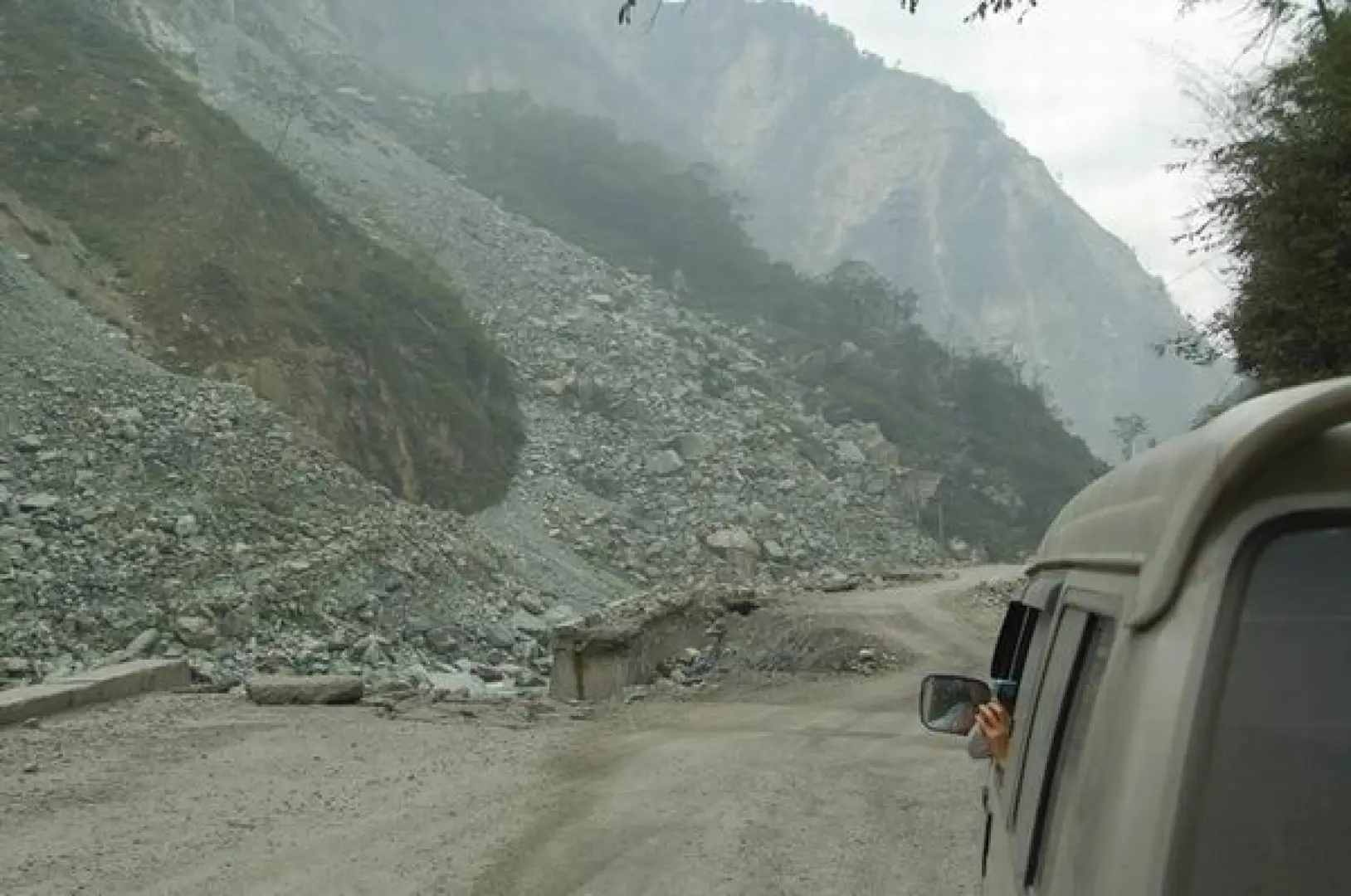
Important note for travelers: After the earthquake, the road from Yingxiu to Wolong was in terrible shape. Only private cars could take this route. If you take the bus from Chadianzi station, you'll have to detour through Ya'an and Xiaojin County to reach Rilong, taking over eight hours—more than double the time.
Public Bus vs. Private Car: Which is Better?
| Option | Duration | Cost | Flexibility |
|---|---|---|---|
| Private car (Chengdu → Rilong) | ~5 hours | Higher | High |
| Public bus (Chadianzi → detour via Ya'an) | ~8+ hours | Lower | Low |
SEO Tip: If you're searching for "Chengdu to Mount Siguniang transport" or "best way to get to Siguniangshan," the private car route via Wolong is your fastest option.
The Tibetan Driver Who "Couldn't Find It" and "I Know It"
Our driver was a young Tibetan guy, quiet, but when he did speak, it was hard not to laugh. Before we left, we asked him: "Driver, can you pick us up at Jiaoda in Xipu?"
He answered bluntly: "Can't find it."
"How about Xipu?"
"Still can't find it."
We fell silent. Later, on the return trip, we were riding with him back to Chengdu. As we approached home, we said: "Driver, Jiaoda is coming up. We'll get off up ahead."
"Oh, this is Jiaotong University. I know it. I've been here before."
"Wait—so why did you say you couldn't find it before?"
"You have to be clear. Say 'Jiaotong University,' and I know it. Say 'Jiaoda,' and I don't."
We were totally floored. All we could do was apologize sincerely: "Sorry, we didn't make it clear enough."
This little episode gave me my first impression of the local Tibetan people: honest, kind, hardworking, and humorous. They speak directly, don't beat around the bush, and have no hidden agendas. Sometimes it leads to misunderstandings, but you should never take their words too seriously. They're genuinely endearing.
Along the way, the driver played folk music and smoked heavily. He said it was the music and cigarettes that kept him safe on the road—he drove steadily and stayed alert. He ran this route year-round and was proud of his driving skills. At one point, he overtook an SUV. The other driver got competitive and tried to catch up, but after more than an hour, still couldn't. I talked him into slowing down and letting the SUV pass. Then he burst out laughing, as proud as a little kid.
Crossing Balang Mountain: First Glimpse of Yaomei Peak
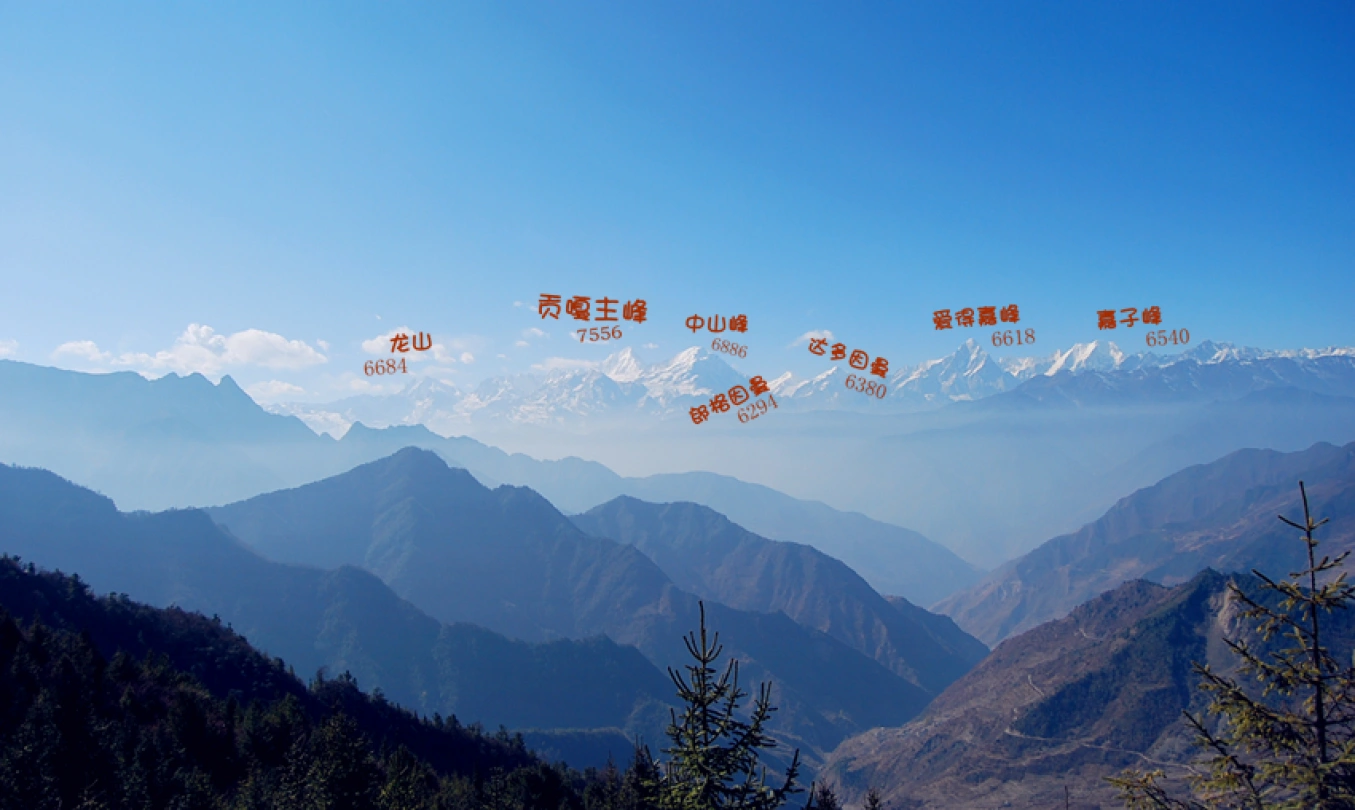
When the car crossed the Balang Mountain pass, the altitude climbed and the air grew thin. From the pass downward, the famous winding mountain road came into view, with snow-capped peaks visible in the distance. By the roadside, there were free-range yaks and a crude restroom. On the way back, we went to use it—only to have a yak burst out of the men's room. It left us all stunned—the image was almost surreal.
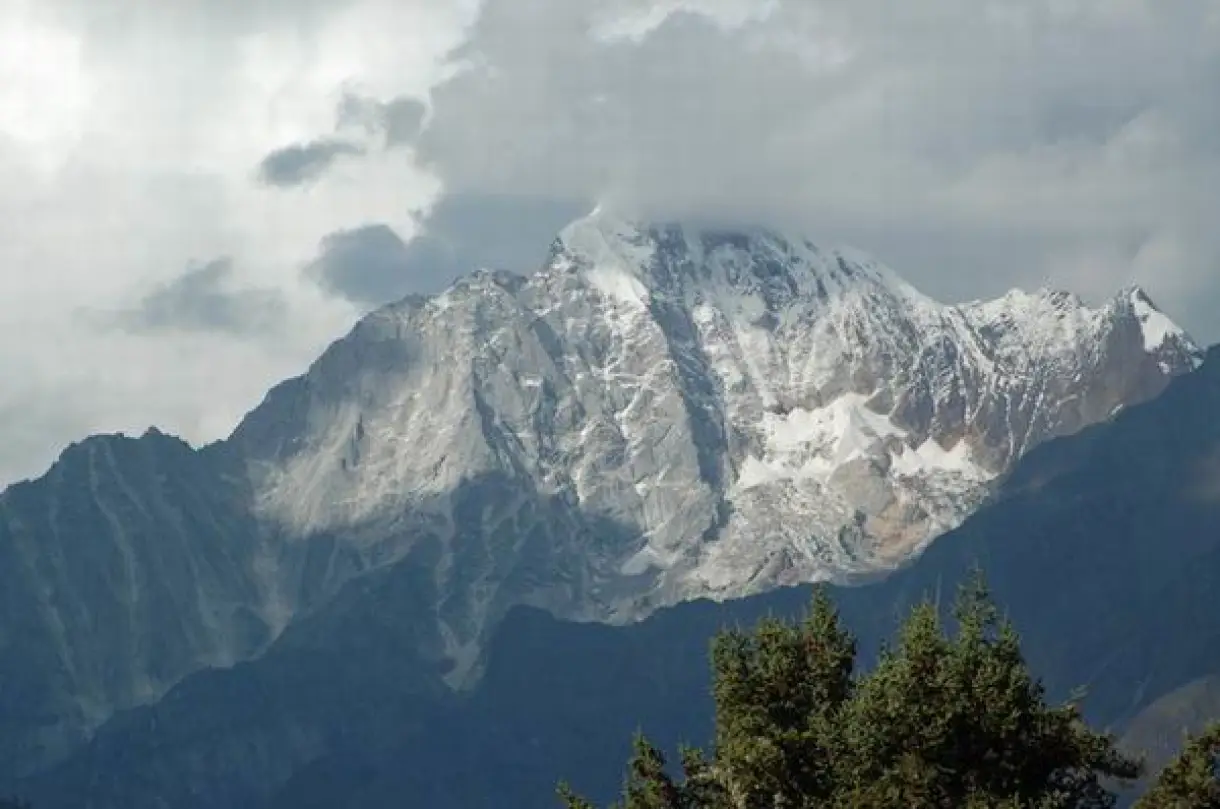
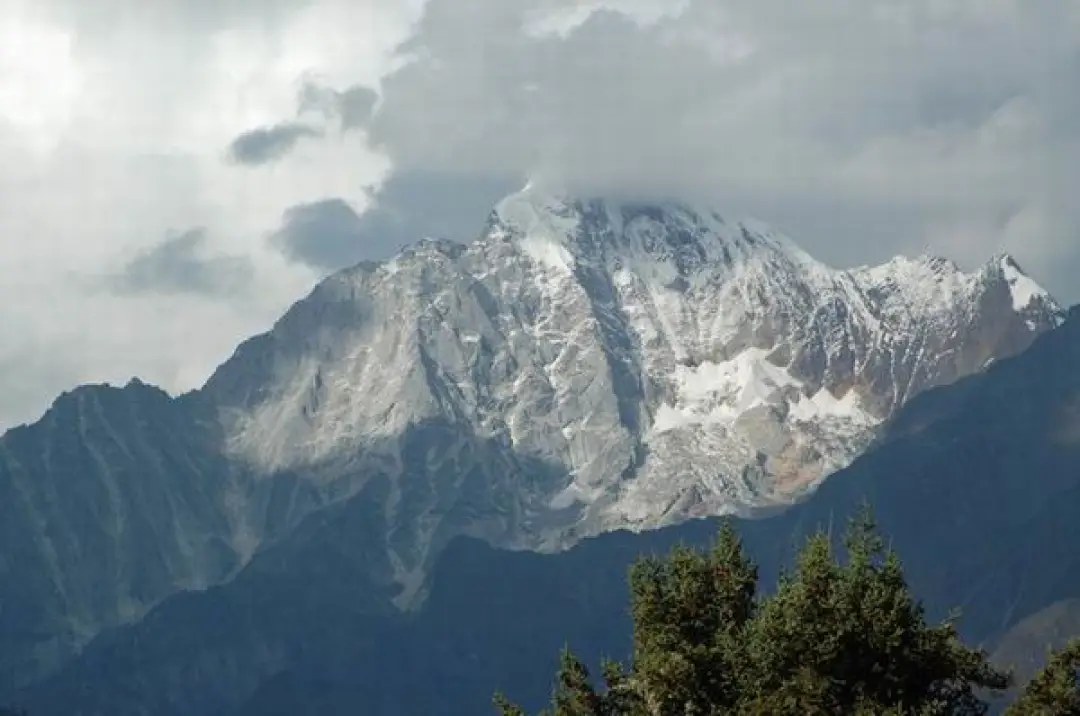
Below the pass, Yaomei Peak finally showed her face. We got so excited we stopped the car to take photos. Farther down, at the best vantage point, the weather was decent with only a few clouds, and we finally captured the full view of Mount Siguniang. Locals say Yaomei Peak has a "face"—if you look closely, the mountain indeed has a clear outline, like a sleeping maiden.
[Link: Best photography spots at Mount Siguniang]
Where to Stay in Rilong: Guilai Hotel Review
A Pleasant Surprise at 60 Yuan a Night
We arrived at our accommodation, Guilai Hotel, at 1:30 p.m. I chose this place because I found a phone number online, dialed it randomly, and it still worked—even though it was from 2007. The conditions were basic, but for travel, it was enough: a single room with two beds, a private bathroom, a water heater, and an electric blanket. During National Day, it cost 360 yuan per room, but since we checked in on October 8, it was just 60 yuan per room. The best part? The hotel was right next to the area's most upscale entertainment spot—the Ice Stone Bar—so we booked without hesitation.
The hotel owner helped us a lot, including arranging transport, which made the whole trip much smoother. Full disclosure: I'm not a shill. But if you stay at another hotel, the owner will be just as welcoming—that's just the local hospitality.
What to Expect at Guilai Hotel
- Price: 60–360 yuan/night (varies by season)
- Amenities: Private bathroom, water heater, electric blanket
- Location: Changping Village, next to Ice Stone Bar
- Best for: Budget travelers and solo hikers
[Link: Budget accommodation in Rilong]
Altitude Sickness at Mount Siguniang: A Personal Account
Sanmi put down her luggage, feeling energetic, so we decided to take a walk. From the hotel, the village looked as peaceful as a painting. The sky was deep blue with faint clouds drifting by. The streetlights were all solar-powered, turning on and off automatically. The owner recommended we go to Chaoshanping to see the "golden sunset on the snow peaks." Following her directions, there was a wooden bridge by the hotel—cross it, climb the hill, and you'd reach Guozhuangping, then farther up to Chaoshanping.
When we set out, Sanmi and Wang Min were full of confidence. The hotel wasn't in Rilong town itself, but in Changping Village inside Changping Valley. There was a small stream by the village, with grazing horses wandering freely. But after just a few dozen meters, altitude sickness hit—they were exhausted, dizzy, nauseous, and couldn't go on. They had to head back to rest. I continued upward alone.
Climbing Solo: The Misery of Altitude Sickness
From the foot of the hill to the top, a normal pace would take about 15 minutes. It took me over an hour. Under the effects of high altitude, climbing was far more grueling than usual—every 20 meters, I had to stop and rest for two minutes. Despite my earlier bravado, I was a mess.
At the top was a meadow, treeless, crisscrossed with horse trails. There was a pagoda at Guozhuangping. I pushed on, struggling, and finally reached Chaoshanping. Thick clouds hid the summit of Yaomei Peak, and the hope of seeing the golden sunset on the peaks grew dim. Inside and outside a stone pagoda, scattered coins lay around—likely offerings from devout pilgrims.
By this point, many people on horseback were coming down. The first group was a team that had just finished climbing the Second Peak, followed by tourists returning from Haizi Valley. I realized this was the only route for climbing the First Peak, Second Peak, and visiting Haizi Valley.
I waited for the sun to set, but Sanmi called—she'd gone back to the hotel, napped, drunk some Rhodiola rosea the owner gave her, and was now full of energy again, already back at the foot of the hill. I quickly told her to stop: the clouds were too thick, and the golden sunset was basically a no-go. I had no heart to wait any longer and went down to meet her. From the mountainside, we could only see the sunset on three of the peaks; Yaomei Peak stayed hidden in the clouds. It was a deep regret.
Tips for Managing Altitude Sickness at Siguniangshan
- Acclimatize slowly: Spend a night in Rilong before hiking
- Stay hydrated: Drink plenty of water
- Use Rhodiola rosea: A local remedy that helps
- Avoid alcohol: It worsens symptoms
- Descend if symptoms persist: Don't push through severe dizziness or nausea
[Link: Altitude sickness prevention for Sichuan treks]
Ice Stone Bar: A Peaceful Evening in Rilong
Back at the hotel that night, after dinner, we went to the Ice Stone Bar. It wasn't like city bars—no noise or chaos, just calm and relaxation. The owner, Tang Wei, was a man with stories. He had traveled the world, climbed mountains, and settled here to run this bar. The atmosphere was intimate, with wooden tables, dim lighting, and a fireplace. We ordered a few drinks and sat in silence, listening to the crackling fire and the occasional laughter from other travelers.
It was the perfect end to a challenging day. The bar became a sanctuary where we could reflect on the beauty we had seen and the hardships we had overcome. If you're visiting Rilong, don't miss this hidden gem.
[Link: Nightlife and bars in Rilong]
FAQ: Everything You Need to Know About Mount Siguniang
1. What is the best time to visit Mount Siguniang?
 The best time is October–November for clear skies and golden autumn colors. April–June offers blooming rhododendrons, while July–September is rainy. Winter (December–March) is cold but offers stunning snowscapes.
2. How do I get to Mount Siguniang from Chengdu?
- Private car: 5 hours via Dujiangyan → Yingxiu → Wolong → Rilong
- Public bus: 8+ hours from Chadianzi station via Ya'an and Xiaojin County
- Recommended: Hire a local driver for flexibility and safety
3. What are the main peaks of Mount Siguniang?
The four peaks are: - First Peak (Dafeng): 5,025 m – Suitable for beginners - Second Peak (Erfeng): 5,276 m – Moderate difficulty - Third Peak (Sanfeng): 5,355 m – Advanced - Fourth Peak (Yaomei): 6,250 m – Extremely challenging, requires technical climbing
4. Do I need a permit to climb Mount Siguniang?
 Yes. Permits are required for climbing the First, Second, and Third Peaks. Contact the Mount Siguniang National Park Administration or your tour operator for details. Haizi Valley and Changping Valley treks do not require permits.
5. What should I pack for a Mount Siguniang trip?
- Warm layers (temperatures drop below freezing at night)
- Waterproof jacket and pants
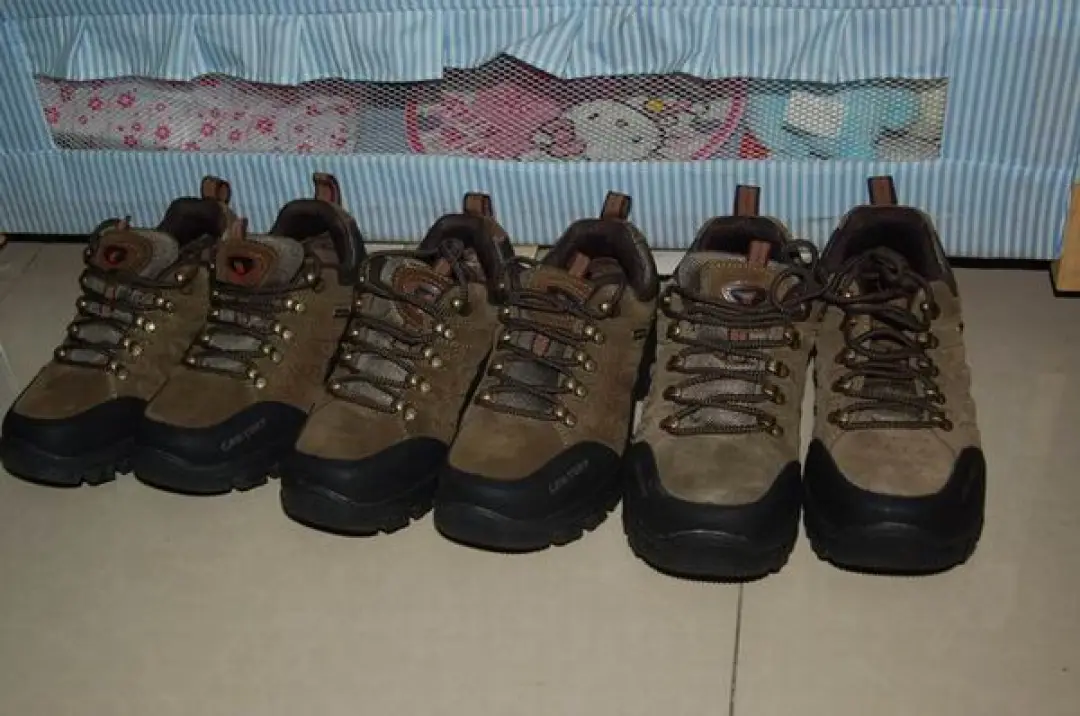
- Sturdy hiking boots
- Sunscreen and sunglasses (high UV at altitude)
- Altitude sickness medication (e.g., Rhodiola rosea)
- Snacks and water (limited options on the trail)
Conclusion: Your Mount Siguniang Adventure Awaits
A decade-long dream came true on October 8, 2011. But my story is just one of thousands. Mount Siguniang has been calling travelers for generations—with its snow-capped peaks, serene valleys, and the warmth of its Tibetan people. Whether you're a seasoned climber aiming for Yaomei Peak or a casual traveler seeking peace in Changping Valley, this place will leave its mark on you.
Don't wait another decade. Start planning your Mount Siguniang trip today. Book your transport, pack your bags, and set out on an adventure that will stay with you forever.
[Link: Book your Mount Siguniang tour package]
[Link: Recommended gear for high-altitude trekking]
Have you visited Mount Siguniang? Share your experience in the comments below!