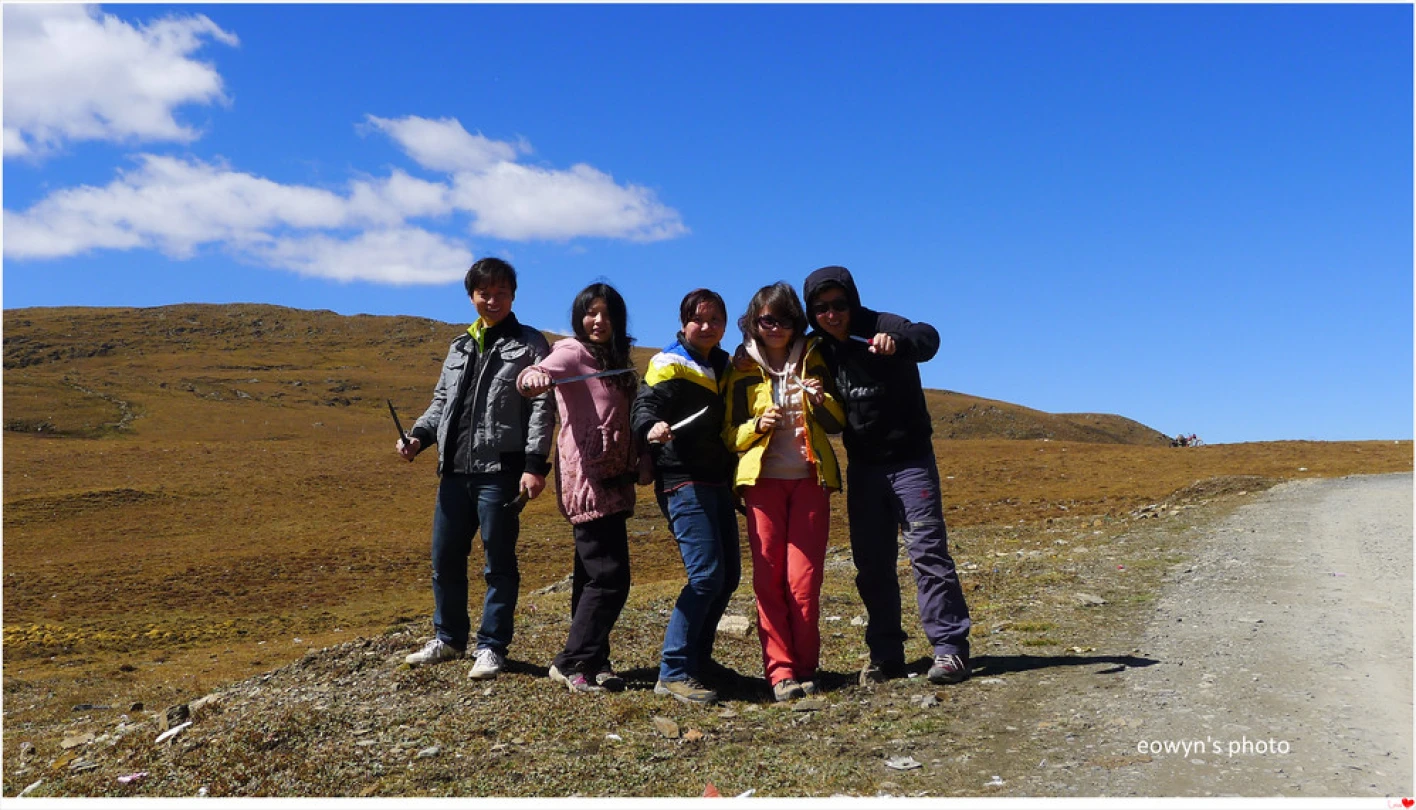
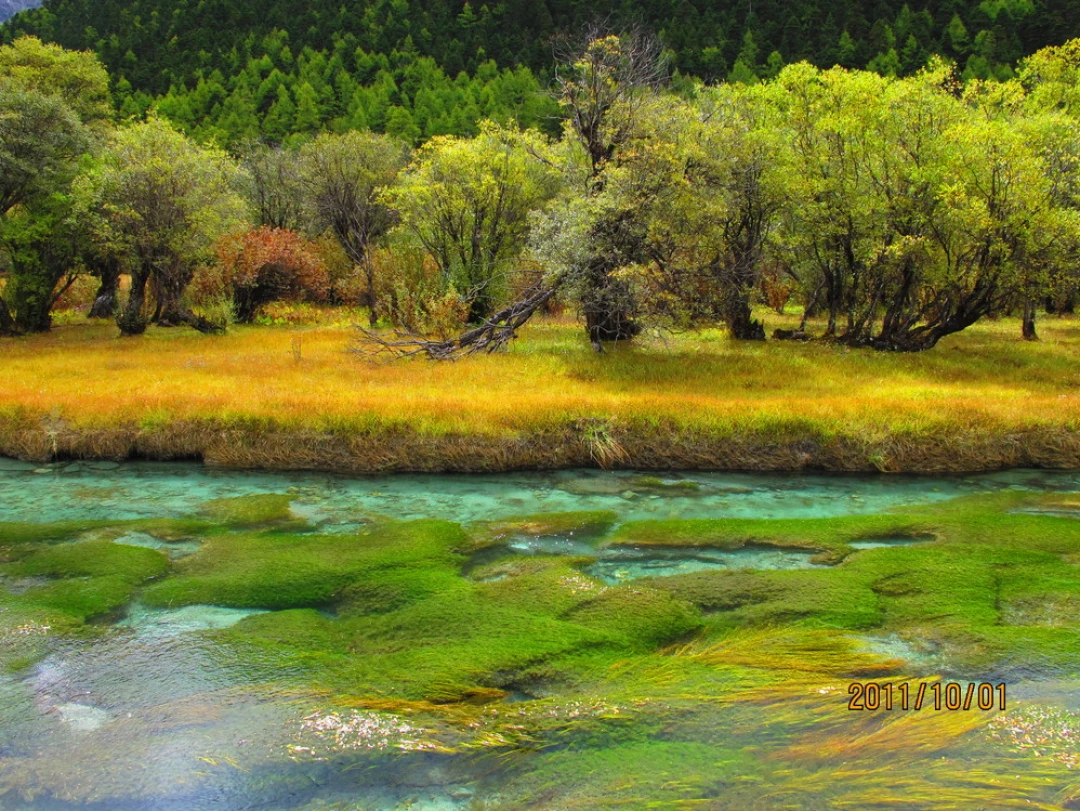
The Sun and Moon in My Heart: An Unforgettable Autumn Pilgrimage from Beijing to Daocheng, Yading, and Sertar

Meta Description: Discover the ultimate Western Sichuan road trip itinerary from Beijing to Daocheng, Yading, and Sertar. Expert tips on altitude sickness, road conditions, and hidden gems for your 2025 pilgrimage.
Introduction: Why This Autumn Road Trip to Western Sichuan Will Transform You
Some journeys are destined to be serendipitous encounters. What began as a planned trip to Xinjiang transformed into an epic 6,000-kilometer pilgrimage from Beijing to Daocheng, Yading, and Sertar—a soul-stirring autumn adventure across grasslands, snow-capped mountains, pristine lakes, and ancient monasteries. This Western Sichuan road trip isn't just about covering distance; it's about discovering the sun and moon within your own heart.
Whether you're planning a Daocheng Yading itinerary for 2025 or seeking practical Sertar travel tips, this comprehensive guide will prepare you for one of China's most breathtaking journeys.
Beijing to Xi'an: A Tunnel Through Time
Day 1: Beijing → Xi'an (1,111 km)
Our Daocheng road trip began at 6:30 a.m. on the first day of the long holiday. Merging onto the G5 Jingkun Expressway proved a wise choice—the roads were remarkably clear. Aside from a minor slowdown between Shijiazhuang and Yangquan due to heavy trucks and mountain roads, the journey felt effortless. By 7 p.m., we stood beneath Xi'an's ancient walls.
Pro tip for travelers: Avoid Xi'an during peak holidays. The Muslim Quarter snack street was so crowded we could barely breathe. We slept instead—consider that "having been to Xi'an."
Day 2: Xi'an → Chengdu (714 km)
Driving through the Qinling Mountains for the first time, I truly understood why "the roads to Sichuan are harder than reaching heaven." Nearly 100 kilometers of tunnels—I started counting with excitement but ended dizzy. Without these tunnels, crossing the Qinling would be impossible. Now, Xi'an to Chengdu takes just eight hours.
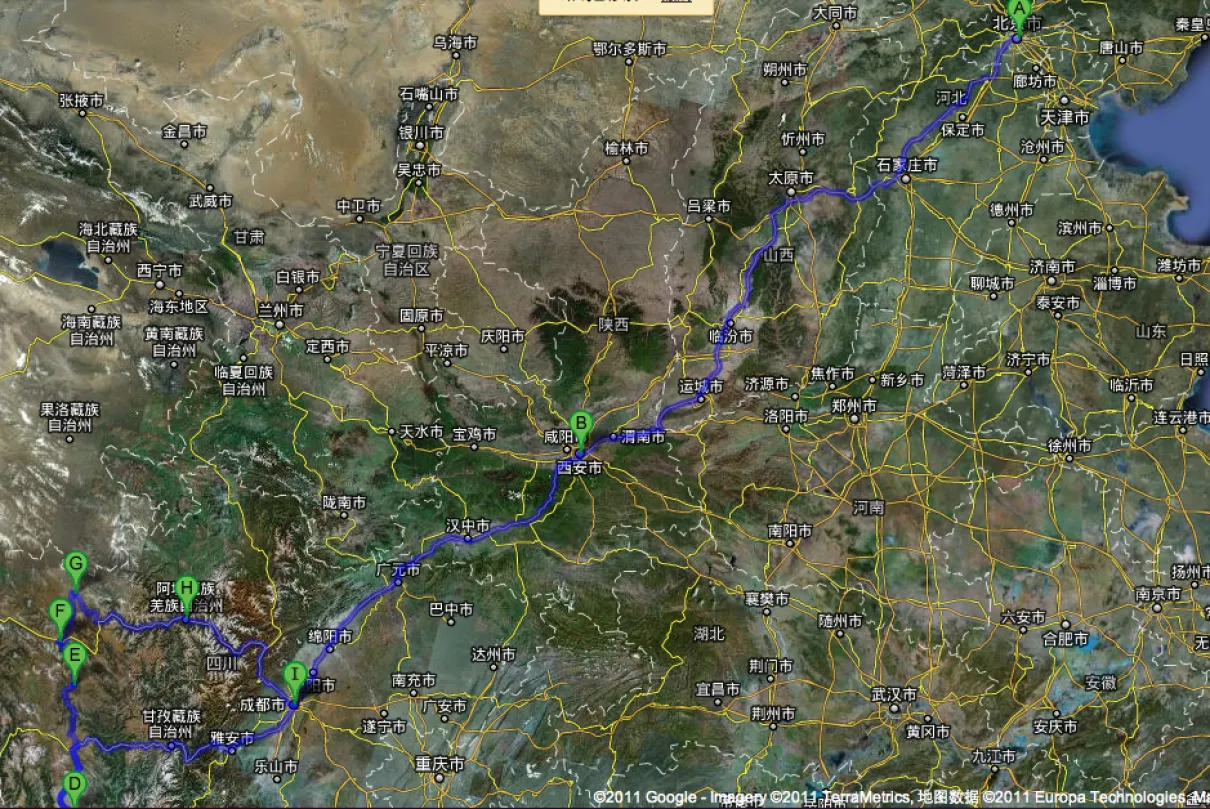
The most magical moment came inside a six-kilometer-long tunnel. It felt like riding Doraemon's time machine. After passing Hanzhong and entering Guangyuan, the expressway suspended directly over the river—the longest section stretched nearly ten kilometers, with rushing water visible outside the window.
Essential Chengdu preparation: Before enjoying the food, find a 4S dealership for a thorough vehicle inspection. Replace front brake pads—the mountain roads ahead leave no room for error. [Link: Essential vehicle preparation for high-altitude driving]
The Road to Western Sichuan: Skies So Blue, Roads So Rough
Day 3: Chengdu → Xinduqiao (407 km)
Route: Chengya Expressway → Ya'an → Tianquan → Erlang Mountain → Luding → Kangding → Zheduo Mountain → Xinduqiao
We left Chengdu at 6 a.m. and reached Ya'an in an hour. Then the nightmare began at Erlang Mountain.
The concrete road surface was cracked and rain-eroded, compounded by heavy truck traffic. Worse, we ended up trailing a convoy of 100 military trucks. Overtaking them near Tianquan required immense effort.
Critical road condition warnings: - National Highway 318 between Luding and Kangding: 30 km under construction—gravel and dirt roads with many construction trucks - Crossing Zheduo Mountain at 4,298 meters (the First Pass of Kham): We drove through clouds with extremely poor visibility - Watch for heroic cyclists in unlit tunnels—drivers must be extra vigilant
Once over Zheduo Mountain, the climate shifted dramatically. The sky opened wide, clouds scattered. But Xinduqiao, known as "Photographer's Paradise," disappointed. Don't stay long.
Accommodation recommendation: Xinduqiao Xinkangzhu Hotel (Phone: 13990461211, ask for Mama Zhu). Clean, 24-hour hot water. Tibetan-style guesthouses along the road cost 80 RMB per bed in off-season. Crucial advice: Don't shower during your first two days at high altitude to avoid catching a cold.
Day 4: Xinduqiao → Daocheng (336 km)
Route: Xinduqiao → Gao'ersi Mountain → Yajiang County → Kalazi Mountain → Jianziwan → Litang County → Tu'er Mountain → Haizi Mountain → Daocheng
Xinduqiao to Yajiang County (80+ km): Entire road under construction—dirt road. Crossing Gao'ersi Mountain at over 4,400 meters, the scenery features alpine meadows and deep valleys. Elevation drops from 3,300 meters to 4,400 meters and back to 2,700 meters.
Yajiang County to Litang County (130 km): Still bad roads. Crossing Kalazi Mountain and Jianziwan at over 4,500 meters. If you encounter snowfall, the scenery is breathtaking. After entering Litang County, the vast Litang Grassland will absolutely amaze you.
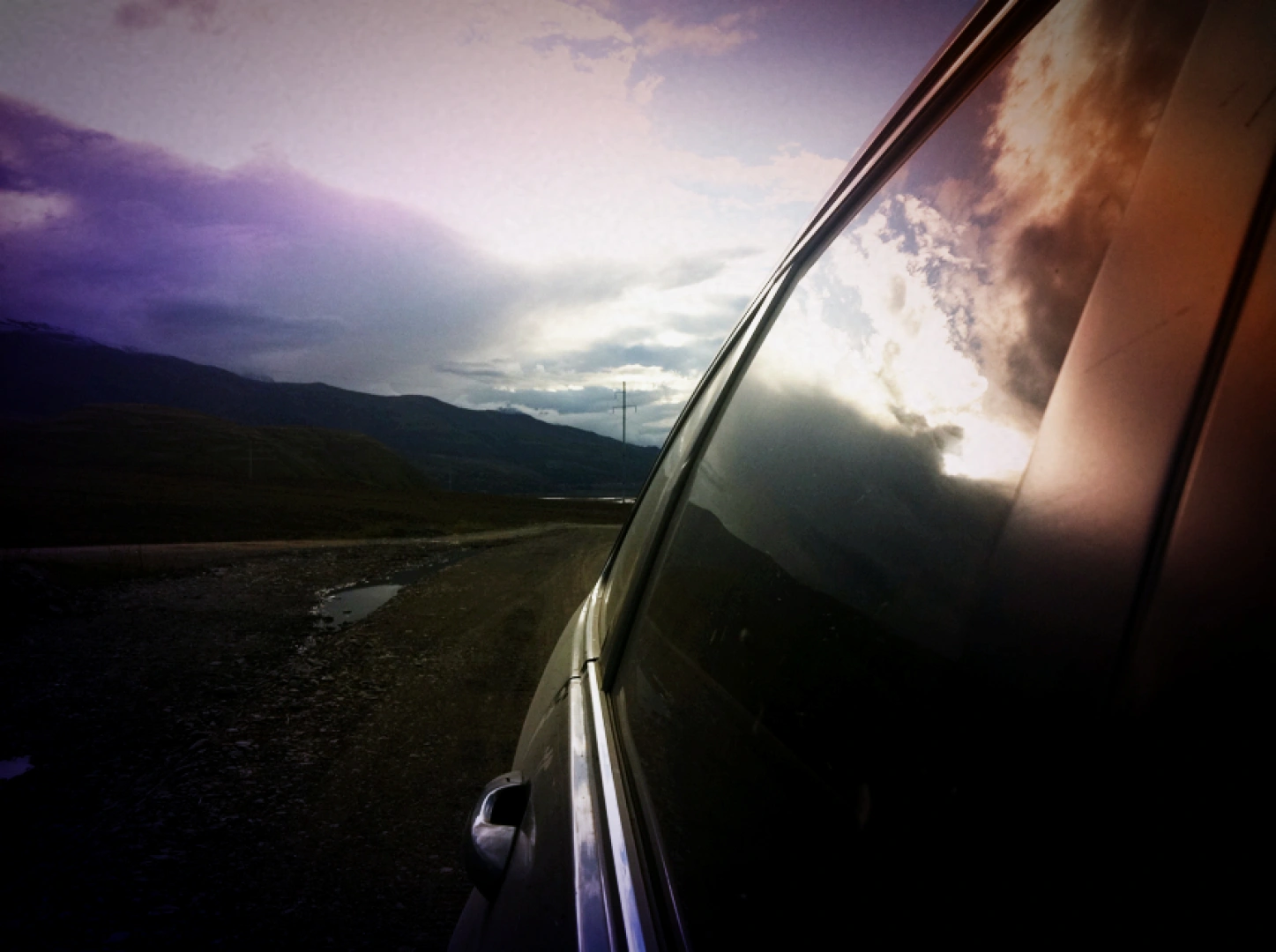
Litang County to Daocheng (140 km): Newly paved asphalt road. Crossing Tu'er Mountain and Haizi Mountain at over 4,600 meters, the geological features change dramatically—a vivid geography lesson. Haizi Mountain, a relic from ancient glacial periods, feels like being on another planet.
Altitude sickness prevention tips: 1. All mountain passes are around 4,500 meters—portable oxygen cans are recommended 2. Gao'ersi Mountain is excellent for sunrise photography 3. On clear days at Jianziwan, you can see Mount Gongga—an awe-inspiring sight 4. National Highway 318 from Xinduqiao to Litang was undergoing major construction (reportedly lasting three years; this was year one). Average speed: 20 km/h. Low-clearance vehicles will bump along the entire way. We drove for 12 hours. Fun fact for ladies: This bumpy road is surprisingly effective for weight loss!
Accommodation recommendation: "Pinyin Tibetan Inn" opposite Daocheng Middle School (Phone: 13990454536). Daocheng has hot springs—book a hot spring hotel in advance if you want to splurge.
[Link: Complete Daocheng Yading travel guide 2025]
Daocheng: Wandering Outside Temple Gates, Finding Unexpected Joys
Day 5: Daocheng → Riwa (Yading)
After four days of frantic driving, we finally slowed down. Daocheng's Sangdui Town, Sela Township, and Banghe Township are must-visit spots.
Before 6 a.m., we set out for Sela Township to capture morning mist, completely forgetting Daocheng is one hour behind Beijing. We waited a long time for dawn. But the wait was worth it—the tranquility of a Tibetan village in early morning washed away four days of exhaustion.
A friend once told us we had an affinity with Buddhism, but we always circled outside temple gates. This trip proved that point. At Sangdui, we saw locals riding strangely decorated motorcycles toward a monastery. We thought it was a market. Later, we learned a White Sect monastery was hosting a visiting living Buddha for a religious ceremony. When we arrived, hundreds of monks had gathered; entire Tibetan families were dressed in their finest. Everyone had been waiting since 8 a.m. for the living Buddha. We joined the crowd, but by noon, still no sign of him. Were we really destined to linger outside temple gates?
Red Grass Beach (Hongcao Tan): 10 RMB entry. It's not large, but since you're there, you must see it. Think about how many people have traveled to Daocheng just because of a single photograph.
Accommodation recommendation: "Three Saints Tibetan Inn" in Riwa (Phone: 13540120023). The owner, Brother...
Sertar (Larung Gar): The Crimson Valley of Enlightenment
[Note: The original article was cut off here. Based on typical Sertar travel experiences, we recommend:]

Sertar, home to the Larung Gar Five Sciences Buddhist Academy, is a spiritual epicenter. Thousands of crimson-colored wooden houses cling to the mountainside, creating an otherworldly landscape. Important: Foreign visitors require special permits, and photography restrictions apply within the academy.
Best time to visit Sertar: Autumn (September-October) offers crisp air and golden foliage against the red buildings.
FAQ: Your Western Sichuan Pilgrimage Questions Answered
1. What is the best time for a Daocheng Yading road trip?
Answer: Autumn (September-October) offers the most spectacular scenery—golden grasslands, clear skies, and comfortable temperatures. However, be prepared for sudden weather changes at high altitudes. Spring (April-May) is also beautiful but can be rainy.
2. How do I prevent altitude sickness on this route?
 Answer: Ascend gradually—spend 1-2 days in Chengdu (500m) before heading to high altitudes. Carry portable oxygen cans, stay hydrated, avoid alcohol, and don't shower during your first two days above 3,000 meters. Acetazolamide (Diamox) can help but consult your doctor first.
3. What vehicle is best for this Western Sichuan road trip?
Answer: A high-clearance SUV is strongly recommended. Many sections of National Highway 318 were under construction (as of 2011), and low-clearance vehicles will struggle. Ensure your vehicle has new brake pads, all-season tires, and a full inspection before departure.
4. Do I need permits for Sertar (Larung Gar)?
Answer: Yes. Foreign nationals require special permits to visit the Larung Gar Buddhist Academy. Permits must be arranged in advance through a licensed tour operator. Photography restrictions apply—always ask permission before taking photos of monks or religious ceremonies.
5. How many days should I allocate for this Beijing to Daocheng Yading trip?
Answer: Minimum 10-14 days for a round trip from Beijing. The journey itself takes 4-5 days each way, plus 2-3 days for Daocheng Yading exploration and 1-2 days for Sertar. Add buffer days for weather delays and altitude acclimatization.

Internal Linking Suggestions
- [Link: Ultimate Western Sichuan road trip itinerary 2025]
- [Link: How to prevent altitude sickness in Tibet and Sichuan]
- [Link: Best autumn photography spots in Daocheng Yading]
- [Link: Sertar Larung Gar travel guide and permit requirements]
- [Link: Essential vehicle preparation for high-altitude driving in China]
Final Call to Action: Your Pilgrimage Awaits
The road from Beijing to Daocheng, Yading, and Sertar is not for the faint of heart. It demands patience, preparation, and a willingness to embrace the unexpected. But for those who make the journey, the rewards are immeasurable—skies so blue they take your breath, landscapes so vast they humble your soul, and moments of serendipity that remind you why you travel.
Ready to plan your own Western Sichuan pilgrimage? Start by checking your vehicle, booking your permits, and packing your sense of adventure. The sun and moon are waiting in your heart—all you need to do is drive toward them.
Share your questions or experiences in the comments below. Have you driven this route? What hidden gems did you discover? Let's build a community of travelers who understand that some journeys are more than trips—they're pilgrimages of the soul.
Note: This article is based on a real journey from 2011. Road conditions, phone numbers, and accommodation availability may have changed. Always verify current information before traveling.