Western Sichuan's Sertar: Touching the Warmth of Faith Between Red Houses and White Snow
Meta Description: Discover the Larung Gar Buddhist Academy in Sertar, Western Sichuan. Explore red houses, white snow, faith, travel tips, and the power of Tibetan Buddhism in this complete guide.
Welcome to follow our WeChat public account: One Step, One World. If you never step outside, you might think this is all there is to the world.
Introduction: Why Sertar Should Be on Your Travel List
Tucked away in the high-altitude valleys of Garze Tibetan Autonomous Prefecture, Western Sichuan's Sertar is not just a destination—it's a pilgrimage for the soul. Known globally for the Larung Gar Five Sciences Buddhist Academy, this sacred site draws tens of thousands of visitors and devotees each year. But what makes Sertar truly unforgettable is the contrast: vivid red wooden houses blanketed by pristine white snow, and the quiet, unwavering faith of the monks and nuns who call this place home.
In this comprehensive guide, we'll take you through everything you need to know about visiting Sertar Buddhist Academy, from transportation and accommodation to the spiritual experiences that will stay with you forever. Whether you're a seasoned traveler or a first-time visitor to the Tibetan Plateau, this article will help you plan an authentic, meaningful journey.
Chapter 1: First Glimpse of Sertar — A Symphony of Red and White
1.1 The Color of Faith: Understanding Sertar's Red Houses

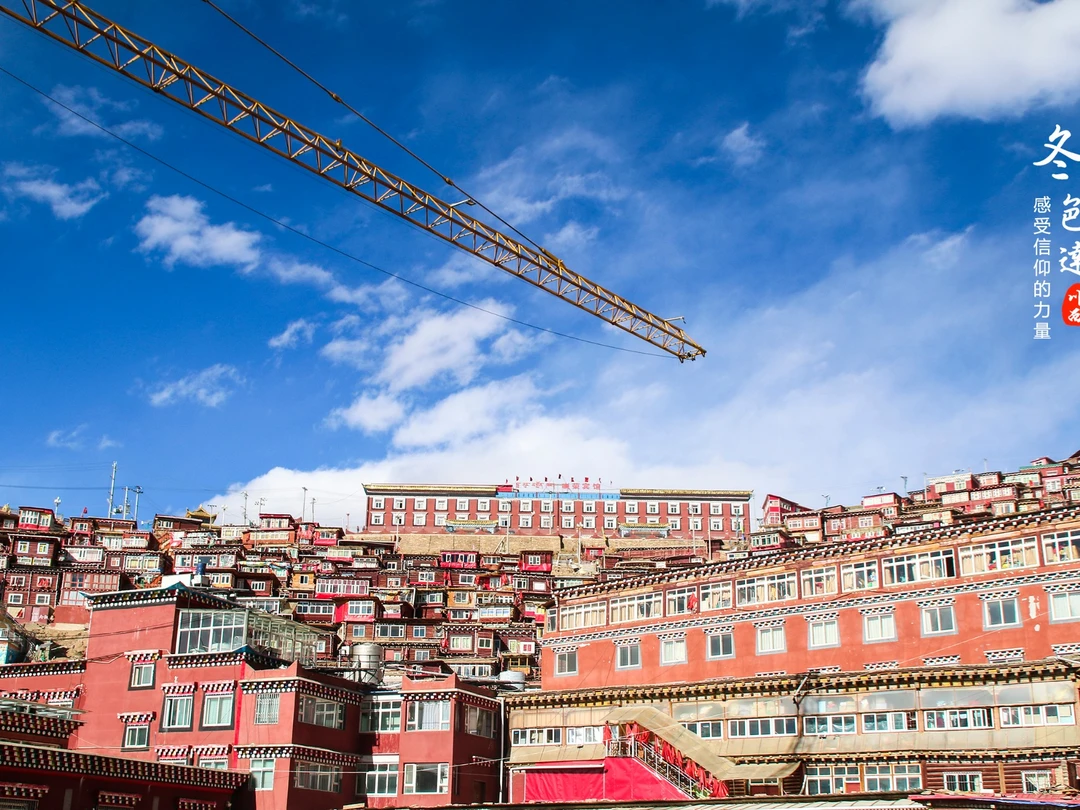
When people talk about Sertar, most are actually referring to the Larung Gar Five Sciences Buddhist Academy. This valley on the outskirts of Sertar County has become a bucket-list destination for travelers seeking spiritual depth and breathtaking landscapes.
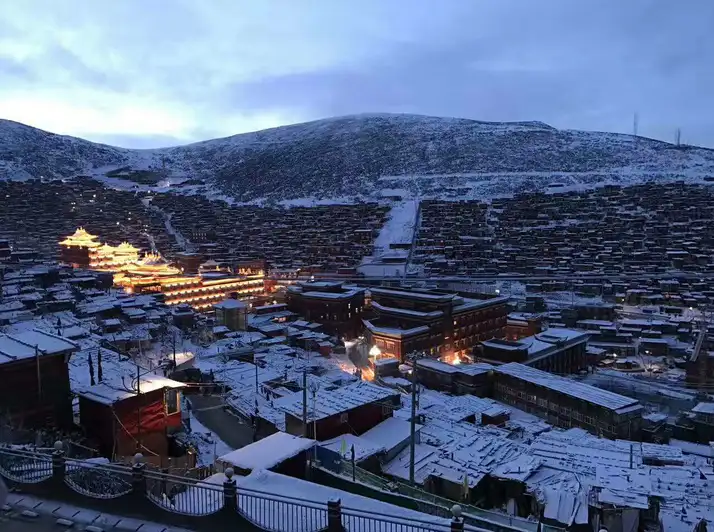
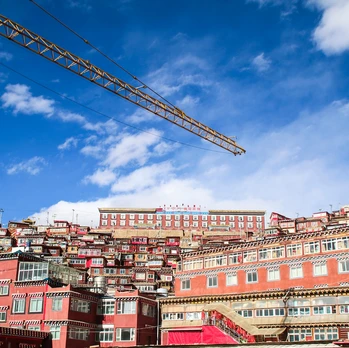
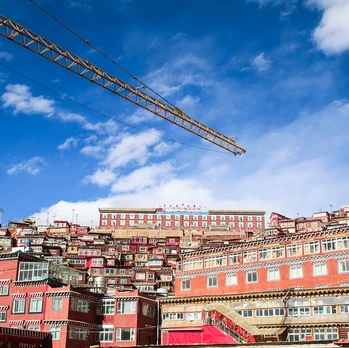
Before setting foot on this land, you've likely seen countless photos of those red wooden houses sprawling across the hillsides. They lie peacefully beneath a crystalline blue sky, the mountain ridges cradling them like a warm embrace. The red monastic robes worn by thousands of monks and nuns add to the visual symphony—a sea of crimson against the earth.
People who have visited Sertar often struggle to articulate exactly what makes it special. But from the thoughtful look in their eyes, you can sense an indescribable power. Spring breezes, no matter how beautiful, cannot compare to its silent presence—but those who have never been will never truly understand.
1.2 A Snowfall That Stunned the World
On February 23, 2017, while everyone was waiting for spring, Sertar quietly received a snowfall. Vivid red and pure white complemented each other, and the entire world was breathtakingly beautiful.
In that moment, the meaning of "waking up to find everything transformed into your favorite form" became crystal clear. The red houses donned a silver coat, prayer flags fluttered in the wind and snow, and monks wrapped in thick red robes walked through the snow. This scene rendered any words utterly inadequate.
Key takeaway: The best time to visit Sertar for snow-covered red houses is between December and March. However, be prepared for temperatures as low as -20°C and the risk of altitude sickness.
Chapter 2: The Past and Present of the Buddhist Academy
2.1 A Miracle: From 30 People to Tens of Thousands
The Larung Gar Five Sciences Buddhist Academy was founded by Khenpo Jigme Phuntsok in 1980. At that time, it had only about 30 people. Who could have imagined that within just a few decades, this small scripture study site deep in a Tibetan valley would grow into one of the largest Tibetan Buddhist academies in the world?
- 1985: Sertar County approved the establishment of the Larung Gar scripture study site.
- 1987: The Panchen Lama inscribed the school's name and wrote to the Sertar County government expressing support.
- 1993: Mr. Zhao Puchu inscribed the Chinese-language gate plaque.
- 1997: The Sichuan Provincial Religious Affairs Bureau officially approved its establishment.
Inspired by the merits of the Dharma King, Buddhist followers came from all directions. Today, the academy is primarily home to Tibetan resident monks and nuns, numbering in the tens of thousands. For such a large community to gather in this harsh mountain valley is nothing short of a miracle.
2.2 What Are the "Five Sciences"?

The "Five Sciences" are the Buddhist classification of knowledge. Understanding them gives you deeper insight into the academy's purpose:
| Science | Description |
|---|---|
| Grammar and Philology | Mastery of language and writing |
| Crafts and Arts | Knowledge of all technical skills |
| Medicine | Mastery of various healing techniques |
| Logic | The principles for discerning truth from falsehood |
| Inner Wisdom | Cultivation of all scriptures, principles, and doctrines |
The academy offers both long-term and short-term study programs. The long-term program lasts six years, while specialized degrees require 13 years. After passing subject exams and oral debates, students may be awarded the title of Khenpo (master teacher). Only after receiving this title is one qualified to teach the Dharma to others.
2.3 The Truth About the "Demolition and Renovation"
Many people have heard that Sertar's red houses are being demolished. To be precise, it's a demolition and renovation project. Since 2016, scattered construction work has been underway. The red houses being removed will be replaced with fire safety corridors and other facilities. This is not destruction—it's for better preservation.
Important note for travelers: Some areas may be under construction. Always check current conditions before planning your visit. [Link: Current travel advisories for Sertar]
Chapter 3: Life in Sertar — Accommodation, Food, and Transportation
3.1 Accommodation: Choices from the Summit to the Base
We stayed at the academy for three nights, all at the Larung Gar Hotel at the summit. Here's what you need to know:
Larung Gar Hotel (Summit) - Standard rooms: 200 RMB per night, with private bathroom, hot water, and electric blanket - Dormitory beds: 40-50 RMB per bed, shared bathroom, with public facilities available - Booking: No phone or online reservations accepted; book in person on a first-come, first-served basis - Pros: Located at the highest point of the academy with panoramic views - Cons: Not recommended for those with severe altitude sickness
Other Options:
| Location | Property | Price Range | Notes |
|---|---|---|---|
| Mid-mountain | Larung Gar Restaurant | 160-270 RMB | Best conditions, extremely competitive |
| Base of the mountain | Jinchuan Hotel | ~200 RMB | Lower altitude, milder altitude sickness |
Pro tip: Before departure, we met someone who lives long-term at the academy and asked her to help us book—that's how we secured our rooms. Without such an "inside connection," it's better to stay in the county town first and visit the academy the next day.
3.2 Food: Vegetarian Meals That Satisfy

I'd heard that food at the academy was scarce, but that wasn't the case. Here are four places we ate at:
- Larung Gar Hotel Buffet: 20 RMB per person, mostly vegetarian dishes, but the food was often cold
- Restaurant Opposite the Mid-Mountain Bus Stop: Boiled dishes in chili oil (mala), stir-fries, reasonably priced, full of monks
- Specialty Snack Shop Behind the Bus Stop: Noodles, fried rice, fried eggs, 9 RMB per serving
- Noodle Shop Next to the Mandala: Flat noodles, hot and sour rice noodles, egg fried rice, also 9 RMB per serving
Warning: The Larung Gar Hotel buffet fines you 30 RMB for leftover food. We were fined 20 RMB. Wasting food is indeed wrong, but the cold dishes were also a genuine issue.
3.3 Transportation: How to Reach This Hidden Gem
From Chengdu: - Bus: Depart from Chadianzi Bus Station at 06:20, approximately 13 hours, tickets 237-263 RMB - Private Car/Rideshare: Kangding Hotel at No. 2 Wuhouci Cross Street, off-road vehicles 2,000-2,500 RMB one way
Within the Academy: - From the main gate to the center: bus 3 RMB, last departure at 21:30 - Shared minivans also available to go uphill
Return to Chengdu: - Rideshare from the academy, approximately 300 RMB per person, about 10 hours to Chengdu
Alternative routes: Consider flying into Kangding Airport and then taking a bus or private car to Sertar. This reduces travel time significantly. [Link: How to get to Sertar from Kangding]
Chapter 4: The Power of Faith — Moments That Touch the Soul
4.1 The Mandala: Prayers Beneath the Snow
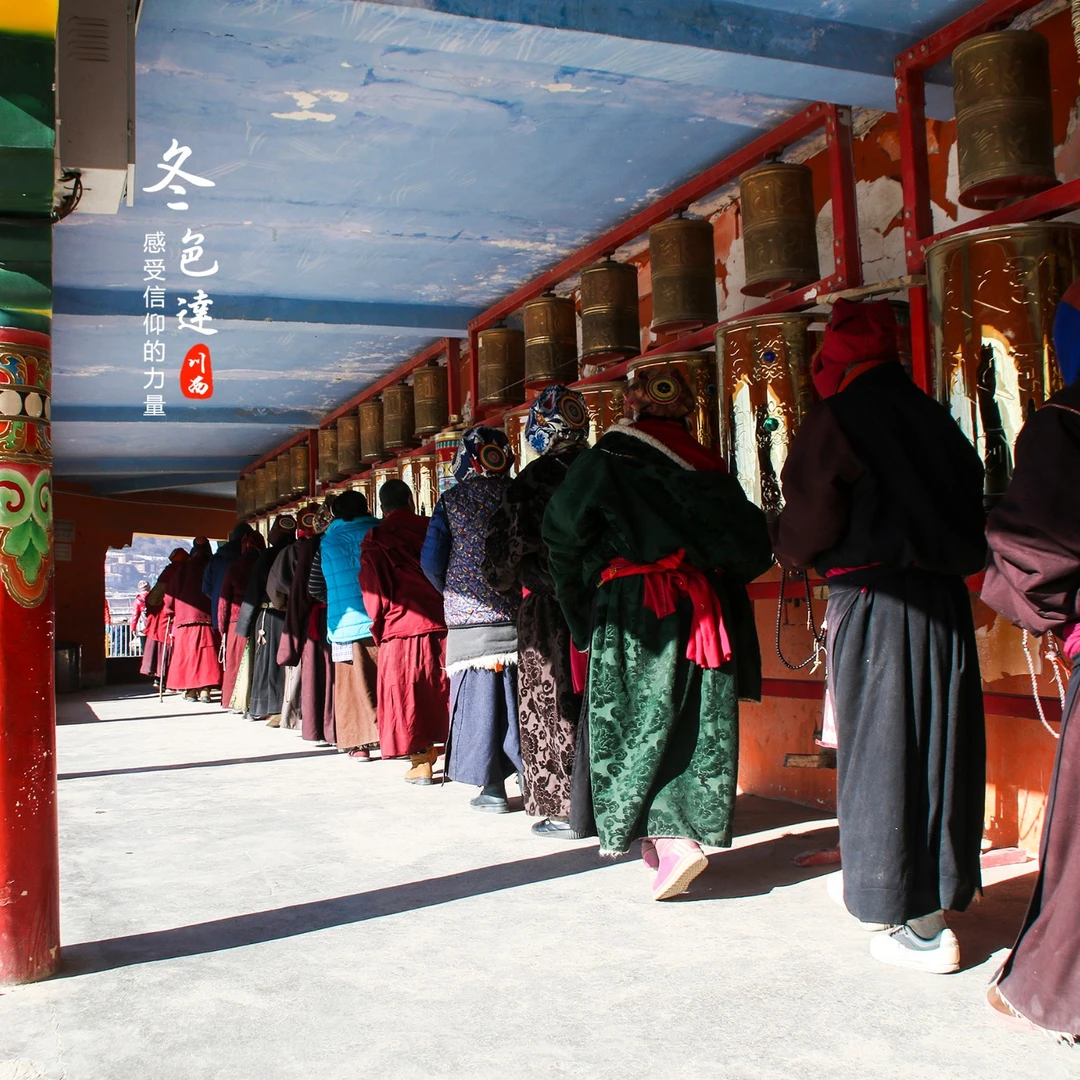
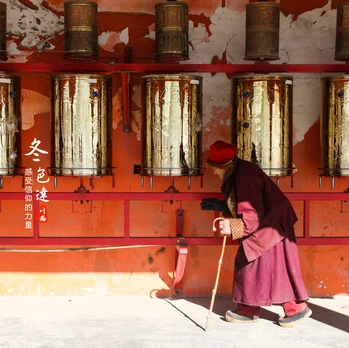
The Mandala is the spiritual heart of the academy. Surrounded by prayer wheels, this sacred structure is where monks and pilgrims gather to chant, meditate, and offer prayers. During snowfall, the Mandala becomes a surreal sight—golden spires rising above a white landscape, with the sound of chanting echoing through the valley.
4.2 Witnessing Daily Life at the Academy
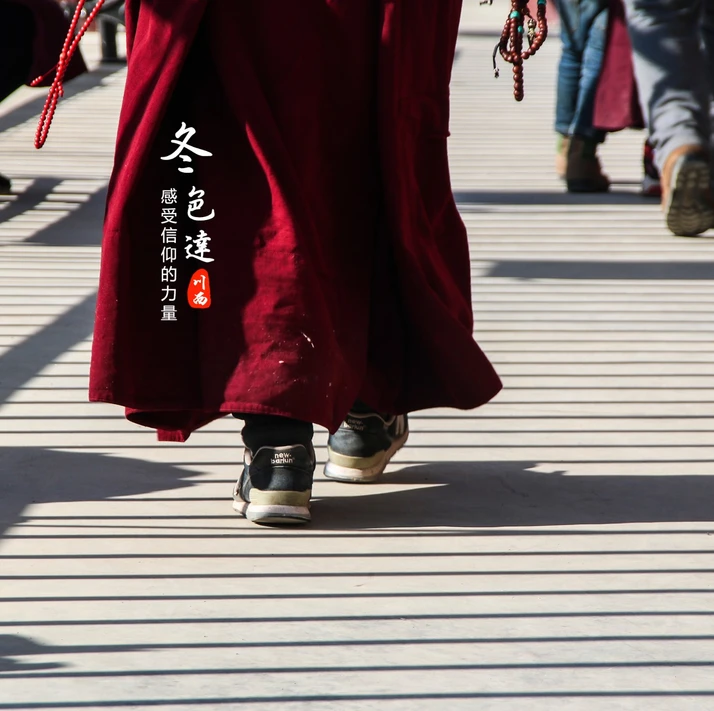
One of the most profound experiences in Sertar is simply observing daily life. Wake up early to see monks walking to morning prayers, their red robes contrasting with the white snow. Visit the scripture debate grounds where students engage in lively oral debates—a tradition that has been practiced for centuries.
4.3 The Kora: Walking the Path of Devotion
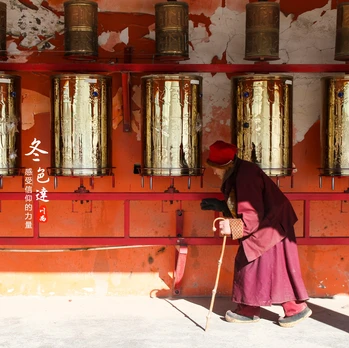
The kora (circumambulation path) around the academy is a powerful spiritual practice. Pilgrims walk clockwise around the entire complex, spinning prayer wheels and reciting mantras. Even if you're not Buddhist, walking the kora in silence offers a meditative experience that connects you to the energy of the place.
Frequently Asked Questions About Sertar
Q1: What is the best time to visit Sertar?
The best time depends on what you want to experience: - Winter (December-March): Snow-covered red houses, stunning photography, but very cold (-20°C) - Summer (June-August): Warmer weather, green hills, but more tourists - Spring/Fall: Mild temperatures, fewer crowds, but unpredictable weather
Q2: How do I prevent altitude sickness in Sertar?
Sertar sits at approximately 4,000 meters (13,000 feet) above sea level. To prevent altitude sickness: - Acclimatize for 1-2 days in a lower altitude city like Kangding or Chengdu - Stay hydrated (drink at least 3 liters of water per day) - Avoid alcohol and heavy meals - Consider taking Diamox (acetazolamide) after consulting your doctor - Sleep at a lower altitude if possible
Q3: Can I take photos inside the Buddhist Academy?
Yes, but with respect: - Always ask permission before photographing monks or nuns - Avoid photographing during prayer sessions or ceremonies - Do not use flash inside temples - Be mindful of "no photography" signs in certain areas
Q4: Is it safe to travel to Sertar as a solo female traveler?
Sertar is generally safe for solo female travelers, but take precautions: - Stay in well-reviewed accommodations - Dress modestly (cover shoulders and knees) - Avoid walking alone at night - Join group tours or connect with other travelers at your hotel
Q5: What should I pack for a trip to Sertar?
Essential items include: - Warm clothing: Thermal layers, down jacket, hat, gloves, scarf - Footwear: Waterproof hiking boots with good grip - Health: Altitude sickness medication, sunscreen, lip balm, first-aid kit - Electronics: Power bank (limited charging options), camera with extra batteries - Other: Reusable water bottle, snacks, cash (ATMs are limited)
Conclusion: Why Sertar Will Change You
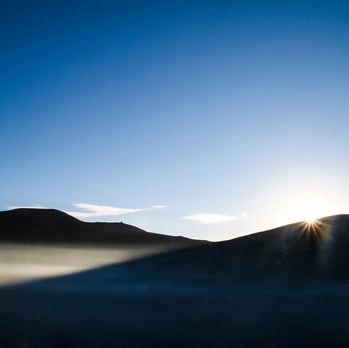
Sertar is not just a place you visit—it's a place that visits you. Long after you leave, the image of those red houses against the white snow, the sound of chanting carried by the wind, and the warmth of faith in the eyes of the monks will remain etched in your memory.
Whether you're seeking spiritual renewal, breathtaking photography, or simply an escape from the noise of modern life, Sertar offers something rare: authenticity. In a world that's increasingly commercialized, this valley in Western Sichuan remains a sanctuary of devotion.
Plan Your Sertar Journey Today
Ready to experience the magic of Sertar for yourself? Here's your next step:
- Book your transportation from Chengdu to Sertar
- Reserve accommodation (consider staying in Sertar County first)
- Check weather conditions and pack accordingly
- Prepare for altitude with proper medication and hydration
Don't wait for the perfect moment—create it. The red houses and white snow are waiting.
Follow our WeChat public account: One Step, One World for more travel guides, spiritual journeys, and insider tips on Western Sichuan and beyond.
Share this article with someone who needs to discover the warmth of faith in Sertar.
Have questions? Leave a comment below or message us directly. We're here to help you plan the trip of a lifetime.
Article originally published on Mafengwo. Optimized for SEO and readability.