Walking into Oblivion: A Complete Guide to Western Sichuan's Sacred Loop
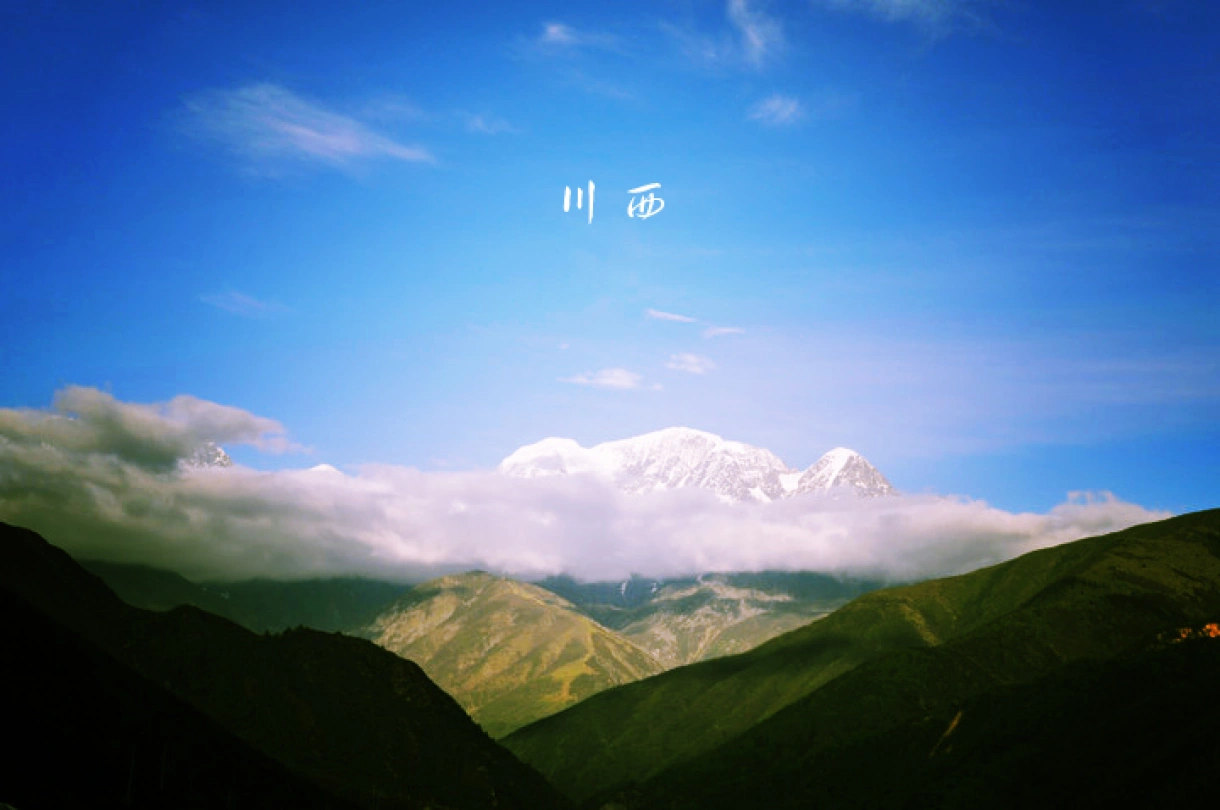
Meta Description: Discover the magic of Western Sichuan's Tibetan Plateau in this detailed travel guide. From Sertar's crimson monasteries to Baiyu's serene landscapes, explore an 8-day journey through China's most spiritual highlands.
Introduction: Why Western Sichuan Calls to the Soul
There are places that feed the stomach, and places that feed the heart. Western Sichuan (川西) is undeniably the latter. While Chengdu's laid-back charm and Taipei's night markets satisfy worldly cravings, the high plateau of Western Sichuan offers something far rarer: a chance to walk into oblivion, where prayer flags flutter against impossibly blue skies and ancient Buddhist traditions pulse through every valley.
For two women traveling solo—neither photography enthusiasts nor hardened backpackers—the decision to venture into this rugged Tibetan region seemed almost irrational. What drew us? Was it the fleeting glimpse of crimson houses at Yarchen Gar? The layer upon layer of monastic dwellings at Larung Gar Five Sciences Buddhist Academy? Or simply the name "Baiyu" (白玉)—pure, serene, untouched by worldly smoke?
We had countless hesitations, but only one answer: "Set off, as if you had never left."
Western Sichuan Itinerary: 8 Days on the Small Loop
Day 1: Chengdu to Sertar – From Mortal World to Plateau Pure Land
The journey begins at Chengdu's Chadianzi Bus Station, where a single daily bus departs at 6:20 AM for Sertar. The bus fills quickly with robed lamas and Tibetan compatriots—a preview of the cultural immersion ahead.
As we left Chengdu, passing through Yingxiu, the disaster zone signs from the 2008 earthquake reminded us of nature's power. Yet Wenchuan County itself felt peaceful, a testament to resilience. A glimpse of a woman buying soy sauce from a grocery store—the reassuring scent of everyday life returning.
The bus wound through Yingxiu, Wenchuan, and Li County, arriving at Barkam (马尔康), the Aba Prefecture capital, around 1:00 PM. Road conditions were good, mostly paved. Our driver made an impromptu decision to push straight to Sertar, skipping the planned stop. Though I missed mailing a postcard with a Barkam postmark, travelers on the road learn quickly: perfection is rarely attainable.

From Barkam through Zamtang to Sertar, we arrived around 7:40 PM. The road deteriorated here—construction zones and winding mountain roads. Tibetan-style houses dotted the landscape, and yaks wandered onto the road as if they owned it.
Sertar itself—the most remote, highest, and coldest county in Sichuan Province—looked surprisingly like an ordinary southern town. We checked into the Nianlong Shangri-La Inn, where a cheerful young woman and her sister arrived on a small scooter to pick us up. Their warmth immediately eased our anxiety.
Altitude Warning: At 3,800 meters, Sertar demands respect. My travel companion Xuan suffered immediate altitude sickness. My own battle was yet to come.
[Link: Altitude sickness prevention tips for Tibetan Plateau travel]
Day 2: Sertar – Where Altitude Sickness Meets Faith
Around 5:30 AM, I woke with a splitting headache. Xuan, now recovered, quickly found medicine. Fighting altitude sickness became the day's theme. With a cold compounding the high-altitude effects, I could barely move. Half a Snickers bar and half a piece of chocolate sustained me—Snickers bars later became the thing we least wanted to see.
Xuan, terrified by online descriptions of pulmonary edema, suggested we return to Chengdu. I flatly refused. By afternoon, the rhodiola rosea and cold medicine began working. I dragged her to the famous Larung Gar Five Sciences Buddhist Academy.
Exploring Larung Gar Buddhist Academy
At 3:00 PM, we chartered a car for 42 yuan (7 yuan per person, but no other passengers shared our route). Half an hour of bumpy ride, under an overcast sky, and suddenly the houses—large and small, covering the entire hillside—rushed into view. Crimson dwellings stacked like matchboxes, exactly as the photos promised.
We paced ourselves, not climbing to the highest point, the Dzogchen Temple (坛城). While taking photos, a nun (觉母) approached and began speaking to us. After being stared at all day, someone finally initiating conversation was a relief.
Her name was Hancuo, thirty-seven years old, from Qinghai. She had come to study and practice at the Academy at age fifteen, living alone in two separate small rooms. Every winter, her younger brother would ride his motorcycle to take her home. Her small house was filled with daily necessities, and the walls were covered with photos of lamas.
Before we left, she gave us a picture of a lama. I placed it on the outside of my backpack. Somehow, I always felt the smoothness of our journey had been blessed by it.
[Link: What to pack for high-altitude Buddhist site visits]
Day 3-4: Sertar to Baiyu – The Road Less Traveled
The journey from Sertar through Luhuo and Garzê to Baiyu reveals Western Sichuan's raw beauty. Garzê (甘孜) serves as a natural halfway point, offering basic accommodation and a chance to acclimatize further.
Baiyu: The Pure Land of Western Sichuan
Baiyu County (白玉县) lives up to its name—pure, serene, untouched. This rest day became our favorite. The town's simplicity, the genuine warmth of its people, and the absence of tourist crowds made it feel like discovering a secret.
[Link: Best off-the-beaten-path destinations in Sichuan]
Day 5-7: Yarchen Gar and the Crimson Monasteries
Yarchen Gar (亚青寺) rivals Larung Gar in spiritual significance but remains far less visited. The journey from Baiyu through Changtai to Yarchen Gar requires patience—roads are rough, and transportation is unpredictable.
The sight of thousands of meditation huts, each housing a nun or monk in strict retreat, is humbling. Unlike Larung Gar's hillside sprawl, Yarchen Gar sits on a peninsula, surrounded by a river that isolates it from worldly distractions.
[Link: Comparing Larung Gar vs Yarchen Gar: Which to visit?]
Day 8: Garzê to Kangding – The Return Journey
The final leg from Garzê to Kangding (康定) marks the transition from high plateau back to Sichuan's lowlands. Kangding, the gateway to the Tibetan region, offers a comfortable stop before returning to Chengdu.
Essential Tips for Western Sichuan Travel

Altitude Sickness Preparation
- Start rhodiola rosea (红景天) at least one week before departure
- Pack acetazolamide for altitude sickness
- Bring ibuprofen for headaches
- Carry portable oxygen cans for emergencies
Transportation Notes
- Only one daily bus from Chengdu to Sertar (6:20 AM, Chadianzi Station)
- Charter cars available but expensive without sharing
- Road conditions vary dramatically—expect unpaved sections
Accommodation
- Book ahead in Sertar during peak season
- Nianlong Shangri-La Inn offers clean rooms and warm hosts
- Lower floors recommended to avoid oxygen deprivation
[Link: Complete Western Sichuan packing checklist]
Frequently Asked Questions
Q: Is Western Sichuan safe for solo female travelers? A: Yes, with precautions. Tibetan communities are generally welcoming. Stick to daylight travel, use registered transport, and share your itinerary with someone at home.
Q: What's the best time to visit Western Sichuan? A: May through October offers the best weather. July-August is peak monsoon season; September-October provides clear skies and golden grasslands.
Q: Do I need a special permit to visit Larung Gar or Yarchen Gar? A: Foreign nationals may need permits for certain areas. Chinese citizens generally don't, but both sites have restricted access policies. Check current regulations before traveling.
Q: How do I communicate if I don't speak Tibetan or Mandarin? A: Basic Mandarin helps. Download translation apps offline. Many younger Tibetans speak some Mandarin; older generations may not.
Q: What altitude sickness medications should I bring? A: Rhodiola rosea (start before travel), acetazolamide (Diamox), ibuprofen for headaches, and portable oxygen. Consult your doctor before high-altitude travel.
[Link: Beginner's guide to Tibetan Buddhist sites in China]
Conclusion: The Journey That Changes You
Eight days in Western Sichuan taught us something profound: the best journeys aren't about destinations, but about the people you meet and the challenges you overcome. From the nun Hancuo who shared her home with strangers, to the elderly Tibetan who smiled despite our awkward gestures, every encounter reminded us that human connection transcends language.
The crimson monasteries, the prayer flags snapping in the wind, the yaks wandering through mountain passes—these images will fade. But the feeling of walking into oblivion, of setting off as if we had never left, remains.
Are you ready to answer the call of Western Sichuan? Start planning your journey today. Book your bus ticket, stock up on altitude medication, and prepare for an adventure that will change how you see the world—and yourself.
Share your Western Sichuan story in the comments below, or subscribe to our newsletter for more off-the-beaten-path travel guides.
You may also like


