The Travel Aesthetics of Kyoto: A Love Letter to an Ancient City, Written After Five Visits to Kansai
Meta Description: Discover Kyoto travel aesthetics through five visits to Kansai. From autumn red leaves at Arashiyama to serene Zen gardens at Murinan, this love letter reveals Kyoto's timeless beauty. Plan your journey now.
Introduction: Why Kyoto Is a Book You Can Never Finish Reading
I'm often asked the same question: "You've already been to Kyoto five times. Why do you keep going back?"

My answer is simple: Kyoto is not a destination. It's a book you can never finish reading. Every time I open it, I only manage to get through a few pages—but that's already enough to leave me spellbound. Through the bloom of spring and the bounty of autumn, through the turning of the seasons, I've waded through cherry blossom showers and wandered through seas of crimson leaves. Each time I return, I feel like I've finally understood just one punctuation mark.
This article has no fixed season and no specific checklist of attractions. I only want to talk about one thing with you—beauty. The kind of beauty that lingers in your memory long after you've left. The kind that calls you back, again and again, to this ancient city in the heart of Kansai.
[Link: Best time to visit Kyoto for autumn foliage]
H2: The Splendor of Autumn in Kyoto: When Red Leaves Captivate Every Traveler's Heart
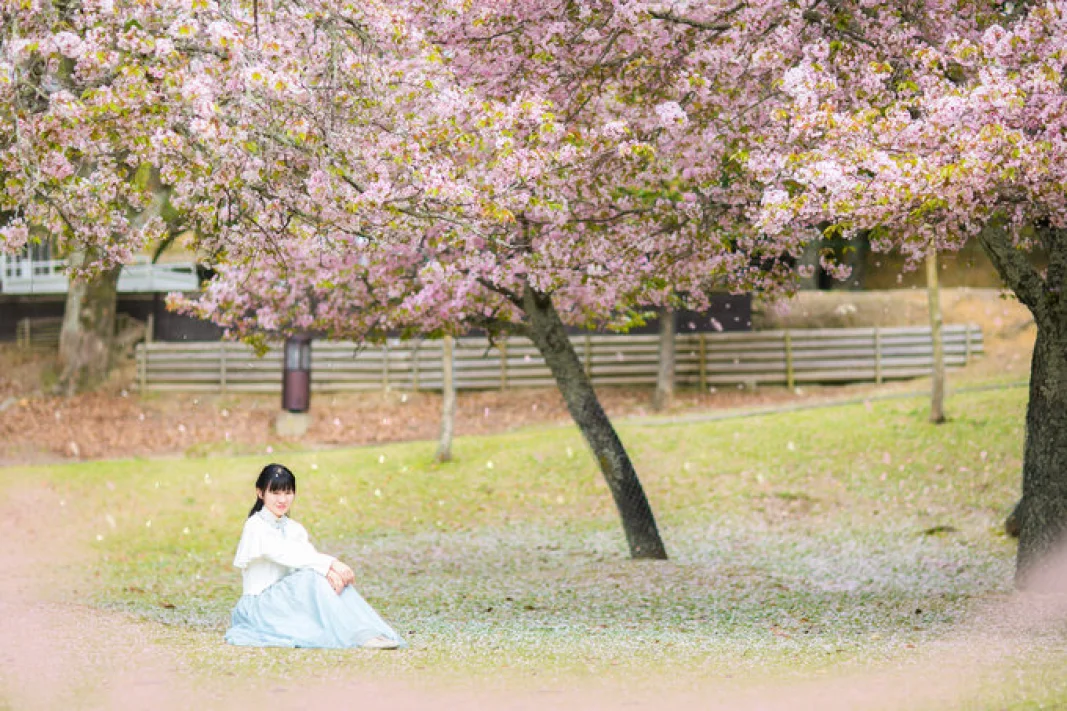
H3: Autumn in Arashiyama Begins at Togetsukyo Bridge
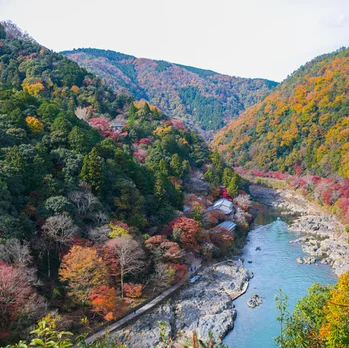
At nine in the morning, Togetsukyo Bridge in Arashiyama was already buzzing with voices. Sunlight fell on the surface of the Katsura River, gilding it like a layer of silver. A few pigeons strolled leisurely on the pebbled shallows, as if they were the true masters of this place.
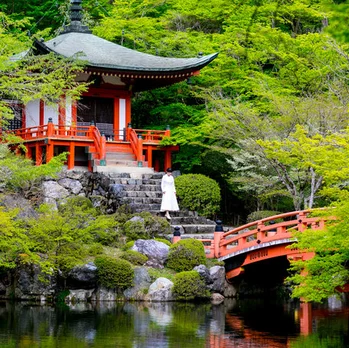
My husband and I had arranged to meet our close friend Yaya and her mother. The two families climbed Arashiyama together in the autumn chill. Yaya was wearing a Hanfu dress in the style of the Wei and Jin dynasties, its wide sleeves fluttering in the wind. She waved at me from a distance: "Dada! The ginkgo trees over there are incredible—so tall and so golden!"
She was only wearing three thin layers of Hanfu, while I was already bundled up in my winter armor—a coat, a wool skirt, everything. A white beret sat crookedly on my head, propped up awkwardly by my bun. Yaya couldn't stand it anymore. She pulled me down to sit, and in one swift motion, braided my hair into a neat French plait. Her mother stood nearby, her eyes crinkling with a smile as she watched us, saying to my husband, "Look how close they are!"
This was our second time in Arashiyama, but our first time visiting together during the red leaf season. The contrast between spring cherry blossoms and autumn maples was staggering—and unforgettable.
[Link: Arashiyama day trip from Kyoto]
H3: The Bamboo Grove and Tenryuji Temple: A Journey Through Time
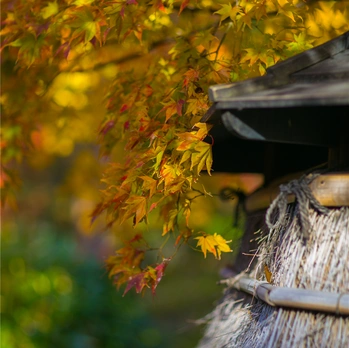
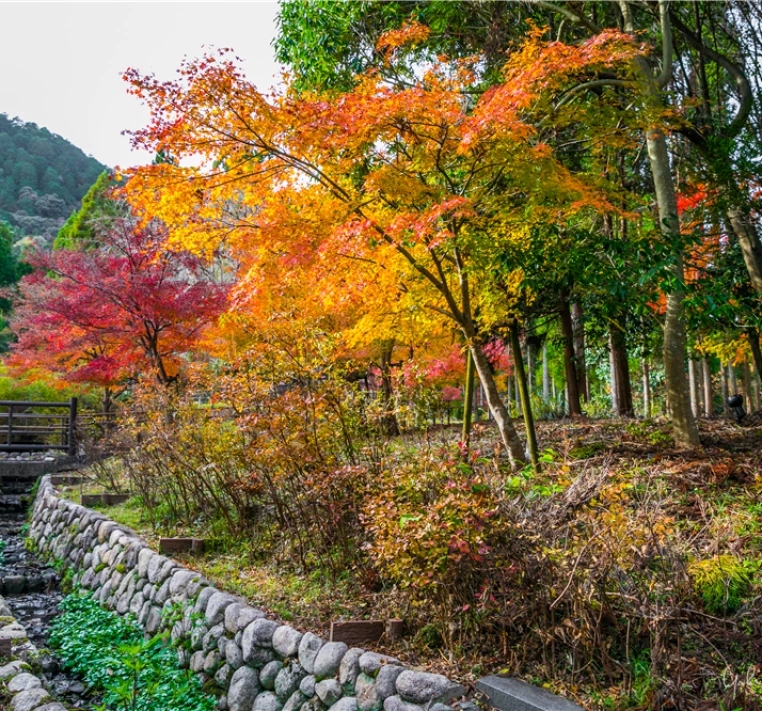
As we walked, Yaya's mother would often "disappear." When we doubled back to find her, she'd always be craning her neck or bending down, her camera shutter clicking away at one crimson maple branch after another, muttering under her breath, "Oh, I can't move—it's too beautiful!" Sunlight filtered through the brilliantly colored leaves, turning the red maples into translucent shades of vermilion.
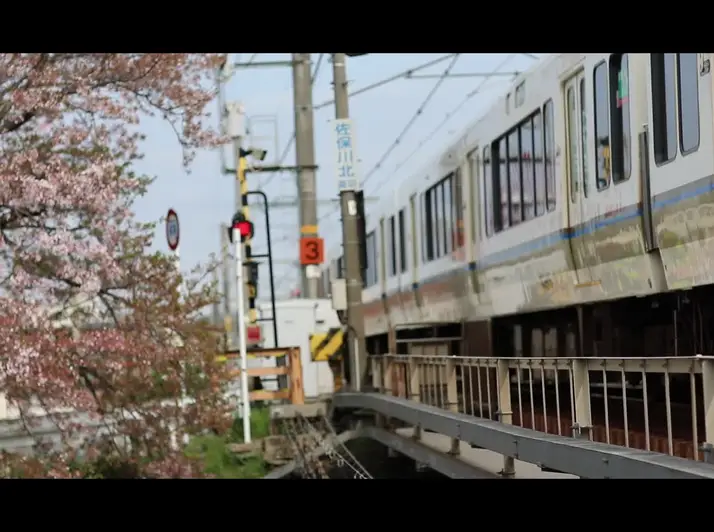
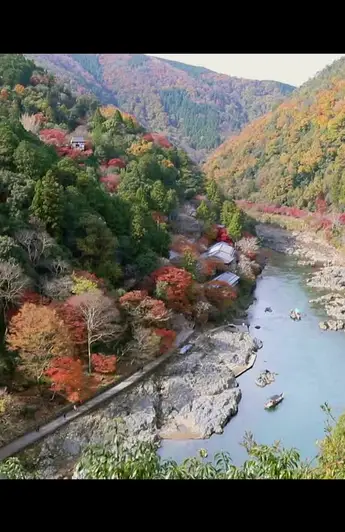
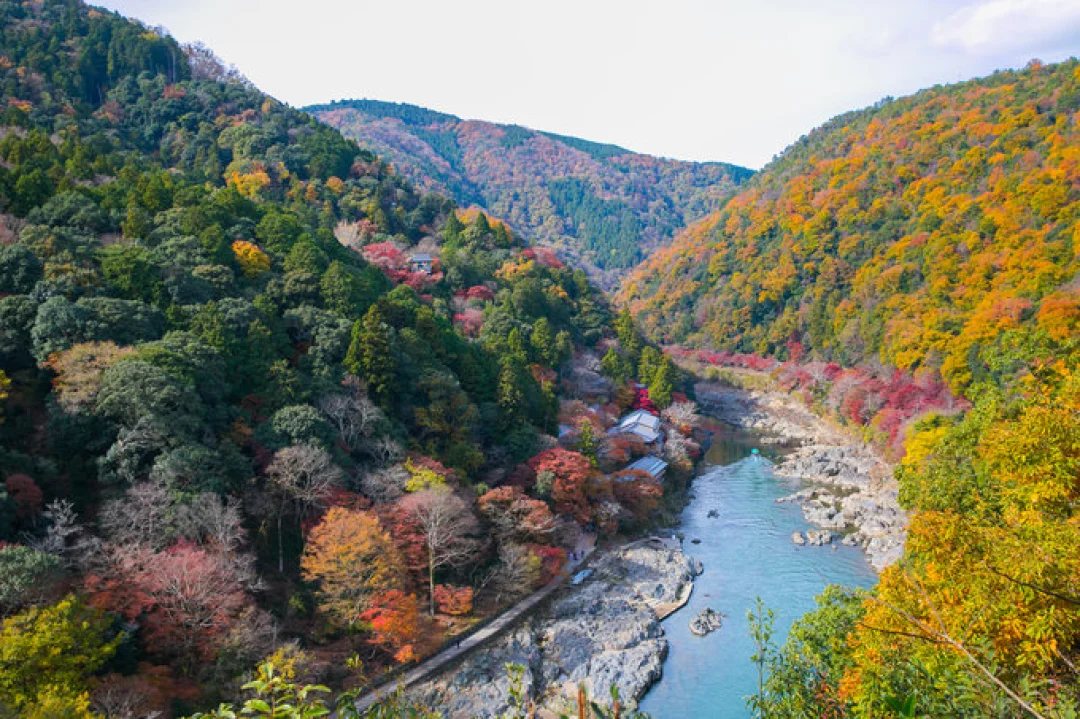
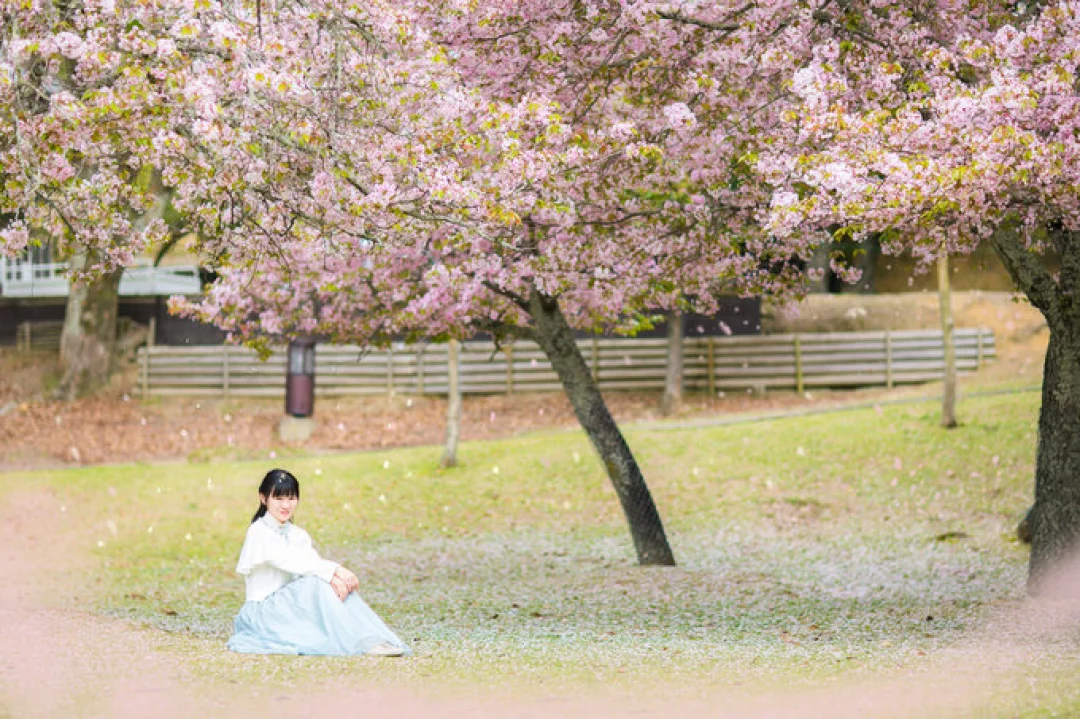
I suddenly remembered a spring day when Yaya and I wore kimonos and wooden clogs, climbing from Tenryuji Temple all the way up to the hilltop observation deck. That 300-meter path through Sagano Bamboo Grove took us half an hour—we were stopped by several groups of people who wanted photos with us. The cherry blossom season had nowhere near the crowds of the red leaf season. The observation deck was sparsely populated, with a wide view of the Hozugawa River unfolding before us, the mountains dotted with pink mountain cherry blossoms. A young man from Hong Kong carrying a tripod climbed up to the deck. When he saw us in our kimonos, his face flushed slightly, and he asked hesitantly if he could take a picture.
As a photographer, I understood the urge to capture that kind of human-interest shot. We gladly agreed and even suggested, "Take a photo of our backs—the blend of people and scenery will be more timeless."
"It is very nice of you! Thank you!"
Time had drawn a circle, from spring to deep autumn, from cherry blossoms to crimson leaves. Yaya and I stood on the same observation deck once again, but the view before us was completely transformed—orange, yellow, red, every hue adding a bold stroke to the mountain landscape. Seeing this familiar yet entirely different scene, I felt a lump in my throat. Years of friendship had brought us together to the same place, time and time again. Everyone has memories of their youth, but we didn't need to reminisce—because we were still living them together.
That afternoon, according to my husband, was "a nightmare." Yaya and I were like we'd been injected with adrenaline, hopping from one temple to the next. In the end, my husband and Yaya's mother were completely exhausted. They sat quietly on the veranda of Daikakuji Temple, chatting, while we two ran off together like children on a school trip, occasionally disappearing to take photos for each other, creating memories that were ours alone.
[Link: Kyoto temple hopping itinerary]
H2: Murinan: A Bright Beauty Beyond the Hustle of Kyoto

When we returned from Arashiyama to central Kyoto, the dazzling red leaves had taken the entire city by storm. But I couldn't help wondering: Had I traveled all this way to this ancient city just to walk shoulder to shoulder with the crowds?
One day, a friend took me to Murinan, a small garden near Nanzenji Temple. The moment I stepped inside, the noise was instantly shut out. A handful of visitors greeted each other politely, then sat quietly on the indoor veranda, sipping bowls of matcha, lost in their own thoughts.
Yes—this was the Zen garden I had been looking for. The kind where you can listen to the wind blowing through the snow, where you can enjoy a silence cut off from the world.
H3: The Moss Garden: A Ticket to Serenity
I took out my admission ticket. It was a beautifully printed bookmark, with a large character for "moss" written on it. Unlike the carefully cultivated moss in other Kyoto gardens, the moss here grew naturally along the flow of water, with as many as 40 different varieties. The tickets came in five different designs, each representing a different form of beauty. Which one you got was entirely a matter of fate.
The garden leaned against the eastern hills, drawing water from Lake Biwa. The moss was a lush green, and the water babbled softly. As I savored the richly layered autumn colors, I asked my friend curiously: "Why is it called Murinan? How did the owner combine the scenery with the name?"
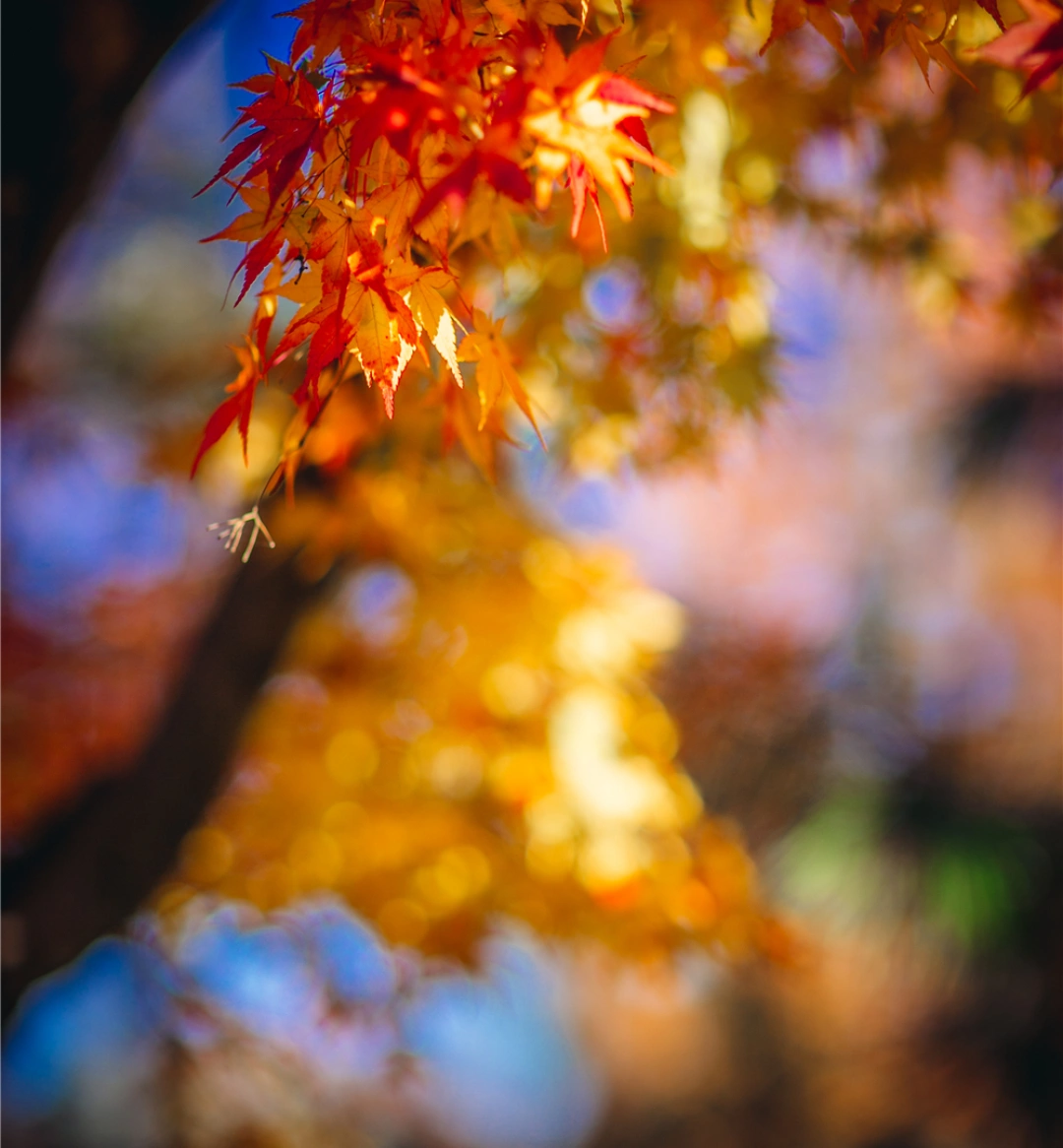
My friend said softly, "Look at the giant trees around the garden. They're rare in Japanese gardens. These trees block out the streets and the crowds. And the garden's style is different from the traditional Japanese artificial refinement—it incorporates mountain springs and artificial hills. This natural, free-spirited approach allowed the owner to see nature and simplicity in his own backyard."
I was captivated by this bright, delicate beauty. The autumn colors were intoxicating—that was exactly how I felt.
[Link: Hidden gardens in Kyoto]
H2: Mount Hiei and Shoren-in: A Contrast of Faith and Chaos
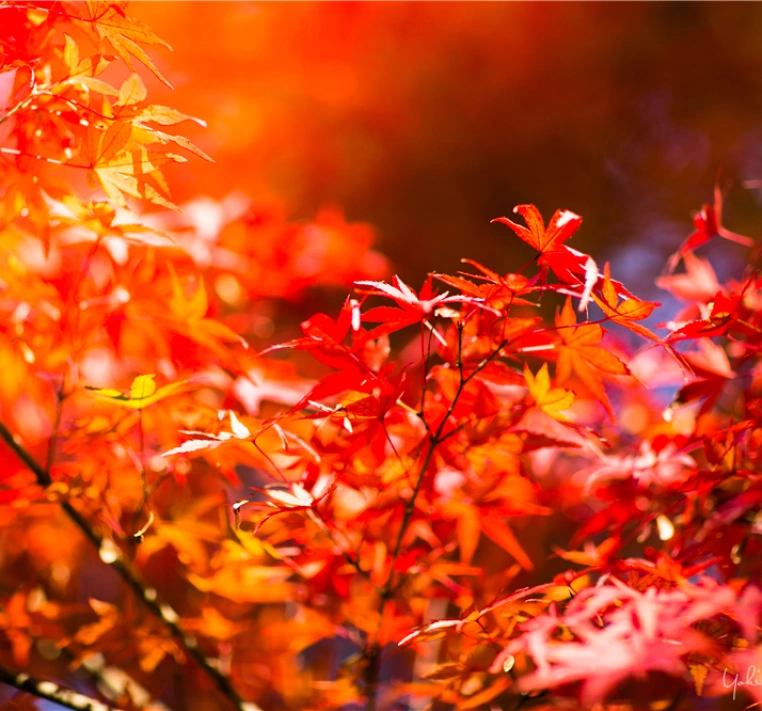
The way Murinan brought nature into the garden fascinated me. So what about the hills on the outskirts of Kyoto?
Driven by curiosity, I went to Mount Hiei. Today, travelers all know about the garden called Shoren-in at the foot of Mount Hiei, accessible by train to Yase. But few people know that the history of Mount Hiei is far weightier than this trendy garden.
H3: The Sacred Flame of Enryakuji Temple
The film The Legend of the Demon Cat introduced me to the monk Kukai. But the monk Saicho, equally renowned, built Enryakuji Temple here, making Mount Hiei the head temple of the Japanese Tendai sect. Saicho and Kukai both traveled to Tang Dynasty China to study Buddhism at around the same time. Back then, the Tang Empire was the center of the world, and Japan regularly sent envoys to learn from its advanced civilization. Saicho returned first after completing his studies at Mount Tiantai, gaining great fame. Kukai, now widely known in China, studied in China for two years before returning to Japan, where he remained in obscurity for a long time before finally teaching Esoteric Buddhism at Mount Koya.
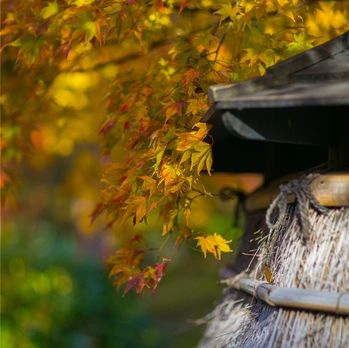
On this mountain, there is a sacred lamp that has burned for 1,200 years without ever going out. Saicho himself cast the statue of the Medicine Buddha and lit this lamp before it. Whether we believe in it or not, it survived the devastation of Oda Nobunaga's burning of Mount Hiei, and it has stubbornly endured all kinds of natural disasters. Perhaps that is the true power of faith—endurance through chaos.
[Link: Mount Hiei day trip from Kyoto]
H2: Kyoto Travel Aesthetics FAQ
Q1: What is the best time to see autumn leaves in Kyoto?
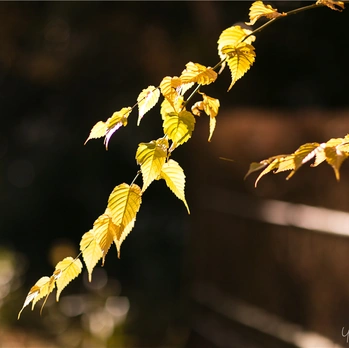
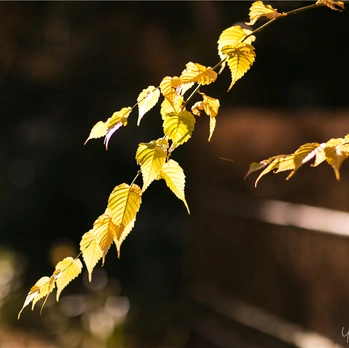 The peak autumn foliage season in Kyoto typically runs from mid-November to early December. Arashiyama and Mount Hiei are best visited in late November, while gardens like Murinan and Shoren-in peak slightly earlier.
Q2: Is Kyoto worth visiting multiple times?
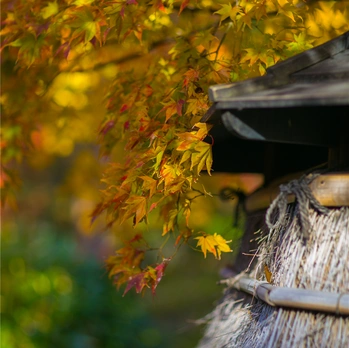 Absolutely. Kyoto travel aesthetics change dramatically with each season. Spring brings cherry blossoms, summer offers lush greenery, autumn delivers fiery red leaves, and winter presents serene snow-covered temples. Each visit reveals new layers of beauty.
Q3: What are the must-visit Zen gardens in Kyoto?
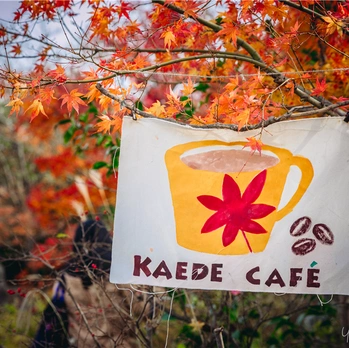 Top Zen gardens include Murinan for its natural moss garden, Ryoanji for its iconic rock garden, and Nanzenji for its expansive grounds. For a quieter experience, visit early morning or late afternoon.
Q4: How do I avoid crowds during peak autumn season?
 Visit popular spots like Arashiyama and Kinkakuji at opening time (usually 8:00 AM). Alternatively, explore lesser-known gardens like Murinan or head to Mount Hiei for a more solitary experience.
Q5: What should I pack for a Kyoto autumn trip?
Layers are essential. Temperatures range from 10-18°C (50-65°F) in November. Bring a warm coat, comfortable walking shoes, a scarf, and an umbrella. If you plan to wear a kimono or Hanfu, consider thermal underlayers.
Conclusion: Your Kyoto Love Letter Awaits
Kyoto is not a city you visit—it's a city you return to. Each trip peels back another layer of its ancient soul, revealing new shades of beauty, new connections, and new stories. Whether you're walking the bamboo groves of Arashiyama, sipping matcha in a hidden Zen garden, or standing before a 1,200-year-old sacred flame, you'll find that Kyoto rewards those who come with an open heart.
Your journey begins now. Book your flight to Kansai, pack your sense of wonder, and prepare to write your own love letter to this timeless city. Because Kyoto isn't waiting to be seen—it's waiting to be understood.
[Link: Kyoto travel guide for first-timers]
Have you visited Kyoto? Share your favorite memory in the comments below. Or if you're planning your first trip, ask us anything—we're here to help you fall in love with Japan's ancient capital.
You may also like