Love Affair with Langzhong: The Ultimate Feng Shui Ancient City Travel Guide for 2024
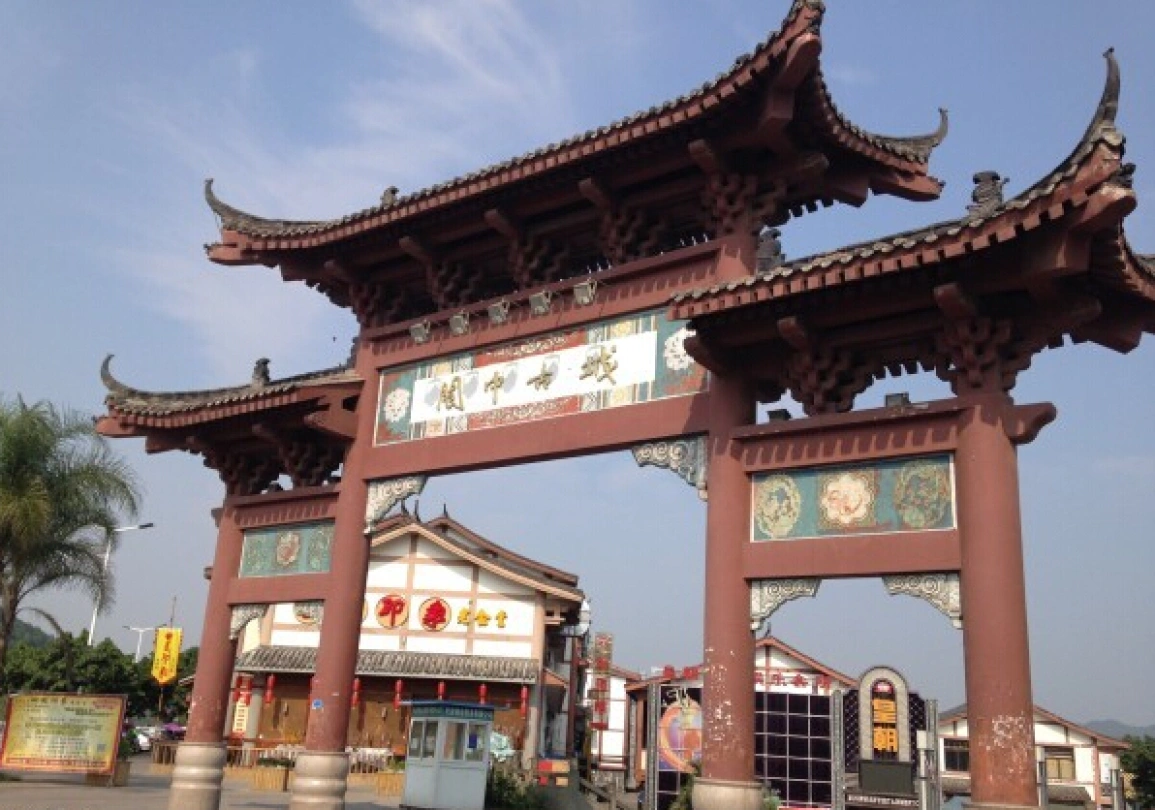
Meta Description: Discover Langzhong, China's most underrated ancient city and living Feng Shui capital. This complete travel guide covers transportation, guesthouses, top attractions, local eats, and insider tips for an unforgettable visit.
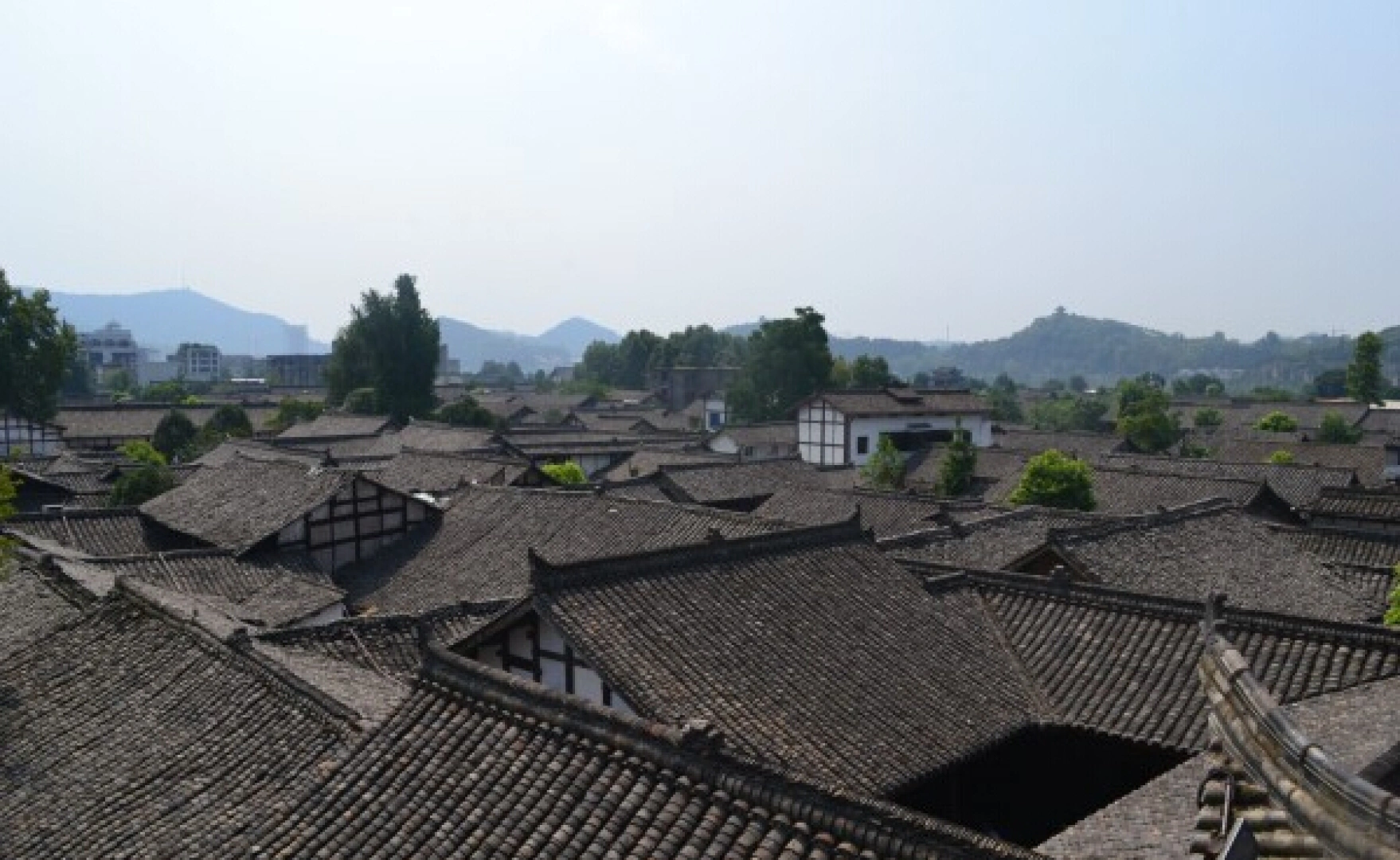
If you ask me which of China's four great ancient cities is the most "understated," I would answer without hesitation: Langzhong. It lacks the clamor of Lijiang, the gravitas of Pingyao, and the over-commercialized polish of Huizhou. Instead, it resembles a reclusive sage, quietly resting along the banks of the Jialing River, waiting for you to uncover its secrets.
As a native of Langzhong, it took me over twenty years to truly understand the charm of this city. Today, I won't recite the same tired travel clichés. Instead, I want to take you into this "Capital of Feng Shui" with the most authentic voice, telling you how to explore like a local, stay comfortably, and eat memorably.
How to Get to Langzhong: Complete Transportation Guide
Location and Overview
Langzhong is located in northeastern Sichuan Province, under the administration of Nanchong City. It lies about 84 kilometers from Nanchong, 100 kilometers north of Guangyuan, and roughly 300 kilometers from both Chengdu and Chongqing. The good news is that from Chengdu, Chongqing, Nanchong, or Guangyuan, you can take expressways all the way—the roads are in excellent condition.
From Major Airports to Langzhong
Chengdu Shuangliu International Airport: After landing, head to the Liangjiaxiang Bus Station. Buses run frequently here, approximately once every hour, making it very convenient.
Chongqing Jiangbei International Airport: There's a hidden perk here—a direct bus to Langzhong departs from the airport daily at 2:30 PM. There's only one, so don't miss it. If you do, take the light rail to Lianglukou, then walk to the Caiyuanba Bus Station, where more frequent departures are available. As a last resort, go to Nanchong first and transfer there—buses from Nanchong to Langzhong run continuously.
Flying Directly to Nanchong Airport: Nanchong Airport is a regional airport with relatively expensive tickets and limited flights, only connecting to a few cities like Beijing, Shanghai, and Guangzhou. If you happen to fly here, head to the Chengbei Bus Station after exiting the airport. The last bus departs at 6:30 PM.
Train Station Transfer Guide
Nanchong Railway Station: After exiting, walk about 300 meters to the right to reach the Chengbei Bus Station. Buy a ticket and board—there are so many buses you won't have to wait.
Guangyuan Railway Station: You'll see the Shangxi Bus Station right next to the exit. Taking a bus to Langzhong from here is also very convenient.
From the Bus Station to the Ancient City
No matter which direction you come from, you'll eventually get off at Qili Passenger Transport Center. This is about 7 kilometers from the ancient city. You have two options:

- Bus: Take Bus No. 7 from the station entrance to the People's Hospital (2 yuan), then transfer to Bus No. 4 to Dongmenkou (1 yuan), and walk 100 meters to the Zhuangyuan Memorial Archway entrance. It's cheap but time-consuming and tiring.
- Taxi: Simply say "Zhuangyuan Memorial Archway entrance." It costs about 10 yuan, and a car can seat four people. Traveling is already exhausting—why waste time on the road?
Important Note: The ancient city has over a dozen entrances. If you've booked a guesthouse, it's best to call the owner in advance and ask which entrance is most convenient. Also, private cars are not allowed inside the ancient city. If you don't want to walk, you can take a sightseeing car.
[Link: Best Sichuan ancient cities to visit]
Where to Stay in Langzhong: Best Guesthouses, Hotels, and River View Rooms
Ancient City Guesthouses: A Time-Travel Journey to the Ming and Qing Dynasties
The most distinctive accommodation in Langzhong is the guesthouses within the ancient city. Most of them preserve the architectural style of the Ming and Qing dynasties, making you feel as if you've traveled back in time by centuries.
Price Reference: - High-end guesthouses: 300-500 yuan/night - Mid-range guesthouses: around 150 yuan/night - Budget guesthouses: around 80 yuan/night
Regardless of the price range, most come with private bathrooms, hot water, and air conditioning. The main differences lie in room size and decor style.
Two Recommended Guesthouses: - Hou Family Courtyard (侯家大院): Located near the city center, with an excellent location and affordable prices. Even locals choose this place when hosting friends. - Tushengjin Guesthouse (土生金客栈): Also very distinctive, with decor that retains a strong local flavor.
The Truth About "River View Rooms": Many travelers dream of opening their windows to the Jialing River. But I have to tell you—because of the ring-road along the river that encircles the ancient city, no guesthouse can offer a true "frontline river view." Some are close to the river, but they definitely won't give you that "face the great river, spring blossoms and warmth" experience.
Star-Rated Hotels: A Choice for Quality Seekers
If comfort is your priority, the star-rated hotels outside the ancient city are a great option. Recommended ones include: Sheng Suo Ya (圣索亚), Jin Yuan Zhang Fei (锦元张飞), Wan Chi (万驰), and Yun Tian Xi (云天喜).
Golden Week Special Reminder: During holidays, accommodation prices in Langzhong skyrocket, and without advance booking, you'll struggle to find a room. It's best to book online in advance for better rates.
[Link: Feng Shui travel destinations in China]
Exploring Langzhong: Top Attractions, Routes, and Insider Tips
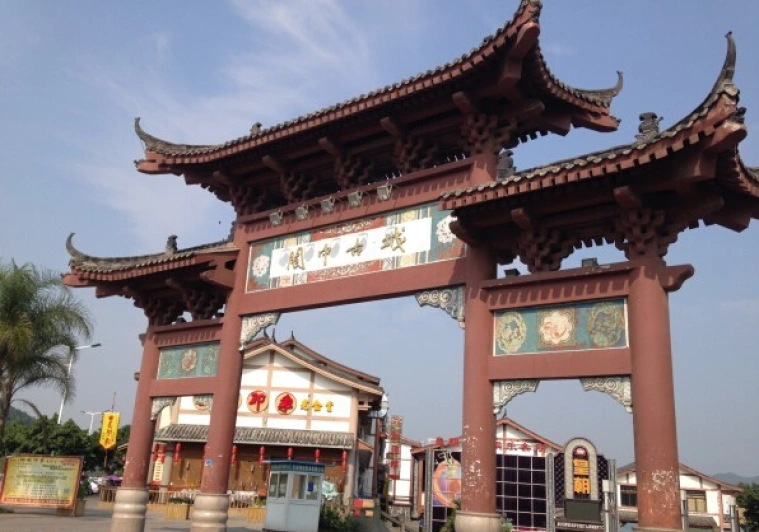
Main Attractions Within the Ancient City
There are six main attractions within the ancient city: Zhang Fei Temple (张飞庙), Hu Family Courtyard (胡家院), the Imperial Examination Hall (贡院), Zhongtian Tower (中天楼), Huaguang Tower (华光楼), and the Feng Shui Museum (风水馆). Opening hours are uniform: 8:00 AM to 6:00 PM (summer boat rides are extended).
Recommended Routes: - Route One: Hu Family Courtyard → Imperial Examination Hall → Zhongtian Tower → Zhang Fei Temple → Feng Shui Museum → Huaguang Tower - Route Two (Reverse): Feng Shui Museum → Huaguang Tower → Zhang Fei Temple → Zhongtian Tower → Imperial Examination Hall → Hu Family Courtyard
The Feng Shui Museum and Huaguang Tower are close to each other, while Hu Family Courtyard, Imperial Examination Hall, Zhongtian Tower, and Zhang Fei Temple are also within walking distance.
How to Connect the Two Attraction Clusters?
The area around the Feng Shui Museum and Huaguang Tower is some distance from the cluster of four attractions like Hu Family Courtyard. You have three options:
- Walking: It takes at least half an hour. Not recommended if you're low on energy or short on time.
- Boat Ride: Board at Huaguang Tower Pier and disembark at Xiniu Pier. A short walk brings you to Zhang Fei Temple. This saves walking and lets you enjoy the Jialing River scenery. But note: the boat requires at least 10 passengers to depart.
- Sightseeing Car: 20 yuan per person, with unlimited rides. But here's a little secret: the first time you pay, the car comes quickly. After that, you'll barely see one unless you have a guide who can call for one.
Strong Recommendation: Hire a Guide
Langzhong Ancient City is rich in cultural heritage. If you just skim the surface, you might think it's "nothing special." But with a guide's explanation, you'll find that every brick and every window has a story. I suggest hiring a guide at each attraction or arranging one in advance. Every time our office hosts out-of-town guests, we contact Xiao Du (小杜, phone: 15328868340). She's knowledgeable, vivid in her explanations, and highly recommended by many online travelers.
Attractions Outside the Ancient City
After exploring the ancient city, you can visit Jinping Mountain (锦屏山), the Great Buddha Temple (大佛寺), and Prince Teng's Pavilion (滕王阁).
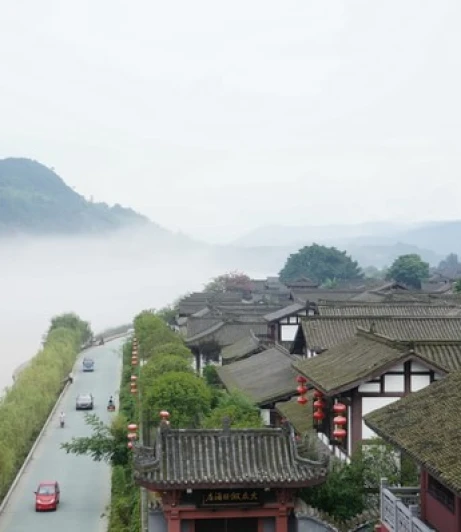
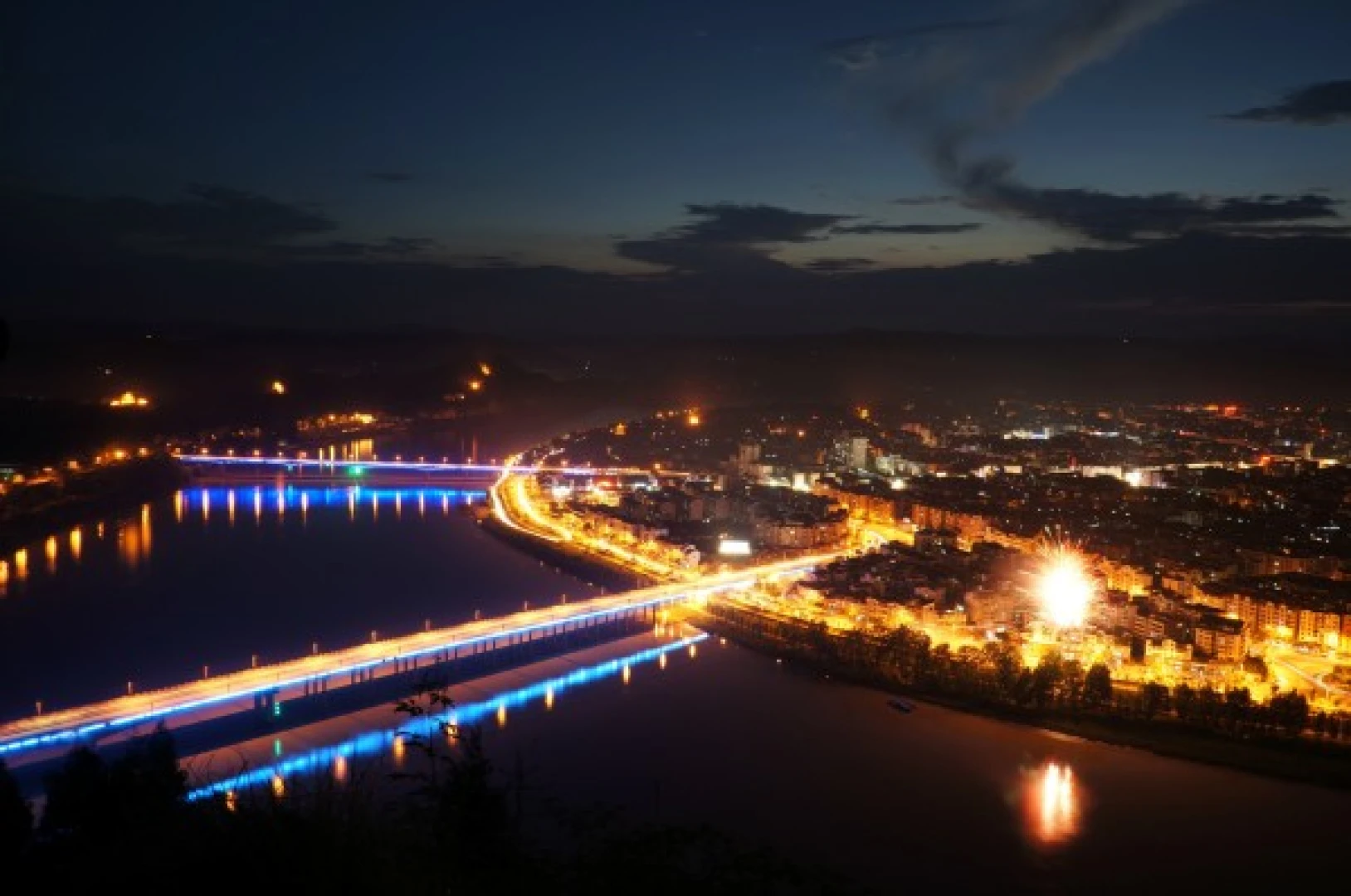
- Jinping Mountain: The best panoramic view of the entire ancient city and the Jialing River. Perfect for photography.
- Great Buddha Temple: A serene temple with a massive Buddha statue carved into the cliff.
- Prince Teng's Pavilion: A historic pavilion with beautiful gardens and river views.
[Link: Top things to do in Sichuan]
Langzhong Food Guide: What to Eat Like a Local
No trip to Langzhong is complete without sampling its legendary local cuisine. Here are the must-try dishes:
1. Zhang Fei Beef (张飞牛肉)
This is Langzhong's most famous specialty—dark, marinated beef named after the Three Kingdoms general. It's tender, flavorful, and perfect as a snack or gift.
2. Baoning Vinegar (保宁醋)
One of China's four famous vinegars, Baoning vinegar is aged for years and has a rich, mellow flavor. You'll find it used in many local dishes.
3. Langzhong Steamed Buns (阆中蒸馍)
 Soft, fluffy, and slightly sweet—these steamed buns are a breakfast staple. Try them fresh from the steamer.
4. Sichuan Hotpot with a Local Twist
While Sichuan hotpot is famous nationwide, Langzhong's version uses local ingredients like Baoning vinegar and Zhang Fei beef for a unique flavor.
Where to Eat: Head to the ancient city's main food street near Zhongtian Tower. Look for busy stalls with long lines—that's where the locals eat.
[Link: Sichuan street food guide]
FAQ: Langzhong Ancient City Travel Tips
1. How many days do I need to visit Langzhong?
Two days is ideal. Day one: explore the ancient city's six main attractions, hire a guide, and enjoy local food. Day two: visit Jinping Mountain, the Great Buddha Temple, and Prince Teng's Pavilion. If you have extra time, add a boat ride on the Jialing River.
2. Is Langzhong suitable for solo travelers?
 Absolutely. Langzhong is safe, walkable, and full of friendly locals. The ancient city is compact, making it easy to navigate alone. Many guesthouses offer single rooms, and hiring a guide for a few hours is affordable.
3. What is the best time to visit Langzhong?
Spring (March–May) and autumn (September–November) offer the most pleasant weather. Summer can be hot and humid, while winter is cold but less crowded. Avoid Chinese national holidays (Golden Week in October and Spring Festival) if you prefer fewer crowds.
4. Can I visit Langzhong on a day trip from Chengdu?
Yes, but it's a long day. The drive from Chengdu takes about 3 hours each way. You'll have 4–5 hours in the ancient city—enough for a quick walk and a meal, but not enough to truly experience its charm. I recommend an overnight stay.
5. Is the Feng Shui Museum worth visiting?
Yes, especially if you're interested in Chinese philosophy and architecture. The museum explains how Langzhong's layout was designed according to Feng Shui principles to harmonize with the Jialing River and surrounding mountains. It's unique among China's ancient cities.
Final Thoughts: Why Langzhong Deserves a Spot on Your Bucket List
Langzhong is not just another ancient city—it's a living museum of Feng Shui, Ming-Qing architecture, and authentic Sichuan culture. It's a place where you can slow down, breathe deeply, and connect with centuries of history without the crowds of Lijiang or the commercialization of Huizhou.
Whether you're a history buff, a food lover, or a traveler seeking an off-the-beaten-path experience, Langzhong will reward you with its quiet beauty and warm hospitality.
Ready to plan your trip? Book your guesthouse in advance, hire a knowledgeable guide like Xiao Du (15328868340), and prepare to fall in love with China's most understated ancient city.
Have you visited Langzhong? Share your experience in the comments below, or tag us in your photos on social media. We'd love to hear your story!
[Link: China ancient cities travel guide]
You may also like


