Winter Heart-Seeking: A Solo Journey Through Southern Gansu and Sertar – The Ultimate Winter Travel Guide
Meta Description: Discover the magic of winter travel through Southern Gansu and Sertar. A solo traveler's guide to Labrang Monastery, Langmusi, and the Larung Gar Buddhist Academy. Tips for winter routes, accommodation, and spiritual experiences.
When Life Pressed Pause, I Chose to Set Out
Some journeys aren't meticulously planned—they're instinctive reactions to a chord struck deep within. My annual leave sat there like an unused coupon about to expire, yet I couldn't figure out where to spend it. Friends around me had already settled into the cycle of "having kids, raising kids, watching kids," leaving me—an unmarried woman in her thirties—as that perpetually out-of-sync oddball in our social circle. The impulse to just pick up and go? It seemed to have been worn smooth by the years.
Then came that aimless December night when A World Without Thieves was playing on TV reruns. When Rene Liu appeared, kneeling in虔诚 prayer at Labrang Monastery, something struck me—the solemnity and sacredness of that temple seemed capable of cleansing the soul even through a screen. That's it. Heading south, from Labrang Monastery to Langmusi, then to Sertar, I would search for the direction of my heart. Even if I couldn't find answers, at least I'd find direction—and hear that voice buried beneath the noise of the mundane world.
[Link: Solo female travel in Tibet]
Pre-Trip Preparation: A Practical Guide for Winter Travel
Route Planning for Winter Heart-Seeking Journey
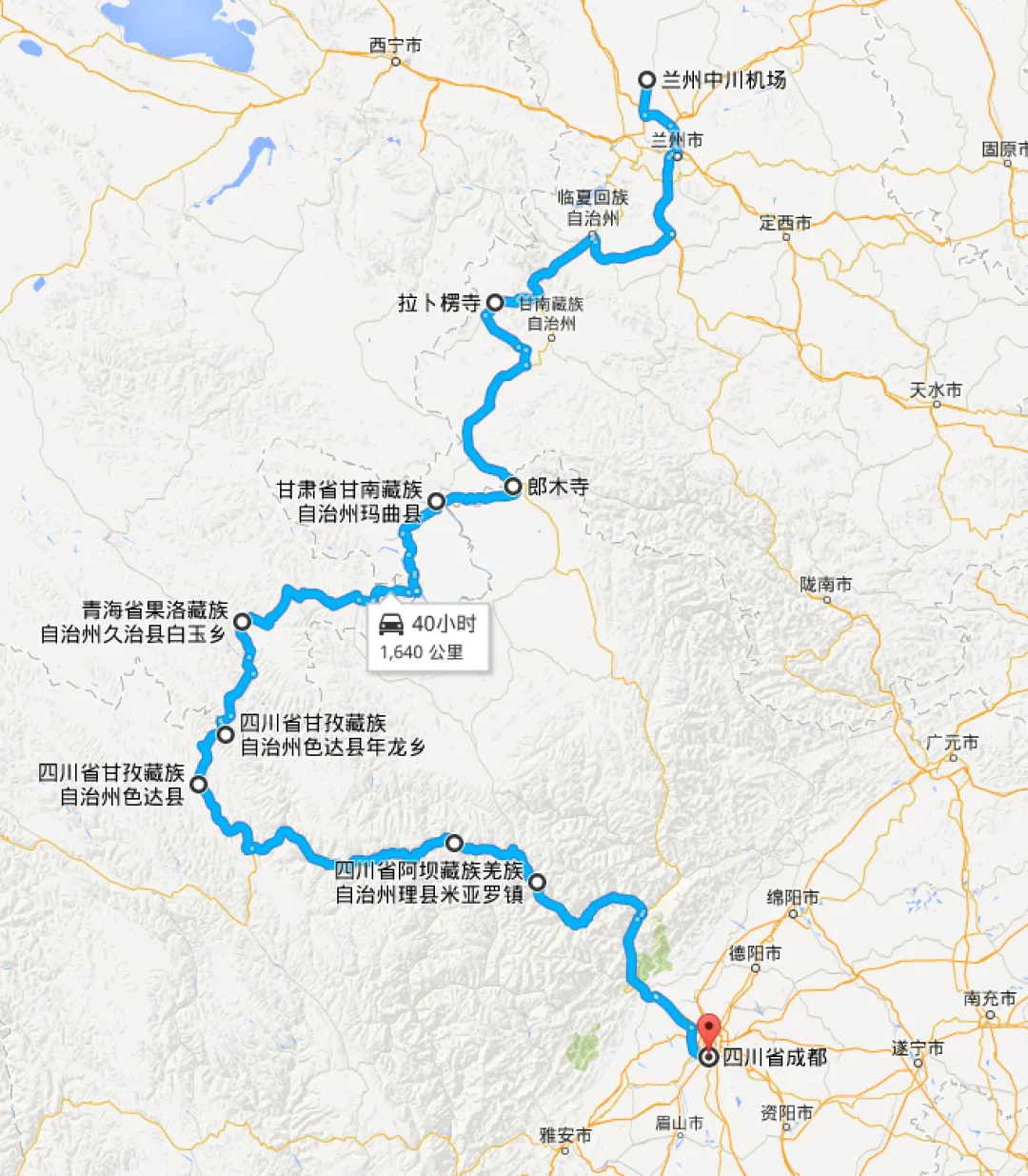
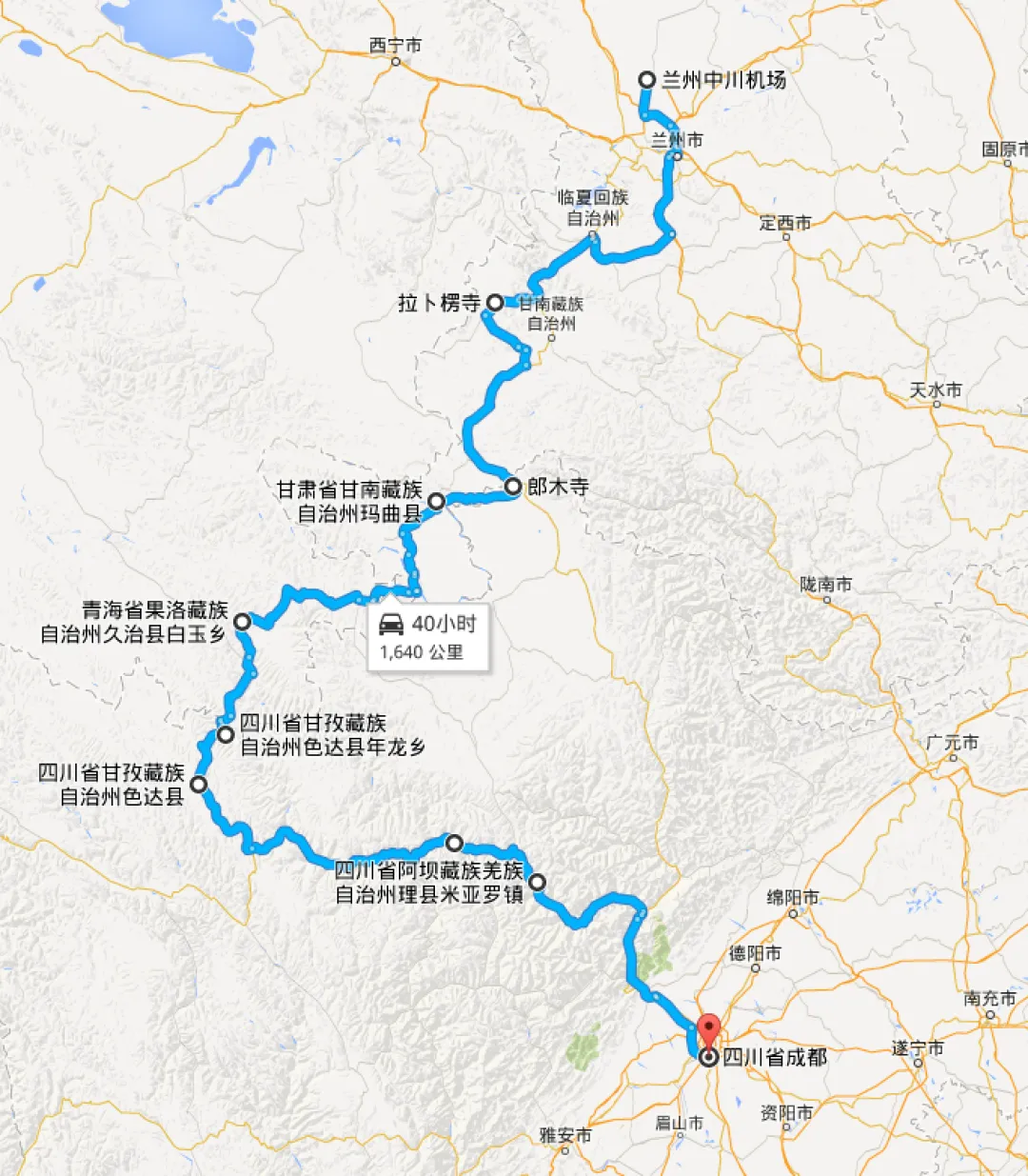
To avoid backtracking, I chose a loop: fly from Beijing to Lanzhou, head south, then fly back from Chengdu to Beijing. This winter travel route through Southern Gansu is ideal for those seeking both solitude and spiritual connection.

Flight Schedule: - December 27: Beijing → Lanzhou (flight, arriving at noon) - January 2: Chengdu → Beijing (flight, arriving in the morning)
From Lanzhou to Sertar, I hired a private car; from Sertar to Chengdu, I shared a ride. The specific winter road trip itinerary:
Lanzhou → Linxia → Xiahe → Luqu → Maqu → Jiuzhi → Sertar → National Highway 317 to Barkam → Miyaluo → Wenchuan → Chengdu
Public Transportation Alternatives for Budget Travelers
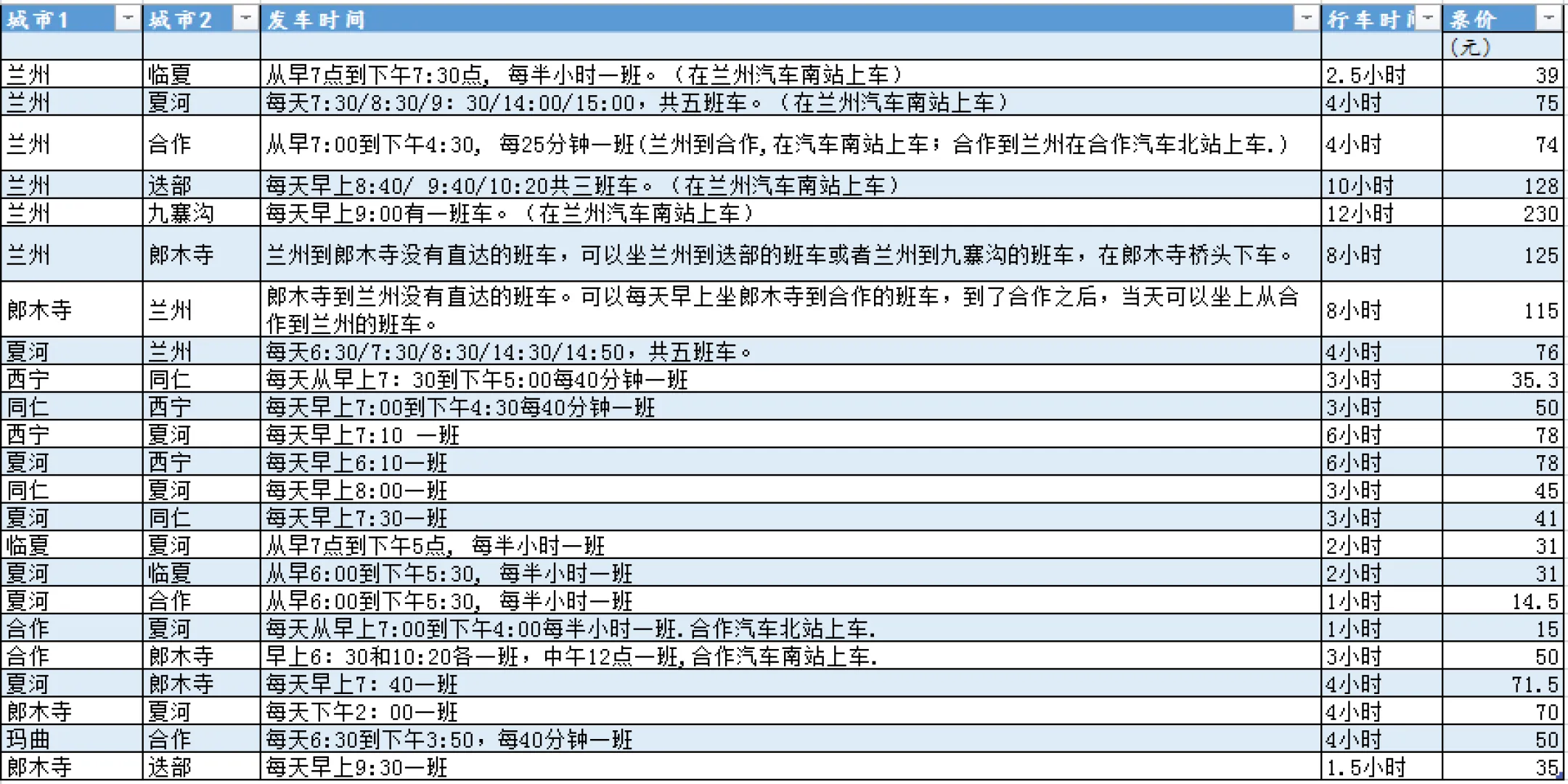
If taking public transport, here's reference bus information:
- Lanzhou → Labrang Monastery: Take a bus from Lanzhou South Bus Station to Xiahe; if you miss it, go to Hezuo first and transfer
- Labrang Monastery → Langmusi: Direct buses available, but confirm departure times in advance
- Langmusi → Sertar: Take a bus to Zoige first, then transfer to Barkam, stay overnight, and catch the 6:30 AM bus to Sertar the next day (about 6 hours)
- Barkam → Sertar: Departs from Sanjiazhai Bus Station
- Sertar → Chengdu: Purchase tickets 1-2 days in advance; only one bus daily, departing at 6:00 AM, arriving in about 12 hours; you can also share a local jeep
Accommodation Guide for Winter Travelers
Labrang Monastery: The Red Stone Youth Hostel is a popular choice but doesn't accept online reservations. There are plenty of family-run guesthouses nearby, and in winter, there's no worry about full occupancy.
Langmusi: In winter, very few tourists visit, and most guesthouses are closed. But locals are warm and helpful—ask around, and you'll find a place.
Sertar: The county town has better conditions than inside the Buddhist Academy. The Golden Horse Hotel is the best option in town but offers average value. Tibetan-style guesthouses around Golden Horse Square are also good. Inside the Academy, the Larung Hotel is recommended—it's located at the highest point next to the Stupa, offering panoramic views, but it has no running water; you need to fetch water from the first floor, and the toilet is outside the courtyard.
[Link: Best time to visit Tibetan Buddhist monasteries]
December 27: Departure, Lanzhou to Labrang Monastery
Many people asked me if I was crazy going to Tibetan areas in the dead of winter. May through October is the peak season, after all. I admit, winter in Tibetan regions isn't suitable for "tourists"—bumpy roads, biting cold. But precisely because of that, there are no crowds of sightseers, no vendors hawking their wares—only the purest form of local Tibetan life. They begin their circumambulation of the monastery, their prostrations. I wanted to join them, to pray sincerely for someone or something in my heart, or simply to cleanse the restlessness within.
Arriving at noon in Lanzhou, Master Xu, whom I'd contacted in advance, was already waiting at the airport. Honestly, before getting in the car, I secretly snapped a photo of the license plate and posted it on social media—just in case I went missing, my friends would have a lead. As it turned out, Master Xu was reliable throughout the entire trip.
For a food lover like me, the first thing to do in Lanzhou is, of course, beef noodle soup. Master Xu took me to a famous local spot called Anbo'er Beef Noodle House, which reportedly sells over 200 bags of flour a day. People from Beijing might think Lanzhou noodles are served in clear broth, but here, you discover a layer of bright red chili oil floating on top. The flavor was a hundred times more aromatic and delicious than anything I'd had in Beijing.
Once we passed Tumen Pass, we officially entered Tibetan territory. My mood inexplicably stirred. Passing by Dêlêng Monastery, an ancient temple said to have an even longer history, it stood quietly at the foot of the mountain—no tourists in sight, barely even any monks. I encountered a young novice monk who, in sub-zero temperatures, had one arm exposed! Looking at myself bundled up like a dumpling, I couldn't help but admire his resilience.
Leaving Dêlêng Monastery, figures performing full-body prostrations began appearing along the roadside. In temperatures of minus ten to twenty degrees Celsius, it's hard to imagine what kind of faith drives them to bow and rise again and again. This wasn't my first time in Tibetan areas, but every time I witness this, my heart is profoundly shaken. Think about it—in our big cities, how many of us truly have faith, truly persist in doing one thing?
By evening, we arrived at Labrang Monastery. This monastery is vast, with interconnected pathways. The main prayer hall was already locked; the monks had finished their day's chanting. Despite the cold, Tibetan pilgrims were still circumambulating the monastery. At the base of a white stupa, there was a dark, polished spot—up close, I realized it was worn smooth by the heads of pilgrims touching it as they passed, year after year, until the stone gleamed like polished metal.
That night, I checked into the Red Stone Youth Hostel. Only four guests were staying in the entire place. The landlady warmly insisted I try her Tibetan dumplings—filled with lamb, incredibly fragrant. She showed me her most cherished string of beads; though I couldn't appreciate its value, I could feel from her expression how much it meant to her.
[Link: Tibetan Buddhist culture and traditions]
December 28: Dawn and Devotion at Labrang Monastery
I'd heard that the main prayer hall at Labrang starts chanting at 6:30 AM, so I rose early. But when I arrived at 7:00, only about a dozen monks were inside. Perhaps it was too cold, and their schedule had shifted? I decided to head to the back mountain to wait for sunrise.
What I overlooked was that the temperature here at dawn and dusk was only minus twenty-something degrees Celsius. Standing on the hillside, I felt like my toes and face weren't my own. I regretted not buying a windproof jacket. The sun finally appeared, but every time I pressed the shutter, my fingers ached with cold. Still, I stubbornly held out for that sliver of dawn light.

I couldn't take it anymore; I needed something warm. On the road, I saw locals selling beef. You might think they sell it by the pound? No—here, a whole cow is divided into at most four parts; you buy a quarter of the animal. I ordered a bowl of what locals call "beef offal soup" (niú zá gē)—essentially a tripe and organ meat broth—paired with a Tibetan-style fried dough stick (zàng má huā), crispy on the outside and soft inside. As the hot soup went down, I felt every cell in my body melt and warm up.
Back at the main prayer hall, Tibetans had already begun their morning devotions and circumambulation. I didn't deliberately seek out the specific temple where Rene Liu prostrated in A World Without Thieves—wherever it was, the sincerity of the heart would be felt by heaven.
I joined the pilgrims, walking clockwise around the monastery, spinning the prayer wheels. Each turn felt like releasing a worry, a doubt, a fear. By the time I completed three circuits, the sun was fully up, casting golden light on the monastery roofs. I sat on a low wall, watching monks in maroon robes hurry past, their breath forming small clouds in the cold air. A young monk smiled at me—a simple, unguarded smile that said more than any words could.
[Link: Meditation and mindfulness retreats in China]
Why Winter Travel to Tibetan Regions is Worth It
Many travelers ask: Is winter a good time to visit Southern Gansu and Sertar? The answer depends on what you seek. If you want crowds, festivals, and mild weather, visit May–October. But if you crave solitude, authenticity, and a deeper connection with Tibetan Buddhist culture, winter travel offers unique advantages:
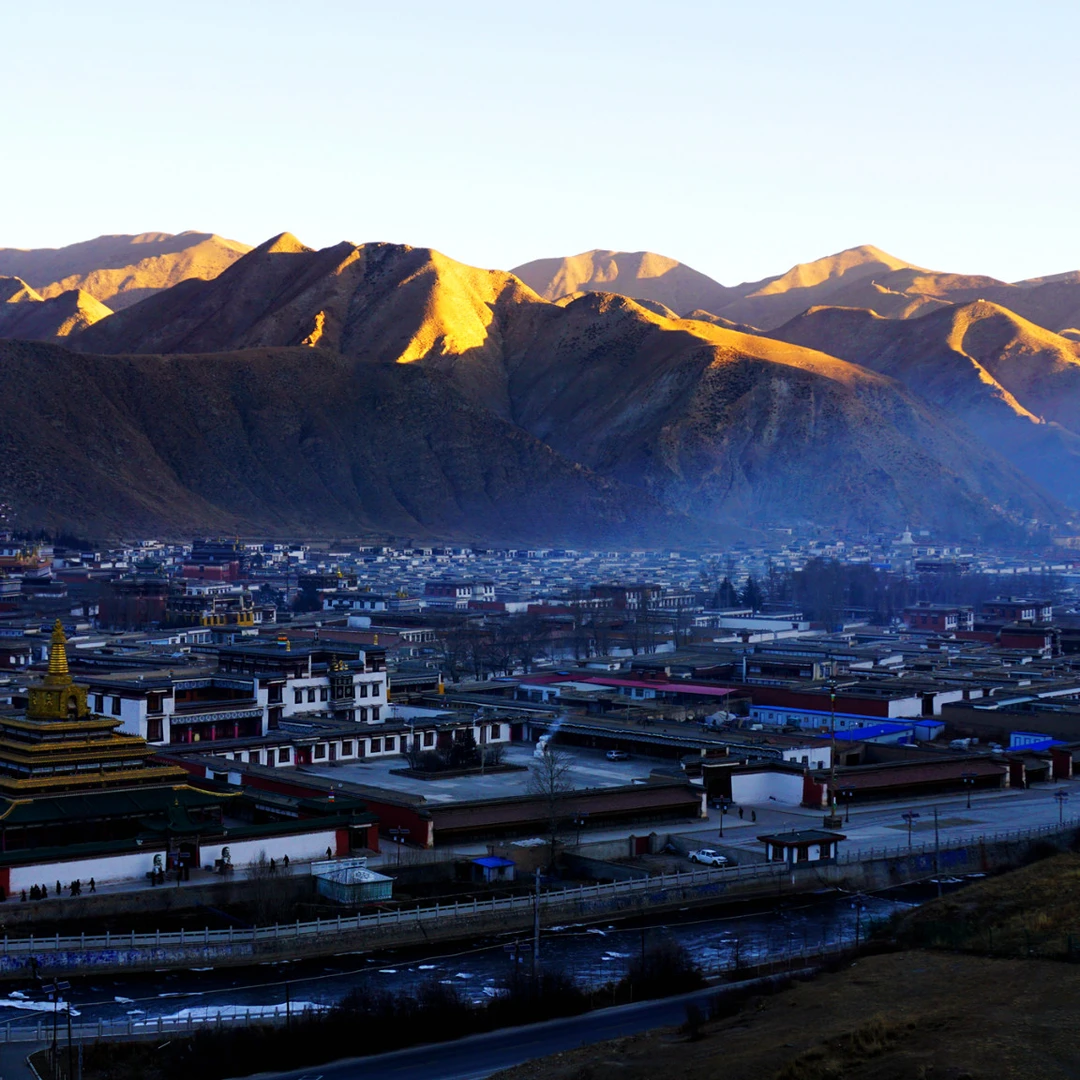
- No crowds: Major monasteries like Labrang and Langmusi are nearly empty
- Authentic experiences: You'll witness daily life, not tourist performances
- Lower costs: Accommodation and transport are significantly cheaper
- Spiritual atmosphere: The cold and quiet amplify the sense of pilgrimage
- Photography opportunities: Snow-covered landscapes and clear skies create stunning images
[Link: Off-season travel benefits]
FAQ: Winter Travel to Southern Gansu and Sertar
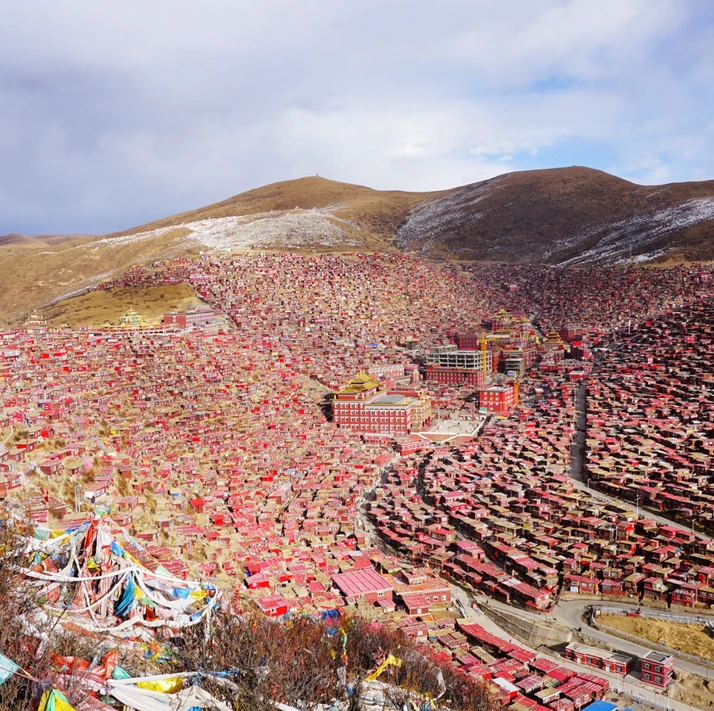
1. Is it safe to travel alone in winter to Tibetan regions?
Yes, but prepare thoroughly. Winter roads can be icy, so hire experienced drivers or use reputable bus services. Stay in well-reviewed guesthouses, carry emergency supplies, and share your itinerary with someone at home. The locals are generally welcoming and helpful.
2. What should I pack for winter travel in Southern Gansu?
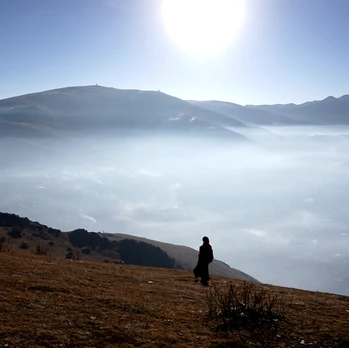 Essential items include: thermal underwear, windproof jacket, insulated boots, thick wool socks, gloves, hat, scarf, lip balm, sunscreen (sun reflects off snow), portable charger, and a thermos for hot drinks. Temperatures can drop to -20°C (-4°F) at dawn and dusk.
3. How do I handle altitude sickness?
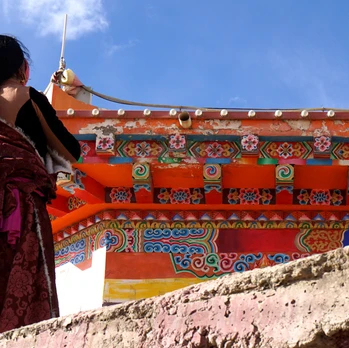 Sertar sits at 3,800 meters (12,467 feet). Acclimate gradually—spend a night in Xiahe (2,900m) or Barkam (2,600m) before heading higher. Stay hydrated, avoid alcohol, and consider bringing Diamox (acetazolamide). If symptoms worsen, descend immediately.
4. Can non-Buddhists participate in monastery activities?
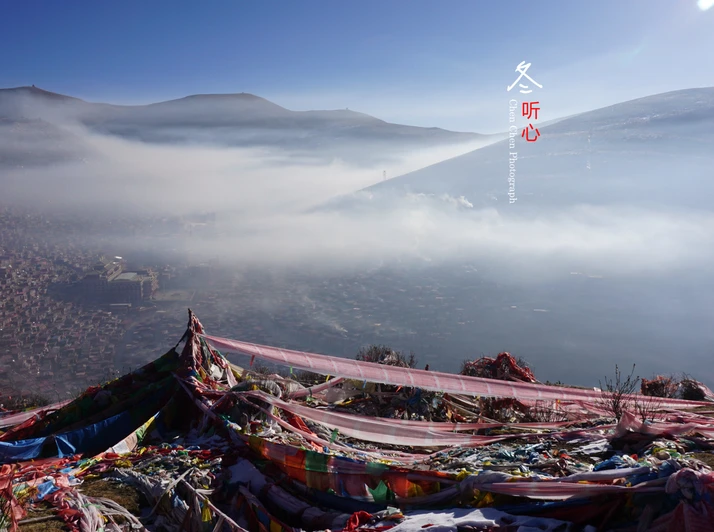 Yes, but respectfully. You can join circumambulation (kora), spin prayer wheels, and observe chanting sessions. Avoid touching statues or sacred objects without permission, dress modestly, and always ask before taking photos of monks or pilgrims.
5. What is the best route for a 7-day winter trip?
Day 1: Fly to Lanzhou, drive to Xiahe (Labrang Monastery) Day 2: Explore Labrang Monastery Day 3: Drive to Langmusi Day 4: Explore Langmusi, drive to Jiuzhi Day 5: Drive to Sertar, visit Larung Gar Buddhist Academy Day 6: Explore Sertar, drive to Barkam Day 7: Drive to Chengdu, fly home
Final Thoughts: Your Winter Heart-Seeking Journey Awaits
This journey taught me that sometimes the best path isn't the most comfortable one. Winter in Southern Gansu and Sertar stripped away everything unnecessary—crowds, noise, distractions—and left only the essential: faith, resilience, and the quiet voice within.
Whether you're seeking spiritual clarity, escaping the routine, or simply craving an adventure off the beaten path, this route offers something rare. The cold will test you, the altitude will challenge you, but the rewards—the sunrise over Labrang, the smile of a novice monk, the sight of pilgrims prostrating in the snow—will stay with you forever.
Ready to plan your winter heart-seeking journey? Start by booking your flight to Lanzhou, and let the road lead you south. The monasteries are waiting, the prayer wheels are spinning, and your heart is ready to find its direction. Pack warm, travel safely, and open yourself to the unexpected.
[Link: Book your winter travel to Gansu and Sichuan]
Have you traveled to Tibetan regions in winter? Share your experience in the comments below. For more solo travel guides and spiritual journey tips, subscribe to our newsletter.
You may also like


