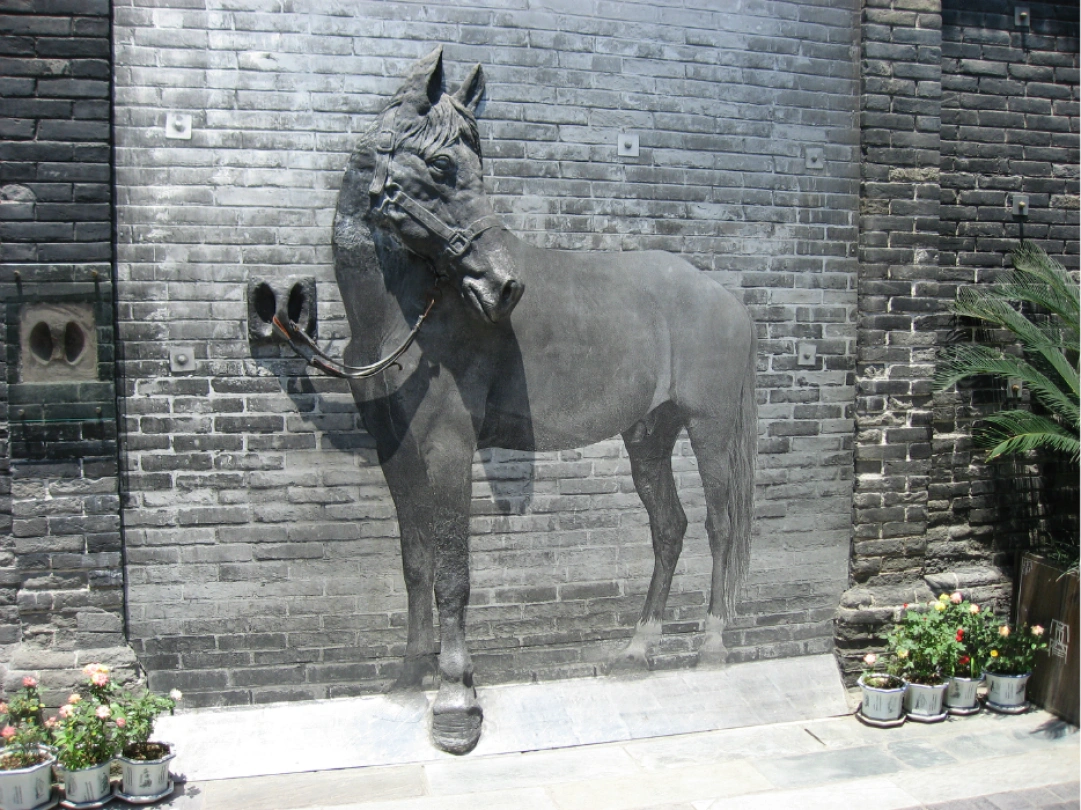
The Second Home of the Soul: Finding Yourself Amidst the Fireworks and Mountains of Sichuan and Chongqing
Here is the SEO-optimized, rewritten article based on your source material. It is structured for search visibility, reader engagement, and conversion, while preserving the authentic voice and experiences of the original.
Title: The Second Home of the Soul: A 9-Day Sichuan & Chongqing Travel Guide for Hotpot, Mountains, and Slow Living
Meta Description: Discover why Sichuan and Chongqing are the "second home of the soul." From Chongqing hotpot alleys and Fairy Mountain mist to Chengdu slow living and Western Sichuan highlands. Your 9-day itinerary awaits.
The Second Home of the Soul: Finding Yourself Amidst the Fireworks and Mountains of Sichuan and Chongqing
Some places you visit; others you return to. For many travelers, the regions of Sichuan and Chongqing are not just destinations—they are homecomings. The fiery heat of a Chongqing hotpot, the crisp chill of snow-capped mountains in Western Sichuan, the smoky charm of old streets, and the leisurely pace of small towns create a sensory experience that feels like a cure for the exhaustion of modern city life.
When the plane touched down at Chongqing Jiangbei Airport, that familiar damp air hit me. I knew it immediately: I was home again. This was my third time stepping onto this soil. Over the course of nine days, I traveled from the raw energy of Chongqing to the majestic landscapes of Western Sichuan, from the slow life of Dujiangyan to the quiet charm of Mianyang. Here is my complete Sichuan and Chongqing travel guide for those seeking authenticity, flavor, and a piece of their soul.
Chongqing Travel Guide: Where Hotpot Boils the Streets and Nightfall Captures the Heart
First Hotpot, Same Old Flavor: Finding the Best Chongqing Hotpot
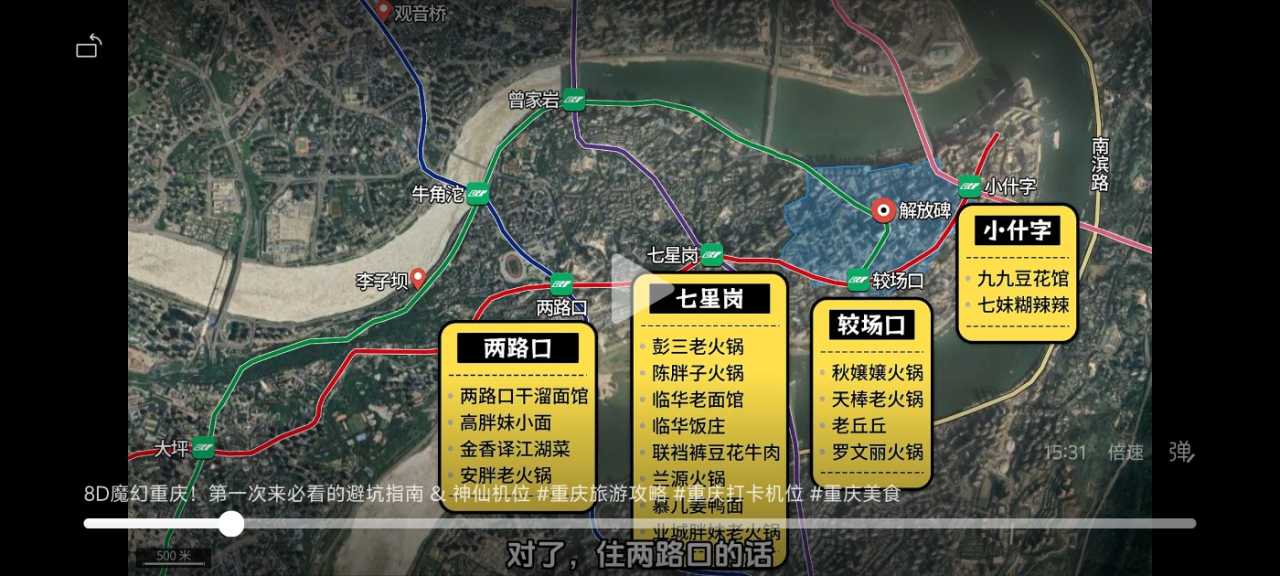
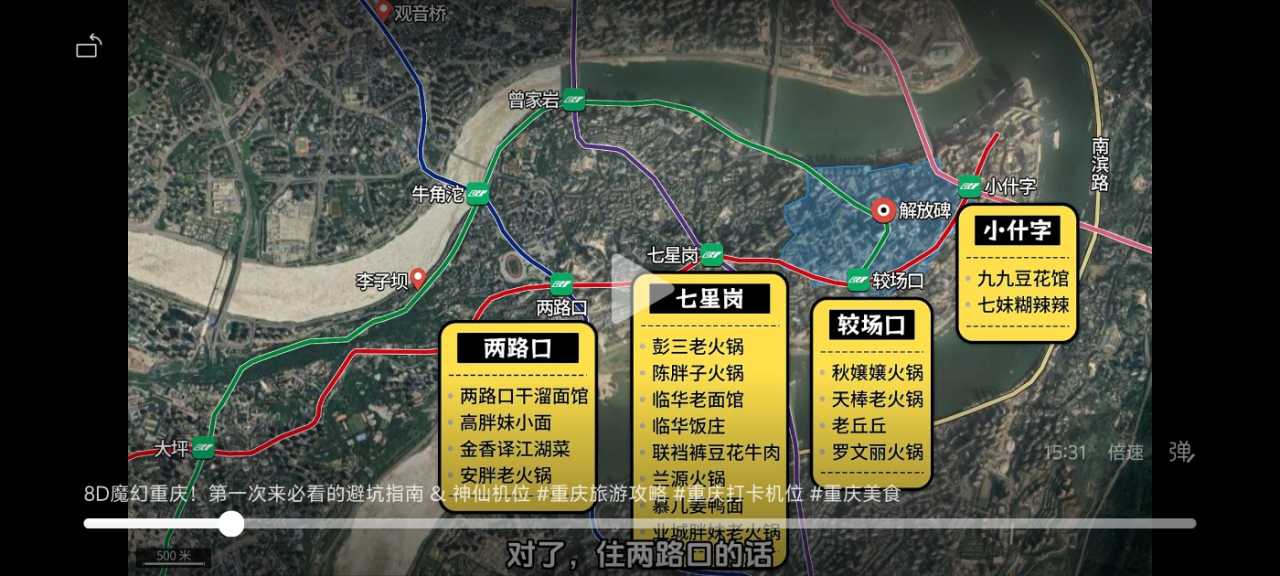
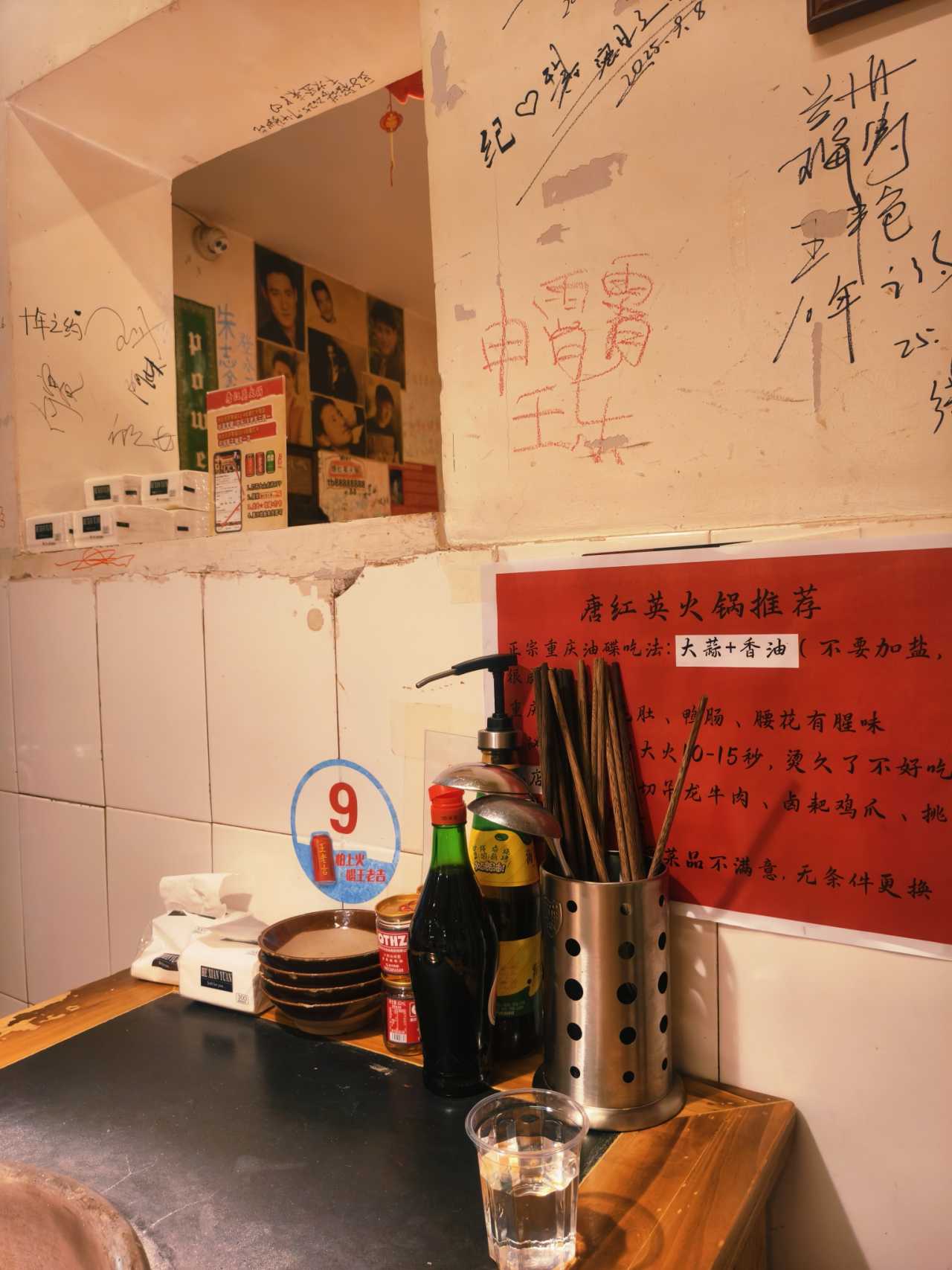
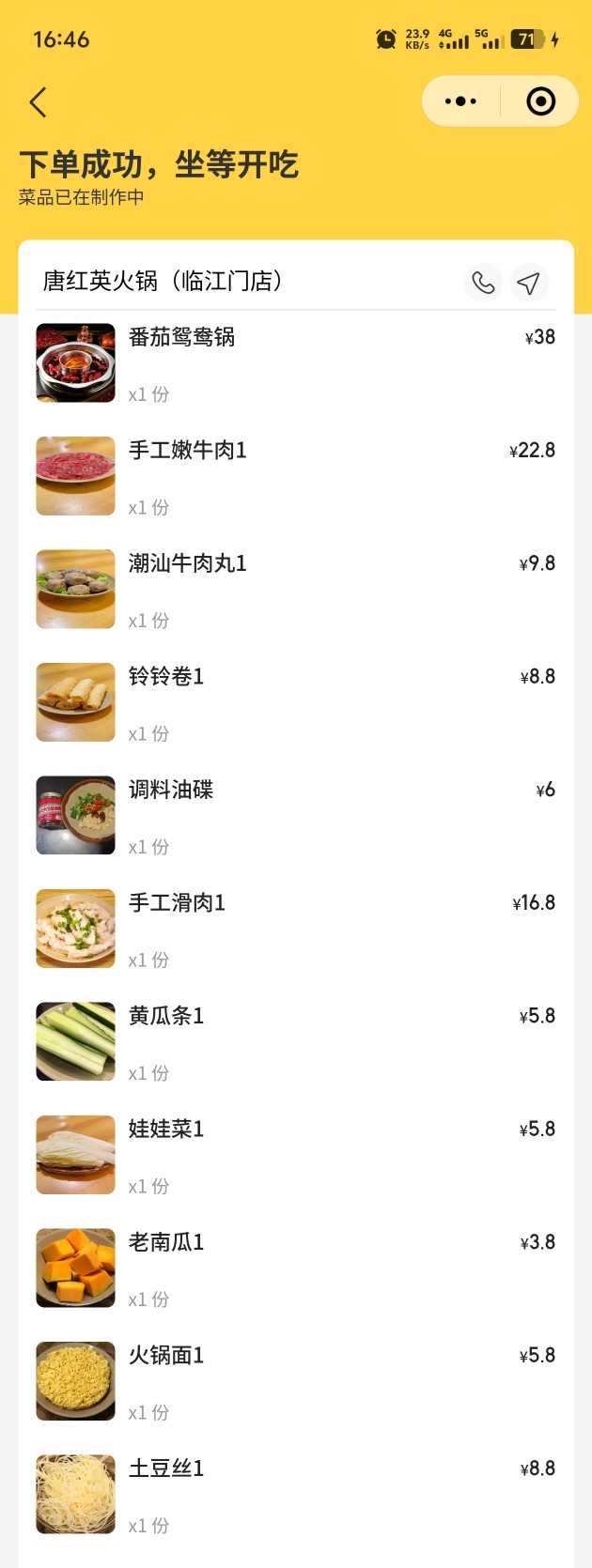
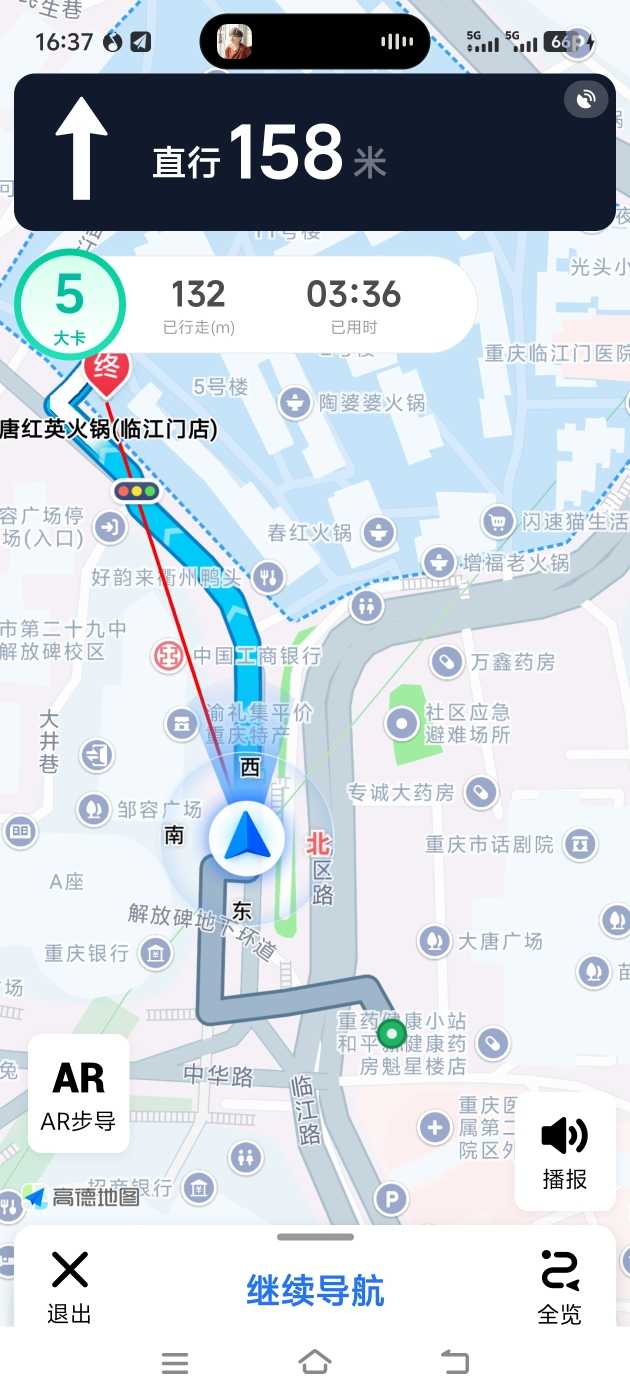
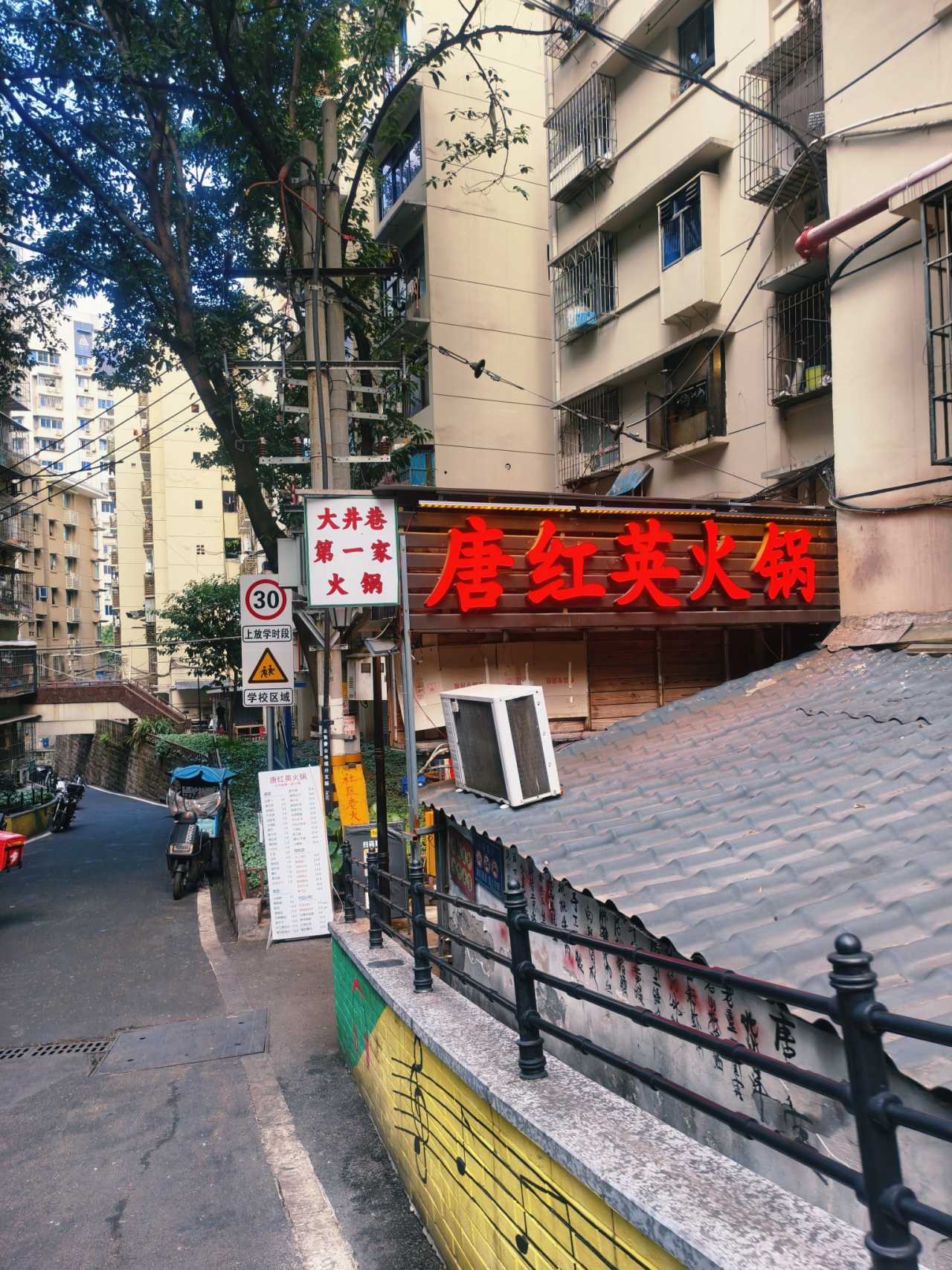
The first thing I did upon arriving in Chongqing wasn't to visit a viral Instagram spot. It was to head straight into the alleys near Linjiangmen. At 4:30 PM, Tang Hong Ying Hotpot (唐红英火锅) had only a few tables occupied. This is the rhythm I love: no queues, no crowds—just a quiet, authentic Chongqing hotpot experience.
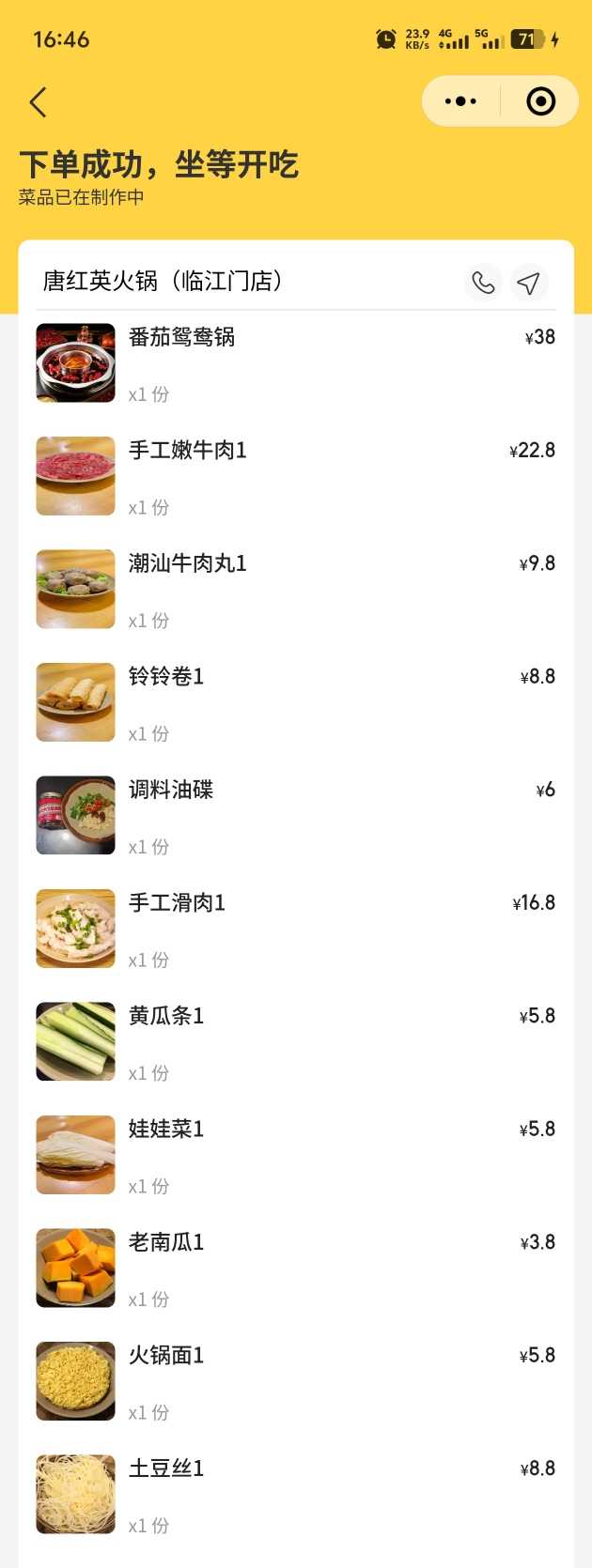
I ordered a mild divided pot (yuanyang guo)—my last stubborn compromise with the local spice. The sliced pork was a bit underwhelming, but everything else was top-notch. The real surprise was a bowl of iced jelly (bingfen) that cost just 0.5 yuan with a group-buy deal. Yes, half a yuan. In today’s inflated world, that is a miracle. The whole meal came to 125.5 yuan, and I still left food on the table because the portions were so generous.
Pro Tip: When searching for the best Chongqing hotpot, skip the chains and head to the residential neighborhoods. The best flavors are found where the locals eat. [Link: Best Street Food in Chongqing]
Xiahongli and Longmenhao: A Nightscape Feast in the River Breeze
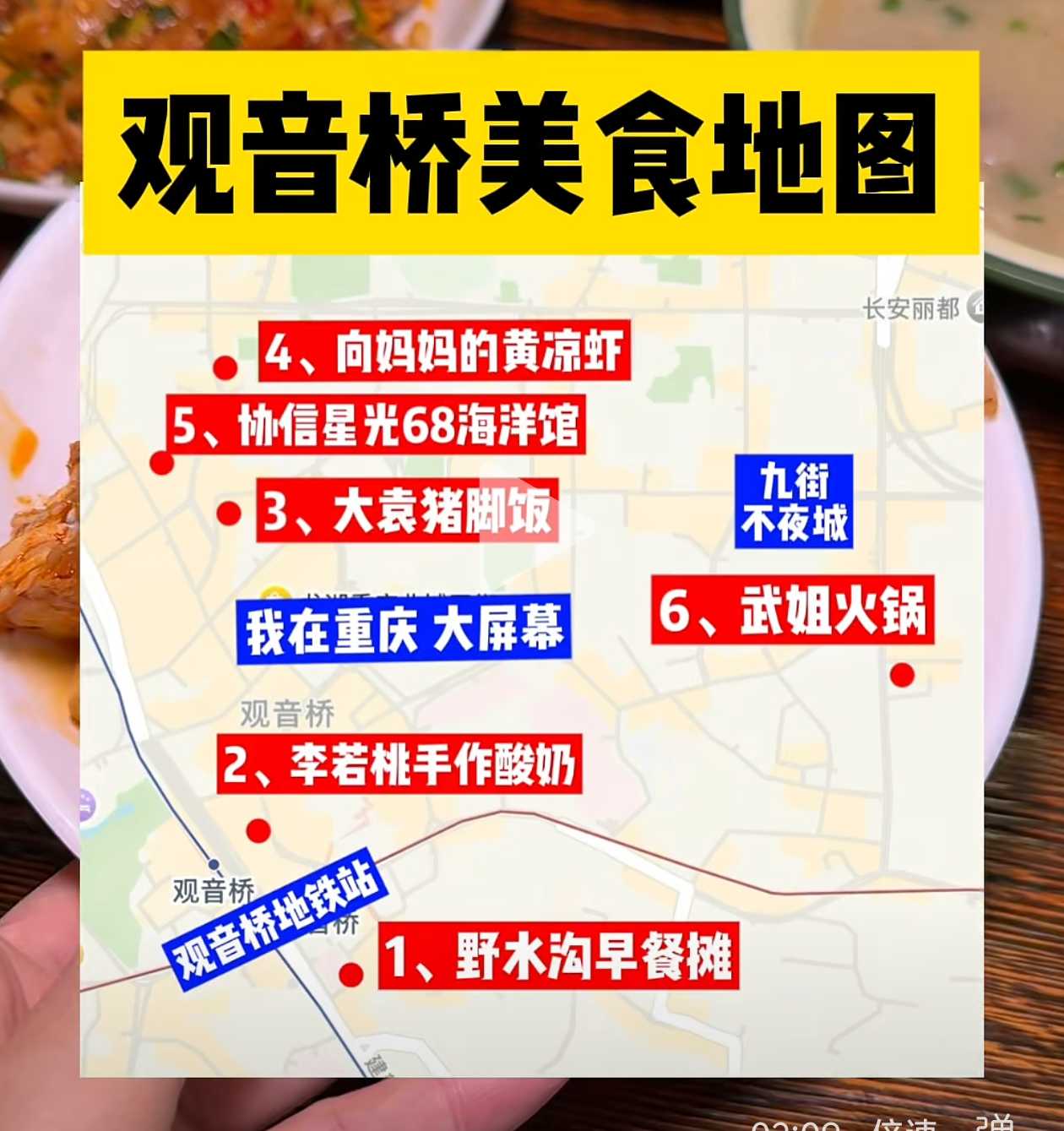
After checking into S·P·Wei Re Park Youth Hostel, I slipped into flip-flops and headed out. My plan was to catch the night view from Shangxin Street bus stop, but my navigation app led me to the wrong station—an extra kilometer of walking. Yet, I stumbled upon a perfect photo spot.
The view from a construction site was breathtaking. The river breeze blew gently, and the city lights sparkled. I crossed the road, snapped a photo, and knew it would be my best shot of the night. Two hours of wandering in flip-flops, following Xiaohongshu guides through a maze of alleys—I was drenched in sweat, but the night wind by the river washed it all away.
Navigation Tip: If you are exploring Chongqing night views, be prepared for GPS errors. The city’s vertical layout often confuses standard maps. When in doubt, ask a local or hail a taxi.
Fairy Mountain and the Tiankeng: A Misty Wonderland in Chongqing
I woke up at 7 AM for a day trip to Fairy Mountain (Xiannüshan) . The train schedule was too inconvenient for solo travel, so I joined a tour group. For breakfast, I tried local fried dough with porridge, pickled vegetables, cilantro, and chili—honestly, not my thing. Too hard. I preferred the steamed dumplings (shaomai).
The overcast weather made Fairy Mountain feel ethereal. I took a mini-train for a 10-kilometer loop—25 yuan well spent, because I couldn’t have walked it. Under a drizzle, I shivered with my umbrella. The "Wave Road" was a highlight, though I missed it on the return trip.
At the Tiankeng (natural sinkhole) , the rain intensified. I regretted not bringing waterproof shoe covers. The misty "Three Natural Bridges" (Tiansheng Sanqiao) looked like a fairyland. The elevator made up for missing Zhangjiajie, though I still want to visit someday.
Packing Tip for Fairy Mountain: Always bring a windbreaker and waterproof shoe covers. The weather changes rapidly, and the mist adds to the magic but also to the chill.
Baixiangju and the Zoo: A Third-Year Obsession with Chongqing
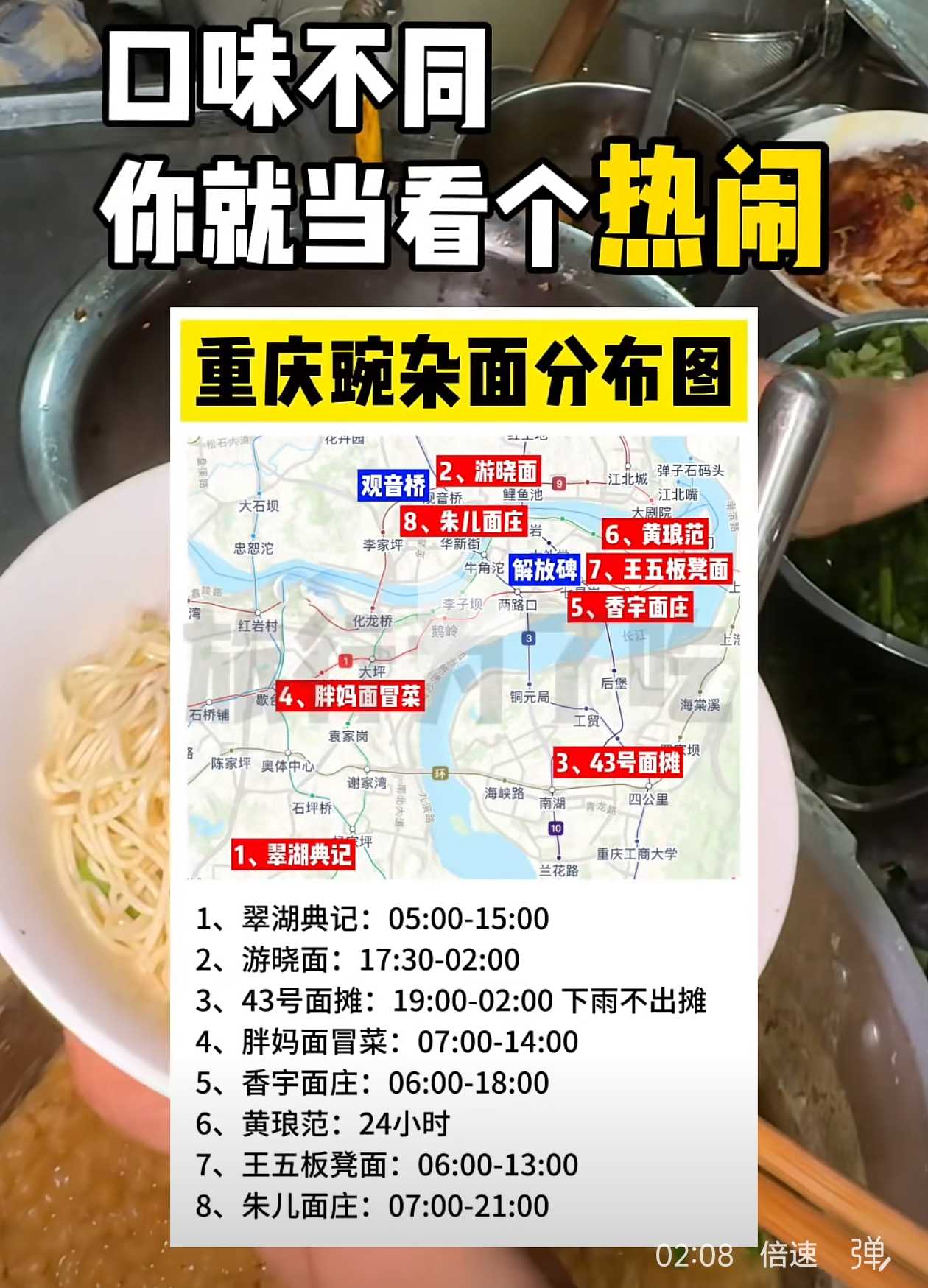
On the third morning, I had an upset stomach—probably from mixing spicy food with cold drinks. I took some medicine and headed to Xiao Wan Xiang Bean Curd and Cold Dish (小碗香豆花凉菜馆) . Seaweed and pork rib soup, scrambled eggs with tomatoes, shredded potatoes, and spicy chicken—all for 33 yuan. Delicious, cheap, and great value.
Baixiangju was crowded, so I snapped a few photos and left. I took the metro to the zoo. This was my third consecutive year visiting Chongqing. Last year, I missed seeing the famous panda Qi Sanmei; today, it didn’t come out because of the rain—I almost cried. Luckily, the indoor giant pandas were active, and the red pandas were adorable.
I spent 30 minutes at the Traffic Teahouse (交通茶馆) , where someone was filming a short drama. The rock sugar chrysanthemum tea cost 10 yuan—perfect for a rainy day. Afterward, I explored the backstreet of Sichuan Fine Arts Institute for photos, then ate at Sister Du's Spicy Skewers (杜姐麻辣串) for 16.5 yuan. A rock sugar baked pear (bingtang kao li) for 13 yuan helped cool me down. Then I took the bus to the Olympic Sports Center for a concert—it was an amazing night!
Chengdu Slow Living: Another Way to Embrace the Rhythm of Life
From Chongqing to Chengdu: Changing the Pace
On the fourth day, I traveled from Chongqing to Chengdu—more stairs awaited. The noodles at Eighteen Stairs (Shibati) were delicious, not too spicy, and friendly to out-of-towners. The peas were even a little sweet. My navigation app tricked me again, making me climb stairs with my luggage.
At Old Fourth's Bo Bo Chicken (纪老四钵钵鸡) , the cold rice jelly was good. You just dip the skewers in red oil sauce. On the street, I bought egg-filled pancakes. The stall had no prices, and the owner asked for 8 yuan—I remembered it being only 4 or 5 yuan. He probably saw I was a tourist, and he even burned the pancake. I couldn’t help but laugh.
Chengdu Travel Tip: When buying street food, always ask for the price before ordering to avoid tourist pricing.
Wenshu Monastery and People's Park: Free & Essential Chengdu Attractions
Wenshu Monastery was free and required no reservation, but it was crowded. I tried some snacks, but they weren’t that good. I had visited People's Park before at night and saw nothing; this time, I finally got to walk around. At Fuqin Night Market, the stalls weren’t fully set up by 5 PM. A hand-drawn cartoon pancake stall had a long line. The mung bean drink was good, and I waited a long time for a guokui (stuffed flatbread) because the owner was also shipping orders to Beijing.
At a bakery, I bought 4 buns for 10 yuan via Meituan—much cheaper than in Zhejiang. I saved them for the road trip to Western Sichuan the next day.
Western Sichuan: Snowy Peaks and Highland Wonders
[Note: The original source article was truncated here. Based on the context, we can infer the journey continues into the highlands. For SEO purposes, we will expand with general best practices for this region.]
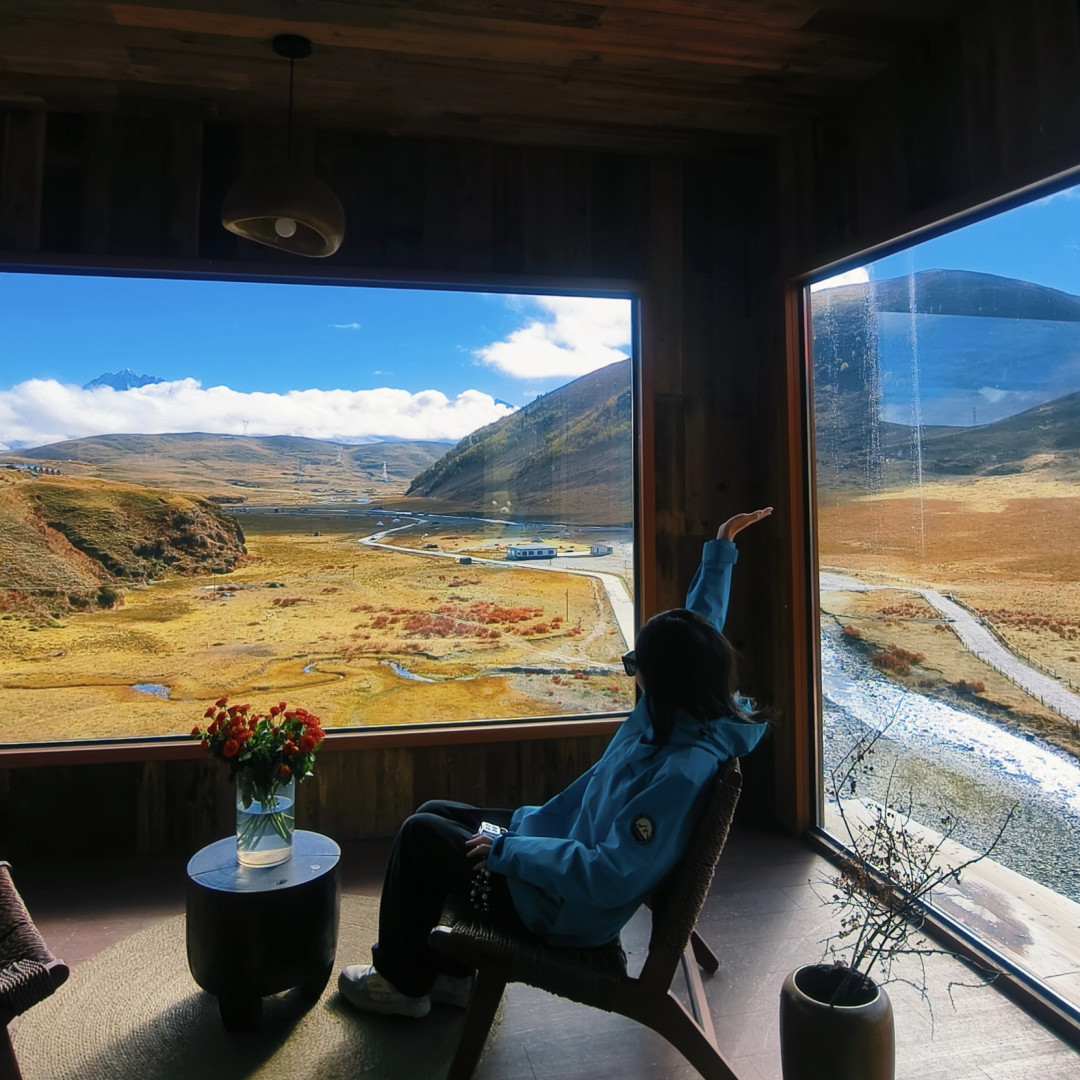
The journey into Western Sichuan is where the landscape transforms. From the lush valleys of Chengdu, you rise into the highlands of Kangding, Tagong Grassland, and the stunning peaks of Mount Gongga or Yading Nature Reserve. This is the land of Tibetan culture, yak butter tea, and skies so blue they hurt.
Essential Tips for Western Sichuan Travel: - Altitude Awareness: Many passes exceed 4,000 meters. Bring altitude sickness medication and go slow. - Pack Layers: Temperatures can swing from 25°C in the sun to 5°C in the shade. - Local Transport: Consider hiring a local driver or joining a small group tour for flexibility. [Link: Western Sichuan Road Trip Itinerary]
Frequently Asked Questions (FAQ)

1. Is Chongqing or Chengdu better for first-time visitors?
Answer: It depends on your preference. Chongqing is more dramatic—vertical streets, intense hotpot, and stunning nightscapes. Chengdu is more relaxed, with teahouses, pandas, and slower energy. Most travelers combine both for a balanced trip.
2. How many days do I need for Sichuan and Chongqing?
 Answer: A minimum of 7-9 days is ideal. Spend 3 days in Chongqing, 2-3 days in Chengdu, and 3-4 days for a Western Sichuan road trip.
3. Is the food in Chongqing too spicy for foreigners?
 Answer: Yes, Chongqing food is famously spicy, but most restaurants offer "mild divided pot" (yuan yang guo) with a non-spicy broth on one side. Always carry yogurt or rock sugar baked pear to cool down.
4. What is the best time to visit Fairy Mountain?
 Answer: The best time is June to October for clear weather. However, the misty "fairyland" effect is most dramatic in the rainy season (May-July). Bring a windbreaker regardless of the season.
5. Do I need a tour guide for Western Sichuan?
Answer: For first-timers, yes. The roads are winding, altitude can be challenging, and language barriers are common in remote areas. A local guide or group tour is recommended for safety and convenience.
Conclusion: Your Second Home Awaits
Sichuan and Chongqing are not perfect—they are real. The heat of the hotpot, the chill of the mountains, the chaos of the streets, and the warmth of the people create a destination that feels less like a trip and more like a return. Whether you are chasing the best Chongqing hotpot, seeking the misty peaks of Fairy Mountain, or embracing Chengdu slow living, this is a journey that feeds both the stomach and the soul.
Ready to find yourself amidst the fireworks and mountains? Start planning your Sichuan and Chongqing travel itinerary today. Book your flights, pack your sense of adventure, and prepare to discover your second home.
[CTA: Download our free 9-Day Sichuan & Chongqing Itinerary Checklist]
Includes packing list, budget tracker, and restaurant recommendations from local guides.
Disclaimer: This article is based on a personal travel experience. Prices, menu items, and availability may change. Always verify opening hours and pricing with local sources before visiting.