The Right Way to Experience Xinduqiao: Encountering a Spectacle of Light and Shadow in Late Autumn
Meta Description: Discover the ultimate Xinduqiao travel guide for late autumn. Learn how to experience the "Photographer's Paradise" in western Sichuan, with tips on photography, chartered car day trips, and must-visit spots like Jiagenba and Tagong.
Introduction: Why Xinduqiao Should Be on Your Late Autumn Bucket List
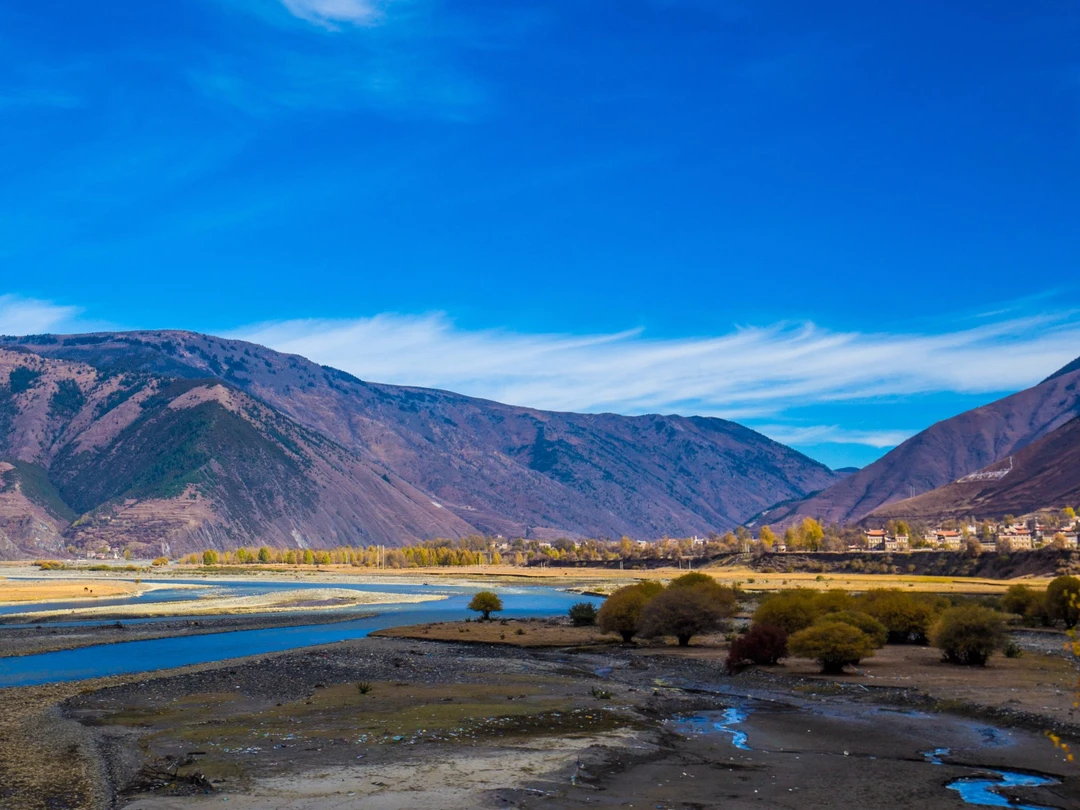
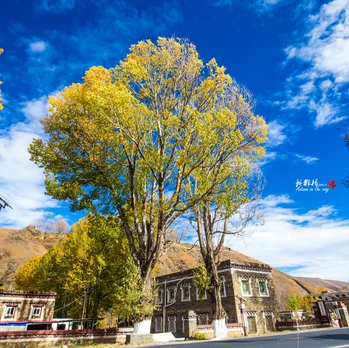
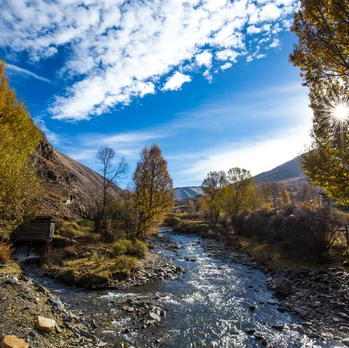
When you think of western Sichuan, iconic destinations like Daocheng Yading or the G318 National Highway might come to mind. But tucked away in the Garzê Tibetan Autonomous Prefecture lies a hidden gem that photographers and nature lovers dream about: Xinduqiao. Known as the "Photographer's Corridor," this small town at 3,300 meters altitude transforms into a breathtaking canvas of golden poplar forests, winding streams, and dramatic light-and-shadow play during late autumn.
This guide will walk you through the right way to experience Xinduqiao—from getting there on a budget to capturing the perfect shot. Whether you're a seasoned photographer or a first-time visitor, you'll learn how to make the most of this magical destination in just three days.
About Xinduqiao: More Than Just "A Photographer's Paradise"
Many travelers mistake Xinduqiao for a single scenic spot, but it's actually a town under Kangding City. Its Tibetan name, "Dong'eluó," reflects its authentic cultural roots. Covering 508.3 square kilometers with a population of only 7,000, Xinduqiao offers a vast, unspoiled landscape that defies easy categorization.

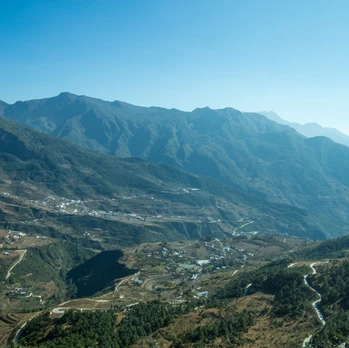
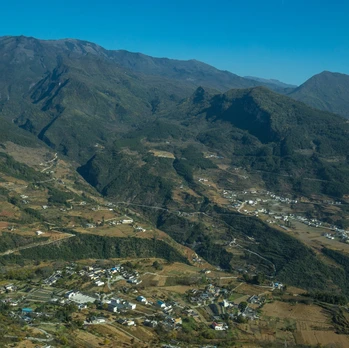
The town's true appeal lies in its 10-kilometer "Photographer's Corridor" along the main road. Here, you'll find:
- Magical light and shadow: The low-angle autumn sun creates dramatic contrasts across the grasslands.
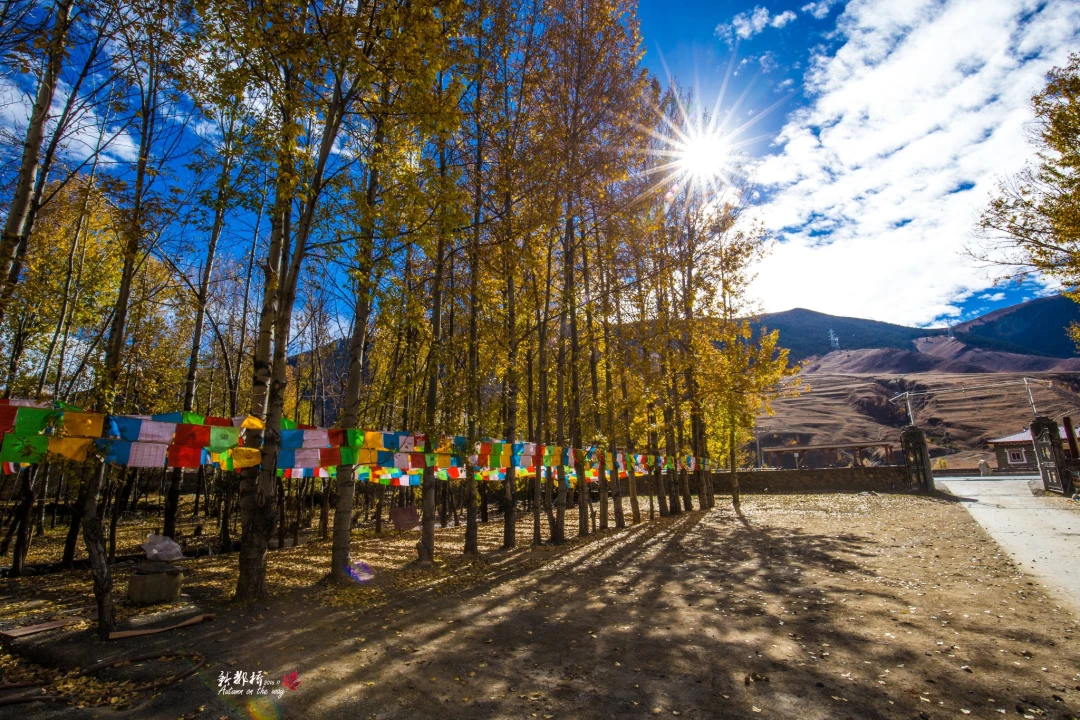
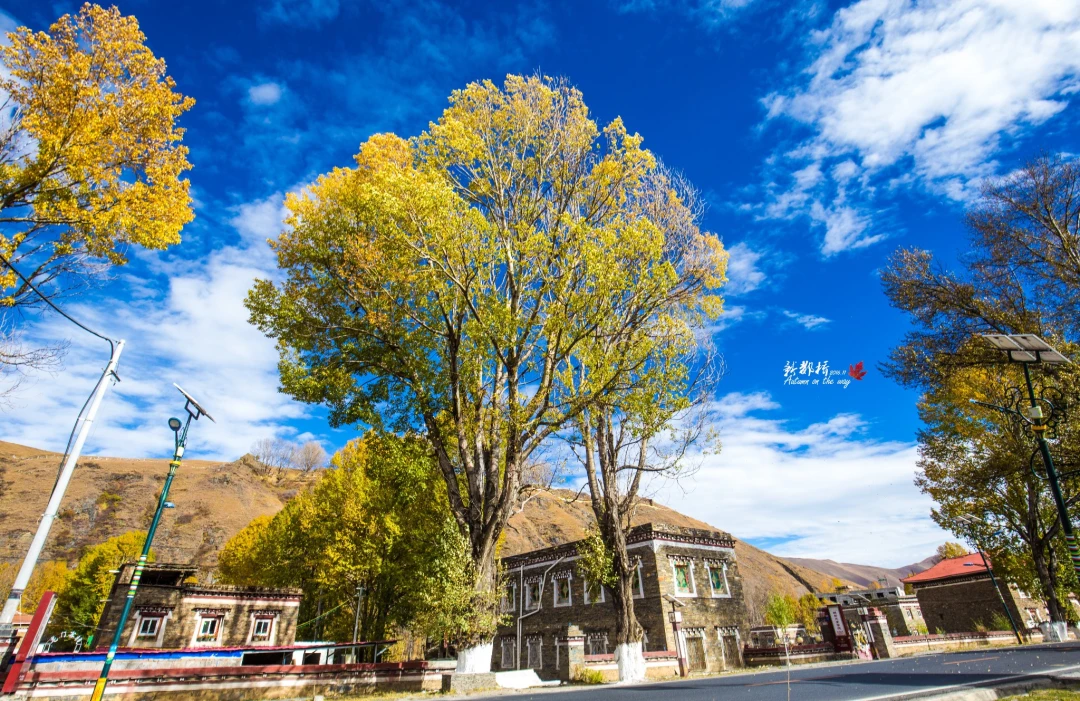
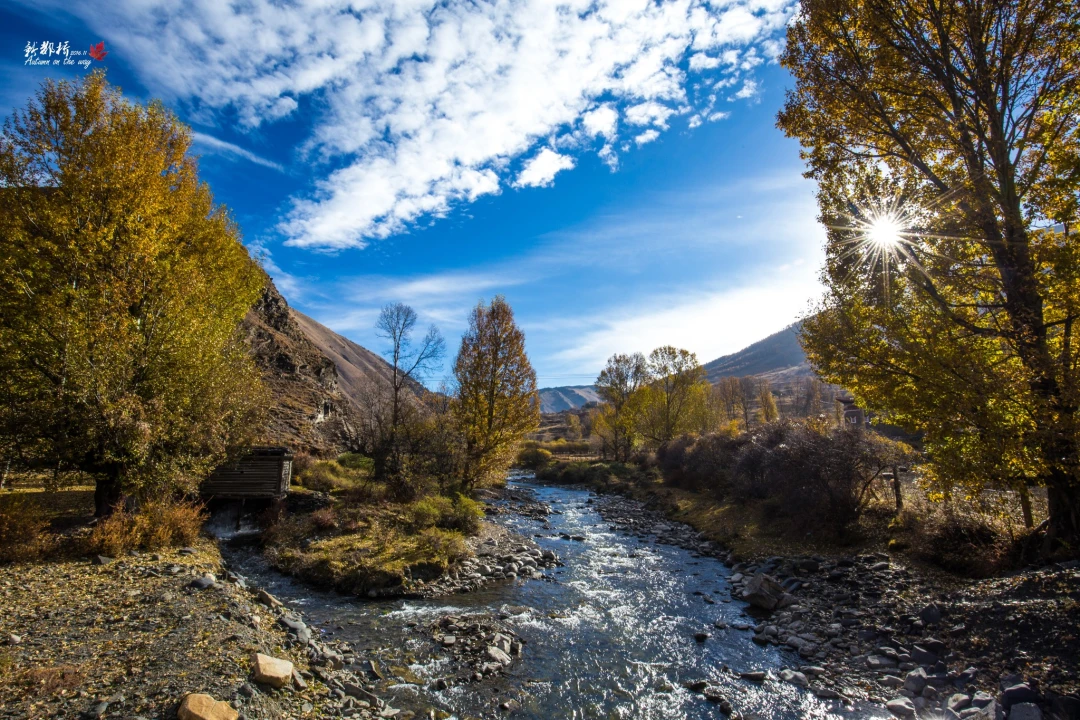
- Golden poplar forests: Rows of towering poplars turn brilliant yellow in late October to early November.
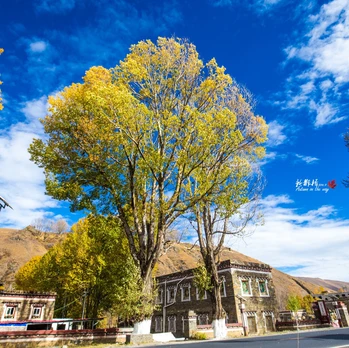
- Tibetan villages: Scattered farmhouses with white walls and colorful prayer flags add cultural depth.
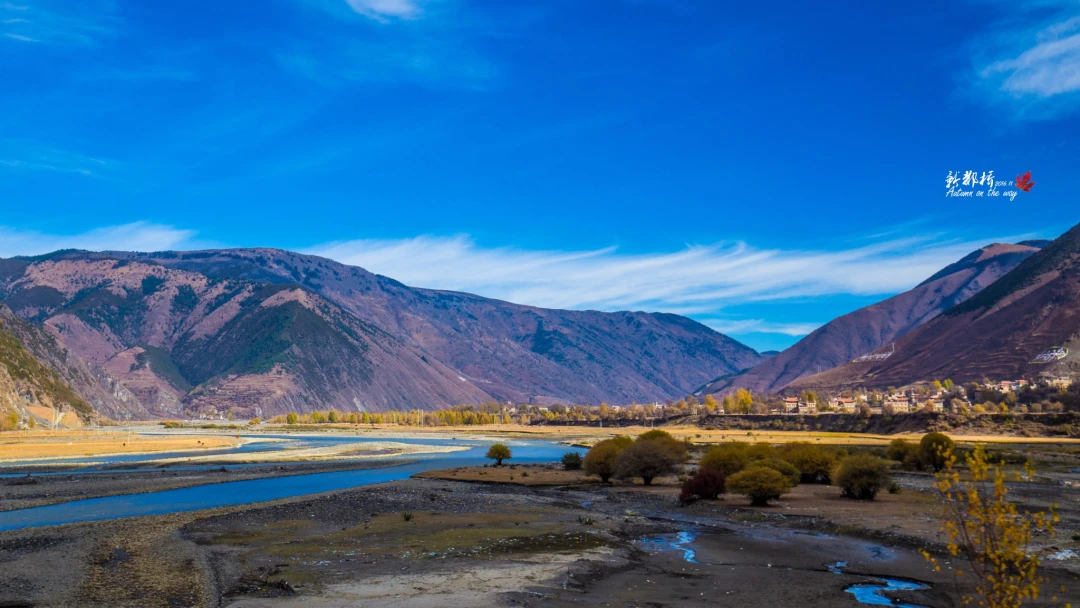
- Rolling mountains and grazing animals: The pastoral scene feels straight out of a Chinese landscape painting.
Xinduqiao is often a stopover for travelers heading to Tibet or Daocheng Yading on the G318 Highway. But for those who linger, it reveals a world of beauty that rivals any major scenic spot in western Sichuan.
When to Visit Xinduqiao for the Best Autumn Colors
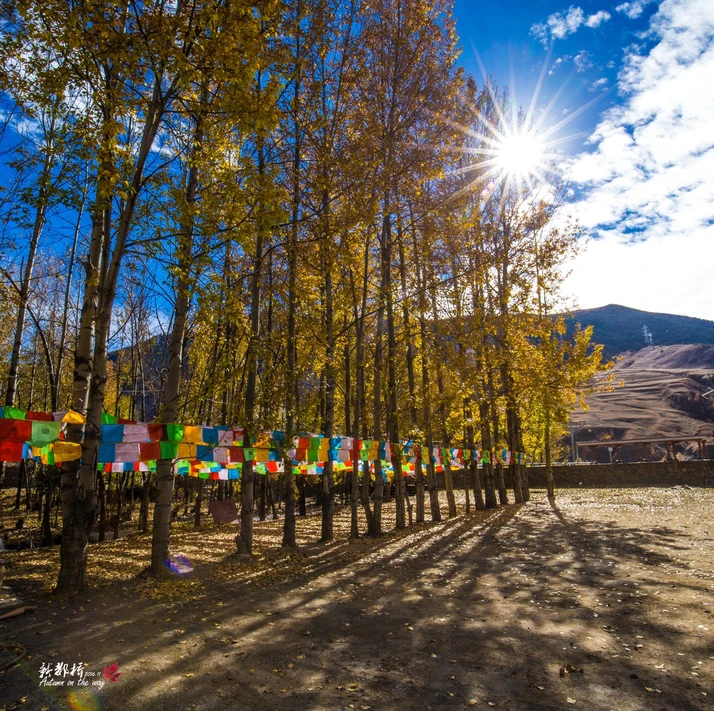
Timing is everything. The autumn foliage in Xinduqiao typically peaks from mid-October to early November. However, local conditions vary yearly due to weather patterns. Before booking, check recent travel blogs or contact local guesthouses for real-time updates.
Pro tip: If you arrive in early November and find the leaves have already fallen, don't despair. The bare poplar branches against the blue sky and snow-capped mountains create a different, equally stunning aesthetic.
How to Get to Xinduqiao: Transportation Options
Xinduqiao is 81 kilometers from Kangding city center and 45 kilometers from Kangding Airport. Here are the most practical ways to reach it:
Option 1: Bus + Shared Ride (Budget-Friendly)
 - Step 1: Take a bus from Chengdu's Xinnanmen Station to Kangding (about 8 hours, 135 yuan). - Step 2: At Kangding station, find a shared minivan to Xinduqiao (about 40 yuan per person).
Option 2: Flight + Chartered Car (Time-Saving)
 - Step 1: Fly into Kangding Airport (limited flights; check schedules in off-season). - Step 2: Charter a car from the airport to Xinduqiao (about 200 yuan).
Sample 3-Day Itinerary
- Day 1: Chengdu → Kangding (bus) → Xinduqiao (shared ride)
- Day 2: Chartered car day trip (Jiagenba + Tagong)
- Day 3: Xinduqiao → Kangding Airport → Chengdu → Kunming
Cost Breakdown for a Budget-Friendly Xinduqiao Trip
| Item | Cost (yuan) |
|---|---|
| Chengdu-Kangding bus | 135 |
| Kangding-Xinduqiao shared ride | 40 |
| Xinduqiao chartered car day trip | 300 |
| Xinduqiao-Kangding Airport | 200 |
| Total transportation | 675 |
Accommodation and meals vary, but budget around 150-300 yuan per night for a guesthouse and 50-100 yuan per day for food.
Photography Gear Recommendations for Xinduqiao
To capture the "spectacle of light and shadow," consider this gear setup:
- Camera: Full-frame DSLR (e.g., Canon 6D) for low-light performance.
- Lenses: Wide-angle (16-35mm f/4) for landscapes and telephoto (70-200mm f/2.8) for compression shots of poplar forests and distant mountains.
- Post-processing: Lightroom for color grading and Photoshop for detailed edits.
Tip: Xinduqiao's light changes rapidly—be ready to shoot during golden hour (sunrise and sunset) for the best results.
Day 1: From Chengdu to Xinduqiao – Scenery and Anticipation
The journey from Chengdu to Xinduqiao is an adventure in itself. After a 7:15 AM visa interview at the U.S. Consulate in Chengdu, I rushed to Xinnanmen Station for a 9:00 AM bus. The double-decker bus offered excellent views from the front row (seats 1 and 2), though the window was slightly dirty.
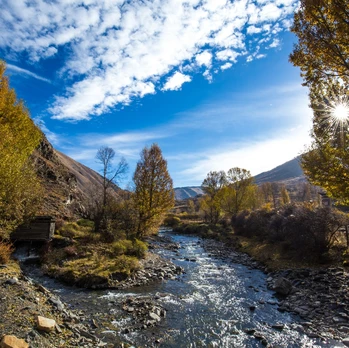
The route passed through Ya'an on the expressway, then entered the winding G318 National Highway. Construction on a new Ya'an-Kangding expressway caused some traffic jams, but the scenery compensated: near Luding, we spotted the distant Gongga Snow Mountain, and after Luding, the Dadu River accompanied us.
We arrived at Kangding Station around 5:00 PM, found a shared minivan to Xinduqiao, and reached our guesthouse by 7:00 PM. The innkeeper's first words were sobering: "You're too late. Most of the leaves have already fallen." This taught me an important lesson: always check local conditions before traveling.
Day 2: The Right Way to Experience Xinduqiao – A Chartered Car Day Trip
Must-Visit Spots Around Xinduqiao
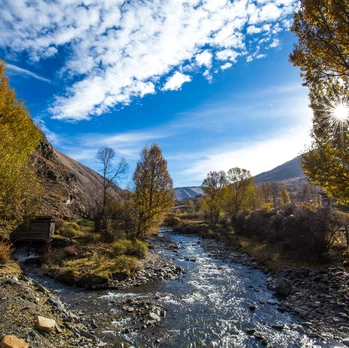
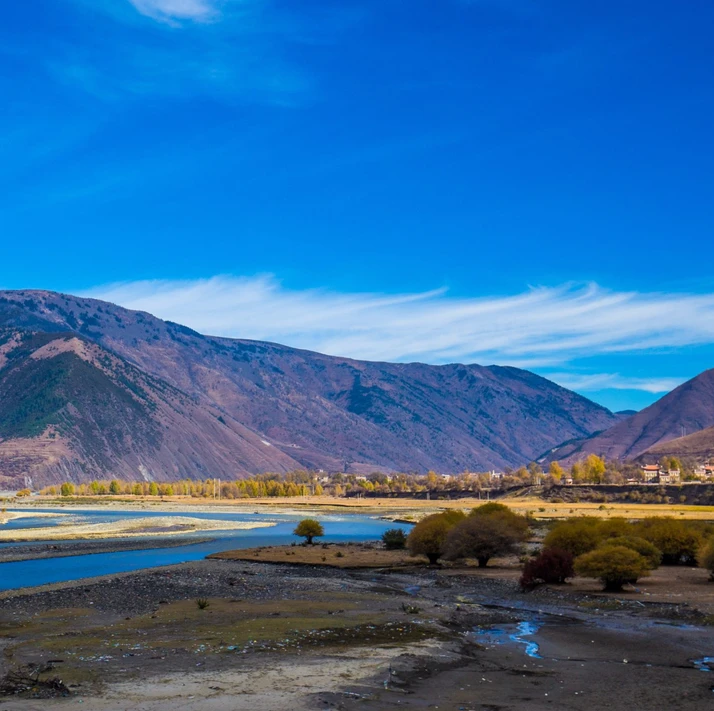
- National Highway G318 and Provincial Road S215: These roads form the "10-Li Photography Corridor." The areas along S215—Jiagenba Township and Tagong Township—are even more rewarding.
- Jiagenba Township: South of Xinduqiao, featuring streams, river valleys, and the Diaolou (stone watchtowers) of Pengbuxi Township.
- Tagong Township: North of Xinduqiao, home to Tagong Temple and Tagong Grassland, with views of Yala Snow Mountain.
- Zheduo Mountain Pass: A must-pass spot on the way to Kangding Airport.
- Waze Township: Offers a second viewing platform for Gongga Snow Mountain—ideal for sunrise or sunset.
Morning: Surprises and Regrets
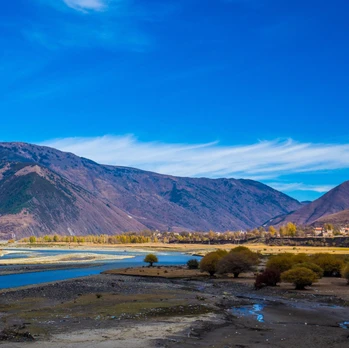
After a freezing night, a clear sunny day dawned. Other guests showed me photos of the Gongga Snow Mountain at sunrise—golden light spilling over snowy peaks. I planned to go the next day, but thick clouds rolled in, and I saw nothing.
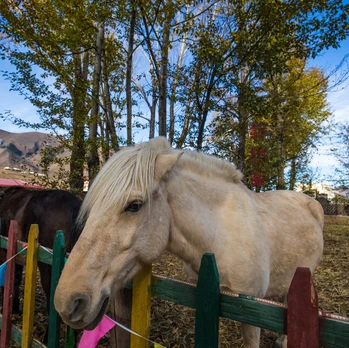
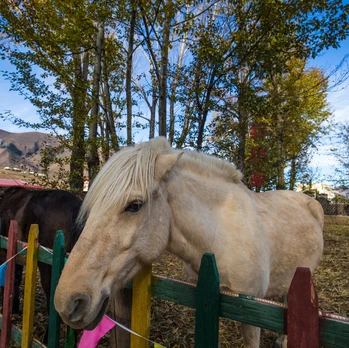
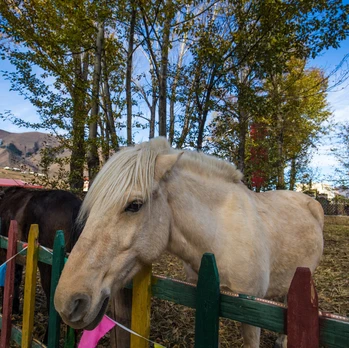
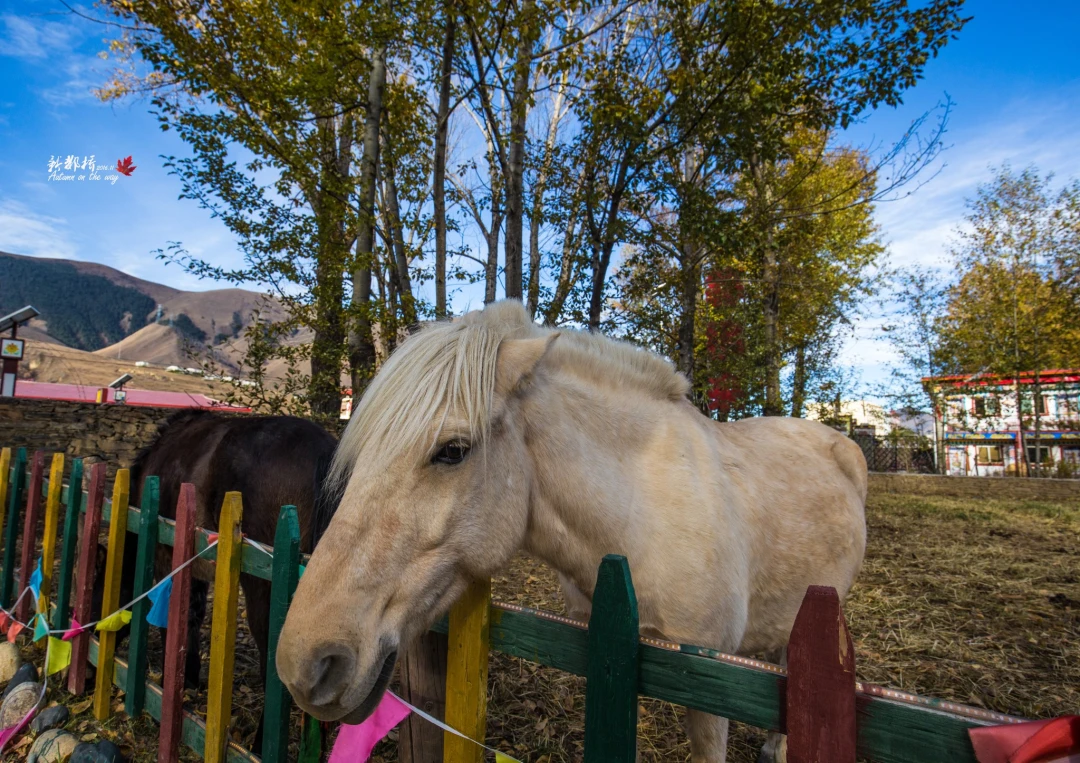
My guesthouse was a typical Tibetan-style building. The owners kept horses, and like in Dali and Lijiang, outsiders rent land to build guesthouses while locals provide services like yak butter tea and chartered car rides.
The innkeeper connected us with a local driver named Dorje. We negotiated 300 yuan for a day trip and 200 yuan for airport transfer. His modern SUV was a reminder that Tibetan entrepreneurs are savvy businesspeople.
First Stop: Jiagenba and Pengbuxi – Every Shot Is a Masterpiece
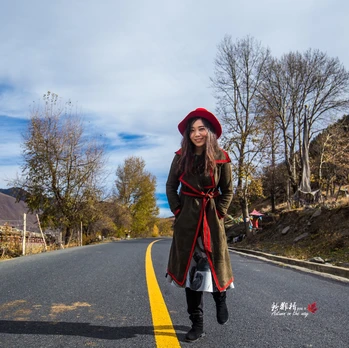
We skipped Lotus Lake (over 100 kilometers away) and headed toward Jiagenba and Pengbuxi. Along the way, every random shot looked like a postcard.
At the first stop, Dorje showed me a photo his friend had taken there—morning mist, a faint rainbow, and a golden poplar forest. Unfortunately, we arrived too late for the mist, but the clear light still created stunning contrasts.
Pro tip: For the best morning mist shots, arrive at Jiagenba before 8:00 AM during late autumn.
Afternoon: Tagong Township – Where Culture Meets Nature
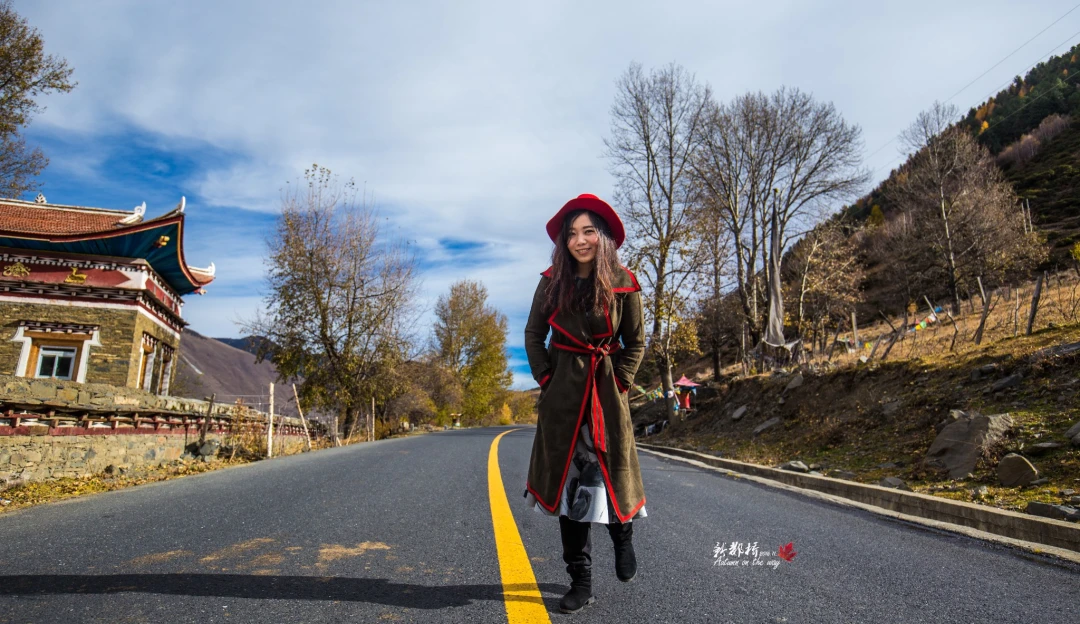
After Jiagenba, we drove north to Tagong Township. The hillsides along the way are carved with the Six-Syllable Mantra, adding a spiritual dimension to the landscape.
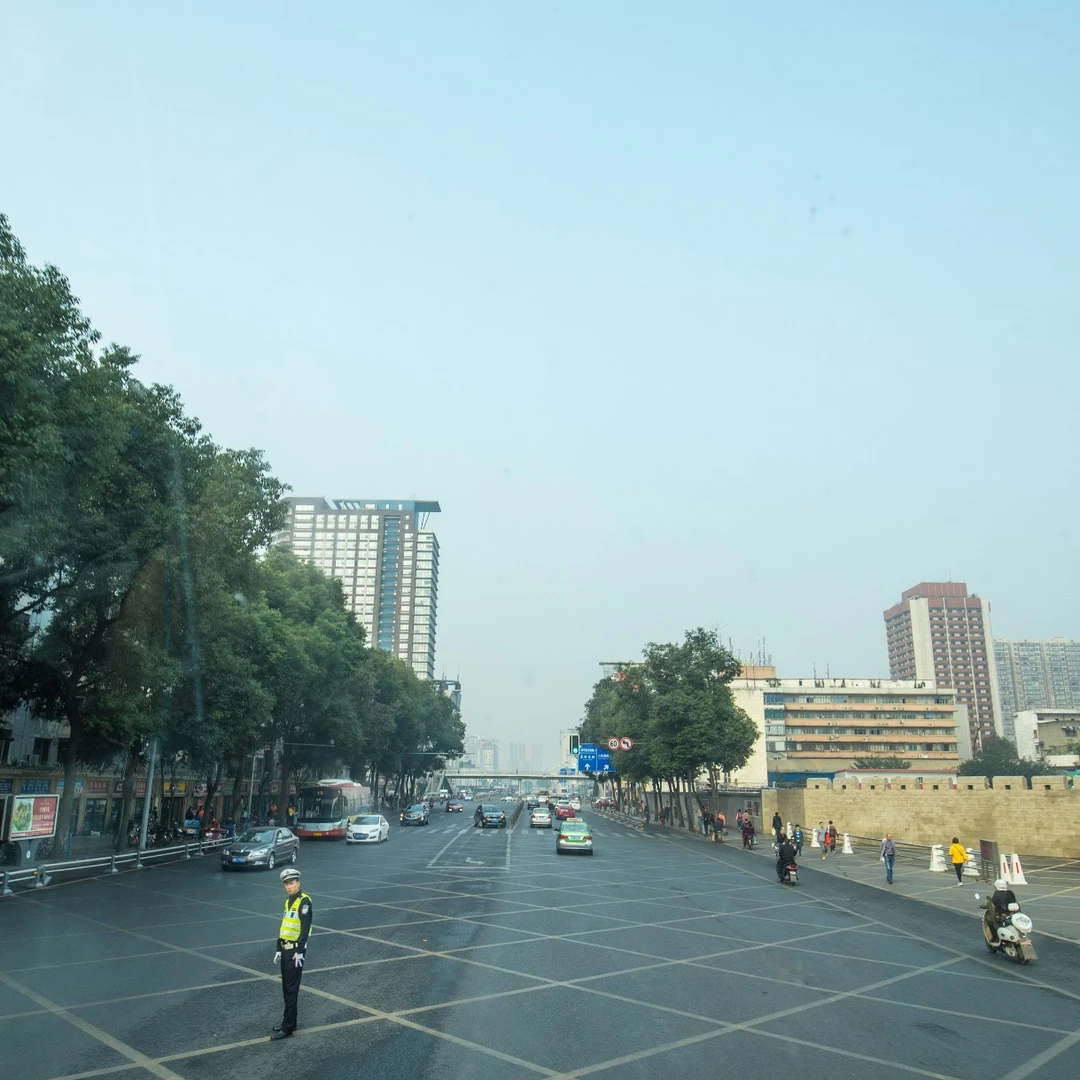
Tagong Temple, a Gelugpa (Yellow Hat) sect monastery, is a must-visit. Its golden roofs and white walls contrast beautifully with the blue sky. The Tagong Grassland offers panoramic views of Yala Snow Mountain, and cattle and sheep graze peacefully.
Photography tip: Use a telephoto lens to compress the distance between the temple and the snow mountain for a dramatic composition.
Day 3: Departure from Xinduqiao – A Bittersweet Farewell
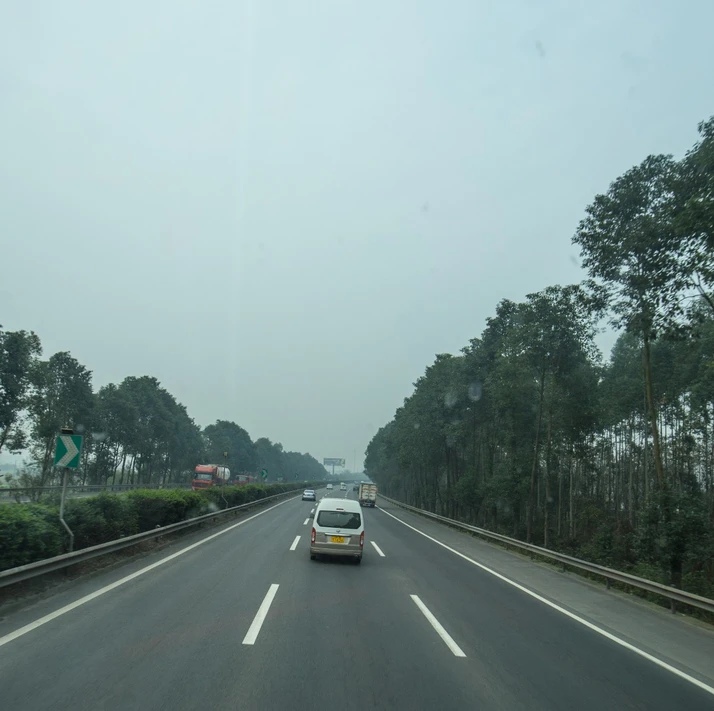
On the third day, Dorje drove us to Kangding Airport. The drive included a stop at Zheduo Mountain Pass (4,298 meters), where we saw prayer flags fluttering in the wind. The clouds had returned, obscuring the Gongga Snow Mountain—a reminder that luck plays a role in mountain photography.
From Kangding Airport, we flew to Chengdu and then back to Kunming. Despite the imperfect weather, the trip left an indelible impression. Xinduqiao in late autumn is a place where light, shadow, and nature conspire to create magic.
Frequently Asked Questions About Xinduqiao
1. Is Xinduqiao worth visiting in late autumn?
 Absolutely. Late autumn (mid-October to early November) offers the best golden poplar colors and dramatic light-and-shadow effects. Even if the leaves have fallen, the bare trees against the snow-capped mountains create a unique beauty.
2. How many days do I need for Xinduqiao?
 Three days and two nights is ideal. This allows one full day for a chartered car tour of Jiagenba and Tagong, plus travel time from Chengdu or Kangding.
3. What should I pack for Xinduqiao in autumn?
 Warm clothing (temperatures drop to near freezing at night), a good camera with wide-angle and telephoto lenses, sunscreen, and altitude sickness medication (Xinduqiao is at 3,300 meters).
4. Can I visit Xinduqiao without a car?
 Yes. Use the bus + shared ride option from Chengdu to Kangding, then hire a local driver for day trips. Many guesthouses can arrange chartered cars.
5. What are the best photography spots in Xinduqiao?
The "10-Li Photography Corridor" along G318 and S215, Jiagenba Township for morning mist, Tagong Township for cultural landscapes, and Zheduo Mountain Pass for panoramic views.
Internal Linking Suggestions
- [Link: Best time to visit western Sichuan for autumn colors]
- [Link: Photography tips for high-altitude landscapes]
- [Link: How to plan a G318 National Highway road trip]
- [Link: Top Tibetan guesthouses in Kangding area]
- [Link: Budget travel guide to Garzê Tibetan Autonomous Prefecture]
Conclusion: Your Xinduqiao Adventure Awaits
Xinduqiao is more than a stopover—it's a destination that rewards those who take the time to explore. From the golden poplar forests of Jiagenba to the spiritual atmosphere of Tagong Temple, every corner offers a new perspective on the "spectacle of light and shadow."
Ready to plan your trip? Start by booking your bus ticket from Chengdu to Kangding, and contact a local guesthouse for chartered car arrangements. Don't forget to check the latest autumn foliage reports before you go.
Share your Xinduqiao photos with us on social media using #XinduqiaoMagic – we'd love to see your captures!
Safe travels, and may the light of western Sichuan guide your lens.
You may also like