The Power of Walking: Searching for a Restless Heart Amid the Splendor of Western Sichuan
Meta Description: Discover the transformative power of walking through Western Sichuan. From Niubei Mountain's sea of clouds to Xinduqiao's autumn colors, find your restless heart in this epic self-discovery journey. Essential tips inside.
Prologue: When an Ordinary Soul Encounters Western Sichuan
Some say travel is about escape. Others call it searching or self-exile. But for me, walking through Western Sichuan felt like a ritual of inner dialogue—a chance to leave behind the city's clamor and replace daily trivialities with mountains, rivers, and a restless heart finally finding its place to settle.
Western Sichuan travel—this land blessed by heaven—taught me that ordinary people can have extraordinary journeys. From mist-shrouded Niubei Mountain to vibrant Yading Village, from ever-changing Daocheng skies to soul-stilling Seda landscapes, every step posed a question to my soul.
This isn't a rigid travel guide. It's the record of an ordinary person walking through Western Sichuan. If you've ever felt lost or longed to escape, follow me on this journey of self-discovery.
Preparation Before Departure: The Wisdom in a Backpack
Gear List: Less Is More
A 60-liter backpack held my entire world:

Clothing Essentials for Western Sichuan: - Thick cotton jacket (plateau chill is real) - Windbreaker for changeable weather - Rainproof jacket (non-negotiable) - Cargo pants + fleece pants - Thermal underwear - Two hoodies - Hiking boots - Hat, headscarf, sunglasses, gloves (the plateau sun and wind show no mercy)
Miscellaneous Must-Haves: - Camera (Panasonic G6 with 14-42mm lens) - Tripod (essential for starry sky photography) - Phone clip, toiletry bag, flashlight, umbrella - Power strip, water bottle - Condoms (don't misunderstand—they're waterproof for storing phones and documents)
Medication for Altitude Sickness: Cold medicine, fever reducers, stomach medicine, anti-inflammatories, quick-acting heart-saving pills, small first-aid kit. Altitude sickness is no joke—better safe than sorry.
Food: Compressed biscuits and candy. Above 4,000 meters, a single piece of candy can save your life.
Route Planning: From Xi'an to Chengdu, Then to the Clouds
My Western Sichuan self-driving route looked like this:
Xi'an → Chengdu → Ya'an → Xinglong Town → Niubei Mountain → Luding → Kangding → Xinduqiao → Yajiang → Litang → Daocheng → Yading → Daocheng → Litang → Xinlong → Ganzi → Luhuo → Seda → Luhuo → Daofu → Bamei → Xinduqiao → Kangding → Ya'an → Chengdu → Xi'an
I originally planned to return from Bamei via Danba, Barkam, and Wenchuan. But the beauty of travel lies in unpredictability—plans never survive reality.
Chapter One: Niubei Mountain in Mist and Clouds—Finding Yourself in a Fairyland
The Way Up: Five Paths, Five Experiences
Niubei Mountain hiking (3,700 meters) is famous for spectacular sea of clouds and starry skies. Five ways to ascend, each with its own flavor:
Pure Hiking Route: From Lengqi Town to "Uncle Deng's Place," a 20-yuan motorcycle ride to the trailhead. Normally a 10-hour trek. Suitable for hardcore hikers with plenty of stamina.
Drive to Street Garden, Then Hike: Carpool from Lengqi Town to Street Garden (100 yuan/person), then hike 5 hours to the summit. Most recommended—gives you hiking joy without being too punishing.
Pure Carpooling: 100 yuan to Street Garden, another 100 yuan to summit—200 yuan total. Good for those short on time or lacking energy.
Motorcycle: Also reportedly 100 yuan, but bumpiness rivals a roller coaster.
Self-Driving: We drove from Xinglong to Street Garden. That old road was incredibly tough—even locals rarely use it. Don't attempt this route if driving yourself.
Surprises on the Trail: Looking Back Always Pays Off
Going up, we traveled light with small bags. The scenery resembled Huangshan Mountain, but surprises kept coming. Our guide kept telling us to look back—and every time we turned around, there was an unexpected reward.
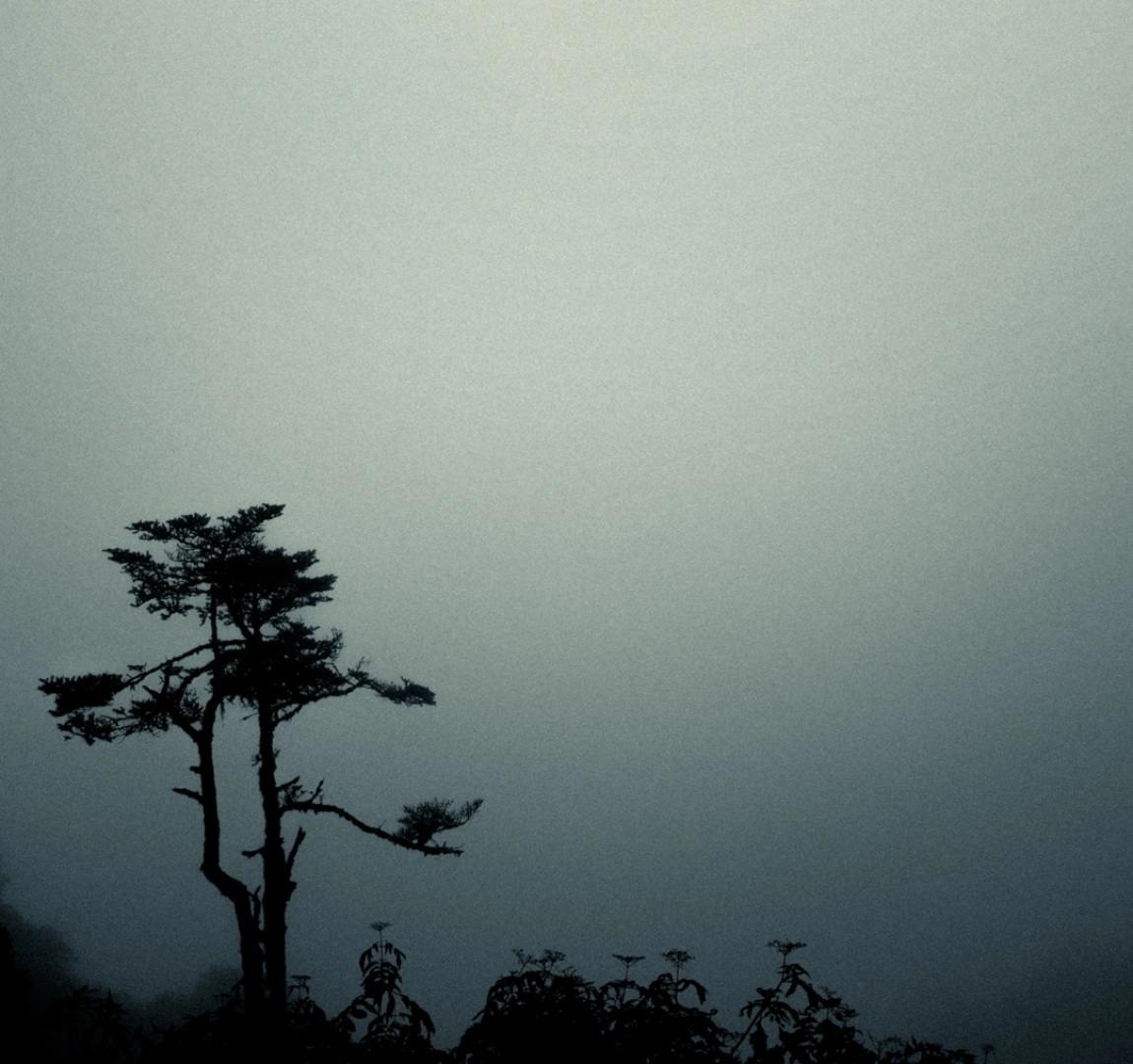
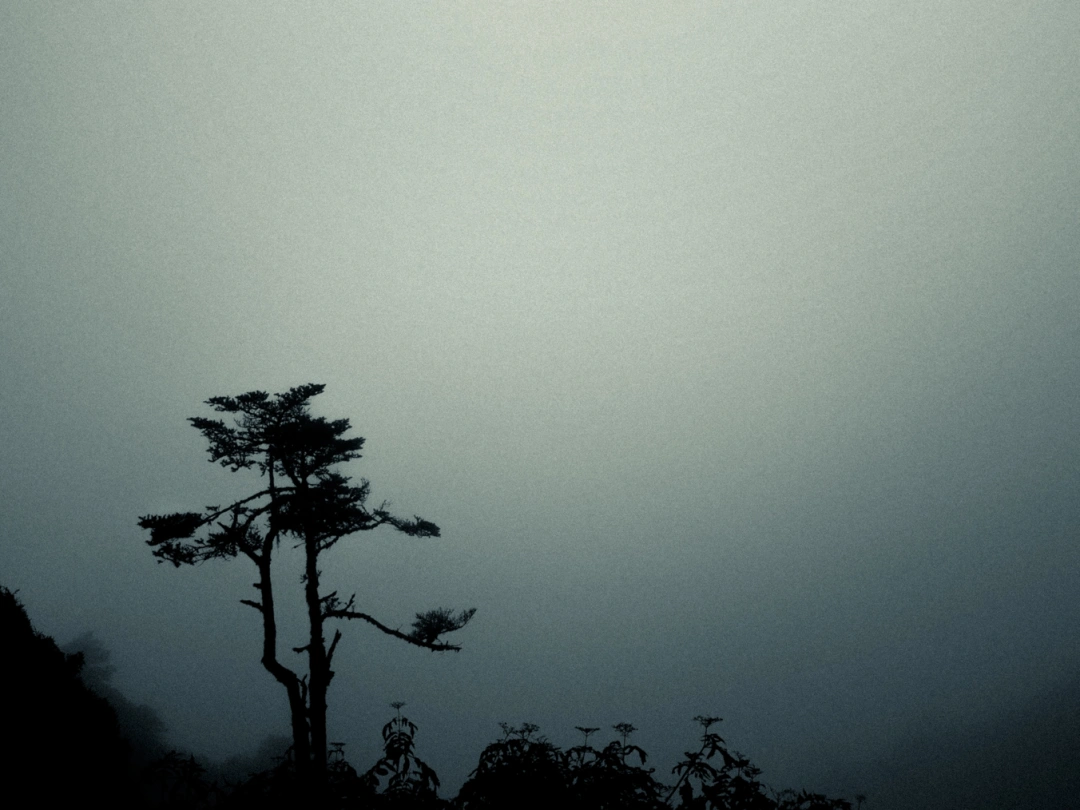
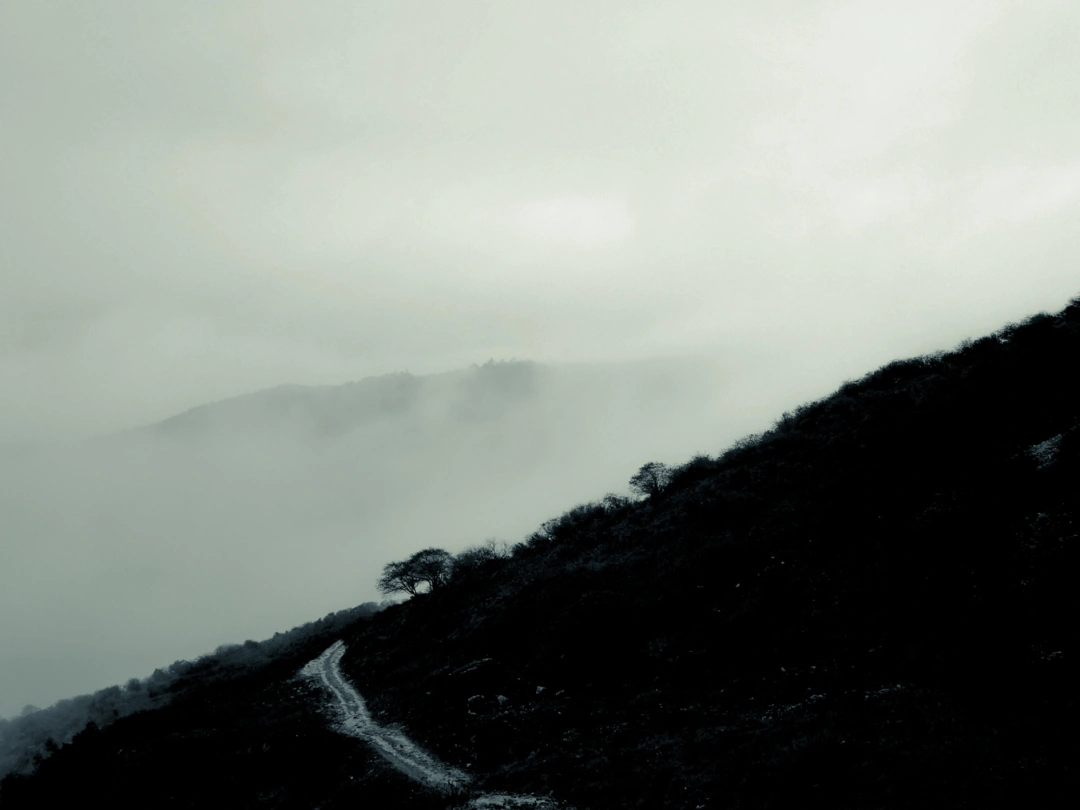
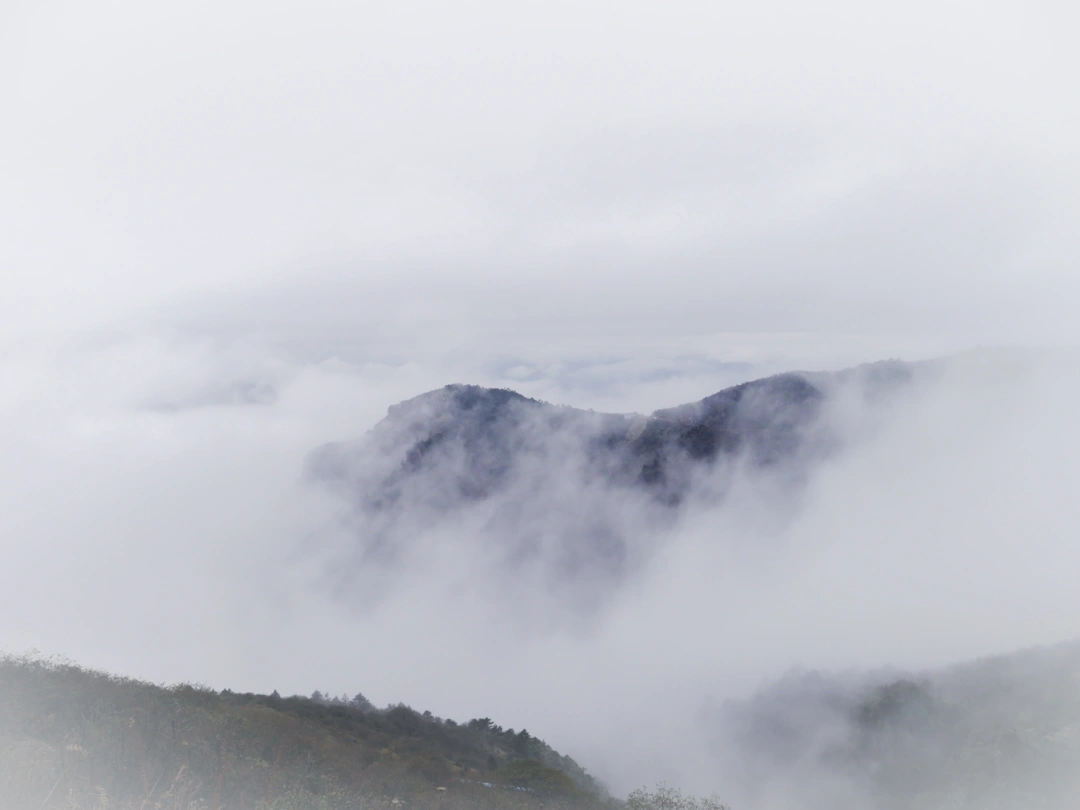
At lower elevations, vegetation was lush. As altitude increased, the landscape grew barren. Amid swirling mist, a solitary tree stood as if telling a story. Gradually, distant ridges emerged like a fairyland scene.
The Warmth of Photography Home: Finding Humanity in Hardship
Photography Home was a decent guesthouse on the mountain. The auntie who ran it was incredibly kind. Off-season: dorm bed 50 yuan/person, triple room 100 yuan/bed. Peak season: dorm 100 yuan, room 180 yuan/person (two people can share one bed). Conditions were rough—no showers—but this was the best option available.
Electricity came on at 7 PM and went off at 10 PM. Blankets were damp and icy—plug in the electric blanket as soon as power came on. Water was precious—the auntie hauled it up in buckets every day. At 3,700 meters, walking even a kilometer left you gasping. Please cherish every drop.
Food: fried rice and noodles 15-20 yuan a bowl, vegetable dishes 20 yuan, meat dishes around 35 yuan. We ordered two meat dishes and three vegetable dishes, borrowed liquor from a fellow traveler, and had a small drink that warmed the entire night.
The Gift of the Stars: A Midnight Surprise
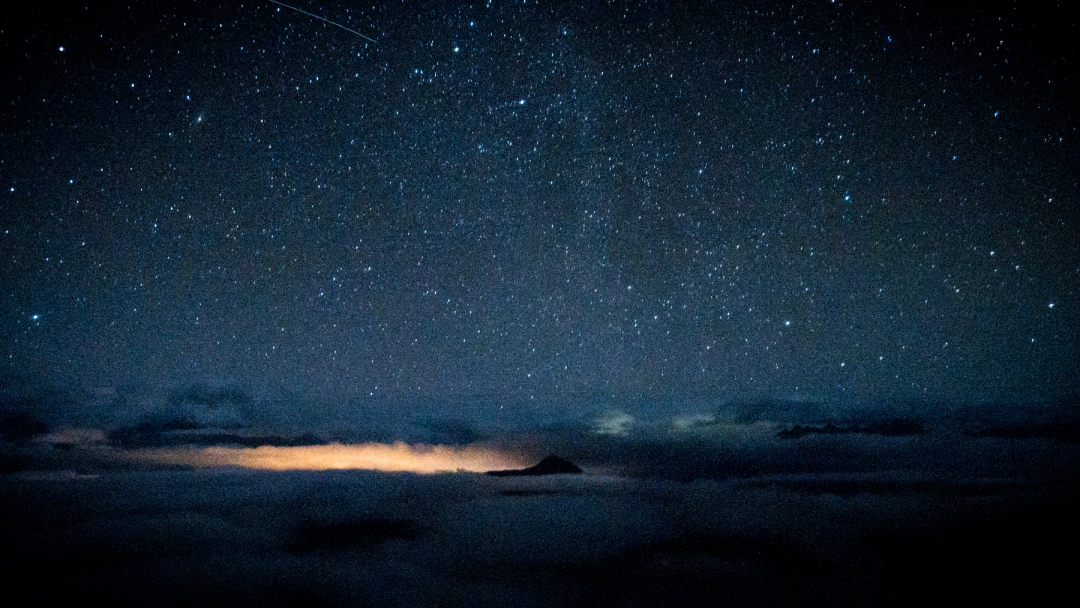
The next morning, when I pulled back the curtain and saw the stars, I shot up like I'd been jolted by electricity, grabbed my camera, and raced to the summit. I was the first one there—excitement indescribable.
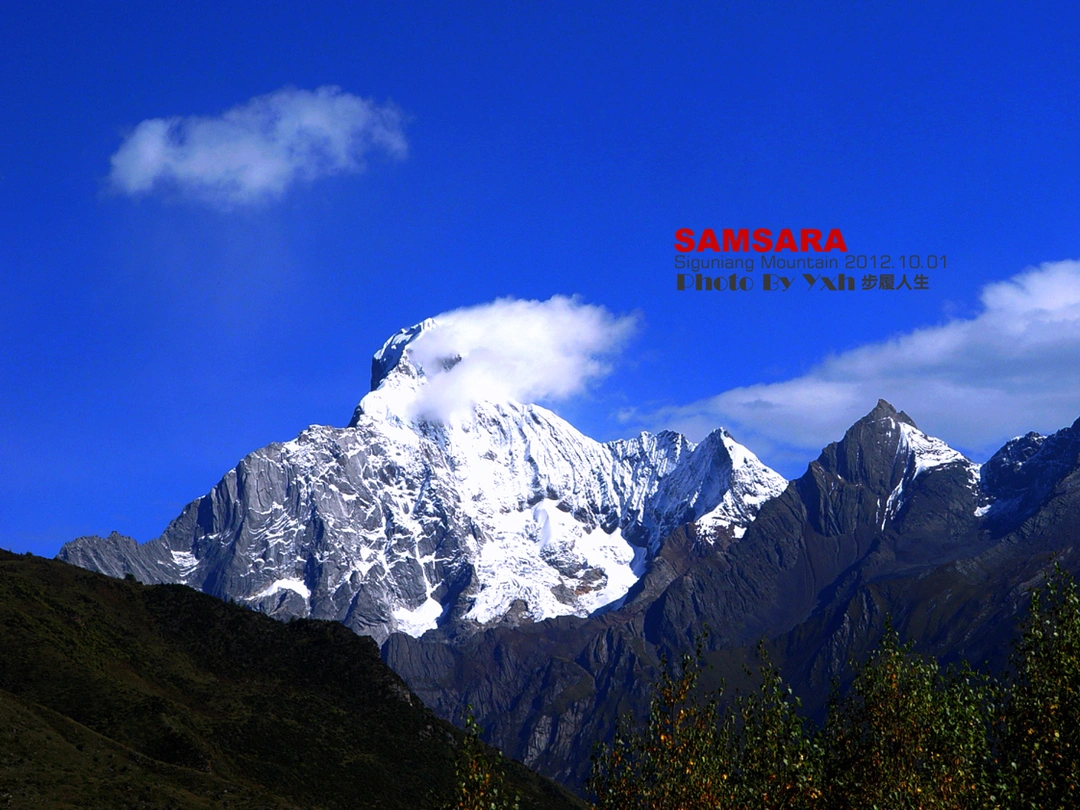
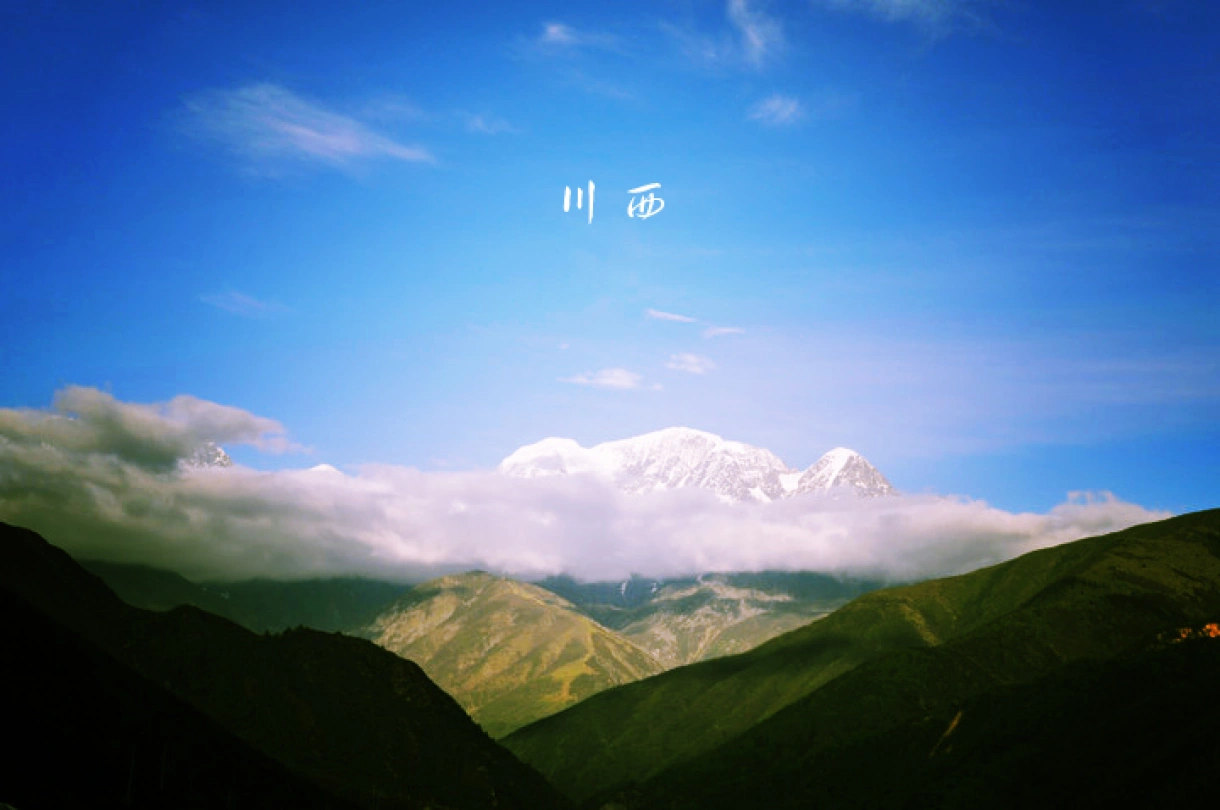
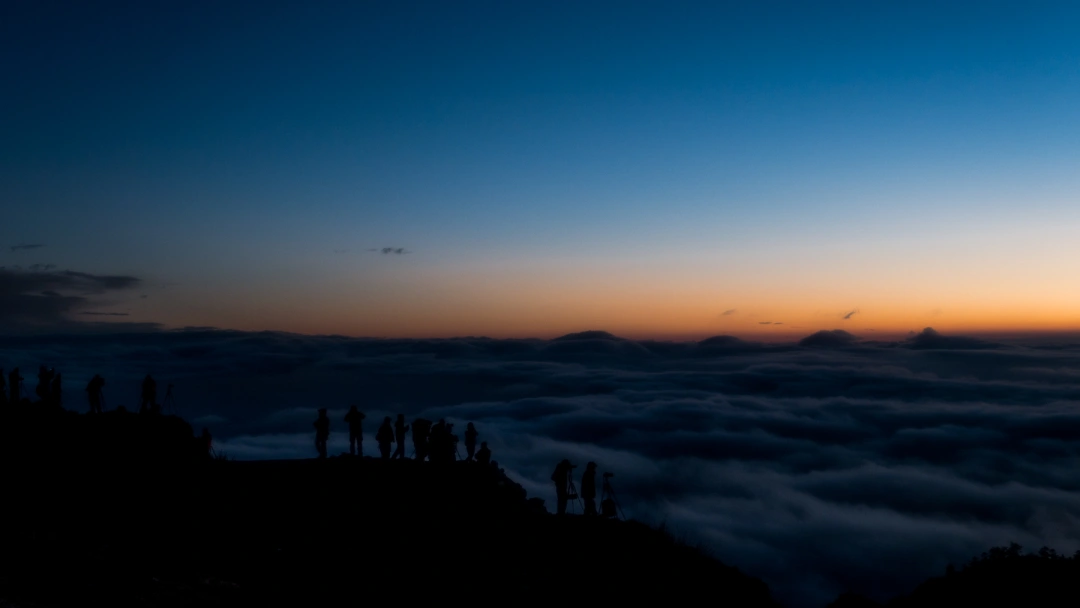
Stars, sea of clouds, sunrise, Mount Gongga, golden peaks illuminated by dawn—Niubei Mountain sunrise was a visual feast. A mysterious glow beneath the cloud layer inspired me to shoot a time-lapse video (only 12 frames, unfortunately, because my camera malfunctioned later).
Master photographers waited for sunrise, but I photographed them. Their silhouettes with long lenses and big tripods looked strangely ceremonial in the morning light. Golden peaks slowly emerged, clouds as rich as a painting—one formation looked like a wolf with an eagle's head, stepping out of a myth.
The Joy of Descending: The Pleasure of Hiking Alone
After seeing everything, I packed up contentedly and headed down. The auntie's son kindly gave me a free ride down—my luck was running high. I started hiking ahead of schedule, listening to music and moving fast. If anyone watched from above, they'd see a tiny dot moving at incredible speed.
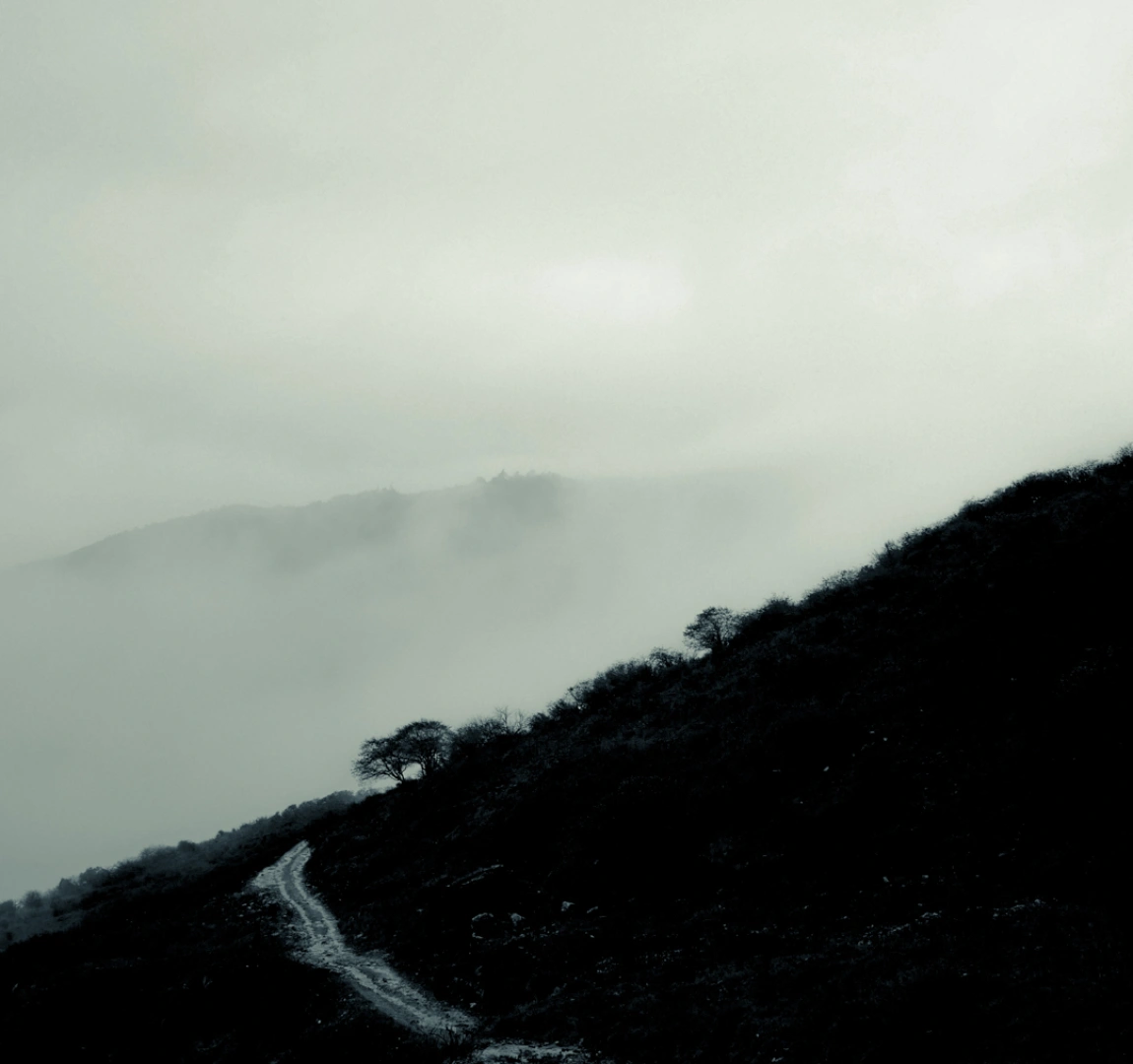
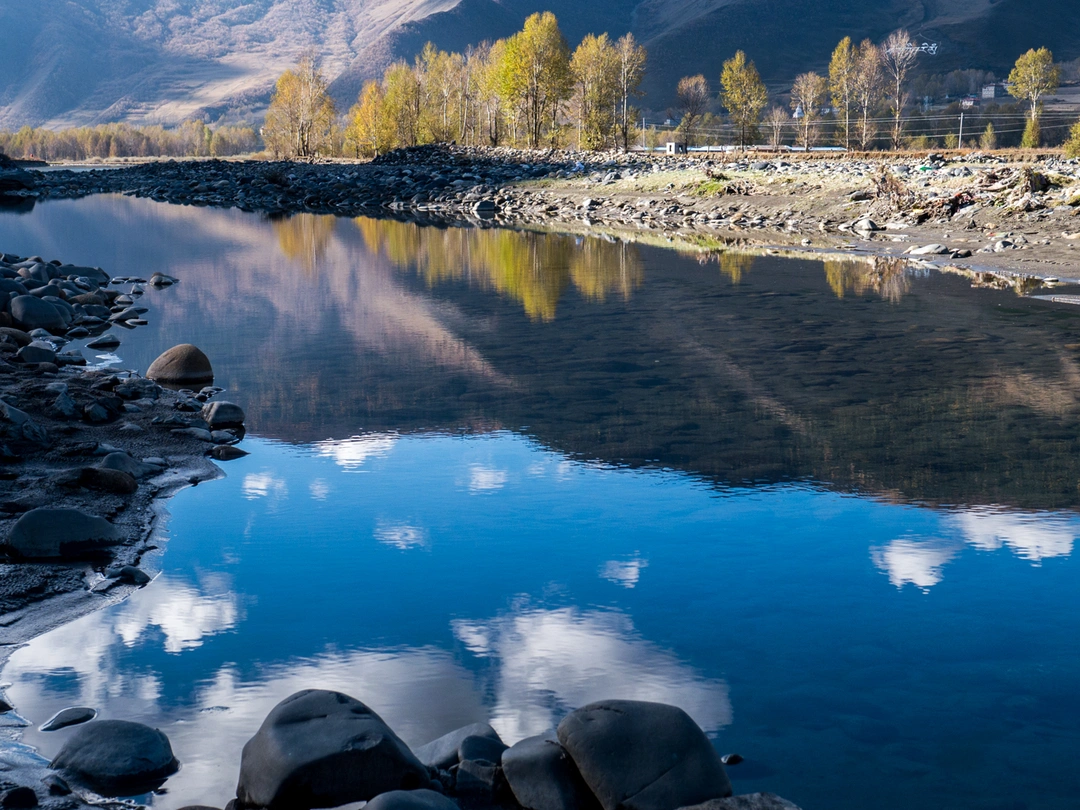
The weather was clear on the way down—even puddles looked beautiful. As altitude dropped, vegetation showed autumn colors, as if seeing me off.
Tip: Although Niubei Mountain is only 3,700 meters high, many people suffer from altitude sickness at night. Take preventive measures and avoid strenuous exercise. Also, please don't litter—when your children come to see this place, don't let them find a sea of trash.
Chapter Two: The Vibrant Splendor of Xinduqiao—A Feast of Light and Shadow
The Warmth of Hitchhiking: Meeting Kind Souls
Leaving Kangding, I started hitchhiking in Western Sichuan. An Audi Q5 pulled over—the driver was taking a friend to Kangding Airport and planned to wait for his wife in Xinduqiao. He kept asking if I wanted to stop for photos, and every time I took a picture, he'd slow down gently—such kindness left me speechless.
Autumn Colors at Xinduqiao: A Symphony of Hues
When I arrived at Xinduqiao autumn photography spot, the sky was incredibly blue, the clouds brilliantly white. Although some leaves had already fallen, it was still beautiful. I started a self-portrait session on a grassy patch—my mirrorless camera let me control it in real time via my phone's WiFi, which was incredibly convenient.
The sky at Xinduqiao changes constantly—one moment deep blue, the next filled with dramatic clouds. This is why photographers call it "the paradise of light and shadow." Every angle offers a different masterpiece.
[Link: Best photography spots in Western Sichuan]
Chapter Three: Daocheng Yading—The Last Pure Land on Earth
The Journey to Yading: Testing Your Limits
Daocheng Yading hiking is not for the faint of heart. At altitudes above 4,000 meters, every step feels like a test of will. But the reward? Unmatched beauty that words cannot capture.
The three holy mountains—Chenresig, Chanadorje, and Jambeyang—stand as silent guardians. Milk Lake and Five-Color Lake shimmer like jewels at their feet. Walking here, you understand why locals call this "the last pure land on Earth."
Altitude Sickness: The Unwanted Companion
Altitude sickness hit me hard at Yading. Headache, nausea, shortness of breath—all the classic symptoms. But I learned something valuable: slow down, breathe deeply, and let your body adapt. Candy and water became my best friends.
[Link: Altitude sickness prevention tips]
Chapter Four: Seda—The Soul-Stilling Landscape of Faith
The Red Houses of Seda: A Sea of Devotion
Seda Larung Gar Buddhist Academy is unlike anywhere else on Earth. Thousands of red wooden houses cling to the mountainside, home to monks and nuns pursuing enlightenment. The sight is overwhelming—a sea of red against green mountains, with golden temple roofs shining in the distance.
Walking through Seda, I felt my restless heart finally still. The sound of chanting, the smell of incense, the sight of prayer flags fluttering in the wind—everything here speaks of faith and peace.
Photography at Seda: Respect Before Art
Seda is a photographer's dream, but remember: this is a sacred place. Ask permission before photographing people. Don't disturb prayer ceremonies. And never enter restricted areas marked for monks or nuns only.
[Link: Cultural etiquette for visiting Tibetan Buddhist sites]
FAQ: Your Western Sichuan Travel Questions Answered
1. What is the best time to visit Western Sichuan?
The best time for Western Sichuan travel is September to October (autumn colors) and April to May (spring blooms). Summer (June-August) has lush greenery but occasional rain. Winter (November-March) offers fewer crowds but colder temperatures and some road closures.
2. How do I prevent altitude sickness in Western Sichuan?
Acclimatize gradually: spend a day or two in Kangding (2,600m) before heading higher. Stay hydrated, avoid alcohol, eat light meals, and consider taking acetazolamide (Diamox) after consulting your doctor. Carry candy and compressed biscuits for quick energy.
3. Is Western Sichuan safe for solo travelers?
Yes, solo travel in Western Sichuan is generally safe. Locals are friendly and helpful. However, be prepared for limited English, especially in remote areas. Download offline maps, carry a power bank, and share your itinerary with someone back home.
4. What should I pack for a Western Sichuan hiking trip?
Essentials include: warm layers, rain jacket, hiking boots, sun protection (hat, sunglasses, sunscreen), medications for altitude sickness, power bank, reusable water bottle, and snacks. A tripod is essential for starry sky photography.
5. How much does a Western Sichuan trip cost?
Budget travelers can manage with 200-300 yuan per day (hostels, local food, public transport). Mid-range travelers spend 500-800 yuan per day (private rooms, car rentals, better meals). Peak season (October) prices are higher.
Conclusion: The Journey Continues
Walking through Western Sichuan taught me something profound: the power of walking isn't just about covering distance. It's about uncovering yourself. Each step on Niubei Mountain, each moment at Xinduqiao, each breath at Yading—they all asked the same question: "What are you searching for?"
And the answer? It's not a destination. It's the journey itself. The restless heart finds peace not when you arrive, but when you realize that every step is home.
Your turn: Pack your backpack, lace up your hiking boots, and hit the trail. Western Sichuan is waiting. The mountains will speak to you—if you're willing to listen.
[Link: Complete Western Sichuan itinerary guide] [Link: Budget travel tips for China's Sichuan province]
Have you walked through Western Sichuan? Share your experience in the comments below. And if this article inspired you, share it with a friend who needs a journey of self-discovery.