The Other Side of Chengdu's Food Scene: When Hotpot Isn't Red and Skewers Are Bigger Than Your Face
Meta Description: Discover Chengdu's hidden food scene beyond spicy hotpot. From giant "King Skewers" to yellow pepper bullfrog, explore unconventional Sichuan cuisine that locals love. Your ultimate guide to non-traditional Chengdu dining.
When most people picture Chengdu, they imagine a city drenched in chili oil—bubbling red hotpot, steaming maocai, and skewers dripping with spice. The tired joke about "every Sichuan family keeping a pet panda" has long been retired, but misconceptions about Chengdu's food culture persist: hotpot every meal, spice in every dish, cangying guanzi (tiny fly restaurants) as the only authentic option, and queues of a thousand numbers being worth the wait.
But the real Chengdu food universe has never been so narrow-minded.
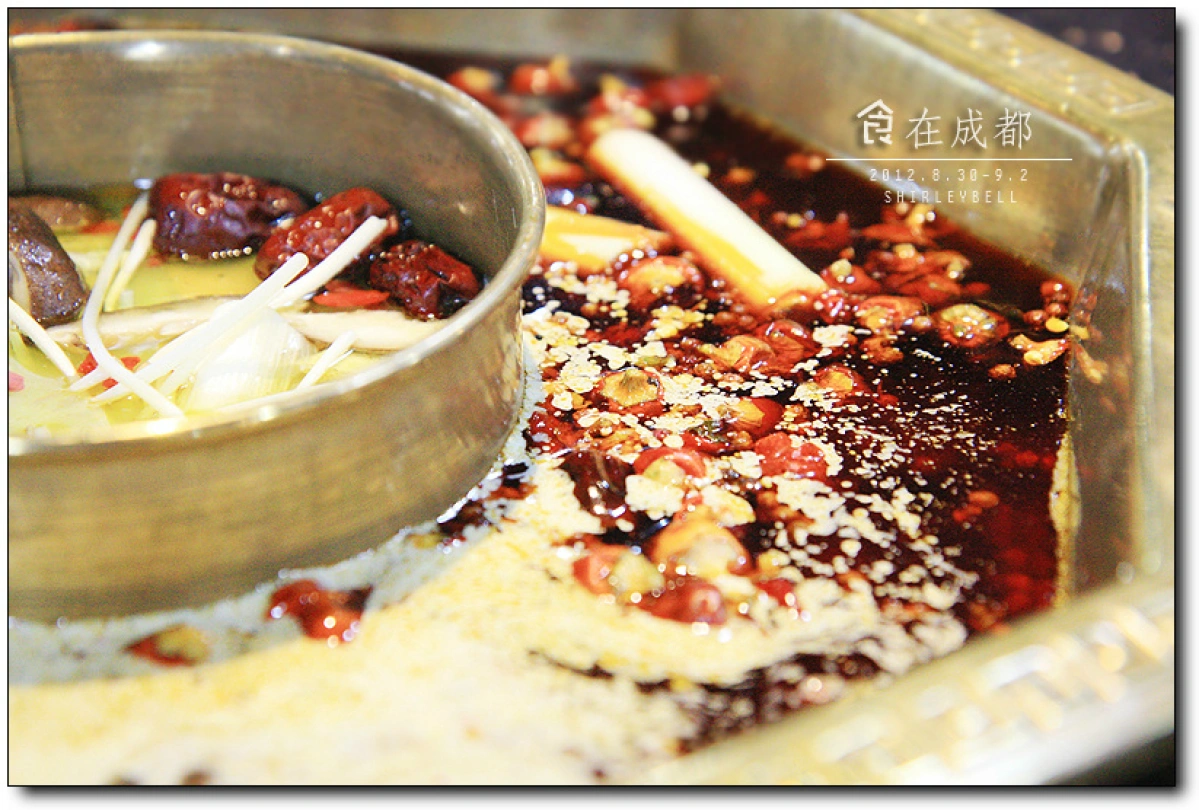
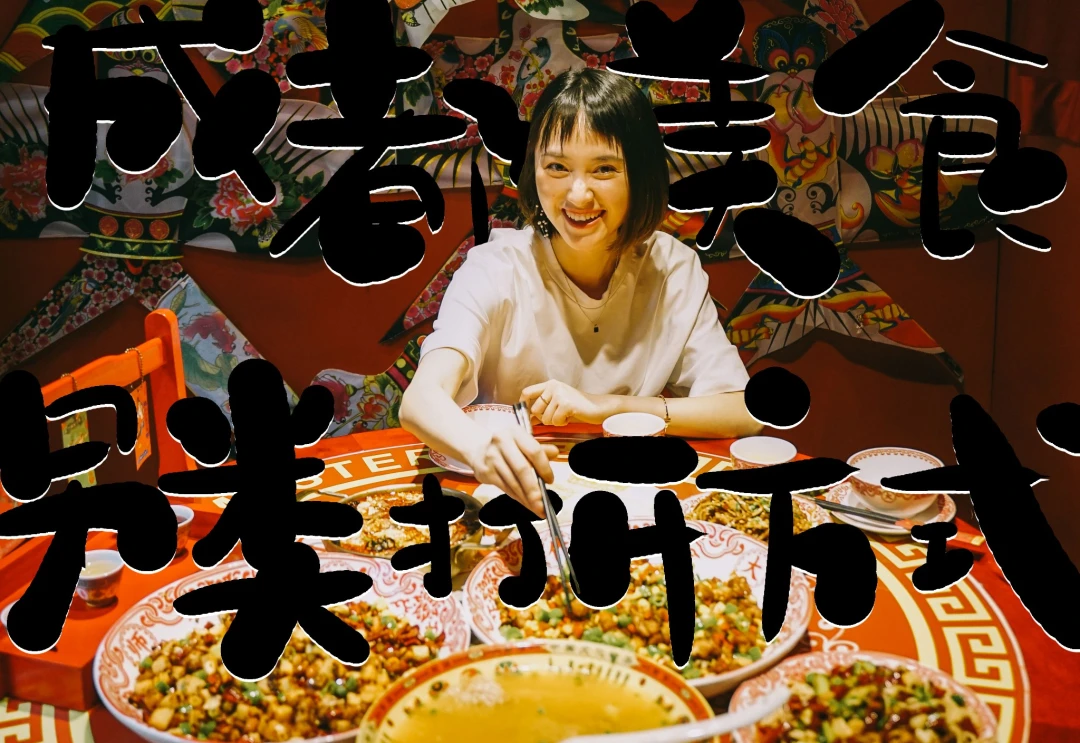
This city possesses a strange kind of inclusiveness. Fashionistas in Taikoo Li don't look down on street-style outfits elsewhere. Cosplayers draw no second glances. And the food scene? It's equally rebellious. Hotpot broth can be golden yellow. Skewers can be as big as lamb kebabs. Bullfrog dishes draw inspiration from ancient seismoscopes. Creative Sichuan cuisine thrives while preserving tradition, and health-conscious broths have found a home here.
This National Day holiday, while most fun-loving Chengdu locals fled the city, I stayed behind with friends in the empty metropolis. We sampled food, enjoyed afternoon tea, got massages, and played the part of carefree "Chengdu nainai" (aunties) for a few days. In the process, we discovered another way to unlock Chengdu's flavors—those rule-breaking, unconventional eateries are the city's true taste code.
One Stick Skewers: Giant Skewers Rewriting the Rules of Sichuan Street Food
Walking a few extra steps is the ultimate wisdom for finding great food in Chengdu.
In a bustling area like Taikoo Li, tourists' feet tend to stop at upscale restaurants around Daci Temple. But walk just a few steps south, turning into East Avenue, Third Saint Street, and Tangba Street, and the smoky, lively atmosphere there becomes your gateway to Chengdu's food world.
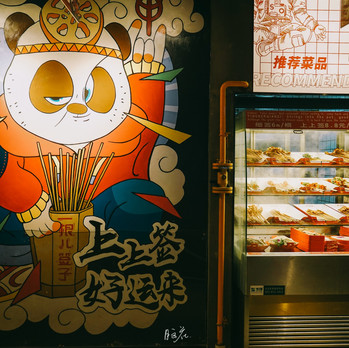
One Stick Skewers (Yi Gen Er Qian Zi Chuan Chuan Xiang) at the corner of East Avenue is exactly that kind of hidden gem. It faces Taikoo Li from across the street, but because it sits on an unfavorable pedestrian flow line, it has become a secret base for nearby office workers.
What Makes "King Skewers" Unique?

The first surprise at this place is the "King Skewers" (Bawang Qian)—skewers made as big as lamb kebabs. I'd never seen anything like it.
Chengdu's skewer world has many schools: hand-held skewers, cold-pot skewers, boboji (cold skewers in spicy broth), malatang (spicy hot pot soup)… But this is the only place where ribs, pork intestines, and beef brisket are skewered with the same boldness as grilled meat. The owner is confident in his offerings, saying simply, "They're all delicious."
Must-Try King Skewers Dishes

The King Spareribs use premium pork ribs, cut and marinated with a secret spice powder, then coated in chili oil and ground chili. The preparation is so meticulous that I couldn't even grab a portion on my first visit. My personal favorites—the King Pork Intestines and King Beef Brisket—owe their success to being first braised in a secret marinade. When the rich braising aroma meets the bone broth base, then gets paired with a fiery dipping sauce—four words: mind-blowing ecstasy.
The Obsession with Bone Broth

Speaking of the broth, this place has an obsession. Hanging outside the kitchen is a sign that reads "Slow-simmered eight-hour bone broth." Inside the open kitchen, several large pots bubble away. No flavor enhancers are used—just pork leg bones, chicken frames, duck bones, and crucian carp, simmered for a full eight hours until the broth turns milky white and intensely savory.
We ordered only a mild spicy pot—spicy without being harsh, fragrant without being greasy. After about seven or eight minutes, the large King Pork Intestines had absorbed all the broth. One bite, and I'm already drooling with regret as I write this late at night.
Practical Info: - Address: 166 East Avenue, Lower East Avenue Section - Average Spend: 65 RMB - Recommended Dishes: King Spareribs, King Beef Brisket, King Pork Intestines, Cilantro Beef, Pickled Pepper Beef - Snack Recommendation: Garlic Ribs (trust me on this one) - Tip: Portions are generous. Order wisely, so you don't collapse at the first stop of your Chengdu food journey.
[Link: Best street food in Chengdu near Taikoo Li]
Luhe Men Bullfrog: Carving a "Yellow" Path in the Red-Pot World


My father loves bullfrog. Because of its agile body and defined muscles, he calls it "fitness food." I love it too—for its tender, melt-in-your-mouth texture that brings pure pleasure to the palate. But in the bullfrog world, the red pot has reigned supreme for so long that it's become a bit tiresome. Then I met Luhe Men—wait, why have I turned yellow?
A New Martial Arts School in the Bullfrog World

This place is like a new martial arts school, carving out a path in the bullfrog world with a unique sour-and-spicy flavor that proves "not red pot can be better than red pot."
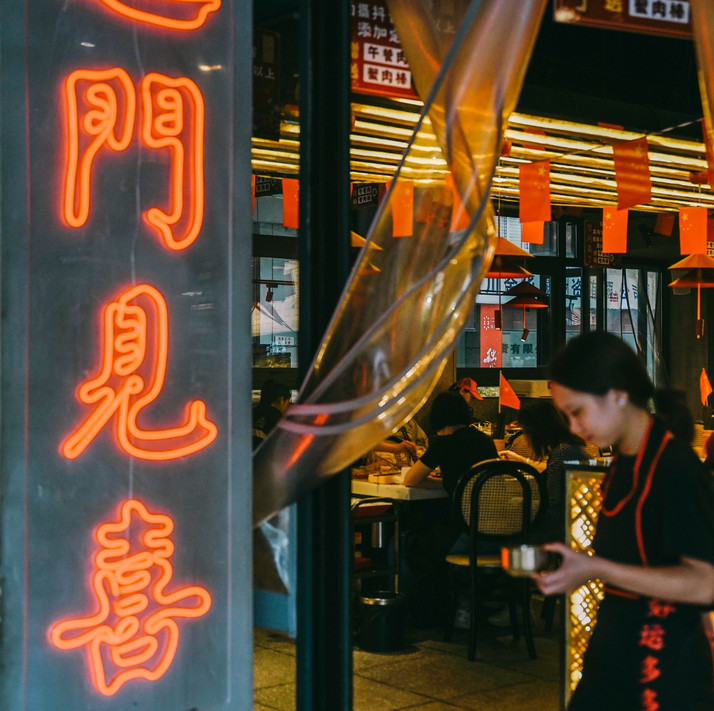
The restaurant is on Zhongtongren Road near Kuanzhai Alley. Strictly speaking, it's not inside the tourist area, which gives it a pleasant "peaceful retreat in the midst of noise." The clean, bright environment suits diners who care about ambiance.
The Ancient Seismoscope Inspiration
Enough talk—let's get three jin (1.5 kg) of bullfrog. But wait, what's this? A giant dragon spitting out bullfrogs—inspired by an ancient seismoscope? The manager explained that the owner is from Jianyang, and the dragon-head design is based on a local temple called Qinglong Guan, symbolizing good fortune. I didn't fully understand, but it felt impressive nonetheless.
The bullfrogs from the bamboo dragon drop into the pot like machine-gun fire. A timer is set—you're only six minutes away from your bullfrog.
The Secret Yellow Pepper Broth

Don't be fooled by appearances! This yellow pepper broth has no red in it, but it's no bland health pot. The yellow peppers from the Lingnan region of Fujian are said to be even spicier than Thai bird's eye chilies. Combined with a broth made from special sour radish and pickled cabbage, the flavor is spicy with a sour kick, sour with a savory finish—stimulating saliva into a frenzy in your mouth. It's a completely different experience from the classic spicy red pot.
Six minutes—no more, no less. The translucent, perfectly intact bullfrog bodies—this is the basic respect owed to "fitness food." Dip in the original broth, and choose your spice level. The bullfrogs are large, the meat is tender, and when wrapped in the seasoning, the delicate flesh caresses your mouth while the yellow pepper delivers a half-hour "mouth massage."
Two Hidden Gems You Can't Miss
Crab Stick: It looks unremarkable, just tied with a piece of gongcai (a crunchy vegetable) like a belt. But taste it—Oh my god! The porous crab stick absorbs the broth, blending the sweet meat with the savory soup, while the crunchy gongcai adds texture and fun. The secret? These crab sticks are made from 100% crab meat, with no starch added.
Fish Roe Shrimp Paste: When served, the two ingredients are separate—visibly fresh. Mix them before cooking. The smooth shrimp paste mingles with the bouncy fish roe, and when the roe bursts, its salty, fishy flavor awakens the sweet freshness of the shrimp—don't just swallow it; let your teeth and tongue savor every bite.
Practical Info: - Address: No. 8, Zhongtongren Road, Qingyang District - Average Spend: 78 RMB - Recommended Broth: Secret Yellow Pepper Pot - Recommended Dishes: Bullfrog (3 jin minimum), Crab Stick, Fish Roe Shrimp Paste - Tip: Arrive early to avoid the dinner rush
[Link: Kuanzhai Alley food guide]
Why Chengdu's Food Scene Is More Diverse Than You Think
Chengdu's culinary landscape is a living testament to the city's open-minded spirit. While the red hotpot will always hold a special place in locals' hearts, the city has quietly embraced a broader definition of what "Sichuan cuisine" can be.
The Rise of Creative Sichuan Cuisine

Creative Sichuan cuisine thrives here, preserving tradition while pushing boundaries. Chefs experiment with broths, ingredients, and presentations that would make traditionalists raise an eyebrow—but the results speak for themselves. From golden broths to oversized skewers, the city's food scene is evolving.
Health-Conscious Options Flourish
Health-conscious broths and exotic flavors have found a home in Chengdu. The eight-hour bone broth at One Stick Skewers and the yellow pepper broth at Luhe Men are prime examples—they're packed with flavor but don't rely on the standard red chili oil formula. For those who think Sichuan food means sacrificing health for taste, these places prove otherwise.
The "Fly Restaurant" Myth

The misconception that cangying guanzi (fly restaurants) are the only authentic option is slowly fading. While these tiny, no-frills eateries still serve incredible food, Chengdu now offers clean, modern spaces that serve equally authentic dishes. Luhe Men's bright environment and One Stick Skewers' open kitchen show that good food and good ambiance can coexist.
[Link: Where to eat in Chengdu like a local]
FAQ: Your Questions About Chengdu's Non-Traditional Food Scene
1. Is all Sichuan food extremely spicy?
No. While spice is a hallmark of Sichuan cuisine, many dishes offer mild or non-spicy options. The eight-hour bone broth at One Stick Skewers can be ordered with mild spice, and the yellow pepper broth at Luhe Men offers a unique sour-spicy profile rather than the typical red chili heat. Many restaurants now cater to diverse palates.
2. What is the average cost of dining at these unconventional eateries?
Both One Stick Skewers (65 RMB average) and Luhe Men (78 RMB average) are incredibly affordable compared to tourist-oriented restaurants in Taikoo Li or Kuanzhai Alley. You can enjoy a filling meal with premium ingredients for under 100 RMB per person.
3. Are these restaurants suitable for tourists who don't speak Chinese?
Both locations are popular with locals, so English menus may not be available. However, the staff at One Stick Skewers is accustomed to non-local customers, and the visual menu at Luhe Men makes ordering straightforward. We recommend using a translation app or bringing a Chinese-speaking friend.
4. What's the best time to visit these hidden gems?
For One Stick Skewers, arrive before 11:30 AM or after 1:30 PM to avoid the office worker lunch rush. For Luhe Men, dinner service starts around 5 PM, and the queue builds quickly—arriving by 5:30 PM is ideal.
5. Can I find vegetarian options at these places?
Yes, but options are limited. One Stick Skewers offers vegetable skewers and side dishes that can be cooked in the bone broth. Luhe Men has vegetable options in the hotpot. However, both restaurants are primarily meat-focused, so vegetarians should plan accordingly.
Your Chengdu Food Adventure Awaits
The other side of Chengdu's food scene is waiting for you—and it's not hiding. It's right there, just a few steps off the beaten path.
Here's your action plan:
- Start your journey at One Stick Skewers for giant "King Skewers" and that eight-hour bone broth
- Continue to Luhe Men for a bullfrog experience that breaks every rule
- Explore beyond these two spots—Chengdu is full of unconventional eateries waiting to be discovered
Don't let the red hotpot stereotype limit your Chengdu food experience. The city's true taste code is written in golden broths, oversized skewers, and flavors that defy expectations.
Ready to taste the other side of Chengdu? Bookmark this guide, pack your appetite, and step away from the tourist crowds. Your taste buds will thank you.
[Link: Complete Chengdu food itinerary for first-time visitors]
Have you tried unconventional Chengdu cuisine? Share your discoveries in the comments below—we'd love to hear about your favorite hidden gems!
You may also like