Eating in Chengdu: A Feast for the Senses, a Joyful "Mini Escape" – The Ultimate Foodie Guide
Meta Description: Discover why Chengdu is a dream destination for food lovers. From mapo tofu to hotpot, this SEO-optimized guide covers the best eats, hidden gems, and travel tips for your next culinary adventure.
Introduction: Why Chengdu Is a Must-Visit for Food Lovers
Some say travel is about leaving a place you're tired of to go to a place others are tired of. But for true food lovers, there's only one criterion for a destination: does it have flavors that haunt your dreams? Chengdu, a city steeped in culinary culture, has been on my bucket list for years. Finally, at the end of November 2011, I grabbed my husband and set off on a spontaneous free-and-easy trip. No lengthy guides, no precise itineraries—just a restless stomach and a printed copy of the "Chengdu Food Guide." For five days, we were like two kids on a treasure hunt, weaving through Chengdu's streets and alleys, measuring the city's warmth with our taste buds.
This article is your ultimate guide to eating in Chengdu—covering iconic dishes, hidden snack streets, and the philosophy behind the city's legendary food scene. Whether you're a first-time visitor or a seasoned traveler, you'll find everything you need to plan your own "mini escape" to this food paradise.
Why Chengdu? — A "Long-Planned" Escape for Foodies
Life sometimes feels like a pot of soup simmering on low heat: calm on the surface, but churning with anxiety underneath. The grind of the workweek can be suffocating, and travel is the most effective pressure valve. On the evening of August 26, I was still hesitating; by the evening of August 29, we were already boarding a flight to Chengdu. It was the most rushed yet most determined trip I had ever taken.
Before departure, my preparation was embarrassingly minimal: no maps, no planned sightseeing routes—just Google Maps on my phone, Dianping (a Chinese review app), and that printed food guide. Friends laughed at my spontaneity, but I believed that the best surprises come from the unknown. As the writer Wu Danru once said, "Plan a mini escape—even just quietly having afternoon tea or eating a piece of chocolate is a way to relieve stress." This trip to Chengdu was my own "mini escape": healing exhaustion with food, awakening numb taste buds with spice.
What Makes Chengdu a Top Food Destination?
- Sichuan cuisine's global fame: Known for its bold use of chili, Sichuan pepper, and complex flavor profiles.
- UNESCO City of Gastronomy: Chengdu was recognized by UNESCO in 2010 for its culinary heritage.
- Affordable street food: From 10 RMB snacks to 190 RMB hotpot feasts, there's something for every budget.
- Cultural immersion: Eating in Chengdu is not just about food—it's about experiencing the city's laid-back, "xian" (leisure) lifestyle.
[Link: Best time to visit Chengdu for food festivals]
First Stop: Long Chao Shou (Dragon Wontons) — The Gentle Warmth of Morning
For our first breakfast in Chengdu, we headed straight to a branch of "Long Chao Shou" near our accommodation. Chao shou is the Sichuan term for wontons. This old shop, founded in the 1940s, takes its name from the auspicious phrase "dragon and phoenix bring prosperity," a homophone for the "Nonghua Tea House" on nearby Chunxi Road. Their wontons have skins as thin as paper and as smooth as silk, with fillings that are tender and silky. The broth is made by simmering chicken, duck, and pork bones for hours until it's rich and fragrant.
What to Order at Long Chao Shou
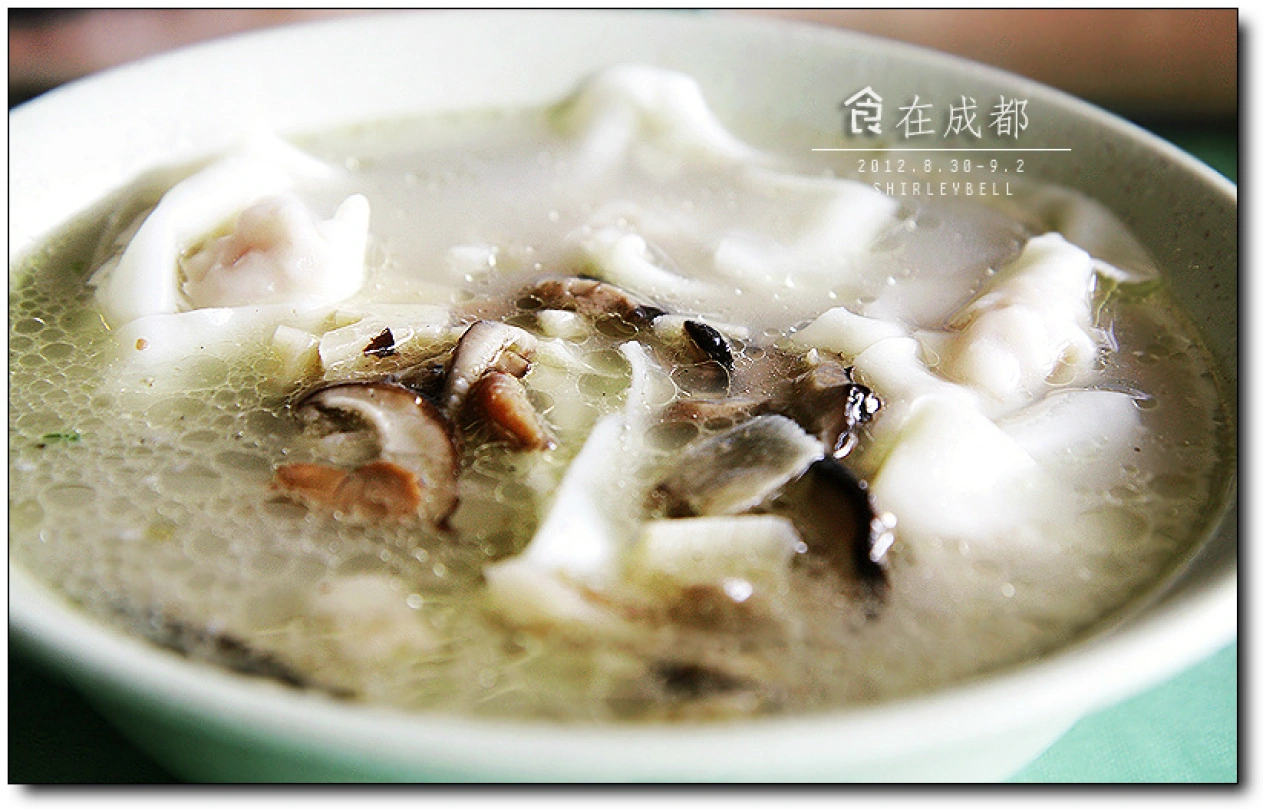
- Seafood wontons: Mushrooms, bamboo shoots, and seafood in a fragrant broth. Perfect for those who prefer milder flavors.
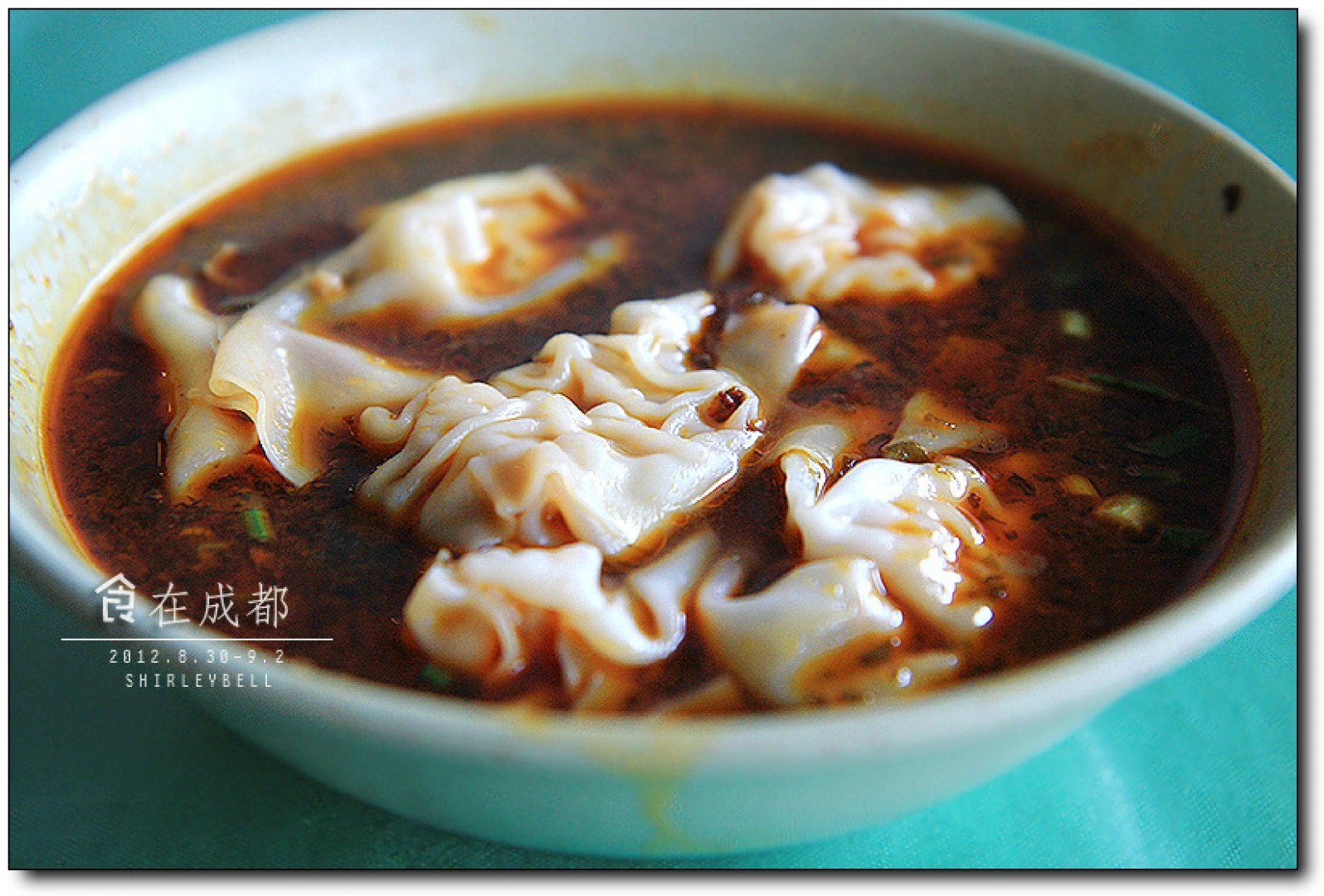
- Sour-and-spicy wontons: Floating in chili oil, garnished with pickled vegetables. One bite, and the tangy heat spreads from your stomach to your limbs. A friendly warning: eating these on an empty stomach might be a bit much for those with sensitive stomachs.
Pro tip: Visit the main branch on Chunxi Road for the full experience—and don't miss their zhong shui jiao (Sichuan-style dumplings) and chenpi tu ding (tangerine-peel rabbit).
[Link: Top 10 breakfast spots in Chengdu]
Chen Mapo Tofu — The Spicy Philosophy of a Century-Old Brand
For lunch, we followed our guide to "Chen Mapo Tofu." This century-old establishment, founded during the Tongzhi reign of the Qing Dynasty (1862), gets its name from the chef, Chen—a woman with pockmarks on her face, affectionately nicknamed "Pockmarked Grandma Chen" by customers. Her tofu dish is a masterpiece: bright red in color, with crispy beef bits, and a perfect balance of seven flavors—numbing, spicy, fragrant, crispy, tender, hot, and intact in shape.
Why Chen Mapo Tofu Is a Must-Try
- Signature mapo tofu: Over a dozen seasonings create an astonishingly complex sauce. Once stirred, the tofu absorbs the flavors deeply. The spiciness is manageable, but the numbing sensation is intense.
- Fuqi feipian (husband-and-wife lung slices): A classic Sichuan cold dish with bold, numbing, spicy, and fragrant flavors. Even those who avoid heavy spice can't stop raving.

Pro tip: Order a bowl of steamed rice to balance the heat. The tofu is best enjoyed with a cold drink or a side of pickled vegetables.
[Link: Sichuan cuisine history and culture]
Shu Jiuxiang Hotpot — A Night Rolling in Chili Oil
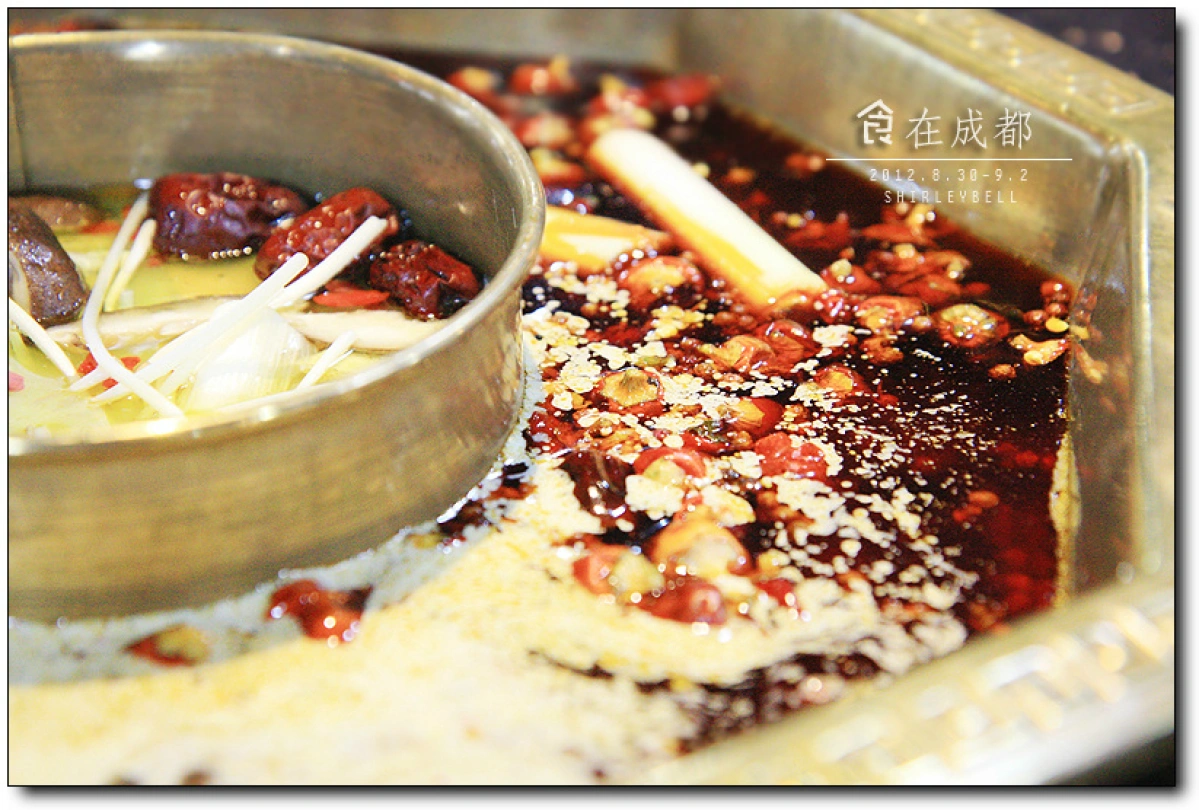
The highlight of our first day was one of Chengdu's top ten hotpot restaurants: "Shu Jiuxiang." We didn't dare order a full spicy pot; instead, we chose a yuanyang (mandarin duck) pot—a small circle of mild broth in the center, surrounded by a sea of red chili oil. This layout alone shows Chengdu's obsession with spice. There are only two types of dipping sauces here: you die (sesame oil + garlic + cilantro) and gan die (a dry mix of pepper powder, sesame, Sichuan pepper powder, etc.). In practice, the oil dip is the perfect partner for the spicy broth—it cuts the heat and adds fragrance.
What to Order at Shu Jiuxiang
- Tripe: Crisp, tender, and springy—only needs five seconds in the boiling red broth.
- Goose intestines: Another quick-cook item that absorbs the broth's flavor beautifully.
- Jiuxiang beef: Silky and juicy, perfect for dipping.
Pro tip: If you're not a spice lover, don't worry—the mild broth is packed with red dates, goji berries, mushrooms, bean sprouts, and even a whole fish. The broth is so delicious you'll want to drink three bowls. The bill came to 190 RMB—incredible value for a feast.
[Link: Best hotpot restaurants in Chengdu]
Jinli Snack Street — A Foodie's "Crazy Lab"
For lunch on the second day, we hit Jinli. This snack street is a paradise for food lovers: tofu with lotus seeds, crystal buns, bamboo-leaf-wrapped beef, steamed cakes, ye'er ba (glutinous rice cakes wrapped in banana leaves), danhonggao (egg puff cakes)... the list goes on. It was raining, so we stood under eaves, one hand holding an umbrella, the other holding a bowl, eating messily but happily.
Must-Try Snacks at Jinli
- Three Cannons (san da pao): Glutinous rice balls that bounce off three brass gongs with a "dong, dong, dong" sound before being coated in seasonings and served with laoying cha (eagle tea). The taste isn't mind-blowing, but the process is as entertaining as a circus act.
- Rabbit heads: A Chengdu favorite. If you're adventurous, give it a try—but be prepared for the texture. I watched my husband gnaw away happily while silently apologizing to the rabbits.
Pro tip: Visit Jinli in the late afternoon to avoid crowds. Bring cash—some stalls may not accept cards.
[Link: Top 10 snack streets in Chengdu]
Heming Teahouse — "Shooting the Breeze" in Slow Time
After eating our fill, we strolled to "Heming Teahouse" in People's Park. They say every street in Chengdu has at least two teahouses. Heming is a classic old-Chengdu teahouse: bamboo chairs, square tables, covered-bowl tea, all set against a backdrop of green trees and blooming flowers, exuding a strong local vibe. We each ordered a cup of tea (I forget the name, but it was light and elegant), bought a bag of sunflower seeds, and spent two hours cracking seeds, sipping tea, and chatting.
Why You Should Visit a Chengdu Teahouse
- Experience local culture: Watch locals play chess, cards, or just chat. It's a window into the city's "xian" (leisure) lifestyle.
- Relax and recharge: A perfect break between meals. Bring a book or just people-watch.
- Affordable: A cup of tea costs around 20-30 RMB, and you can stay as long as you like.
Pro tip: Pair your tea with a snack from nearby stalls—like danhonggao or ye'er ba—for a complete experience.
[Link: Best teahouses in Chengdu for tourists]
Chunxi Road and the Main Branch of Long Chao Shou — An Unexpected "Makeup Lesson"
In the afternoon, we went to Chunxi Road, famous for its beautiful people. I didn't see any stunning crowds, and shopping didn't interest me much. For dinner, we headed straight to the main branch of Long Chao Shou to make up for what we'd missed earlier: zhong shui jiao (Sichuan-style dumplings), chenpi tu ding (tangerine-peel rabbit), and xuanzi liangfen (spiral cold jelly noodles). The zhong shui jiao were filled with pure pork, drizzled with a special chili oil—slightly sweet with a savory kick. My husband couldn't get enough. The chenpi tu ding didn't have much rabbit meat, but the blend of tangerine peel and spice was perfectly balanced.
What to Eat on Chunxi Road
- Zhong shui jiao: Sichuan-style dumplings with a sweet and savory chili oil dressing.
- Chenpi tu ding: Tangerine-peel rabbit—a unique blend of citrus and spice.
- Xuanzi liangfen: Spiral cold jelly noodles, perfect for a light snack.
Pro tip: Chunxi Road is also great for people-watching and souvenir shopping. But if you're like me, focus on the food.
[Link: Shopping guide for Chunxi Road]
Lai Tangyuan and Feichang Fen — Late-Night Surprises
After leaving Chunxi Road, we spotted a sign for "Lai Tangyuan." Despite being full, we went in for a bowl. Lai Tangyuan has over a century of history: the skins are chewy, the fillings sweet—classic black sesame and peanut. A perfect end to a day of eating.
Why Lai Tangyuan Is a Must-Try
- History: Founded in the late Qing Dynasty, this shop has been serving glutinous rice balls for over 100 years.
- Texture: The skins are perfectly chewy, the fillings rich and sweet.
- Variety: Try the black sesame, peanut, or red bean flavors.
Pro tip: Pair your tangyuan with a cup of laoying cha (eagle tea) to balance the sweetness.
[Link: Best late-night eats in Chengdu]
FAQ: Eating in Chengdu
1. What is the best time to visit Chengdu for food?
 The best time is autumn (September to November) and spring (March to May), when the weather is mild and outdoor dining is pleasant. Avoid summer (June to August) if you're sensitive to heat and humidity.
2. Is Chengdu food too spicy for beginners?
Not necessarily. Many dishes can be ordered with mild spice or no spice at all. Start with Long Chao Shou wontons or Lai Tangyuan glutinous rice balls, and gradually work your way up to mapo tofu and hotpot.
3. How much does a meal cost in Chengdu?
Street snacks cost 10-30 RMB per item. A full meal at a mid-range restaurant costs 50-100 RMB per person. Hotpot for two costs around 150-200 RMB.
4. What are the must-try dishes in Chengdu?
- Mapo tofu (Chen Mapo Tofu)
- Long Chao Shou (Dragon Wontons)
- Shu Jiuxiang hotpot
- Zhong shui jiao (Sichuan dumplings)
- San da pao (Three Cannons)
- Rabbit heads (for the adventurous)
5. Is Chengdu safe for solo female travelers?
Yes, Chengdu is generally safe. However, be cautious in crowded areas like Jinli and Chunxi Road, and avoid walking alone late at night in less populated areas.
[Link: Safety tips for solo travelers in China]
Conclusion: Plan Your Own "Mini Escape" to Chengdu
Chengdu is more than a city—it's a sensory experience. From the gentle warmth of morning wontons to the fiery excitement of hotpot, every meal is a story waiting to be told. Whether you're a seasoned foodie or a curious traveler, this city will leave you craving more.
Ready to Book Your Trip?
- Best time to visit: Autumn or spring
- Must-try dishes: Mapo tofu, hotpot, wontons, dumplings
- Top spots: Jinli, Chunxi Road, People's Park
- Budget: 200-300 RMB per day for food
Don't wait—start planning your Chengdu food adventure today! Share this guide with fellow food lovers, and let us know in the comments: What dish are you most excited to try?
[Link: Book your Chengdu food tour now]
This article was originally inspired by a personal travelogue on Mafengwo. All factual details have been preserved, but the content has been optimized for SEO and readability.
You may also like


