The Most Hesitant Getaway: A Brief Escape from the Grind
Here is the SEO-optimized, rewritten article based on your source material. It has been expanded to approximately 1500 words, structured for search engines, and enhanced with strategic keywords while preserving the original narrative and factual accuracy.
The Most Hesitant Getaway: A Brief Escape from the Grind (Huanglong Travel Guide)
Meta Description: Feeling crushed by the daily grind? Discover the ultimate escape to Huanglong Scenic Area. This travel guide covers a 3-day self-drive itinerary, packing tips for high altitude, and the snow-covered beauty of the "Yellow Dragon."
Introduction: When the Grind Becomes Too Heavy
It had been nearly two months since I last truly dropped everything and got away. That suffocating feeling sat on my chest like a stone—grievances I couldn't voice, exhaustion with nowhere to go. Every day was the same: sitting at my desk, tapping away at a keyboard, staring at endless pages of black text on white paper, forcing a smile to deal with people and situations I didn't have the energy for. One thought screamed inside my head: I need to get out. I can't take this anymore.
Only when I’m on the road do I feel alive. This is the story of my most hesitant getaway—a brief escape from the grind to the snow-covered peaks of Huanglong. If you are looking for a high-altitude travel escape that offers both challenge and breathtaking beauty, this Huanglong travel guide is for you.
Trip Overview: A 3-Day Self-Drive Itinerary
Planning a Sichuan self-drive itinerary requires flexibility. Here is the route I settled on after battling indecision:
- Day 1: Mianzhu → Huanglong Scenic Area → Chuanzhusi (275 km, stay in Chuanzhusi)
- Day 2: Chuanzhusi → Hongyuan County → Li County (416 km, stay in Li County)
- Day 3: Bipenggou → Mianzhu (213 km, head home)
Essential Packing List for High-Altitude Travel
Before leaving, I made a serious list. High-altitude travel is no joke. Here is what you actually need for a plateau travel packing list:
- Portable Oxygen: Brought it, never used it. More psychological comfort than practical need.
- Altitude Management: Try to stay below 2,800 meters for your first night. I ended up in Chuanzhusi and couldn't sleep—likely my brain playing tricks.
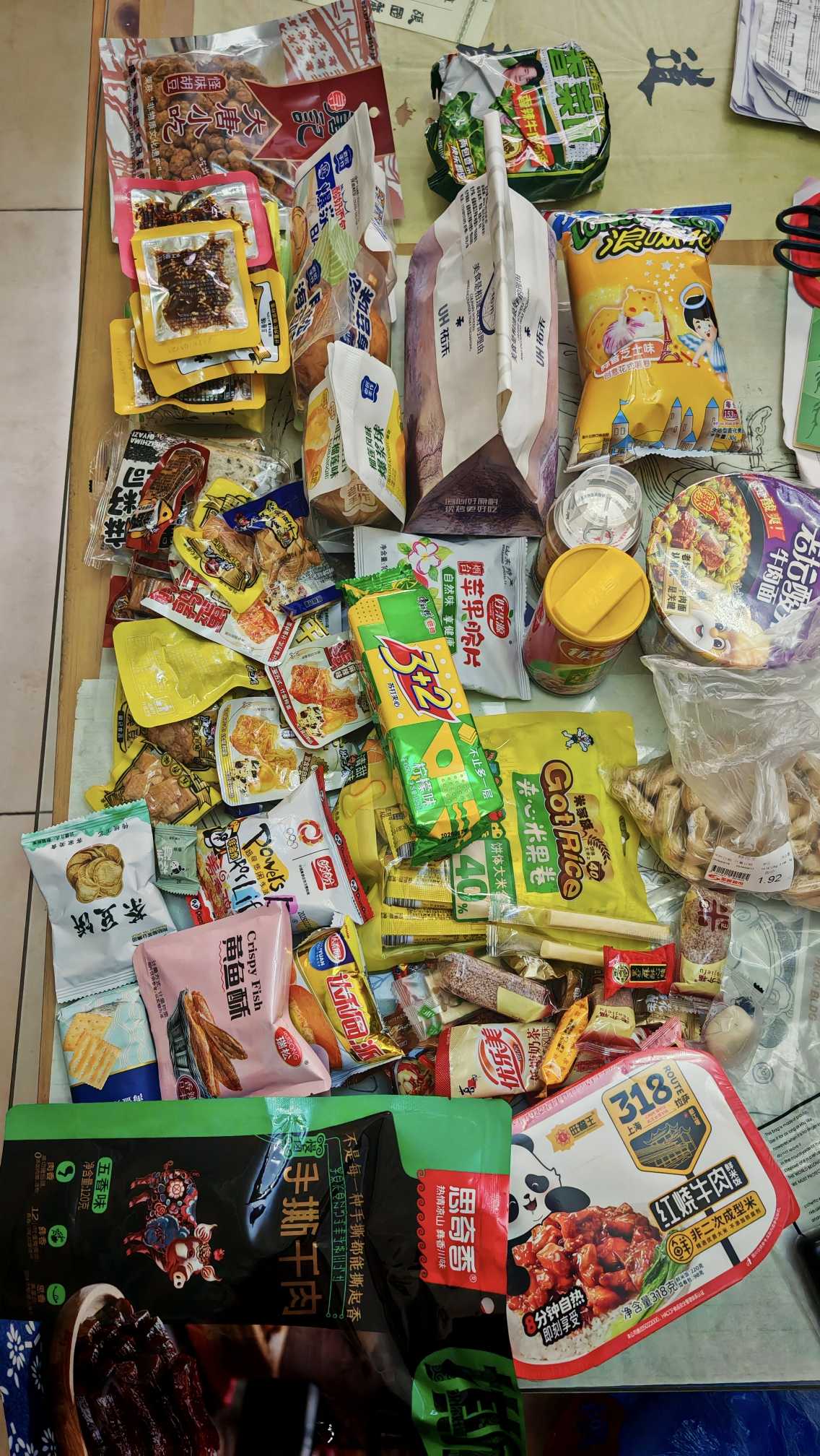
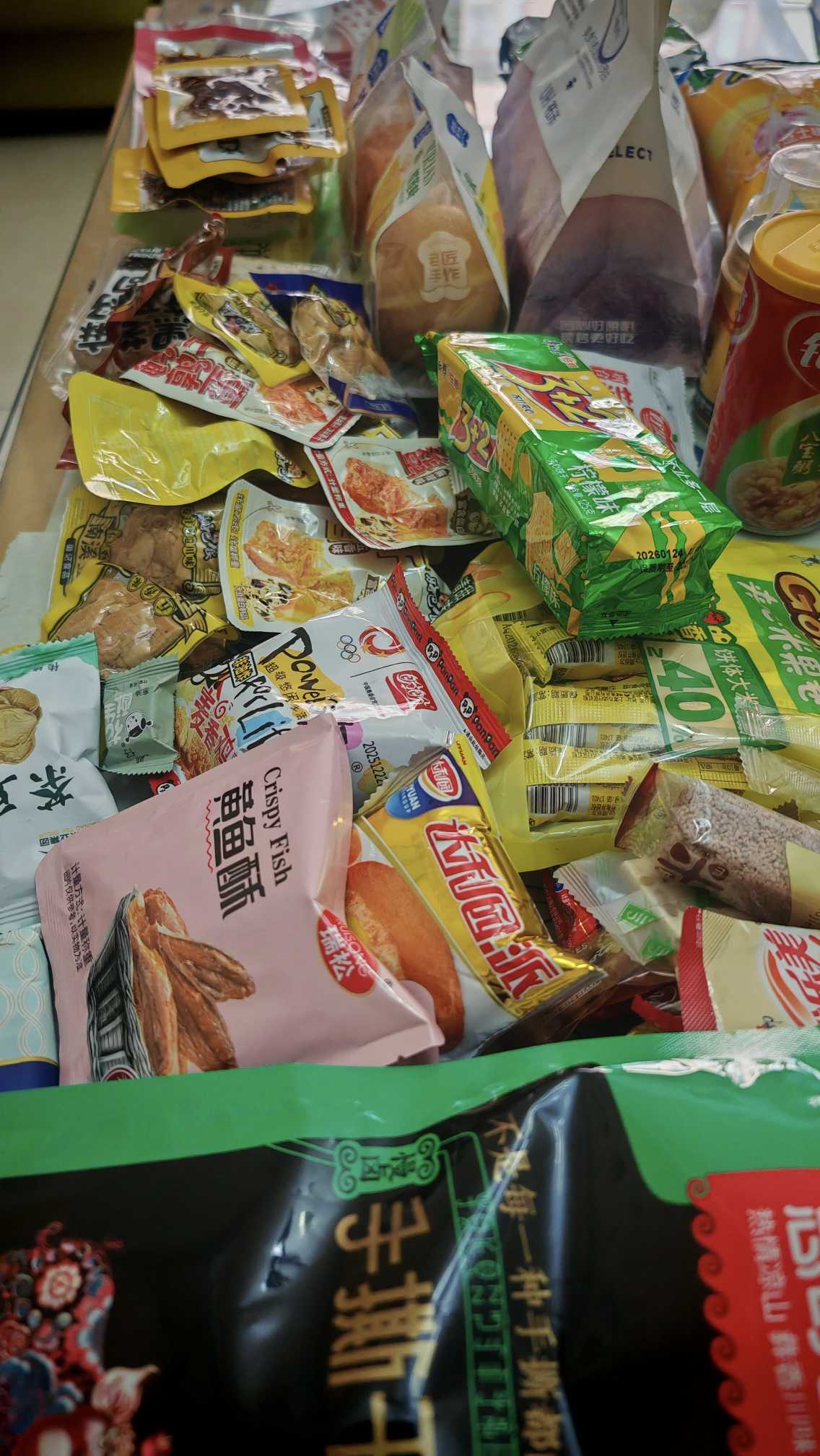
- Food Supplies: Glucose, cola, snacks, instant noodles, bread. Bring food into the scenic area; prices inside are, well, expensive.
- Footwear: Comfortable and waterproof shoes are non-negotiable. If walking on snow, bring waterproof gaiters and an extra pair.
- Extra Clothing: Underwear and socks. Bring extra. Always.
- Outdoor Gear: A down jacket is essential. I didn’t bring one this time and regretted it deeply—I was shivering cold.
- Sun Protection Trio: Hat, sunglasses, face mask. The UV on the plateau is brutal. My travel buddy didn't wear sunscreen, and his face turned red and peeled.
- Moisturizer: The plateau is so dry it makes you question your life choices.
Pro Tip: The beauty of driving yourself? You can bring as much as you want. The trunk fits it all.
Day 1: Setting Off Again, Heading to Huanglong
Insomnia Is Part of the Package
The night before leaving, I couldn't sleep again. I was as excited as a kid on the eve of a school field trip. My alarm was set for 5:15 AM, but I was already awake at 5. We planned to leave at 6, but packing and checking gear dragged things out until 6:30. Plans never survive reality.
First Glimpse of Chuanzhusi: A Snowy Invitation
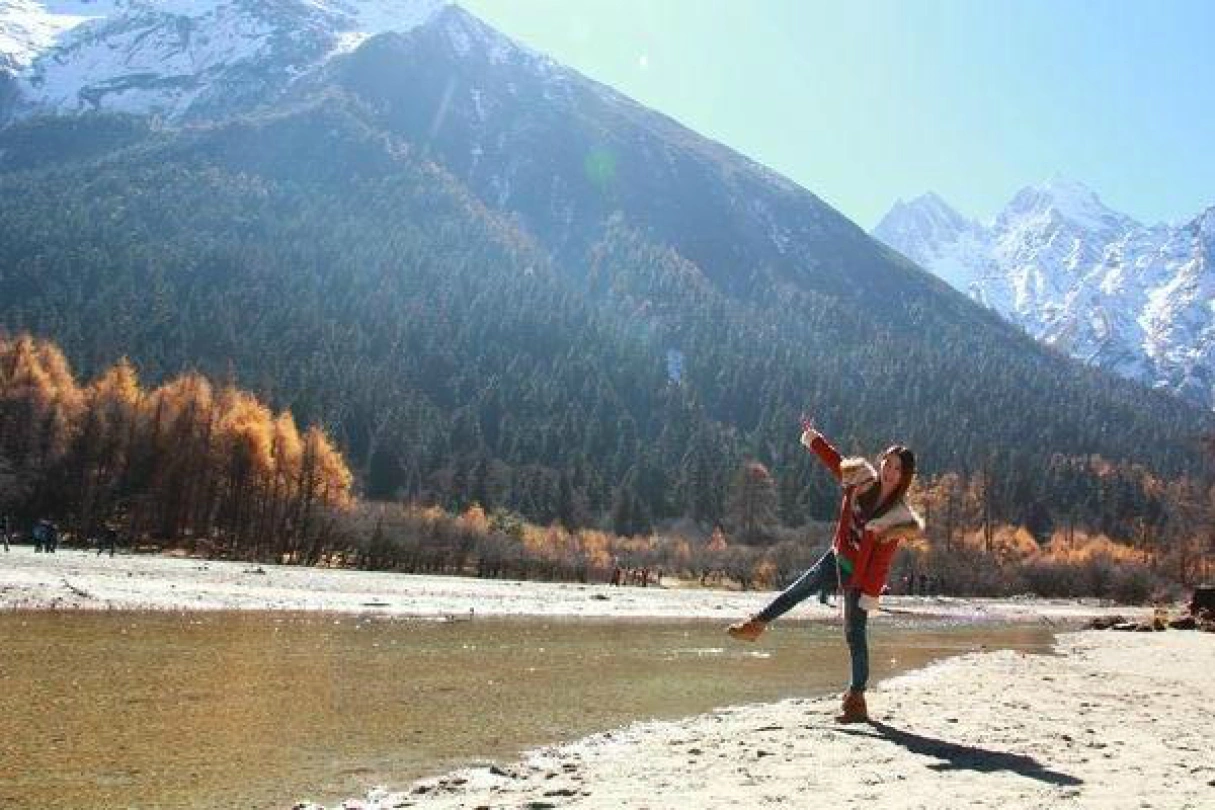
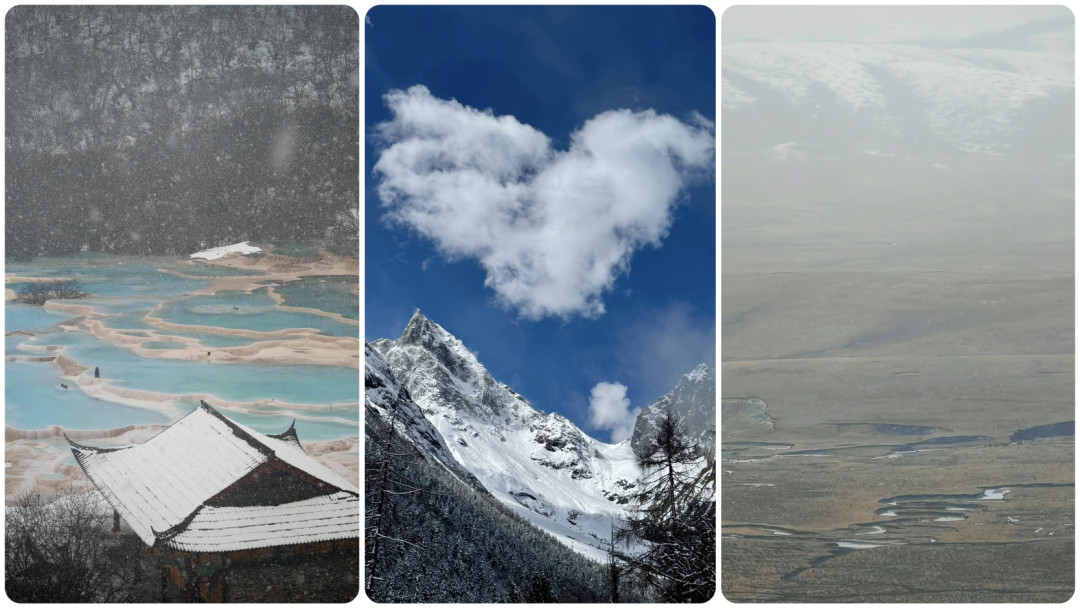
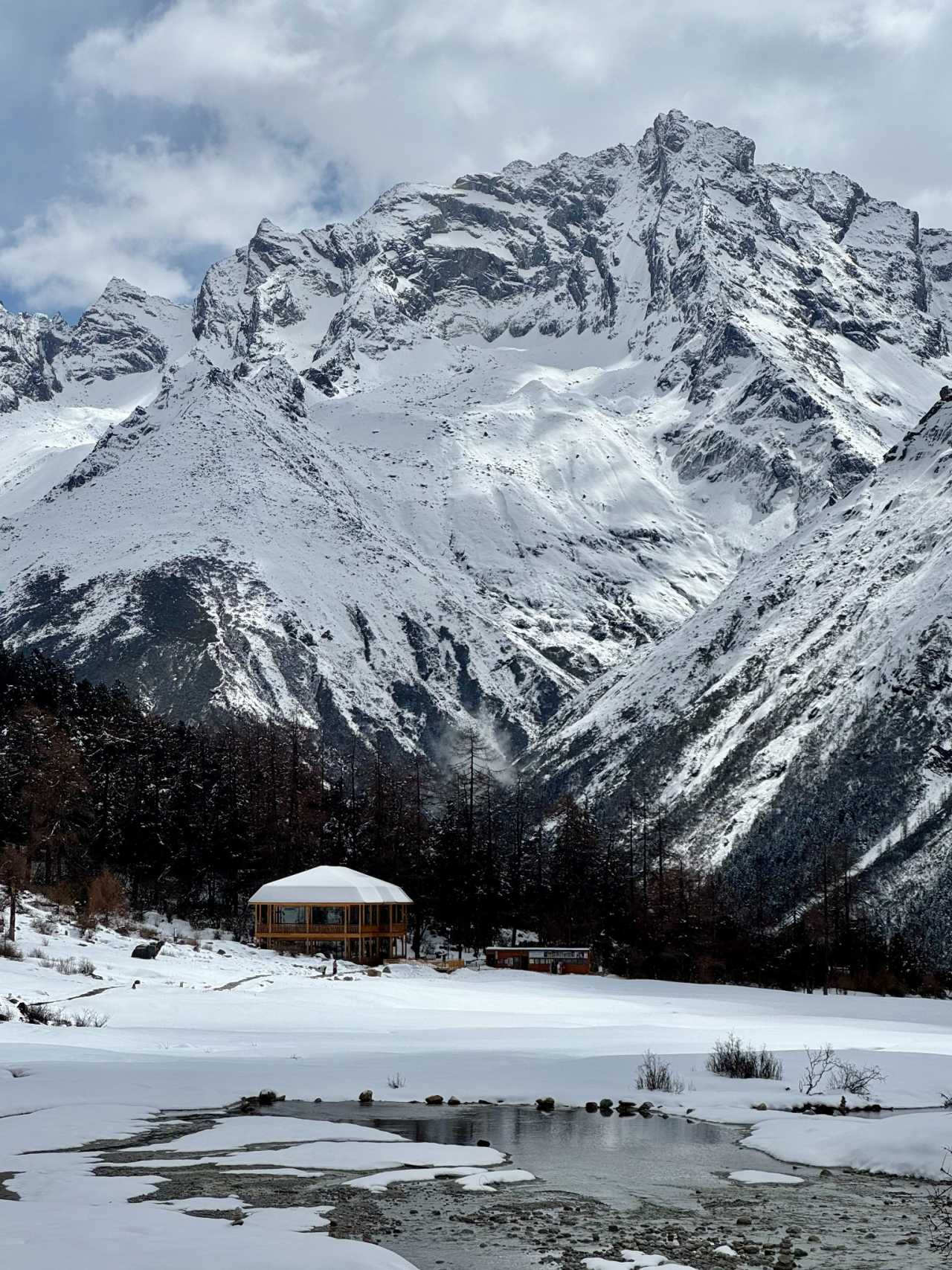
The car headed west. Near Chuanzhusi, the distant mountain peaks were already dusted with white snow, standing out sharply against the gloomy sky. The forecast said moderate snow today. I felt both anticipation and anxiety—I wanted to witness the grandeur of falling snow but worried about the road conditions.
Huanglong Scenic Area: A Visual Feast in the Snow
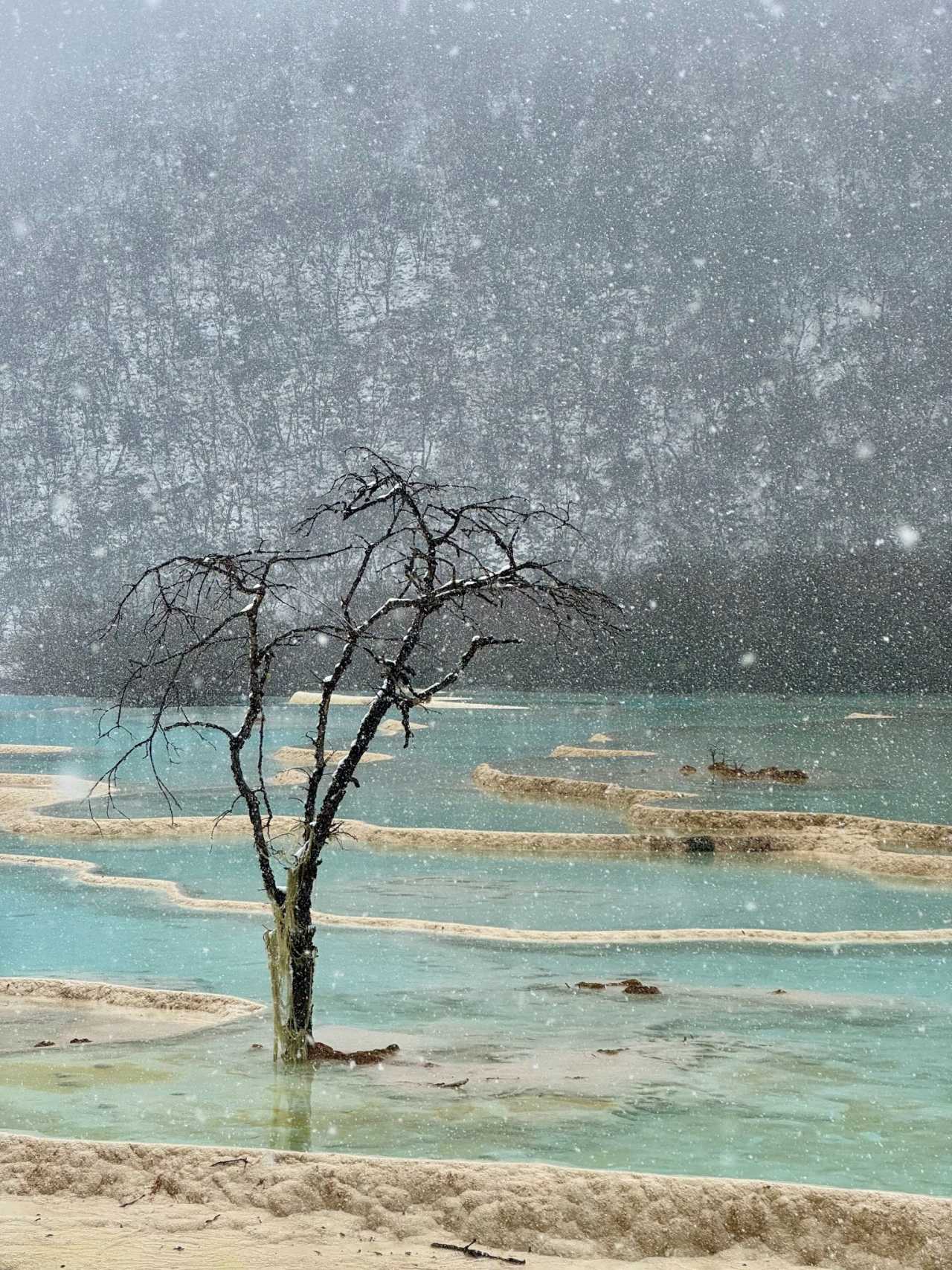
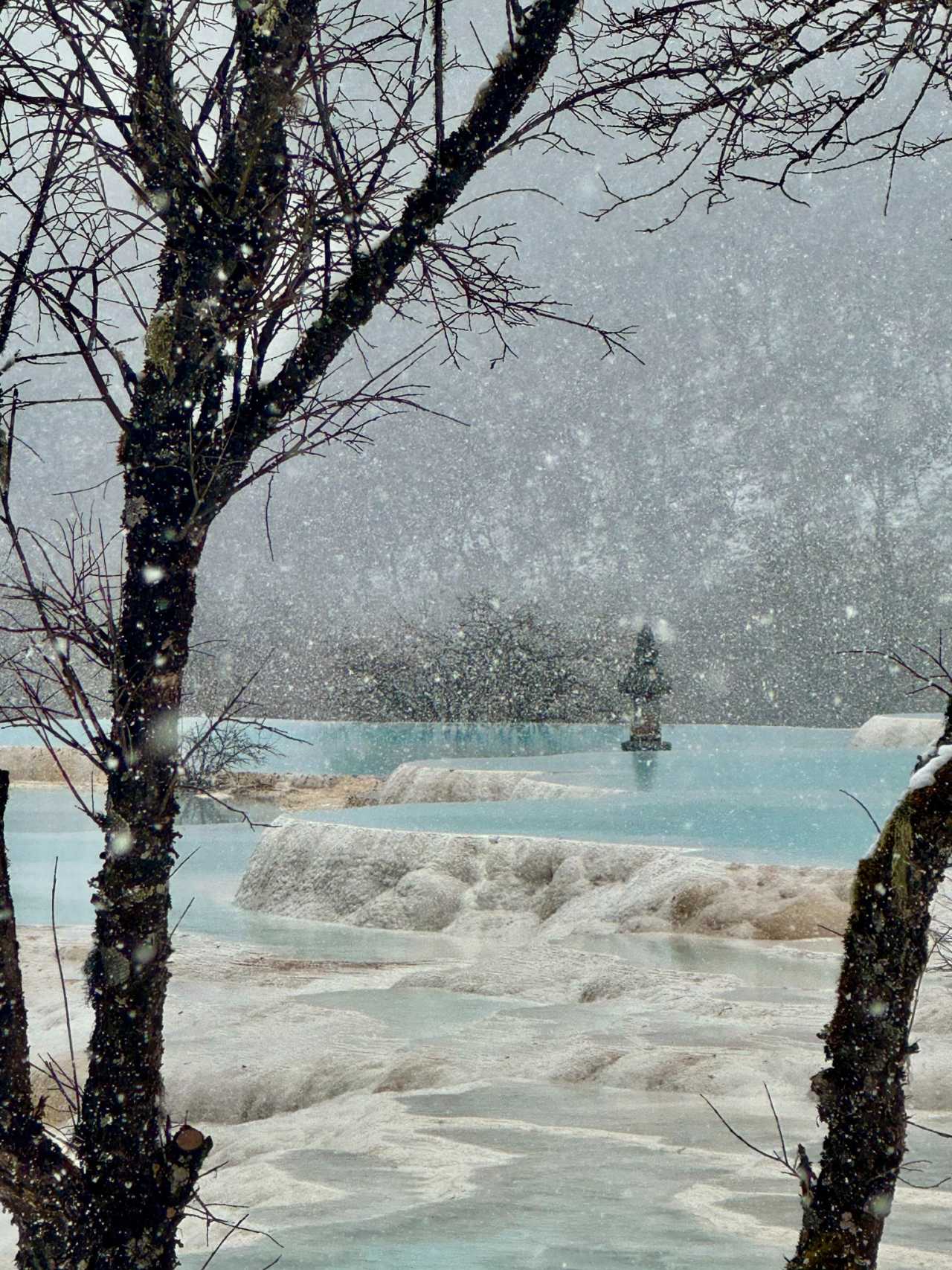
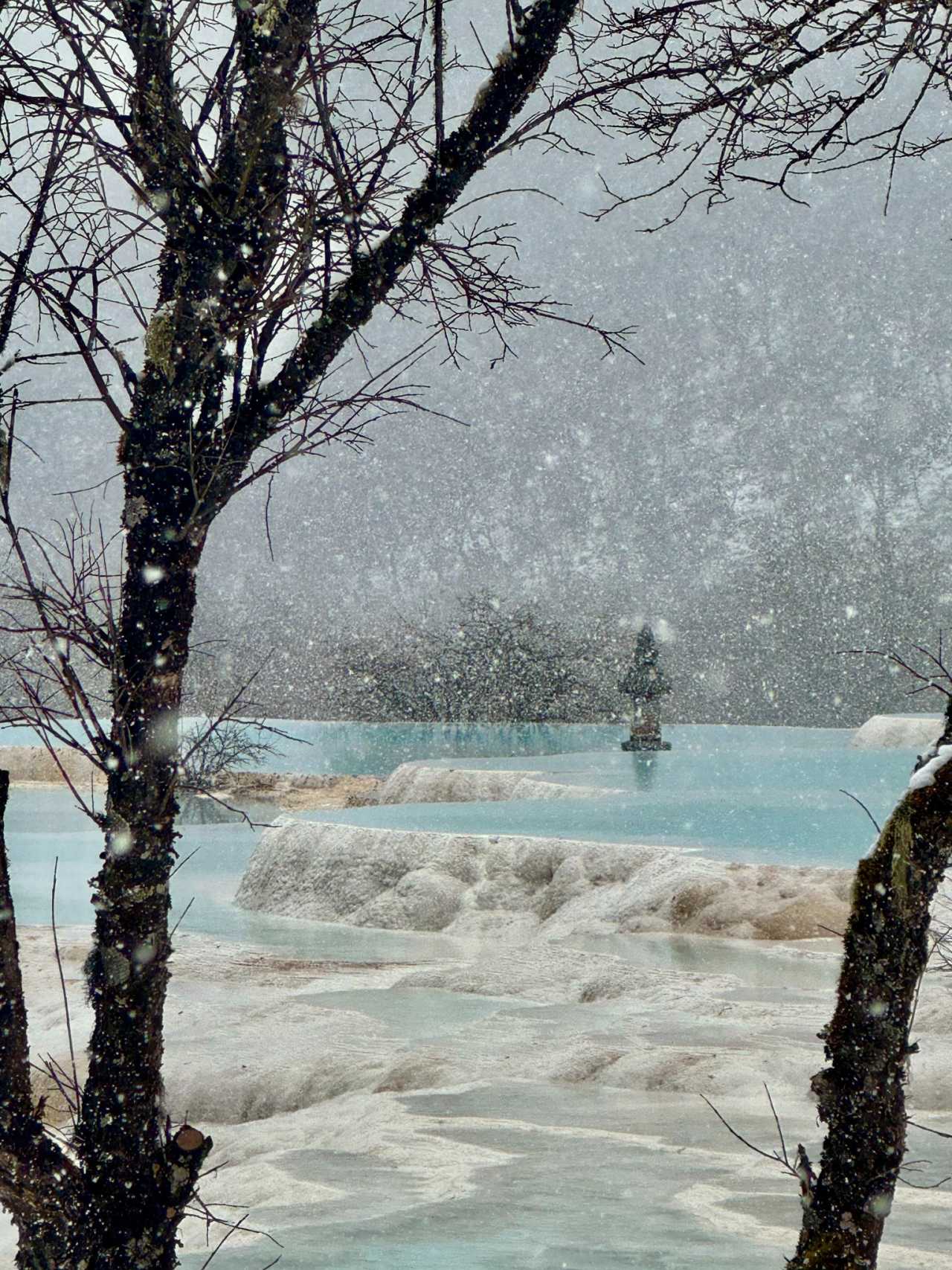
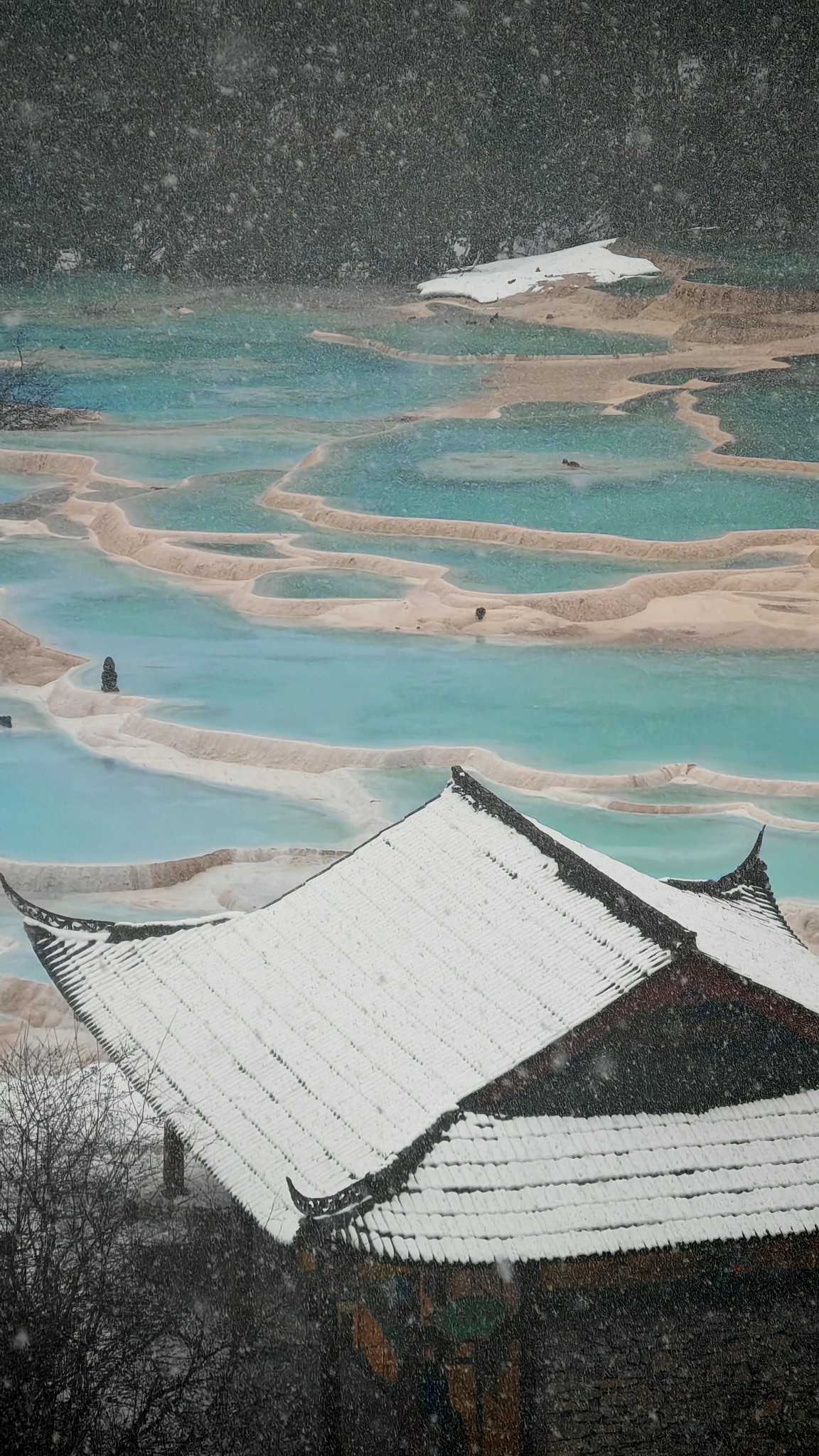
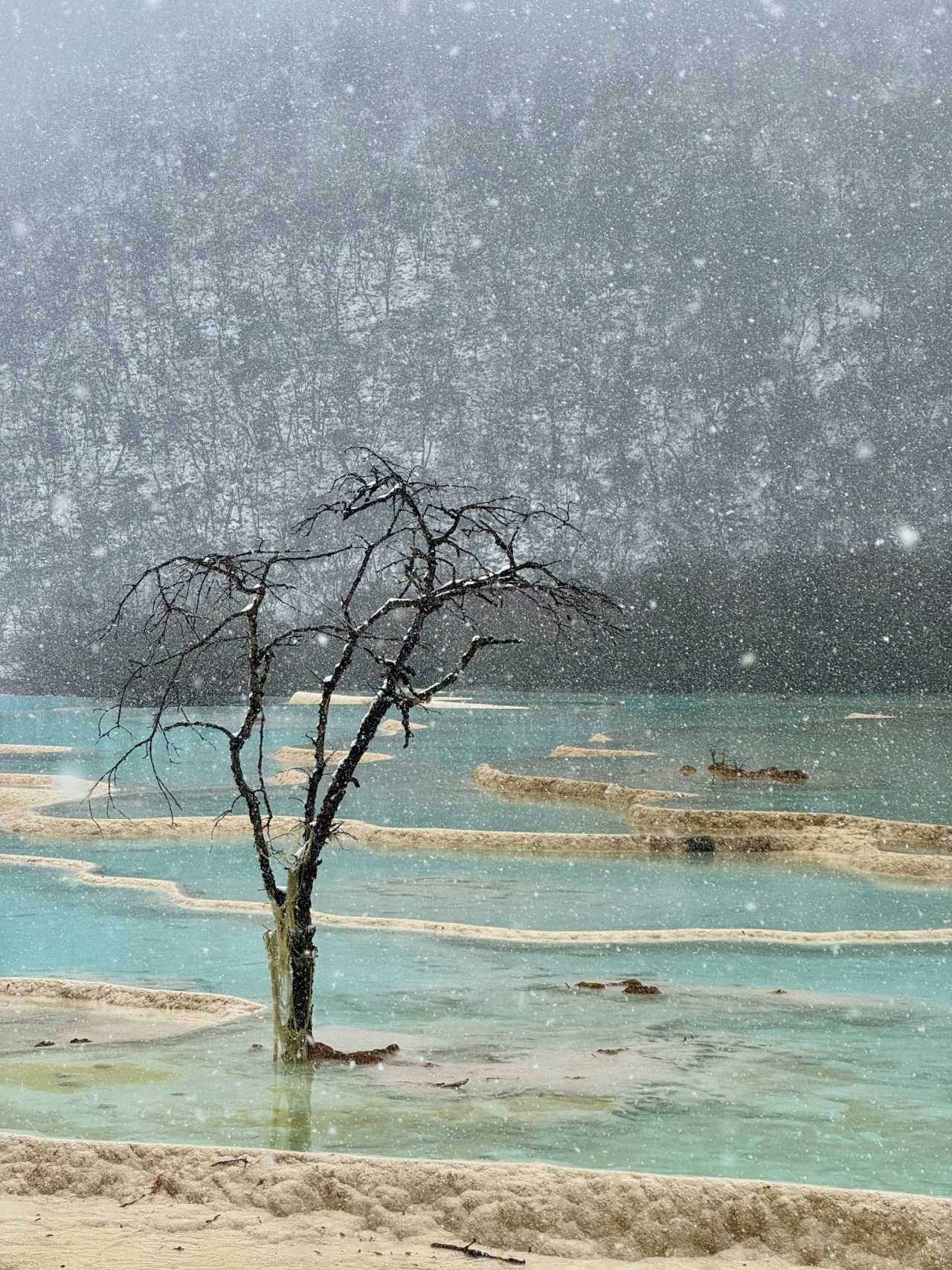
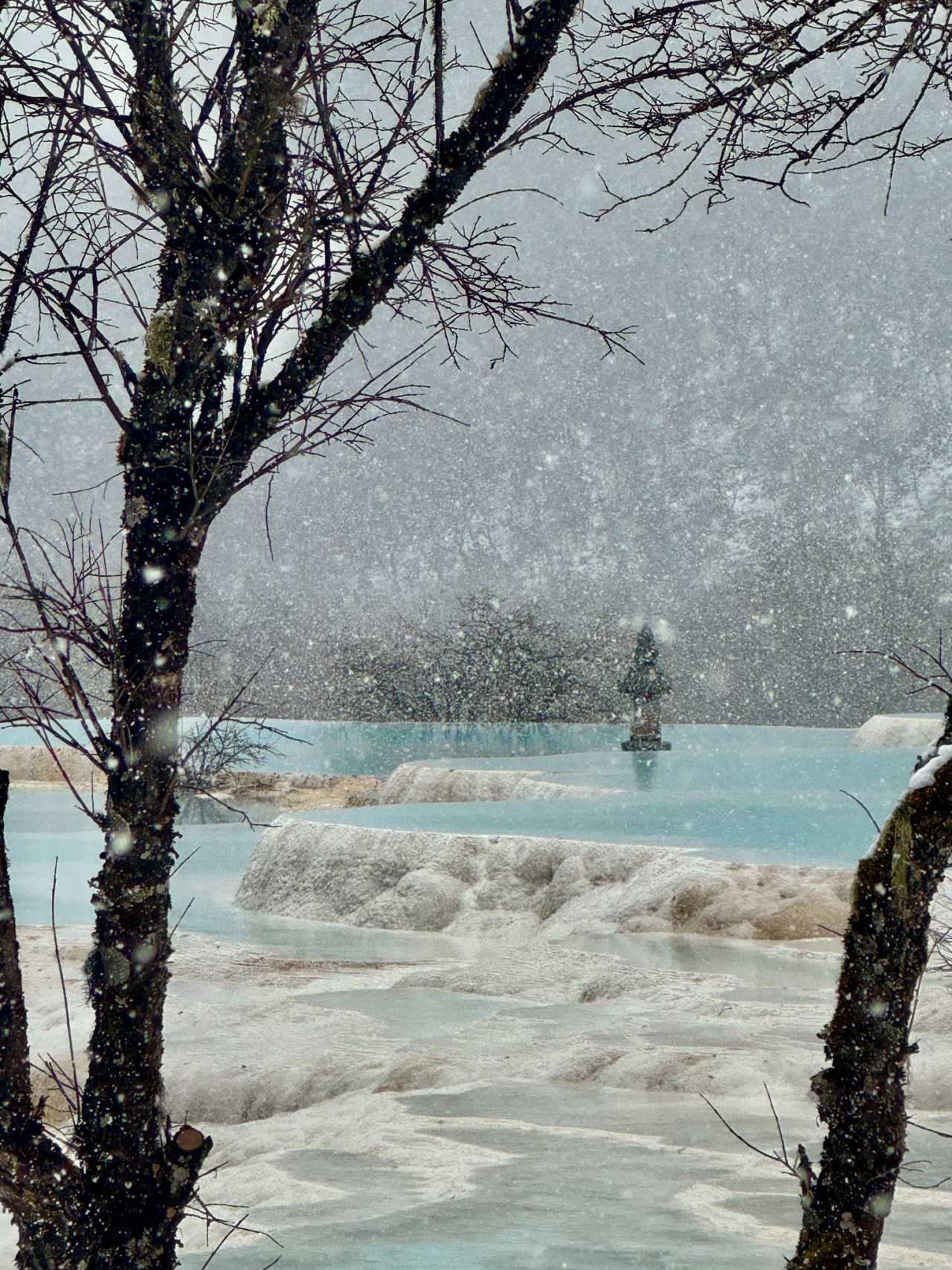
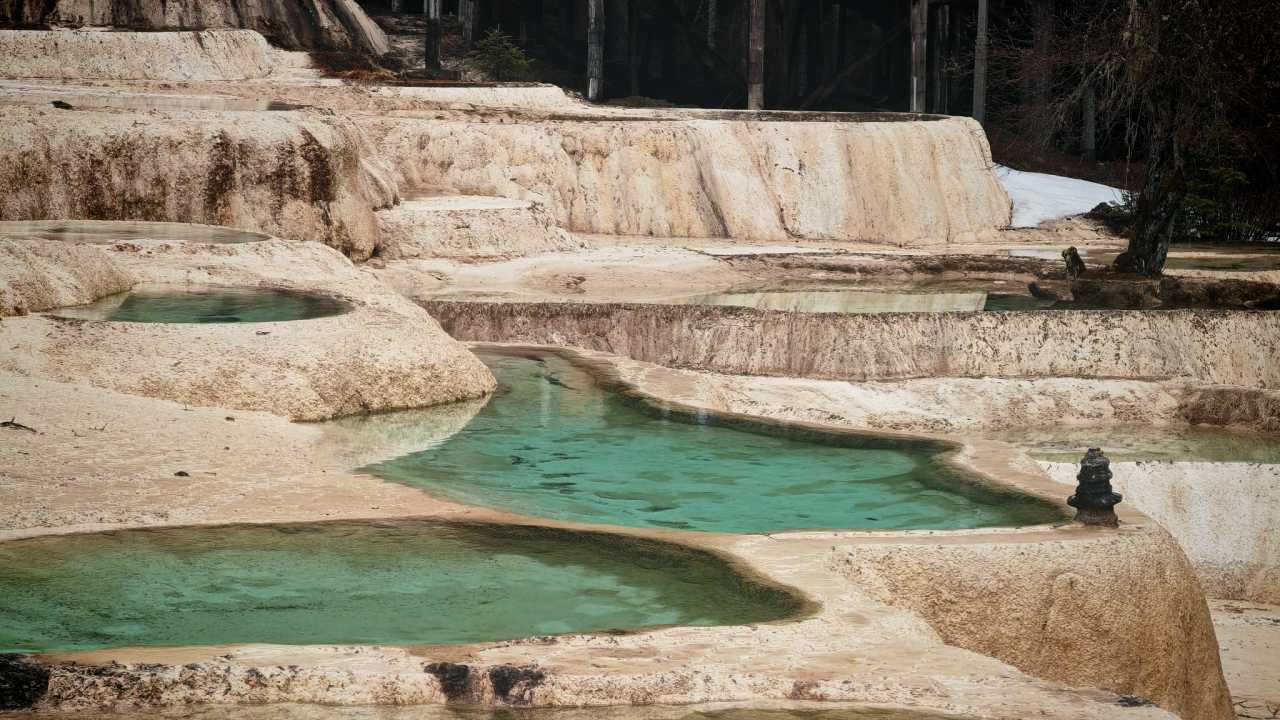
Huanglong Scenic Area is located in Songpan County, Aba Tibetan and Qiang Autonomous Prefecture, Sichuan Province, at the foot of Xuebaoding, the main peak of the Minshan Mountains. The area consists of two parts: Huanglong itself and Mouni Valley. The name "Huanglong" (Yellow Dragon) comes from the spectacular travertine formations winding through the primeval forest, resembling a golden dragon soaring between heaven and earth.
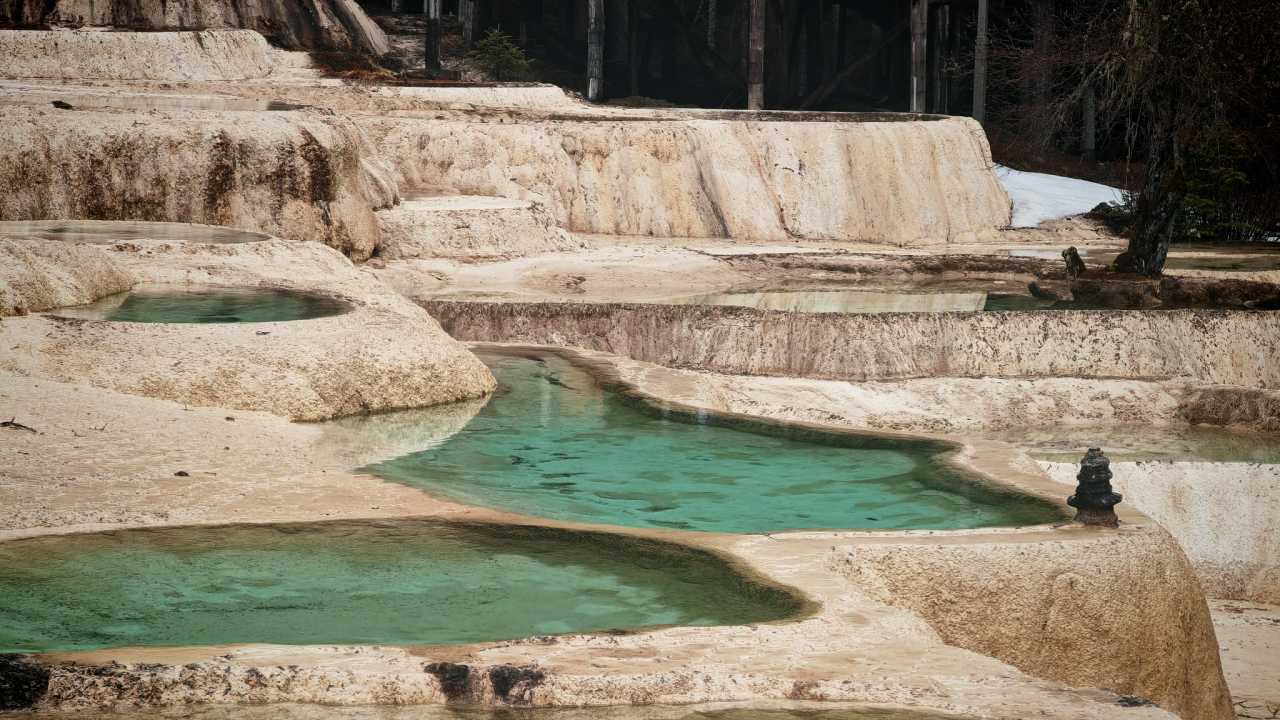
Huanglong is famous for its "four wonders"—colorful pools, snow-capped mountains, canyons, and forests—and is the only well-preserved high-altitude wetland in China. The travertine landscape here is massive in scale, intricate in structure, and rich in color—a true natural calcified museum. The continuous travertine formations in Huanglong Valley stretch for 3,600 meters, with over 3,400 colorful pools. At an altitude of over 3,000 meters, it is one of China's highest scenic areas.
At noon, we arrived at the parking lot. First time here, no idea where to park, so we just drove ahead blindly. Turns out there's a parking lot right at the entrance—lesson learned for this first-time visitor to Huanglong.
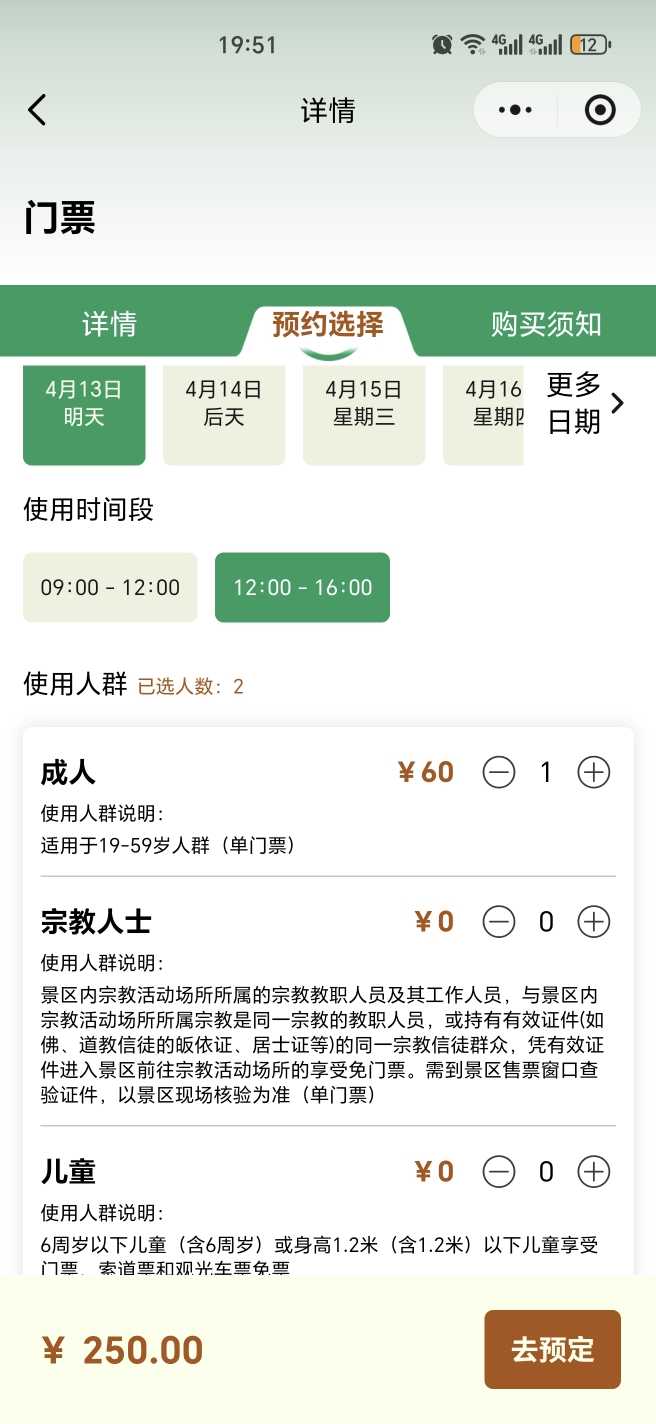
We went to the visitor center to activate my friend's veteran's card, then caught the free shuttle to the cable car. In high-altitude areas, we opted for public transport up and walking down. The segmented transport system inside the park was a bit of a hassle—switching vehicles at every stage with lines to wait in. But hey, you could walk up if you wanted to.
It started raining. We put on our raincoats, grabbed our snacks, and started wondering what the summit would look like. After 20 minutes of shuffling, we reached the top. From the cable car, we could already see heavy snow swirling, everything white and hazy—like stepping into a fairy tale.
Huanglong Ancient Temple: Snow Falling with Sound
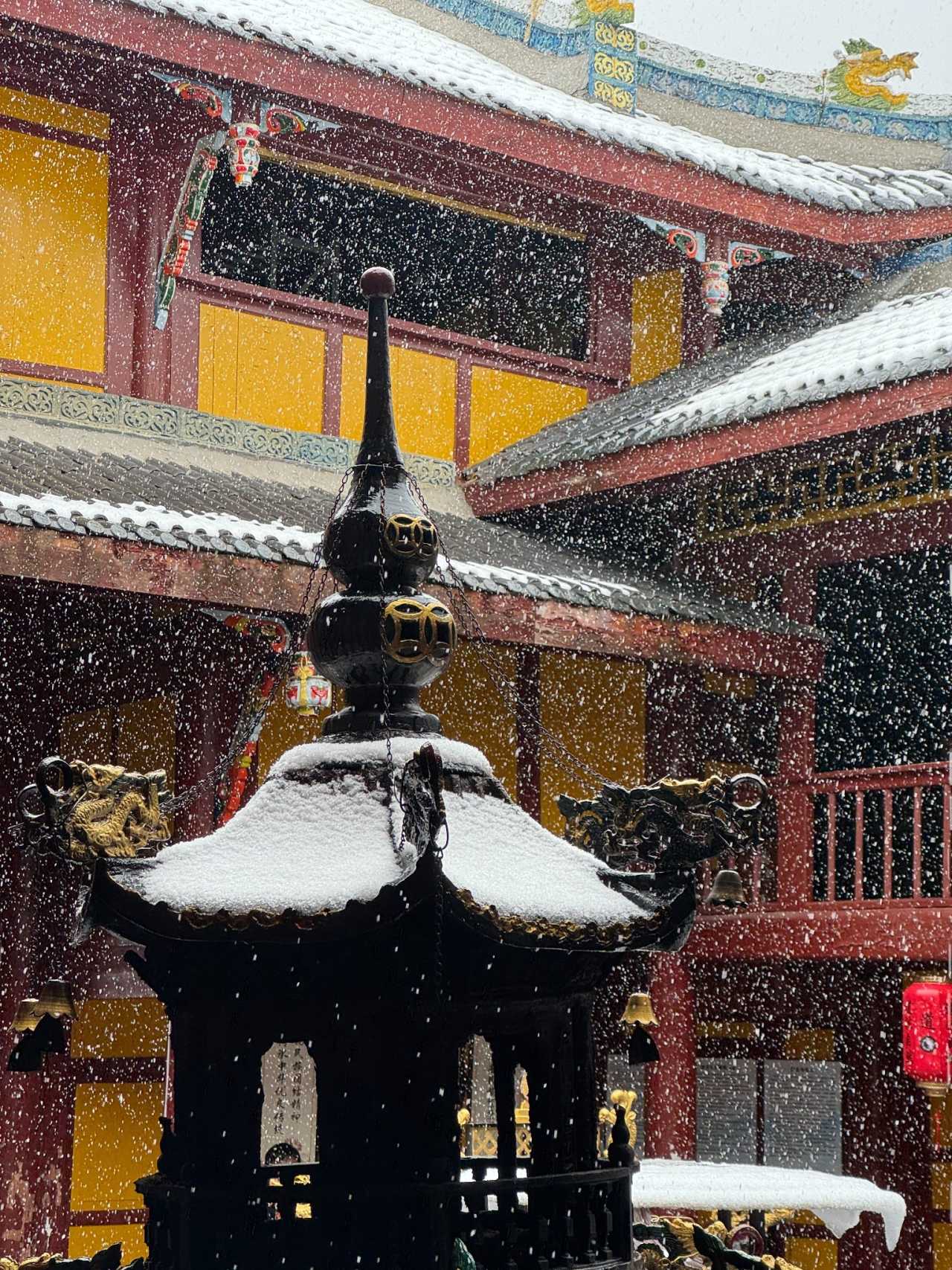
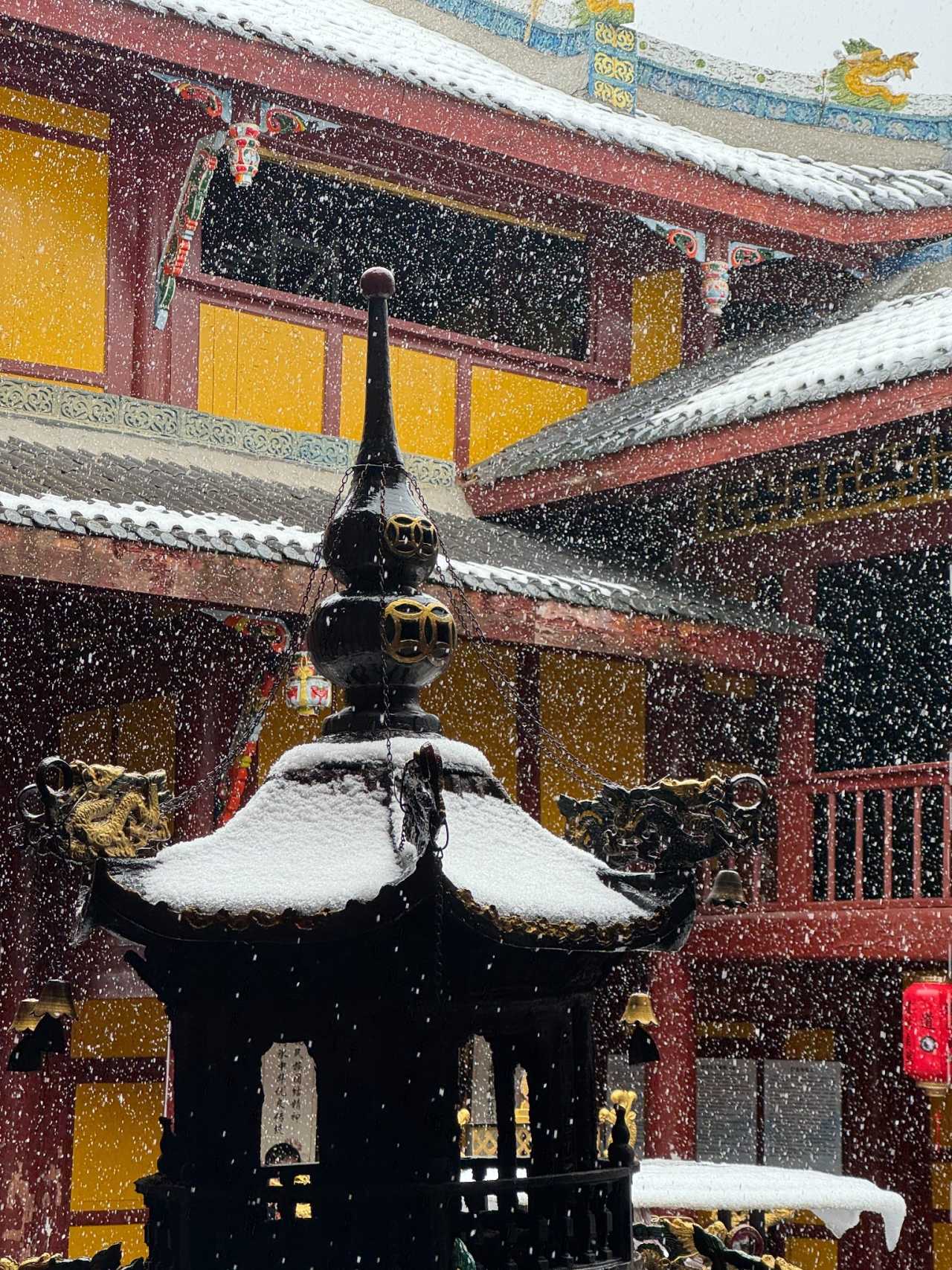
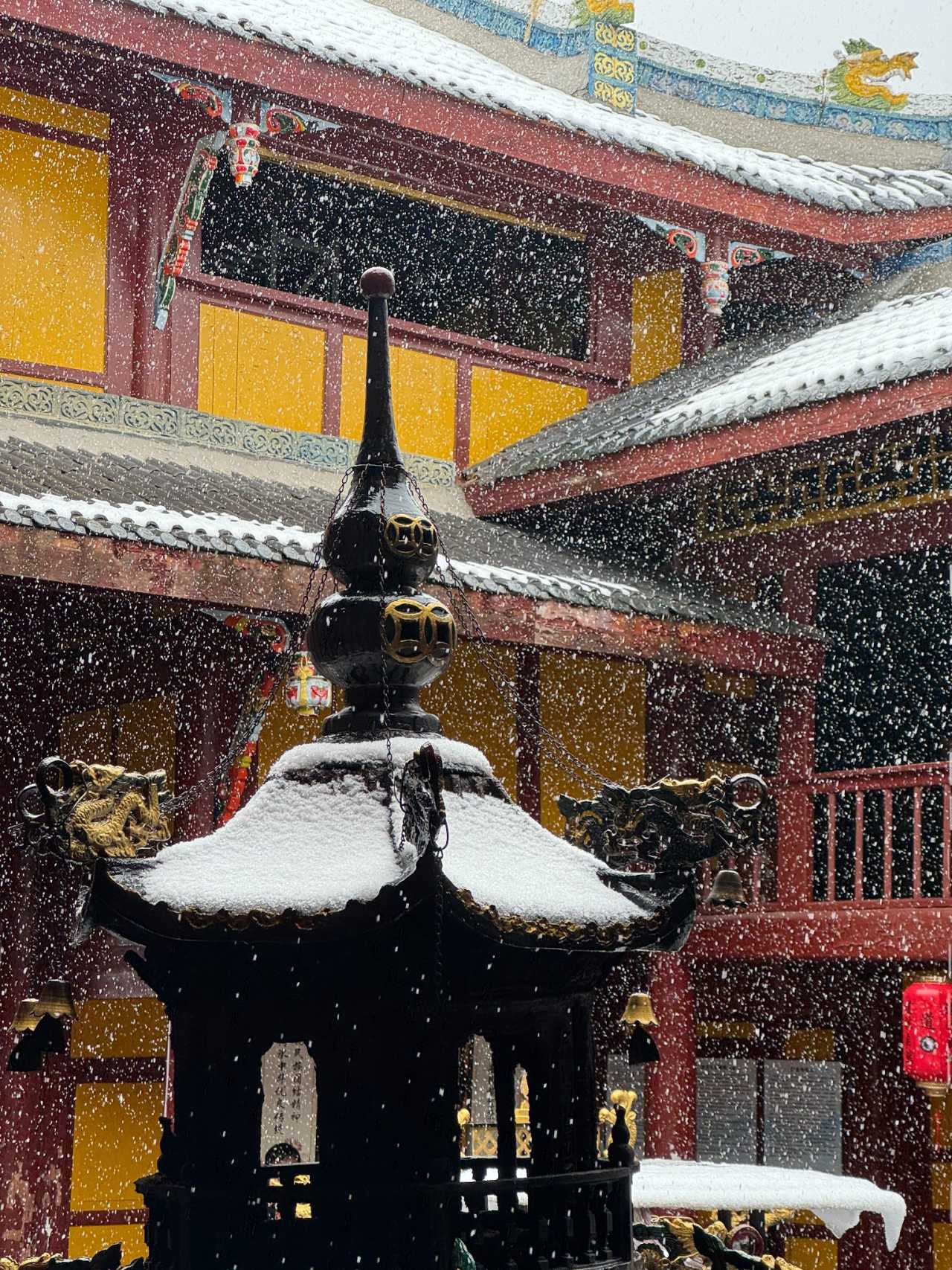
Huanglong Ancient Temple was built during the Ming Dynasty. According to the Songpan County Annals: "Huanglong Temple was built by Military Commissioner Ma Chaojin, also known as Snow Mountain Temple. It is said that the Yellow Dragon Immortal cultivated the Way here, hence the name."
The temple gate is painted with a colorful dragon, and three plaques hang vertically, reading from top to bottom: "Great Achievements," "Huanglong Ancient Temple," and "Heart-to-Heart Transmission Across Time." Inside, there's a famous couplet: "Jade pillars reach the sky, a path of green pines welcomes white snow; Golden sand paves the ground, a thousand layers of blue water walk the yellow dragon."
The moment I approached the temple, I truly felt how heavy the snow was. It didn't show from outside, but standing before the temple, snowflakes fell in sheets, and you could hear their sound—a soft patter, like the gentlest melody between heaven and earth. In that moment, it was so beautiful that I forgot the cold, forgot the altitude, forgot the grind I had left behind.
Day 2 & 3: The Road Through Hongyuan and Bipenggou

The Drive from Chuanzhusi to Li County
Day 2 was a long 416 km drive from Chuanzhusi through Hongyuan County to Li County. The landscape shifted from snowy peaks to vast grasslands. If you are planning a Sichuan self-drive itinerary, be prepared for changing weather and road conditions. The open road offers a unique kind of therapy—just you, the music, and the horizon.
Bipenggou: The Final Stop Before Home
On Day 3, we visited Bipenggou before heading back to Mianzhu. This scenic area is less crowded than Huanglong but equally stunning. It offers a different flavor of Sichuan travel destinations—dense forests, clear streams, and a sense of tranquility that prepares you for the return to reality.
Frequently Asked Questions (FAQ)
1. Is Huanglong worth visiting in the snow?
 Absolutely. The snow adds a layer of magic to the already stunning travertine pools and ancient temple. Just be sure to pack warm clothing and waterproof shoes.
2. How do I prevent altitude sickness at Huanglong?
 Take it slow. Use the cable car and electric cart to reduce physical exertion. Bring portable oxygen (even if just for peace of mind), stay hydrated, and avoid alcohol. Try to sleep below 2,800 meters on your first night.
3. What is the best time of year to visit Huanglong?
 While summer and autumn offer vibrant colors, winter (November to March) offers fewer crowds and a serene snow-covered landscape. Just check road conditions before you go.
4. Can I drive to Huanglong myself?
 Yes. A Sichuan self-drive itinerary is highly recommended for flexibility. The roads are generally well-maintained, but be cautious of snow and ice in winter. Make sure your vehicle is equipped for high-altitude driving.
5. What should I pack for a winter trip to Huanglong?
 Essentials include a down jacket, waterproof shoes, sunscreen, moisturizer, snacks, and extra socks. Don't forget your camera—the snow-covered temple is a photographer's dream.
Internal Linking Suggestions
To improve the SEO structure of your website, consider adding the following internal links within this article:
- [Link: Ultimate Guide to Sichuan Self-Drive Routes]
- [Link: How to Prevent Altitude Sickness on the Plateau]
- [Link: Best Winter Travel Destinations in China]
- [Link: Packing Checklist for High-Altitude Trekking]
Conclusion: Your Escape Awaits
The daily grind will always be there. The deadlines, the emails, the endless meetings—they are patient. But you don't have to be. My most hesitant getaway reminded me that sometimes, the best decision is the one you almost talk yourself out of.
Whether you are standing before the Huanglong Ancient Temple listening to the sound of snow, or driving through the open plains of Hongyuan, the road has a way of resetting your soul. You don't need a perfect plan. You just need to start.
Ready to plan your escape? Book your trip to Huanglong today. Check our recommended self-drive packages and start your journey toward the snow-covered peaks. The "Yellow Dragon" is waiting.
[CTA Button Text: "Plan Your Huanglong Escape Now"]
You may also like