Gazing Up at Sêrtar: A Pilgrimage from Earthly Life to the Soul’s Far Shore
Meta Description: Discover the spiritual journey to Sêrtar (色达), home to the world's largest Tibetan Buddhist academy. Explore red valleys, prayer wheels, and soul-stirring landscapes in this SEO-optimized travel guide.
Prologue: When Reality Becomes Hell, the Distance Becomes Heaven
We often complain about life’s weight, yet forget to look up. When city concrete and steel leave us gasping, when human relationships grow cold, that inner soul still yearns to take flight. Some call Sêrtar heaven; others call it hell. This paradox captures the essence of this sacred land.
Standing on the slopes of the Larung Gar valley, gazing at dense red wooden houses blanketing the valley, watching prayer flags snap in the wind, and seeing monks devoutly turning prayer wheels—I realized: what we call “real life” might be the true hell. Sêrtar is a mirror, letting us re-examine existence.
This is not a simple travelogue. It is a journey of the soul. We’ve grown accustomed to the fickleness of the world, to coldness and pretense. The tougher our exterior, the more fragile our heart. Perhaps all it takes is a small nudge to bring tears to our eyes—to re-evaluate how much joy and emotion still surround us, worth cherishing.
Why Visit Sêrtar? The Allure of Tibetan Buddhism
The allure of Tibetan Buddhism far exceeds imagination. Every time I step into Tibetan regions, temples are where I linger longest. Han Chinese Buddhist halls are either dilapidated or gaudily ornate, yet they lack historical depth and human warmth. Tibetan Buddhism is different—from every ornament inside the hall, to the scent of burning pine branches, to flickering butter lamps—every detail radiates the sincerity and hope of the faithful.
This devotion made me, without hesitation, bring my family and set out on the pilgrimage road to Sêrtar.
The Unexpected Delight of Luhuo
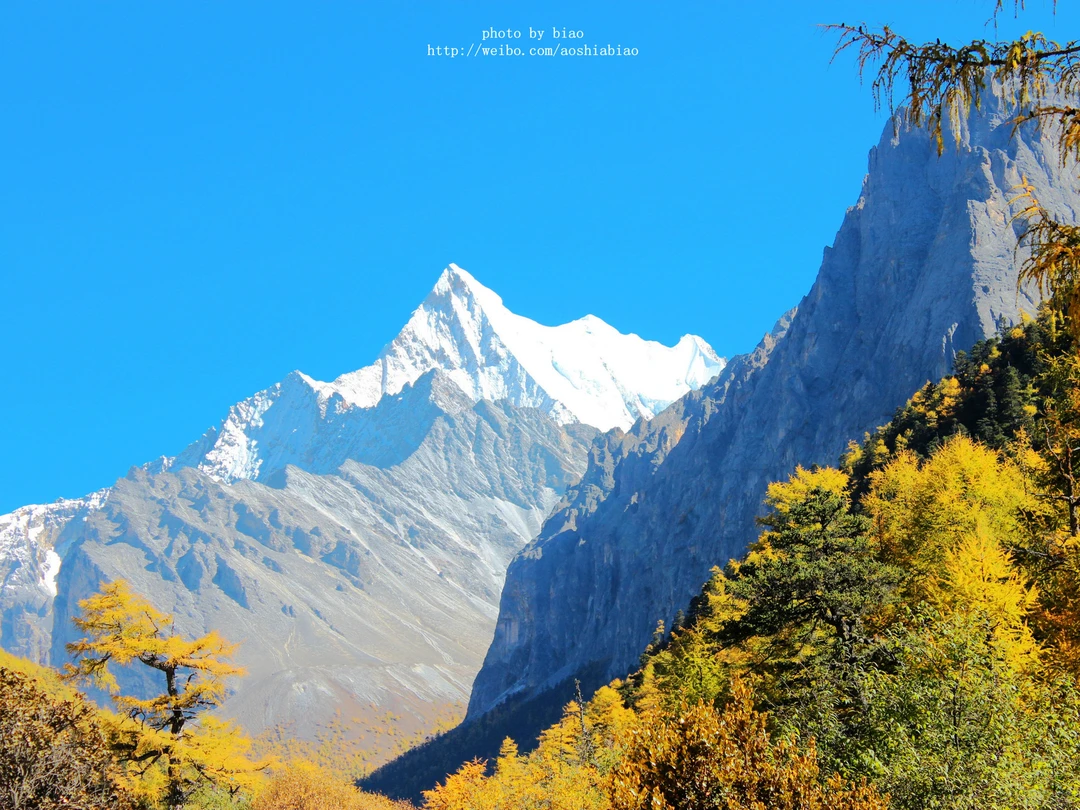
On August 14, 2012, we drove from Xinduqiao to Luhuo. The scenery along the way was intoxicating—open wilderness, wheat fields ready for harvest, distinctive Tibetan houses, all set against a backdrop of blue sky and white clouds. Every time we stopped to take photos, it felt like embracing freedom.
Luhuo town was small but bustling. We checked several hotels—none satisfactory. Some were too shabby; others lacked hot water. For us, driving hundreds of kilometers daily, not being able to take a hot shower was sheer torture. Luckily, we found the county government guesthouse. It only had a triple room, but at least we could bathe.
What surprised me even more: the occupant of Room 302, directly across from me, was Khenpo Sodargye—the supreme leader of the Sêrtar Buddhist Academy. The guesthouse staff told me the reason it was fully booked was that many admirers had come specifically to pay homage to this eminent monk.
I took my two daughters and, gathering courage, knocked on the Khenpo’s door. When it opened, several devotees were kneeling on the floor reporting matters to him. The awe on their faces made me realize the Khenpo’s stature was extraordinary. I apologized for the intrusion and expressed my respect. The Khenpo graciously invited us to sit and offered us fruit. My younger daughter, though curious, sat obediently still. I asked her to kowtow three times to the Khenpo. She glanced at me and her sister, then bravely walked over and did it.
From our brief conversation, I learned the Khenpo would be attending an event in Luhuo the next day. As we left, I told him we were heading to Sêrtar the following day. He smiled and nodded. Interestingly, the Khenpo used an iPhone 4S, his laptop was an IBM, and the parking lot was filled with SUVs—these products of modern civilization formed an intriguing contrast with ancient faith.
Sêrtar: The City of Faith in a Red Valley

The Road to Heaven
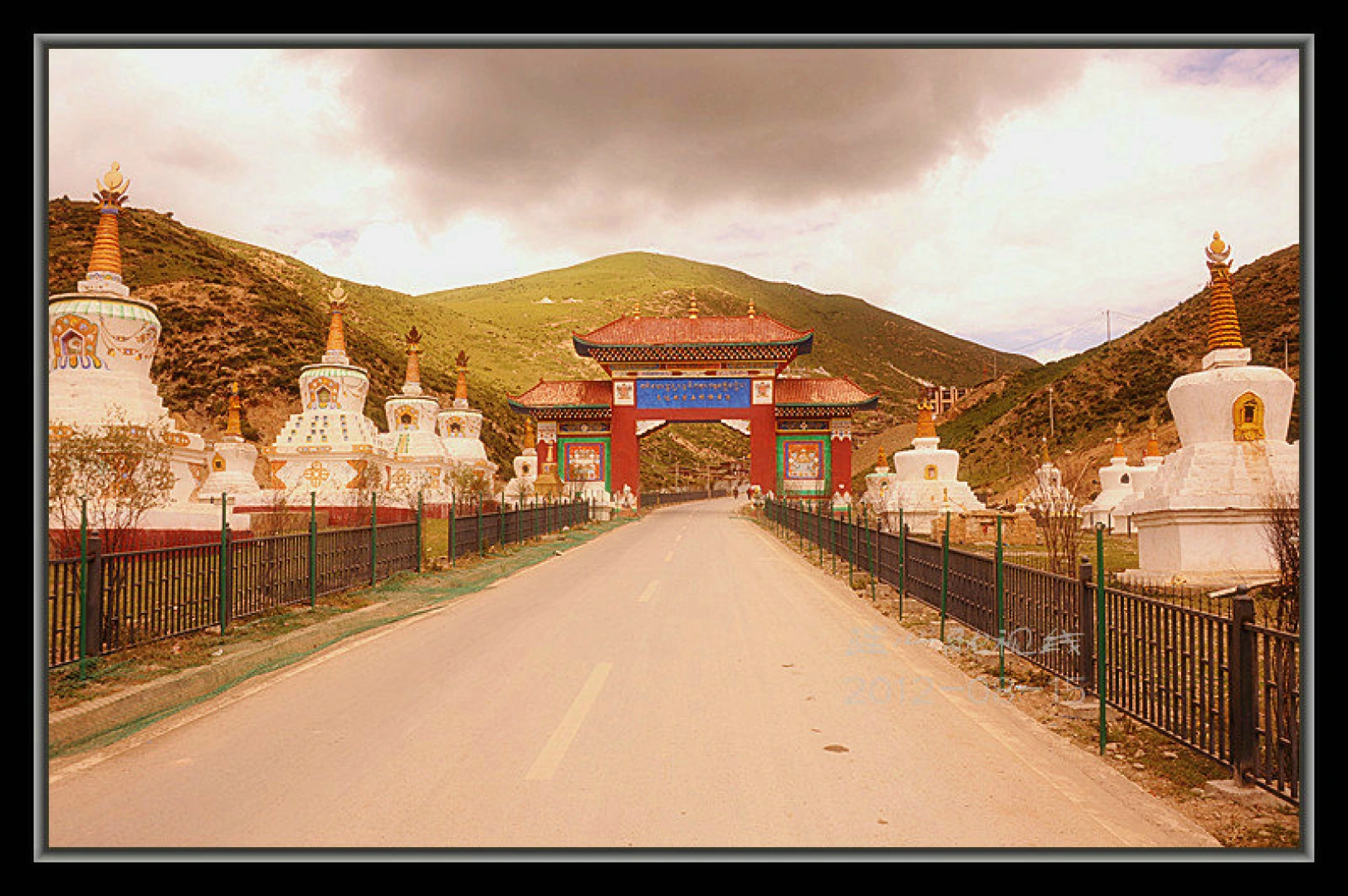
On August 15, we set off for Sêrtar. This was a pilgrimage road—a road to heaven. Shortly after leaving Luhuo, we joined National Highway 317. The construction sections were rough; it took about two hours before the road smoothed out. We traveled along the valley floor, parallel to a river, on a narrow road with almost no traffic. I drove cautiously.
Along the way, my thoughts began to merge with Buddhist teachings. Buddhism divides the secular world into the Realm of Desire, the Realm of Form, and the Formless Realm, holding that all beings are trapped in the cycle of birth and death. The character “色” (sè) in “色达” (Sêrtar) corresponds to the “Realm of Form.” Those who come here seem to seek, through Buddhist doctrine, to escape the Realm of Desire and reach the Formless Realm. The philosophical significance is deeply thought-provoking.
The Awe of Larung Gar
About twenty kilometers from Sêrtar lies the Larung Gar valley, home to the Larung Gar Five Sciences Buddhist Academy—the largest Tibetan Buddhist academy in the world. Founded in 1987, in less than thirty years it has created the spectacular scene of “Sêrtar’s mountains and rivers turning red.” The academy hosts a constant population of ten to twenty thousand students. Accommodating so many monks and nuns in such a remote valley means crowded conditions, noisy streets, and extremely harsh sanitation and food provisions.
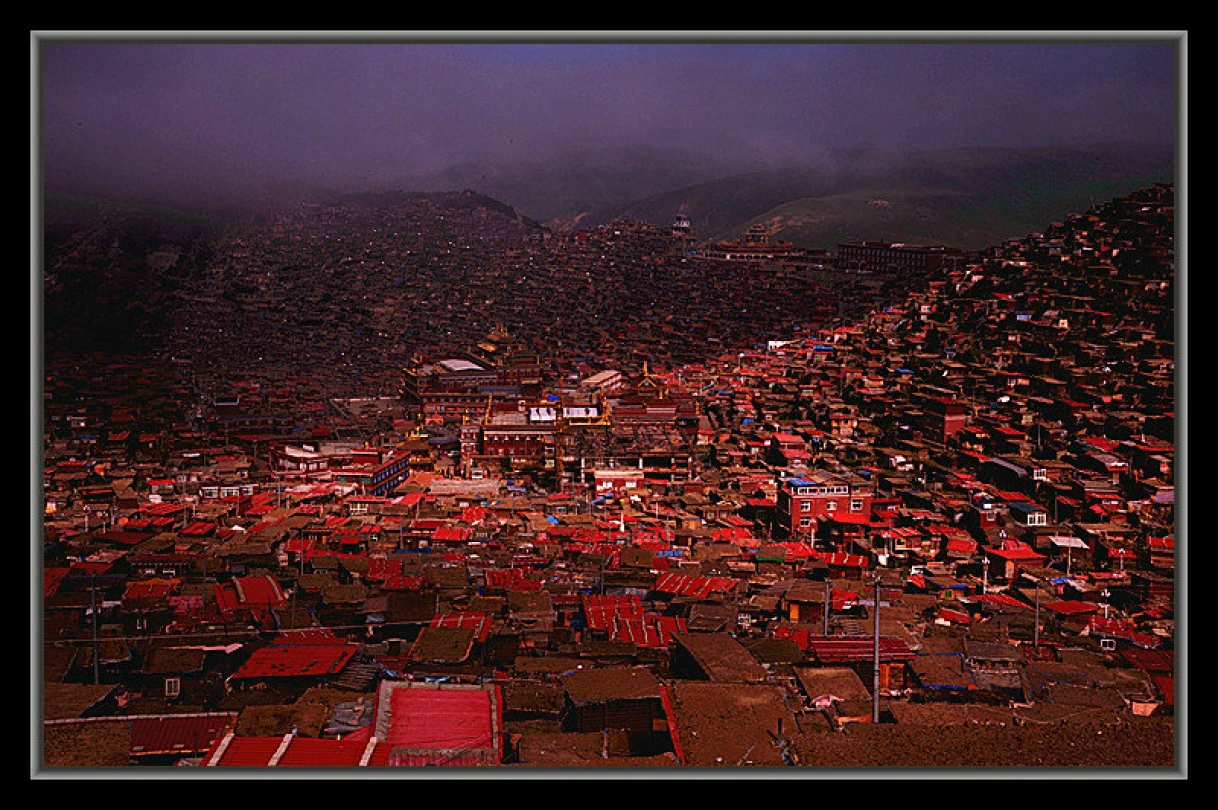
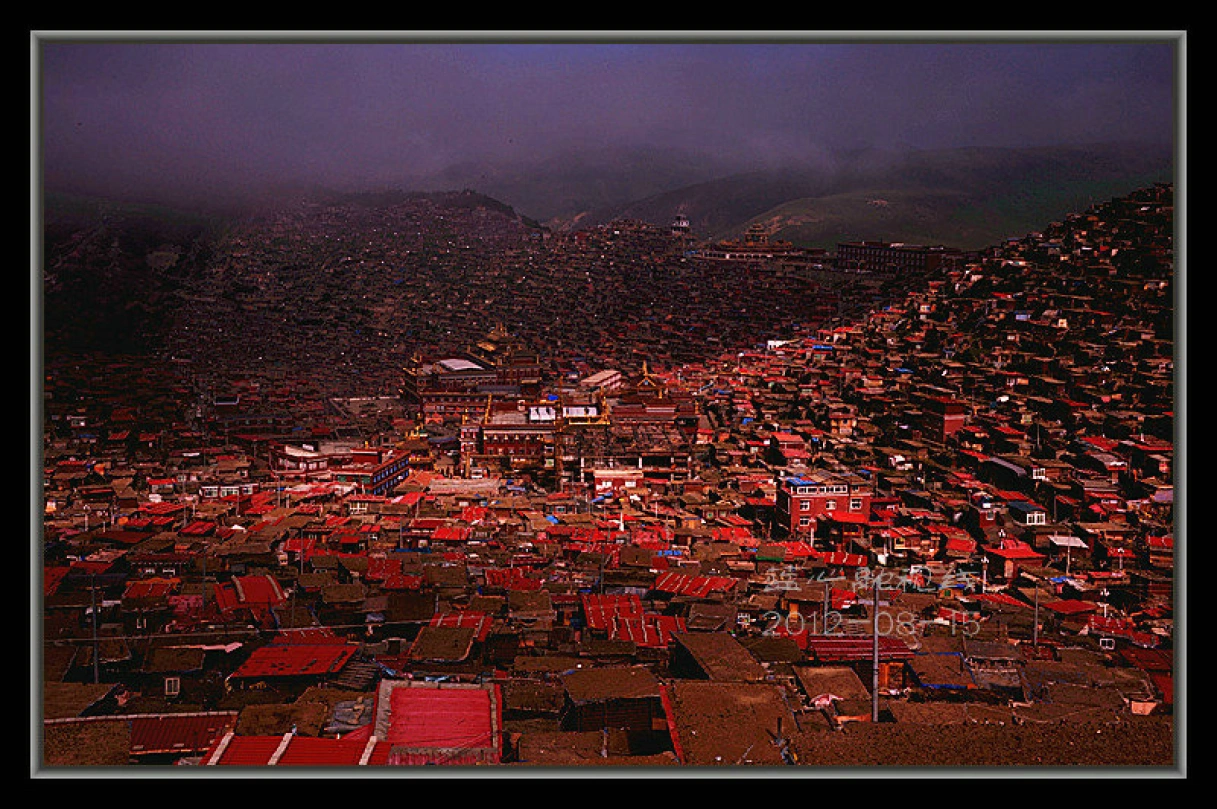
When my car passed through the academy’s gate and turned a corner, the sight before me left me speechless—a sea of red rooftops, densely covering the entire valley, arranged in layers, majestic in scale. Any language feels powerless before such a magnificent sight.
Practical Information for Visiting Sêrtar
Sêrtar lies deep in the mountains of western Sichuan. Tourists are relatively few, but in recent years, a flood of visitors has begun to arrive. Accommodation is limited; it’s best to stay in the valley where the academy is located. I stayed at the “Larung Hotel,” the best available, at 160 yuan per night. The internet cable had just been installed the day I checked in, but there was still no running water. All washing water was provided by the staff in buckets placed in the bathroom. Meals were basic; the hotel had a restaurant serving mainly Sichuan food, or you could eat instant noodles.
Contact Information (for reference): - Larung Hotel Front Desk: 0836-8526669 - Larung Hotel Manager: 13568697664 (try several times; they’re busy)
[Link: Best time to visit Sêrtar for photography and weather] [Link: How to get to Sêrtar from Chengdu or Kangding]
Wandering the Academy: Finding Myself in a Red Ocean
The Mandala: The Heart of Faith
The mandala is one of the most important sites in the academy. Thousands of people come here every day to circumambulate the prayer wheels. The mandala has two levels. Devout believers spend years—sometimes a decade or more—turning the wheels here. An elderly man faced the prayer wheels with a devotion that was deeply moving; a playful little child frolicked around him, adding a touch of vitality to the solemn scene.
At dusk, there were still people prostrating in devotion. One, two, three… a lifetime spent repeating this gesture countless times. One hundred thousand prostrations complete a cycle. This is their lifelong pursuit, their dream.
The View from the Summit
To find the best photo spot, I climbed for a long time to reach the mountaintop. From here, you can overlook the entire valley—an absolutely perfect vantage point. I had thought it was only accessible on foot, but to my surprise, there was a car parked on the flat summit—meaning vehicles could drive up. This secretly delighted me; I could come back at night to shoot the illuminated scene.
The photos taken with a wide-angle lens were breathtaking in their grandeur. Dense red houses spread across the narrow valley, layered and orderly, forming a stunning, soul-shaking panorama.
The Other Side of Life
Yet behind these beautiful red huts lies an unimaginable reality. The living conditions are harsh—no running water, basic sanitation, and limited food supplies. Monks and nuns live in tiny wooden cabins, often sharing cramped spaces. The winter cold is brutal, and the altitude (over 4,000 meters) makes even simple tasks exhausting.
But for the faithful, this is not suffering. It is purification. The harshness strips away attachment to material comfort, leaving only devotion and spiritual practice. This is the other side of life—the side that modern society often forgets.
Frequently Asked Questions About Visiting Sêrtar
1. What is the best time to visit Sêrtar?
The best time is May to October, when temperatures are milder and roads are more accessible. Summer offers green valleys and clear skies; autumn brings golden grasslands and stunning light for photography. Winter is extremely cold (below -20°C) and many facilities close.
2. Is Sêrtar safe for solo travelers?
Yes, Sêrtar is generally safe for solo travelers. However, due to the high altitude (over 4,000 meters), altitude sickness is a real risk. Acclimatize for at least 24 hours in a lower-altitude town like Luhuo before heading to the academy. Also, respect local customs—avoid pointing at monks, touching religious objects, or taking photos without permission.
3. How do I get to Sêrtar from Chengdu?
 The most common route is: Chengdu → Kangding → Luhuo → Sêrtar. The total drive is about 10–12 hours, with the best option being a private car or joining a tour group. Public buses run from Chengdu to Sêrtar but are infrequent. Alternatively, fly to Kangding and then drive.
4. Can I stay overnight inside the academy?
Yes, but accommodation is very basic. The Larung Hotel is the best option (160 yuan/night), but it has no running water and limited amenities. Some guesthouses outside the academy offer slightly better conditions. Book in advance, especially during summer and Buddhist festivals.
5. Are there any photography restrictions?
Photography is generally allowed in public areas, but do not take photos of monks or nuns without their permission. Inside temples and prayer halls, photography is often prohibited. Also, avoid using flash near prayer wheels or during ceremonies. Respect the sacred atmosphere.
[Link: Tibetan Buddhist etiquette and customs for visitors] [Link: Altitude sickness prevention tips for high-altitude travel]
Final Thoughts: A Pilgrimage Worth Taking
Sêrtar is not a typical tourist destination. It is a spiritual journey, a place where you confront the raw realities of faith, suffering, and transcendence. The red valley, the prayer wheels, the prostrating devotees—all of it forces you to ask: What am I truly seeking in life?
If you feel weighed down by modern life, if the city leaves you gasping for air, consider this pilgrimage. It may not give you easy answers, but it will show you a different way of being—a way where devotion, simplicity, and community matter more than comfort, status, or speed.
Ready to plan your journey? Start by researching transportation options, packing for high altitude, and setting aside time for quiet reflection. The road to Sêrtar is long, but the destination is unforgettable.
[Link: Book your Sêrtar tour or private car from Chengdu] [Link: Download our high-altitude travel checklist PDF]
Have you visited Sêrtar or another Tibetan Buddhist site? Share your experience in the comments below—we’d love to hear your story.
You may also like