Ten Days in Sichuan & Chongqing: A Youthful Ramble Through Chongqing, Chengdu, and Aba
Meta Description: Discover the ultimate 10-day Sichuan & Chongqing itinerary for budget travelers. Explore Chongqing's mountain city heat, Chengdu's slow life, and Aba's plateau wonders for just 4,200 RMB.
Introduction: Why This Sichuan-Chongqing Road Trip Became My Most Memorable Youth Adventure
In our early twenties, we all crave something a little crazy—not to prove anything, but so that when we're eighty and looking back, we can still smile. Last summer, two friends and I—each from a different province—spontaneously decided to embark on a ten-day free-and-easy trip spanning Chongqing, Chengdu, and Aba. No elaborate itinerary, no rigid plan. We just went with the flow, stopping whenever we wanted, leaving whenever we felt like it. As it turned out, this journey became the brightest chapter in my memory of youth.
If you're searching for a Sichuan Chongqing travel guide that balances spontaneity with practical tips, this post is for you. Let's dive into the raw, unfiltered experience of three young travelers exploring the heart of Southwest China.
Before You Go: Essential Trip Planning for Sichuan & Chongqing

Route Overview: A Loop Through Bashu Without Backtracking
Our route: Beijing → Chongqing → Chengdu → Jiuzhaigou → Huanglong → Songpan Ancient Town → Ruoergai Grassland → Lanzhou → Beijing. Ten days, three distinct landscapes—the fiery heat of a mountain city, the laid-back vibe of the plains, and the grandeur of the highlands—all packed into one trip.
This Chongqing Chengdu Aba loop itinerary ensures you see the best of each region without wasting time on backtracking.
Cost Breakdown: 4,200 RMB—Neither Frugal nor Lavish
The total cost for this trip was about 4,200 RMB, with transportation accounting for nearly half. Here's how we saved:
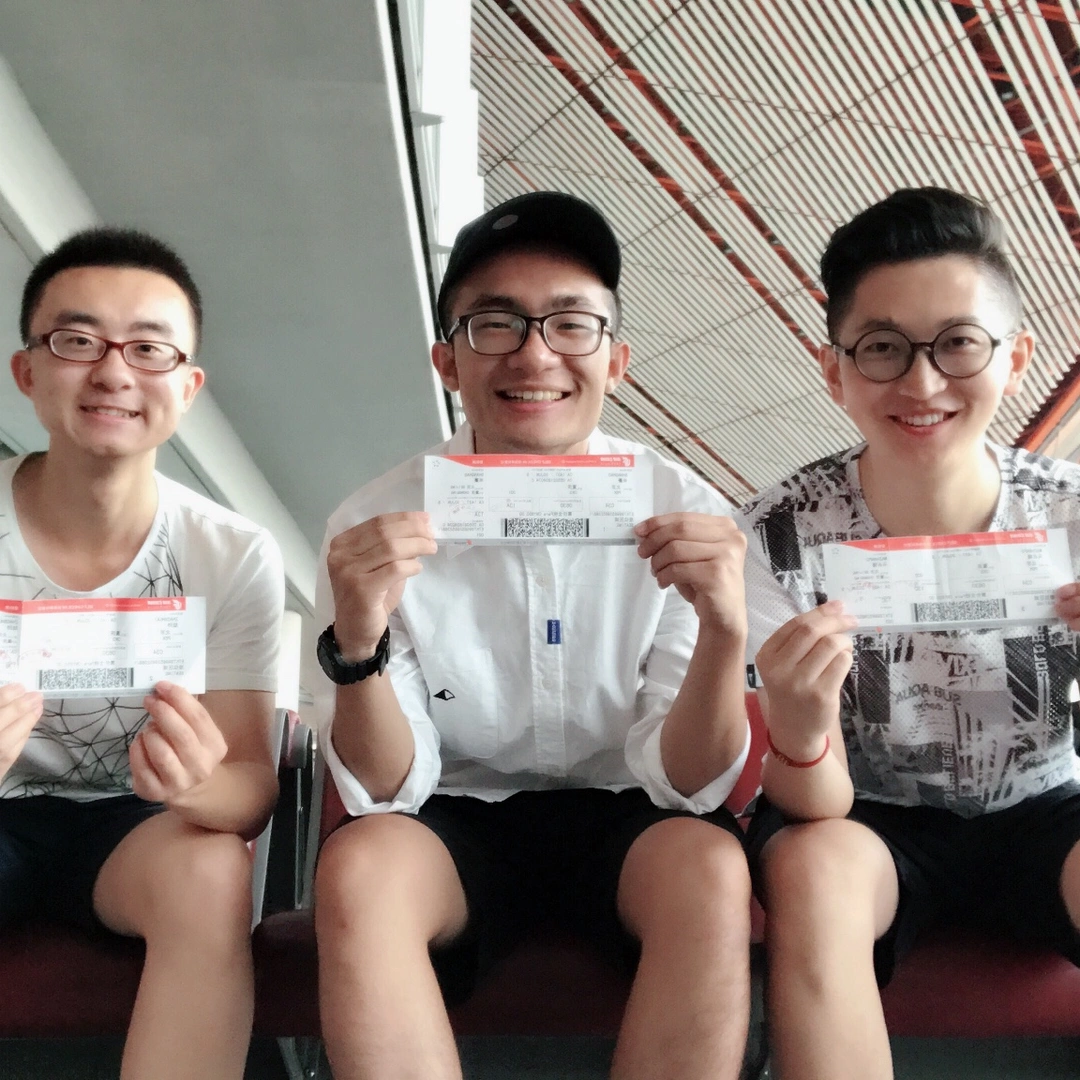
- Flights: Snagged discounted tickets about 20 days in advance. Beijing to Chongqing and Lanzhou back to Beijing cost just over 1,000 RMB. Pro tip: buy tickets 15–20 days ahead for the best deals, though summer and winter breaks are exceptions.
- High-speed train: Chongqing to Chengdu costs 157 RMB and takes just 1.5 hours, with trains running almost every hour.
- Metro: Both cities have excellent systems, especially Chongqing's Lines 2 and 3—worth riding just for the experience.
- Private car charter: From Chengdu to Jiuzhaigou, Huanglong, and Ruoergai, we paid 600 RMB per person. Not cheap, but the freedom was unbeatable—we could stop anytime for photos. [Link: How to book private car charters in Sichuan]
- Bus: From Ruoergai county town to Lanzhou, an eight-hour bus ride costs 148 RMB, departing every morning at 9 AM.
Accommodation Recommendations: Budget-Friendly Gems Under 50 RMB per Person
We stayed in homestays in Chongqing and Chengdu, and triple rooms elsewhere. Two highly recommended spots:
- Jiuzhaigou Paradise Inn Boutique Hotel – Great environment, warm hosts, just over 40 RMB per person per night.
- Ruoergai 1688 Hotel – Incredible value for the plateau region.
Food Map: So Spicy You'll Sweat, But You Can't Stop
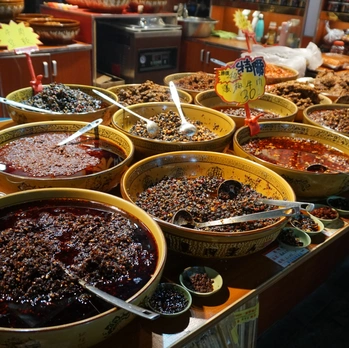
Chongqing and Sichuan food is legendary. Even if you can't handle much spice, you'll find yourself eating through tears.
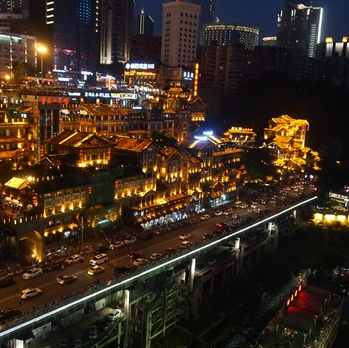
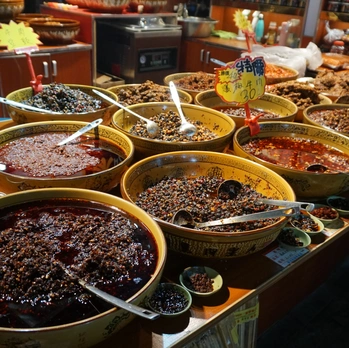
Must-eats in Chongqing: - Maozhuang Chicken Gizzards at Cikou Ancient Town - Fried dough twists, Hechuan peach slices - Tianyou walnut-milk and red-date milk - Cold jelly, cold shrimp jelly, cold rice cake - At Jiefangbei: small tangyuan (glutinous rice balls) and sour-spicy noodles - Hotpot: Linjiangmen Cave Hotpot, Qiankuang Hotpot, Jiucun Grilled Pig Brain
Must-eats in Chengdu: - Sugar-coated fried dough balls at Kuanzhai Alley - "Maojiao Huola" (spicy skewer joint) - At Jinli: egg-filled sponge cake - Steel Pipe Factory Xiao Jun Gan Skewers and Xiaolongkan Hotpot
For the plateau region, stick to home-style dishes—use Dianping (China's Yelp) for options.
Altitude Sickness: Don't Panic, But Don't Be Careless
We spent four days in the high-altitude area, and none of us experienced altitude sickness. I took Gaoyuan'an two days before; my friends took nothing—we were all fine. But it varies. If worried, start taking Rhodiola rosea oral liquid a week in advance.
- Jiuzhaigou: Elevation ~2,000 meters, highest point at Changhai (3,100 meters). Altitude sickness unlikely; oxygen canisters available at the entrance.
- Huanglong: Elevation ~4,000 meters, crossing a mountain nearly 5,000 meters. Risk is higher. Oxygen rooms every 1,000 meters inside. If you already feel symptoms at Jiuzhaigou, skip Huanglong.
- Ruoergai Grassland: Elevation ~3,500 meters. If fine in the first two days, you'll likely be okay here.
Important: Unless absolutely necessary, avoid supplemental oxygen. Let your body adjust naturally. No strenuous exercise, no hot bath the night before entering high altitude, rest plenty, and drink lots of water.
Day 1: First Encounter with Chongqing—The "Furnace" Welcomes You with Heat
The morning after my final exams, I flew to Chongqing. After a decent Air China breakfast, I took Metro Line 3 to our Airbnb. Dropped off luggage and headed straight to North City Tiandi—a bustling, modern commercial area.
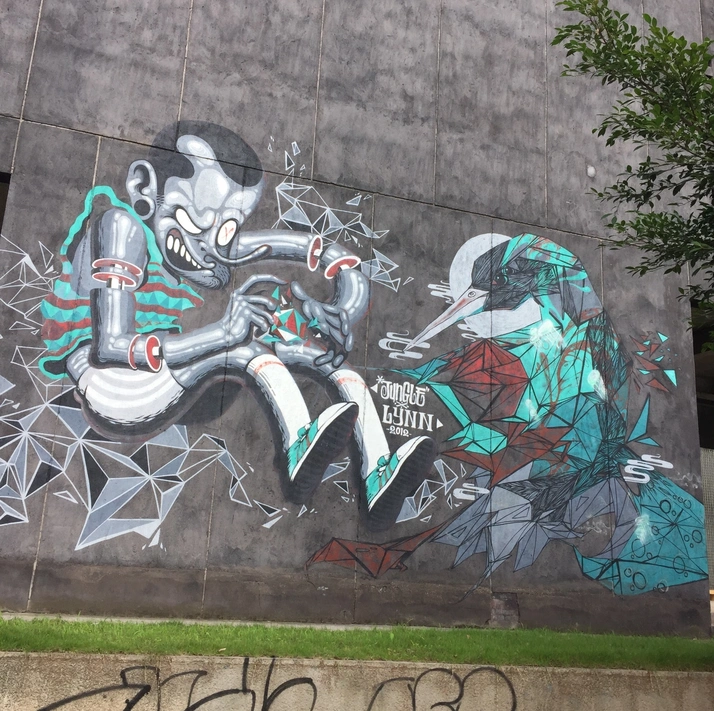
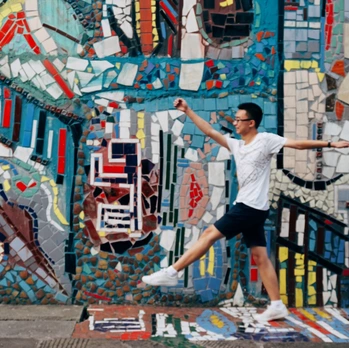
In the afternoon, I visited the old campus of Sichuan Fine Arts Institute (located in Chongqing University Town). It took over an hour by metro, but it was absolutely worth it: walls covered in graffiti, quirky sculptures, wildly imaginative, artistic yet fresh. Spend about two hours here, but bring mosquito repellent—or you'll get bitten to pieces.
That evening, we had hotpot near the university town and headed back satisfied.
Day 2: Exploring Chongqing—So Many Check-Ins Your Legs Will Give Out
Today's packed schedule: Cikou Ancient Town → Lianglukou (Crown Grand Escalator) → Liziba (building-piercing light rail) → Jiefangbei → Mountain City Trail → Huguang Guild Hall → Luohan Temple → Hongyadong.
At Cikou, we had Chongqing noodles, wontons, cold jelly, and rice cake—all unique in flavor. Then we experienced the Crown Grand Escalator, the second-longest in Asia. Honestly? Not worth a special trip. Save yourself the trouble.
Next, we took the bus to Liziba Station and saw the light rail passing right through a building—with residents still living inside! Mind-blowing.
From Liziba to Xiaoshizi Station, we walked to Jiefangbei, realizing this was Chongqing's city center. Packed with people, we didn't linger long and headed to the Third Mountain City Trail. This is one of the few remaining ancient trails—rumored to be demolished soon. A real shame. The trail was quiet, with a boardwalk offering a view of the Yangtze River. Definitely worth a stroll.
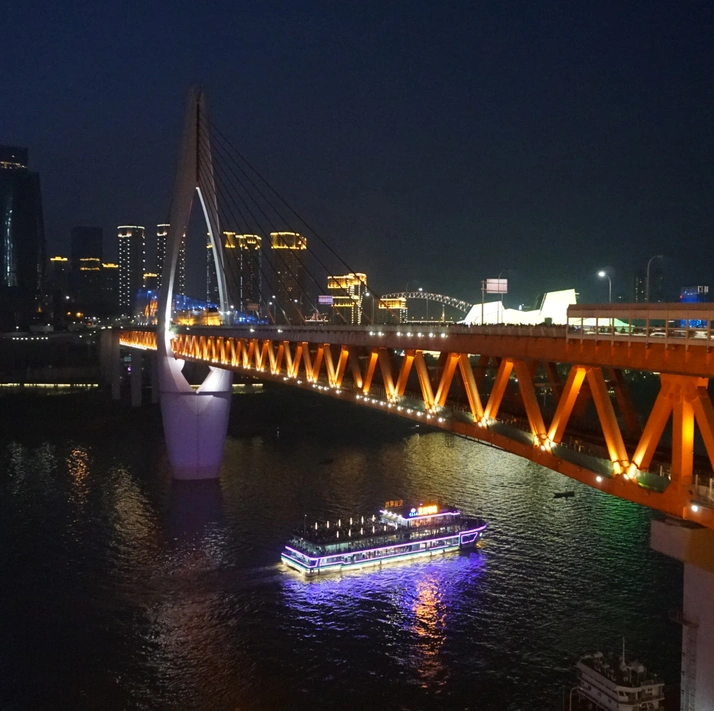
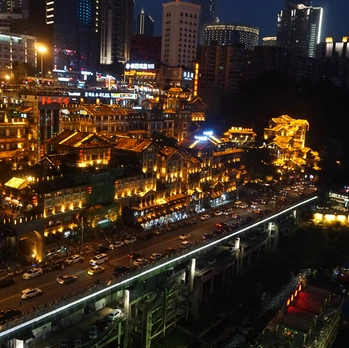
After exiting, we took a bus to Huguang Guild Hall, but it was closed. So we walked through the Chaotianmen Tunnel to Hongyadong—and got lost. Hongyadong's design is so unique that it took us ages to find the exit. If you don't get lost in Chongqing, you haven't really been there.
We wanted to go to Nanshan Yikeshu for the night view, but traffic was gridlocked. Hongyadong's night scenery was beautiful too—lights come on at 8 PM and turn off around 10 PM.
Day 3: First Taste of Chengdu—Slow Living Starts with a Cup of Tea
We took the high-speed train to Chengdu and immediately felt the difference. Chongqing is a vertical city; Chengdu is a horizontal one—flat, wide, and relaxed.
Our first stop: Kuanzhai Alley. The narrow and wide lanes are packed with tea houses, street food, and souvenir shops. We sat down for a cup of Sichuan tea at a traditional tea house—just 20 RMB for a pot, and you can sit for hours. This is the essence of Chengdu slow living.
In the evening, we explored Jinli Ancient Street, which comes alive at night with lanterns, live music, and more street food. Try the egg-filled sponge cake—it's a local favorite.
Day 4-5: Jiuzhaigou & Huanglong—Nature's Masterpieces
We chartered a car from Chengdu to Jiuzhaigou National Park. The eight-hour drive through mountain roads was bumpy but scenic. [Link: Jiuzhaigou travel tips and best seasons]
Jiuzhaigou is a UNESCO World Heritage site, famous for its turquoise lakes, multi-tiered waterfalls, and snow-capped peaks. We spent a full day exploring the park's Y-shaped route. Highlights: Five Flower Lake, Pearl Shoal Waterfall, and Long Lake at 3,100 meters.
The next day, we drove to Huanglong Scenic Area, known for its colorful travertine pools. The elevation is higher (up to 4,000 meters), so take it slow. The golden calcified pools against the green forest are surreal.
Day 6-7: Songpan Ancient Town & Ruoergai Grassland
From Huanglong, we headed to Songpan Ancient Town, a historic border town with well-preserved city walls and Tibetan influence. We spent a quiet afternoon walking the ramparts and trying yak meat dishes.
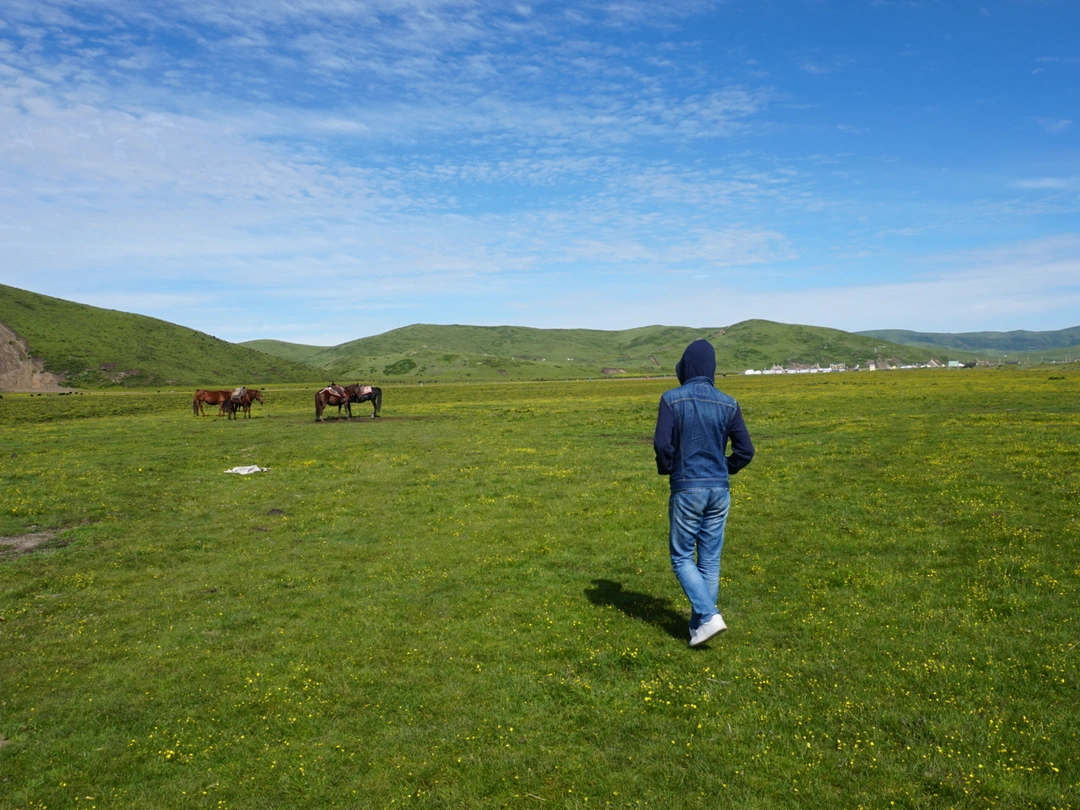
Next stop: Ruoergai Grassland (also known as Zoige). At 3,500 meters, this is the largest alpine wetland in the world. The endless green plains dotted with yaks and Tibetan prayer flags are breathtaking. We stayed at Ruoergai 1688 Hotel and enjoyed home-style cooking.
Day 8-10: Lanzhou & The Journey Home
From Ruoergai, we took an eight-hour bus to Lanzhou, the capital of Gansu Province. Lanzhou is famous for its beef noodle soup and the Yellow River scenery. We spent a day exploring the Yellow River Mother Sculpture, Zhongshan Bridge, and the White Pagoda Mountain.
Then, we flew back to Beijing, our ten-day adventure complete.
FAQ: Your Top Questions About a Sichuan-Chongqing Trip Answered
1. Is 10 days enough for Chongqing, Chengdu, and Aba?
 Yes! This itinerary covers the main highlights without rushing. You'll need at least 2 days in Chongqing, 2 in Chengdu, and 3-4 for Jiuzhaigou/Huanglong/Ruoergai. The remaining days are for travel.
2. What's the best time to visit Sichuan and Chongqing?
 Spring (April-May) and autumn (September-October) offer mild weather and beautiful scenery. Summer is hot and rainy in Chongqing, while winter can be cold in the plateau areas.
3. How do I get from Chengdu to Jiuzhaigou?
 You can take a bus (8-10 hours), charter a private car (600 RMB per person), or fly (1 hour, but more expensive). The Lanzhou-Chengdu railway is expected to be completed in two years, reducing travel time significantly.
4. Can I handle the spicy food if I'm not used to it?
 Yes! Start with milder dishes like cold jelly or rice cake, and always have a glass of milk or yogurt handy. Most restaurants can also adjust the spice level on request.
5. Do I need a guide for Jiuzhaigou and Huanglong?
No, the parks are well-marked with English signs and maps. However, a private car charter is recommended for flexibility, especially if you want to stop at scenic spots along the way.
Final Thoughts: Why You Should Take This Trip Now
This ten-day Sichuan Chongqing travel itinerary is more than just a vacation—it's a rite of passage. The fiery heat of Chongqing, the slow tea culture of Chengdu, and the pristine wilderness of Aba will stay with you forever.
If you're in your twenties (or any age, really), don't wait for the "perfect" plan. Book those tickets, pack light, and go. The memories you'll make are worth more than any meticulously planned itinerary.
Ready to plan your own adventure? Start by checking flight deals 15-20 days in advance, and don't forget to download Dianping for food recommendations. [Link: Best travel apps for China]
Have you been to Sichuan or Chongqing? Share your favorite experience in the comments below!
You may also like


