Tea Tea's Hanfu Travels: Celebrating Spring Festival as UNESCO Intangible Heritage in Langzhong, Sichuan
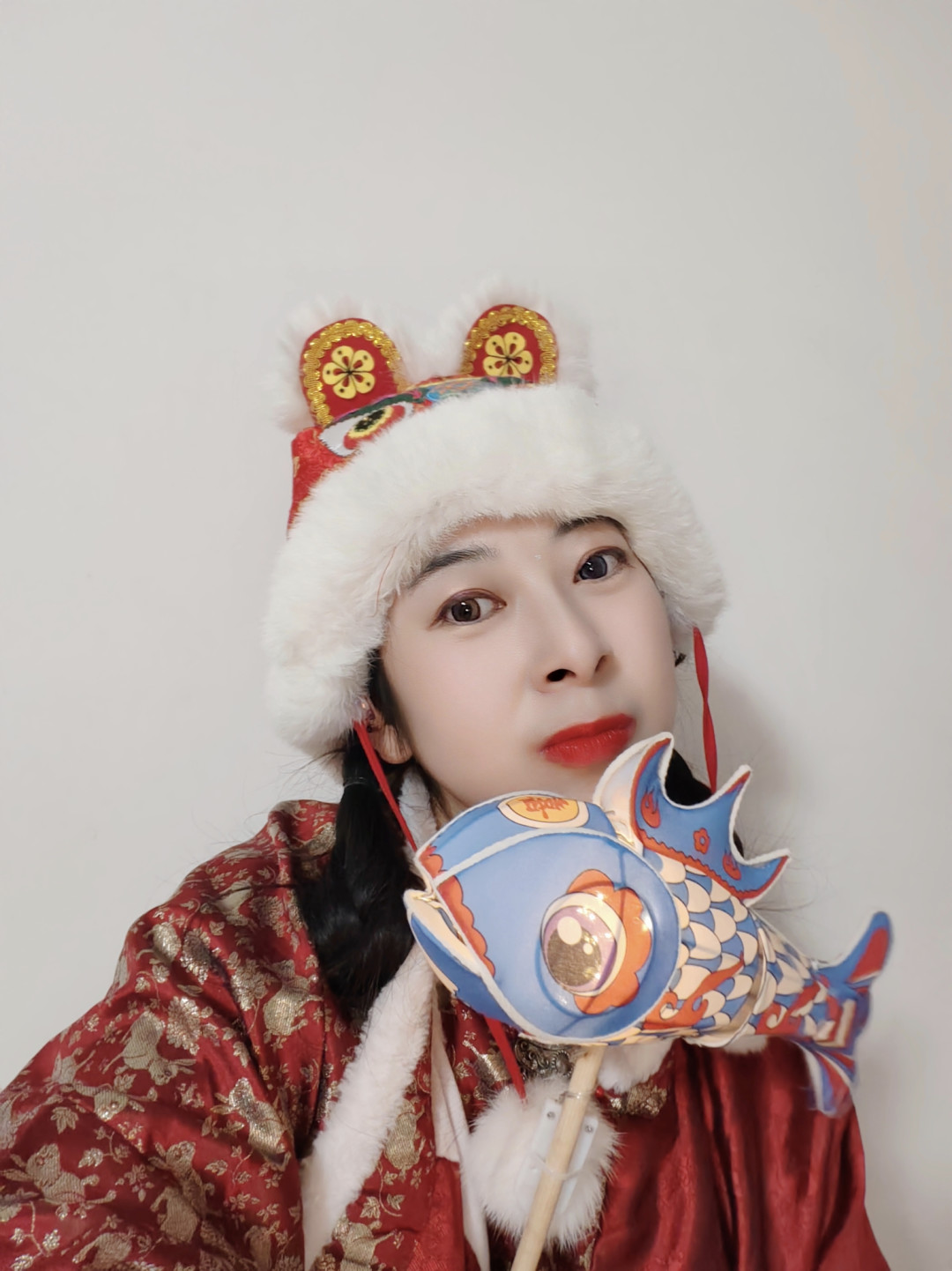
Meta Description: Discover how Langzhong, Sichuan—the birthplace of Spring Festival—celebrated its UNESCO inscription in 2025. Join a hanfu traveler through ancient streets, Zhang Fei Temple, and 42 days of festivities. (158 characters)
Introduction: When Hanfu Meets the Origin of Spring Festival
The Spring Festival of 2025 marked a historic milestone: China's most cherished tradition was officially inscribed on the UNESCO Representative List of the Intangible Cultural Heritage of Humanity. For those who love traditional culture, this was more than a ceremony—it was a homecoming.
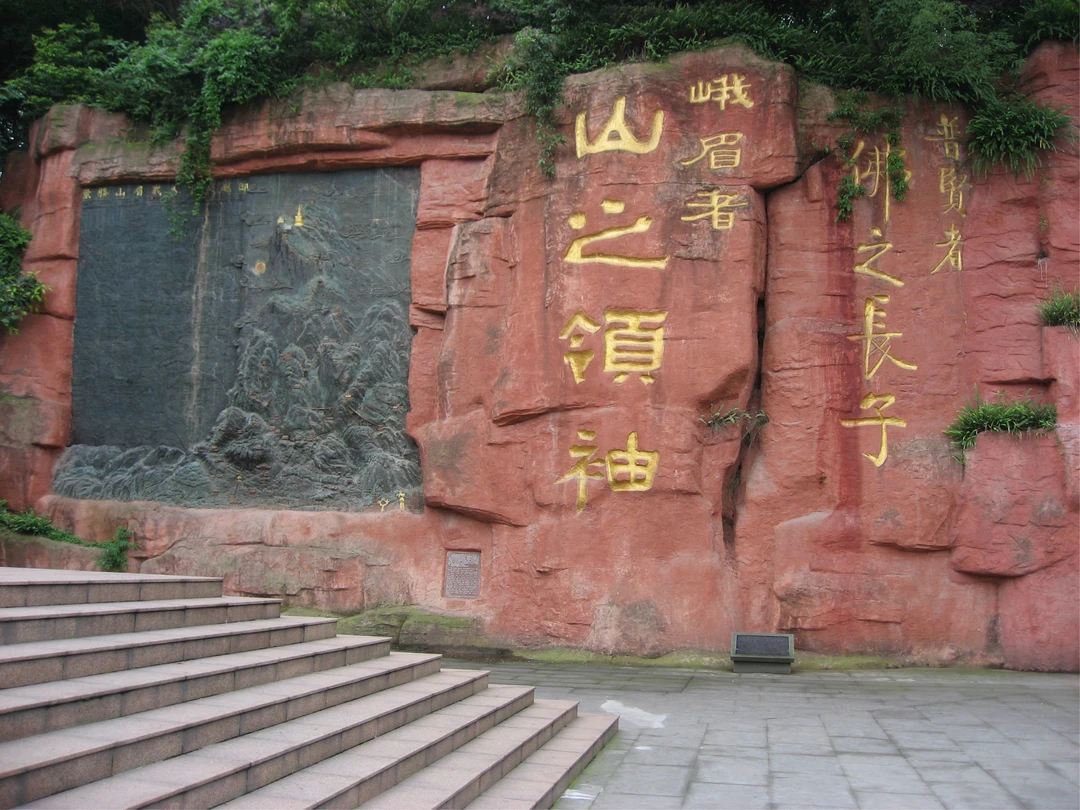
Langzhong, a 2,340-year-old ancient city in Sichuan, holds a unique claim to fame. It is the birthplace of Luo Xiahong, the Han Dynasty astronomer who formulated the Taichu Calendar, establishing the first day of the first lunar month as the beginning of the year. Without him, there would be no Spring Festival as we know it today.
As a hanfu enthusiast and cultural traveler, I embarked on a ten-day journey to Langzhong to witness the grand 42-day celebration—from Laba Festival to Lantern Festival. What unfolded was a tapestry of ancient architecture, fiery Sichuan cuisine, folk customs, and warm hospitality that redefined what "celebrating the New Year" truly means.
[Link: Hanfu travel guide for Chinese festivals]
Why Langzhong is the Hometown of Spring Festival Culture
Before we dive into the journey, let's understand why Langzhong is so central to Spring Festival history.
Luo Xiahong (156–87 BCE) was a brilliant astronomer, mathematician, and historian. His Taichu Calendar was the first Chinese calendar to systematically set the beginning of the year on the first day of the first lunar month. This innovation standardized the timing of Spring Festival celebrations across the empire.
Today, Langzhong proudly bears the title "Hometown of Chinese Spring Festival Culture." Its Spring Festival celebrations are recognized as a National Intangible Cultural Heritage, and with the 2025 UNESCO inscription, the city's cultural significance has reached global recognition.
[Link: History of Chinese calendar and festivals]
Before Departure: Festive Preparations in Beijing
The Spirit of the Season
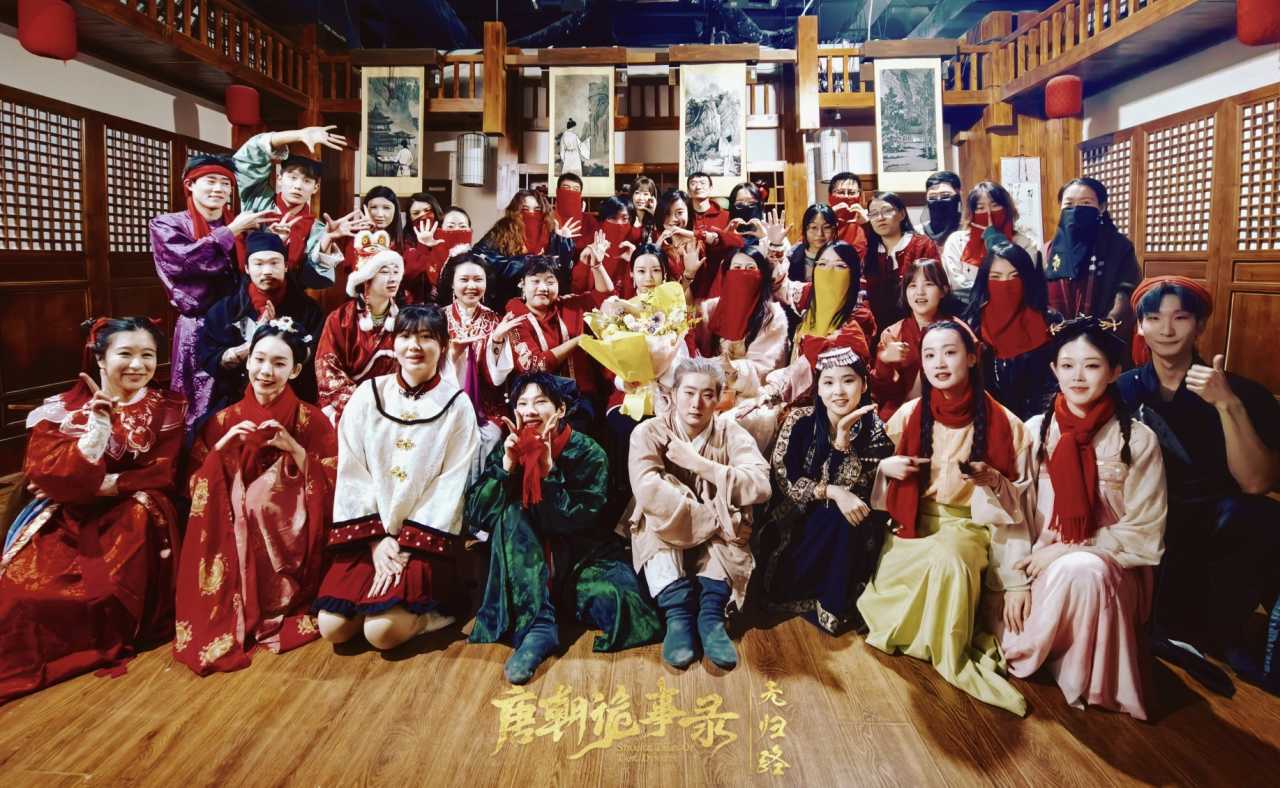
Before I left Beijing, the festive atmosphere was already building. My workplace distributed New Year's goods—vibrant red gift boxes that instantly evoked childhood memories of鞭炮 (firecrackers) and red envelopes. On the Little New Year (southern tradition, 23rd or 24th of the 12th lunar month), three families who have been friends for decades gathered for a home banquet.
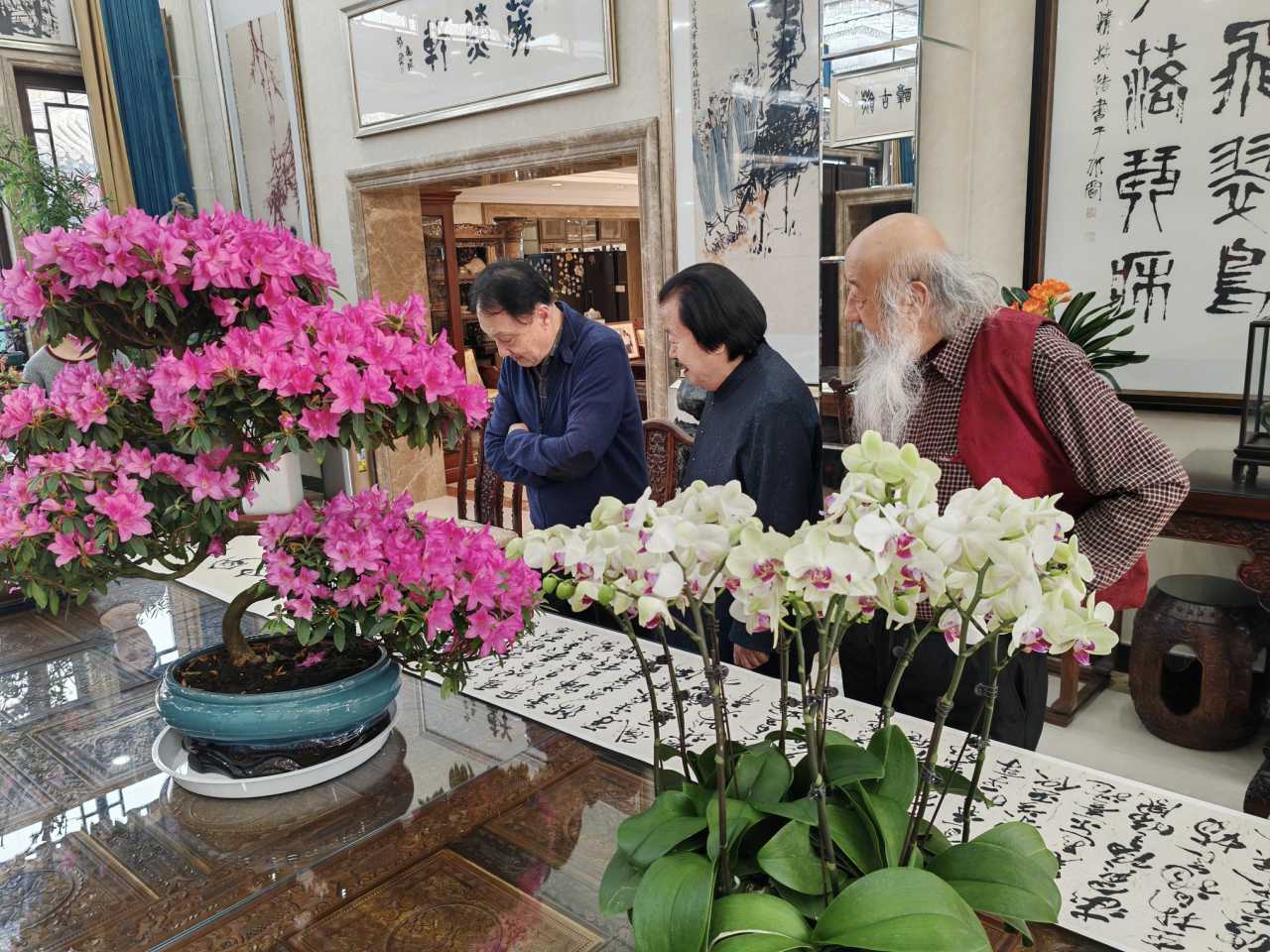
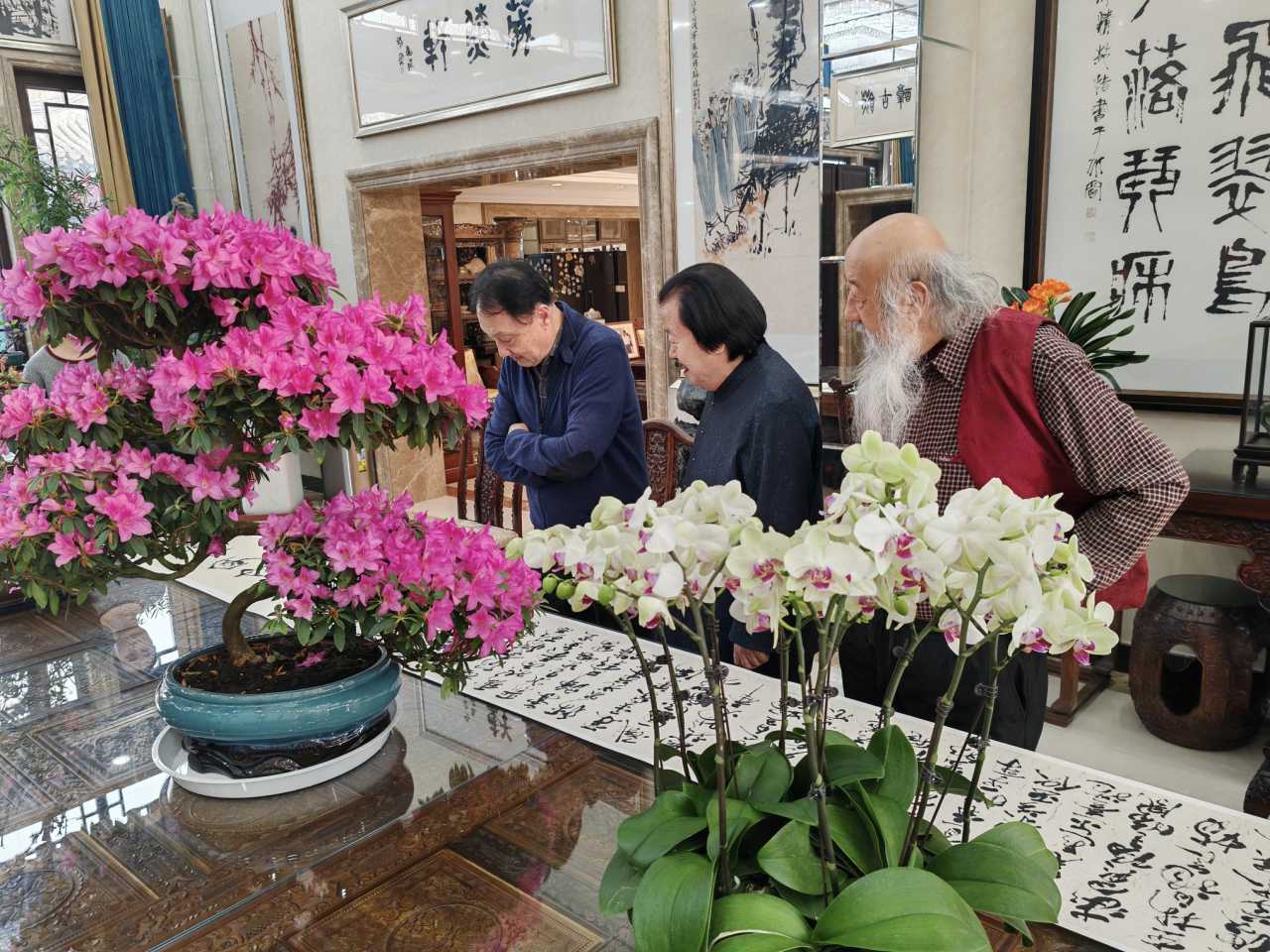
Three elders in their seventies spontaneously picked up brushes, painting traditional Chinese ink-wash paintings and writing Spring Festival couplets. Watching them—their daily discipline in calligraphy and painting—I realized that maintaining passion and a calm mind might be the true secret to longevity.
Even the tableware was unique: custom-made by our friend's family, bearing their own trademark and artwork. Their garden blooms year-round, home to pet Khaki Campbell ducks. Wild ducks and black swans, attracted by cabbage and koi fish, have decided to stay. Egret come daily to fish. What a lively scene!
Personal Touches for the Journey
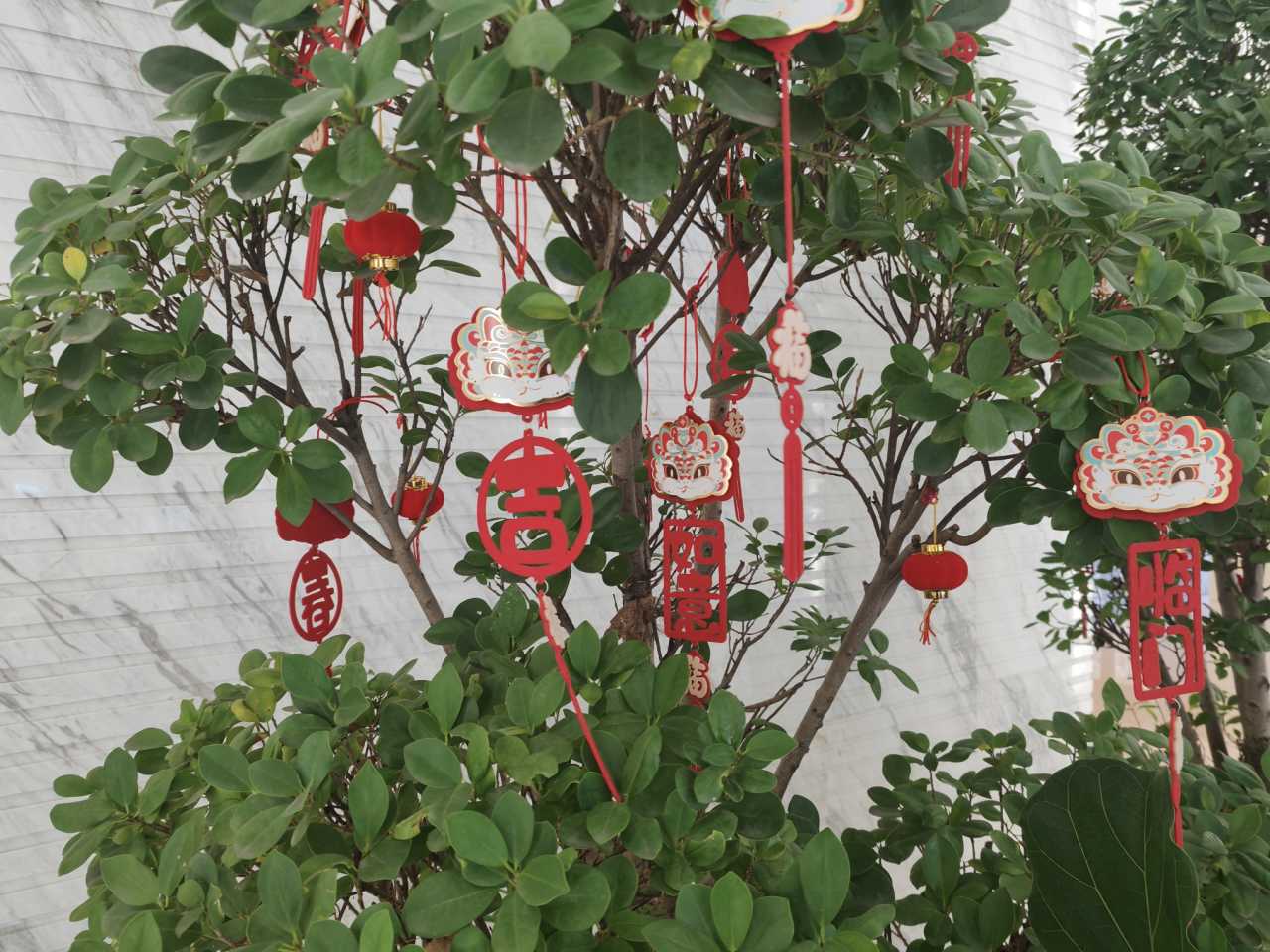
Before setting off, I had a special snake-year ombre manicure done, blending ancient aesthetics with zodiac symbolism. For this trip, I adhered to the principle of "warmth first, aesthetics second" —good health is the foundation of a happy New Year.
Day One: First Glimpse of Langzhong, a Celestial Gem in Sichuan
Arriving in Nanchong
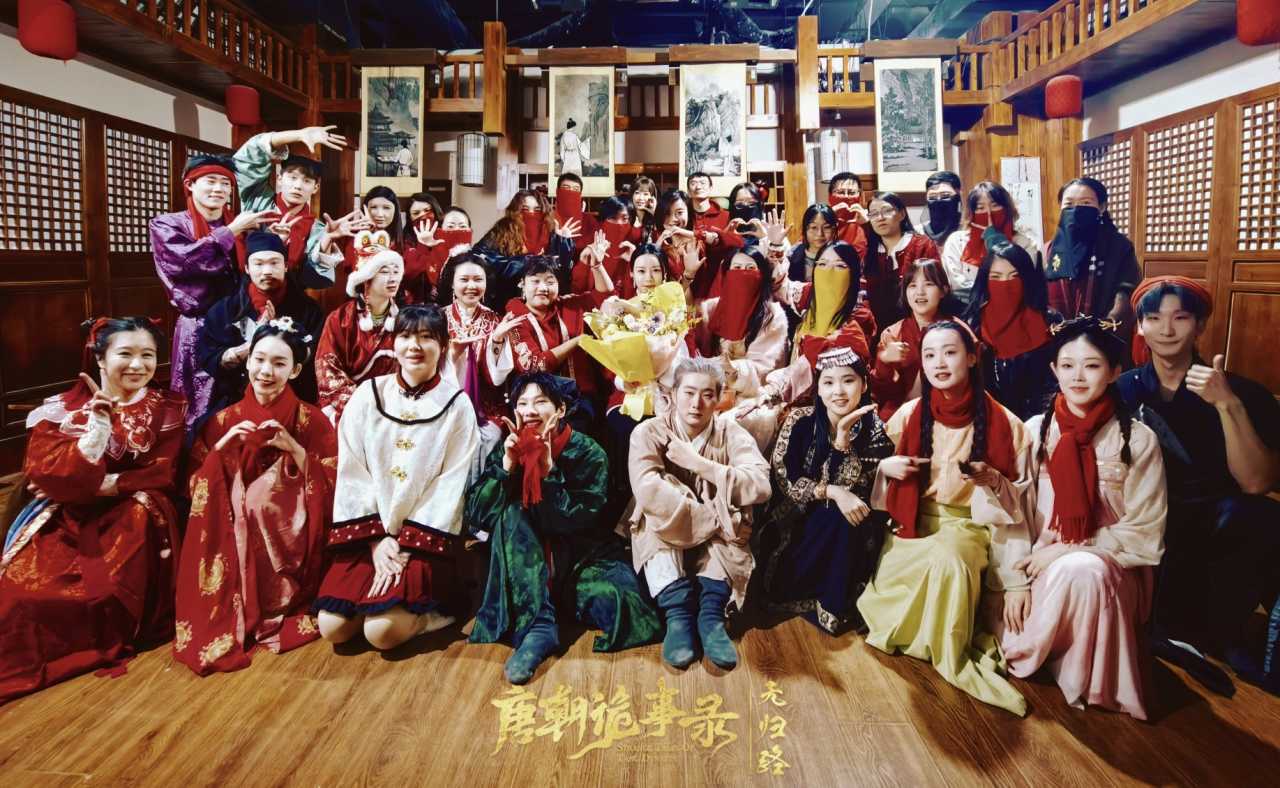
My plane landed in Nanchong, and from there I drove to Langzhong. Upon arriving at the hotel, I discovered a pleasant surprise: by showing my flight ticket to Langzhong, all entrance fees to the ancient city's attractions were waived (please check with the scenic area for specific policies). The hotel had prepared Spring Festival welcome gifts, packed with everything from snacks to daily necessities.
Langzhong's Spring Festival activities run from the Laba Festival (8th day of the 12th lunar month) all the way to the Lantern Festival (15th day of the first lunar month)—a full 42 days of celebration. The hotel also arranged traditional cultural activities: afternoon tea and hanfu experience required payment, but everything else was free to try.
First Meal: An Introduction to Sichuan Cuisine
Lunch was at a private kitchen restaurant near the hotel. The table was a showcase of Sichuan's bold flavors:
- Maoxuewang (spicy blood and tripe stew) – fiery and complex
- Sour cabbage stir-fried with sliced noodles – tangy and comforting
- Clay pot soup – rich and warming
- Local cured meat platter – smoky and savory
I especially recommend the local mulberry vinegar juice—sweet and sour, it was both appetizing and refreshing.
The dish that impressed me most was the "Three Delicacies of Langzhong" —a creative fusion of three local specialties: Baoning steamed bread, Zhang Fei beef, and Baoning vinegar, all combined into one dish. The sour cabbage fried rice was also incredible; the local sour cabbage is made from pickled mustard greens, giving it a rich, tangy aroma.
Second Meal: Jiang's Zhajiang Noodles
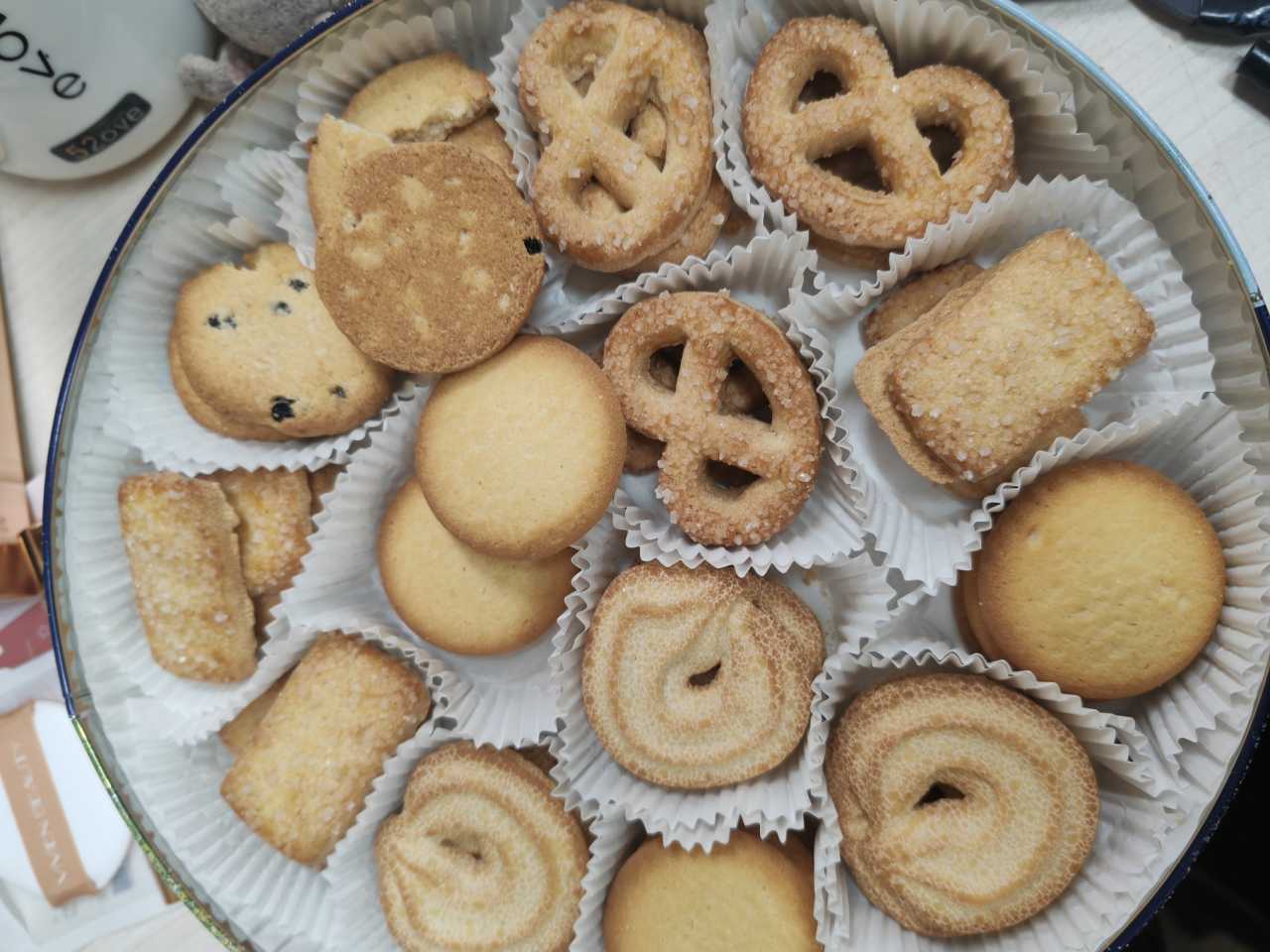
Someone on the plane had recommended this chain restaurant. Although it specializes in zhajiangmian (noodles with fermented soybean paste), the most popular item was the Seven-Star Pig Trotters. We ordered three trotters—tender and flavorful, seasoned with Sichuan peppercorns, chili, and scallions. They practically melted in the mouth while still retaining a delightful chewiness from the tendons. No wonder every table orders them.
My friend had the beef noodle soup, I chose the tripe noodles, and my parents opted for the traditional zhajiangmian—each was excellent in its own way.
Evening Performance: The Glory of the Shu Road
In the evening, I watched the immersive procession performance "The Glory of the Shu Road." While not as large-scale as some productions, the dozen or so performers changed costumes rapidly in the cold, vividly depicting the hardships of the ancient Shu Road and local culture. A shadow puppet play told the story of Zhang Fei solving a court case—lively and engaging.
The night boat ride was beautiful. The temporary pontoon bridge built for Spring Festival connected the two banks of the ancient city, glittering with lights.
Day Two: Exploring the Ancient City, Discovering Historic Architecture
Zhang Fei Temple: A Different Side of the Hero
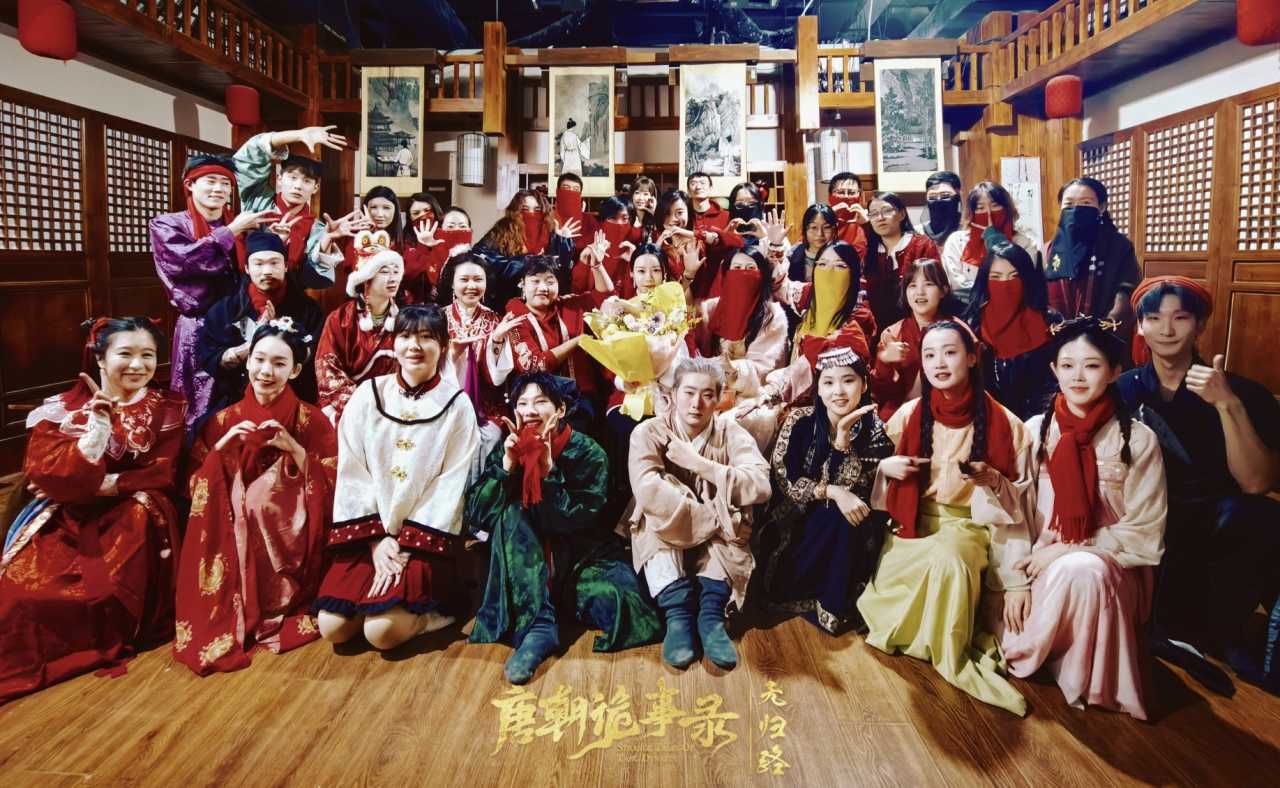
The Han Huanhou Temple, commonly known as the Zhang Fei Temple, is a memorial temple and tomb for Zhang Fei, the legendary general from the Three Kingdoms period. Having been destroyed by war and rebuilt multiple times, its most precious structure is the "Diwan Tower" (Ten-Thousand-Enemy Tower) , built during the Ming Dynasty. It is one of the Twelve Towers of Langyuan, with intricate and exquisite bracketing. The plaque bearing the characters "Diwan" (Ten-Thousand Enemies) exudes an aura of unmatched valor.
Zhang Fei's image here is vastly different from that in operas. He was not only the third brother in the Peach Garden Oath but also a man of considerable wealth, skilled in both literature and martial arts, and a fine calligrapher. Legend has it that he was also adept at painting portraits of beautiful women. Interestingly, Taiwanese butchers often come to pay homage to Zhang Fei , as he, too, started out as a butcher. They have even donated plaques to the temple.
The preservation of Zhang Fei's tomb is attributed to a legend: during a certain period of destruction, when the temple was being vandalized, a tree in the backyard was struck by lightning after half the structure was demolished. People interpreted this as a divine sign and ceased the destruction. Additionally, the tomb contained few burial items, sparing it from the attention of grave robbers.
Zhongtian Tower: The Feng Shui Coordinate of the Ancient City
Zhongtian Tower is a landmark of the ancient city. According to the "Baoning Prefecture Annals," Langzhong is the place where Huaxu gave birth to Fuxi, the mythical ancestor of the Chinese people. Fuxi is said to have created the Eight Trigrams here, making the feng shui layout of Langzhong exceptionally significant.
Zhongtian Tower, the ancient observatory built by Yuan Tiangang, and Mount Jin'er all lie on a straight line, precisely aligning with the direction of the summer solstice sunrise and the winter solstice sunset. This astronomical and geographical precision reflects the deep connection between Langzhong and ancient Chinese cosmology.
[Link: Feng shui principles in Chinese architecture]
The UNESCO Inscription: What It Means for Spring Festival
The inscription of Spring Festival on UNESCO's Representative List of the Intangible Cultural Heritage of Humanity is a recognition of its cultural significance beyond China's borders. For Langzhong, this means:
- Increased global visibility for its unique Spring Festival traditions
- Preservation incentives for folk customs, rituals, and performances
- Cultural tourism boost for the ancient city
- Validation of Luo Xiahong's legacy as the father of Spring Festival
The 42-day celebration in Langzhong included:
| Event | Duration | Highlights |
|---|---|---|
| Laba Festival Opening | 1 day | Offering porridge, blessing ceremonies |
| Spring Festival Temple Fair | 15 days | Folk performances, food stalls |
| Lantern Festival Grand Finale | 3 days | Lantern displays, dragon dances |
| Cultural Forums | 5 sessions | Academic discussions on heritage |
FAQ: Langzhong Spring Festival and UNESCO Heritage

1. Why is Langzhong called the "Hometown of Chinese Spring Festival Culture"?
Langzhong is the birthplace of Luo Xiahong, the Han Dynasty astronomer who created the Taichu Calendar. This calendar established the first day of the first lunar month as the beginning of the year, which became the foundation of Spring Festival as we celebrate it today. The city has preserved this heritage for over 2,000 years.
2. How long does the Spring Festival celebration last in Langzhong?
The official celebration runs for 42 days, from the Laba Festival (8th day of the 12th lunar month) to the Lantern Festival (15th day of the first lunar month). This extended period allows for a comprehensive experience of traditional customs.
3. What are the must-visit attractions in Langzhong for Spring Festival?
Top attractions include: - Zhang Fei Temple – memorial to the Three Kingdoms hero - Zhongtian Tower – feng shui landmark - Ancient City Streets – well-preserved Ming and Qing architecture - Luo Xiahong's Former Residence – birthplace of the calendar - Night boat rides on the Jialing River
4. Is Langzhong accessible for international travelers?
Yes. The nearest airport is Nanchong Gaoping Airport (about 1.5 hours by car). High-speed trains connect to major cities like Chengdu and Chongqing. The ancient city is walkable, and many signs have English translations. Spring Festival is the busiest time, so book accommodations well in advance.
5. What makes Langzhong's Spring Festival different from other celebrations?
Langzhong's celebration is deeply rooted in its astronomical heritage. The timing of events, the layout of the city, and the folk performances all reflect the Taichu Calendar's influence. Additionally, the city's 2,340-year history provides an authentic, less commercialized experience compared to larger tourist destinations.
Practical Tips for Your Langzhong Spring Festival Trip
Best Time to Visit
The Laba Festival (early January) through Lantern Festival (mid-February) offers the full experience. For the most vibrant atmosphere, visit during the Spring Festival Temple Fair (first 15 days of the lunar new year).
What to Pack
- Warm clothing – Sichuan winters can be chilly and damp
- Comfortable walking shoes – ancient city streets are cobblestone
- Hanfu or traditional attire – for cultural immersion and photos
- Camera – the lantern displays are spectacular
Getting There
- By air: Fly to Nanchong (NAO) or Chengdu (CTU), then take a bus/train to Langzhong
- By train: High-speed rail from Chengdu (approx. 2.5 hours)
- By car: About 3 hours from Chengdu via G42 expressway
Accommodation
Book early! Spring Festival is peak season. Look for boutique guesthouses within the ancient city walls for the most authentic experience. Many offer cultural activities like tea ceremonies and hanfu rentals.
[Link: Sichuan travel guide for cultural festivals]
Conclusion: A Journey Worth Taking
As I walked through Langzhong's ancient streets, wearing my hanfu under the glow of Spring Festival lanterns, I felt a profound connection to history. The UNESCO inscription is not just a certificate—it's a reminder that traditions like Spring Festival are living, breathing entities that evolve while preserving their essence.
Langzhong gave me more than a travel experience. It gave me a deeper understanding of why we celebrate, how we remember, and what it means to belong to a culture that spans millennia.
Ready to experience the birthplace of Spring Festival for yourself? Start planning your trip to Langzhong today. Whether you're a hanfu enthusiast, a history lover, or simply someone seeking an authentic cultural celebration, this ancient city welcomes you with open arms and steaming bowls of maoxuewang.
Book your Langzhong Spring Festival experience now and become part of a tradition that has been celebrated for over 2,000 years.
Have you visited Langzhong during Spring Festival? Share your experience in the comments below!
[Link: Other UNESCO intangible heritage sites in China] [Link: Hanfu travel itinerary for Sichuan]
You may also like