Stepping into the Buddhist Kingdom of Sêrtar: Finding the Softness Within, Among a World of Red Houses
Here is the SEO-optimized article, rewritten to meet your requirements while preserving the original narrative's heart and factual accuracy.
SEO Title: Exploring Sêrtar: A Guide to the Red Buddhist Kingdom & Larung Gar Academy
Meta Description: Discover the spiritual heart of Sêrtar (Larung Gar). A personal journey through red houses, prayer halls, and the search for inner peace in the world's largest Buddhist academy.
Exploring Sêrtar: Finding Inner Peace in the Red Buddhist Kingdom of Larung Gar
For years, I had seen the iconic photographs: a valley carpeted in crimson, a sea of red houses clinging to the mountainside. It wasn't until last September that I finally set foot in Sêrtar, home to the Larung Gar Five Sciences Buddhist Academy. Strangely, the shock I anticipated never arrived. Instead, what washed over me was a profound stillness—like a lake veiled by morning mist, undisturbed on the surface yet holding depths beneath.
After settling my luggage, I began wandering aimlessly. That wandering lasted for days. No itinerary, no plans—just my footsteps and curiosity, slowly delving deeper into this mysterious yet authentic world. This is not just a travelogue; it is a guide to the experience of finding softness within a world of red houses.
First Impressions of Sêrtar: Red Houses and Starlight
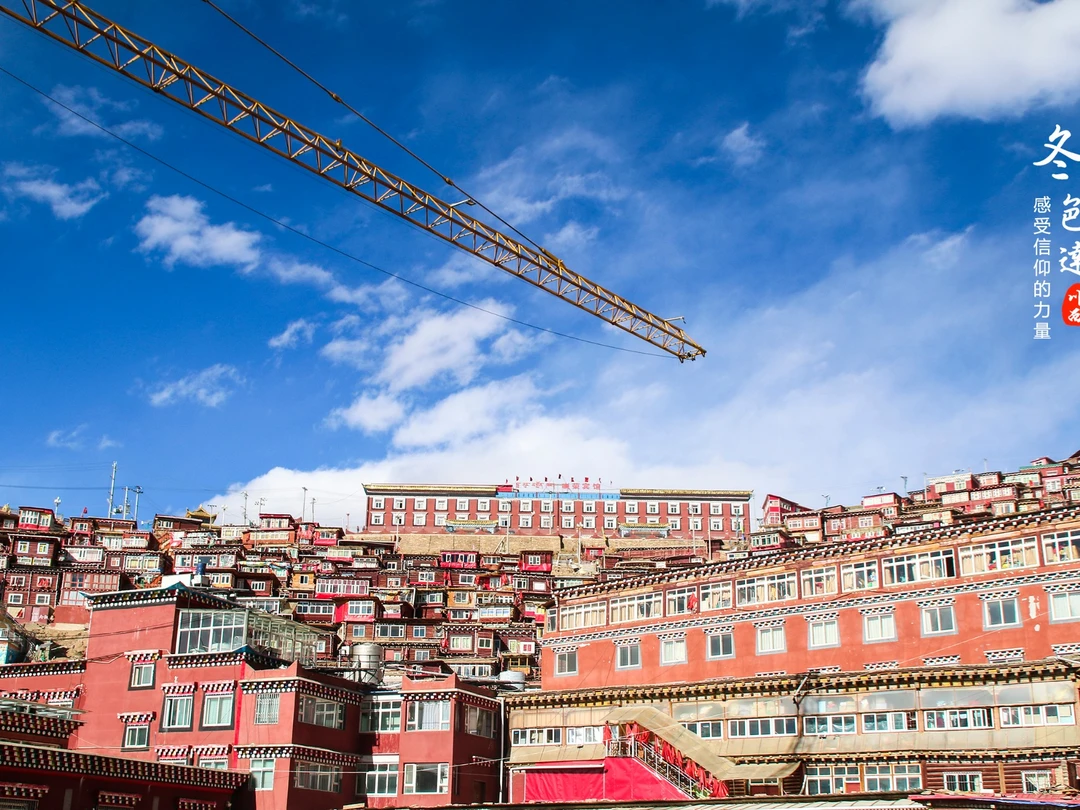
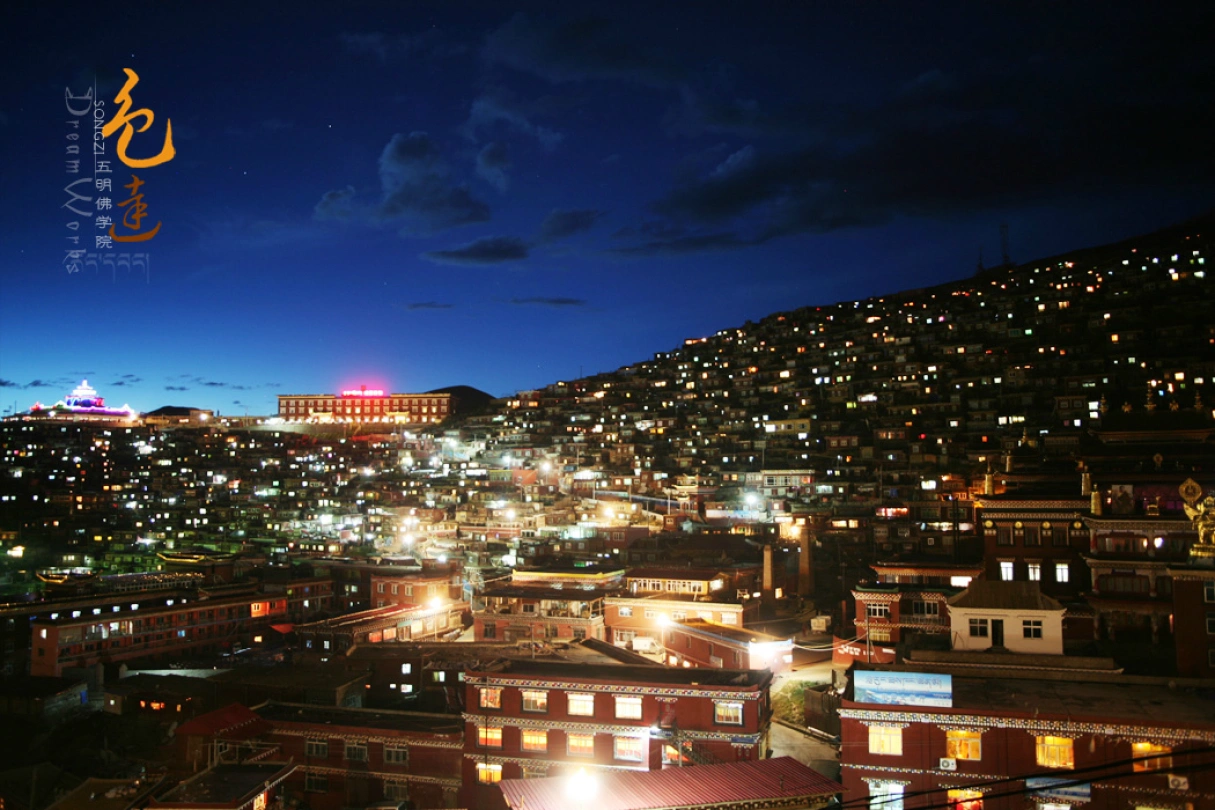
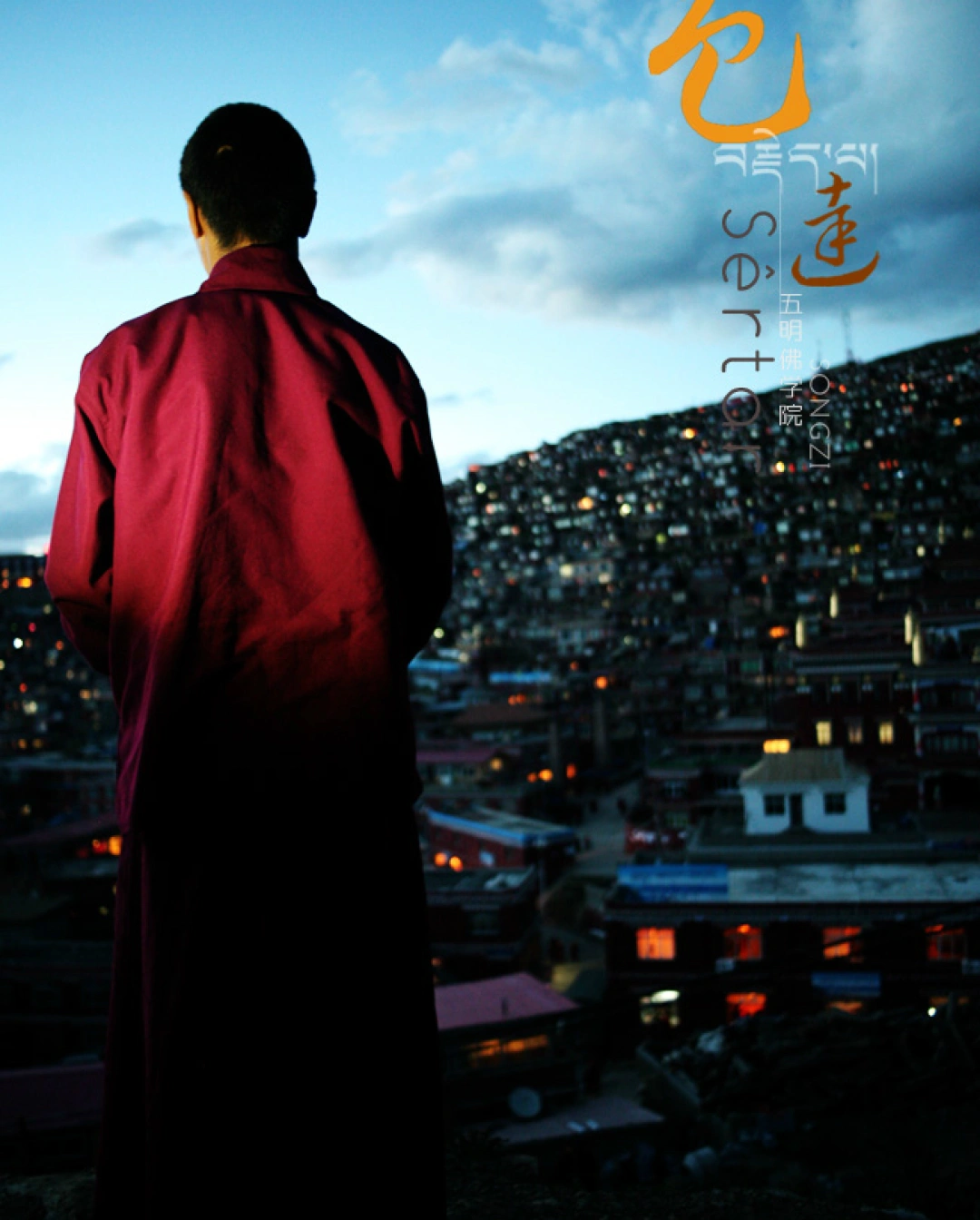
My first impression of Sêrtar came from those densely packed red houses. They looked like red mushrooms sprouting from the mountainside, layered one upon another, carpeting the entire valley. Some call this place the "Red Buddhist Kingdom," but to me, it felt more like a utopia forgotten by time.
During the day, sunlight spilled across the red walls, casting a warm tangerine glow. At dusk, yaks returning home slowly passed by in the twilight, their bells chiming crisp and distant. After nightfall, stars dotted the sky, and the lights on the distant hillsides merged with the Milky Way, making it impossible to tell where the heavens ended and the earth began.
But what truly moved me wasn't the scenery. Over the years, I've come to understand that no matter how beautiful the landscape, you eventually grow accustomed to it. Only the touch of human hearts and the warmth they bring can linger long after. For those seeking a Buddhist travel guide, Sêrtar offers a landscape that is both a sight to behold and a catalyst for introspection. [Link: Best time to visit Sêrtar]
Meeting My First Friend: The Story of a CD

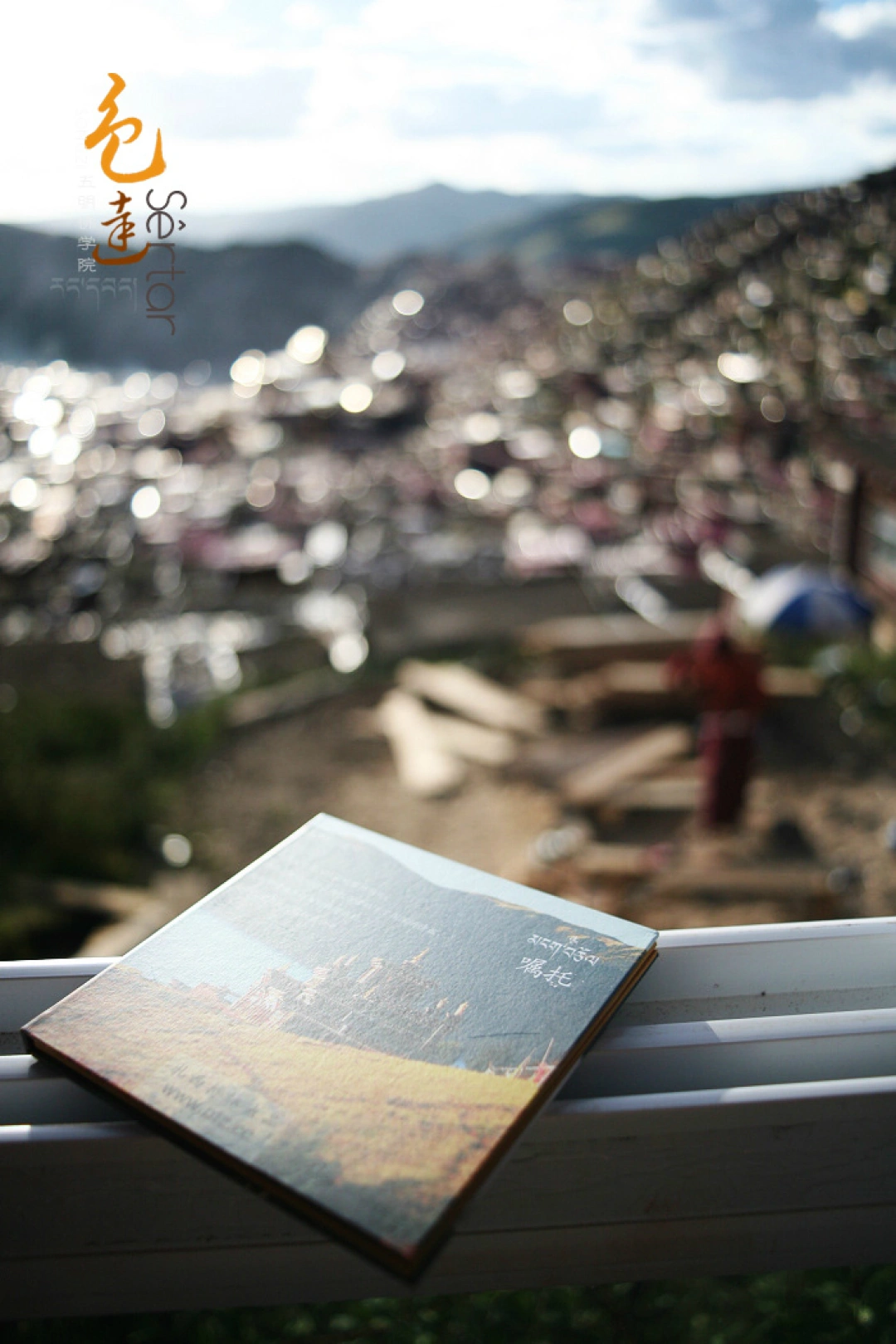
In Sêrtar, the first friend I made was a young lama. He handed me an old CD and said with a smile, "These are songs from the past." In that moment, I felt that time existed differently here—neither rushed nor slow, like a mountain stream carrying memories as it flows forward.
We walked past small wooden cabins under construction, set against a backdrop of surreal blue skies and white clouds. He told me that these cabins were built by the practitioners themselves, each plank bearing the weight of faith and sweat. I asked him if it was tiring. He just smiled and said, "When there's light in your heart, hardship doesn't feel like hardship."
This encounter highlights the unique monastic life in Tibet and the simple, profound wisdom found in everyday interactions at the academy.
A Visit to Huaji's Home: A Bowl of Tea and a Pan of Eggs
On the grassland, I was caught in a sudden downpour. I took shelter in a nearby Tibetan home. The host, a man named Huaji, understood some simple Mandarin. His family was a bit shy at first, but soon they brought out a plate of youtiao (fried dough sticks) and hot tea, gesturing for me to sit down.
After chatting for a while, I showed them some photos I had brought along. Huaji studied them carefully, then suddenly brought out piles of stones from various corners of the room, saying they were his treasures. Someone had offered him a high price, but he refused to sell. He hoped I could help promote them online. I examined the stones and couldn't see anything particularly special about them, but in his eyes, each one seemed alive.
Around noon, Huaji's wife cracked several eggs into a bowl and poured plenty of oil into the pan. She fried the eggs first, then added greens. I had never seen this cooking method before, but perhaps I was hungry—that meal tasted exceptionally good. Huaji said the greens were freshly picked from their own garden.
Before I left, I took a family portrait of Huaji and his family. Later, I mailed the photo along with pictures of his stones. Half a month afterward, I called him. He happened to be in town and said he had just received them. He told me to come visit again, promising to treat me well. This experience is a perfect example of Tibetan home hospitality and the genuine connections that make travel meaningful.
The Mandala and Faith: Turning Prayer Wheels, Prostration, and Practice
The mandala at Larung Gar is the liveliest spot every day. A steady stream of people walked the kora (circumambulation path)—the elderly, children, young nuns (jue mu), and lamas. They circled round and round, spinning their prayer wheels swiftly, chanting scriptures, their faces etched with devotion.
Beside the mandala, a small path led down to the river valley below. When they had no classes, students would go down together to wash clothes, play, and have picnics. That carefree joy reminded me of the days when I ran through the fields after school as a child.
In a corner of the mandala, I met an elderly man. He was resting by the roadside, and when he saw me, he took a pill from a small medicine bottle and handed it to me, saying it could cure "2B youth" and turn them into "ordinary youth." I pondered for a long time and asked if there was one that could turn me into an "artsy youth." He said no. So in the end, I didn't take that pill. This playful interaction underscores the power of faith in Sêrtar and the unique humor found in this sacred space. [Link: Understanding Buddhist kora]
Light and Shadow in the Prayer Hall: Chanting, Reading, and the Power of Faith
Every evening, Khenpo Sodargye gave teachings in the Chinese-language prayer hall, open to the public for free. I had to remove my shoes at the entrance. Walking in barefoot, I saw students absorbed in the lecture. After class, everyone dispersed, leaving behind homework papers in the corridor, glowing under the sunlight.
The next morning, I went to the prayer hall. Inside the main hall, a lama was reading a book, light streaming through the windows and casting a red hue across the carpet. In a corner of the corridor, a young lama, barefoot, was bent over writing something. Suddenly, two children ran into the hall, breaking the tranquil scene but adding a liveliness to the space.
I sat on a bench in front of the prayer hall for a while. Then, a nun (jue mu) came rushing up the steps in a panic. I was puzzled until a cow slowly ambled up behind her. I asked, "Are you afraid of cows?" She nodded. "Mm." These moments of Buddhist chanting and reading create an atmosphere of deep peace and unexpected humor.
Another Way of Living: What Is Happiness?
That afternoon, I spotted a nun carrying several buckets of water up a hillside. She had fair skin and a gentle demeanor, quite different from most of the nuns here. I offered to help, but she repeatedly declined. Later, at a fork in the path, I mustered the courage to ask if I could take her photo. She beamed. "Sure."
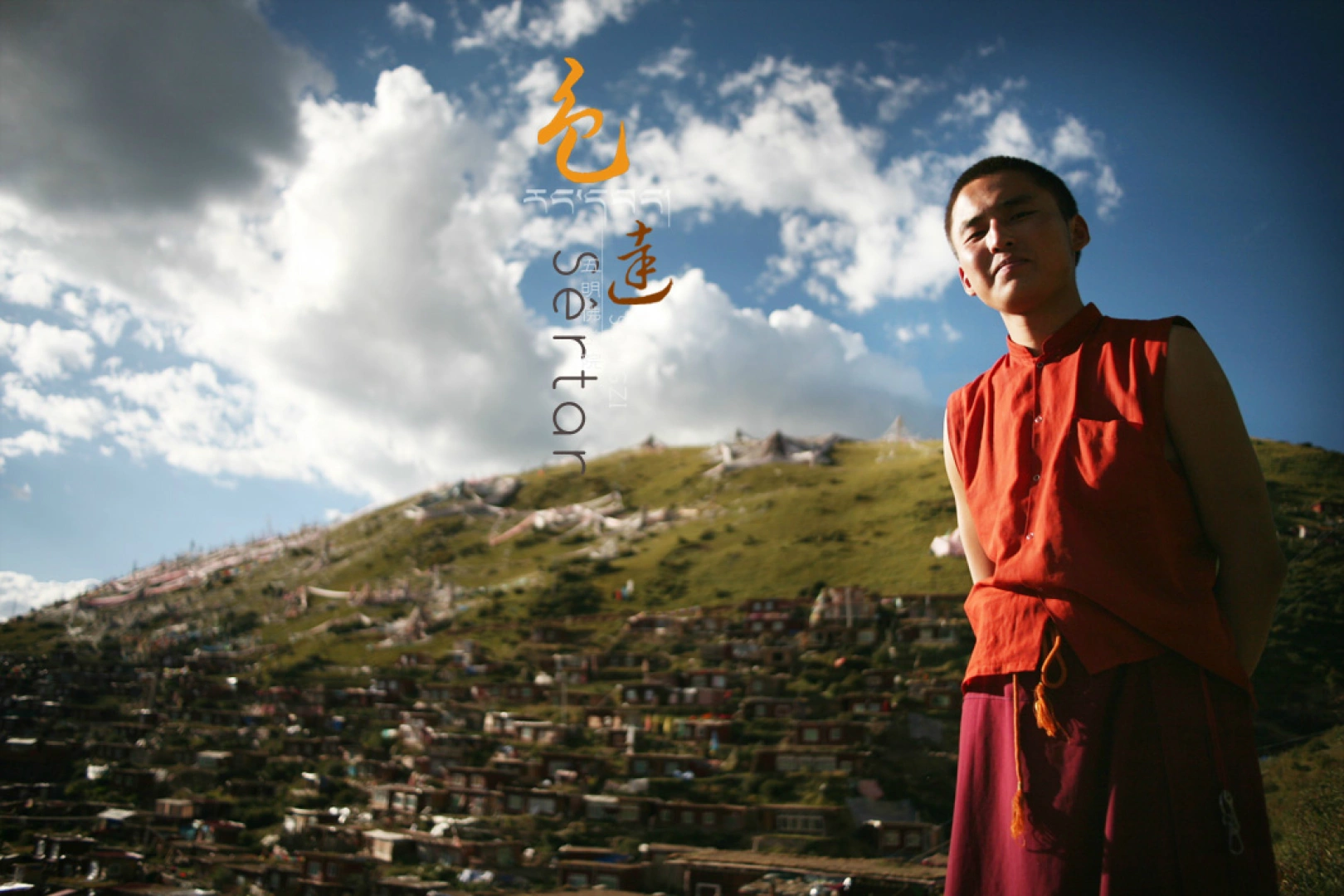
We chatted for a bit. I asked if she was quite young. She smiled, as if reluctant to discuss it. When we said goodbye, she picked up her buckets and walked away.
You might think she could have kept her long hair, dressed up beautifully, gone shopping or watched movies with friends. But instead, she chose this simple, austere life. In Sêrtar, I witnessed a completely different way of living—not everyone has to frantically chase certifications, endlessly make money, or indulge in food and entertainment. You can also live simply, focusing on inner practice and faith.
That day, sitting on the hillside watching the sunset, I thought a lot. What is happiness? Perhaps it's like the practitioners here—finding what you truly want, then walking that path with unwavering focus. This is the core of finding inner peace in Tibet.
The Final Farewell: Those Warm Moments
On the day I left Sêrtar, I went to the bus station. The signboard listed only three destinations: Kangding, Chengdu, and Barkam. I bought a ticket to Kangding and looked back at the red houses in the distance, a sudden reluctance tugging at my heart.
Near the county town, I walked along a long prayer wheel corridor. An elderly woman (a ma) was turning the wheels. She walked slowly, but each step was steady. On the grassland, two herders sang loud Tibetan songs as they drove their cattle home. The bells on their horses rang crisp and clear, fading into the distance.
I brought some photos I had taken and gave them to the students. They gathered around to choose, their smiles as bright as the mountain sunshine. When all the photos were gone, I even gave the tin box that had held them to a young man who looked like a younger Jet Li. These warm moments in Sêrtar are the true souvenirs of the journey.
In Closing: What Sêrtar Taught Me
During those days in Sêrtar, I saw another way of living—a life of simplicity, faith, and deep connection. The Larung Gar Five Sciences Buddhist Academy is more than a destination; it is a mirror reflecting the possibility of a quieter, more purposeful existence. [Link: How to visit Sêrtar responsibly]
Frequently Asked Questions (FAQ) About Visiting Sêrtar
1. Is Sêrtar open to foreign tourists? Yes, but foreign visitors require special permits and must be part of an organized tour. It is essential to check current regulations with a reputable travel agency before planning your trip.
2. What is the best time to visit the Larung Gar Academy? The best time is from May to October, when the weather is milder. July and August are the warmest, but also the rainiest. September offers clear skies and stunning autumn colors.
3. Are there accommodation options inside the academy? Yes, there are basic guesthouses and hostels within the academy. However, they are simple and often lack heating. It is advisable to book in advance during peak seasons and bring warm clothing.
4. What should I wear when visiting the prayer halls? Dress modestly. Long pants or skirts and covered shoulders are required. You will need to remove your shoes before entering the prayer halls. It is also recommended to bring a warm jacket, as evenings can be cold.
5. Can I take photographs of the monks and nuns? Always ask for permission first. Many practitioners are happy to be photographed, but some may prefer not to. Be respectful and avoid photographing during formal ceremonies without explicit permission.
Ready to find your own softness in the Red Buddhist Kingdom?
Plan your journey to Sêrtar today. Connect with a local guide, pack your sense of wonder, and prepare to be transformed by a world where faith colors every hillside. Start your adventure now.