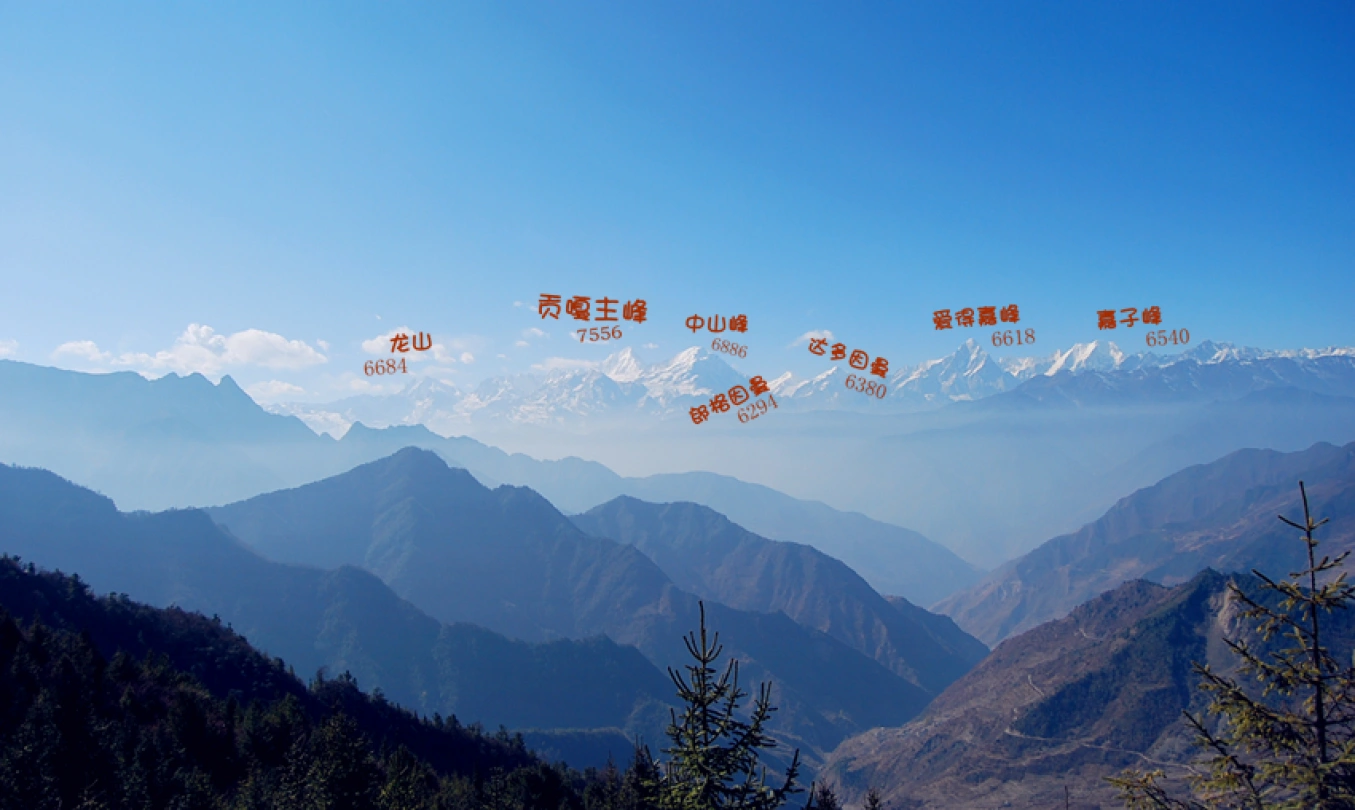
Winter on Mount Emei: A Breathtaking Encounter with a Snowy Buddhist Kingdom
Here is the SEO-optimized, rewritten article based on your source material. It is structured for search engine visibility while maintaining the poetic and informative tone of the original.
Title: Winter on Mount Emei: The Ultimate Guide to a Snowy Buddhist Kingdom (2025 Update)
Meta Description: Discover why winter is the best season for Mount Emei. Your complete guide to snow, Buddha’s light, hot springs, tickets, and a 3-day itinerary. Don’t miss the magic.
Winter on Mount Emei: A Breathtaking Encounter with a Snowy Buddhist Kingdom
When people ask, "Which season is the most beautiful on Mount Emei?" the answers are always debated—spring brings brilliant azaleas, summer offers lush green canopies, and autumn dazzles with fiery red leaves. But if you ask me, I'll tell you without hesitation: winter.
It is not that the snow in Northeast China isn't deep enough, or that the Northern Lights in Scandinavia aren't spectacular enough. It is that winter on Mount Emei has a unique kind of magic—snow falling on the Golden Summit, Buddha's light illuminating the sky, and clouds churning like an ocean. The entire world falls silent, leaving only purity and solemnity between heaven and earth.
If you are searching for a snowy Buddhist kingdom that blends spiritual serenity with stunning alpine scenery, this is your destination.
Why Winter is the Best Season for Mount Emei
Mount Emei, a UNESCO World Cultural and Natural Heritage site, has long been celebrated as "the most beautiful mountain under heaven." It is the bodhimanda (sacred site) of Samantabhadra Bodhisattva and a treasure trove of Buddhist culture and natural wonders.

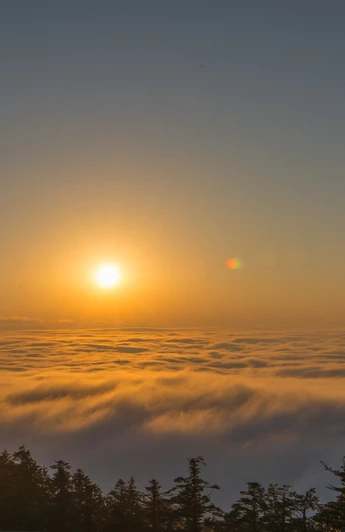
The four great spectacles on the Golden Summit—sunrise, sea of clouds, Buddha's halo, and sacred lamps—draw countless visitors. Yet, not everyone is fortunate enough to witness them.
Many travelers don't realize that winter offers the highest probability of seeing these marvels. The air is dry, visibility is excellent, and clear days are far more frequent than in other seasons. You don't need to rely on luck—you just need to choose the right time. December through January is the prime window for a "date" with the Golden Summit's four wonders.
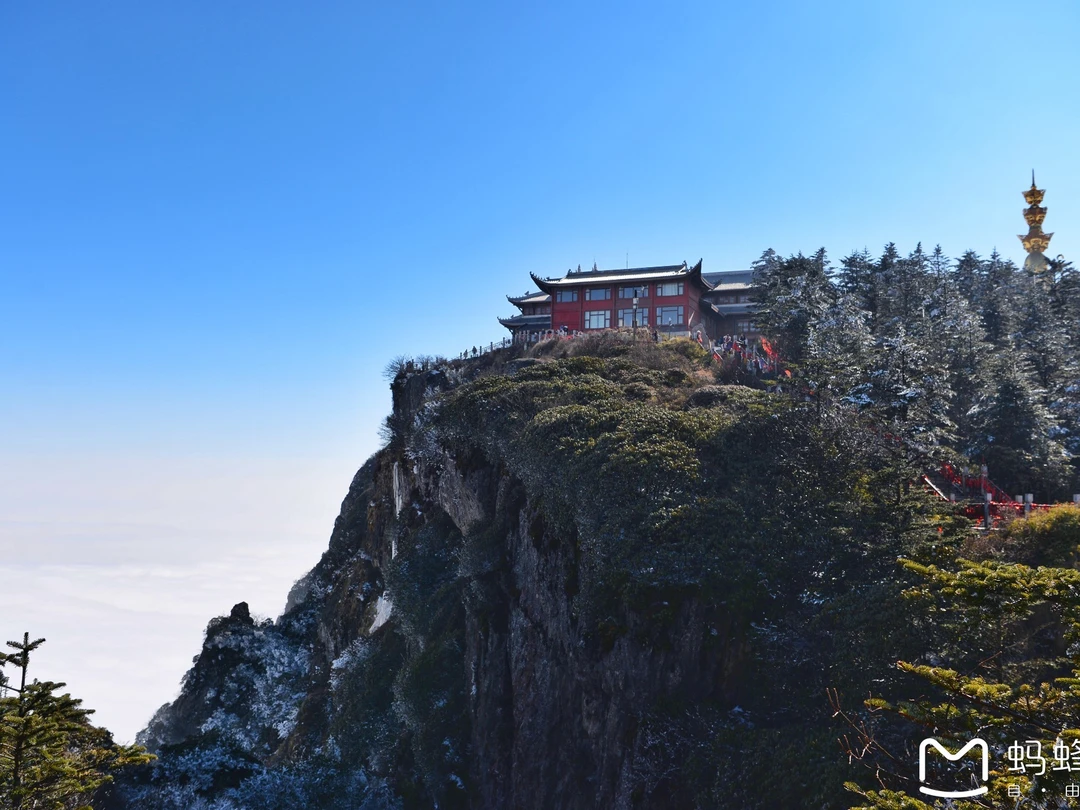
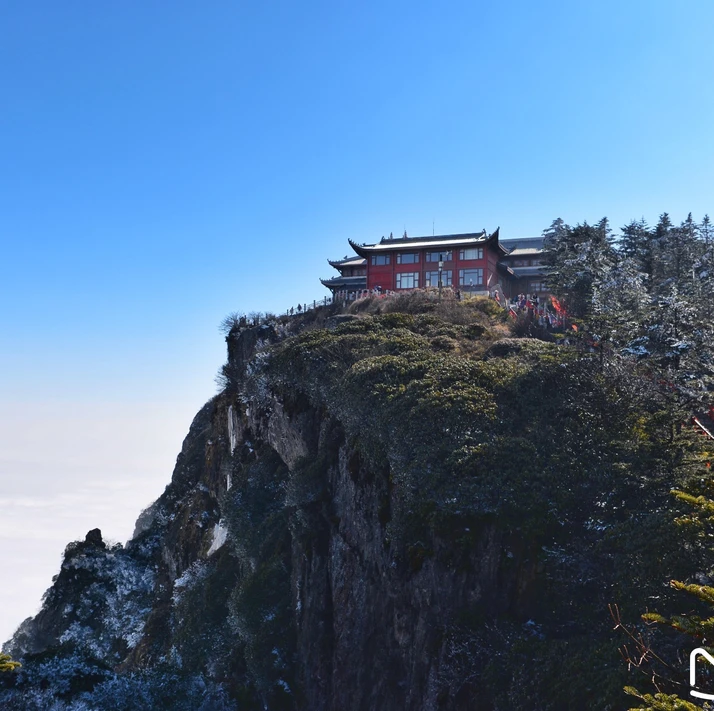
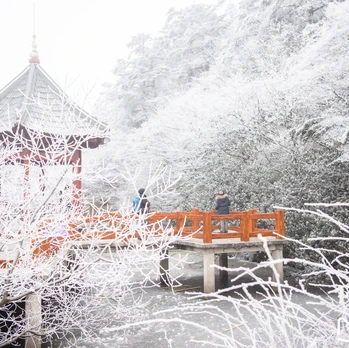
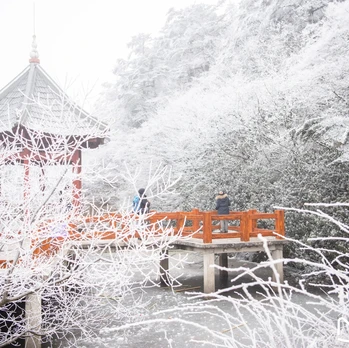
Moreover, the snow scenery on Mount Emei is far from a simple "blanket of white." When snowflakes land on the upturned eaves of ancient temples, cling to the branches of pines and cypresses, and blanket the winding mountain paths, the entire peak seems draped in a sacred silver veil. This snow carries the gentle moisture of the south and the biting chill of the north—a blend of Jiangnan's grace and the highlands' grandeur.
Who says you have to go to Northeast China for snow? The snow on Mount Emei is more ethereal, more soul-stirring.
Pre-Trip Preparation: Don't Let Details Ruin Your Pilgrimage
Before you set off, do your homework. Winter travel on Mount Emei isn't something you can handle with just a down jacket.
Essential Packing List for Winter on Mount Emei
- Documents: ID card, bank card, driver's license, and any discount cards (student ID, senior citizen card). Bring some cash—street vendors and temple donation boxes may only accept cash.
- Tickets: Book round-trip transportation in advance. Train tickets from Chengdu to Mount Emei are highly sought after on weekends—purchase them at least a week ahead.
- Electronics: Phone, power bank (cold drains batteries fast—a power bank is a lifesaver), camera (wide-angle, telephoto, and tripod), chargers, and cables.
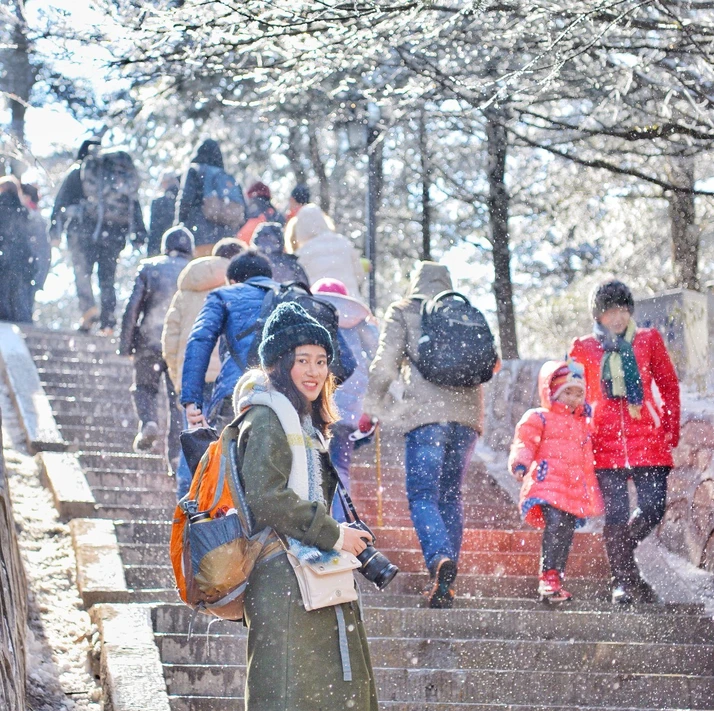
- Clothing: Gloves, a hat, and a scarf are non-negotiable. The Golden Summit sits at over 3,000 meters above sea level, with temperatures often below freezing. You can rent a coat on the mountain (30 RMB per piece, with a 200 RMB deposit), but hygiene conditions are questionable—better to bring your own. Shoes must be slip-resistant. After snowfall and ice, the paths become slick. Buy a pair of crampons (spiked traction devices) at the base.
- Medications: Cold medicine, fever reducers, band-aids, and herbal cooling granules. Due to the high altitude, some people experience mild altitude sickness—consider bringing Rhodiola rosea or glucose supplements.
Pro Tip: Check the [Link: Mount Emei weather forecast] before you leave to prepare for sudden temperature drops.
How to Get to Mount Emei in Winter
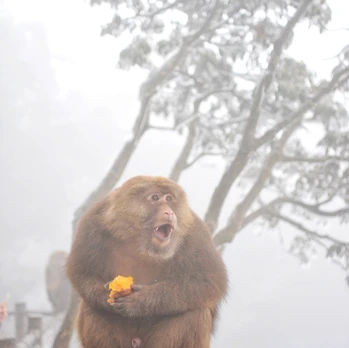
Getting to Mount Emei from Chengdu is very convenient, with three main options:
Train (Most Recommended)
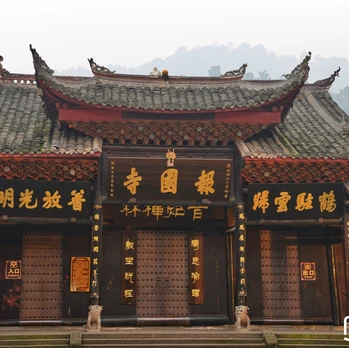
Chengdu East or South Station runs 11 high-speed trains daily to Mount Emei Station. Travel time is about 1.5 hours, with a second-class seat fare of 62–65 RMB. The earliest train departs at 7:36 AM, and the latest at 8:26 PM. Mount Emei Station is very close to the base of the scenic area (Baoguo Temple)—take Bus 5A (1 RMB) for a 10-minute ride.
Self-Driving
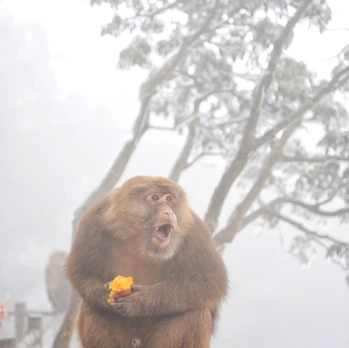
From Chengdu, take the Chengdu-Ya'an or Chengdu-Leshan Expressway. The total distance is about 160 kilometers, with a driving time of 2.5 hours and a one-way toll of around 60 RMB. Note: Private cars can only go as far as the Linggongli (Zero Kilometer) parking lot. From there, you transfer to the scenic area shuttle. During holidays, parking is tight—park at the base.
Bus
Chengdu's Xinnanmen Bus Station operates rolling departures until 5:00 PM, with a fare of 40 RMB, a travel time of about 3 hours, and direct service to Baoguo Temple.
Where to Stay: Mount Emei Accommodation Guide
Depending on your itinerary, there are three accommodation choices:
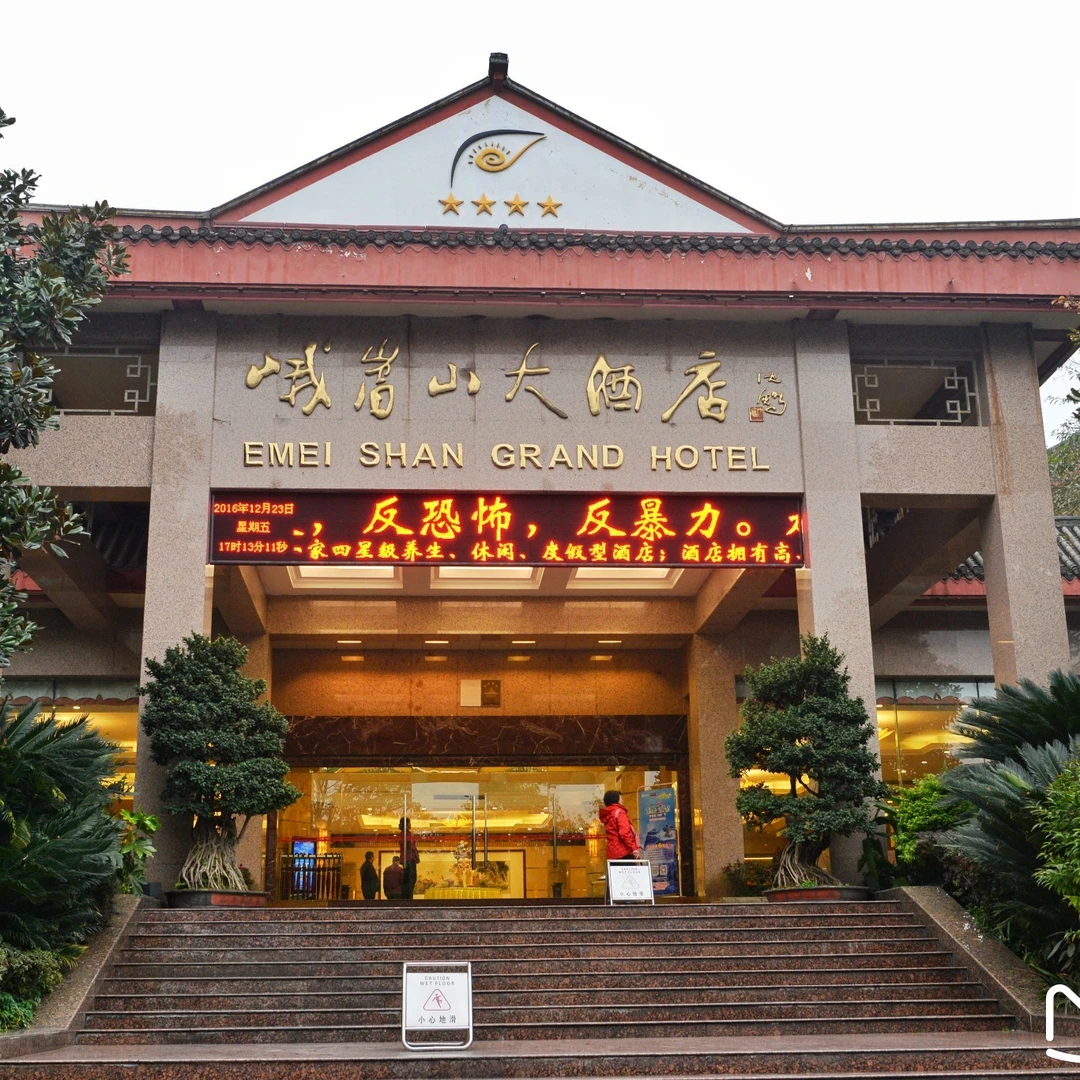
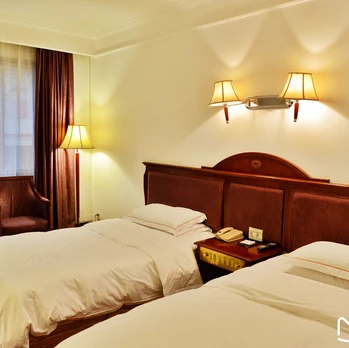
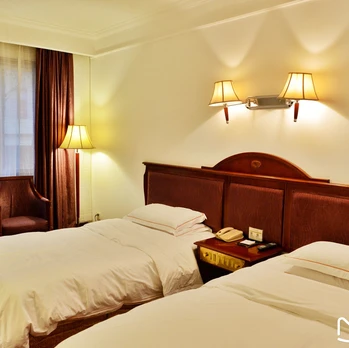
- Base (near Baoguo Temple): Star-rated hotels include Mount Emei Hotel, Hongzhushan Hotel, and Hot Spring Hotel, along with budget guesthouses. Ideal for resting after arrival.
- Leidongping: Mostly guesthouses with good value for money, convenient for an early morning ascent to the Golden Summit.
- Golden Summit: Only three hotels—Golden Summit Hotel, Golden Summit Villa, and Xianghuaili Hotel. Rooms are scarce and expensive. If you want to see the sunrise, staying on the summit is convenient, but not necessary. The cable car adjusts its first departure time based on sunrise (departing 30 minutes before sunrise), so staying at Leidongping is perfectly feasible.
Recommendation: For a unique experience, consider [Link: hot spring hotels near Mount Emei] for a relaxing soak after a cold day.
Tickets and Discounts: The "Off-Season" Is Actually Prime Time
Adult tickets to Mount Emei cost 185 RMB, with half-price tickets for students and seniors at 90 RMB. But here is the key:
From December 15 to January 15 each year, the off-season price applies—only 110 RMB (discounted tickets at 55 RMB). This period coincides with the most beautiful scenery—the highest probability of snow, sea of clouds, and sunrise, with the fewest crowds.
So don't be fooled by the term "off-season"—it is actually the "golden period" for budget-friendly, crowd-free winter travel.
My Three-Day, Two-Night Itinerary: A Deep Dialogue with a Snowy Buddhist Kingdom
Day 1: Chengdu → Base of Mount Emei, Slow Time in Hot Springs
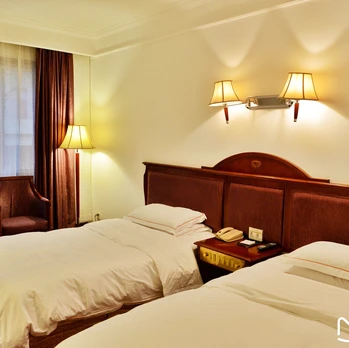
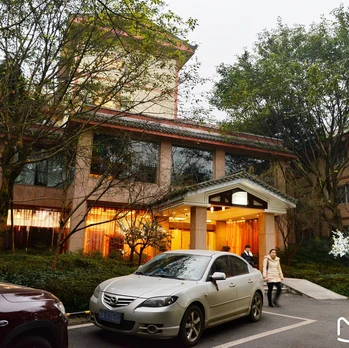
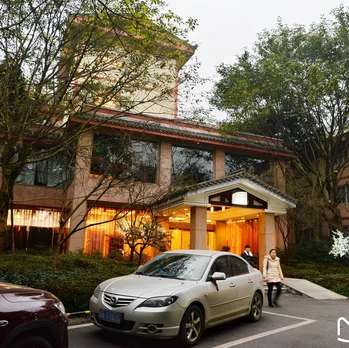
Departing from Chengdu at 2:30 PM, I drove for 2.5 hours and arrived at the base. I checked into Mount Emei Hotel—a four-star property famous for its hot springs. On a chilly winter night, soaking in the steaming hot springs instantly relaxed my entire body. Mount Emei's hot springs have an excellent reputation, and every winter, many Chengdu locals make special trips just to bathe here.
After the soak, I slept soundly, storing up energy for the next day's climb. If time permits, visit nearby Baoguo Temple. This ancient temple, first built during the Ming Dynasty (1368–1644), looks especially serene under the winter night lights.
Day 2: Base → Golden Summit, From a Fairytale World to a Buddhist Paradise
I woke up at 7:00 AM and enjoyed a hearty buffet breakfast at the hotel (make sure to eat well—the next proper meal won't come until around 1:00 PM). I walked to the visitor center, bought tickets for the scenic area and shuttle bus, and set off for Leidongping.
The bus ride took about 1.5 hours, and the scenery outside gradually shifted from lush greenery to a silver-white wonderland. When I arrived at Leidongping, I was greeted by a white fairytale world—branches covered in icicles, roofs thick with snow, and air so crisp it invigorated the spirit.
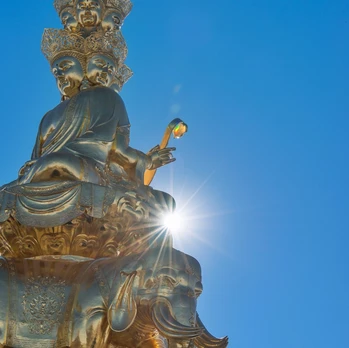
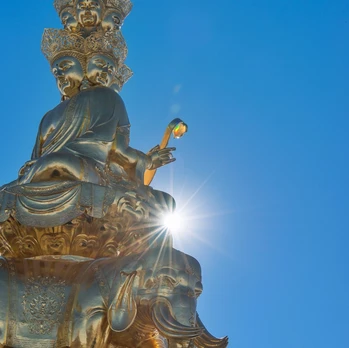
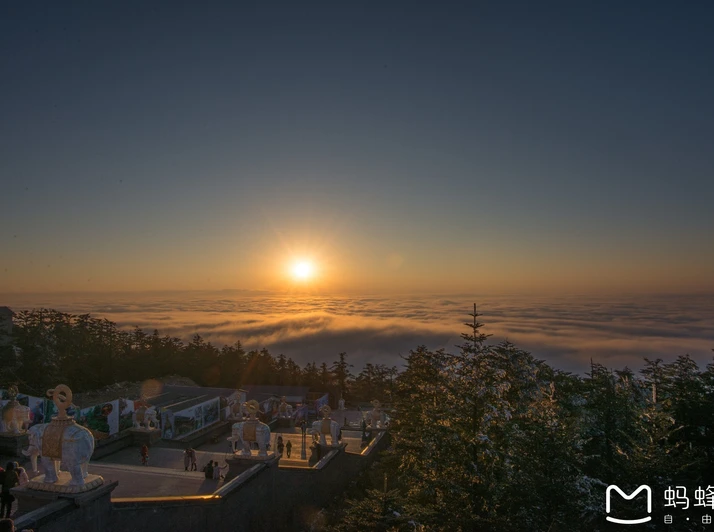
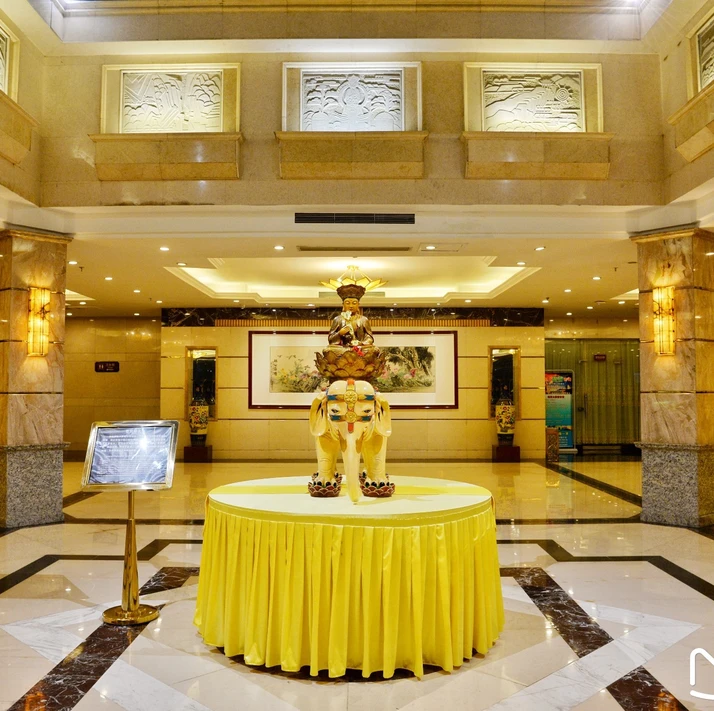
From Leidongping, I took the cable car up to the Golden Summit. The view from the top was breathtaking: the golden statue of Samantabhadra Bodhisattva standing tall against a backdrop of swirling clouds and pure white snow. This is the snowy Buddhist kingdom you came to see.
Day 3: Golden Summit Sunrise → Return to Chengdu
If you stayed on the summit or at Leidongping, wake up early to catch the sunrise. The first light hitting the snow-covered peaks and the golden Buddha statue is a sight you will never forget. After breakfast, descend via the same route, stopping at temples and viewpoints along the way.
Frequently Asked Questions (FAQ)
1. Is winter a good time to visit Mount Emei?
 Yes. Winter offers the highest chance of clear skies, stunning snow scenery, and the rare opportunity to see the Buddha's halo and sea of clouds. It is also the off-season, meaning fewer crowds and lower ticket prices.
2. What should I wear for winter on Mount Emei?
 Layered clothing is essential. Bring a thermal base layer, a fleece, and a waterproof down jacket. Don't forget gloves, a hat, a scarf, and crampons for icy paths. Temperatures on the Golden Summit can drop well below freezing.
3. How much does a Mount Emei winter trip cost?
 A budget trip (excluding accommodation) can cost as little as 300–400 RMB per person for tickets and transport. Mid-range trips with hot springs and decent hotels run 800–1,200 RMB per person.
4. Can I see the Buddha's halo in winter?
 Yes. Winter often brings the clearest skies, which increases the probability of seeing the Buddha's halo (a rainbow-like optical phenomenon) in the early morning or late afternoon.
5. Is altitude sickness a problem on Mount Emei?
 The Golden Summit sits at 3,099 meters. While most people do not experience severe altitude sickness, some may feel mild symptoms like headaches or dizziness. Bring Rhodiola rosea or glucose supplements, and ascend slowly.
Ready for Your Winter Pilgrimage?
Winter on Mount Emei is not just a trip—it is a spiritual encounter. From the snow-covered Golden Summit to the steaming hot springs at the base, every moment feels like stepping into a sacred painting.
Don't wait for the perfect moment. Create it.
Start planning your Mount Emei winter adventure today. Book your train tickets, pack your crampons, and get ready to witness a snowy Buddhist kingdom that few have seen.
[Link: Book Mount Emei Tickets & Tours] [Link: Best Winter Travel Deals in Sichuan]
Internal Linking Suggestions: - [Link: Best time to visit Mount Emei] - [Link: Top Buddhist temples in China] - [Link: Sichuan winter travel guide] - [Link: How to avoid altitude sickness in high-altitude destinations]