Walking Western Sichuan: The Ultimate 9-Day Pilgrimage to Sacred Mountains and Buddhist Kingdoms
Meta Description: Discover Western Sichuan's sacred mountains, crimson Buddhist monasteries, and highland wonders. A 9-day pilgrimage through Gongga, Seda, and beyond. Your soul's homecoming awaits.
Introduction: Why Western Sichuan Beckons the Soul
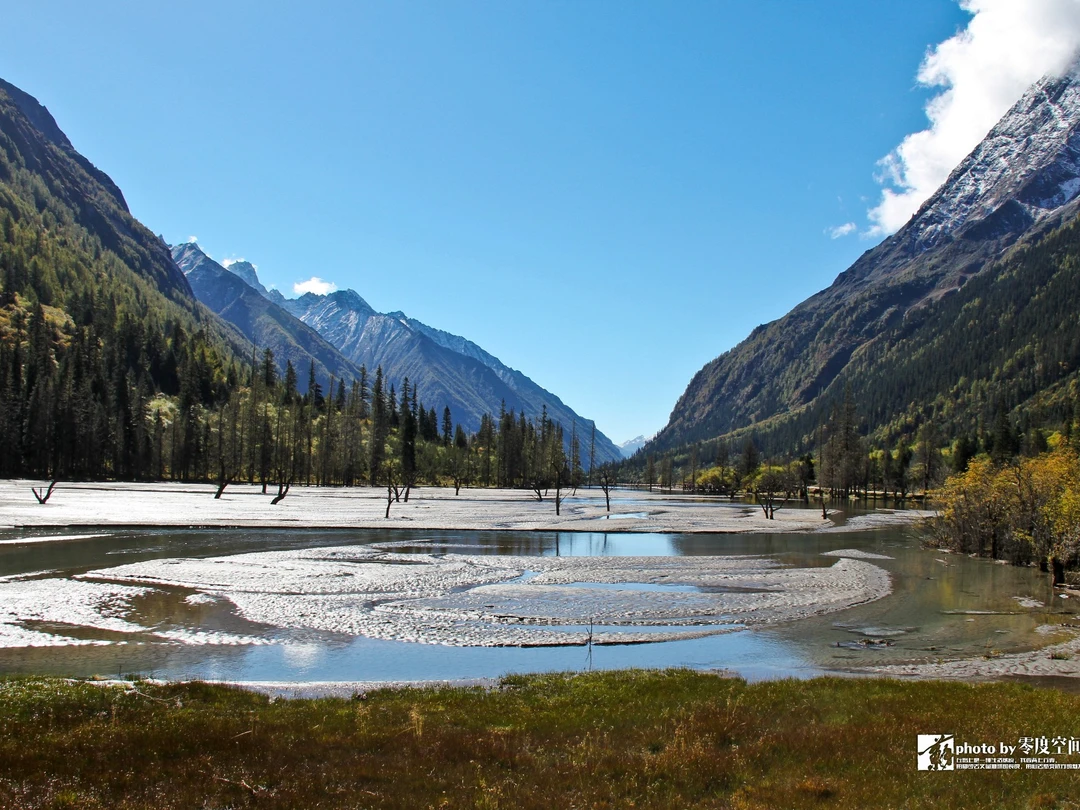
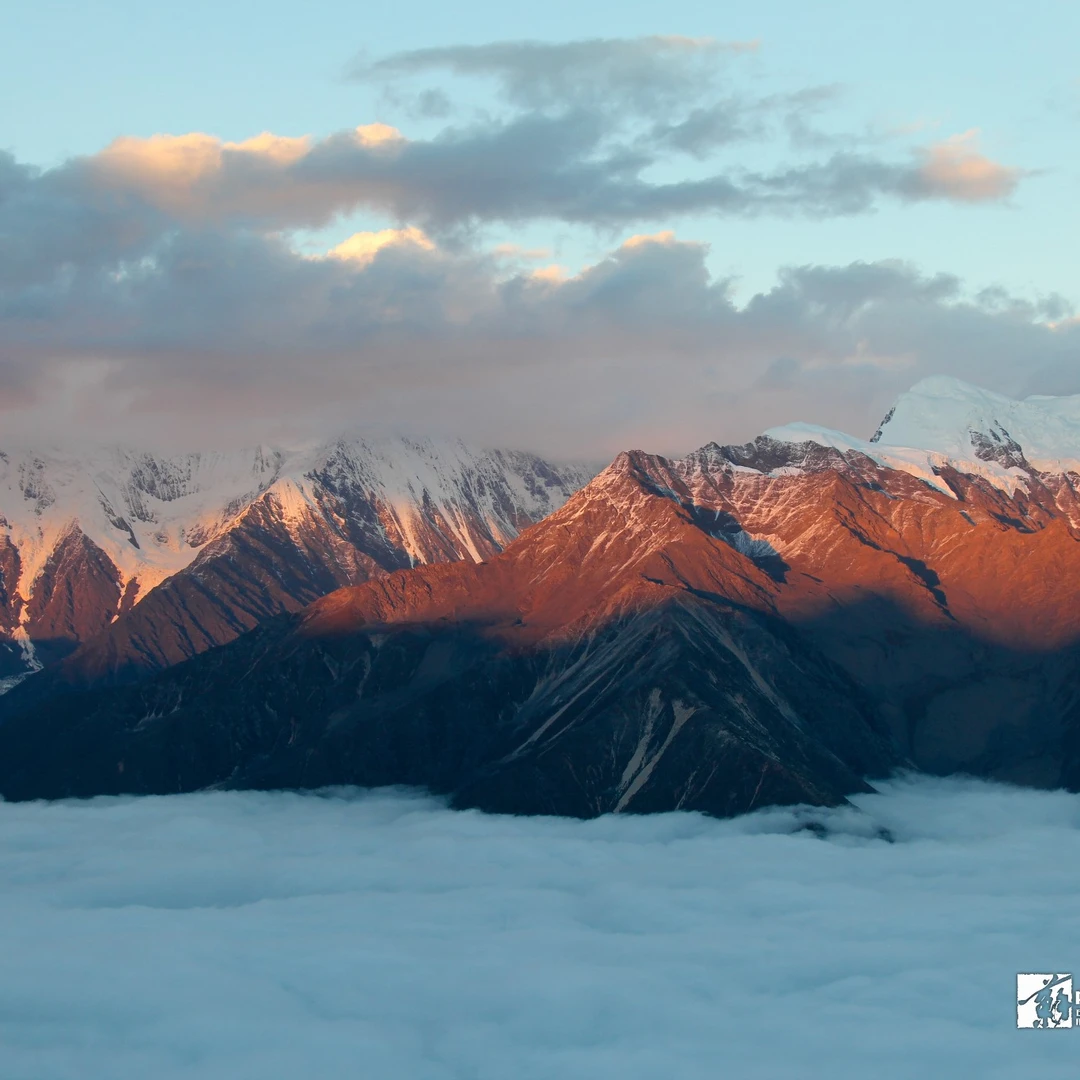
Some journeys are more than travel—they are conversations with yourself. When your feet step onto unfamiliar ground, when your eyes take in landscapes you've never seen before, the longings and emotions buried beneath daily routines begin to stir. In the autumn of 2014, I brought my family and friends to Western Sichuan—a land blessed by the gods. There, we found the snow-capped peak of Mount Gongga piercing the sky, the crimson Buddhist kingdom of Seda, seas of clouds flowing above mountaintops, and people who dedicate their entire lives to spiritual practice. This was not merely a trip; it was a pilgrimage.
Western Sichuan, covering regions like Aba and Garzê, is a hidden realm second only to Tibet in its closeness to the divine. Here, grasslands become vast mountain ranges, winding roads lead to the horizon, and rivers flow both below the mountains and above them. Only here can you experience such a wondrous fusion of mountains and rivers.
Why Western Sichuan? The Call of Sacred Mountains and Buddhist Lands
Earlier that year, a travelogue titled "West of the Gongga Mountains" planted a seed deep in my heart. I became obsessed with researching Western Sichuan—a place where sacred and majestic Mount Gongga stands alongside the soul-stirring Seda Buddhist Academy.
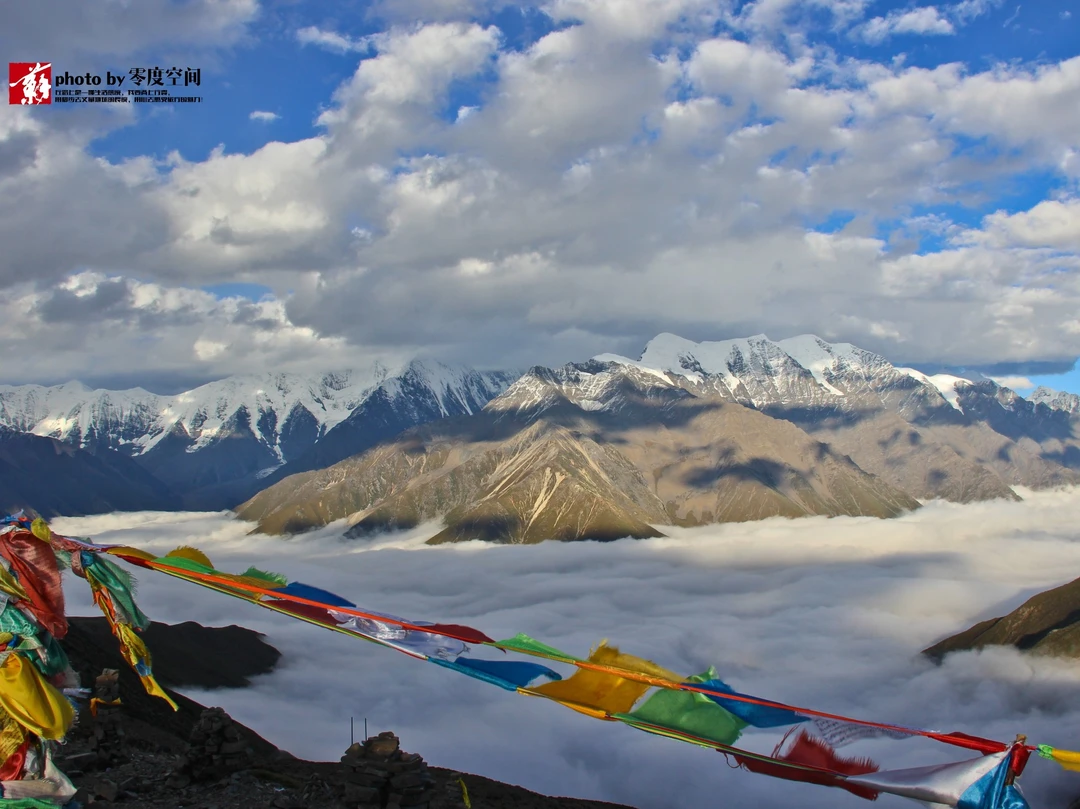
Chinese National Geography once described Gongga this way: "So beautiful that it feels as though the very air has frozen." I couldn't imagine what that meant until I saw the iconic photograph—a snow-covered peak standing tall among the clouds under a blue sky, and on a narrow cliffside path, a traveler carrying a large backpack stood above the sea of clouds, gazing toward the summit. In that moment, I was utterly captivated.
And then there was Seda, known as the "Crimson Buddhist Kingdom"—a utopia of faith. It is home to the world's largest Tibetan Buddhist academy, where countless people arrive carrying their beliefs and never leave. I wanted to see it, to feel that direct, heart-stirring impact.
Western Sichuan travel offers something no other destination can: a chance to walk between sacred mountains and the land of Buddhas, searching for the soul's homecoming.
Trip Overview: 9 Days in the Western Sichuan Highlands
Our Western Sichuan itinerary ran from September 28 to October 7, a total of ten days including travel. Here is the streamlined route:
| Day | Route | Highlights |
|---|---|---|
| D1 | Wenzhou → Chengdu | Wuhou Shrine, Jinli Ancient Street |
| D2 | Chengdu → Ya’an → Luding → Yajiageng → Xinduqiao | Zheduo Mountain, Red Stone Beach |
| D3 | Xinduqiao → Jiagenba → Yaha Pass → Yulongxi Quanhuatan → Zimei Pass → Shangmuju | Mount Gongga views, sea of clouds |
| D4 | Shangmuju → Xinduqiao → Tagong → Peace Dharma Assembly → Tagong Yala Sacred Mountain | Tibetan Buddhist culture |
| D5 | Tagong → Bamei → Daofu → Luhuo → Seda | Scenic highland drive |
| D6 | Seda (Larung Gar Buddhist Academy) | Crimson Buddhist Kingdom |
| D7 | Seda → Jinchuan → Danba Zhonglu | Tibetan villages |
| D8 | Danba Zhonglu → Danba Jiaju → Mount Siguniang | Ancient fortresses, alpine scenery |
| D9 | Rilong Town → Wolong → Yingxiu → Chengdu | Return journey |
| D10 | Chengdu → Wenzhou | Departure |
[Link: Western Sichuan self-drive route planning]
Pre-Departure Preparations: Essential Gear for Highland Travel
Clothing: Layering for Unpredictable Weather
Western Sichuan has high altitudes, wide temperature swings, and challenging road conditions. A windproof jacket and fleece are absolute must-haves—the weather on the plateau can change in an instant.
Essential clothing checklist: - T-shirts and jeans for base layers - Thermal underwear for cold mornings - Windproof jacket and fleece (non-negotiable) - Down jacket for high passes - Scarf, gloves, and warm socks - Slippers for guesthouse use
Sun Protection: The Plateau's Hidden Danger

The UV rays on the plateau are extremely intense—without sunscreen, you can get sunburned in a single day. Pack: - High-SPF sunscreen (SPF 50+ recommended) - Sunglasses with UV protection - Wide-brimmed sun hat - Lip balm with SPF
Medications: Preparing for Altitude Sickness
Start taking Rhodiola two weeks in advance, but even so, altitude sickness can still strike. Essential medications include: - Rhodiola rosea - Plateau altitude sickness medicine (Diamox alternative) - Tylenol for headaches - Glucose for quick energy - Band-aids and basic first aid
Electronics: Capturing the Magic
A tripod is essential for shooting the starry sky—if you're into photography, don't forget it. Pack: - DSLR camera + tripod - Compact camera for quick shots - Power bank (large capacity) - Portable Wi-Fi device
Snacks: Fuel for the Highlands
Candy and chocolate provide quick energy and are incredibly useful at high altitudes. Bring: - Chinese sausage and dried pork - Salted duck eggs - Pork floss - Hard candies and chocolate
Day 1: Arrival in Chengdu – The Last Taste of "Mortal Life"
On September 28, we flew from Wenzhou to Chengdu on Air China. After arriving, we checked into the Chengdu Steam Hostel across from Wuhou Shrine. The location was perfect—just steps away from Jinli Ancient Street and the Shuadu Food Plaza.
That night, we feasted at Shuadu: hotpot, skewers, barbecue—as if we were trying to exhaust all our culinary luck for the days ahead in a single evening. My son sat in the hostel writing in his diary, serious as a little adult. He knew that starting tomorrow, the highlands, snow mountains, and unknown challenges awaited us.
[Link: Chengdu food guide before Western Sichuan trip]
Day 2: Crossing Zheduo Mountain – Entering the Kham Tibetan Region
At 8 a.m., our driver Mr. Zhou was waiting for us at the hostel entrance. We split into two off-road vehicles and headed toward Luding. Due to road construction between Ya’an and Luding, we took a detour through Shimian, passing through the Nibashan Tunnel—over 10 kilometers long and the longest tunnel in Sichuan.
Along the way, we crossed the surging Yalong River, Min River, and Dadu River. As we climbed Zheduo Mountain, the weather began to turn. Zheduo Mountain is part of the Daxue Shan range, an important geographical dividing line, and the first high mountain pass on the Sichuan-Tibet Highway. Once you cross Zheduo Mountain, you officially enter the Kham Tibetan region.
By the time we reached the Red Stone Beach at Yajiageng, rain was falling. But the scenery was still spectacular—red algae growing on the rocks, thriving in conditions of just the right humidity and temperature, had painted every stone a vivid crimson. This red substance can only grow in completely unpolluted air, a testament to nature's wonder.
At 9 p.m., we finally arrived at the Fenglinwan Guesthouse in Xinduqiao. Everyone was experiencing varying degrees of altitude sickness—headaches, nausea, fatigue. My son wrote the character for "cold" on the guesthouse graffiti wall, expressing exactly how we all felt.
Day 3: Paying Homage to Gongga – Standing Above the Clouds
Morning in Xinduqiao: The Photographer's Paradise
Xinduqiao is known as the "Photographer's Paradise," but strictly speaking, that's not quite accurate. Xinduqiao itself is a town; the actual "photographer's corridor" stretches for about 10 kilometers along the road. Even though it wasn't yet deep autumn, the Tibetan landscape paintings before us were already intoxicating.
Jiagenba: The Hidden Gateway to Gongga
Jiagenba Township is a key part of Xinduqiao's "photographer's paradise." Towering ancient trees and idyllic pastoral scenery create a harmonious Shangri-La. This is the perfect place to get close to the snow mountains and pay homage to Gongga.
From Jiagenba into the mountains to Yaha Pass, it was 25 kilometers of gravel road. We barely saw another vehicle. We felt like solitary, determined travelers, pushing forward through this uninhabited land. Looking back, the views of Mount Gongga emerging from the clouds were worth every bump and jolt.
Day 4-6: The Crimson Buddhist Kingdom – Seda Larung Gar Academy
Arriving at Seda felt like stepping into another world. The Larung Gar Buddhist Academy is the largest Tibetan Buddhist academy in the world, home to thousands of monks and nuns who have dedicated their lives to spiritual practice.
The sight of thousands of crimson-colored wooden houses clinging to the hillside is unforgettable. From a distance, it looks like a red river flowing down the mountain. Up close, you can hear the murmured chanting of sutras, see prayer flags fluttering in the wind, and feel the palpable devotion in the air.
Seda travel tips: - Respect local customs and photography restrictions - Visit the prayer hall and stupa - Walk through the meditation caves - Stay overnight to experience the sunrise over the crimson valley
[Link: Seda Buddhist Academy photography guide]
Day 7-9: Tibetan Villages and Return
The journey back took us through Danba Zhonglu and Danba Jiaju, famous for their ancient Tibetan fortresses and watchtowers. These villages, with their white-walled, red-roofed houses perched on hillsides, are living museums of Tibetan architecture.
Mount Siguniang (Four Girls Mountain) provided a fitting finale to our pilgrimage. Its four peaks, rising dramatically from the valley floor, are considered sacred in Tibetan Buddhism.
FAQ: Your Western Sichuan Travel Questions Answered
1. When is the best time to visit Western Sichuan?
Autumn (September to October) is the peak season, offering clear skies, golden grasslands, and vibrant autumn colors. Spring (April to May) is also good, with blooming rhododendrons. Avoid the rainy season (July-August) when landslides can block roads.
2. How do I prevent altitude sickness in Western Sichuan?
Start taking Rhodiola rosea two weeks before departure. Acclimatize gradually by spending a night in Xinduqiao (3,300m) before heading higher. Stay hydrated, avoid alcohol, and carry glucose or chocolate for quick energy. If symptoms worsen, descend immediately.
3. Is Western Sichuan safe for solo travelers?
Yes, but with precautions. Roads can be challenging, especially during rain or snow. Hiring a local driver who knows the terrain is highly recommended. Guesthouses are basic but safe. Always carry a map and emergency contact numbers.
4. How much does a Western Sichuan trip cost?
Costs vary by season and group size. For a 9-day trip with two off-road vehicles for 7 people, expect to spend approximately 3,000-5,000 RMB per person (including flights, accommodation, meals, and entrance fees). Budget travelers can reduce costs by using public buses.
5. What should I pack for a Western Sichuan trip?
Focus on layering and sun protection. Essential items include: windproof jacket, fleece, down jacket, thermal underwear, sunscreen (SPF 50+), sunglasses, hat, medications (especially for altitude), power bank, and a tripod for photography.
Conclusion: Your Soul's Homecoming Awaits
Western Sichuan is not just a destination—it's a journey into the heart of faith, nature, and yourself. From the snow-capped majesty of Mount Gongga to the crimson devotion of Seda, every mile brings you closer to something sacred.
Whether you're a photographer chasing the perfect shot, a pilgrim seeking spiritual renewal, or a traveler craving raw, untamed beauty, Western Sichuan delivers. The roads may be rough, the altitude challenging, and the conditions basic—but the rewards are immeasurable.
Ready to walk between sacred mountains and the land of Buddhas? Start planning your Western Sichuan pilgrimage today. Book your flights, pack your gear, and prepare for a journey that will change how you see the world—and yourself.
[Link: Western Sichuan tour packages] [Link: Western Sichuan travel insurance guide]
Your soul's homecoming is waiting. Will you answer the call?
You may also like


