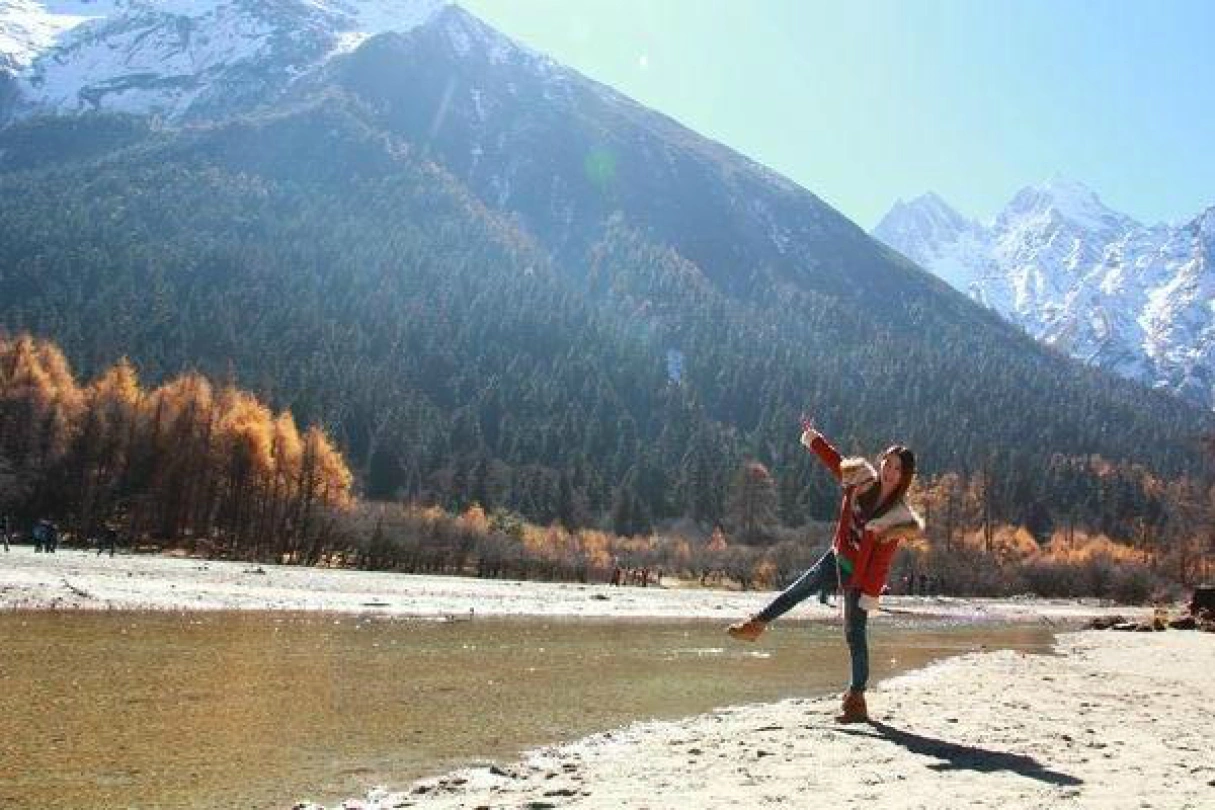
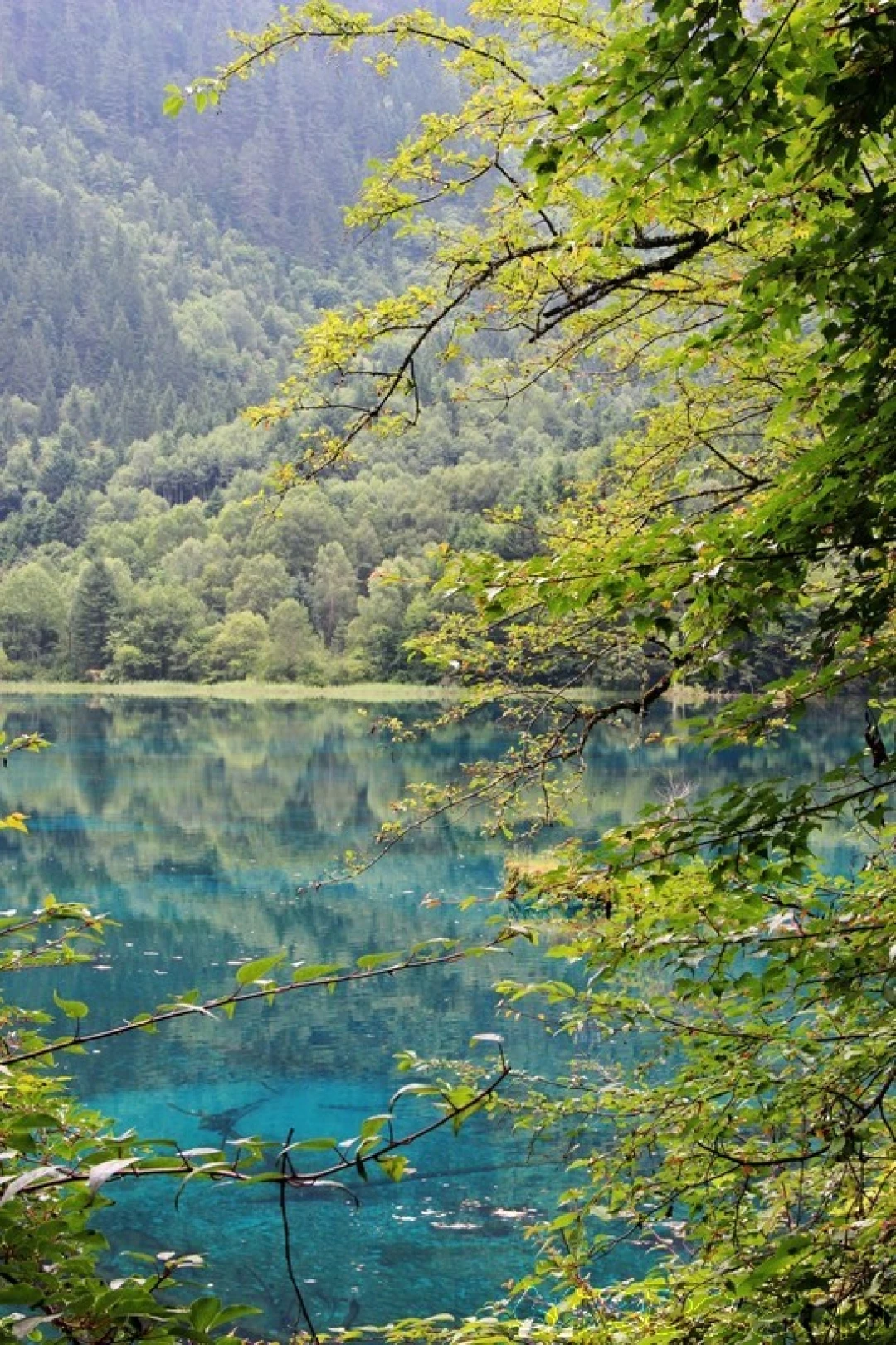
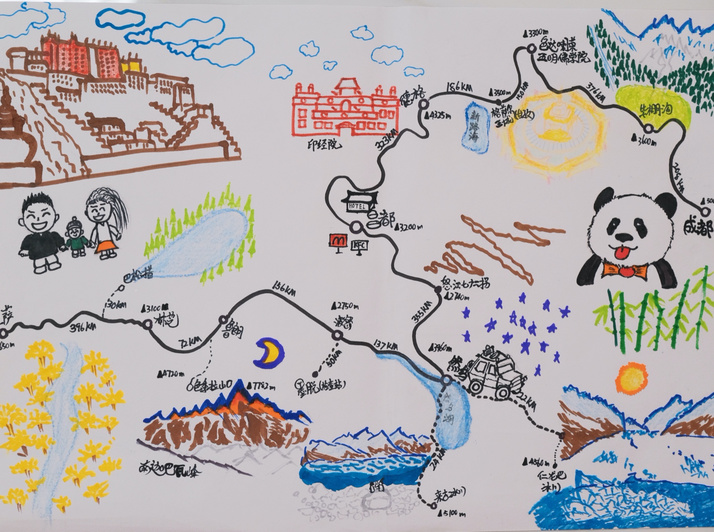
South Meets North: Searching for Glaciers, Galaxies, and Faith on the Sichuan-Tibet North-South Route with Our Two-Year-Old
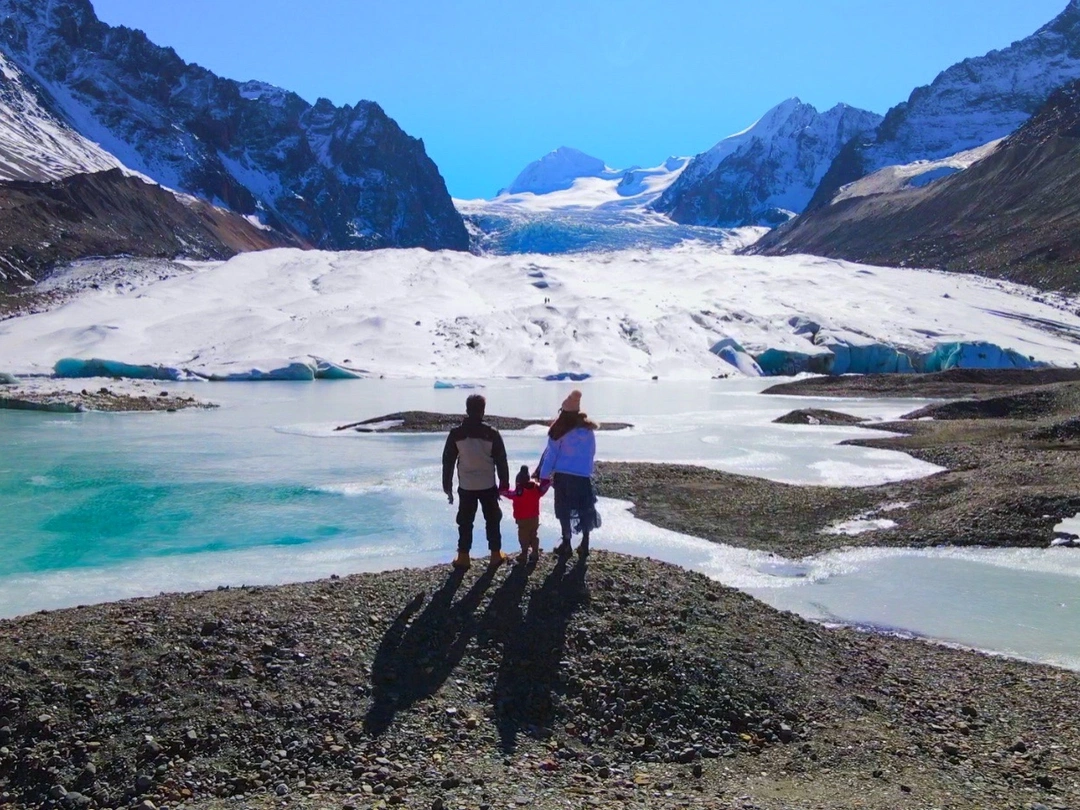
Meta Description: Can you take a toddler to Tibet? Our family of three conquered the Sichuan-Tibet North-South Route with a two-year-old. From giant pandas to Seda's faith, here's our honest guide.
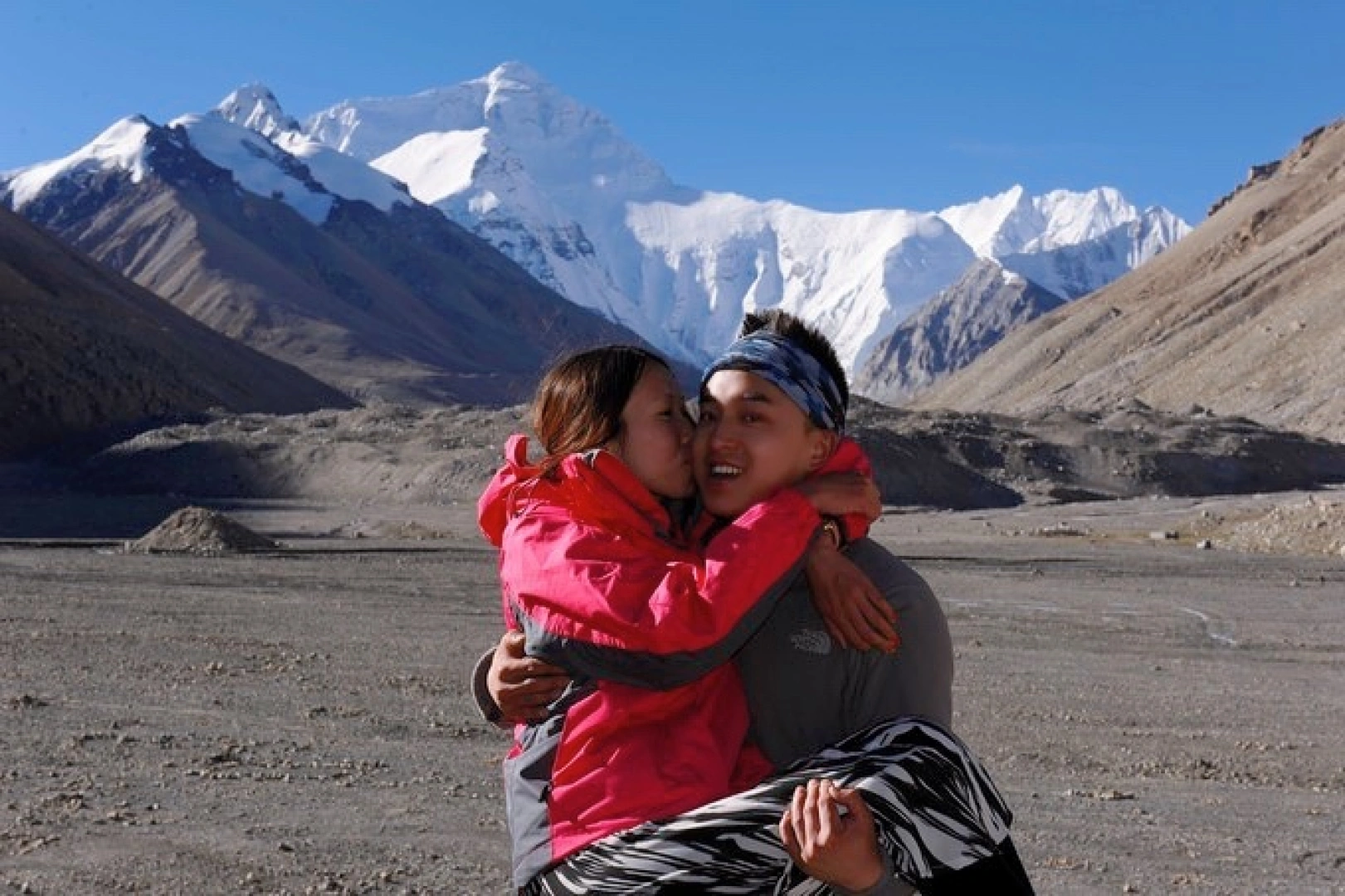
We live in a city of steel and concrete, yet our hearts belong to forests, grasslands, mountains, and lakes. In 2014, we met at the foot of Mount Everest—one of us from the south, the other from the north—and we've been exploring the world together ever since. In 2020, we set foot on Tibetan soil again, this time with our two-year-old child. Our goal wasn't conquest; it was to fill his eyes with the world.
This is not a typical family travel guide. It's a story of faith, glaciers, galaxies, and the unforgettable bond between a toddler and the high plateau.
Is It Safe to Take a Two-Year-Old to Tibet? What We Learned Before We Left
Before departure, this question circled in our minds almost daily. Online opinions were divided: some said, "The child is too young, don't go," while others said, "It's fine as long as you're careful." We did extensive research and finally decided: no more hesitation—let's just go. The beauty of a self-driving trip is that everything can be adjusted based on the child's condition.
But if you're planning to take a baby to Tibet, please seriously consider the following:
- Age recommendation: At least four years old for a first visit. By then, children can walk on their own and clearly express physical discomfort. A two-year-old's immune system isn't fully developed; if they catch a cold or fever, it can easily lead to oxygen deprivation in the high-altitude environment, with serious consequences.
- Communication ability: Your child needs to be able to say things like "My head hurts" or "I feel sick." Otherwise, it's very difficult for adults to detect early signs of altitude sickness.
- Ability to sit still: The driving time on the Sichuan-Tibet North-South Route is often 4-7 hours. If your child can't sit quietly and cries incessantly, it can easily cause vomiting and worsen oxygen deprivation.
Our verdict: Yes, it's possible—but only with careful planning, flexible expectations, and a willingness to turn back if needed.
[Link: Family travel safety tips for high-altitude destinations]
Stop One: Chengdu—Fulfilling a Dream About Giant Pandas

Before officially embarking on our journey through western Sichuan, we spent a day in Chengdu. For our son, who has been obsessed with giant pandas since he was a baby, this was his "holy land."
Practical Guide to the Giant Panda Breeding Research Base
- Address: 1375 Panda Avenue (Xiongmao Dadao)
- Opening hours: 7:00 AM – 6:00 PM
- Tickets: 52 RMB/person; children under 1.3 meters are free; mobile scan to enter
- COVID-19 reminder: Masks are mandatory for entry
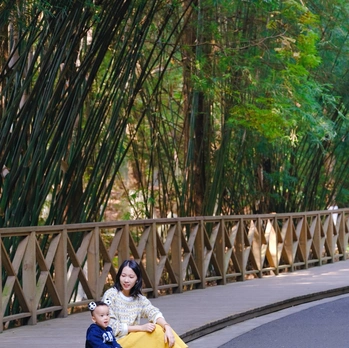
We arrived on a Saturday, and it was packed. The queue for the sightseeing cart was too long, so we opted to walk—but be warned: many side paths involve stair climbing, making it inconvenient for strollers. The upside is the vast bamboo groves throughout the park, perfect for stunning photos.
The best time to visit is early morning, between 9 and 10 AM, when the pandas have their breakfast. If you go in the afternoon, most of the chubby creatures are already napping.
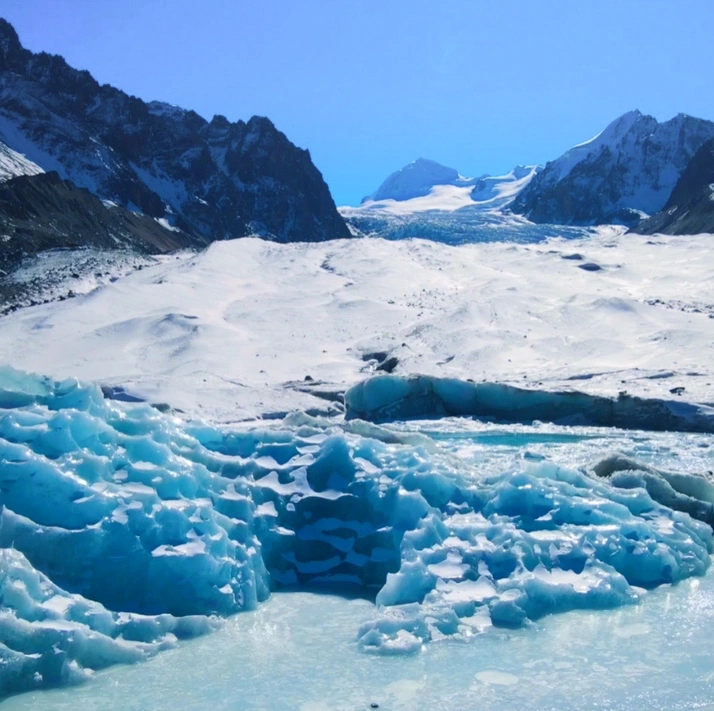
Recommended route: Take the sightseeing cart to Moonlight Nursery (Yueliang Chanfang) → Villa No. 1 → Villa No. 2 → Sunlight Nursery (Taiyang Chanfang) → Red Panda Activity Area → Charm Theater. This way, you won't have to backtrack.
However, this day also taught us what an "unreliable driver" looks like. He was supposed to take us to the Giant Panda Base in Chengdu city center, but instead tried to drive us toward Dujiangyan, claiming there were pandas there too. We insisted on turning back, and ended up wasting the entire morning on the road. That afternoon, we headed to Bipenggou, but weekend traffic was so bad that we didn't arrive until after 10 PM. There was almost no accommodation available near the scenic area. We ended up spending 200 RMB on a room that even our driver said was "only worth 50 bucks."
The next day, we let him go. A friend introduced us to a guy from Shenzhen who drove his Land Cruiser all the way from Chengdu to meet us—and from that point on, our journey truly began.
[Link: How to find a reliable driver for Tibet self-drive tours]
Stop Two: Bipenggou—A Snowy Surprise for the Whole Family
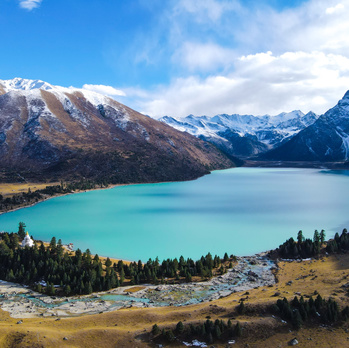
Bipenggou is about 220 kilometers from Chengdu, a normal 4-hour drive. At an altitude of 3,600 meters, it had already seen its first snowfall in early November.
Practical Information for Bipenggou
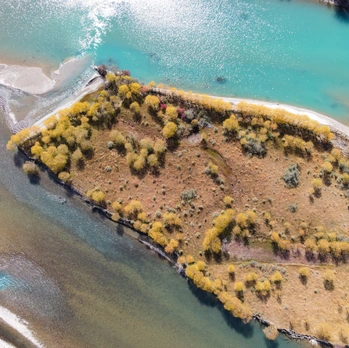
- Ticket + sightseeing bus: 119 RMB/person; must be purchased online in advance; enter with your ID card; children under 1.2 meters are free
- Electric cart: 30 RMB/person; 4.5 kilometers round trip to Panyang Lake
- Opening hours: Summer 8:00 AM – 6:00 PM (last entry at 3:30 PM); Winter 8:30 AM – 5:30 PM (last entry at 3:00 PM)
- Best seasons: October for red leaves and colorful forests; November for snowscapes
At an altitude of 3,600 meters, our two-year-old son walked the entire way on his own without any signs of altitude sickness. There were also several other children around Nino's age in the scenic area—apparently, we weren't the only "crazy" family bringing a child to Tibet.
Accommodation Recommendation: Shanguo Homestay (Shanguo Minsu)
We moved to Shanguo Homestay the next day—344 RMB per night, excellent value for money. It had underfloor heating, plenty of sunlight, and the most delightful surprise: a sandpit in the yard. Our son played there all afternoon and told me, "Mommy, can we stay at another hotel with a sandpit later?" Compared to the snow-capped mountains, the sandpit clearly brought him more joy.
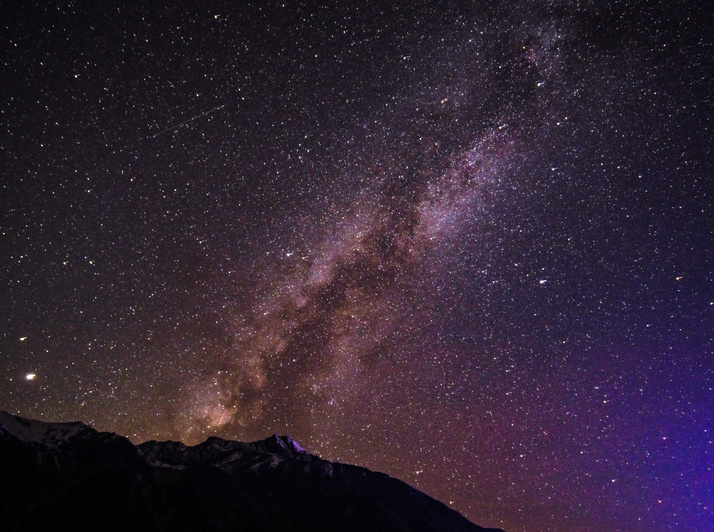
The homestays around Bipenggou are at an altitude of only about 2,000 meters, so we slept very comfortably. The next day, while strolling near the homestay, we met an elderly woman selling walnuts. She gave us a few for free. The Gesang flowers (Rhododendron) were still blooming in early winter—in the hearts of the highland people, they symbolize good fortune and happiness.
[Link: Best family-friendly homestays in western Sichuan]
Stop Three: Seda (Sêrtar)—Faith as a Light in the Darkness
From Bipenggou to Seda was 378 kilometers. It took us over seven hours, and we didn't arrive until 9 PM. The winding mountain roads made our son throw up all over the car, and I was so dizzy I felt like vomiting too.
Essential Information for Seda
- PCR test requirement: During the pandemic, you needed a physical (paper) PCR test report within the validity period to enter the county; a digital version on your phone was not accepted
- Accommodation advice: Stay in Seda county town; it's a 30-minute drive to the Buddhist Academy, with more choices and better conditions
- How to enter the Buddhist Academy: During the pandemic, the main gate was closed. You could navigate to "Altar City (Tancheng)" and drive in from the back mountain
That night, we stayed at the Lifeng Hotel (Lifeng Jiudian) in Seda county town, which had heating and oxygen machines. But at an altitude of 3,800 meters, both my husband and I got altitude sickness—and we're people who had been to 5,300 meters at Everest without any issues. We spent the whole night with splitting headaches and blue lips. Around 3 or 4 in the morning, we even started checking for the nearest airport, considering whether to fly back.
After drinking some cola and inhaling oxygen for half an hour, we finally recovered. And our son? He slept better than anyone.
The Larung Gar Five Sciences Buddhist Academy (Larongsi Wuming Foxueyuan)
This is one of the largest Tibetan Buddhist academies in the world, with about 20,000 monks and nuns practicing here. When we arrived at the Altar City, a kind elderly grandmother handed her prayer wheel to our son and smiled, teaching him how to turn it.

Tip for turning the prayer wheels at the Altar City: You should only turn them an odd number of times—once, three times, five times, and so on.
The evening and night views are the most beautiful at the academy. When thousands of lights flicker on, like scattered stars, you'll understand why so many people say "Seda is the end of faith."
[Link: What to know before visiting Seda Larung Gar Buddhist Academy]
Stop Four: Xinluhai (New Road Lake)—What We Missed and What We Found
We originally wanted to visit a hidden gem called "Cuotong Cuihu" (Cuotong Emerald Lake), which supposedly doesn't even appear on maps. Unfortunately, the road conditions forced us to change plans. Sometimes, the best discoveries come from missed opportunities.
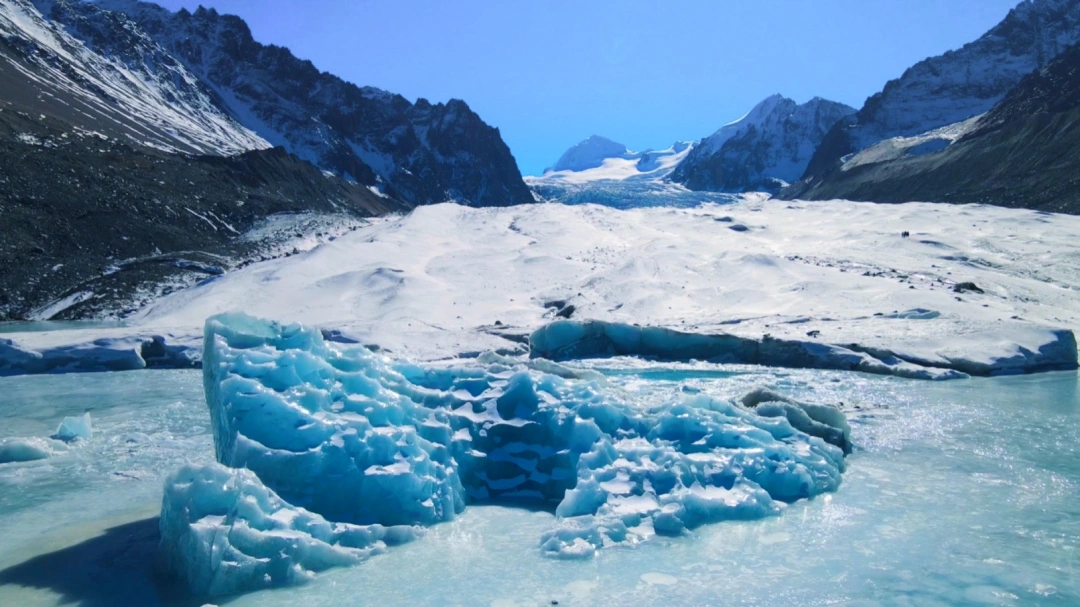
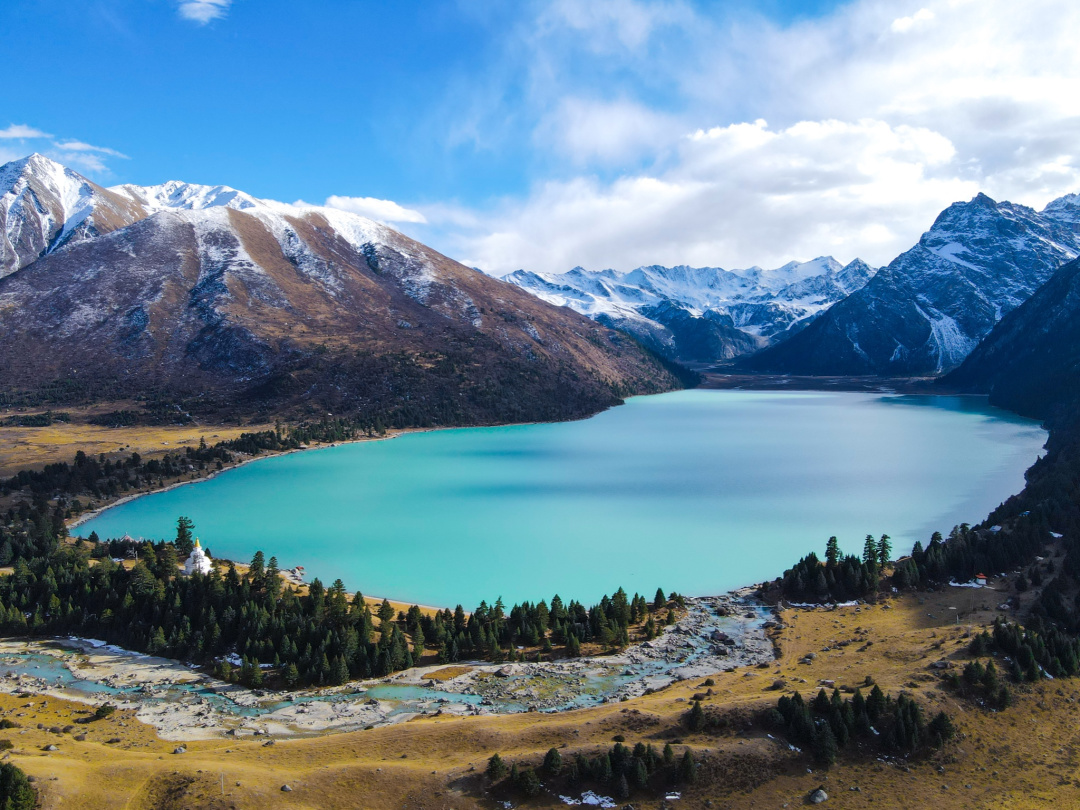
Xinluhai (New Road Lake) is a stunning alpine lake at an altitude of 4,500 meters. The turquoise water against the backdrop of snow-capped peaks creates a scene that feels almost unreal. Our son was fascinated by the stones on the shore, collecting them one by one as if they were treasures.
Pro tip for Xinluhai: The wind here is fierce, even in summer. Dress your child in layers and bring a windproof jacket. The lake is best visited in the morning when the light is soft and the crowds are minimal.
FAQ: Taking a Toddler on the Sichuan-Tibet Route
1. What is the minimum age for taking a child to Tibet?
 We recommend at least four years old. By then, children can walk independently, communicate discomfort clearly, and have a stronger immune system. A two-year-old can manage with extreme caution, but it's not ideal.
2. How do you prevent altitude sickness in children?
 - Ascend gradually—never fly directly to high-altitude areas - Keep your child hydrated with warm water - Avoid overexertion; let them set the pace - Watch for symptoms like irritability, loss of appetite, or unusual sleepiness - Have oxygen canisters and medication (consult a pediatrician) ready
3. What are the best months for a family trip on the Sichuan-Tibet North-South Route?
 May to October is ideal. November offers beautiful snowscapes but colder temperatures. Avoid the rainy season (July-August) if you're concerned about landslides.
4. Is it safe to drive the Sichuan-Tibet route with a toddler?
 Yes, if you hire an experienced local driver. Self-driving is risky due to winding mountain roads, altitude changes, and unpredictable weather. Our best decision was switching to a professional driver from Chengdu.
5. What should I pack for a toddler on this trip?
- Warm, layered clothing (including thermal underwear)
- Sunscreen and UV-protective sunglasses
- Snacks that don't melt or spoil easily
- A portable potty or diaper changing kit
- Favorite toys or books for long drives
- First-aid kit with children's medication
Final Thoughts: Why This Journey Matters
Traveling the Sichuan-Tibet North-South Route with a two-year-old isn't for everyone. It's challenging, unpredictable, and sometimes uncomfortable. But it's also transformative.
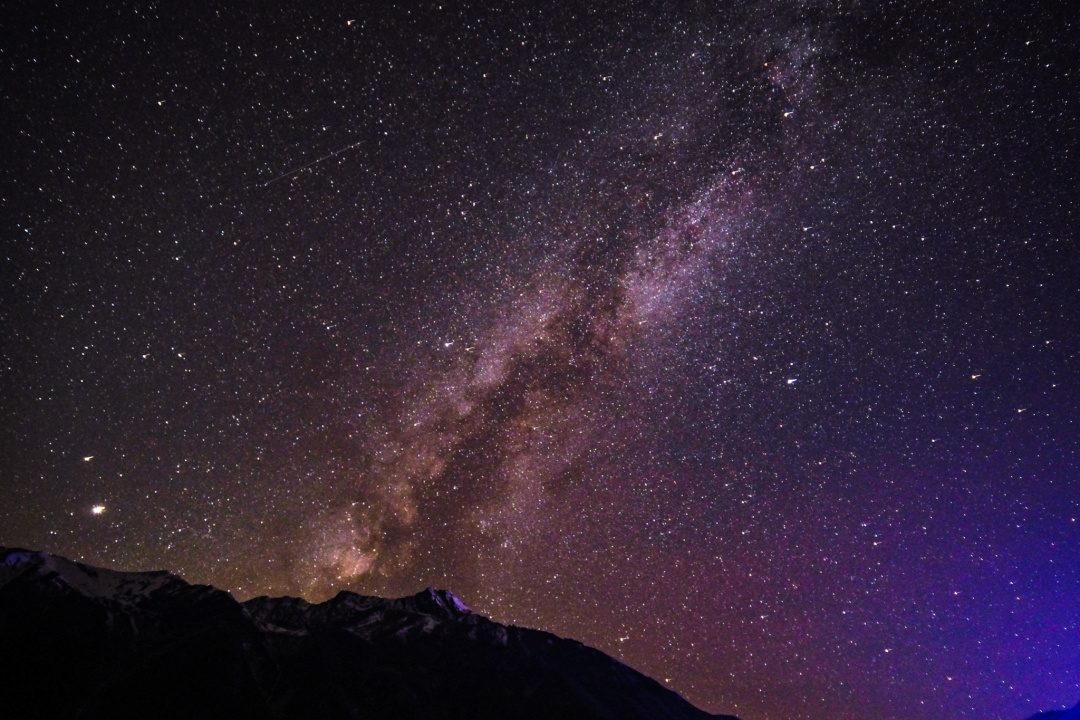
Our son may not remember the glaciers, the galaxies, or the prayer wheels. But he will remember being held close while we watched the stars. He will remember the sandpit at the homestay. He will remember the kindness of strangers who gave him walnuts and prayer wheels.
And we will remember that faith—in our family, in our journey, and in each other—was the light that guided us through the darkness.
Ready to plan your own family adventure on the Sichuan-Tibet route? [Link: Book a customized family tour with experienced drivers] or [Link: Download our free family packing checklist for high-altitude travel]
Have you traveled to Tibet with young children? Share your experience in the comments below—we'd love to hear your story.
You may also like