Traveling with Mothers-in-Law: An Eight-Day Odyssey Through Jiuzhaigou, Huanglong, Ruoergai Grassland, and Chengdu
Meta Description: Planning a multi-generational family trip to Sichuan? Discover our 8-day Jiuzhaigou itinerary with tips on Huanglong altitude sickness, Ruoergai grassland packing, and Chengdu food. Perfect for family travelers.
When the idea of a family trip first came up, I never imagined our destination would be so extraordinary—bringing my mother-in-law, my own mother, my husband, and myself together for a journey to Jiuzhaigou. After the sun-drenched beaches of Sanya and the Maldives, we chose a completely different world: towering mountains, seas of clouds, turquoise lakes, and vast grasslands. Over eight days, we went from the sweltering heat of Chengdu to the crisp coolness of Jiuzhaigou Huanglong Airport, from Huanglong's travertine pools to Jiuzhaigou's fairy-tale landscapes, then on to the boundless expanse of Ruoergai Grassland and back to the vibrant everyday hustle and bustle of Chengdu. Every moment felt like a beautiful conversation between nature and family bonds.
This wasn't just a trip—it was an experience of companionship, discovery, and growth. If you're planning to take your family on this route, this article will provide the most practical tips and the most heartfelt memories.
Essential Packing Tips for a Jiuzhaigou Family Trip
Don't Be Fooled by July: What to Pack for Sichuan's High-Altitude Destinations
We set out in mid-July expecting summer warmth, only to be caught off guard by unexpected cold. A single-layer windbreaker was the bare minimum, but even so, staying at Heye Village at night left us shivering. Ruoergai Grassland was even more extreme—temperatures dropped below 10°C (50°F), and locals were wearing sweaters and even padded jackets. On the second day at Jiuzhaigou, a steady rain soaked everyone's pants through, rendering even quick-dry trousers useless. My husband simply unzipped his pant legs and walked around in shorts, shivering in the rain.
Key Tip: If traveling during the rainy season, be sure to bring disposable rain ponchos—and buy them in large sizes, because your backpack will take up space. Umbrellas are a total nuisance in scenic areas; they bump into each other and make walking difficult, which is incredibly frustrating. Also, basic shoe covers are essential—even though the soles may wear through, at least the uppers stay dry.
Itinerary Planning for Multi-Generational Travel

When planning our Chengdu city itinerary, we relied on Baidu Maps and Dianping (a Chinese review app) to ensure there was good food near every attraction. Budget-conscious travelers can check bus routes or walking directions to save on taxi fares. We chose lunch and dinner spots that were close to the sights or our hotel, making things both convenient and affordable.
Budget and Memo: Based on our final itinerary, we made a detailed budget covering rooms, flights, and other bookings. We also prepared a memo listing the address, contact number, and flight order number for each accommodation, making it easy to get in touch at any time.
Essential Tools: 3G SIM Card and Tiger Map App
On this trip, a 3G SIM card and the "Tiger Map" app were lifesavers. Tiger Map located our position quickly and accurately, and even if we took a wrong turn, it could swiftly reroute us. Of course, this only works if someone in the group can read a map. Those who take taxis everywhere might not need it, but for travelers like us who prefer walking and public transport, it was a godsend.
Day 1: Beijing to Chengdu – First Taste of Local Life
Flying from Beijing to Chengdu, the moment we stepped out of the airport, a wave of humid heat hit us. We contacted our apartment host, and a driver picked us up at the domestic arrivals exit in no time. Our accommodation was very close to Shuangliu Airport—about a ten-minute drive—near the campus of Southwest Minzu University.
Lunch: The area around the apartment was lined with restaurants. We ordered a bowl of braised pork trotters (蹄花), several bowls of noodles, and some vegetable dishes—the total came to just 90 yuan (about $12). Chengdu's food, at least in terms of cost, is incredibly affordable.
Evening Surprise: Using Tiger Map, we found a Hongqi Supermarket—a chain that's everywhere in Sichuan. By chance, we stumbled upon a Liaoji Bangbang Chicken (廖记棒棒鸡) shop. There was a long line out front, with people buying bags and bags of it. We joined in and bought some for 65 yuan (about $9), which was professionally packed. Along the way, we also picked up some small steamed flower rolls (花卷) and ice jelly (冰粉), both equally cheap.
Our first day ended with food and aimless wandering. We turned in early to rest up for the next morning's early flight.
Day 2: Chengdu to Jiuzhaigou Huanglong Airport – Awe at Huanglong
Flying Over Snowy Peaks: First Taste of the Plateau
There are many flights from Chengdu to Jiuzhaigou. We chose an early one and arrived at Jiuzhaigou Huanglong Airport before 8 a.m. On the plane, looking out the window, we could see snow-capped mountains appearing and disappearing through the clouds—even though this is the only season when you can't see large expanses of snow, the view was still magnificent.
As soon as we landed, a text message from our hired driver arrived—honestly touching. While waiting for our luggage, a chill set in, and we quickly put on our windbreakers. Arriving on the plateau, you mustn't jump around or run. When we were rummaging through our bags, we all felt a bit dizzy, but it passed quickly.
Huanglong Scenic Area: A Dreamworld of Travertine Pools
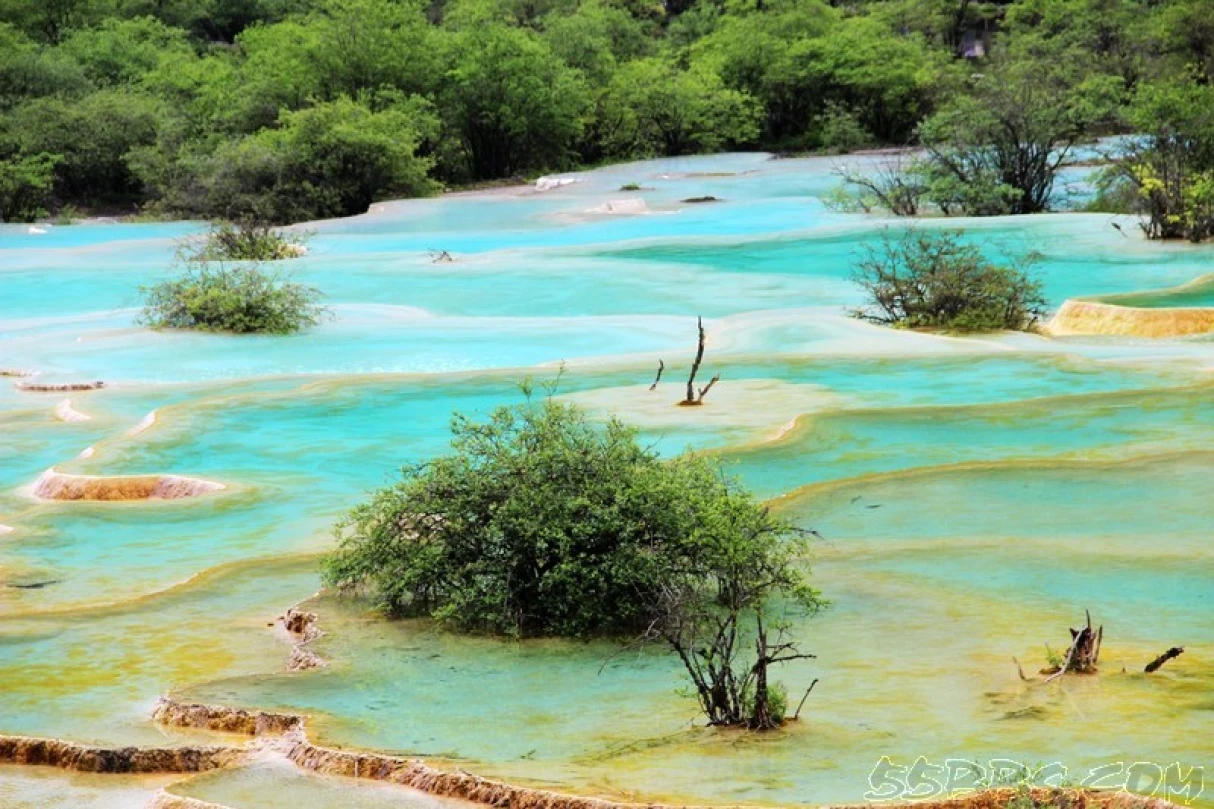
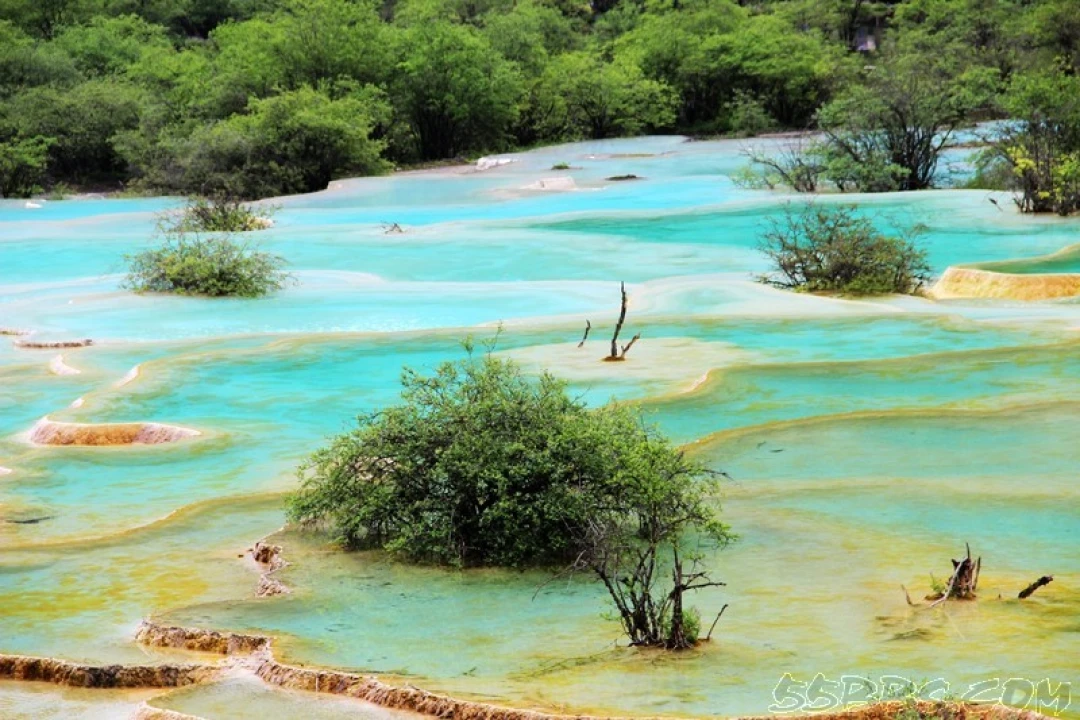
The driver took us directly to the Huanglong cable car entrance, saving us the walk to the main gate. Huanglong is a national 5A-level scenic area, famous for its large-scale, richly colored travertine (calcium carbonate) formations. The continuous travertine sections stretch for 3,600 meters (about 2.2 miles), with more than 3,400 pools. The highest point, Five-Color Pond (五彩池), sits at an elevation of over 3,500 meters (about 11,500 feet).
We chose to take the cable car up and walk down, which took about 4–5 hours in total. However, altitude sickness hit quickly—about 400 meters (a quarter mile) from the Five-Color Pond, we started feeling chest tightness, shortness of breath, and our lips turned blue. On that stretch of stairs, we had to rest every 100 meters (about 110 yards), eating something to regain energy.
Is Huanglong Worth It? My answer is: If your health allows, visit Huanglong before Jiuzhaigou, because the beauty of the two places is completely different. Huanglong's travertine pools are like a bold, richly colored oil painting, while Jiuzhaigou is a fresh, ethereal ink wash painting. If you don't want to have regrets, come see Huanglong.
Heading to Jiuzhaigou: The Ordeal of Nine Bends
After leaving Huanglong, we were starving and grabbed a quick meal at a Dicos (a Chinese fast-food chain)—honestly, it was just okay. We contacted our driver and set off for the entrance of Jiuzhaigou Valley. The 130-kilometer (about 80-mile) drive took over two hours. If you get carsick, it's best to take medication beforehand. Passing through Jiafan Ancient City and Jiuzhaigou Paradise, then crossing the Nine Bends (九道拐), we were soon close to the valley entrance. When we first got into the car, my head was splitting, but thinking of the scenery ahead, it was all worth it.
Accommodation and Dinner: We had a simple meal at the restaurant near our guesthouse. Food in Jiuzhaigou is on the expensive side—meat dishes start at 40 yuan (about $5.50). I recommend eating more vegetables to avoid getting overheated (a traditional Chinese health concern). That night, we also experienced a water outage—ironic, given how much water Jiuzhaigou has, but the locals had none to use.
Day 3: Jiuzhaigou – An In-Depth Tour of a Fairy-Tale World
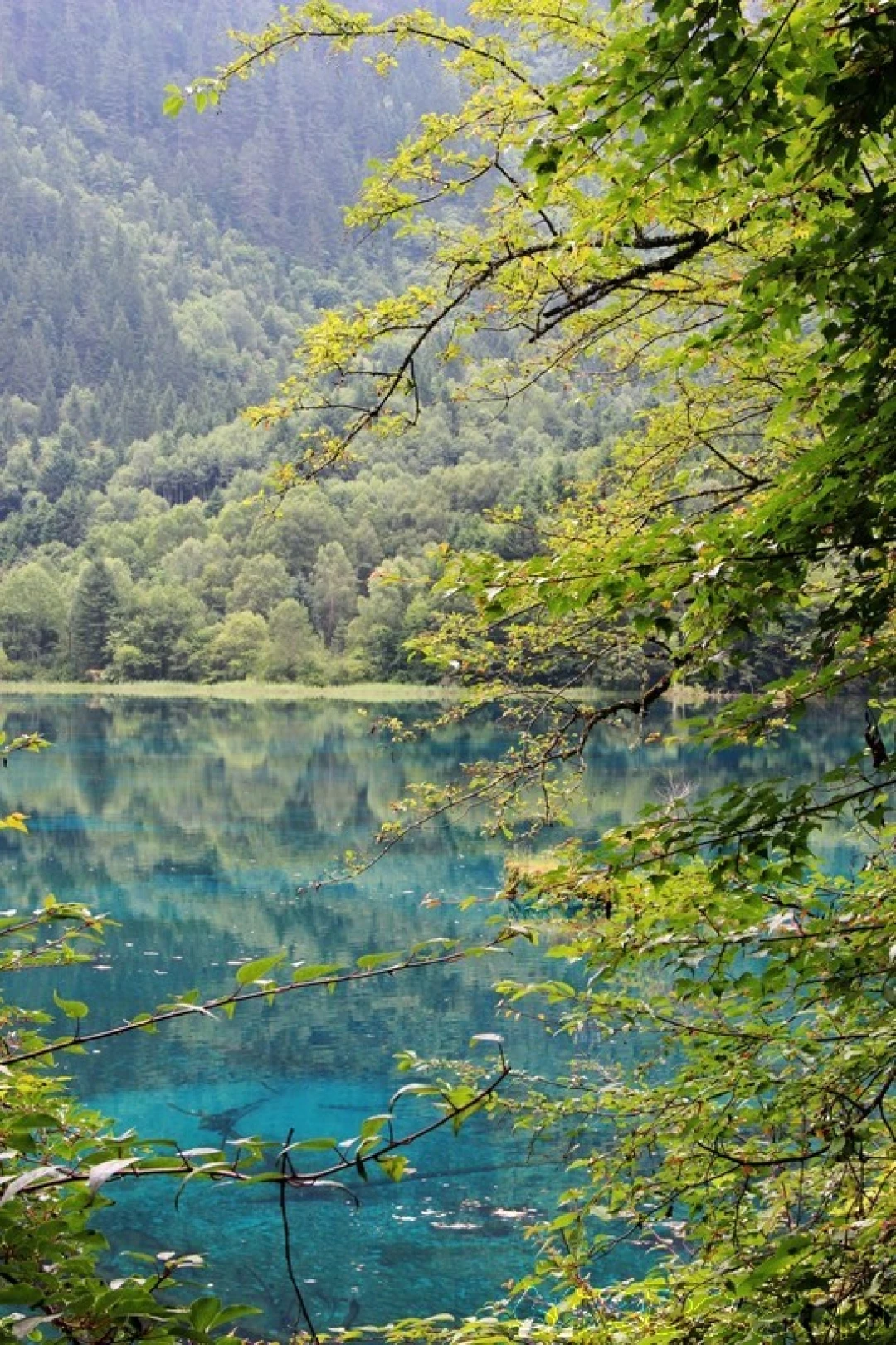
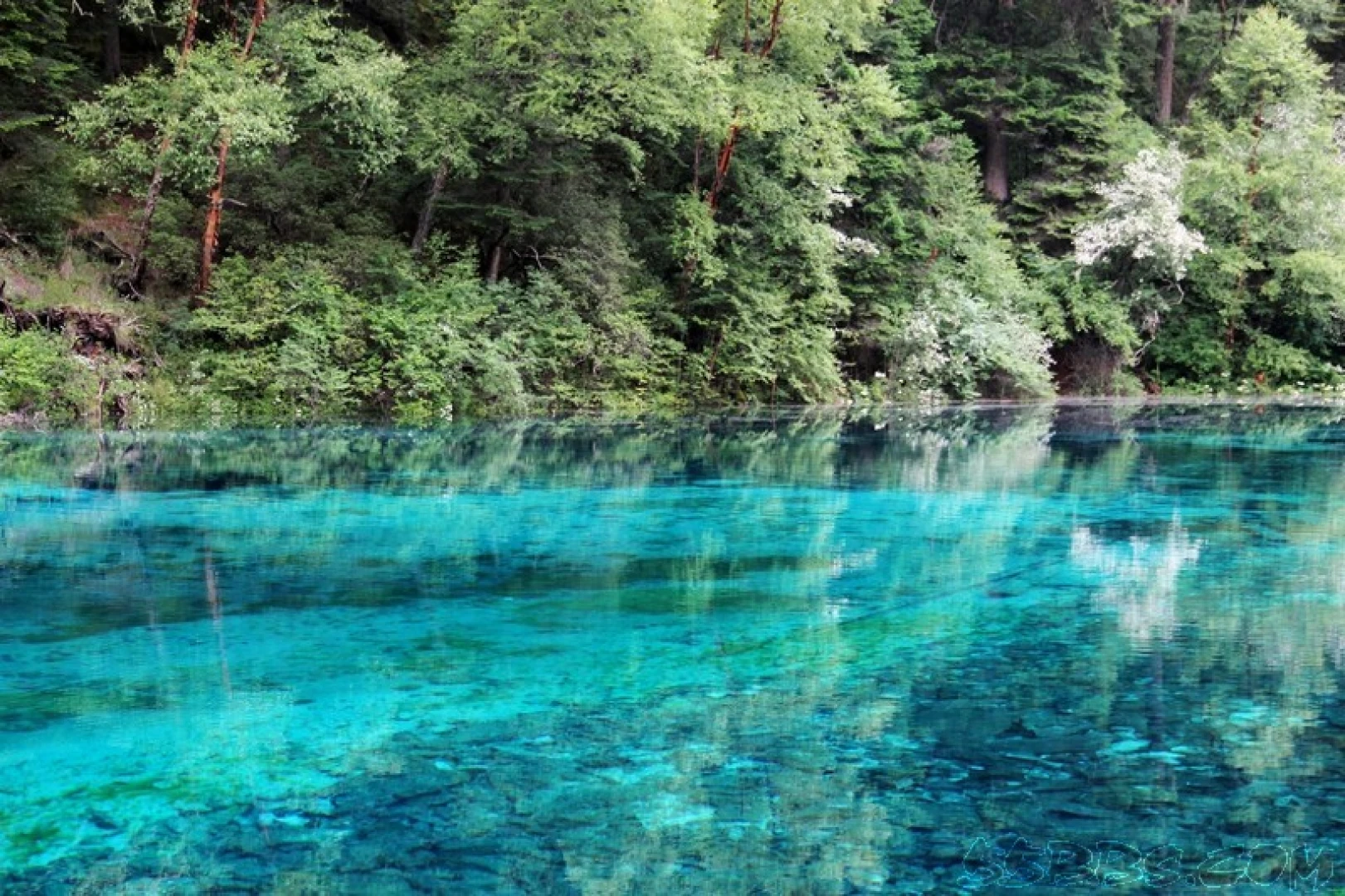
Jiuzhaigou (Nine Village Valley) gets its name from nine Tibetan villages. It sits at an elevation of over 2,000 meters (about 6,500 feet), is covered in primeval forests, and has 108 lakes scattered like emeralds. "Emerald lakes, layered waterfalls, colorful forests, snow-capped peaks, blue ice, and Tibetan customs"—these are the six wonders of Jiuzhaigou.
Must-See Spots: - Five Flower Lake (五花海): The most colorful lake, with underwater trees visible through crystal-clear water. - Nuorilang Waterfall (诺日朗瀑布): One of China's widest waterfalls, especially dramatic after rain. - Long Lake (长海): The largest lake, with a mirror-like surface reflecting the surrounding peaks.
Practical Tip: Use the scenic area's shuttle bus system to avoid excessive walking. Start with the highest point (Primeval Forest or Long Lake) and work your way down. Bring snacks and water—on-site food is expensive and limited.
Days 4–5: Ruoergai Grassland – Boundless Beauty and Biting Cold
From Jiuzhaigou, we drove to Ruoergai Grassland (also known as Zoige Grassland), one of China's most pristine high-altitude grasslands. The drive itself is an experience—endless green plains dotted with yaks and Tibetan tents.
What to Expect: - Temperature: Below 10°C (50°F) even in July. Pack thermal layers and a windproof jacket. - Activities: Horseback riding, visiting Tibetan monasteries, and photography. - Altitude: Around 3,500 meters (11,500 feet). Take it slow and stay hydrated.
Accommodation: Stay in a local Tibetan guesthouse for an authentic experience. Expect basic amenities but warm hospitality.
Days 6–8: Back to Chengdu – Food, Culture, and Relaxation
Returning to Chengdu, we dove back into the city's vibrant food scene. Highlights included: - Hotpot (火锅): A must-try, but go for a mild broth if you're sensitive to spice. - Dandan Noodles (担担面): A classic Sichuan street food. - Tea Houses (茶馆): Spend an afternoon at a traditional tea house in People's Park.
Suggested Itinerary: - Day 6: Visit Jinli Ancient Street and Wuhou Shrine. [Link: Chengdu cultural attractions guide] - Day 7: Explore the Chengdu Panda Base. [Link: Best time to visit Chengdu Panda Base] - Day 8: Last-minute shopping and departure.
Frequently Asked Questions
1. Is it safe to travel to Jiuzhaigou with elderly family members?
 Yes, but take precautions. Avoid strenuous activities, carry altitude sickness medication, and plan for frequent rest stops. The scenic area has shuttle buses and accessible paths.
2. What is the best time to visit Jiuzhaigou and Huanglong?
Autumn (September–October) offers the most vibrant colors, but summer (June–August) is also beautiful and less crowded. Avoid national holidays (May Day, National Day) for a quieter experience.
3. How do I prevent altitude sickness at Huanglong?
- Ascend gradually (take the cable car up, walk down).
- Stay hydrated and avoid alcohol.
- Carry oxygen cans (available at the scenic area).
- If symptoms worsen, descend immediately.
4. What should I pack for Ruoergai Grassland in July?
 Thermal layers, a windproof jacket, sturdy walking shoes, sunscreen, sunglasses, and a hat. Nights are cold, so bring a warm sleeping bag if camping.
5. How much does a family trip like this cost?
For a group of 4, expect to spend approximately 8,000–12,000 yuan (about $1,100–$1,650) excluding flights, depending on accommodation and dining choices.
Final Thoughts: Why This Trip Matters
Traveling with mothers-in-law—or any multi-generational group—isn't just about seeing sights. It's about shared moments: helping your mother-in-law up a steep staircase, laughing over a shared bowl of noodles, and watching the sunset over the grassland together. This trip strengthened our family bonds in ways no vacation ever had.
Ready to plan your own family odyssey? Start by booking your flights to Chengdu and reserving accommodations near Jiuzhaigou. Use the tips above to pack smart, plan wisely, and embrace the unexpected. Your family deserves this adventure.
[Link: How to book Jiuzhaigou tickets online] [Link: Family-friendly hotels in Chengdu] [Link: Sichuan travel insurance recommendations]
Have questions or want to share your own experience? Drop a comment below or join our family travel community on Facebook. Safe travels
You may also like


