Showdown at the Sea of Clouds: Niubei Mountain, a Photographic Pilgrimage in a Chess Match with Heaven
Meta Description: Discover the ultimate photography guide to Niubei Mountain's sea of clouds, sunrise, and star trails. Learn how to reach this 3,600m Sichuan wonder, what to pack, and when to visit for the best views. A spiritual journey above the clouds awaits.
Introduction: Why Niubei Mountain Is Every Photographer's Obsession
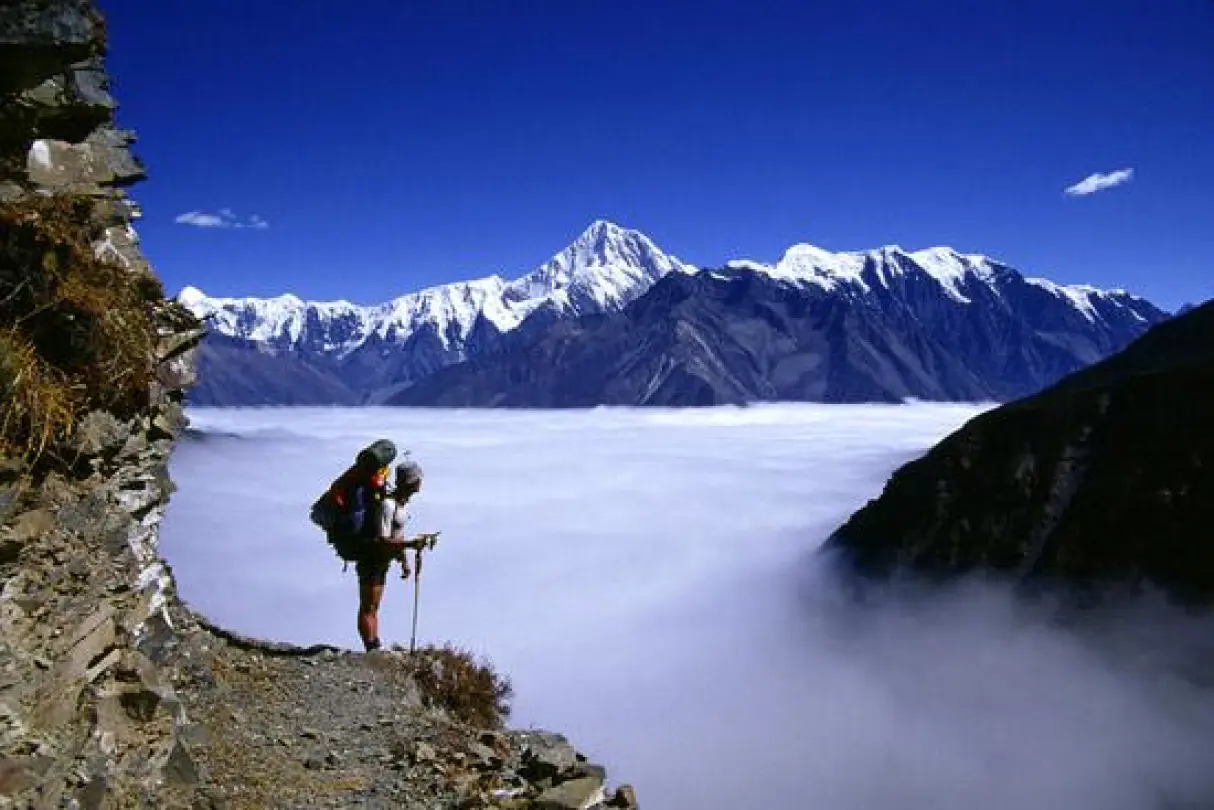
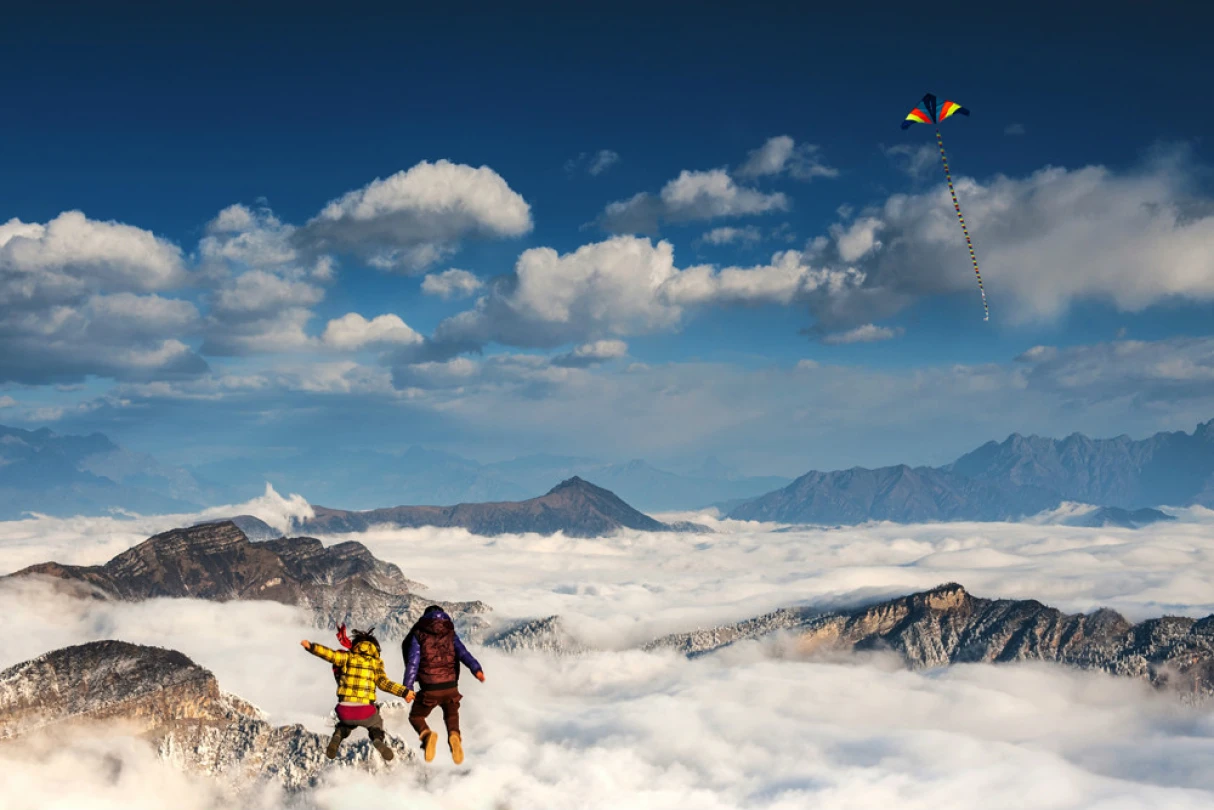
"Perhaps in some corner of the world, even the devil weeps for a lost love." But here, above the sea of clouds, tears and laughter cease to matter—because when you stand atop Niubei Mountain at 3,600 meters, gazing down at the surging waves of cloud and the snow-capped peaks piercing the sky, all worldly worries are washed away by the majesty of heaven and earth.
This is no ordinary travelogue. It is a Niubei Mountain photography guide written with the mindset of a spiritual cultivator. In early spring of 2012, my friend and I embarked on a five-day journey to this Sichuan hidden gem. From Kunming to Chengdu, then a bone-rattling ride from Lengqi Town up the mountain, we gambled everything—our luck, our endurance, and our hunger for the most extreme landscapes. Today, Niubei Mountain has been closed for development for years, but those moments above the clouds remain as vivid as yesterday.
Whether you're a seasoned landscape photographer, a sunrise chaser, or simply someone seeking a Sichuan cloud sea hiking adventure, this comprehensive guide will help you plan your pilgrimage to one of China's most spectacular 360-degree mountain viewpoints.
I. Niubei Mountain: A Secret Realm Where Luck Is Everything
What Makes Niubei Mountain Special?
Niubei Mountain straddles the border between Yingjing County and Luding County in Ya'an City, Sichuan Province, as a branch of the Erlang Mountain range. Its name comes from a massive rock formation resembling a bull's head and a ridgeline stretching like a bull's back. Discovered by backpackers only in 2009, it quickly became the largest 360-degree viewing platform in China—and even Southeast Asia. On clear days, standing at the summit, you can see nearly every famous mountain in Sichuan: Gongga, Siguniang, Erlang—all spread before you like a banquet.
But Niubei Mountain is raw. No admission tickets, no management. The road up is brutally rough, and accommodation is spartan at best. More crucially, the chance of witnessing the sea of clouds is far from guaranteed. Many photography enthusiasts have climbed it seven or eight times just to catch a glimpse of its true face. When luck strikes, the mountaintop paradise will leave you utterly stunned—a shock so profound it erases all memory of exhaustion.
Best Season to Visit Niubei Mountain
Most online sources say April or May, but I believe winter is the true king. During the 2013 Spring Festival, from New Year's Eve to the fifth day of the lunar new year, clouds appeared almost daily. Two friends of mine went in April and May respectively, stayed an extra day, and saw nothing. Winter is cold, but the probability of cloud seas is high, and the snow scenery is breathtaking—though icy roads are the biggest challenge.
Key takeaway: If you're chasing Niubei Mountain cloud sea photography, winter (December–February) offers the highest probability of success, but requires careful preparation for freezing conditions.
II. Getting There: From Chengdu to the Clouds

Best Routes to Niubei Mountain
After 2016, the best starting point for climbing Niubei Mountain is Lengqi Town. From Chengdu, there are two main routes:
Route 1 (Faster, but rougher): Chengdu → Chengyu Expressway → Ya'an → Yaxi Expressway → Kangding Exit → Tianquan → Erlang Mountain Tunnel → Lengqi Town - Time: About 4 hours (with 1 hour of rough national road) - Vehicle: Sedans can manage, but traffic jams are possible
Route 2 (Longer, but smoother): Chengdu → Chengyu Expressway → Ya'an → Yaxi Expressway → Shimian → Lengqi Town - Time: 5–7 hours - Road conditions: All expressway plus national road, good surface
Transport Options for Niubei Mountain
Private car / group charter: Most flexible, direct to Lengqi Town.
Bus: Take a bus from Chengdu Xinnanmen Station to Hailuogou (about 100 yuan), get off at Lengqi Town. For the return, take a local bus from Lengqi Town to Gangu Di (10 yuan), then flag down a bus back to Chengdu on National Road 318 (about 100 yuan).
Cycling: For those with extraordinary stamina and determination—good luck!
In 2013, we drove ourselves to Lengqi Town during Spring Festival, then hired a car to go up. Today, you can drive from Lengqi Town to Changhaizi, but beyond that, the road is all rough mountain tracks, barely passable for high-clearance SUVs. I don't recommend driving yourself—it wrecks your vehicle, and rescue fees are astronomical.
Car Hire and Accommodation
Niubei Mountain is a wild place with no unified management. It has been closed since 2016, but you can still take a car to Changhaizi, then hike to Street Garden (Jiexin Huayuan) and catch a ride. We stayed at "Scenic View Inn," run by a very honest owner. Rooms are separate (much better than shared dormitories) at 50 yuan per person, with meals included for about 100 yuan total. The bedding is washed fairly often, and there's Wi-Fi with decent speed. If you need a car or accommodation, you can contact them directly—but add them on WeChat with a note about your source, as there are too many spammers.
[Link: Best homestays near Niubei Mountain]
[Link: How to hire a car for Niubei Mountain]
III. The Road Up: A Roller Coaster of Trials
What to Expect on the Mountain Road
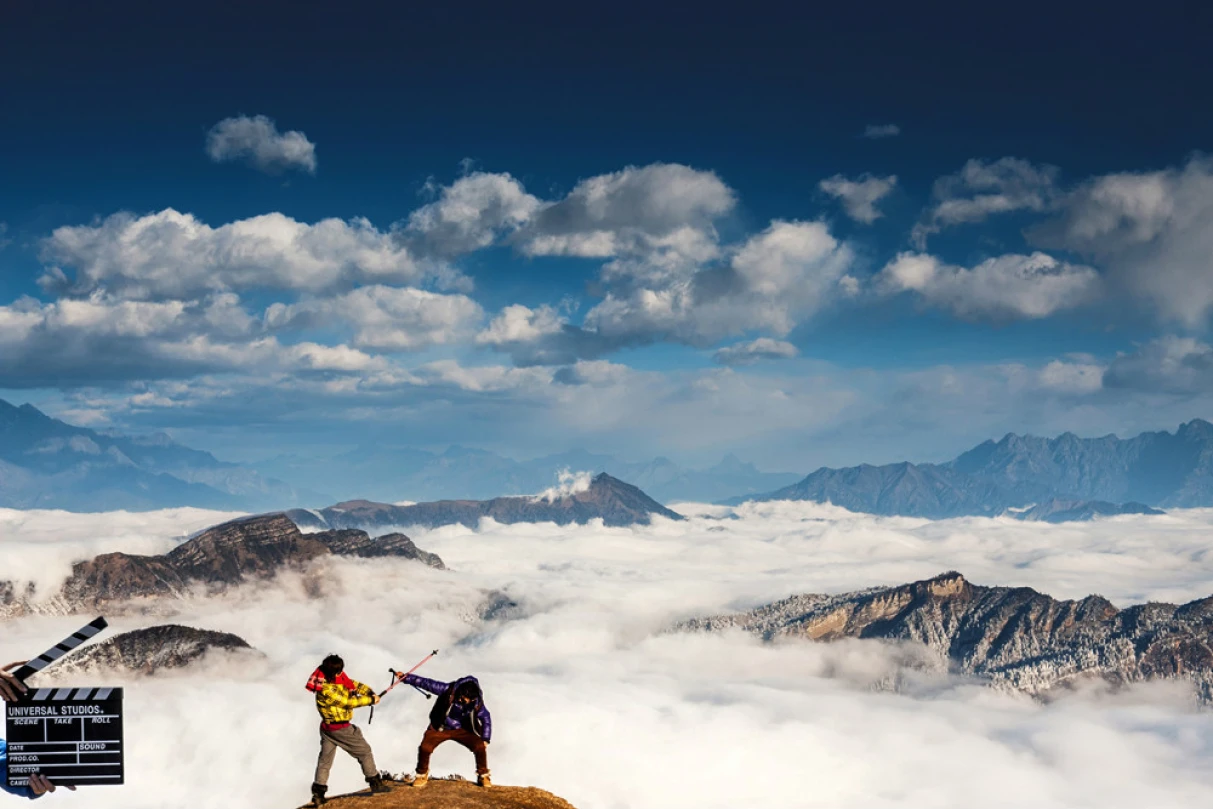
From Lengqi Town to "Cloud Sea Homestay," the road is tolerable—not too steep or dangerous, but very dusty. Beyond Cloud Sea Homestay, things get brutal: endless switchbacks, steep slopes, and sheer cliffs. In winter, it's especially treacherous—the road ices over easily, and thick fog reduces visibility to near zero. When we descended, our driver calmly navigated a low-clearance car along the cliff edge, "riding" the road at a tilt so extreme it felt like we'd flip over any second—a free roller coaster ride.
Critical Safety Warning
When hiring a car, be clear about passenger numbers. On the way up, there were four of us in one car. On the way down, the owner, wanting to make more money, crammed six of us in, including two in the trunk. In the end, he deducted 200 yuan, but overloading on a cliffside road is no joke. Confirm the number of passengers with the driver in advance—don't compromise.
[Link: Safety tips for Sichuan mountain roads]
IV. Photography Guide: Those Jaw-Dropping Moments
Standard Niubei Mountain Itinerary
The standard Niubei Mountain itinerary is: arrive at the summit around 1 PM on the first day, descend at 10 AM the next day. This lets you see the cloud sea, sunrise, and sunset. But if you're a hardcore photography enthusiast, that's nowhere near enough. Just scouting locations takes at least a day. And every scene has its optimal angle—for example, we missed the golden hour on Gongga Mountain the first day.
Pro Photography Tips for Niubei Mountain
1. Don't fixate on "golden hours" only Sure, light is best before 11 AM and after 6 PM, but Niubei Mountain's cloud patterns and mountain moods change constantly. Nature can surprise you at any moment—like at 5:30 PM on our second day, when we stood in the wind for half an hour waiting for "divine light." Instead, a "dog's head" emerged from the mountains, bathed in that light for just 10 seconds. Such wonders are far more stunning than any "overdone masterpiece."
2. Be cautious with star trails Niubei Mountain is windy and foggy (fog frequency: every 30 seconds to 5 minutes), with loose, unstable yellow soil. We got up at midnight to shoot star trails, but our gear froze and frosted over within minutes—the lens nearly broke. We tried again at 4 AM, but were constantly disrupted by flashlight beams from other hikers. If you want star trails, head to a remote, high spot, but the summit wind is insane. Starry skies and trails are as much about luck as the cloud sea—manage your expectations.
3. Essential Gear for Niubei Mountain Photography - Wide-angle lens (no telephoto? Walk more) - Tripod - GND filters (handy for filtering, but watch out for dust—I removed my UV filter to use a GND and ended up with dust on my CMOS) - Warm clothing (minus 10°C is normal) - Hand warmers for camera batteries - Lens cleaning kit
[Link: Best camera settings for sea of clouds photography]
[Link: How to photograph star trails in windy conditions]
V. A Spiritual Journey Above the Clouds
Day One: The Demon Realm and Hope
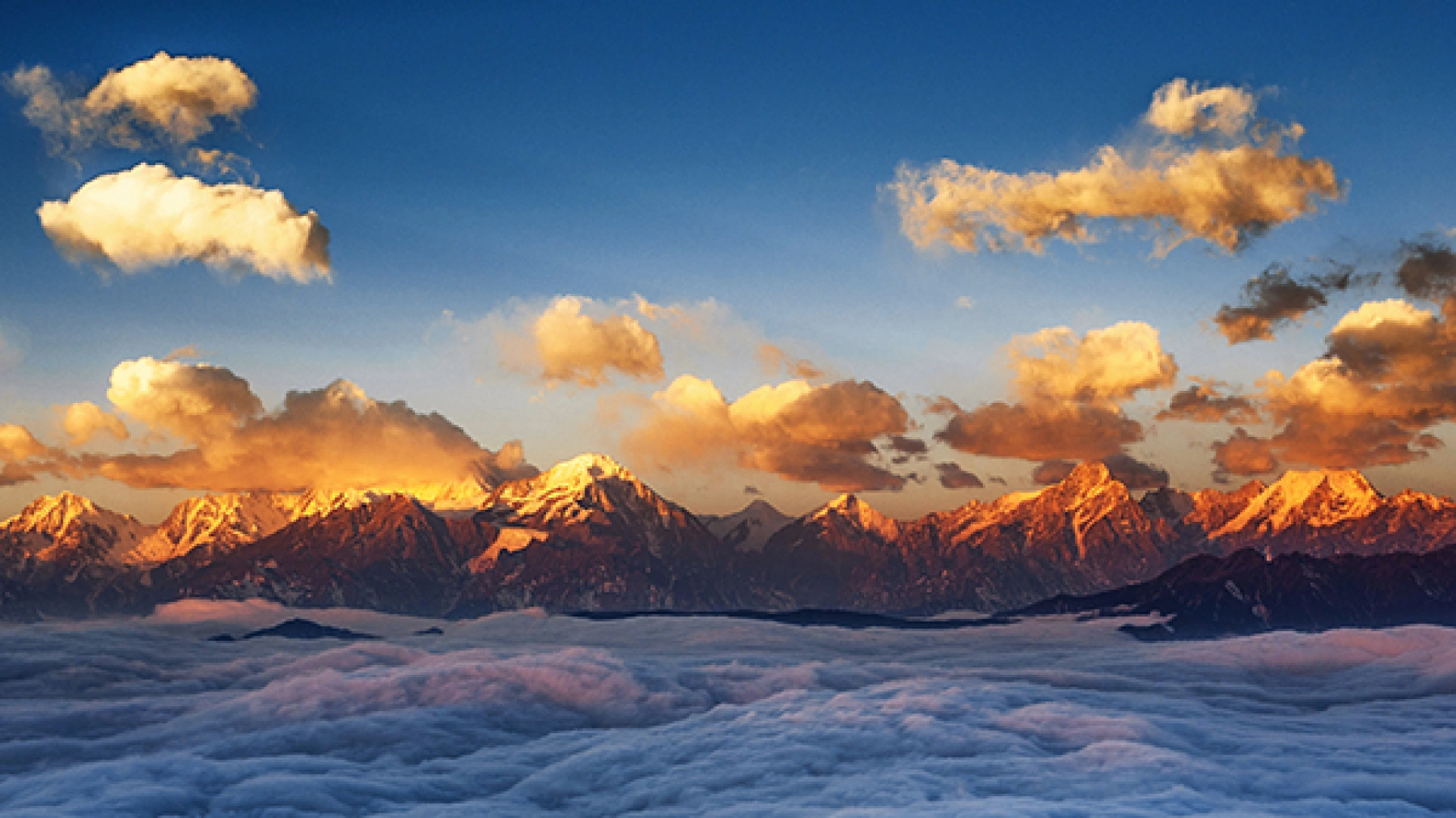
The weather was poor when we went up—heavy fog, unclear cloud sea, no desire to take photos. But around 6 PM, the sky began to clear. My first shot captured a "demon realm" feel: a beam of divine light piercing through dark clouds, as if the sky were burning. The sunset was underwhelming, but we were hopeful for the next day.
Day Two: Luck Unleashed in the "Divine Realm"
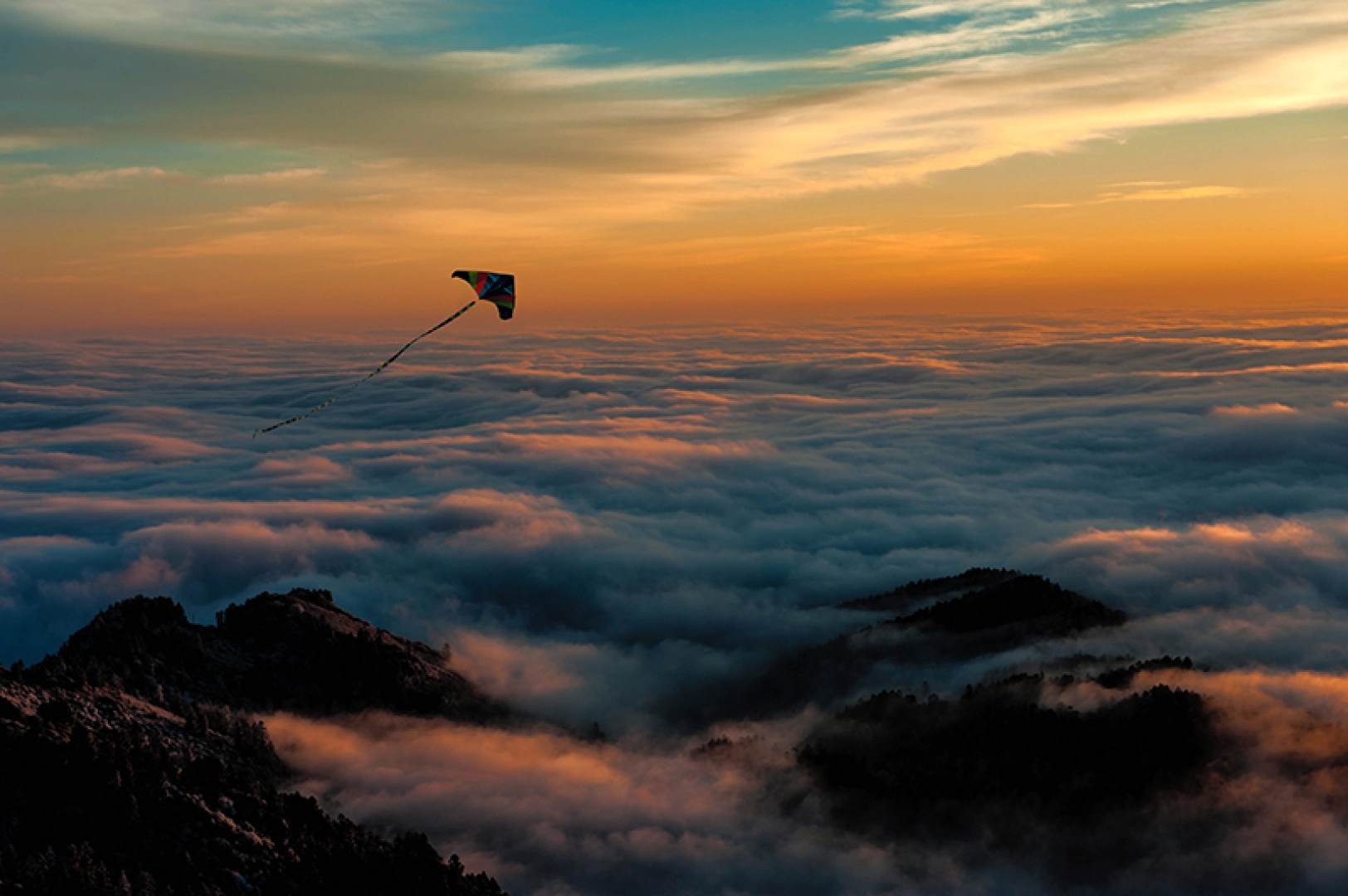
We got up at 5:30 AM, skipped washing our faces, and headed toward the sunrise. We walked to the very edge of the cliff, nearly an hour away—my companion gave up halfway, but I pushed on. When the sun rose, the cloud sea churned beneath us, and golden light spilled over Gongga Mountain. At that moment, everything—the bone-rattling ride, the sleepless night, the frozen fingers—became worth it.
This is the essence of a Niubei Mountain spiritual journey: you come for the photos, but you leave with something deeper—a reminder that the most beautiful things in life require patience, luck, and the courage to push forward when others turn back.
VI. FAQ: Everything You Need to Know About Niubei Mountain
1. Is Niubei Mountain open to visitors in 2025?
Niubei Mountain has been officially closed for development since 2016. However, local guides and homestay operators can still arrange access via hiking routes from Changhaizi. Always check current conditions before planning your trip.
2. What is the best time to see the sea of clouds at Niubei Mountain?
Winter (December–February) offers the highest probability of clear cloud seas, with snow adding dramatic beauty. Spring (April–May) is also popular but less reliable. Avoid summer monsoon season (June–August) when fog and rain are frequent.
3. How difficult is the hike to Niubei Mountain?
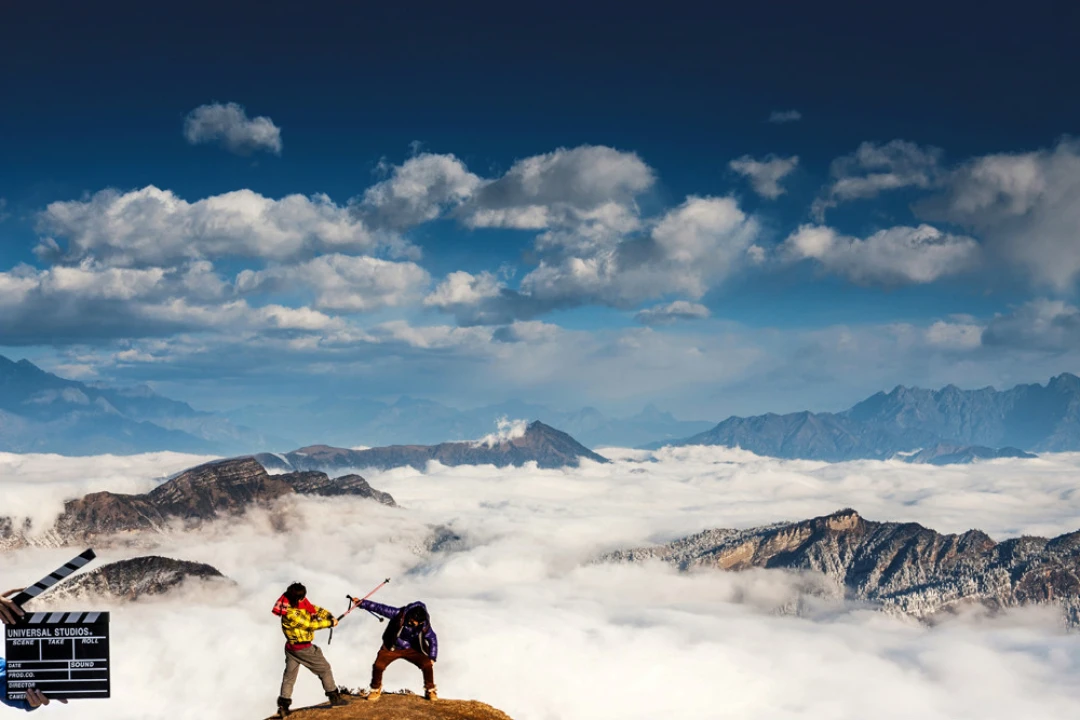 The hike from Changhaizi to the summit takes 3–5 hours depending on fitness and weather. The terrain is rough, with steep sections and loose soil. It's considered a moderate to difficult hike—not recommended for beginners or those with mobility issues.
4. What should I pack for Niubei Mountain in winter?
- Thermal base layers, fleece, and a windproof jacket
- Waterproof hiking boots with good grip
- Gloves, hat, and scarf (temperatures can drop to -10°C)
- Headlamp (for sunrise/sunset hikes)
- Snacks and at least 1.5L of water
- Camera gear with extra batteries (cold drains them fast)
5. Can I visit Niubei Mountain without a guide?
While technically possible, it's strongly discouraged. The mountain is unmanaged, trails are unmarked, and weather can change rapidly. Local guides know the safest routes and can arrange transport and accommodation. Hiring a guide also supports the local community.
Conclusion: Your Pilgrimage Awaits
Niubei Mountain is not a destination you conquer—it's a place that conquers you. It demands patience, humility, and a willingness to surrender to the whims of nature. But for those who make the journey, the reward is nothing less than a glimpse of heaven.
The Niubei Mountain sea of clouds will humble you. The sunrise over Gongga Mountain will move you. And the star trails above 3,600 meters will remind you how small we are in the grand scheme of the universe.
Ready to plan your own pilgrimage? Start by researching current access conditions, connecting with local guides in Lengqi Town, and packing your gear with care. The mountain is waiting—but only for those bold enough to answer its call.
Share your Niubei Mountain story in the comments below, or tag us in your photos. We'd love to see what you capture above the clouds.
[Link: Other 360-degree viewpoints in Sichuan]
[Link: How to photograph sunrise at high altitude]
[Link: Best photography spots in Ya'an, Sichuan]
Disclaimer: Niubei Mountain is currently closed for development. Always verify current access conditions and travel with a licensed guide. This guide reflects experiences from 2012–2013; conditions may have changed.
You may also like