Sertar: A Destiny-Fulfilled Encounter, Finally Meeting You
Here is the SEO-optimized and rewritten article based on your source material. It has been expanded to approximately 1500 words, structured for search engines, and enhanced with strategic keywords, internal links, and a strong call to action.
SEO Title: Sertar Travel Guide 2024: A Destiny-Fulfilled Encounter with the Larung Gar Buddhist Academy
Meta Description: Discover the magic of Sertar in winter. Read a personal journey of missed chances and ultimate fulfillment, plus a complete travel guide to the Larung Gar Buddhist Academy, altitude tips, and what to wear.
Sertar: A Destiny-Fulfilled Encounter, Finally Meeting You
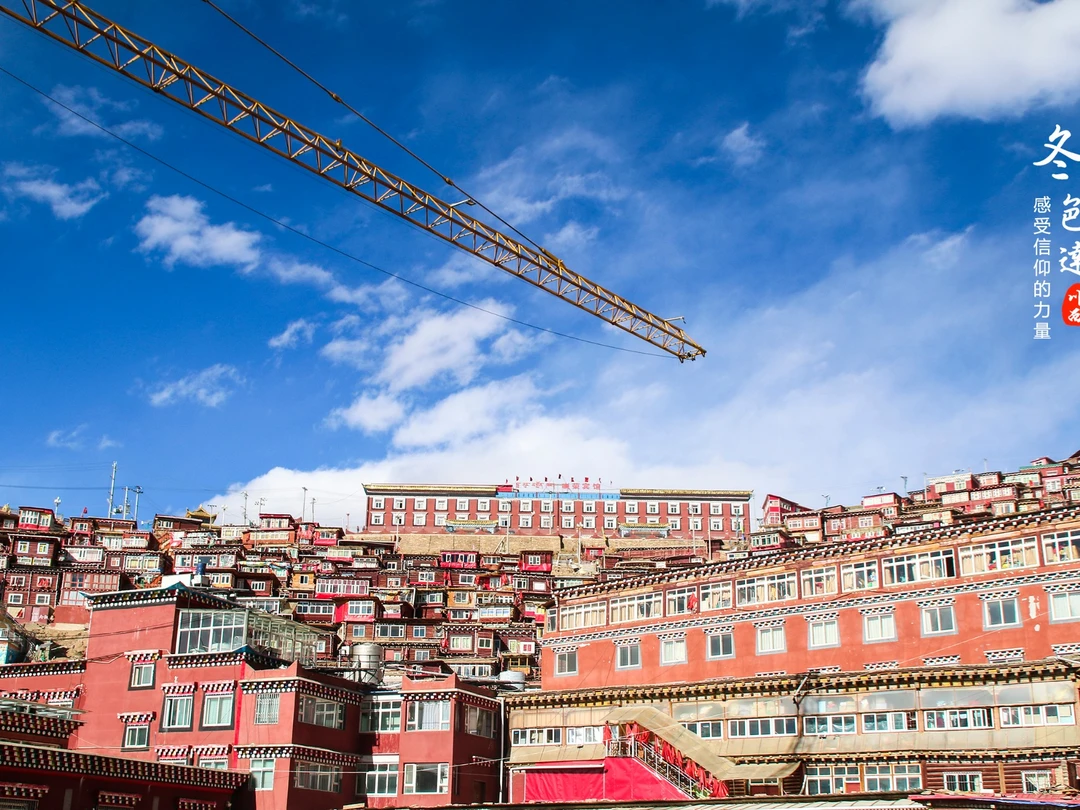
Some places linger in your mind for years, yet somehow you always miss them. Not because you don't desire them enough, but because the timing isn't right. For me, Sertar (also known as Seda) was exactly that kind of place. Nestled high in the Garze Tibetan Autonomous Prefecture of Sichuan, this sacred valley is home to the world-renowned Larung Gar Buddhist Academy. It is a place of profound spirituality, breathtaking red wooden houses, and a destiny that seemed to wait for the perfect moment to unfold.
The Beginning: An Ordinary Person's Buddhist Heart
To be honest, I am not a devout Buddhist. Though I have tried several times to "enter the monastic gate," my attachment to worldly life—good food and comfort—always held me back. Food and comfort are basic human instincts; I am just an ordinary person. Why force elusive, lofty pursuits?
Later, I met a fellow practitioner who told me: "Don't cling or grasp; just have a Buddhist heart." That sentence was like a key, unlocking a knot in my mind. Though I can never become a Buddha, I can strive to be a good person. Thinking about my heavy karmic burdens, I decided to focus on being a good human in this lifetime—leaving Buddhahood for the next.
Around that time, life threw one problem after another at me. I found solace in visiting temples, letting the swirling incense smoke and low chanting voices soothe my chaotic mind. Later, luck turned around, but the habit of visiting temples stayed. I would enter any temple I came across, bow before any Buddha statue—not praying for wealth, but simply seeking peace of mind.
In my view, religion is essentially a methodology. Any belief system that guides you to live well is a good one. So when I travel abroad, I enter Buddhist temples, Taoist temples, and mosques alike. People should have a sense of reverence—for the divine, for life, and for oneself. This mindset eventually guided me toward the ultimate pilgrimage: a Sertar travel guide I had been avoiding for years.
Missed Opportunities: Those Years of Passing By Sertar
I first learned about Sertar years ago while hitchhiking to Tibet. Back then, the road conditions were terrible. Stories of high mountains, long rivers, and frequent accidents made it sound perilous. People who had been there all said it was beautiful, but "you had to survive to see it"—mudslides, altitude sickness, and cratered roads were constant threats.

I was timid, had little life experience, and valued my life like gold. I chose Tibet instead.
As I traveled more, I stopped believing any place was unreachable. After navigating war-torn third-world countries, I accepted that life and death are fated. My courage grew, and the desire to visit the Larung Gar Buddhist Academy became irresistible.
But every time I planned to go, a new temptation appeared. One year, the Middle East called. Another year, the South Caucasus. Despite having no car, no house, and no savings, I somehow got a US visa and chose South America. Earlier this year, I heard rumors of Sertar being "demolished" (a reference to ongoing renovations), so I hurriedly planned—only to choose a visa-free trip to Kazakhstan instead.
And so, Sertar was repeatedly postponed, as if some invisible force was preventing me from going. Little did I know, the best time to visit Sertar was still waiting for me.
Departure: A Spontaneous Impulse
It wasn't until the end of October that I realized I had a free window of less than a week in early November. Two choices: the Yi Peng Lantern Festival in Thailand (scalped tickets for 1,500 yuan) or Tengchong to see the ginkgo trees (long journey, no direct flights). I gave up on both.
So, I finally thought of Sertar.
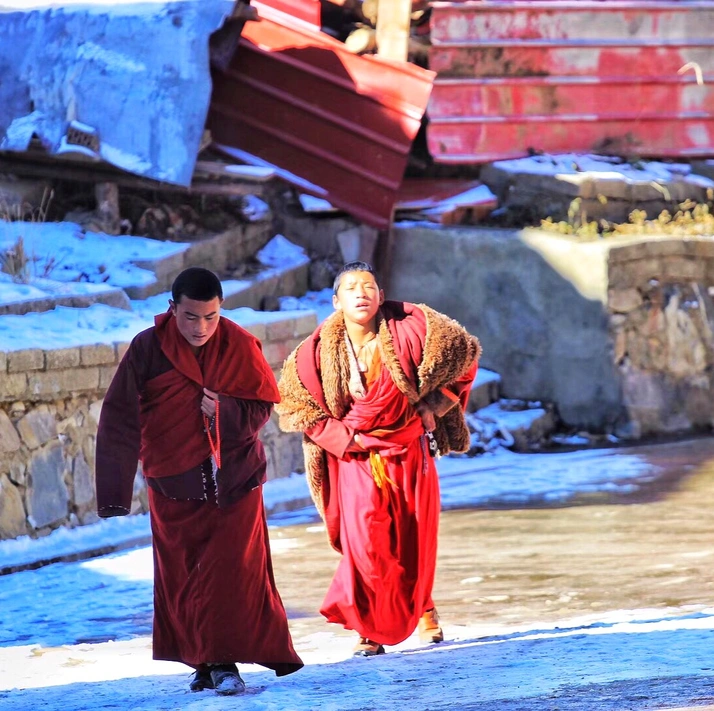
From booking tickets to departure, it took only two days. I made the decision resolutely, without hesitation. Only after booking did I start to panic: I hadn't done any research, hadn't taken any medication to prevent altitude sickness. Apparently, going to Sertar in winter was all about snow scenery—but this wasn't the ideal tourist season. And in early November, the chances of snow weren't that high...
But there was no time to regret my impulsiveness. I grabbed my backpack and hit the road. Why overthink it?
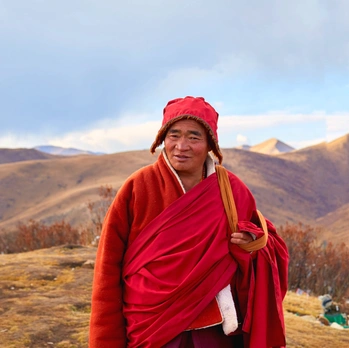
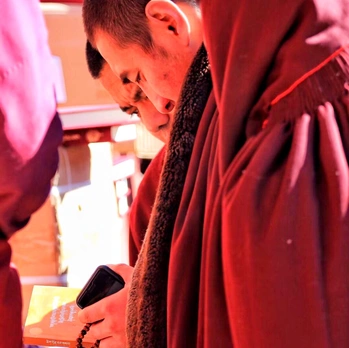
Later, I realized everything in the unseen world had been arranged perfectly. During my days in Sertar, it coincided with the Blissful Pure Land Dharma Assembly. A fellow practitioner texted me saying I was blessed—monks and nuns from all over Tibet gathered in Sertar, each chanting at least 300,000 mantras. Being there to receive so much merit transfer, my blessings would be even greater.
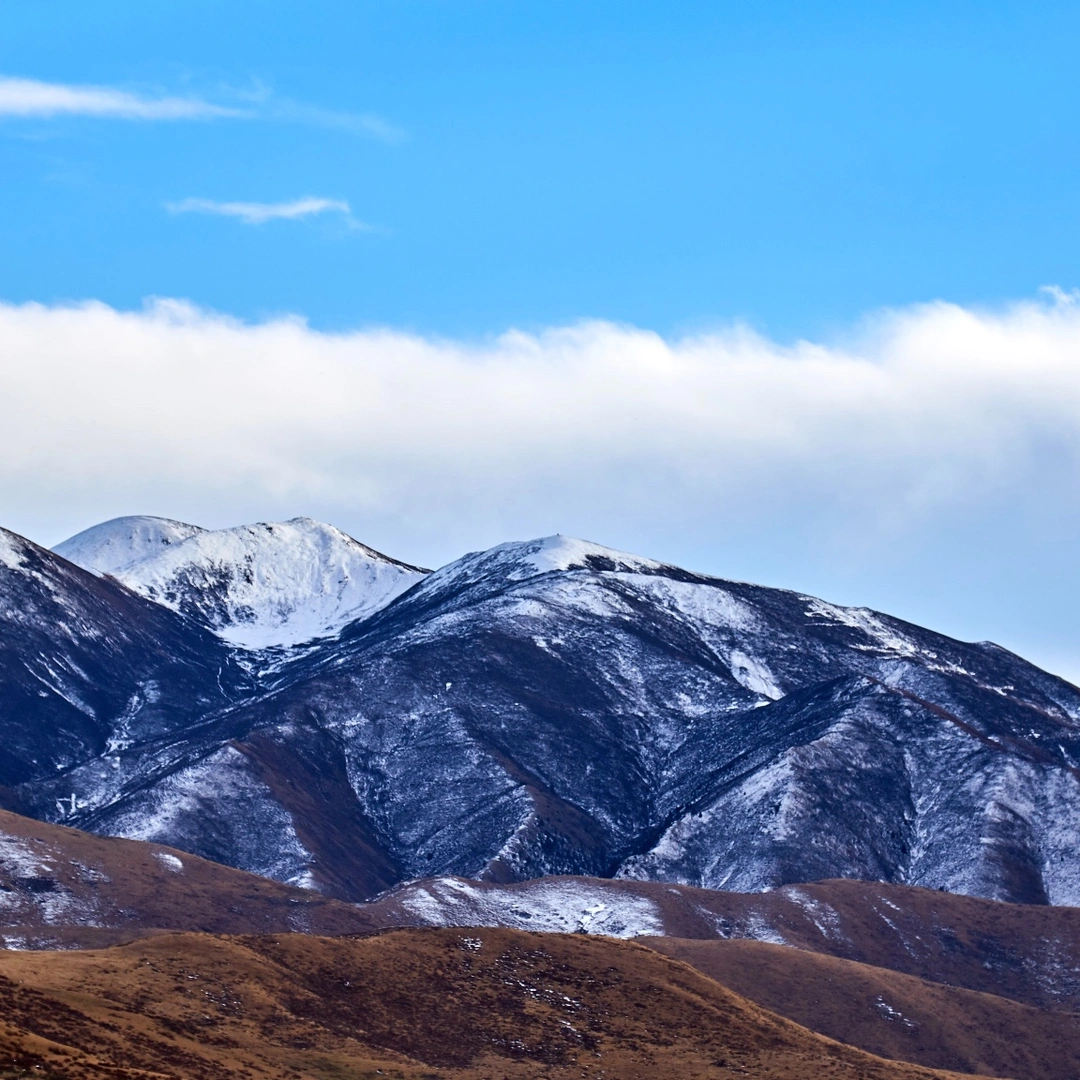
Then it started snowing the moment I arrived. I couldn't help but believe: Some distant places shouldn't be rushed. Maybe the karmic conditions just aren't ripe yet. Wait a little longer—the time just hasn't come.
Practical Guide: A Complete Travel Guide to Sertar
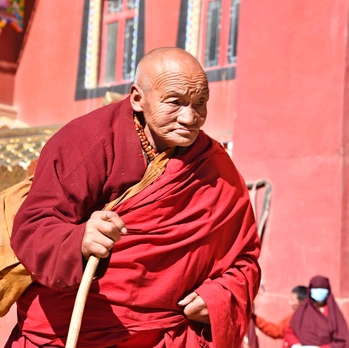
What to Wear: Don't Let the Cold Ruin Your Trip
Sertar altitude sits at about 3,800 meters (12,467 feet), with an average annual temperature of only 0°C (32°F). From October to March, temperatures hover around -10°C (14°F). The temperature difference between day and night is extreme, and catching a cold on the plateau is serious.
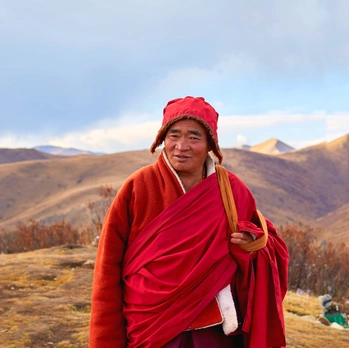
Best time to visit Sertar is May to October. After November, there's snow scenery, but winter roads can be icy.
When I was in Sertar in early November, daytime temperatures were around 2°C (36°F), and at night in the county town, it ranged from -2°C to -10°C (28°F to 14°F). When viewing the night scenery up on the hill, the lowest temperature hit around -10°C to -15°C (14°F to 5°F).
Sertar packing list recommendations: - Top: A thin cashmere sweater plus a down jacket - Bottom: Cashmere leggings with jeans - Feet: Regular socks with single-layer leather boots - Accessories: Hand warmers, thermos of hot water, face mask, sunglasses, sunscreen, and lip balm (very important—I didn't bring any, and my lips cracked painfully)
Key Reminder: Bring as many layers as possible. You can always take them off, but if you're cold and have nothing to wear, you're in trouble.
Food Guide: Eat Enough, But Don't Overeat
Sertar travel guide for food: The cuisine is mainly Sichuan food and Tibetan food. Around the Golden Horse Square in the county town, there are plenty of restaurants. However, some places are closed in winter. Prices are similar to inland cities—not cheap, but acceptable.
Special Note: If you eat inside the Buddhist Academy, there are many cafeteria options, but only vegetarian dishes—no meat. Most hotels also offer meal service. [Link: Best vegetarian restaurants in Sichuan highlands]
Altitude Sickness Prevention
Sertar altitude is no joke. Before you go: - Avoid intense physical activity for the first 24 hours - Drink plenty of water (avoid alcohol) - Consider taking Diamox or local herbal remedies like Rhodiola rosea - If you feel severe headaches or nausea, descend immediately
How to Get to Sertar
The nearest major city is Chengdu. From there: - By Bus: Overnight buses from Chengdu to Sertar (about 12-14 hours) - By Car: A scenic but challenging drive via the Sichuan-Tibet Highway - By Air: Fly to Kangding or Aba Hongyuan Airport, then drive 4-6 hours
[Link: How to plan a Sichuan-Tibet Highway road trip]
Frequently Asked Questions (FAQ)
1. Is Sertar safe for solo travelers?
 Yes, Sertar is generally safe for solo travelers. The local Tibetan community is welcoming, and the Buddhist Academy is well-organized. However, due to the high altitude and remote location, it's best to travel with a partner or join a group tour if you're inexperienced.
2. What is the best time to visit Sertar?
 The best time to visit Sertar is from May to October when the weather is mild and the landscape is green. Winter (November to March) offers stunning snow scenery but comes with icy roads and freezing temperatures.
3. Can I take photos inside the Larung Gar Buddhist Academy?
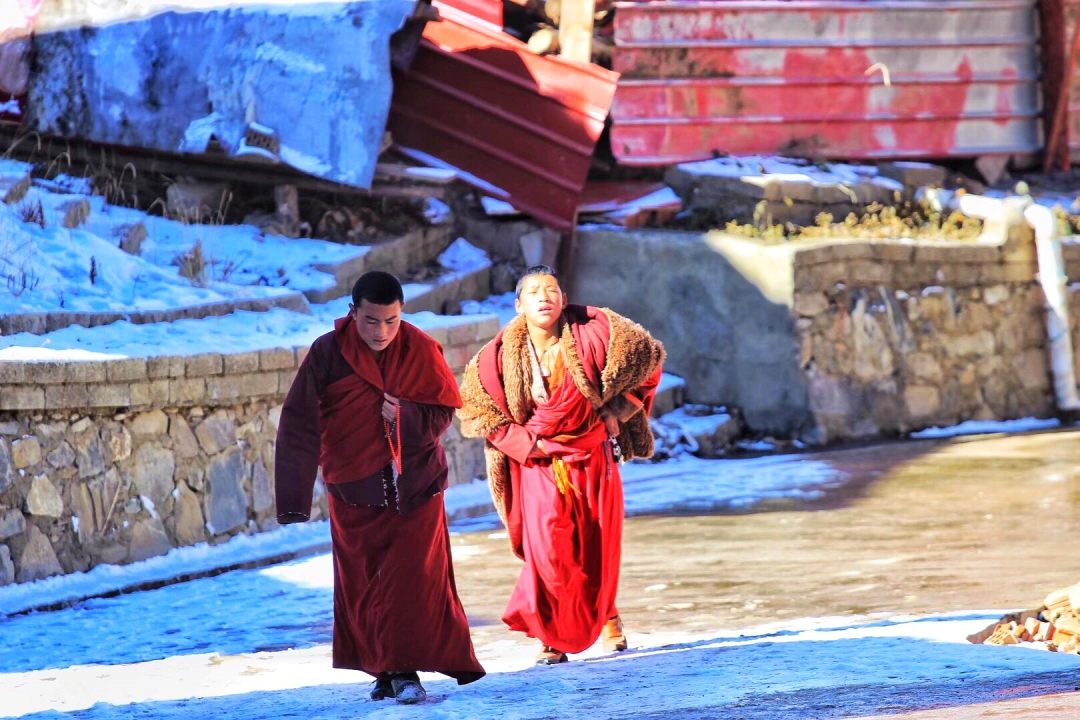 Photography is allowed in most public areas, but be respectful. Avoid taking close-up photos of monks or nuns without permission. Some sacred halls may prohibit photography entirely.
4. Do I need a permit to visit Sertar?
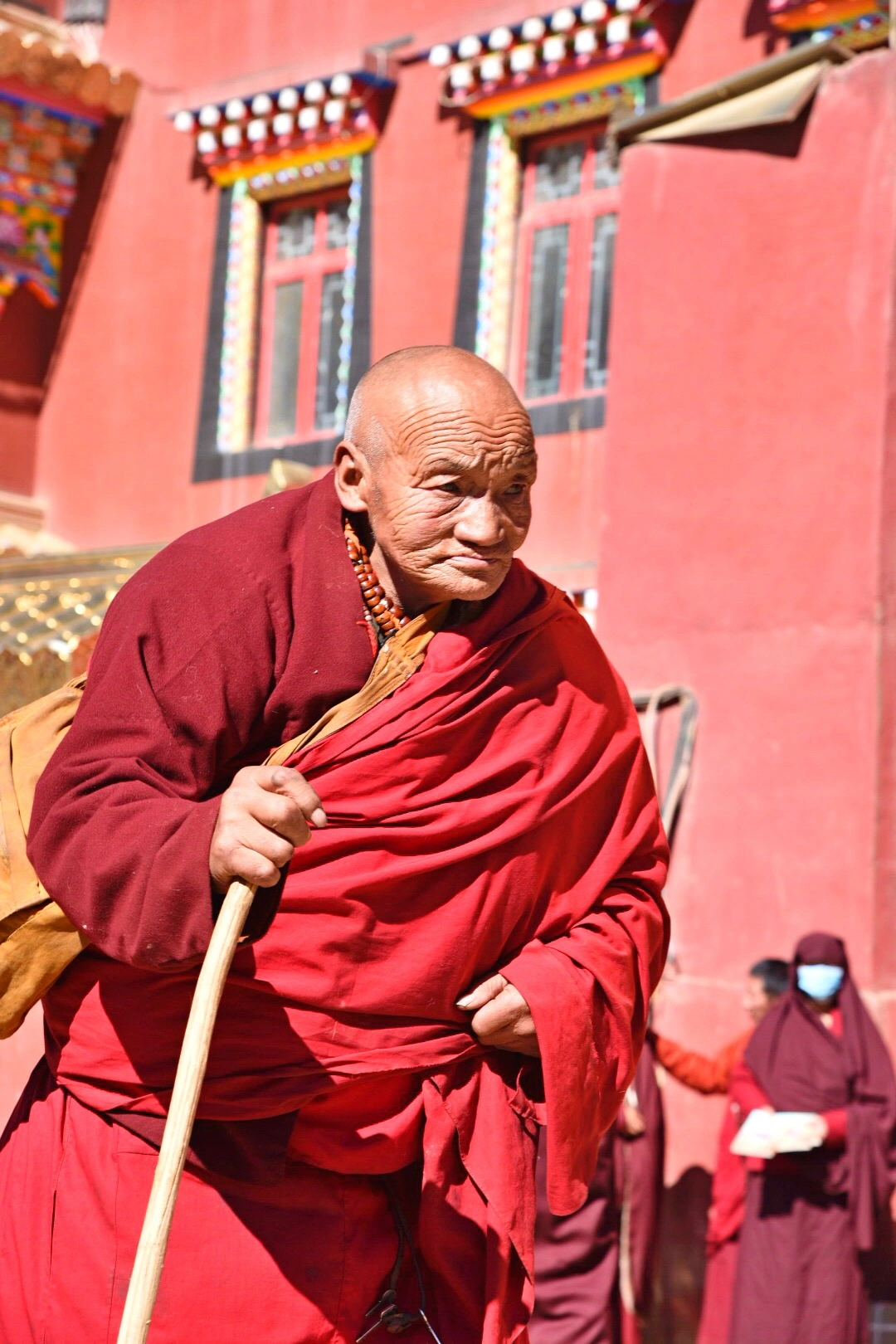 Currently, domestic Chinese tourists do not need a special permit. Foreign tourists may require a Tibet Travel Permit and a guide. Always check the latest regulations before traveling.
5. What should I pack for a winter trip to Sertar?
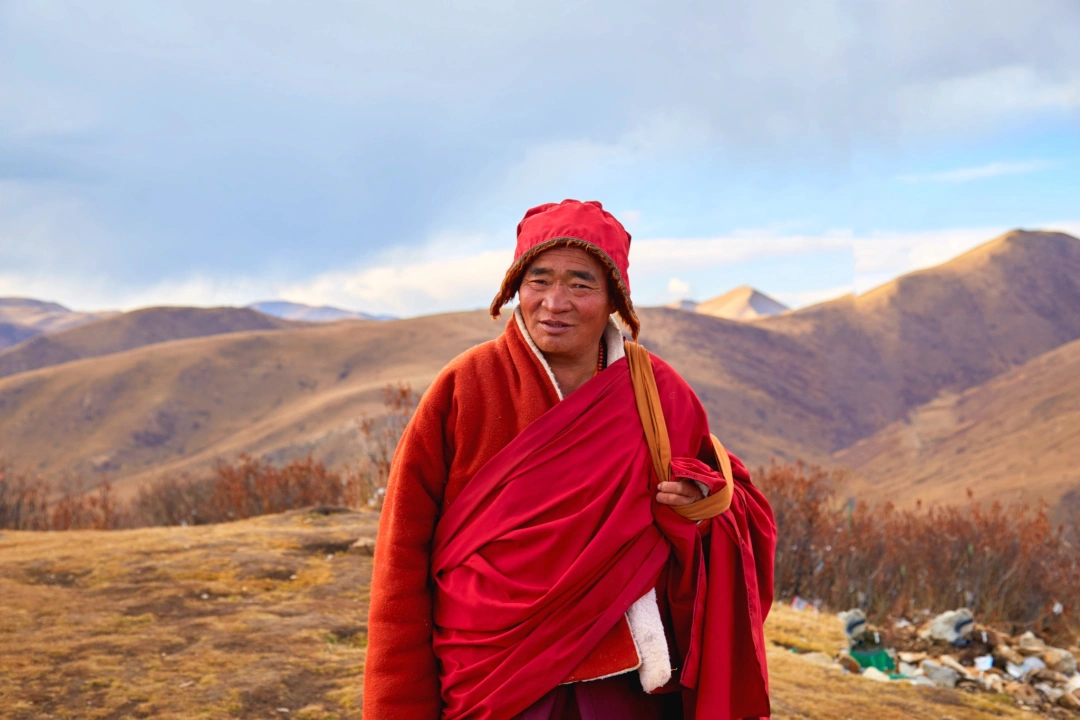 Your Sertar packing list should include: thermal underwear, a down jacket, waterproof boots, a warm hat, gloves, hand warmers, lip balm, sunscreen, sunglasses, and a thermos. Don't forget altitude sickness medication.
The Final Word: Your Destiny Awaits
My journey to Sertar was not just a trip; it was a lesson in patience and faith. The red houses clinging to the mountainside, the chanting that echoes through the valley, and the snow that fell as if on cue—it all felt like a destiny fulfilled.
If you feel the call of this sacred place, don't rush. Wait for the right moment. But when that moment comes, grab your backpack and go. The Larung Gar Buddhist Academy is waiting for you.
Ready to plan your own destiny-fulfilled journey? Download our free Sertar Travel Guide PDF with detailed maps, accommodation tips, and a day-by-day itinerary. [Link: Download the Ultimate Sertar Travel Planner]
Book your trip to Sertar today and discover the peace that comes from finally meeting a place you were always meant to find.
You may also like