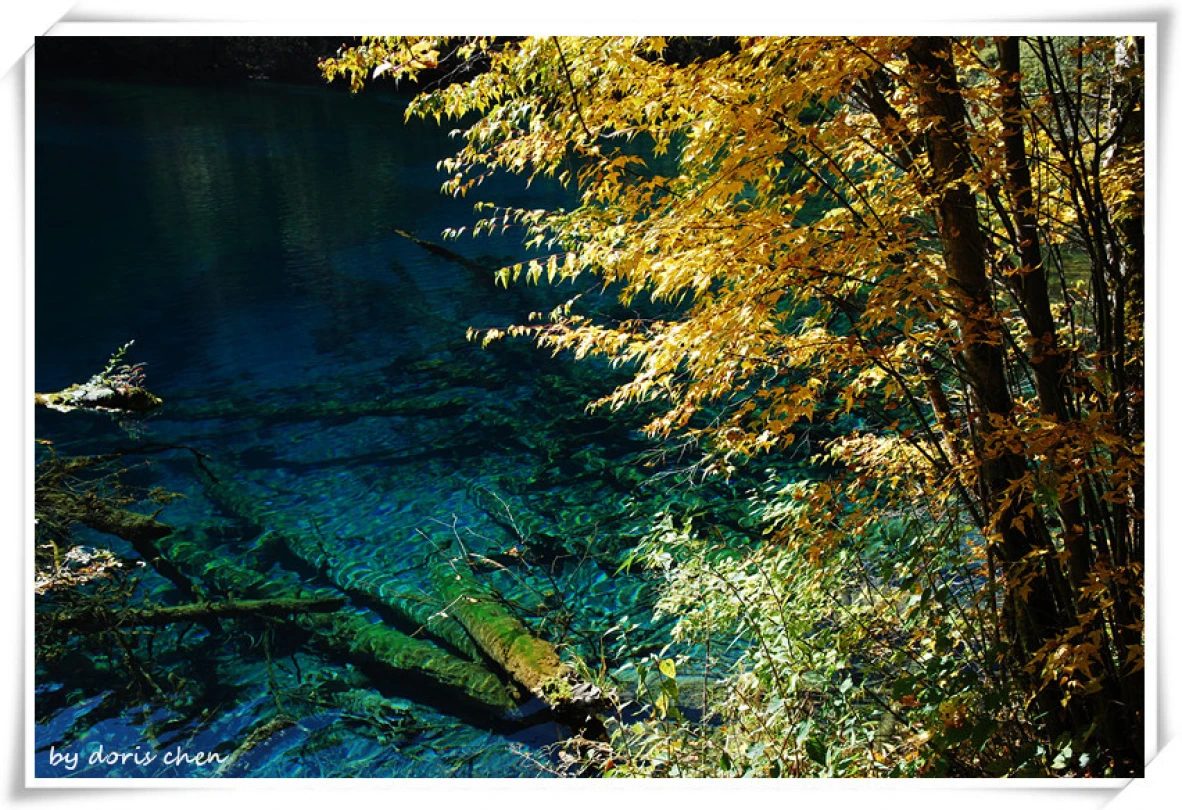
Meeting You in the Afternoon of Chengdu; Falling in Love with You on the Return from Jiuzhaigou
Here is the SEO-optimized and rewritten article based on your source material. It has been expanded to approximately 1500 words, structured for search engines, and enhanced with a FAQ section and internal linking strategy.
Chengdu Jiuzhaigou Travel Guide: Meeting You in the Afternoon of Chengdu; Falling in Love with You on the Return from Jiuzhaigou
Meta Description: Discover the ultimate Chengdu Jiuzhaigou itinerary. From the spicy streets of Kuanzhai Alley to the fairy-tale lakes of Jiuzhaigou, relive a spontaneous romance. Includes hotpot tips, budget hacks, and a complete travel guide.
Some journeys begin with a plane ticket and end with a memory. Others, however, feel like a carefully orchestrated accident—an unexpected gift that inscribes the most beautiful moments into your life without warning. This Chengdu Jiuzhaigou travel guide recounts exactly that kind of trip: a spontaneous adventure taken in August 2014, where every wrong turn and delayed flight led to the most dazzling chapter of shared memories.
In this guide, we will walk you through a Chengdu itinerary, the best Jiuzhaigou travel tips, and the local flavors that make Sichuan an unforgettable destination. Whether you are planning a romantic getaway or a solo food tour, this story will help you craft your own perfect trip.
Why a Spontaneous Trip to Chengdu and Jiuzhaigou Works Best
There is a certain magic in traveling without a rigid plan. My boyfriend Huang and I embarked on this trip with no detailed itinerary, no meticulous planning. Even the date and mode of transport for visiting Jiuzhaigou Valley were decided on a whim.
This "follow your heart" spontaneity turned every moment into a surprise. From the delays at Hangzhou Airport to the nine-hour bus ride through the mountains, the journey itself became the destination. If you are looking for Chengdu travel tips, the first one is this: leave room for the unexpected.
The Departure: An Anticipated Delay
Our flight from Hangzhou to Chengdu should have taken three hours, but two delays made it feel unbearably long. I called my parents twice to update them on our status, until even they got tired of asking, "Are you there yet?"
Fortunately, the airplane pillows became our secret weapons. Not only did they soothe our travel fatigue, but they later proved invaluable during the long bus ride to Jiuzhaigou.
At three in the afternoon, we finally landed in Chengdu. Without even bothering to unpack, Huang pulled out his only essential tool—Baidu Maps—and we headed straight for Kuanzhai Alley.
Day 1: The Smoke and Poetry of Kuanzhai Alley
Kuanzhai Alley is a place you fall in love with at first sight. Unlike other ancient towns that feel cookie-cutter, this place has everything: hotpot, street snacks, giant bowls of tea, sugar paintings, and sugar-blown figurines. It bursts with the energy of everyday life, yet retains a touch of bohemian elegance.
If there were fewer people, you could sit at a roadside café, sip tea, chat, and whenever you got hungry, just wander into any restaurant for authentic local cuisine. That, I imagine, would be the ideal life.
The Sichuan Dialect and the "Four vs. Ten" Confusion

One thing about Sichuan locals: no matter whether you understand them or not, they always speak in the Sichuan dialect. The vendor said, "This is 'si' kuai" (four yuan). I thought it was a bargain, handed over ten yuan, and waited for change—which never came.
Only then did I realize we had stumbled into a region where the numbers "four" (si) and "ten" (shi) are indistinguishable in pronunciation. Later, the tongue-twister of "four and ten" became a running joke between Huang and me throughout the trip.
The Best Hotpot in Chengdu: Three Ears
For our first hotpot in Kuanzhai Alley, we chose a place called "Three Ears." It was a bit pricey, but highly recommended. Especially the bowl of Dandan noodles—it was the one noodle dish that lingered in our memories after trying every version across Chengdu and Jiuzhaigou. It was also the only Dandan noodles we ever had with broth.
Cowardly, we ordered a yuanyang pot (half spicy, half mild), afraid of the heat. But Chengdu's spiciness isn't as terrifying as imagined. It's more about the fragrance, with the numbing sensation of Sichuan peppercorns giving the food a unique texture. The goose intestines, in particular—just a few seconds in the pot, then wrapped in red oil and popped into your mouth—made me want to become a Chengdu local right then and there.
Sugar Paintings and "Three Cannonballs"
Sugar paintings brought back childhood memories. I spun the wheel and landed on a sword, but asked the artisan to make me a butterfly instead. He wasn't happy about it, but I was thrilled.
The "Three Cannonballs" dessert was something I insisted Huang buy after seeing a little girl enjoy it on a reality show. The taste was average, similar to glutinous rice balls dipped in brown sugar. My only regret was that I wanted to visit a tea house for a big bowl of tea and watch Sichuan opera, but Huang mercilessly shot me down.
Pro Tip: If you are planning a Chengdu itinerary, visit Kuanzhai Alley in the late afternoon. The lighting is perfect for photos, and the crowds thin out slightly before dinner rush.
Day 2: The Red Walls of Wuhou Temple and the Delicacies of Jinli
A foodie's day begins with finding a good restaurant. In Chengdu, you needn't worry—any random place you walk into will be decent. We ordered Dandan noodles and Long Chao Shou (wontons in chili oil). Huang was already suffering from the spice, but my tolerance for heat had skyrocketed.
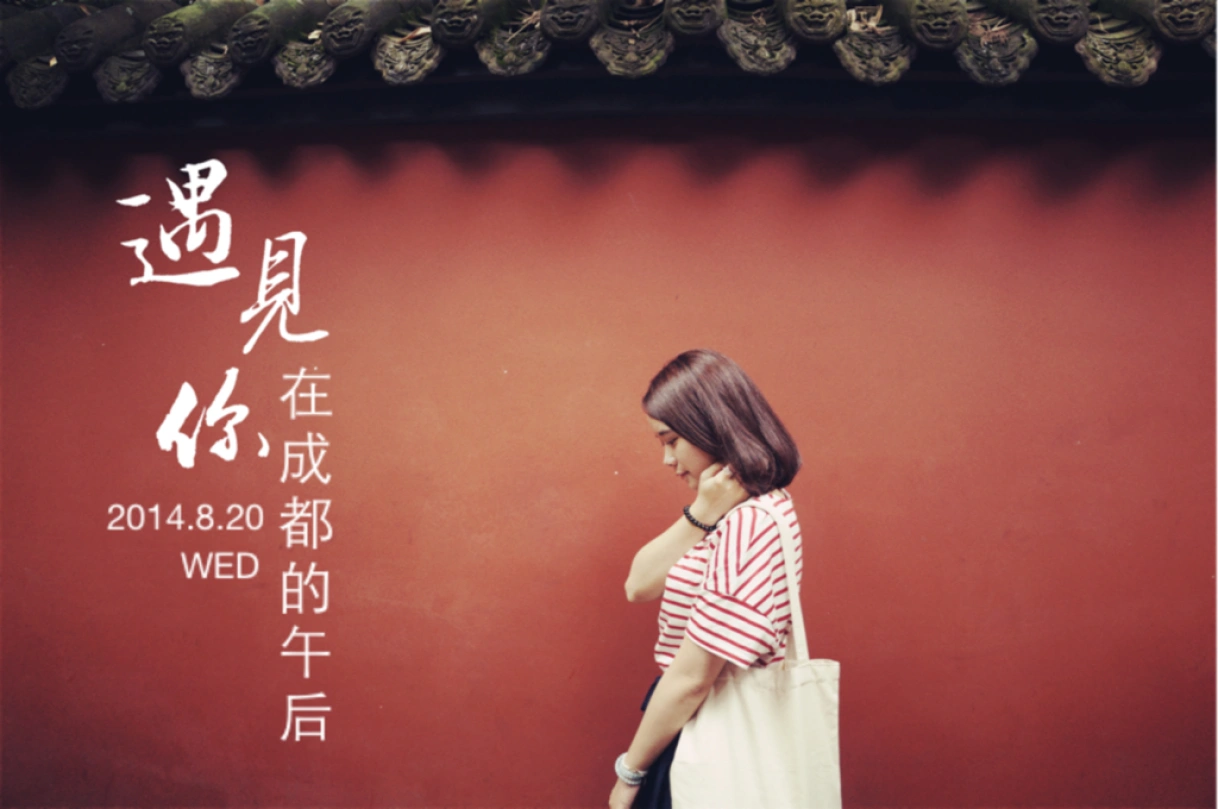
Wuhou Temple: A Photographer's Dream
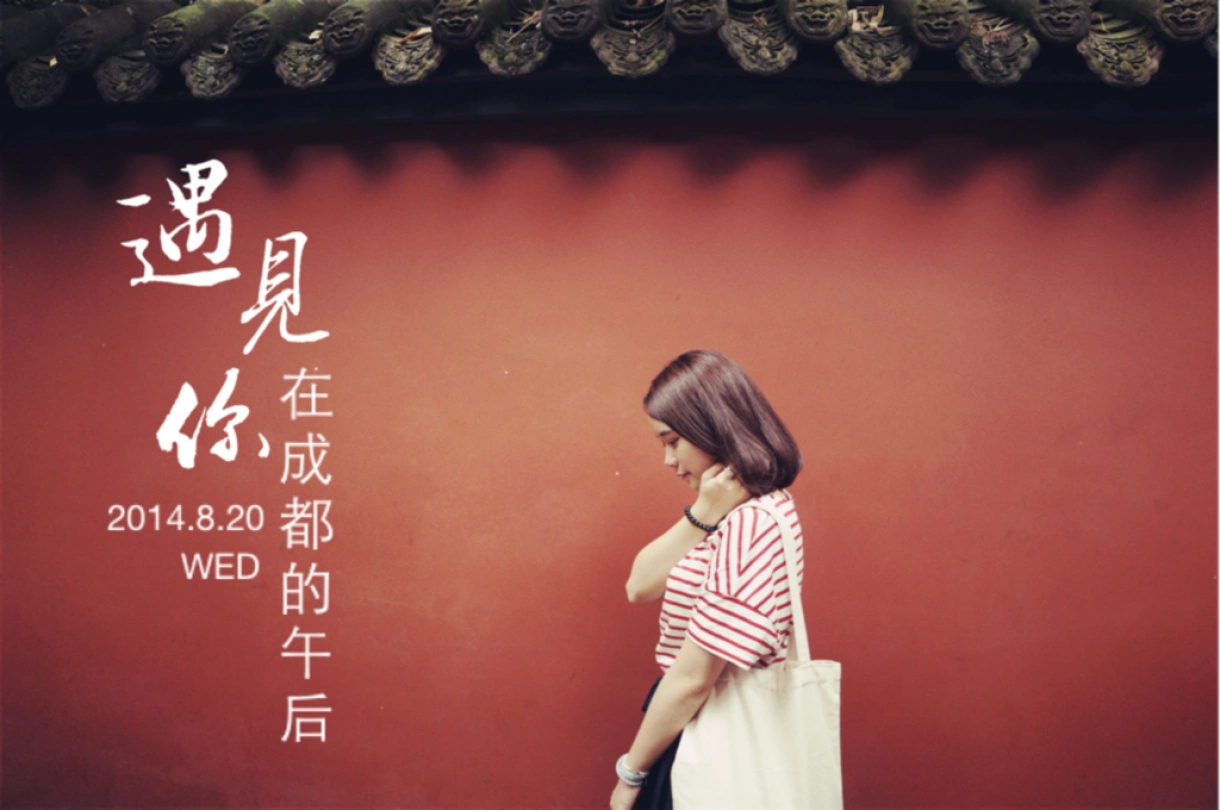
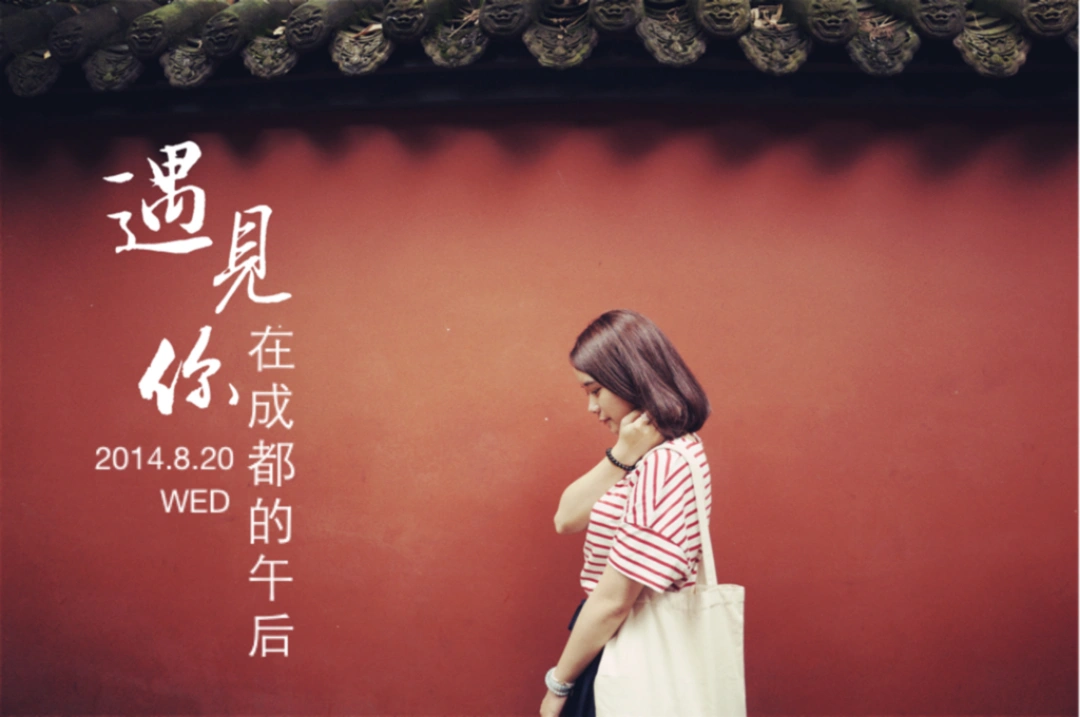
We visited Wuhou Temple solely because of its iconic red wall. It made Huang's photography skills look surprisingly decent. There's not much to say about the itinerary—it was purely a photo shoot.
Since our trip to Xiamen, we've made it a tradition to capture our "footprints" at every destination. If we ever piece them all together, it'll be a beautiful collage of memories.
Through my lens, I captured a cool, handsome Huang—who also served as our trip's photographer. His skills peaked at Jiuzhaigou. If you are as vain as I am and just want to snap some pictures, spending 60 yuan to stroll around is worth it. The scenery is genuinely stunning.
Jinli Ancient Street: A Food Lover's Paradise
Jinli Ancient Street is a way of life for Chengdu locals and another paradise for food lovers. Here, you get the illusion of not knowing which era you're living in. Walking down the street while eating skewers, you can see the daily life of Chengdu people everywhere.
We had to return to the hotel early that evening for a work call. But at ten o'clock, I couldn't resist dragging Huang out for a late-night snack. The street-stall skewers and Mao Cai (boiled vegetables and meats in spicy broth) were similar to Malatang (spicy hot pot), but oilier and incredibly tasty. We ate two huge bowls, and the bill was only 34 yuan.
[Link: Best street food in Chengdu]
Day 3: On the Road to Jiuzhaigou
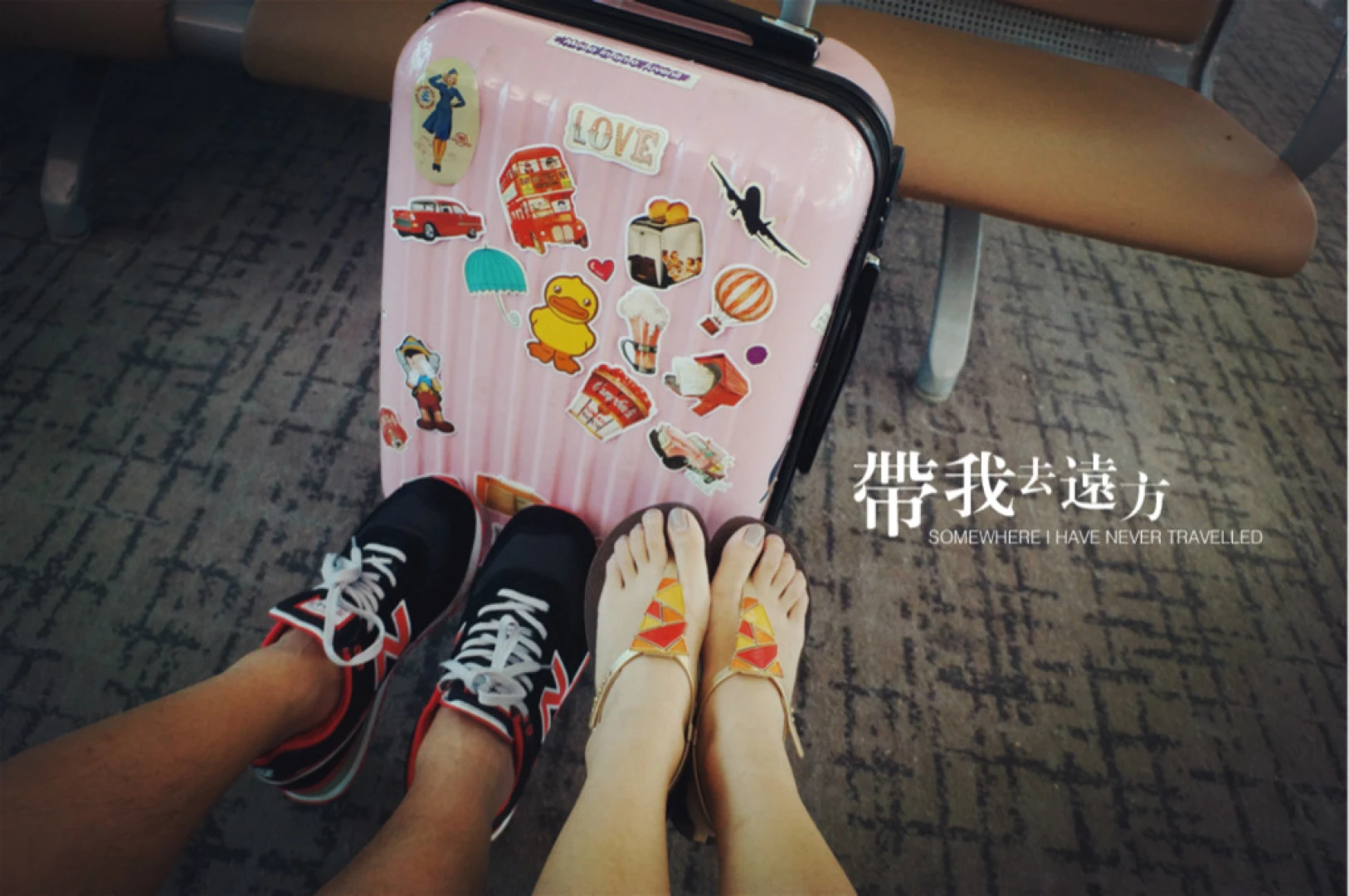
We made the decision the night before, and the next morning we dragged our luggage to the bus station to buy tickets. There are plenty of buses heading to Jiuzhaigou, as long as you go early. We grabbed the next available bus and hopped on.
The Nine-Hour Bus Ride: A Scenic Journey
A nine-hour bus ride sounds long, but the journey was surprisingly interesting. Passing through Dujiangyan and Wenchuan, the scenery was beautiful. The bus driver chose a few rest stops along the way.
It was an overcast day, with mist swirling around the mountains, creating the feeling of slowly entering a fairyland. The best part was stopping at a place selling grilled yak skewers. Huang and I went wild—the meat was incredibly tender, fragrant, and cheap. Unfortunately, we never found that spot again on the return trip.
Along the way, we fell into a rhythm: eat, sleep, gaze at the scenery, chat, and then sleep again. Time flew by, and the landscapes were truly breathtaking. On the road, we could see yaks, horses, and sheep casually "strolling" around—an experience you don't get every day.
[Link: How to get from Chengdu to Jiuzhaigou by bus]
Accommodation: Anduo Xiaoyuan Youth Hostel
We booked a hostel called Anduo Xiaoyuan Youth Hostel through a group-buying deal, costing just over 200 yuan per night. But the map misled us—it was still a fair distance from the scenic area.
As soon as we got off the bus, some "unscrupulous aunties" told us a taxi would cost over 100 yuan, which was ridiculous. Fortunately, Huang was there. We opted for an unlicensed cab and paid only 20 yuan. The perk of using these drivers is that if you chat them up, you can get cheap tickets for various activities, and they'll even provide free pick-up and drop-off.
When I saw the hostel, I felt it was worth it. The owner was a girl who looked clean and simple, with a calm demeanor. You could see her love and contentment for life, which made her beautiful.
[Link: Best budget hostels in Jiuzhaigou]
Frequently Asked Questions (FAQ)

1. What is the best time to visit Jiuzhaigou?
The best time to visit Jiuzhaigou Valley is from September to November (autumn) when the leaves turn vibrant shades of gold and red. However, summer (June–August) offers lush greenery and is also a great time for a Chengdu Jiuzhaigou itinerary.
2. How many days do I need for Chengdu and Jiuzhaigou?
We recommend at least 5 to 7 days: 2–3 days in Chengdu for food and culture, and 2–3 days in Jiuzhaigou for the scenic area and travel time.
3. Is Chengdu spicy food safe for people who can't handle heat?
Yes! Many restaurants offer a yuanyang pot (half spicy, half mild). Chengdu's spiciness is more about fragrance than burning heat. Start with mild dishes like Long Chao Shou or Dandan noodles with broth.
4. How do I get from Chengdu to Jiuzhaigou?
You can take a bus from Chengdu's Chadianzi Bus Station (9–10 hours), fly directly to Jiuzhaigou Huanglong Airport, or hire a private car. The bus is the most budget-friendly option and offers stunning mountain views.
5. What should I pack for a trip to Jiuzhaigou?
Pack comfortable walking shoes, a light jacket (even in summer), sunscreen, a reusable water bottle, and snacks for the long bus ride. Don't forget a camera for the red walls of Wuhou Temple!
Conclusion: Your Own Spontaneous Sichuan Adventure Awaits
This journey from the smoky streets of Chengdu to the fairy-tale lakes of Jiuzhaigou was more than a vacation—it was a love story written in spicy broth, misty mountains, and spontaneous decisions.
Whether you are planning a romantic trip to China or a solo food tour, let this guide inspire you to embrace the unexpected. Don't over-plan. Leave room for grilled yak skewers, late-night street stalls, and the sound of Sichuan dialect confusing your ears.
Ready to book your trip? Start by choosing your dates, pack your sense of adventure, and remember: the best memories are often the ones you never planned.
Call to Action: Have you been to Chengdu or Jiuzhaigou? Share your favorite memory in the comments below! If you found this guide helpful, pin it for later or share it with a travel buddy. Your next spontaneous adventure is just a click away.
You may also like