Seeking Buddha in Sertar: A Pilgrimage Through Faith and the Wilderness – A Journey to Tibet's Spiritual Heart
Meta Description: Embark on a transformative Sertar pilgrimage through faith and wilderness. Discover Xining's culinary treasures, Tibetan culture, and the spiritual path to Buddhism in this SEO-optimized travel guide.
Introduction: When Xuanzang's "Deception" Led Me Back to the Path of Buddhism
Five hundred years ago, the great monk Xuanzang solemnly assured me that I could travel freely to India to retrieve the Buddhist scriptures. I set off joyfully, only for him to encounter the Spider Cave, the Women's Kingdom, and the Red Boy along the way, and in the end, I had to pay for his expenses out of my own pocket. Five hundred years later, I once again embarked on the path to seek the Buddha — this time, my destination was Sertar.
This journey is not for purification, but simply to have been there. Movement brings life, stillness brings joy. Fish are born in water and die in water; plants are born in soil and die in soil; humans are born in the Way and die in the Way. We walk step by step, steadily and resolutely, never resisting the burdens life places upon us — only then can we be called brave. When we suddenly look back, life will surely give us a fair answer and a renewed sense of joy. At that moment, the mountains and waters will once again be just mountains and waters, and we, having already passed through, will continue the beautiful cycle of another life.
[Link: Best time to visit Sertar for pilgrimage]
Xining: A Festive Prelude to Northwestern Cuisine
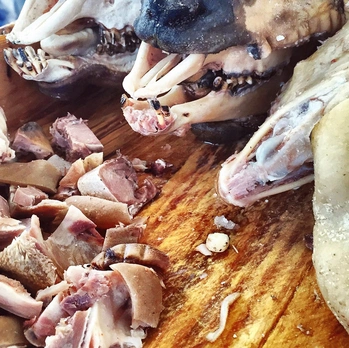
Every time I journey westward or into Tibet, Xining seems to be the starting point. I've been here this year, last year, and the year before that, and the year before that. I have no special attachment to this city, except for its irresistible food — hand-grabbed lamb, lamb head meat, lamb offal, lamb trotters, and old yogurt.

When I came out of Caojiabu Airport, I initially wanted to take a taxi to the city center. But the driver quoted 200 yuan without negotiation, and wouldn't even provide a receipt — and it's only about 20 kilometers. He was also quite rude, so I didn't want to give him the business. Luckily, I have connections in Xining. One phone call, and five minutes later, my buddy Twelve sent a car over. He was generous enough to let me drive it freely for the next ten days or so, as long as I didn't lose a wheel — though, of course, the car wasn't his.
Eating a big meal before departure has always been my habit, because you never know if you'll be able to eat so heartily again in the days ahead. After all, this isn't the Jiangnan region; this is the great Northwest — the Loess Plateau, even the Flaming Mountains.
[Link: Xining to Sertar road trip itinerary]
Emperor Qianlong's "Had I Known About XX, Why Would I Have Gone to Jiangnan?"
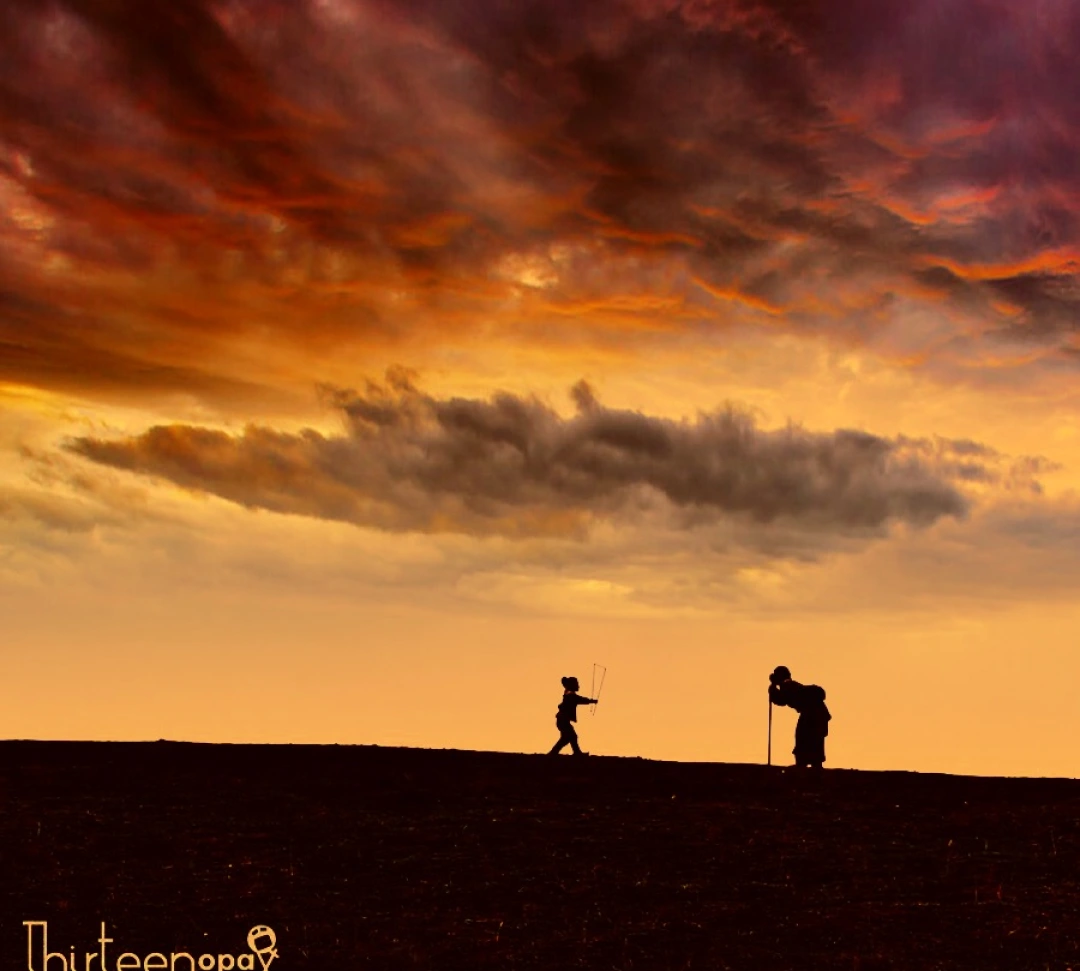
Back in the day, Emperor Qianlong made three trips to Jiangnan, deeply impressed by its scenery, cuisine, and beauties. Later, he happened to visit Panshan Mountain, and, stirred by the memory of Zhao Yazhi by West Lake, he improvised the immortal line: "Had I known about Panshan, why would I have gone to Jiangnan?" Later, he went to Huairou and left behind: "Had I known about Huairou, why would I have gone to Jiangnan?" To prove his visits, the people began marking his footsteps with "Had I known about XX, why would I have gone to Jiangnan."
Among all the places marked with "Had I known about XX," the great Northwest is conspicuously absent. Clearly, the emperor had little regard for this land — the reason is simple: in the deep mountains of the Northwest, there was little to eat, few beauties, and it was too cold to strip down. His love for Jiangnan, I suppose, only Empress Wu Zetian could truly understand.
A Tibetan Uncle's Lamb Feast

The people of the Northwest are rugged, and they eat a lot of meat — the further into Tibetan areas, the more obvious this becomes. Living on the high plateau, it's cold, and without meat, they wouldn't survive. One day, I saw three Tibetan uncles in a tent, gathered around a stove with a pot of freshly boiled lamb — huge chunks, with skin, fat, and meat all stewed together! They held the meat in one hand and their随身佩戴的藏刀 (Tibetan knife) in the other, cutting and stuffing it into their mouths, occasionally dipping it in Lao Gan Ma chili sauce. It looked incredibly appetizing — this was the purest way to eat meat.
One of the uncles noticed how much I wanted some and asked, "Want some?" How could I miss this opportunity? Of course, I had to eat! The uncle used his razor-sharp knife to cut a piece of meat with skin, fat, and lean meat, dipped it in some Lao Gan Ma, and handed it to me — damn, it was incredibly fragrant, just pure, natural lamb flavor. After eating two pieces, I really wanted to ask if I could take some to go. If I could, I would have immediately inscribed: "Had I known about Guoluo, who would go to Niujie?"
Lamb Head Soup and Old Yogurt: My Favorites
I don't have high standards for food — as long as it's edible, tasty, and a local specialty, I'm pretty satisfied. But specialties are specialties after all; eat too much, and you'll inevitably get tired and irritable. I love lamb, and during these days, I've eaten the lamb I hadn't had in Beijing for the second half of the year in advance. It seems to be the same every year — when I leave, I don't want to touch lamb anymore, but once back in Beijing, I'm searching everywhere for good lamb.
Nothing should be overdone. Eat too much lamb, and you'll inevitably get heaty, especially in this place — it's so dry! In the end, I got heaty, and a big blister formed right on my philtrum. Since I was already heaty, I had to let the heat out to recover quickly, so I had to keep eating — it's like wanting to lose weight; you can't slim down without first getting fat, right?
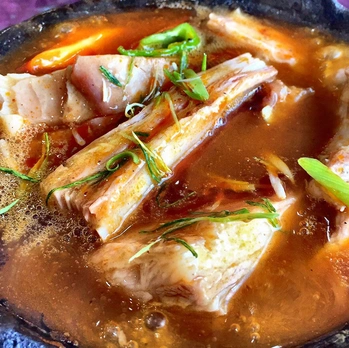
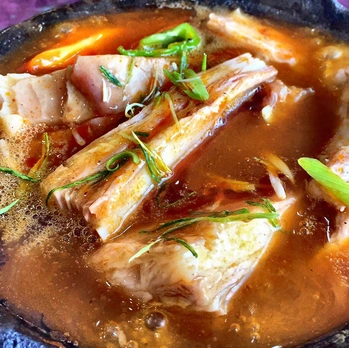
Lamb head soup and old yogurt are my favorites. Lamb head can be stir-fried or made into soup. I hadn't planned on soup; I wanted stir-fried, so I casually asked the price — stir-fried was 98 yuan, soup was 15 yuan. Without hesitation, I ordered the soup. It was delicious, with half a bowl of lamb head meat — great! A fantastic value! A wise choice! It also came with a flatbread, which I didn't eat. When I returned it to the waitress, she hesitated for a long time over whether to take the bread away or not — probably wondering if taking it would mean she had to refund me? Am I that stingy? From my choice between stir-fried and soup, it should have been clear that I couldn't care less about that flatbread — such a sweet girl.
[Link: Must-try foods in Xining for travelers]
A Hard Lesson: Always Ask the Price When Eating Out
These lamb trotters were pretty good, tasty, and at 10 yuan each, not expensive. Why do I say you must ask the price? Later, when leaving Sertar, we ate at a restaurant in a county town. By then, I didn't want meat anymore; I wanted some vegetables. But we ended up in a拉面馆 (hand-pulled noodle shop). If you're selling noodles, just stick to noodles — but the walls were plastered with photos of stir-fried dishes. My mind was still foggy from all the meat I'd eaten, and my companion spotted a small stir-fried yak meat dish that looked good. I said, "Go ahead and order that." I originally wanted a simple stir-fried lettuce, but they didn't have it. In the end, I inexplicably ordered twice-cooked pork.
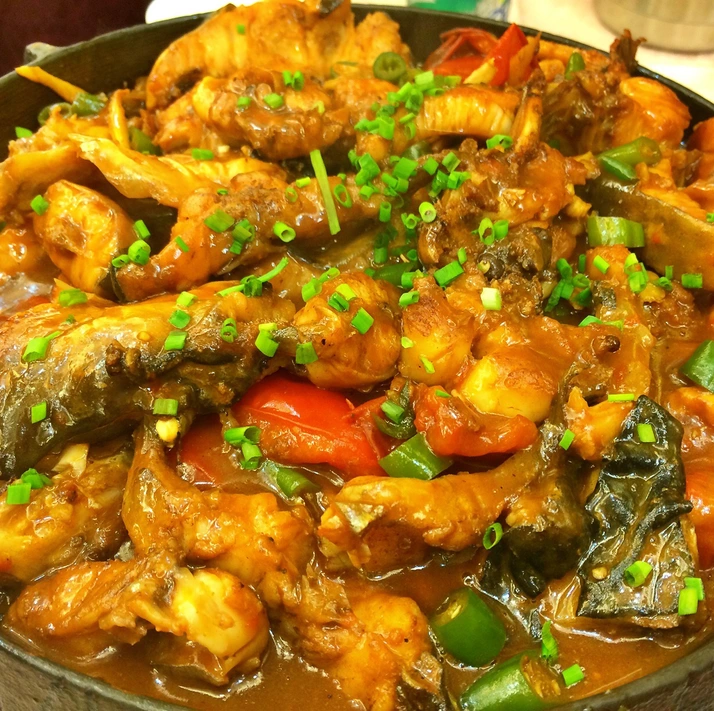
Before we ordered, the boss asked if we wanted noodles or fried noodles — something simple. But after my companion ordered the stir-fried yak meat, the boss stopped asking. Since there was no rice, the boss lady even went to another restaurant to buy some for us — how touching! When my companion's stir-fried yak meat arrived — it was a dark, hard, lumpy mess; my twice-cooked pork came — a greasy, blackish blob. Only then did I notice the prices on the left wall: small stir-fried yak meat, 70 yuan (the most expensive item on the menu); twice-cooked pork, 45 yuan (the second most expensive).
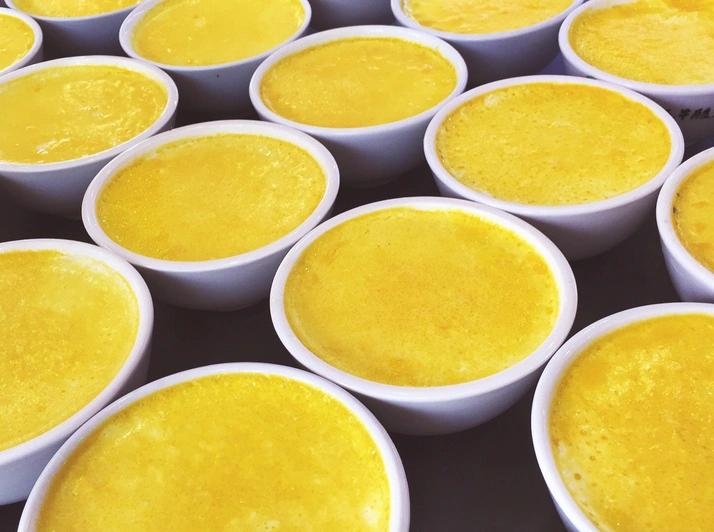
If you come across yogurt like this, you must drink it. The yellower, the better — the yellow part is cream! Some yogurt has sugar added; some doesn't. Unsweetened yogurt is very sour, so ask in advance if they can add sugar or honey. After finishing a bowl of old yogurt and a simple restocking in Xining, I began my journey to seek the Buddha in Sertar.
Sertar Pilgrimage: The Path to Buddhism Through the Wilderness
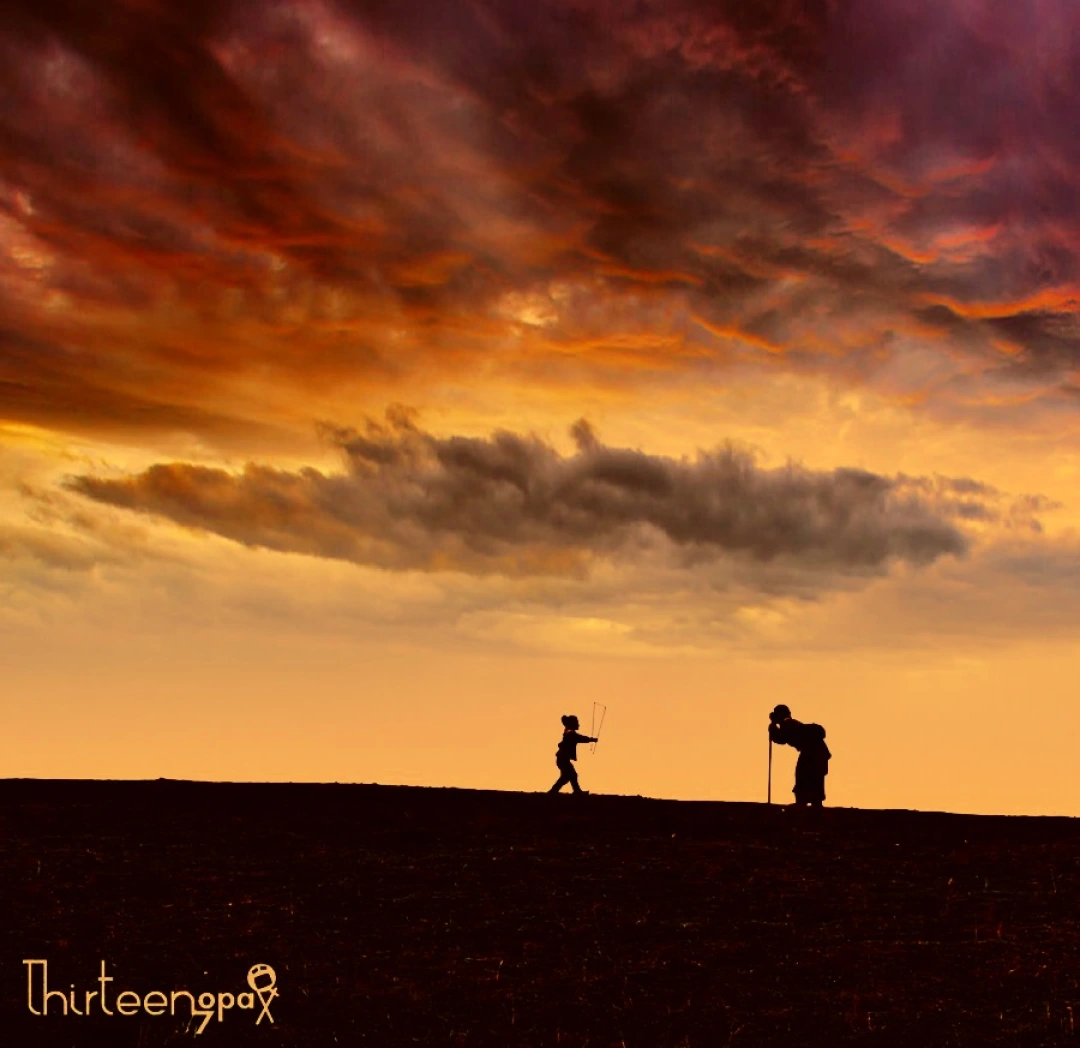
The journey from Xining to Sertar is not just a road trip — it's a pilgrimage through faith and wilderness. As you leave the city behind, the landscape transforms into rolling grasslands, snow-capped peaks, and winding rivers. This is the Tibetan Plateau, where spirituality is woven into the very fabric of daily life.
What Makes Sertar a Sacred Destination?
Sertar is home to the Larung Gar Buddhist Academy, one of the largest and most influential centers for Buddhist study in the world. Nestled in a remote valley, the academy is a sea of red-roofed huts, prayer flags, and chanting monks. For pilgrims, this is a place of profound spiritual energy — a place where you can seek the Buddha not in temples, but in the raw, untamed wilderness.
The Pilgrim's Mindset: Movement and Stillness
As I wrote earlier, "Movement brings life, stillness brings joy." On this pilgrimage, you must embrace both. The physical journey — walking, driving, climbing — is a form of meditation. The stillness comes when you pause to observe the prayer wheels, listen to the wind carrying mantras, or watch the sun set over the golden stupas. This is the essence of seeking Buddha in Sertar: not a destination, but a state of being.
[Link: Buddhist pilgrimage tips for high-altitude travel]
FAQ: Your Questions About the Sertar Pilgrimage Answered
1. What is the best time to visit Sertar for a pilgrimage?
The best time is from May to October, when the weather is milder and the roads are more accessible. July and August offer the warmest temperatures, but also the highest chance of rain. For a truly spiritual experience, consider visiting during Losar (Tibetan New Year) or ** Saga Dawa**, a major Buddhist festival.
2. Do I need a permit to visit Sertar?
Yes, foreign travelers need a Tibet Travel Permit and may require additional permits for certain areas. Chinese nationals do not need a permit for Sertar itself, but check local regulations as they can change. Always confirm with local authorities or a travel agency before your trip.
3. How do I get to Sertar from Xining?
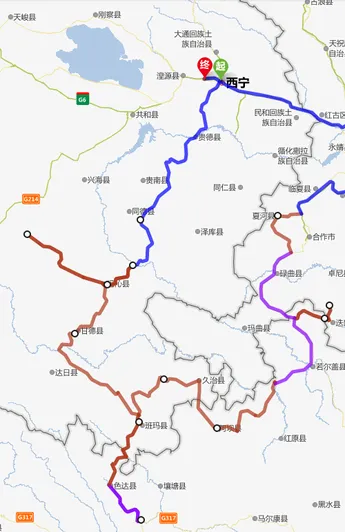
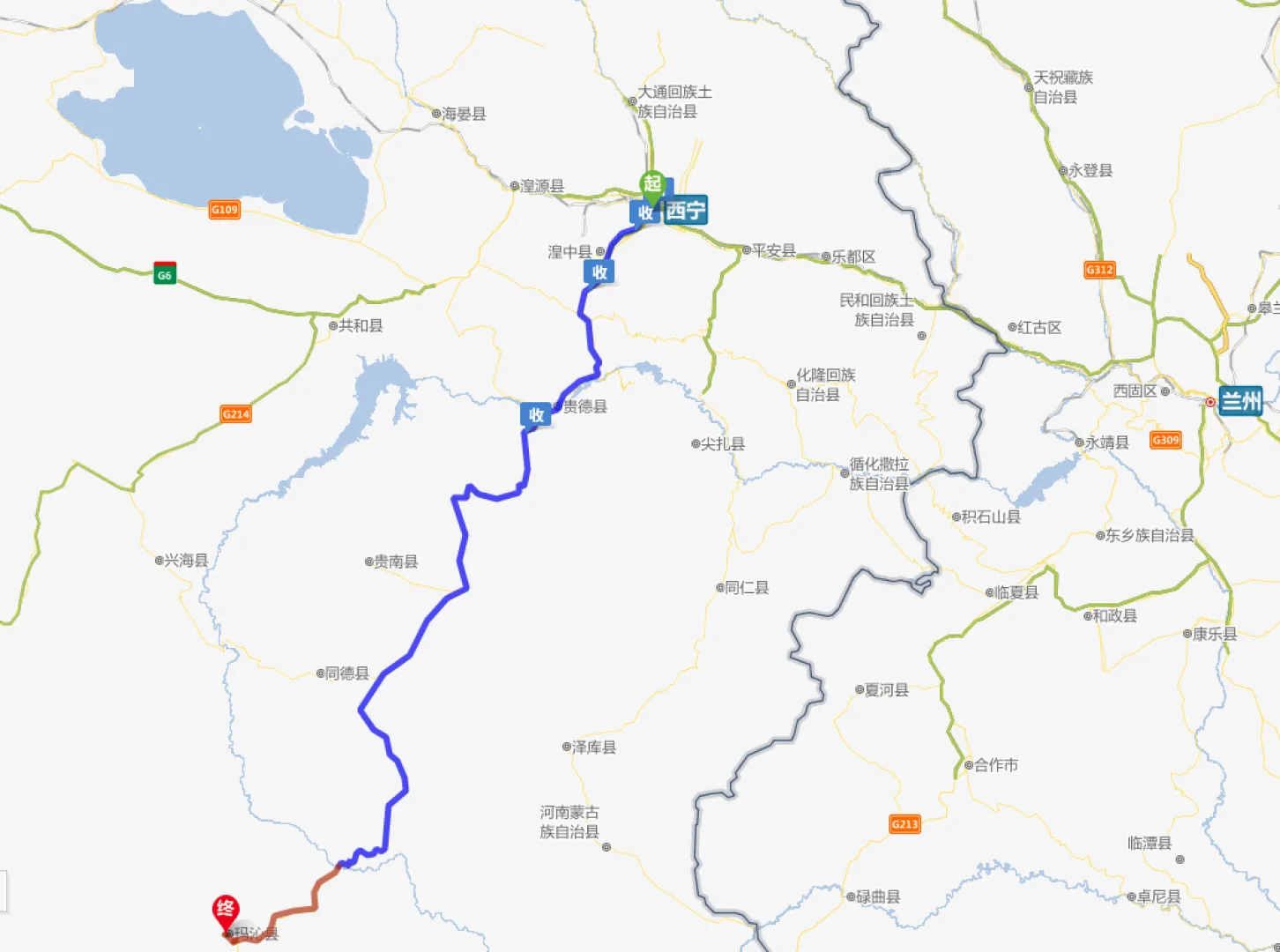
The most common route is a road trip from Xining to Sertar, which takes approximately 8–10 hours by car. You can also take a bus from Xining to Sertar County, then hire a local driver to the academy. Alternatively, fly to Ganzi or Kangding and drive from there.
4. Is it safe to travel to Sertar as a solo pilgrim?
Yes, but take precautions. The altitude is high (over 4,000 meters), so acclimatize for a few days in Xining or lower-altitude towns. Carry enough water, snacks, and warm clothing. Solo female travelers should be cautious and stay in reputable guesthouses. The local Tibetan community is generally welcoming and respectful.
5. What should I pack for a Sertar pilgrimage?
Pack layered clothing (temperatures can drop dramatically), a good pair of walking shoes, a first-aid kit, sunscreen, sunglasses, and a reusable water bottle. For spiritual purposes, bring a khata (ceremonial scarf) and small offerings like incense or prayer beads. Don't forget your passport and permits!
Conclusion: Your Journey to Seek Buddha in Sertar Begins Now

The path to Sertar is not for the faint of heart — it demands physical endurance, spiritual openness, and a willingness to embrace the unknown. But for those who answer the call, the reward is immeasurable: a deeper connection to faith, nature, and yourself.
Whether you're drawn by the Buddhist teachings, the wilderness landscapes, or the culinary adventures of Xining, this pilgrimage will leave an indelible mark on your soul. As the great monk Xuanzang might say, the journey is the destination.
Ready to Embark on Your Spiritual Adventure?
Start planning your Sertar pilgrimage today. Book your flights to Xining, arrange your permits, and pack your bags for the trip of a lifetime. The Buddha is waiting in the wilderness — all you have to do is take the first step.
Share your pilgrimage story with us in the comments below! Have you visited Sertar? What was your most profound moment? Let's inspire each other to seek the Buddha, wherever the path may lead.
[Link: Book your Sertar pilgrimage tour now]
[Link: Read more Tibetan Buddhist travel guides]
[Link: Join our community of spiritual travelers]
You may also like


