Self-Driving in Western Sichuan and Southern Gansu: A Highway Feast Through Four Seasons
Meta Description: Discover the ultimate self-driving route through Western Sichuan and Southern Gansu. From Sanxingdui to Jiuzhaigou, Zhagana to the Genie Southern Route—19 days, 4,902 km of pure adventure. Plan your trip now.
Introduction: Why Western Sichuan and Southern Gansu Should Be Your Next Road Trip
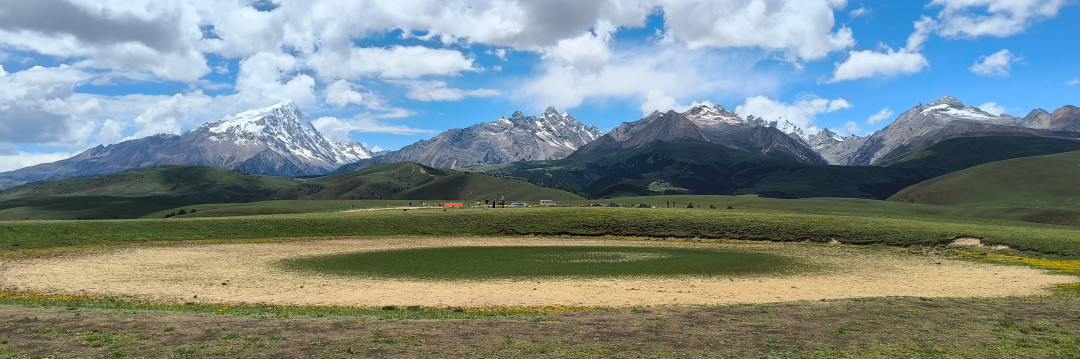
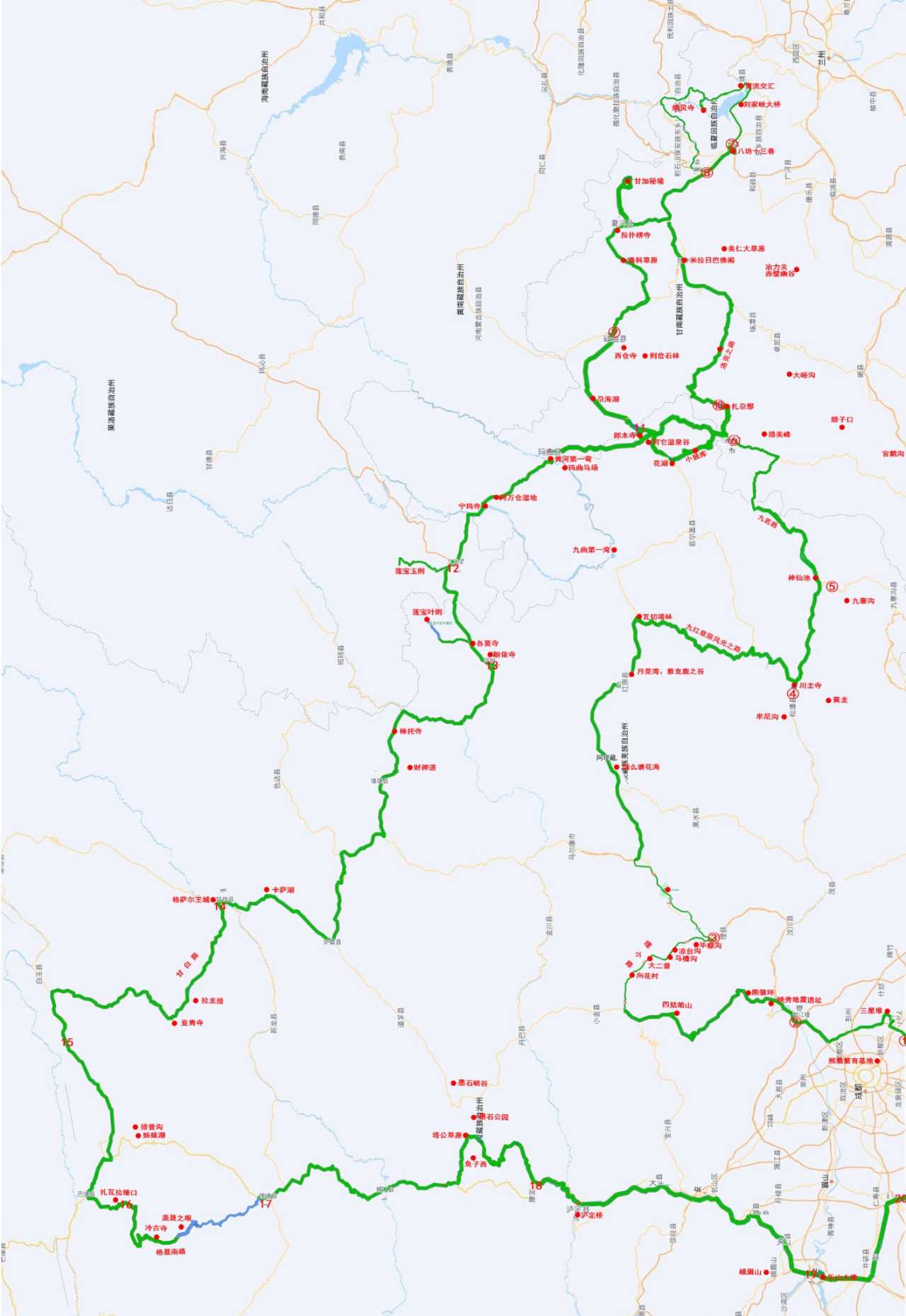
In June 2025, I set out from Xiamen and spent 19 days tracing an irregular grand loop through the mountains and grasslands of Western Sichuan and Southern Gansu. Over 4,902 kilometers, from Chengdu to Jiuzhaigou, from Zhagana to the Genie Southern Route, from 500 meters to 4,000 meters above sea level, from t-shirts to down jackets—this journey taught me the true meaning of "the most beautiful scenery is on the road."
If you're looking for a self-driving route that delivers jaw-dropping landscapes, cultural depth, and seasonal variety, this is it. Whether you're a seasoned road tripper or a first-timer exploring China's wild west, this guide will help you plan the perfect highway feast through four seasons.
Why Choose Western Sichuan and Southern Gansu for a Self-Driving Adventure?
Initially, my plan was just Southern Gansu. When my vacation turned out a few days longer than expected, I thought about connecting nearby regions: Southern Gansu + Ningxia, or Southern Gansu + the Hexi Corridor. But after mapping out the itinerary, something felt off—Ningxia's deserts felt too similar to Southern Xinjiang, which I'd visited last year, and I'd already traveled part of the Hexi Corridor before. When it comes to sheer visual impact, Western Sichuan always seems to win.
Although I'd been to most places in Western Sichuan before, different seasons bring completely different landscapes. So my research kept expanding, the route kept stretching, and eventually, this irregular grand loop starting from Chengdu took shape.
I deliberately planned several roads famous for their scenery: Lixiao Road, Jiuhong Grassland Scenic Road, Jiuruo Road, Little Duku, Jiangdie Highway, Ganbai Road, and the Genie Southern Route. As it turned out, this decision was absolutely right.
Cost Breakdown for a 19-Day Self-Driving Trip
| Expense Category | Amount (CNY) | Notes |
|---|---|---|
| Flights (Xiamen–Chengdu round trip) | 3,270 | Book early, check daily |
| Car Rental (Volkswagen T-Roc, 19 days) | 2,189 | Monthly rental cheaper; extra insurance 350 yuan |
| Gas (4,902 km) | 2,177 | Very fuel-efficient |
| Tolls | 325 | Minimal highway usage |
| Accommodation | 3,570 | Mix of budget and mid-range |
| Food | 2,764 | Includes hotpot, yak meat, local specialties |
| Entrance Fees | 609 | Discount pass used |
| Miscellaneous | 664 | Souvenirs, parking, etc. |
| Total | 15,567 |
Pro tip: For car rentals, big platforms like Shenzhou are the way to go. I bought an additional 350 yuan insurance policy, which later covered a large tire crack without any hassle.
Day 1-2: From Xiamen to Sanxingdui—A Dialogue Across Millennia
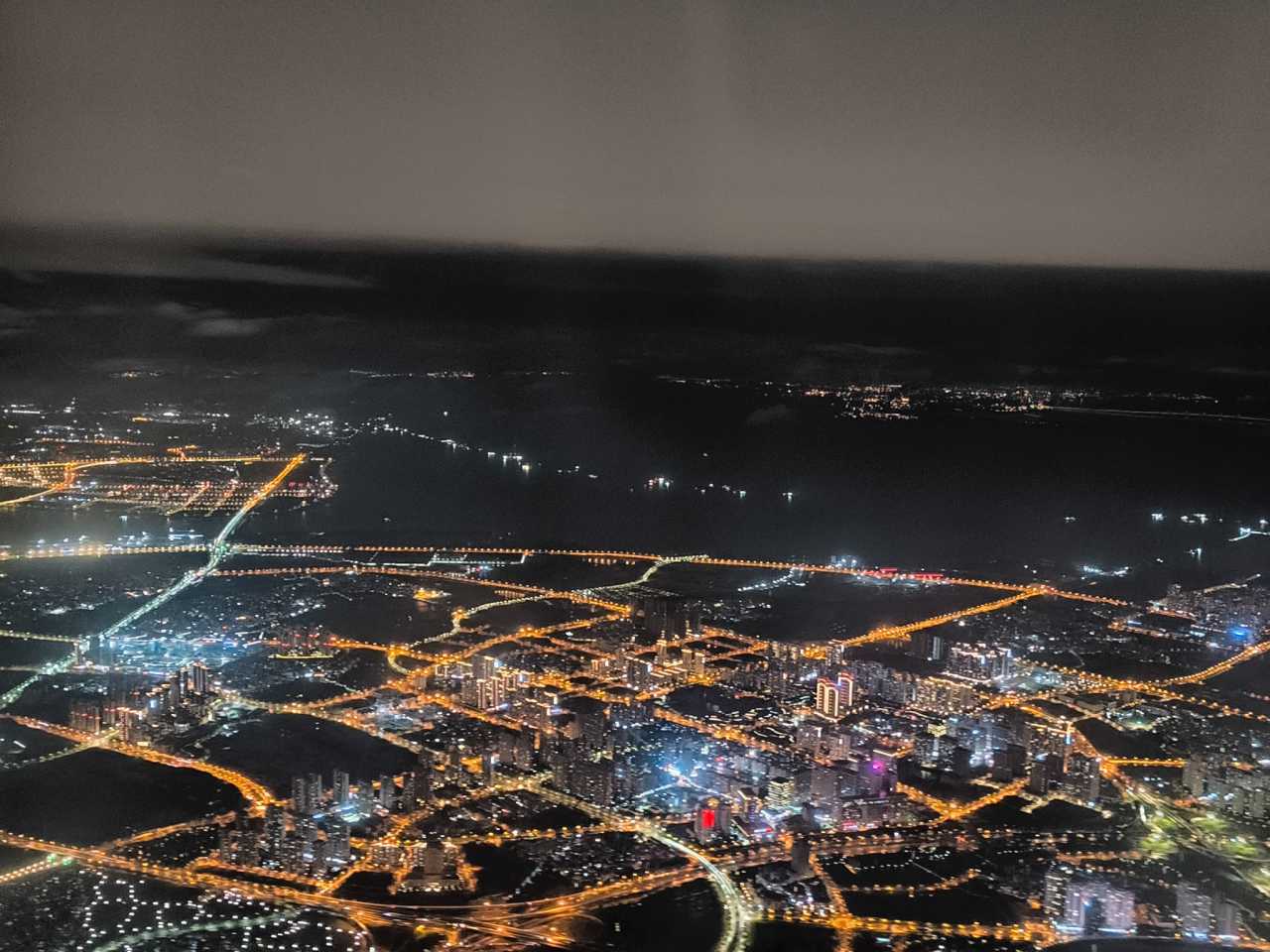
I took off from Xiamen around 7 PM and landed at Tianfu Airport by 11 PM. Picking up luggage and the rental car took just a few minutes—impressively efficient.
Sanxingdui Museum: A Must-Visit on Any Sichuan Road Trip

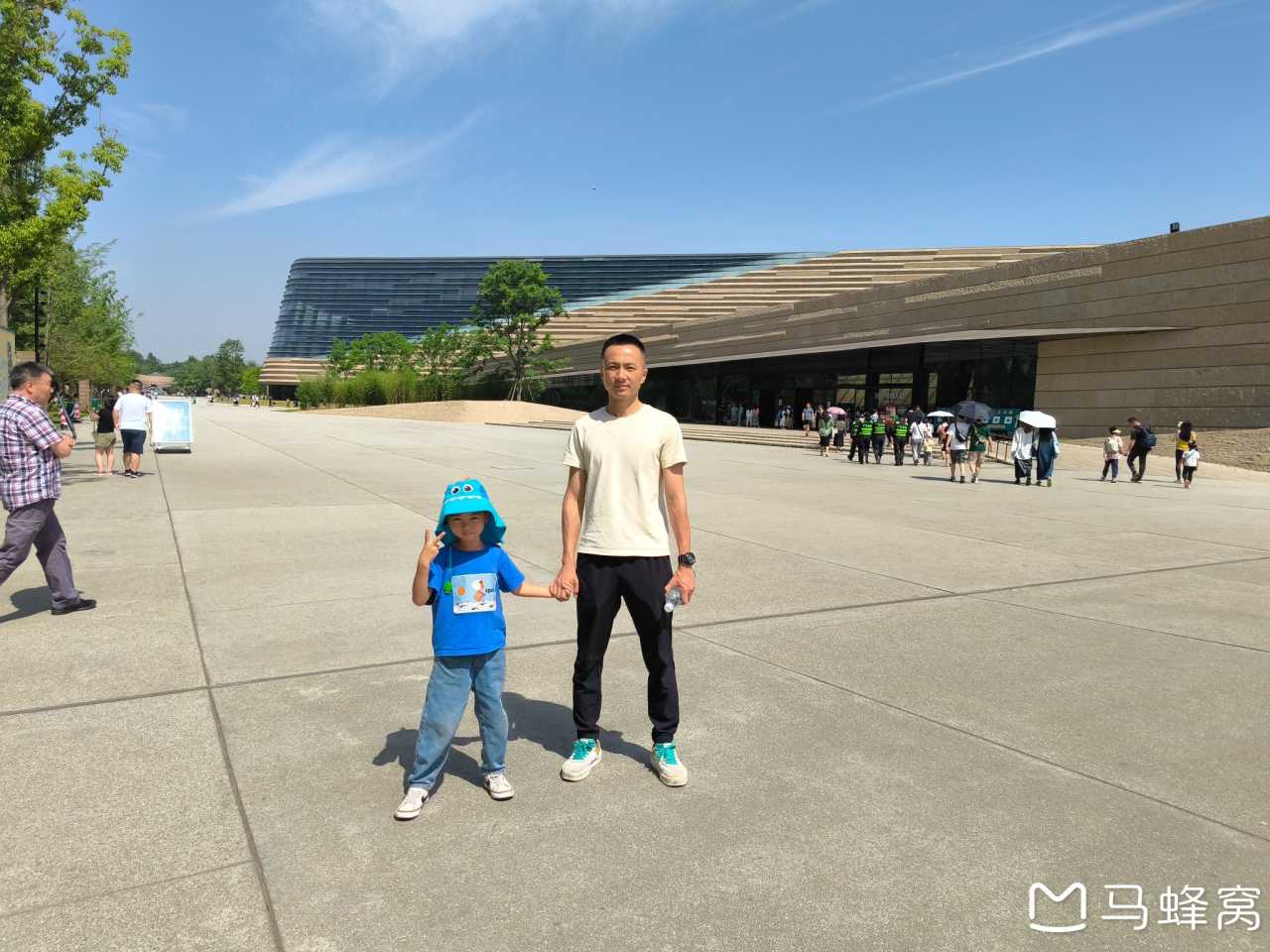
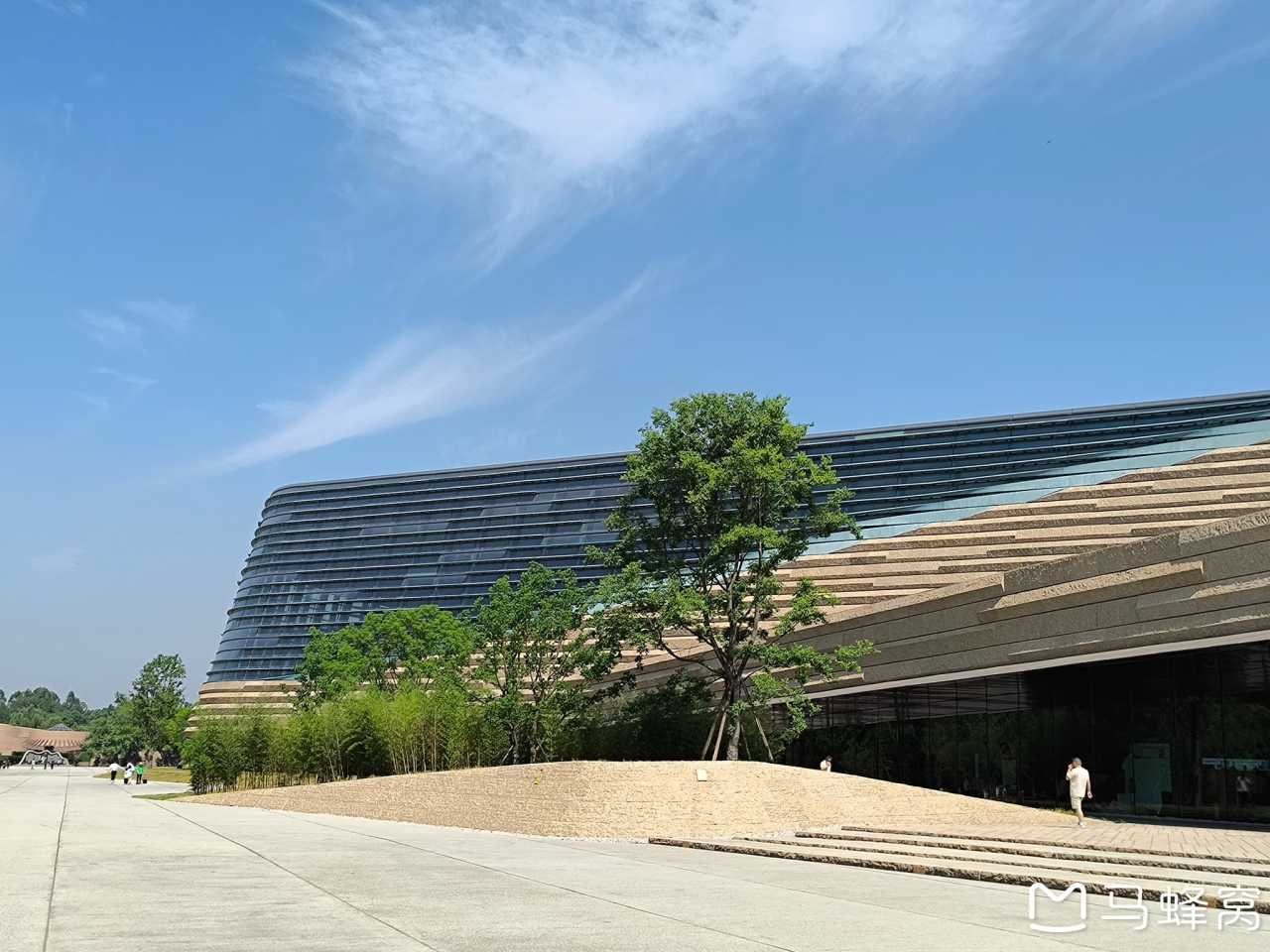
The next day, I headed straight for Sanxingdui in Guanghan. I'd bought my kid a book about the museum beforehand, and he'd been looking forward to it for ages. On the weekend, it was packed. Swept along by the crowd, I couldn't really focus on anything. After noon, the crowds thinned out, and I went back to explore the morning's crowded areas, but the initial excitement had already faded. Museums are definitely best visited on weekdays.
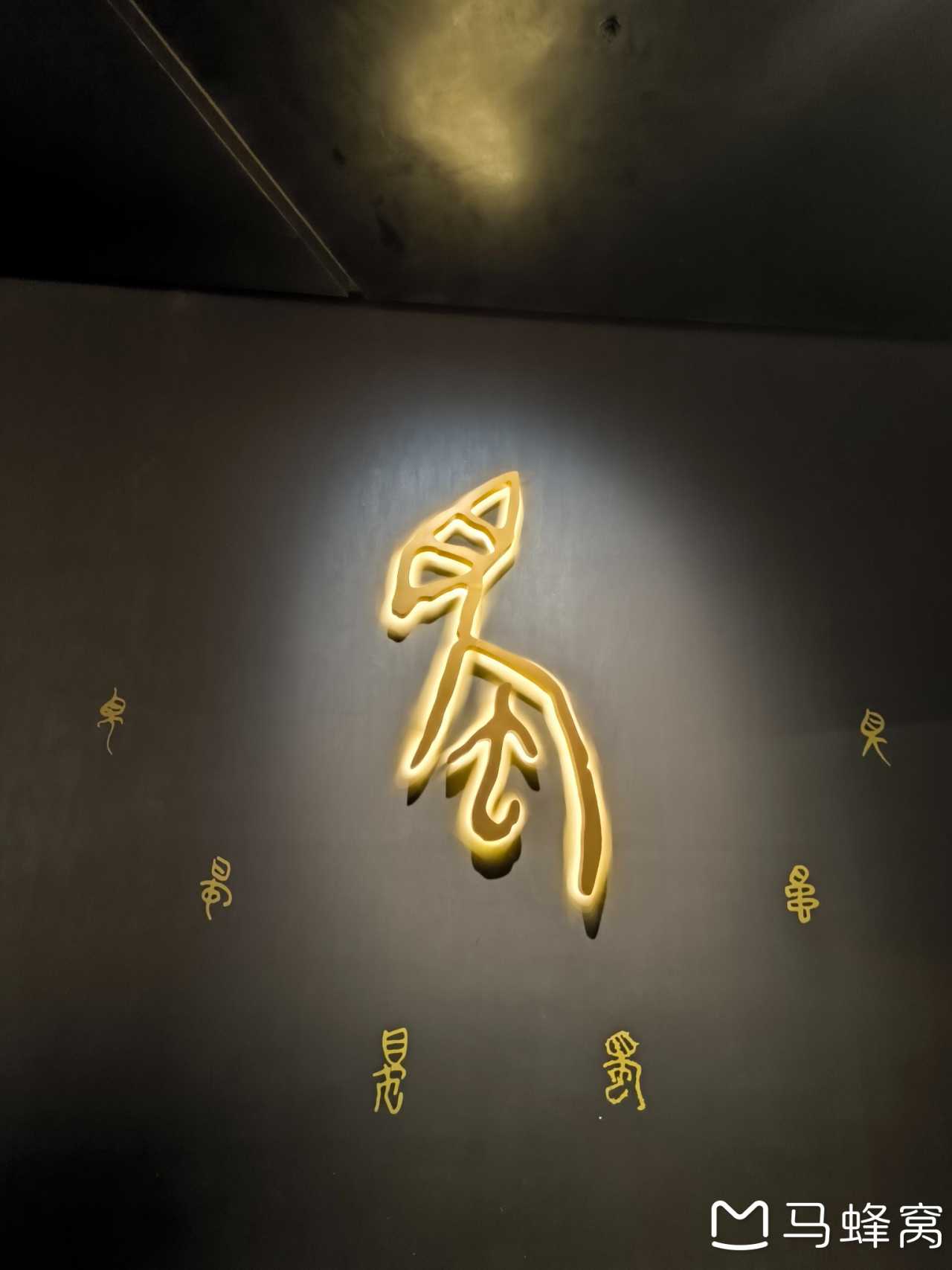
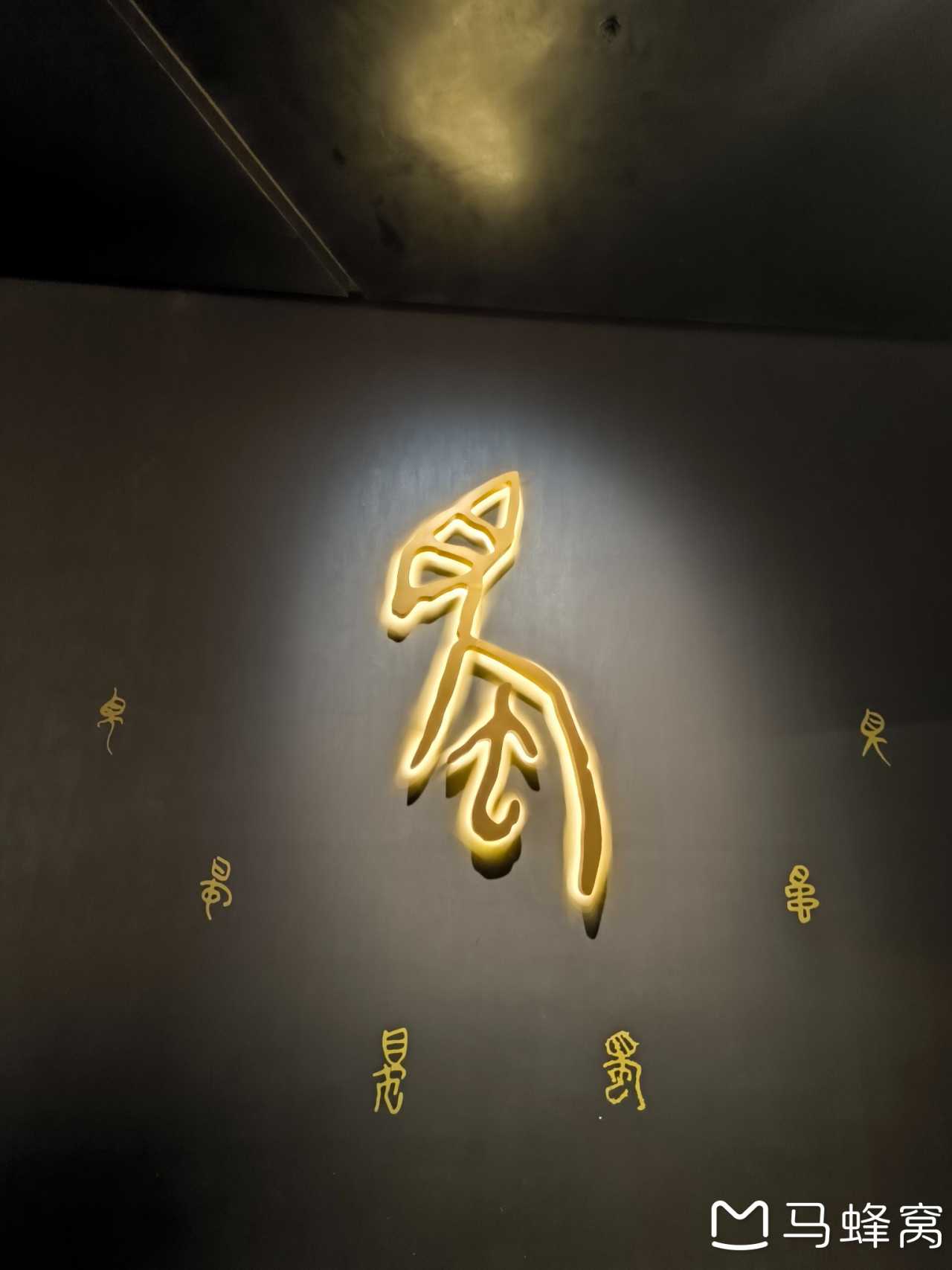
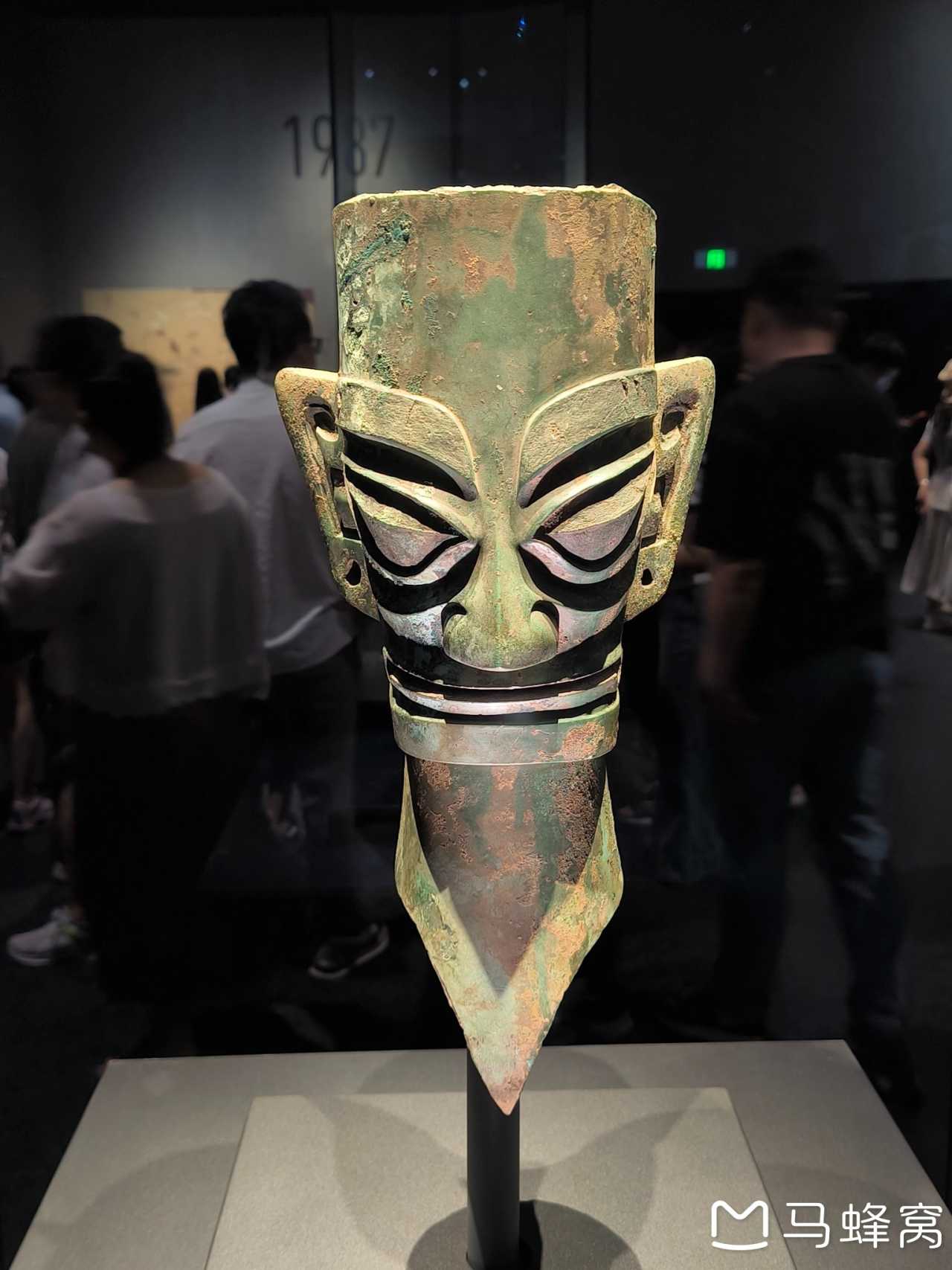
Crowds aside, Sanxingdui is absolutely worth it. The Bronze Sacred Tree, the Bronze Standing Figure, the Golden Mask, the Sun Wheel, the Bronze Mask with Protruding Eyes—each artifact is unique in its expression. The sheer quantity, the exquisite craftsmanship, the complexity—it's breathtaking. Bring a stamp book; there are plenty of stamps to collect at the museum.
Dujiangyan and the Blue Tears
In the evening, I drove to Dujiangyan. It doesn't get dark in Chengdu until 8:30 PM, so I quickly toured the scenic area—I'd been there before, and this time I mainly wanted to show my kid the irrigation project. We took the electric cart to see the Flying Sand Weir and the Fish Mouth Levee, then left.
If you're not interested in the irrigation project, the 80-yuan ticket isn't really necessary. The Nanqiao area along the river has beautiful scenery. The water rushes under the bridge, and the bridge itself is a great place to cool off.
What's a trip to Sichuan without hotpot? Even though I can't handle spicy food, my enthusiasm didn't waver. I bought a group-buy deal for a 99-yuan suobianyu (a type of catfish) hotpot—it was so much food we couldn't finish it. Tip: eat away from tourist areas for better prices.
After dark, I went to Tianfuyuan to see the "Blue Tears"—actually the river lit up by colored lights. It wasn't dark enough yet, and the lights weren't on, so I first went to Yangtianwo Square to see the giant panda sculpture holding a selfie stick. By the time I came back, the lights were on, but my "Blue Tears" had turned into "Green Tears." Still, sitting by the river in the breeze was wonderfully cool.
[Link: Best hotpot restaurants in Chengdu]
Day 3: Lixiao Road—The Truth Behind an Internet-Famous Highway
Wolong Shenshuping Panda Base: A Quieter Alternative
How could you visit Sichuan without seeing giant pandas? Instead of the crowded Dujiangyan Panda Base, I went to the Wolong Shenshuping Panda Base. Fresh air, few people, an excellent experience. If you're driving, don't park at the ticket hall; keep going up to the parking lot at the top checkpoint—it's the closest. The ticket was 90 yuan, 10 yuan more than nine years ago. The pandas were still adorable, but I didn't see any baby pandas play-fighting in the panda kindergarten—they've probably all grown up.
Balang Mountain and Siguniang Mountain
After seeing the pandas, I drove over Balang Mountain towards Siguniang Mountain (Four Sisters Mountain). I wanted to check out the "King of the Panda Kingdom" monument at the Balang Pass, but the pass has been closed since the tunnel was built. Balang Mountain usually has a sea of clouds, but it was clear this time—though the misty clouds were still beautiful.
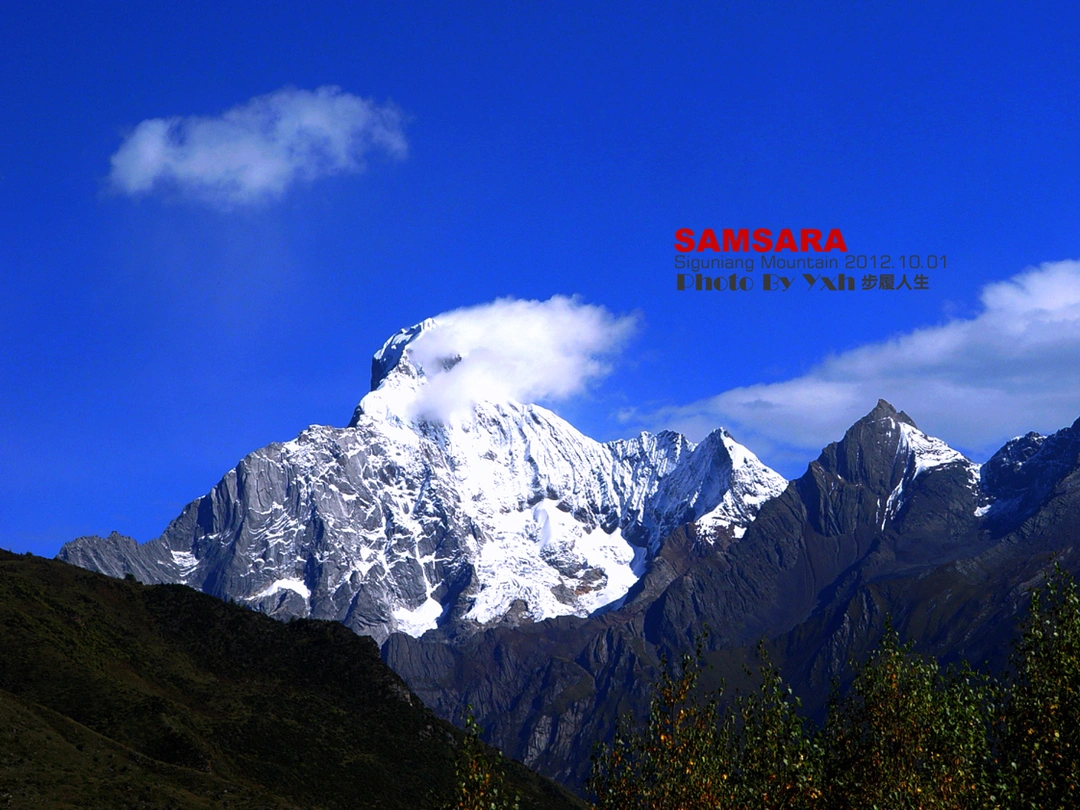
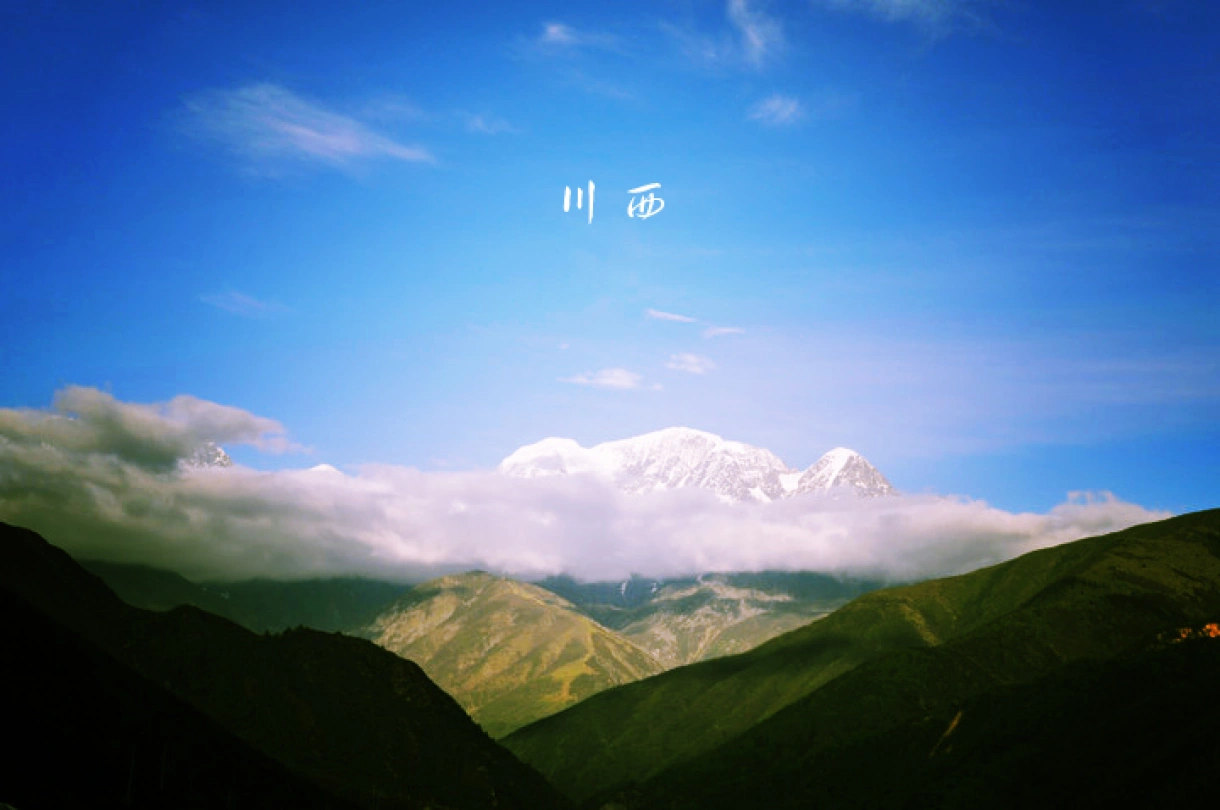
At the Maobiliang Viewing Platform, four snow-capped mountains stood in a row—that's Siguniang Mountain. I'd planned to enter Shuangqiao Valley, but it was already past 3 PM when I arrived, and rain was forecast for the next day, so I decided to take Lixiao Road straight to Li County.
Is Lixiao Road Worth It?
Lixiao Road became popular because it's close to Chengdu, near Bibengou, and connects to Siguniang Mountain. But to be honest, apart from the section near Da'erpu and the mountain crossing, the rest of the scenery is average. And at the nice spots along the road, you have to pay to go down and enjoy them. For someone like me, just passing through and wanting a quick look, parking by the roadside was enough.
That evening, I had tianma yangsheng ji (gastrodia health chicken soup)—warming for both the stomach and the heart.
[Link: Best scenic drives in Sichuan]
Day 4: Jiuhong Grassland—435 Kilometers in the Rain
It started raining in the morning, and I didn't expect it to last all day. The sky was gray, and for hundreds of kilometers, it alternated between rain and snow. I'd planned to stay in Hongyuan, but the county town was under construction, and accommodation in Wache Town wasn't great either, so I pushed all the way to Songpan—the longest driving day of the trip.
Along the way, I saw a sign and turned into a small village. The air after the rain was especially fresh, and the vegetation was a brilliant green.
It was snowing at the Emutang Flower Sea Viewing Platform. Southerners have a thing for snow—even with just this light dusting, we kept stomping around in it.
Wache Pagoda Forest, 20 yuan entry. There are many such pagoda forests in Tibetan areas; this one was just big enough to be fenced off and charged for. With a ticket, you can drive in. Twenty minutes is enough for photos. Worth a stop if you're passing by, but not worth a special trip.
In Songpan, I finally left the rain behind. I bought a group-buy deal for a yak meat and mushroom hotpot near the hotel. Ate well, slept well.
[Link: Songpan travel guide]
Day 5: Jiuzhaigou—Fever and Golden Mountain Sunset
Mounigou: A Quieter Alternative to Jiuzhaigou
Mounigou is divided into Zhaga Waterfall and Erdaohai. The two areas aren't connected, and there's no shuttle bus between them, so you need to drive or hire a car. Few people, so it's a good option if you want to avoid holiday crowds. Erdaohai is the highlight, but it's currently closed, so I only visited the waterfall area.
I came down with a fever. I went...
Frequently Asked Questions (FAQ)
1. What is the best time of year for a self-driving trip in Western Sichuan and Southern Gansu?
The best time is June to October, when the weather is mild and roads are open. June offers lush green grasslands, while September–October brings golden autumn colors. Winter can be harsh, with snow and road closures.
2. How many days do I need for this route?
A minimum of 14–19 days is recommended to cover the highlights without rushing. This allows for rest days, weather delays, and spontaneous detours.
3. Is it safe to self-drive in Western Sichuan and Southern Gansu?
Yes, but prepare for high altitudes (up to 4,000m), winding mountain roads, and sudden weather changes. Carry chains for snow, download offline maps, and ensure your rental car has good tires. [Link: High-altitude driving tips]
4. What should I pack for a self-driving trip in this region?
Pack layers: t-shirts, fleece, a down jacket, and waterproof gear. Bring sunscreen, sunglasses, altitude sickness medication, and a first-aid kit. Don't forget camera gear, snacks, and a reusable water bottle.
5. Can I do this trip with children?
Yes, but plan for shorter driving days (under 300 km) and include frequent breaks. Attractions like the Wolong Panda Base and Sanxingdui Museum are kid-friendly. Be mindful of altitude—children under 5 may struggle above 3,500m.
Conclusion: Your Highway Feast Awaits
From the ancient mysteries of Sanxingdui to the snow-capped peaks of Siguniang Mountain, from the rain-soaked grasslands of Jiuhong to the golden sunset at Jiuzhaigou—this self-driving route through Western Sichuan and Southern Gansu is a feast for the senses. It's not just a road trip; it's a journey through four seasons, across millennia of history, and into the heart of China's most dramatic landscapes.
Ready to hit the road? Start planning your self-driving adventure today. Book your flights early, choose a reliable rental car, and pack for every season. The highway is calling—and the most beautiful scenery is waiting just around the next bend.
Internal Linking Suggestions: - [Link: Best car rental platforms in China] - [Link: High-altitude driving safety checklist] - [Link: Top 10 scenic drives in China] - [Link: Sichuan food guide for non-spicy eaters] - [Link: Family-friendly attractions in Western Sichuan]
Article optimized for SEO with primary keyword "self-driving Western Sichuan Southern Gansu" and related long-tail variations including "Sichuan road trip," "Gansu self-drive itinerary," "Lixiao Road review," "Jiuhong Grassland scenic drive," and "Sanxingdui Museum travel tips."