Resigning to Head to Western Sichuan: Rediscovering Yourself on a Self-Drive Adventure Through the High Plateau
Meta Description: Quit your job and hit the road? Discover how a 7-day self-drive tour through Western Sichuan—from Kangding to Xinduqiao—can help you find the self that life stole away. Complete itinerary, altitude tips, and hidden gems included.
Introduction: When Life Hits Pause, Western Sichuan Calls
In 2011, I stepped into the workforce like millions of others—running day after day through a forest of steel and concrete. By 2013, I had finally found the courage to resign. Not to escape, but to search for something real.
The office politics, the constant maneuvering, the insincerity—it all made me forget what life was supposed to look like. What I craved was simple: a life filled with joy, ease, and wide-open spaces.
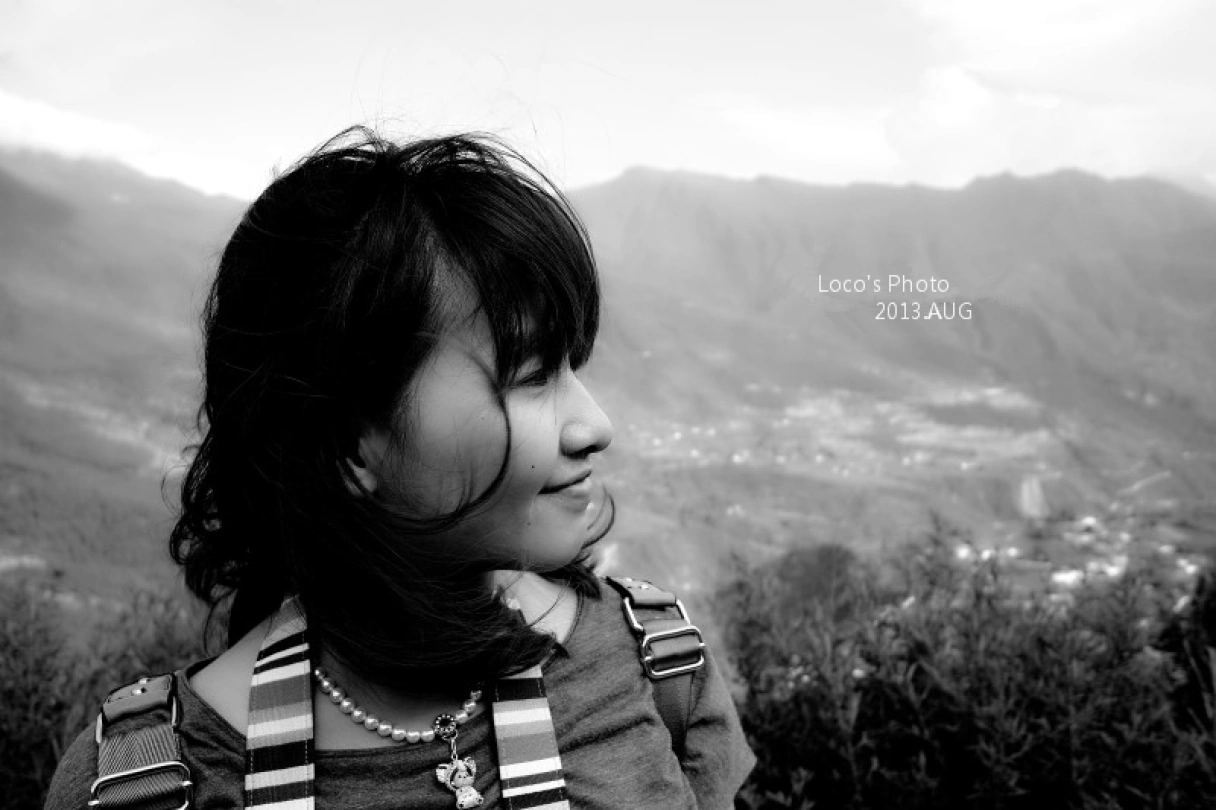
So in August 2013, my partner, two friends, and I set out on a self-driving trip through Western Sichuan. It wasn't just a vacation. It was a cleansing of the soul—a journey to find the self that life had quietly stolen away.
If you're feeling trapped by the daily grind, this Western Sichuan road trip itinerary might be exactly what you need. Let me take you through every turn, every mountain pass, and every moment that reminded me what freedom feels like.
Planning Your Western Sichuan Self-Drive Tour: Essential Preparation
Trip Overview at a Glance
- Duration: August 2–8, 2013 (7 days total)
- Mode: Self-driving road trip (4x4 strongly recommended)
- Route: Chengdu → Ya'an → Tianquan → Erlang Mountain Tunnel → Moxi Town → Red Rock Beach → Lovers' Sea → Yajia Pass → Kangding → Zheduo Mountain → Xinduqiao → Zimei Pass → Tagong/Bamei → Kangding → Shimian → Chengdu
- Travelers: 4 people
- Cost per person: 1,600 RMB (approx. $220 USD)
Practical Tips for a Smooth Western Sichuan Road Trip
1. Best time to visit Western Sichuan Avoid the rainy season (June–July) when landslides are common. Winter is also dangerous due to icy roads. August offers the best balance of clear skies and accessible routes.
2. Vehicle recommendation A 4x4 vehicle is non-negotiable. Many of the most breathtaking views in Western Sichuan are only reachable via rough off-road tracks. [Link: Best vehicles for Sichuan high-altitude driving]

3. Altitude sickness prevention Start taking anti-altitude medication at least three days before departure. This single step makes a dramatic difference. One of our friends skipped it and ended up with a fever by Kangding.
4. Elevation awareness The average altitude along this route is approximately 3,700 meters. The highest point, Yaha Pass, reaches 4,600 meters. [Link: How to prevent altitude sickness on Tibetan Plateau trips]
5. Accommodation booking Hotels in Moxi, Kangding, and Xinduqiao can be booked in advance through Qunar. Book early during peak season (August–October).
Day 1: Setting Out from Chengdu—First Surprises on the Road
We left Chengdu, passed through Ya'an, and stopped in the small town of Tianquan. In an unremarkable alley, we found a tiny eatery with weathered walls, an old iron wok, and a steamer basket stained with years of oil—each mark a testament to countless diners it had served.
The owner, in a white tank top, smoked a cigarette while tending to the food bubbling in his pot. Simple. Honest. Peaceful.
A steaming bowl of dada mian (hand-pulled noodles in broth) hit the spot. Even the humble pickled vegetables tasted extraordinary. For food lovers, travel always carries a deeper meaning—especially in Western Sichuan, where local cuisine tells stories of the land.
Erlang Mountain Tunnel: A Divide Between Two Worlds
This tunnel felt like a magical boundary. On one side: ordinary life. On the other: an entirely different world.
When we emerged from the tunnel, the view took our breath away: distant mountains half-hidden in lush greenery, clouds like silk veils drifting in the sky, and a village nestled among layered peaks. In that moment, my heart filled with hope.
This is the magic of Western Sichuan self-drive tours—every tunnel, every pass, every bend in the road reveals something unexpected.
Moxi Ancient Town: Where Time Stands Still
Stepping into Moxi felt like entering another era. Under the blue sky and white clouds, the unadorned wooden buildings, faded lanterns, old signs, and ancient stone paths radiated quiet serenity. We wandered aimlessly along peaceful streets, soaking in the town's unique atmosphere.
As night fell, the old church stood silently in the town—solemn and serene. I walked alone, asking myself: What is faith?
That evening, we feasted at the second barbecue joint along the main street. The rabbit was a bit overcooked, but my friend ate so much cured pork he could barely move. A light rain began to fall, and the four of us laughed and played in the nearly empty streets.
Where to stay in Moxi: Book a room with a window facing Gongga Mountain—the morning view is unforgettable. [Link: Best hotels near Hailuogou Glacier]
Red Rock Beach: A Palette Spilled by the Creator
The next morning, through our room's window, the peaks of the Gongga Mountains appeared. No city noise—just lush greenery and snow-capped summits.
Red Rock Beach was the most vibrant stop on our Western Sichuan itinerary. Green mountains, red rocks—a river of crimson winding through the landscape. Red branches, red flowers, red stones, blue sky, clear water, green hills. It was as if the Creator had knocked over a paintbox, just to make people stop and stare.
When you're in a beautiful place, you become part of the beauty.
Photography tip: Visit Red Rock Beach in the late morning when the sun is high—the red rocks reflect light dramatically against the blue sky.
Yajia Lovers' Sea: Poetry at High Altitude
The name alone—Yajia Lovers' Sea—was soothing. But hiking at high altitude, for someone used to life on the plains, was brutal. Thankfully, the scenery along the way kept me going. We met mushroom pickers who told us August was the perfect season for foraging.
Breathless and aching, I pushed forward, hoping the view ahead would be worth it. When I finally saw the crystal-clear moss, shimmering as if touched by light, I knew it was.
Hiking tip: Allow 3–4 hours for the round trip. Bring plenty of water and snacks. The altitude makes every step harder than you expect. [Link: High-altitude hiking tips for beginners]
Wild Lake: The Oppressive Grandeur at 4,100 Meters
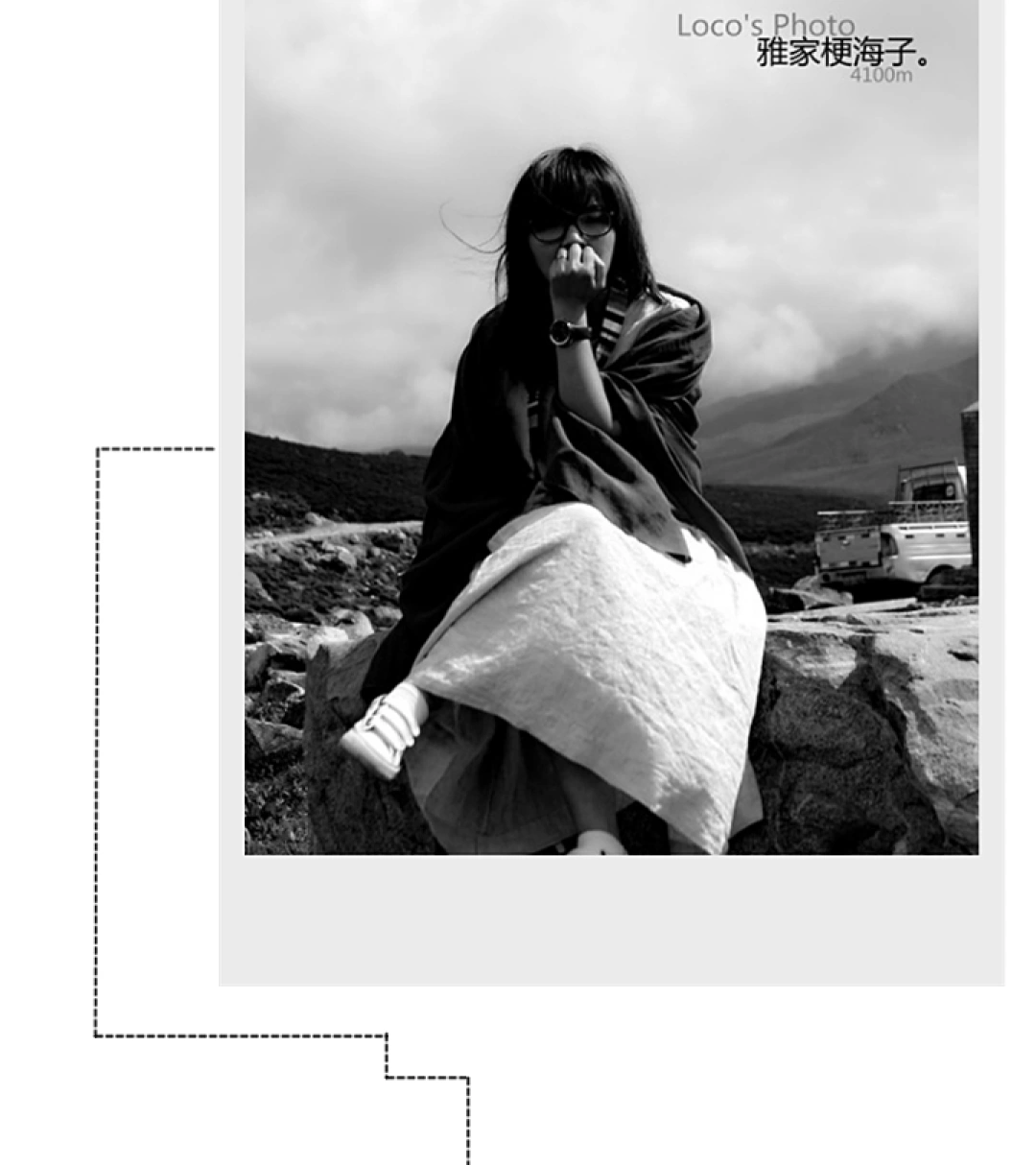
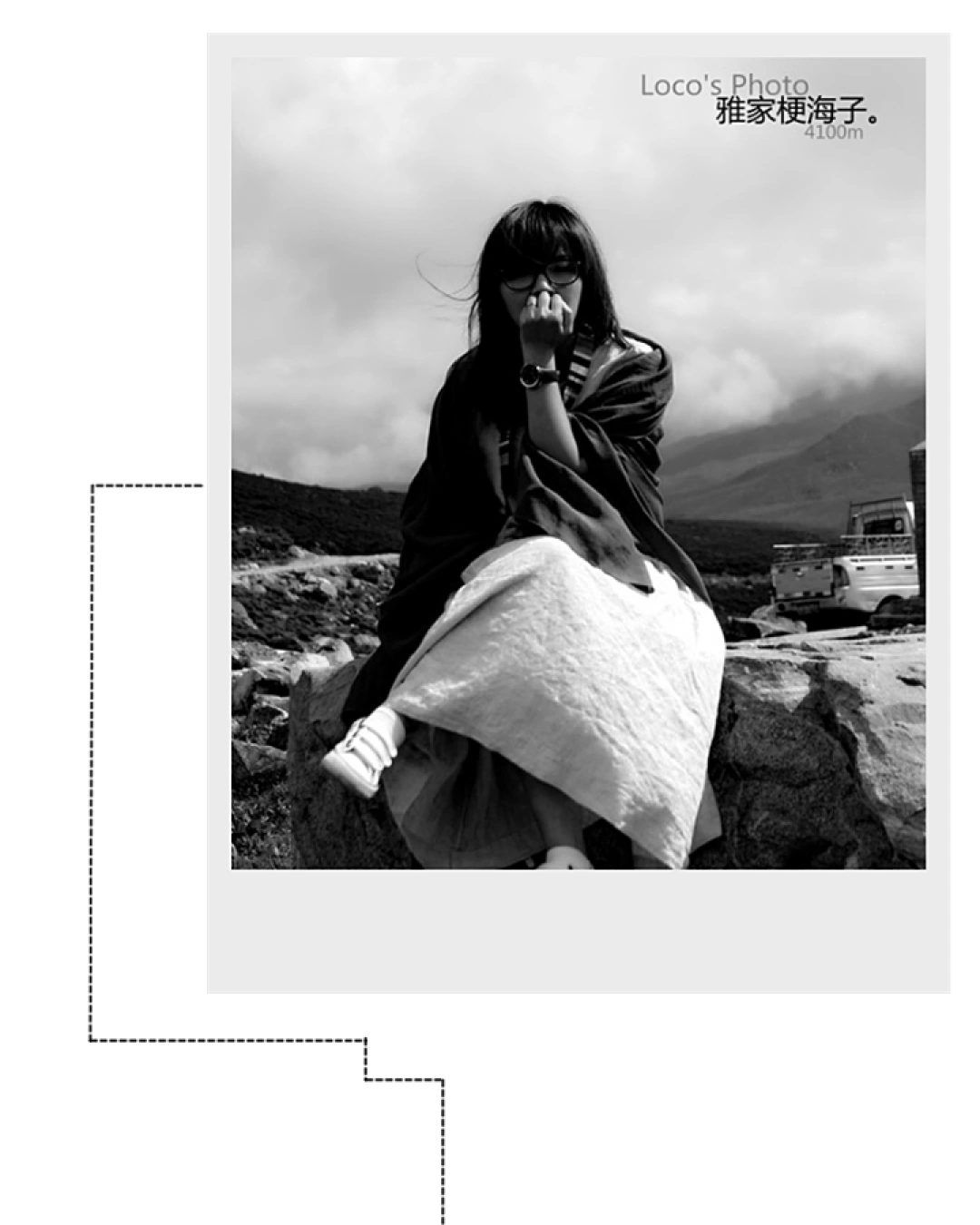
This was the toughest stretch of the entire trip. When we reached Wild Lake at 4,100 meters, I couldn't find the words—"oppressive" seemed closest. The temperature had dropped sharply, the air was thin, thick clouds pressed down on the peaks, and the landscape was barren and desolate. The only sound was the wind rustling through sparse vegetation.
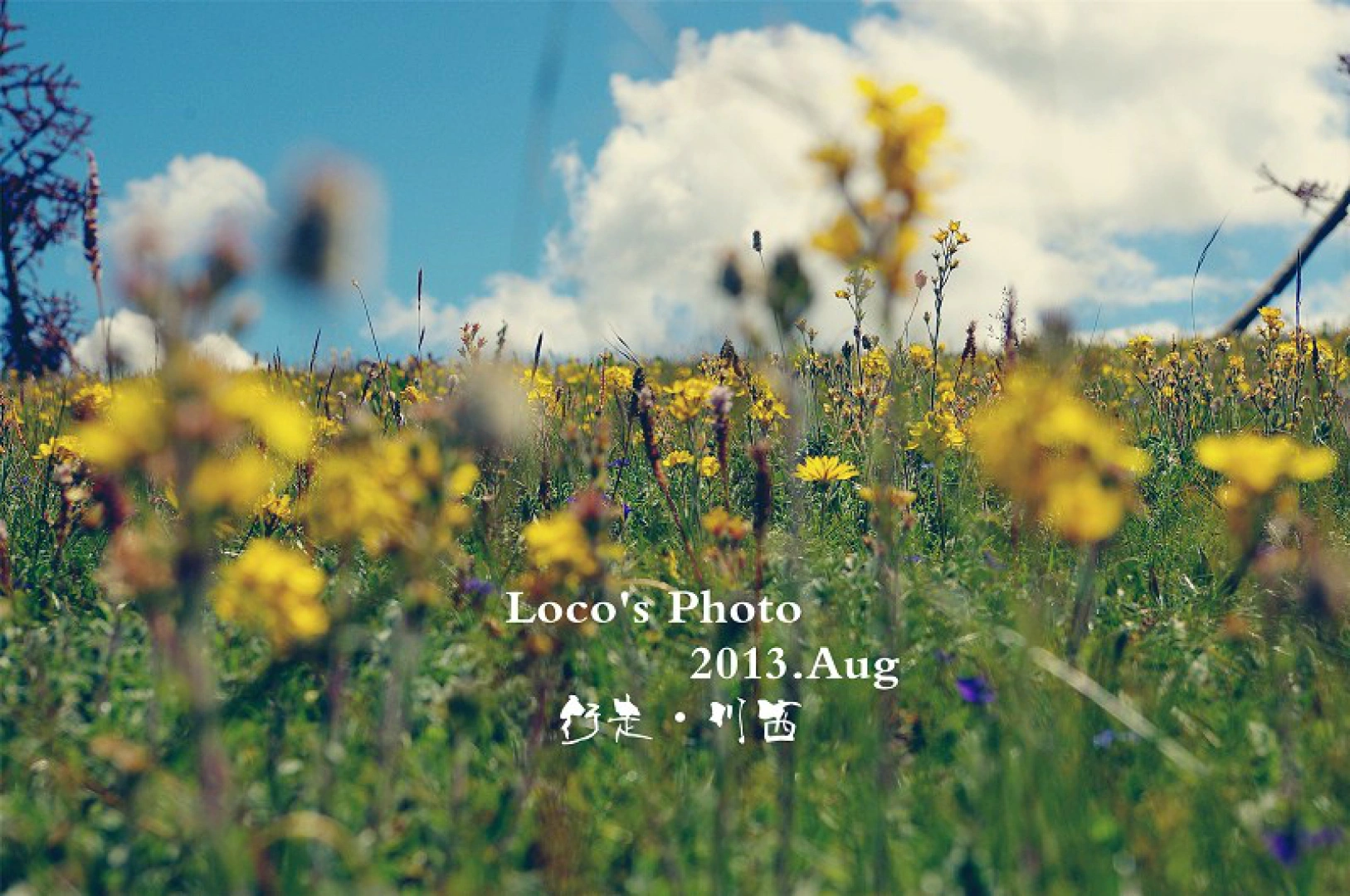
Yet the plants here were beautiful. Jagged stones covered the ground, and the lake water was milky white and bitingly cold. Across from it, the sky was a flawless blue.
My friend, who hadn't taken altitude medication beforehand, started feeling unwell from this point on and had a fever by the time we reached Kangding. Preparation really is everything.
Zheduo Mountain and the Love Song of Kangding
As we crossed Zheduo Mountain, we passed countless cyclists. I marveled at every single one. Even our car struggled with the altitude—it could barely hit 50 km/h at over 3,000 RPM.

The Zheduo Pass was lively: people eating skewers, posing for photos, battling the wind, using the restroom, snapping pictures. The prayer flags were covered in scribbled messages—some cheering themselves on, some marking their visit, some pleading for a girlfriend. It was oddly charming.
Descending from Zheduo, we gradually entered the landscape of Xinduqiao. Tibetan-style houses with red roofs and white-trimmed windows, some adorned with cheerful little flowerpots, bursting with life.
That iconic "Love Song of Kangding" sign—I'd only ever seen it in other people's travel posts. Now, I finally captured it with my own camera.
Xinduqiao: The Land of Light and Shadow
Our lodging in Xinduqiao had a large lawn with a green mountain as its backdrop. Local residents led horses to take us up to the viewing platform. My friends struck endless poses, laughing until they collapsed.
In the evening, we climbed to the platform. The wind was strong, the view was spectacular, but the clouds were too thick for a sunset. Still, the distant snow-capped peaks, the dark clouds, and the fluttering prayer flags were mesmerizing.
That night, we had a hearty dinner, including my favorite—potato stewed with beef. Since we were eating outside, it got dark fast, and we could barely see our plates. So we propped up a flashlight on a bag and ate by its glow. It was oddly cozy.
Photography tip: Xinduqiao is famous as a "photographer's paradise." Visit during golden hour (just after sunrise or before sunset) for the best light. [Link: Best photography spots in Xinduqiao]
Zimei Pass: Face to Face with the Gongga Mountains
After a night of discussion, we decided to take the western route around Gongga—more scenic, but with worse roads. The itinerary: Xinduqiao → Jiagenba → Yaha Pass → Zimei Pass → Gongga Village → Shade → Xinduqiao.
When our car reached the top of Yaha Pass, the sight before me made me blurt out, "Holy shit!" I don't know if you can understand that urge to scream in awe. The soft green of the mountains and the harsh white of the distant snowcaps created a striking contrast. The shock hit me like a wave. How small we were, standing between heaven and earth.
Unfortunately, the clouds were thick, hiding the full view of the Gongga peaks. But even so, it was breathtaking.
At Zimei Pass, the wind howled, and we didn't see the sea of clouds we'd hoped for. But when a row of towering mountains, each over 6,000 or 7,000 meters high, stretched out before us—seemingly within arm's reach—and the fierce wind whipped past our ears, all we could do was stand in silence.
Pro tip: Check weather forecasts before attempting Zimei Pass. Clear mornings offer the best chance of seeing Gongga's full profile. [Link: Zimei Pass viewing guide and weather patterns]
Frequently Asked Questions About Western Sichuan Self-Drive Tours
Q1: Is Western Sichuan safe for self-driving?
Yes, but only with proper preparation. Stick to main roads during rainy season, carry chains for icy conditions, and always check weather forecasts. A 4x4 vehicle is strongly recommended for off-road sections.
Q2: What is the best month for a Western Sichuan road trip?
August and September offer the most stable weather. Avoid June–July (rainy season) and November–March (icy roads). October is beautiful but can be crowded during National Day holiday.
Q3: How do I prevent altitude sickness on this route?
 Start taking anti-altitude medication (like acetazolamide) three days before departure. Stay hydrated, avoid alcohol, and ascend gradually. If symptoms worsen (severe headache, vomiting, confusion), descend immediately.
Q4: Can I do this trip in a regular sedan?
Not recommended. Many scenic spots—Red Rock Beach, Yajia Lovers' Sea, Zimei Pass—require rough off-road driving. A 4x4 or at minimum an SUV with high ground clearance is essential.
Q5: How much does a 7-day Western Sichuan self-drive trip cost?
Expect approximately 1,500–2,000 RMB per person for a budget trip (shared accommodation, local eateries). Luxury options (private drivers, upscale hotels) can exceed 4,000 RMB per person.
Conclusion: Find Yourself Under the Blue Skies and White Clouds
Two years in the corporate world had stolen something from me—my sense of wonder, my connection to the natural world, my belief that life could be joyful and free.
This 7-day journey through Western Sichuan gave it all back.
From the steaming bowls of dada mian in Tianquan to the oppressive grandeur of Wild Lake at 4,100 meters, from the laughter-filled streets of Moxi to the wind-whipped silence of Zimei Pass—every moment reminded me that there's more to life than spreadsheets and office politics.
The self that life stole away? I found her again, standing under blue skies and white clouds, surrounded by mountains that had stood for millions of years.
Your turn: Are you ready to hit pause on your life and hit the road? Western Sichuan is waiting. [Link: Book your Western Sichuan self-drive package] or [Link: Download our complete Western Sichuan road trip checklist]
Have you taken a life-changing trip to Western Sichuan? Share your story in the comments below—or ask any questions about planning your own adventure.
You may also like


