Our 2025: Finding Life's Poetry and Distant Horizons in Slow Time
Meta Description: Discover how slow travel in 2025 led us to hidden gems in Ganzi, Yushu, and Aba. Explore spiritual journeys, stone carvings, and high-altitude monasteries. Embrace the poetry of unhurried exploration.
The year-end chime softly rings, and 2025 is drawing to a close. This year, we didn't chase after famous travel landmarks or set grand, ambitious plans. Instead, we chose a more spontaneous, freer path—heading to the "nameless places" hidden in corners, spending anywhere from three days to half a month, wandering and stopping, turning the distant places we'd long dreamed of into the scenery beneath our feet.
If life is a long journey, then 2025 was one we walked lightly, leisurely, yet incredibly richly. This article is a year-end travel journal written for myself, and also a gift for all of you who yearn for a slower life—may you, in the new year, run with more joy, play with more abandon, and savor every season with warmth and delight.
West of Western Sichuan: Autumn Winds Accompany Us to the Sun Tribe of Our Hearts
Ganzi: The Autumn That Crowns the Wilderness
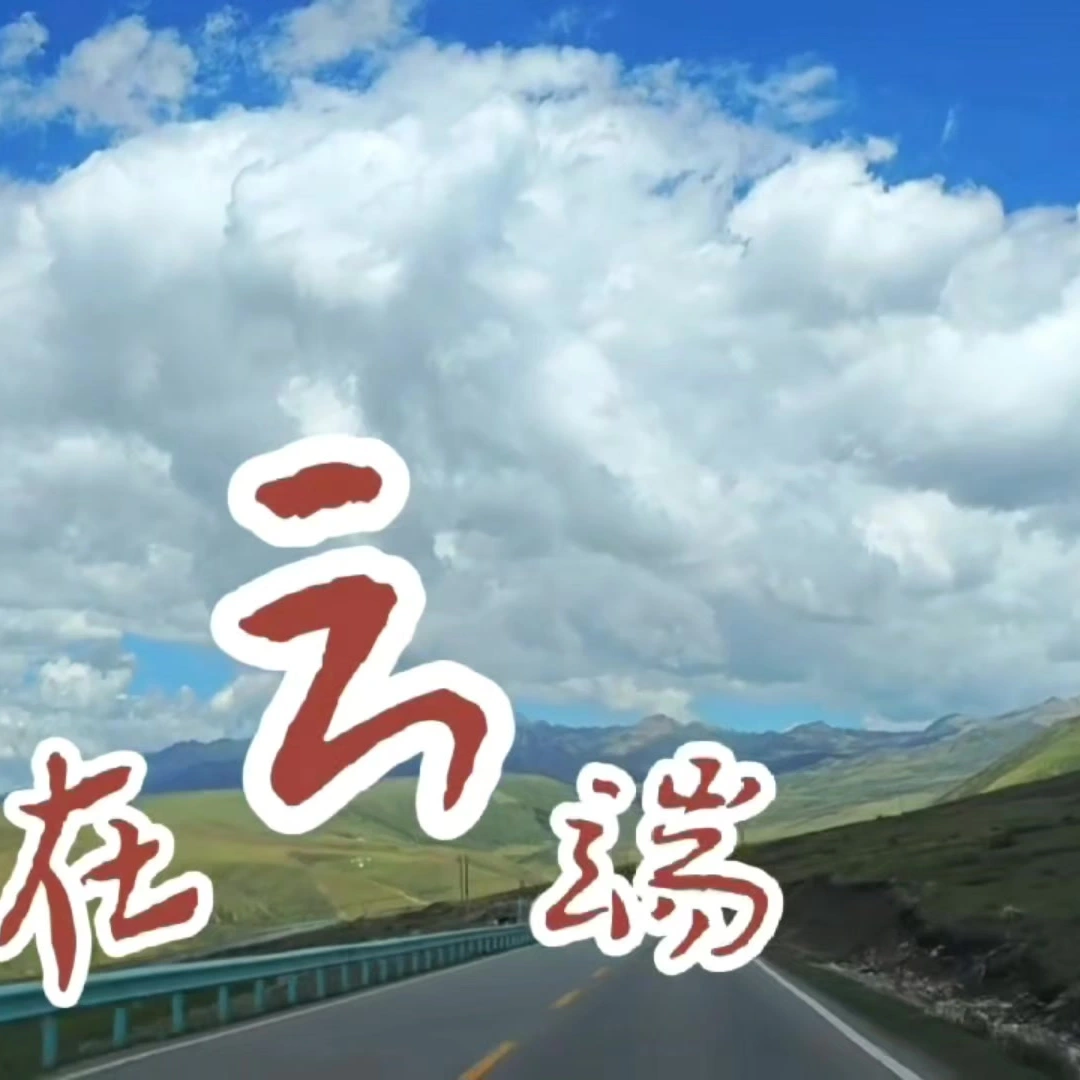
In autumn, we set foot on the land of Ganzi once again. We're already familiar with this high plateau, but every arrival still leaves us awestruck by its unrestrained beauty. The crystal clarity of Red Sea Lake, the towering majesty of Mount Gongga, the vastness of Tagong Grassland, the sacred purity of Mount Yala, the unique charm of Daofu folk houses—all wrapped in a 360-degree embrace of blue sky and white clouds, it felt like a visual feast tailor-made for us. Autumn in Ganzi is so beautiful it leaves you speechless, so beautiful it makes you want to cry.
Shiqu: The Auspicious Sun Tribe, An Epic of Faith Etched in Stone
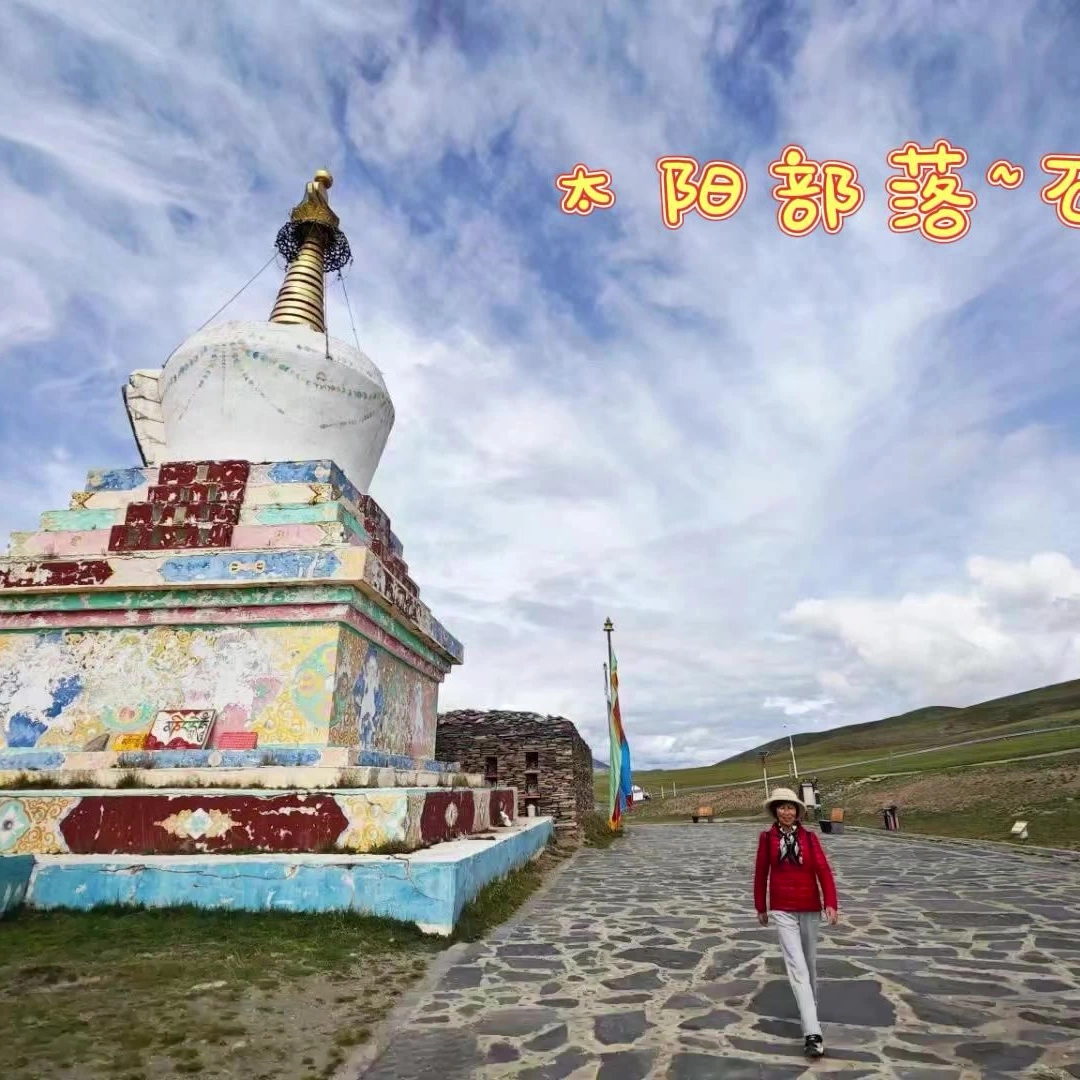
In September 2025, after traveling a thousand miles, we finally reached the long-cherished "Sun Tribe"—Shiqu. This is the highest-altitude county in Sichuan (4,200 meters) and also the largest by area (25,191 square kilometers), about 1,070 kilometers from the provincial capital Chengdu. For self-drivers, this is a true expedition.
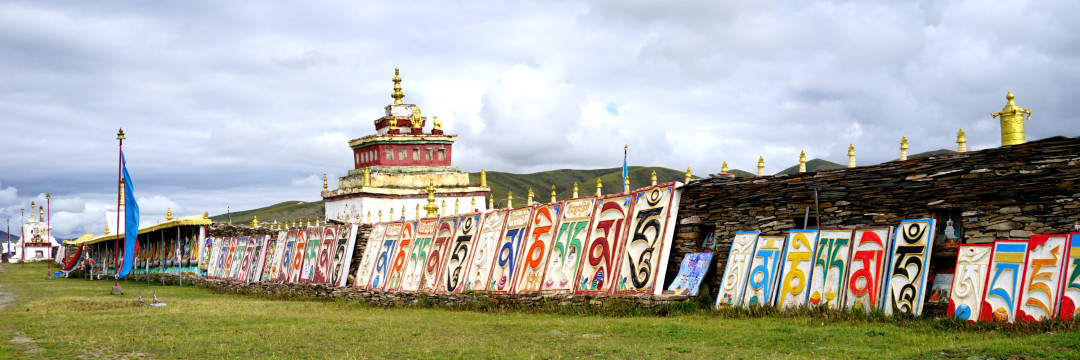
What's most breathtaking about Shiqu is the faith written in stone. The Songge Mani Stone Fortress and the Barge Mani Stone Wall, stretching 1,700 meters, are masterpieces built by believers hammer by hammer, stone by stone. From the first mani stone, this tradition spans over 300 years. The stone wall is 2-3 meters thick, reaching up to 3 meters high, making it the longest mani wall in the Tibetan region. Embedded in the wall are window-like Buddhist niches, with circular spaces enclosed at intervals, housing tall stupas. The 108 stupas in the middle section run parallel to the long wall, connected to it. Every stone is exquisite, spiritual, and alive. Standing here, what you feel is not scenery but the power of faith.
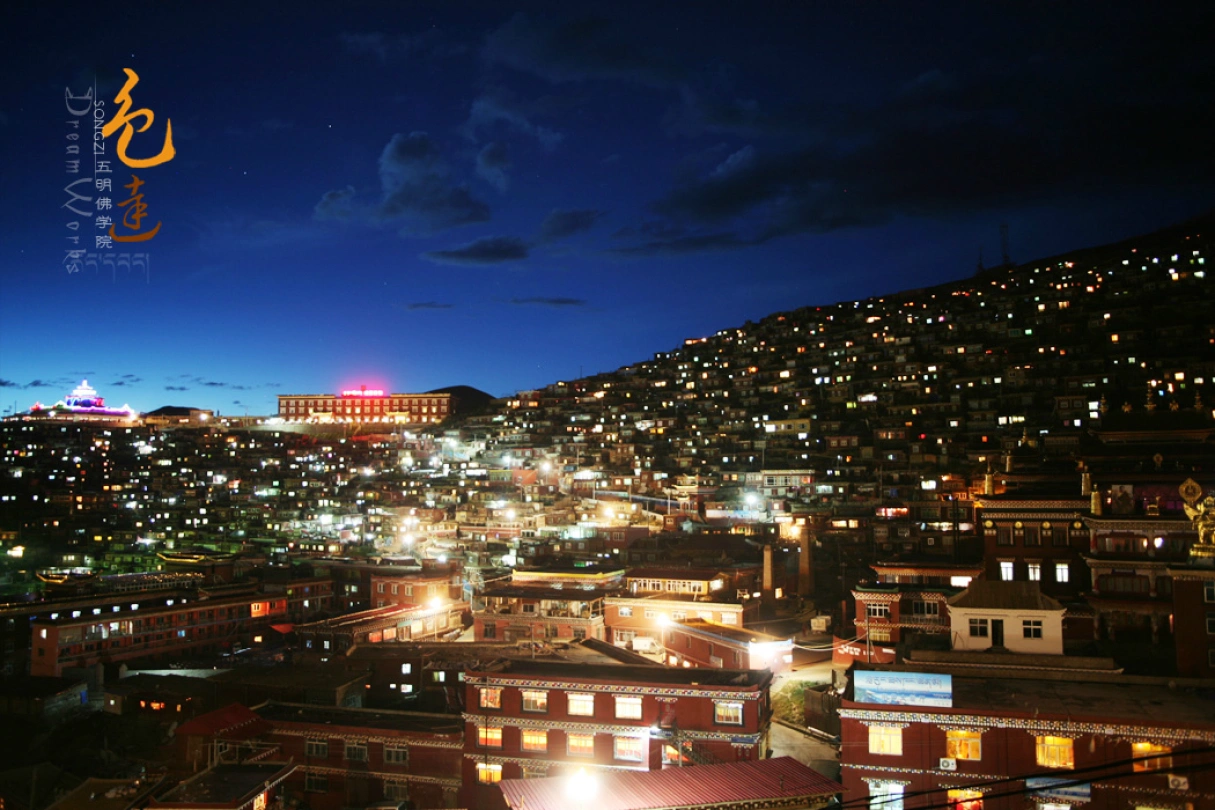
Sêxü Monastery is about 50 kilometers from Shiqu county town. Comprising over 100 temples, it's the largest monastery complex in Ganzi Prefecture. Founded in the 25th year of the Qianlong reign of the Qing Dynasty (1760), it houses both esoteric and exoteric colleges and is one of only two Gelug monasteries in the Kham region authorized to confer the "Geshe" degree. However, the 4,200-meter altitude naturally "limits" tourists; most visitors from outside are self-drivers.
Luoxu Town is a "plateau Jiangnan" with a more friendly altitude. On the Jinsha River Bridge, the sunset glow painted the river red, and at that moment, you realize: Sichuan and Tibet are just a step away. Shiqu lies within the Three-River-Source region, with vast alpine grasslands, abundant water resources, and wetlands nurturing this land. For the first time, we tasted the incredibly delicious Shiqu white mushroom—it was the wind of Zhadika Grassland carrying the scent of the fungus, a unique flavor of the Sun Tribe.
Baiyu · Kathok Monastery: A Hidden Retreat at 4,600 Meters
Kathok Monastery, perched atop a mountain at 4,600 meters, is a hidden retreat of the Nyingma school. Guarding the banks of the Jinsha River, facing Tibet across the river, it has over 800 years of history. Its grandeur and magnificence rival the Potala Palace, but without the noise—only the sound of chanting, the flutter of prayer flags, and the silhouettes of devout practitioners. Among countless monasteries, Kathok gave us the most profound shock.
Practical Tip: This is a true hidden gem. It's free to enter, free to park, no reservation needed, and accessible by car. But the last 10 kilometers of dirt road are steep, high, and without guardrails—requiring courage and skill from the driver.
Yarchen Gar: A Buddhist Nunnery Hidden in the Mountains
On our way back from Tibet in 2021, we made a special trip to Yarchen Gar but couldn't enter due to the pandemic. Four years later, we finally fulfilled our wish. Located in Baiyu County, Yarchen Gar is the most famous Buddhist nunnery on the Ganzi-Baiyu road and the place with the most female practitioners (jomo) in the world. Divided by a river, the nuns live on an island, while monks live outside. The scattered "matchbox" huts are their meditation cells—barely enough space for one person to sit cross-legged. Every winter, the jomo cut off all contact with the outside world, enduring 99 days of ascetic practice with the simplest food.
When we arrived at noon, it was raining, windy, and cold. Reluctantly, we waited for an hour—then the rain cleared, and the sun came out. The statue of Guru Rinpoche shone brilliantly in the sunlight.
Qinghai · Yushu: Every Stone Carries Devotion
From Shiqu to Yushu is only 145 kilometers, but you have to cross the Anbala Mountain Pass at 4,700 meters—the border between Sichuan (Shiqu) and Qinghai (Yushu). The navigation automatically avoided the construction section of National Highway 215, giving us an unexpected view of two large bends of the Tongtian River section of the Yangtze. It was a serendipitous bonus.
Jiegu Monastery features majestic Tibetan architecture, with red walls and golden roofs shimmering in the sun, and upturned eaves adding a touch of elegance. Built on a mountainside, the halls and monks' quarters are scattered in an orderly fashion. Climbing to the top, you can overlook the entire city of Yushu.

Xinzhai Jianamani Stone Scripture City is the only stone scripture city in the world built from text. It was reborn after the Yushu earthquake, gathering the wishes and blessings of countless believers. Walking clockwise around the mani stone mound is like flipping through a thick scripture book. At an altitude of over 3,600 meters, it has a history of 300 years, with a total of 2.5 billion mani stones. It is known as "the world's largest place for making wishes and offering prayers."
Princess Wencheng Temple echoes a thousand years of history. The precious cultural relics and murals preserved inside tell the moving story. The Buddha statues she ordered artisans to carve into the rocks of Nalabagou have watched the snow-capped mountains greet the sunrise for 1,300 years and listened to the turning of prayer wheels for 1,300 years.
[Link: Exploring Tibetan Buddhist monasteries in Western Sichuan]
Aba: A Poetic Tapestry of Snow and Autumn
Majiagou: God's Spilled Palette
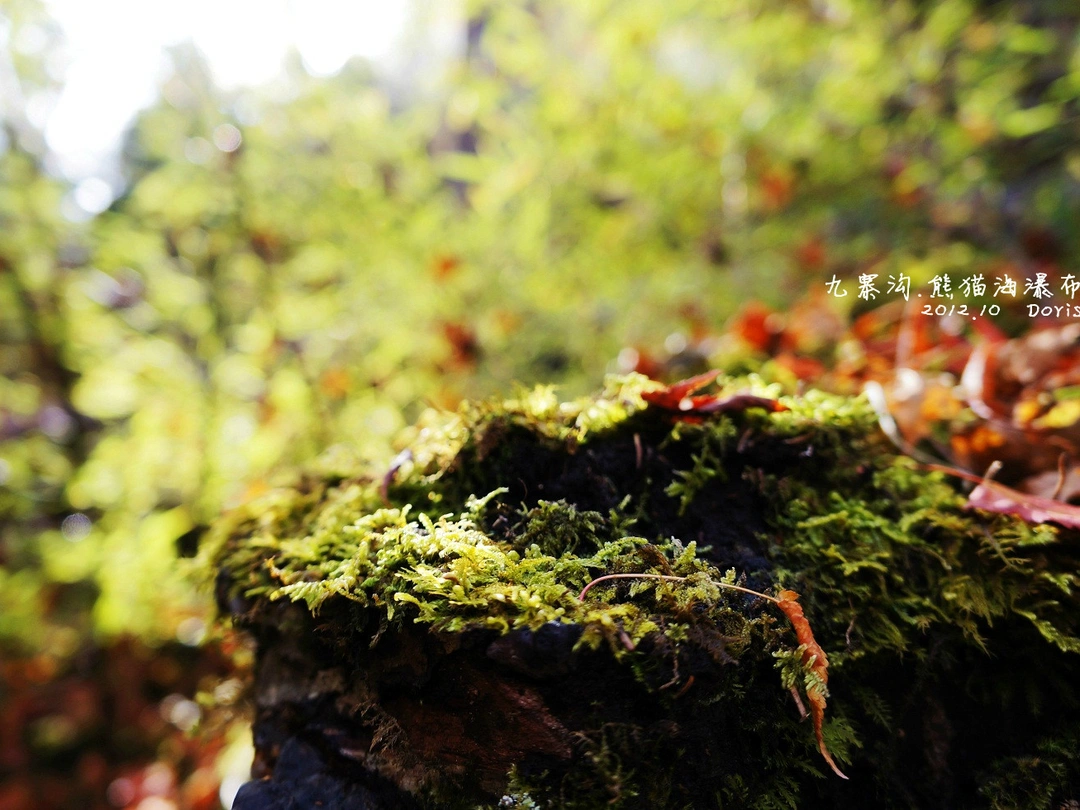
Under the autumn rain, we saved this year's leaf-peeping for the dreamlike, stunning Majiagou. The mountains were a riot of color, snow peaks either stretching endlessly or piercing the sky like swords, and the turquoise and emerald lakes reflecting the blue sky and white clouds—this is nature's gift, God's spilled palette. When snowflakes embraced the golden autumn, when ice and beauty merged, the poetry and imagery seeped into our hearts, intoxicating us.
October 25th in Majiagou was simply divine. The weather forecast predicted rain every day, but we set out on pure luck. Thanks to heaven's favor, we had clear skies all day, with occasional snow pellets adding to the brilliance of the autumn colors. We hiked 7 kilometers round trip on snow-covered, high-altitude boardwalks. Our legs were tired, but our eyes were in heaven—it was absolutely worth it.
Mengbi Mountain and Barkam: A Gentle Blanket of Snow
Late autumn's deep silence wrapped Mengbi Mountain and Barkam in a gentle blanket of snow. The landscape transformed into a monochrome dream—white peaks, dark forests, and the soft crunch of snow underfoot. It reminded us that slow travel isn't about covering distance; it's about feeling every step.
[Link: Best autumn leaf-peeping spots in Aba Prefecture]
FAQ: Planning Your Slow Travel Adventure in Western China
1. What is the best time to visit Shiqu and Yushu?
 Answer: The best time is September to October for clear skies, mild temperatures, and vibrant autumn colors. Winter is harsh (temperatures can drop to -20°C), while summer brings monsoon rains. Spring (May-June) is also pleasant but less colorful.
2. How do I prepare for high-altitude travel (4,000+ meters)?
Answer: Acclimatize gradually—spend 2-3 days at 3,000 meters before ascending higher. Stay hydrated, avoid alcohol, and carry Diamox (acetazolamide) for altitude sickness. Consider portable oxygen cans for emergencies. [Link: High-altitude travel tips for Tibet and Sichuan]
3. Is self-driving safe on these routes?
Answer: Self-driving is the most rewarding way to explore, but it requires a 4WD vehicle with good ground clearance and experienced drivers. Roads are often unpaved, steep, and without guardrails. Check weather forecasts, carry a spare tire, and download offline maps. Local guides are recommended for first-timers.
4. What should I pack for a slow travel trip to these regions?
 Answer: Pack layers (thermal base, fleece, windproof jacket), sturdy hiking boots, sun protection (hat, sunglasses, SPF 50+), and a reusable water bottle. Don't forget a camera with extra batteries—cold drains power quickly. Also, bring snacks and a portable charger, as services are sparse.
5. Are these destinations suitable for families with children?
Answer: Some spots, like Majiagou and Jiegu Monastery, are family-friendly with gentle walks. However, high-altitude areas like Shiqu (4,200m) and Kathok Monastery (4,600m) are not recommended for children under 10 or anyone with respiratory issues. Always consult a doctor before traveling to high altitudes.
Conclusion: Embrace the Poetry of Slow Time
Our 2025 journey taught us that the most profound travel experiences don't come from ticking off bucket-list landmarks but from wandering into the unknown—where every stone carries devotion, every autumn leaf tells a story, and every high-altitude monastery whispers centuries of faith. Whether you're drawn to the Sun Tribe of Shiqu, the stone scripture city of Yushu, or the snow-dusted valleys of Aba, the key is to move slowly, breathe deeply, and let the landscape shape your rhythm.
As the new year dawns, we invite you to step away from the rush. Plan a journey that prioritizes presence over productivity, connection over consumption. Let the poetry of slow time find you—in the silence of a mani wall, the glow of a golden stupa, or the crunch of snow underfoot.
Your turn: Which of these hidden gems calls to you most? Share your thoughts in the comments below, or start planning your own slow travel adventure today. The road is waiting—and it has no deadlines.
[Link: How to plan a sustainable slow travel itinerary]
This article is based on personal travel experiences from 2025. Altitudes, distances, and historical details are accurate as of the time of writing. Always verify current conditions before traveling.
You may also like