The Lingering of Time, Since Ancient Times — Autumn Whispers of Jiuzhaigou: A Complete Travel Guide
Meta Description: Discover the magic of Jiuzhaigou in autumn with this SEO-optimized travel guide. From primeval forests to Mirror Lake, learn when to visit, what to see, and how to plan your trip. Includes FAQs, route tips, and packing advice.
Introduction: When the World Falls Silent in Jiuzhaigou
Have you ever stood in an ancient forest, soft moss beneath your feet, dappled light overhead, and heard nothing but wind and water? In that moment, time no longer flows like a rushing river—it becomes a still lake, allowing you to lean in and gaze at your own reflection.
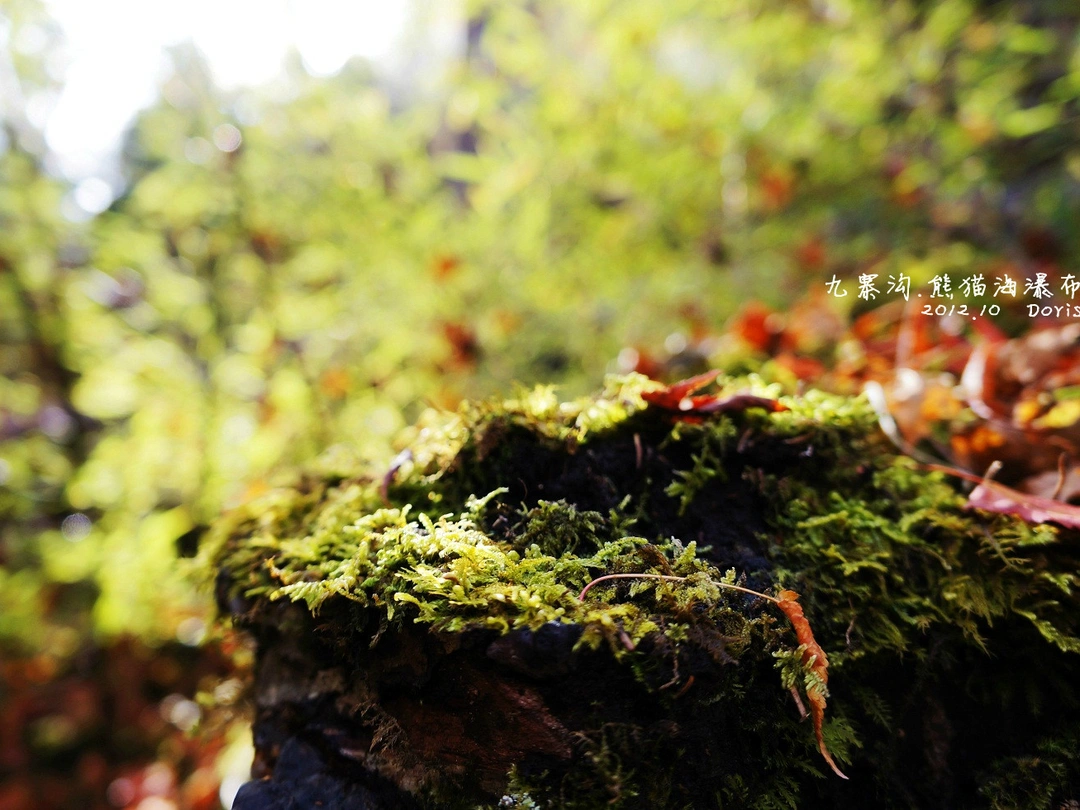
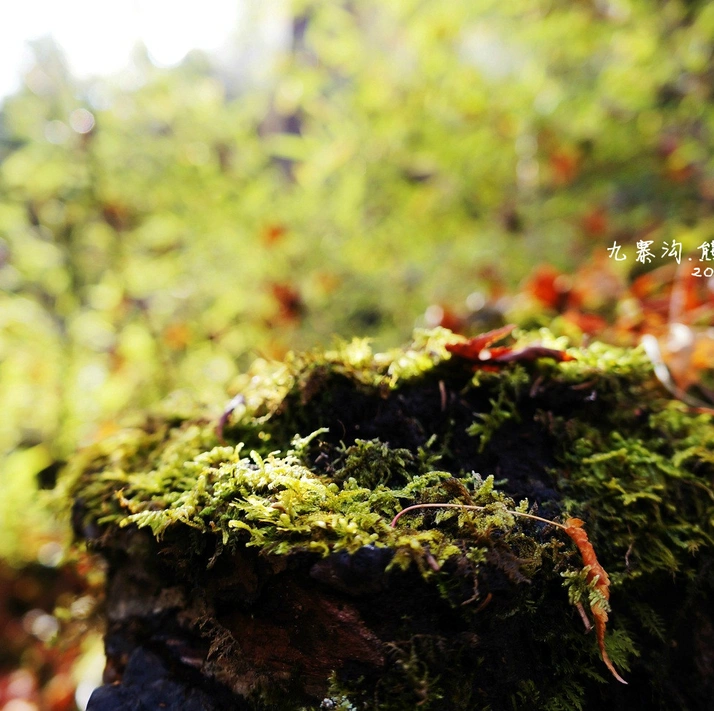
Jiuzhaigou is exactly that kind of place. Unlike crowded tourist traps, it resembles a wise hermit dwelling in the mountains—silent, yet telling secrets about time and life through every blade of grass, every tree, every drop of water, and every stone. People often say, "After seeing Jiuzhaigou's waters, no other waters are worth seeing." But the moss and pine trees here—those patches of green quietly thriving in the damp air, those fallen logs lying in the water—are time's most faithful witnesses.
This Jiuzhaigou autumn travel guide will help you plan an unforgettable visit, whether you're a first-time traveler or a returning explorer. We'll cover everything from Jiuzhaigou travel tips and best time to visit Jiuzhaigou to detailed Jiuzhaigou itinerary suggestions.
Why Visit Jiuzhaigou in Autumn?

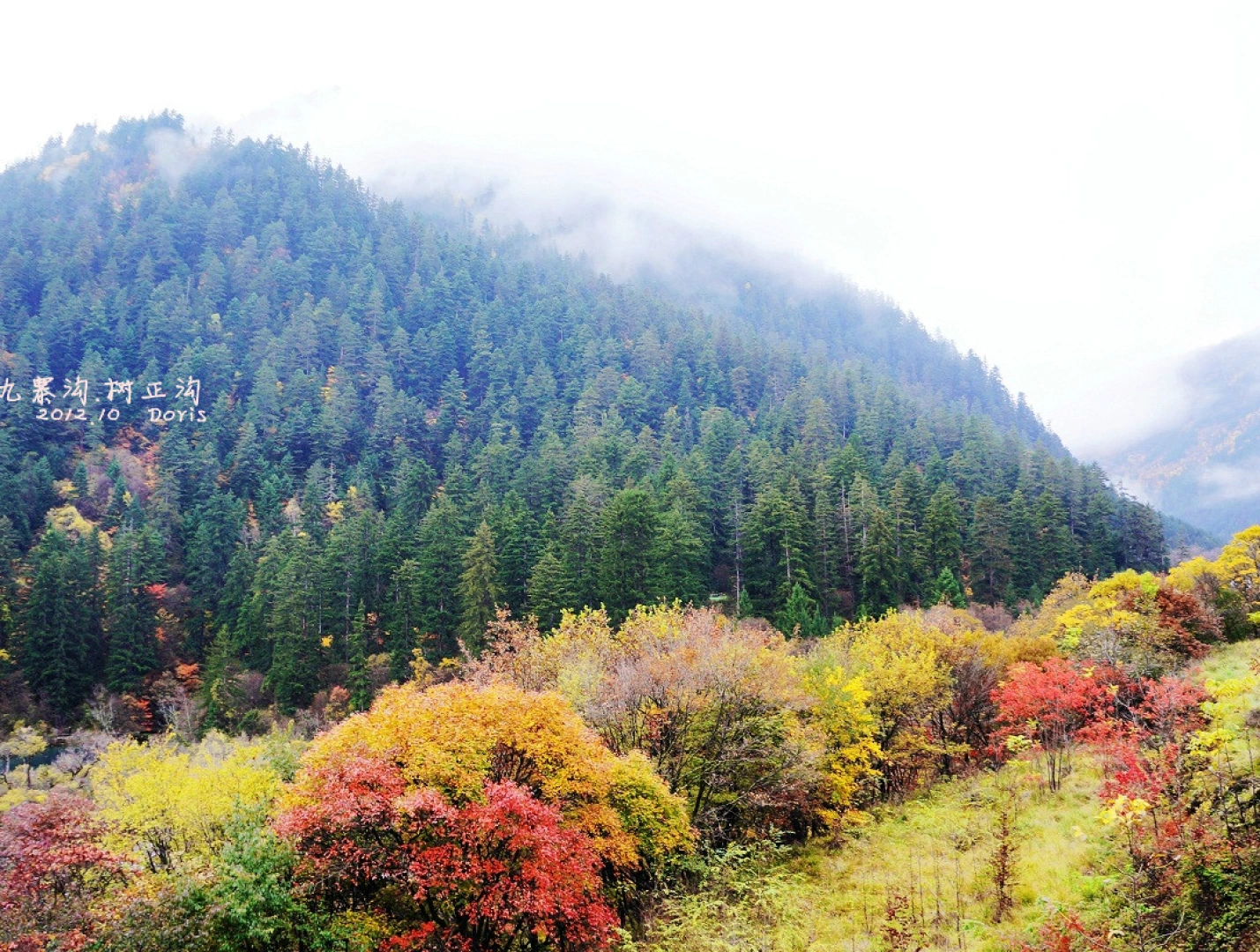
Autumn is arguably the best time to visit Jiuzhaigou. The foliage transforms into a kaleidoscope of gold, crimson, and amber, reflecting in the crystal-clear lakes. The weather is crisp and comfortable, with fewer crowds than summer. If you're searching for Jiuzhaigou photography spots, autumn delivers dramatic light and color that will leave you speechless.
Long-tail keyword variations: - Jiuzhaigou autumn foliage guide - Best time to visit Jiuzhaigou for fall colors - Jiuzhaigou travel tips for first-time visitors - Jiuzhaigou itinerary for photographers
Getting to Jiuzhaigou: A Belated Encounter
Jiuzhaigou had been on my travel list for ages. Finally, this autumn, I made the journey with my middle school best friend, Xiao Lin. We were like two people showing up to a long-overdue appointment—years late, but we'd finally arrived.
How to Get to Jiuzhaigou from Chengdu
From Chengdu, we chose the bus at Chadianzi Bus Station. A word of advice: Xinnanmen Station has four buses departing before 8 a.m., but during peak season you need to buy tickets in advance. We missed them, so we switched to Chadianzi. Although Chadianzi is farther from the city center, it's conveniently accessible by subway. It's best to purchase your tickets the day before. The inquiry number is 028-87506610.
Route: Chengdu → Dujiangyan → Yingxiu → Wenchuan → Maoxian → Songpan → Jiuzhaigou
Duration: Approximately 9 hours
Lunch stop: Maoxian (bring enough food)
Restroom stops: 1 yuan each (carry small change)
Nowadays, with so many tourists, the station adds extra buses, but most are subcontracted to private operators. When we finally snagged the last bus tickets, we felt as giddy as children—that sensation of catching something important at the very last moment.
Jiuzhaigou Ticket Prices and Discounts
| Season | Admission Fee | Sightseeing Bus Fee |
|---|---|---|
| Peak (Apr 1 – Nov 15) | 220 yuan | 90 yuan |
| Off-peak (Nov 16 – Mar 31) | 80 yuan | 80 yuan |
Pro tip: Student IDs get you a half-price discount. The bus ticket is a one-time purchase, valid only within the valley—once you exit, it's no longer valid.
[Link: How to save money on Jiuzhaigou tickets]
Jiuzhaigou Valley Layout: The Y-Shape Explained
Jiuzhaigou is laid out in a Y-shape. Understanding this structure is key to planning your Jiuzhaigou itinerary:
- Base: Shuzheng Valley
- Left fork: Zechawa Valley
- Right fork: Rize Valley
Tour groups are usually advised to focus on Rize Valley, and that's solid advice—the lakes on the right side are more concentrated, and the famous Five Flower Lake beckons proudly from there.
Day 1 Itinerary: Exploring Rize Valley
Route Overview
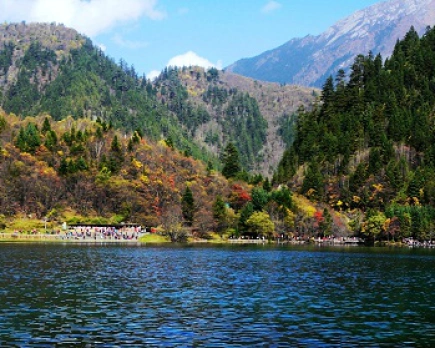
Shuzheng Valley (Shuzheng Lakes, Tiger Lake, Shuzheng Waterfall) → Rize Valley (Primeval Forest) → Swan Lake → Panda Lake → Five Flower Lake → Pearl Shoal Waterfall → Mirror Lake → Nuorilang Waterfall
Primeval Forest: Breathing in the Ancient Air
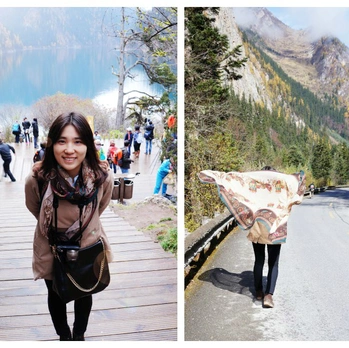
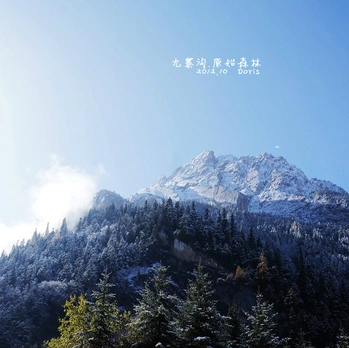
We took the sightseeing bus from Shuzheng Valley to the top of Rize Valley, the Primeval Forest at an elevation of 2,900 meters. It already looked like winter there, with pristine snow covering the ground, yet the sunlight was bright and warm. At the foot of the snowy mountains, some people were renting Tibetan costumes for photos—vivid reds and greens that added a splash of life to this white world.
Best route: Walk from the Primeval Forest along the boardwalk to Swan Lake. However, part of the boardwalk had collapsed and was closed, so we followed the winding mountain road instead. A bit dangerous, but the immersive experience was indescribable.
Swan Lake to Five Flower Lake: Getting Lost in Light and Shadow
On the way from the Primeval Forest to Swan Lake, I saw Jiuzhaigou at its most captivating. Those trees fallen into the water—alive, they were scenery; dead, they still are. They lie quietly in the water, covered in moss, as if time had draped a cloak over them. Sunlight filters through the gaps in the leaves, casting dappled shadows on the water's surface.
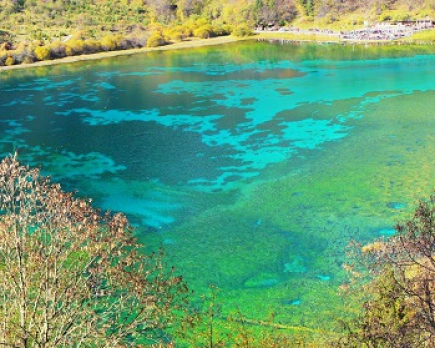
Finally, we reached Swan Lake. The water was crystal clear, with aquatic plants swaying softly beneath the surface. I stood there wrapped in a bright red scarf—which, as it turned out, matched the color of a monk's robe.
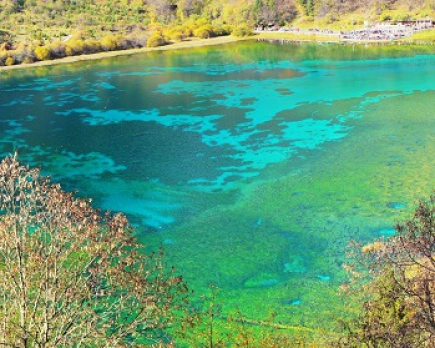
We took the bus from Swan Lake to Panda Lake, then walked to Five Flower Lake. It's no exaggeration to say that Five Flower Lake is the pride of Jiuzhaigou. The rich algae and fungi on the lakebed create a riot of colors on the surface, like a giant palette. To get the full panoramic view, walk along the boardwalk to an observation deck. From there, looking down, the lake resembles a peacock spreading its tail—hence its other name, Peacock Lake.
[Link: Five Flower Lake photography tips]
Mirror Lake: A Mirror of Time
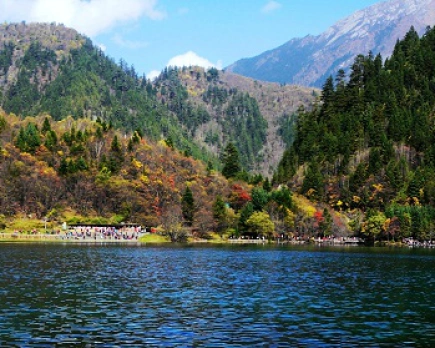
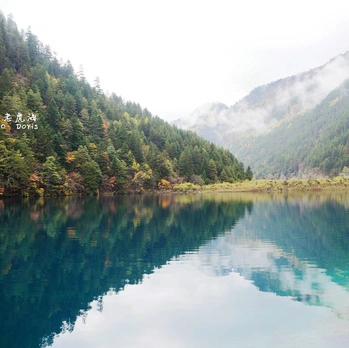
After passing Pearl Shoal Waterfall, we walked along the boardwalk at Mirror Lake. Far from the winding mountain road, it was so quiet it felt like another world. Mirror Lake is most beautiful before 8 a.m., when it truly lives up to its name, without a single ripple. Even though we arrived in the afternoon, the sight still filled us with joy.
In the distance, snow-capped mountains seemed to bless this earthly paradise. The sightseeing bus drivers were incredibly skilled, taking turns without slowing down.
Day 2 Itinerary: Zechawa Valley and Hidden Gems
On the second day, we entered the valley early, hoping to stay longer. The morning weather was overcast with clouds and mist. We took the bus straight to Long Lake, only to leave disappointed. Luckily, we had chosen a two-day visit, giving us plenty of time to go back and forth. Just after noon, the sun finally decided to show its face, so we took the bus from Nuorilang Transfer Station back to Long Lake—and sure enough, Long Lake under sunlight was far more magnificent and beautiful.
Long Lake to Five Color Pond
From Long Lake to Five Color Pond, the only way is by walking the boardwalk. Following the path, everyone moved forward together. Then, around a certain bend, a sudden flash of blue burst into view. It was that heart-stirring shade of blue that you just can't tear your eyes away from.
While taking a panoramic shot, I accidentally discovered a large heart shape—nature truly is amazing. Why did the mineral deposits leave behind a perfect heart? The mountains and waters are so full of spirit.
Tibetan Villages: Traces of Faith
Most of the Tibetan villages within Jiuzhaigou have become commercialized; the original ones are virtually gone. But the prayer flags scattered everywhere bear witness to the deep and devout faith of the people here.
We visited a Tibetan kitchen, where we learned about traditional cooking methods and local ingredients. If you're interested in Jiuzhaigou cultural experiences, this is a must-do.
[Link: Tibetan culture in Jiuzhaigou]
Jiuzhaigou Travel Tips and Packing List
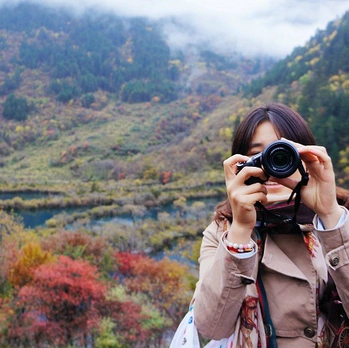
What to Pack for Jiuzhaigou in Autumn
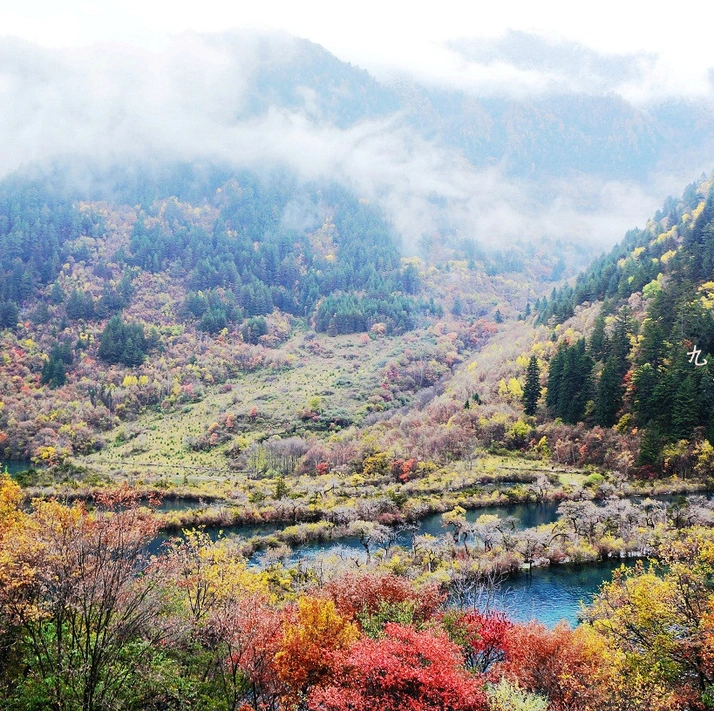
- Layers: Temperatures vary greatly between morning and afternoon
- Comfortable walking shoes: You'll be on your feet for hours
- Camera with extra batteries: Cold weather drains batteries faster
- Water bottle: Stay hydrated at high altitudes
- Snacks: Food options inside the valley are limited and expensive
- Small change: For restroom stops (1 yuan each)
- Sunscreen and sunglasses: UV rays are stronger at high elevations
Best Time to Visit Jiuzhaigou
| Season | Pros | Cons |
|---|---|---|
| Autumn (Oct-Nov) | Stunning foliage, comfortable weather | Peak season crowds |
| Spring (Apr-May) | Fewer tourists, blooming flowers | Some areas may be closed |
| Summer (Jun-Aug) | Lush greenery, warm weather | Rainy, crowded |
| Winter (Dec-Mar) | Snow-covered landscapes, cheaper tickets | Very cold, some paths closed |
Jiuzhaigou Photography Tips
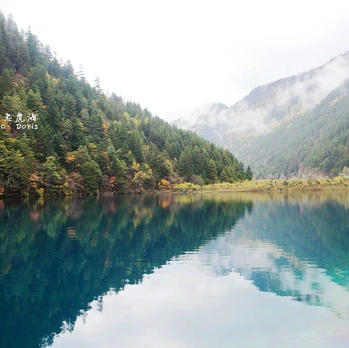
- Mirror Lake: Arrive before 8 a.m. for perfect reflections
- Five Flower Lake: Visit midday for the best colors
- Long Lake: Afternoon sunlight creates dramatic contrasts
- Primeval Forest: Early morning for misty, atmospheric shots
FAQ: Jiuzhaigou Travel Questions
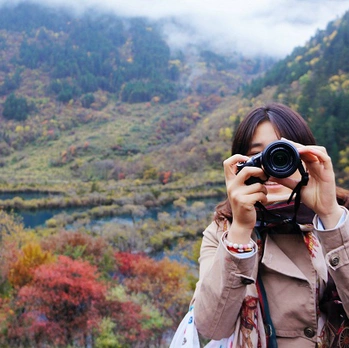
1. How many days should I spend in Jiuzhaigou?
Answer: We recommend 2 days to fully experience the valley without rushing. This allows you to explore both Rize Valley and Zechawa Valley at a relaxed pace, and gives you flexibility if weather conditions change.
2. Is Jiuzhaigou worth visiting in autumn?
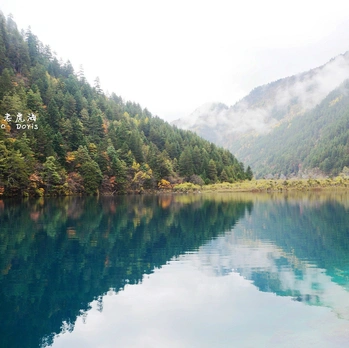
Answer: Absolutely. Autumn is the best time to visit Jiuzhaigou for fall foliage. The combination of golden leaves, crystal-clear lakes, and snow-capped mountains creates a breathtaking landscape that's unmatched in any other season.
3. Can I visit Jiuzhaigou on a budget?
Answer: Yes. Use student discounts if applicable, visit during off-peak season (Nov 16 – Mar 31) when tickets are cheaper, and bring your own food to save on meals. Consider staying outside the valley for more affordable accommodation.
4. What is the altitude of Jiuzhaigou?
Answer: The valley ranges from 2,000 to 3,100 meters in elevation. The Primeval Forest sits at 2,900 meters. Most visitors don't experience altitude sickness, but it's wise to take it easy on your first day and stay hydrated.
5. Are there any dangerous areas in Jiuzhaigou?
Answer: Some boardwalks may be closed for maintenance, as we experienced on the Primeval Forest to Swan Lake route. Always follow official signs and avoid walking on closed paths. The mountain roads can be narrow, so stay alert and watch for buses.
Conclusion: Your Jiuzhaigou Adventure Awaits
Jiuzhaigou is not just a destination—it's an experience that lingers in your soul long after you've left. Whether you're standing at Mirror Lake at dawn, hiking through the Primeval Forest, or marveling at the colors of Five Flower Lake, every moment feels like a gift from time itself.
Ready to plan your trip? Book your tickets early, pack your bags, and prepare for an adventure that will leave you breathless. The mountains are calling, and the autumn whispers are waiting.
[Book Your Jiuzhaigou Tour Now]
Don't wait—peak season tickets sell out fast!
Have you visited Jiuzhaigou? Share your experience in the comments below, or tag us in your photos on social media using #JiuzhaigouAutumn.
You may also like


