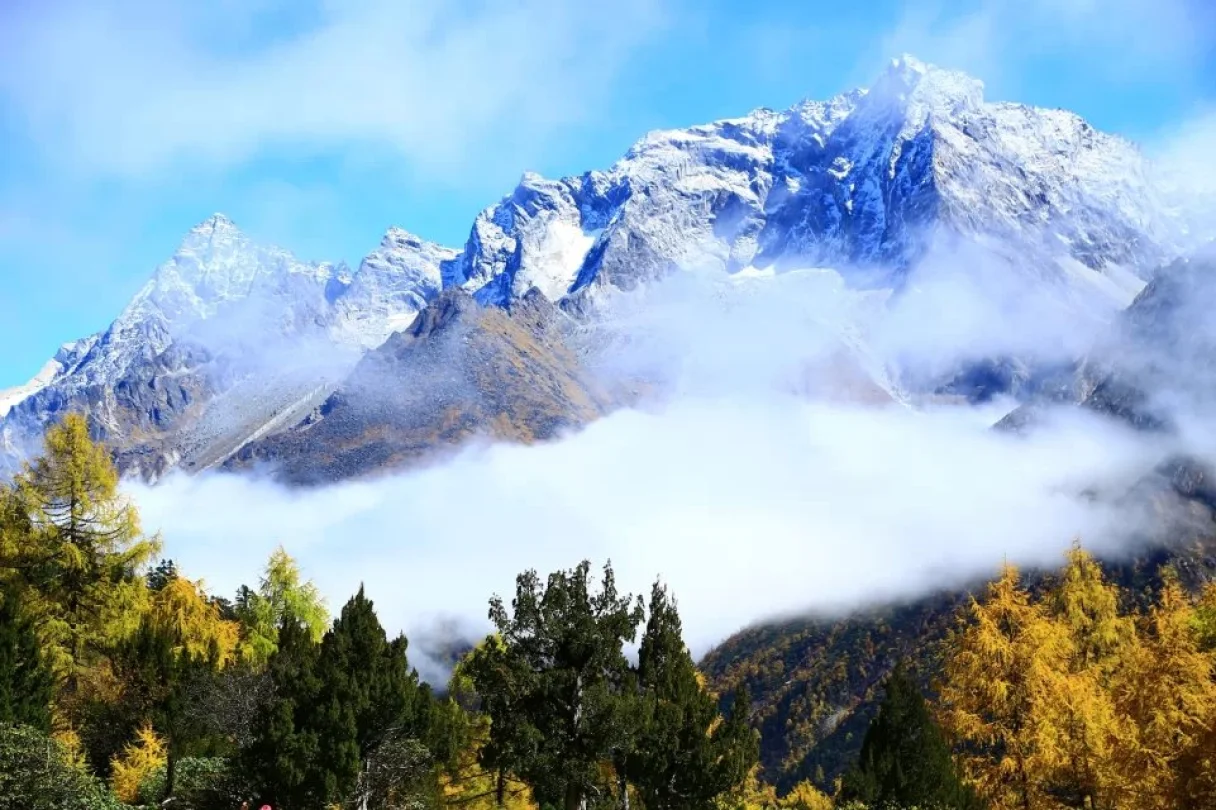
Muli: A Pure Hidden Land Deep in Liangshan, a Paradise Without Tickets or Commerce
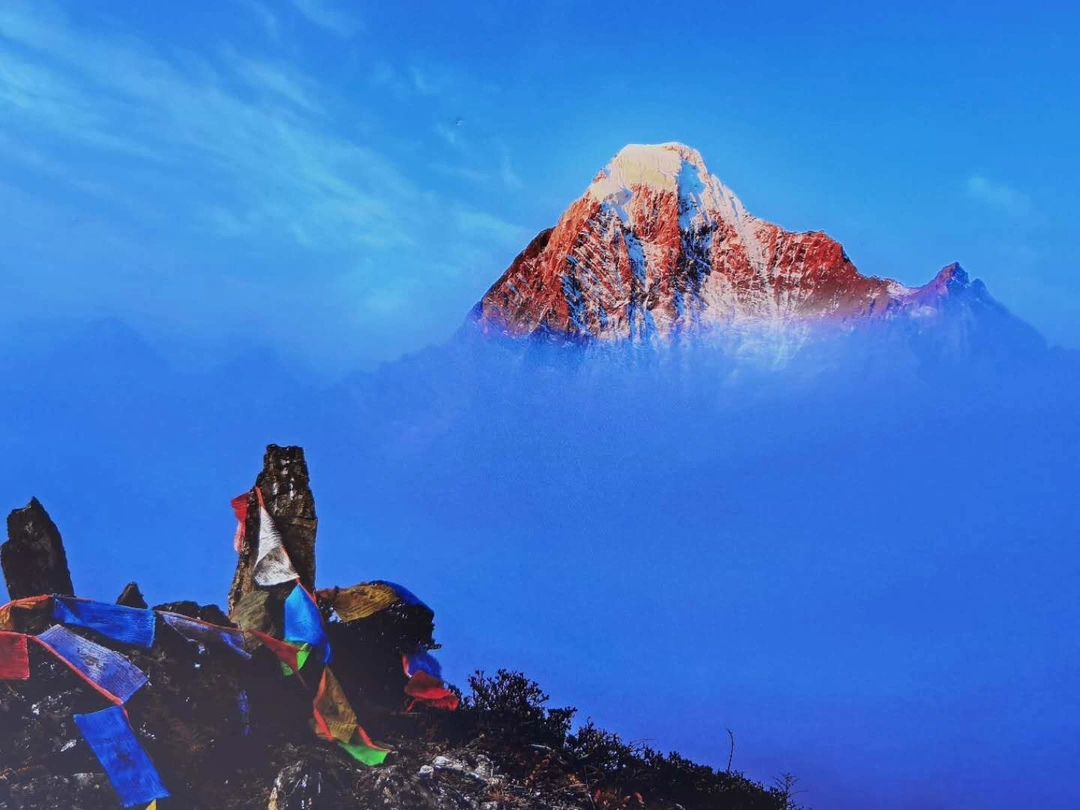
Meta Description: Discover Muli, a ticket-free hidden gem in Liangshan, China. Explore pristine landscapes, ancient villages, and family-friendly road trip tips in this untouched paradise.
Introduction: Why Muli Is the Ultimate Escape from Commercialized Tourism
When the noise of the city becomes suffocating, and the commercialization of tourist attractions leaves you exhausted, do you ever long for a truly pure place? A place with no ticket booths, no vendors shouting, only the most pristine natural scenery and the simplest human warmth. Welcome to Muli Tibetan Autonomous County—a hidden land deep in Liangshan Prefecture, Sichuan, where nature remains untouched and hospitality is genuine.

In 2020, during the National Day holiday, I took my entire family—my wife, two children, and three elderly relatives (two over seventy)—drove a seven-seat SUV, and set foot on this dreamland. This family road trip unexpectedly became our most unforgettable journey. If you, too, are searching for a travel destination that satisfies both the elderly and young children, follow my steps into this treasure land featured on the TV show "Charming China City" but still unspoiled by mass tourism.
The Origin: From "Charming China City" to Reality
In 2017, I watched an episode of "Charming China City" where Liangshan Prefecture competed against Xiangxi Prefecture. The secretary of the Liangshan Prefecture Party Committee introduced a stunning route: Xichang—Yanyuan Lugu Lake—Muli (Muli Grand Monastery, Eya Grand Village, Chalaang Dorje Snow Mountain)—Xichang. When the ancient buildings of Eya Grand Village and the majestic silhouette of Chalaang Dorje Snow Mountain appeared on screen, I was deeply shaken. From that moment, the name Muli was planted in my heart.
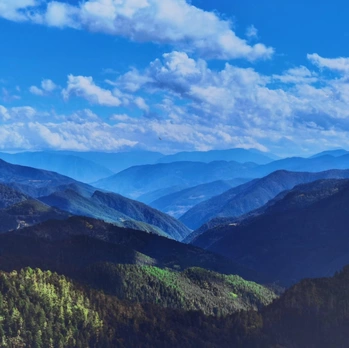
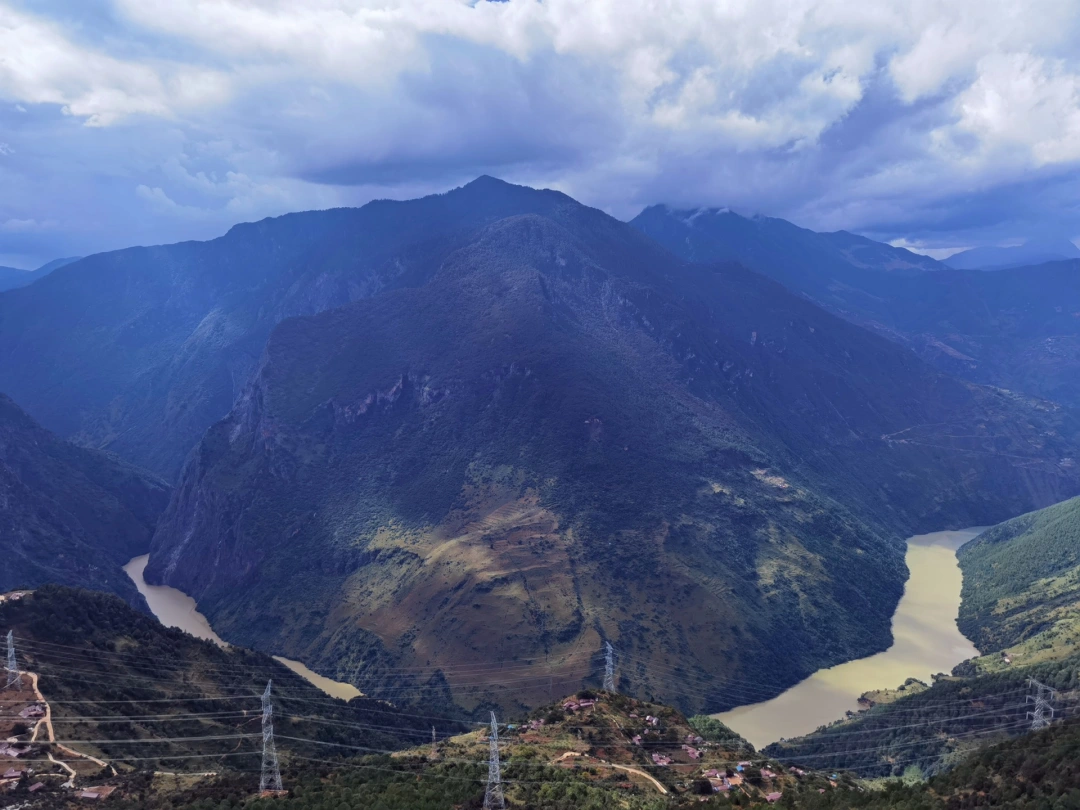
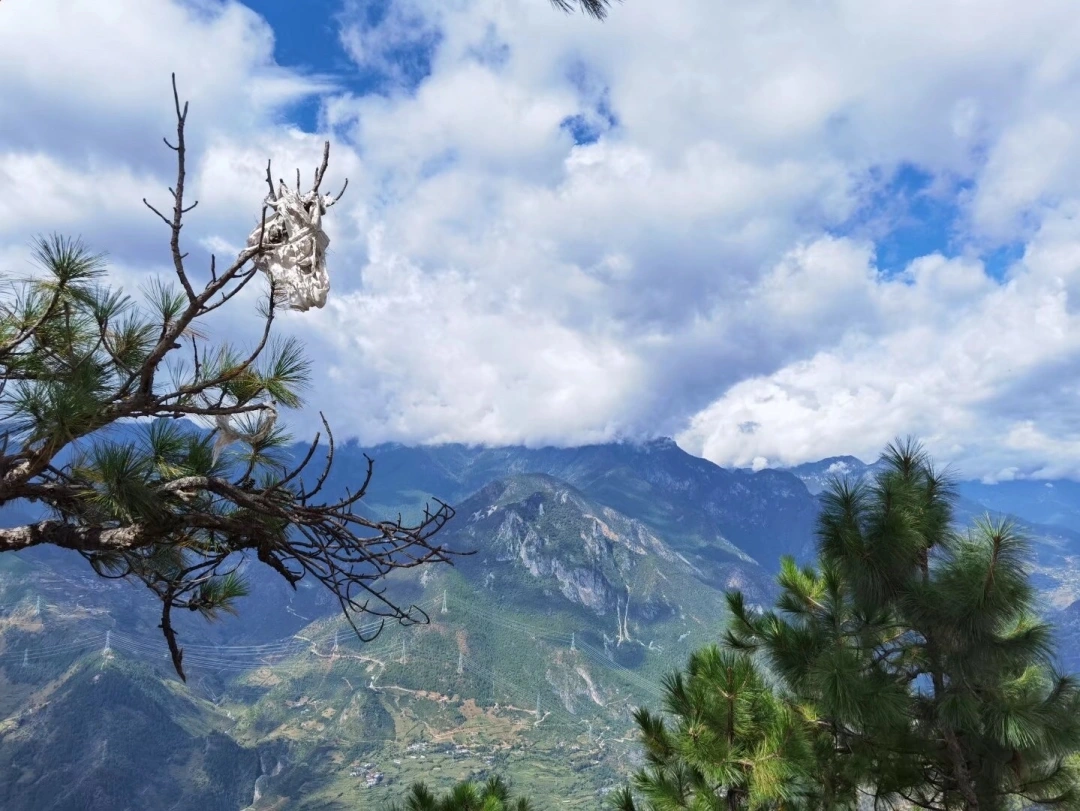
Three years later, the National Day holiday coincided with the Mid-Autumn Festival, giving us an eight-day break to realize this dream. Before departure, I researched the Luya Route—a scenic highway connecting Lugu Lake and Daocheng Yading, a large portion passing through Muli. Starting from Lugu Lake, passing through Wujiao Township, Eya Township, Eyatong Township, and Geka Township to reach Yading, this route runs through grand canyons and virgin forests, allowing you to experience the most pristine beauty in a single day.
[Link: Luya Route scenic drive tips]
Pre-Trip Preparation: What You Must Know When Traveling with the Whole Family
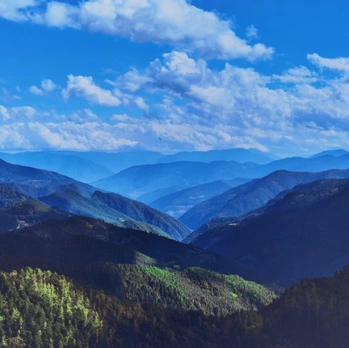
Route Planning: No Backtracking
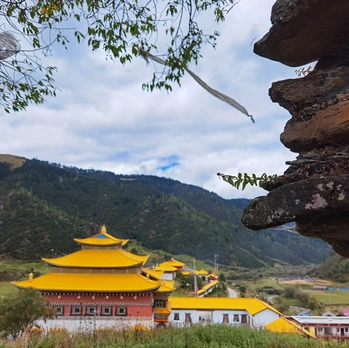
Our circular route was: Chongqing—Xichang—Muli County Town—Cundong Haizi (Long Lake), Kangwu Grand Monastery, 912 Forest Farm—Return to Muli County Town—Muli Grand Monastery—Luya Route (Wujiao Township to Lugu Lake section)—Lugu Lake—Xichang—Zhaojue (Cliff Village)—Leibo (Ma Lake)—Yibin—Chongqing. The entire trip took eight days with no backtracking, covering Muli's core attractions.
Cost Breakdown: Surprisingly Affordable
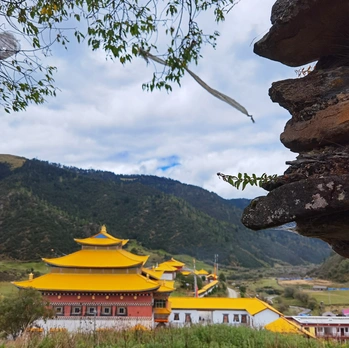
The entire trip cost about 9,000 RMB, including fuel (95-octane gasoline), accommodation, and meals. Split among five adults and two children, it was very reasonable. The simple reason: all attractions within Muli are free of charge! Entering Lugu Lake from Muli is also free. Even more surprising, there is not a single vendor selling tourist souvenirs or local specialties anywhere in Muli County—not even in the county town itself. No entertainment projects, no consumption traps, only pure natural scenery.
Gear and Clothing: Travel Light
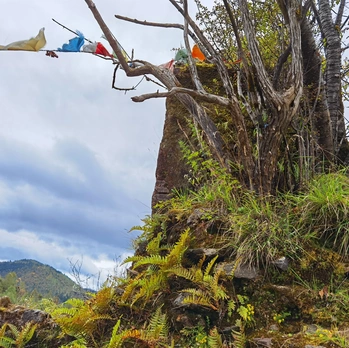
During the National Day holiday, in Xichang, you need a light jacket in the morning and evening, and short sleeves during the day. Muli has a slightly larger temperature difference: long-sleeve T-shirts during the day, and a windproof light jacket in the morning and evening. Zhaojue and Leibo are a bit cooler; long-sleeve T-shirts with jeans or a windproof jacket are sufficient. If you plan to camp, bring professional gear.
Food Reminder: Bring Your Own Dry Rations
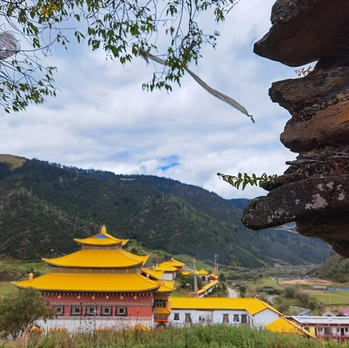
There are restaurants in Muli County Town, but all scenic areas are completely uninhabited—no restaurants, no convenience stores, not even water sellers! The only exception is a "Thirty-Three Water Station" on the road from the county town to Cundong Haizi, where instant noodles are sold. Additionally, Muli places great emphasis on forest fire prevention, and open-fire cooking is strictly prohibited. Therefore, bringing your own dry rations and self-heating rice is a wise choice.
Accommodation Advice: The County Town Is the Only Option
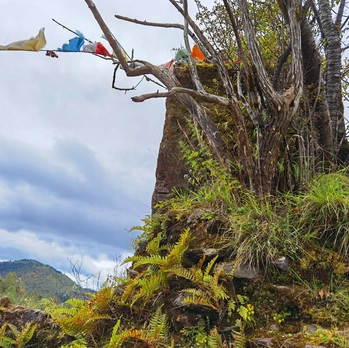
Within Muli, only the county town has hotels. There are no inns, hostels, or farm stays around the scenic areas or along the route. We stayed at the Shangri-La Hotel (Xiangbala Grand Hotel). During the peak National Day season, a standard room cost two to three hundred RMB. The facilities were complete but a bit dated, clean and tidy. The Tibetan staff were warm and polite. If conditions allow, camping is the most time-efficient and nature-close accommodation option.
Transportation: An SUV Is a Must
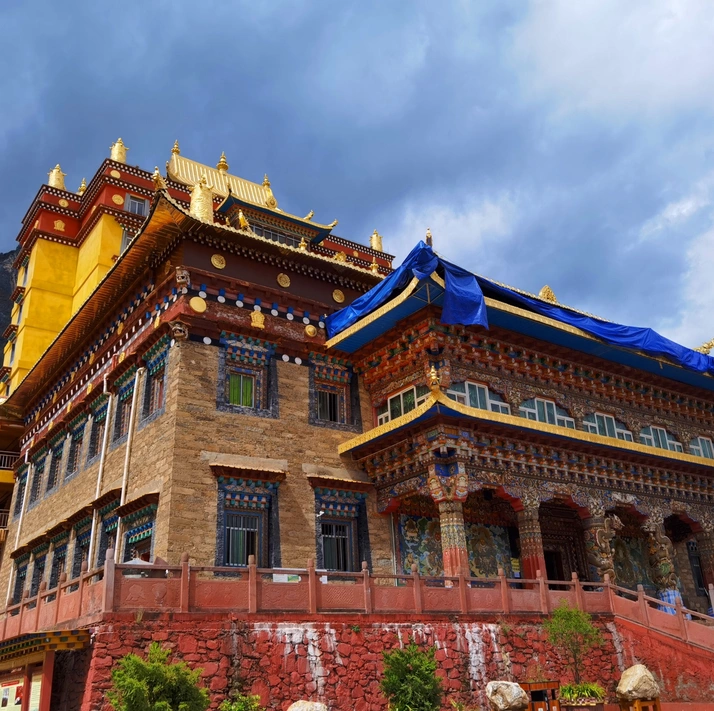
You must drive an SUV! The road from Xichang to Muli has some rough sections, but it improves once you enter National Highway 227. The asphalt road over Mianya Mountain is good but slippery when wet. The main roads within Muli are mostly asphalt, but roads to attractions like the 912 Forest Farm and Mana Chajin Viewing Platform are not yet fully paved. I recommend checking the travel guides of Wanzhou/Dabing before departure; he knows the road conditions in Muli very well.
[Link: Best SUV models for Sichuan mountain roads]
Travelogue: Eight Days and Seven Nights, from City to Hidden Land
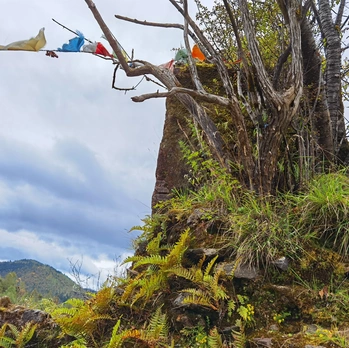
Day 1: Chongqing—Xichang, Meeting the "Best Host in China"
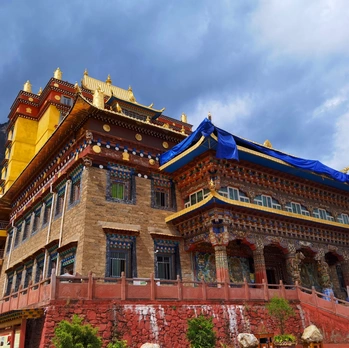
At 5 a.m. on October 1st, we set off from Jiulongpo, Chongqing. The Yaxi Expressway had been closed due to a landslide but fully reopened on the 25th. The road was smooth all the way. At noon, we ate fish in Shimian County Town—a local specialty. There is a restaurant just off the expressway, searchable on Amap.
We arrived in Xichang at 4 p.m. and checked into a pre-booked homestay. The location was excellent, close to Qionghai Lake and surrounded by great food options. Even more fortunate, our host, Zeren Jiacuo, was a native of Muli and had even represented Liangshan in "Charming China City"! This sunny and handsome Tibetan young man not only customized our itinerary and arranged our hotel in Muli but also prepared fruit in advance. The next day, he even brought cooked cured meat and yak meat. The kids were so excited, shouting, "We want to go back to our new home in Xichang!"
In the evening, we watched the sunset at Qionghai Park. It happened to be the Mid-Autumn Festival, and the moon rose over Qionghai Lake, breathtakingly beautiful. At night, we enjoyed local barbecue. The restaurant recommended by our host, Hu Si Ge, was quite good, with many branches; the flagship store is said to be the best.
Day 2: Xichang, the Space City and Qionghai Charm
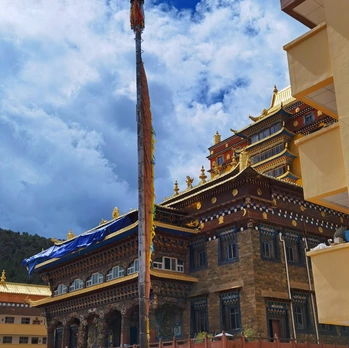
In the morning, we visited the Xichang Satellite Launch Center. The kids had been longing to go there. Although we could only watch from a distance, it was enough to get them excited. In the afternoon, we went to Little Fishing Village and took a boat for 30 RMB directly to Qionghai Park. In the evening, we tasted rural dishes from Lizhou; Lizhou tofu and sour fish hotpot are specialties. The Muli pears, cured meat, and yak meat brought by our host were an unexpected treat.
Day 3: Xichang—Muli, Driving into the Hidden Land
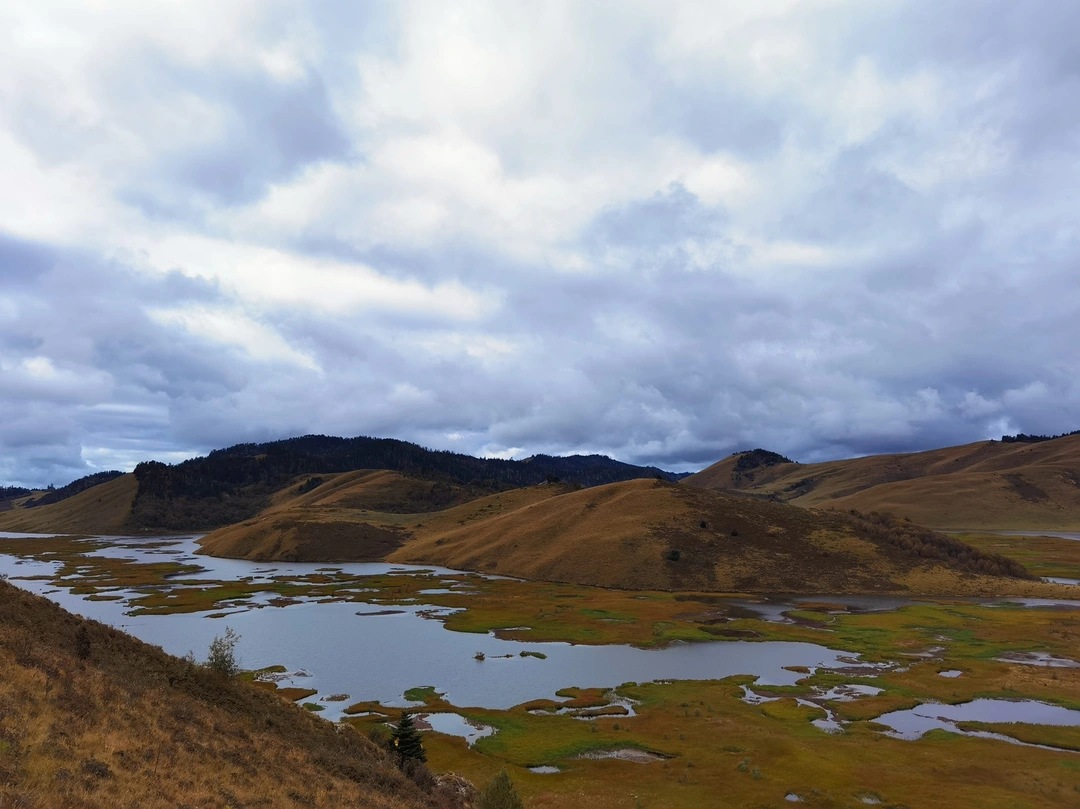
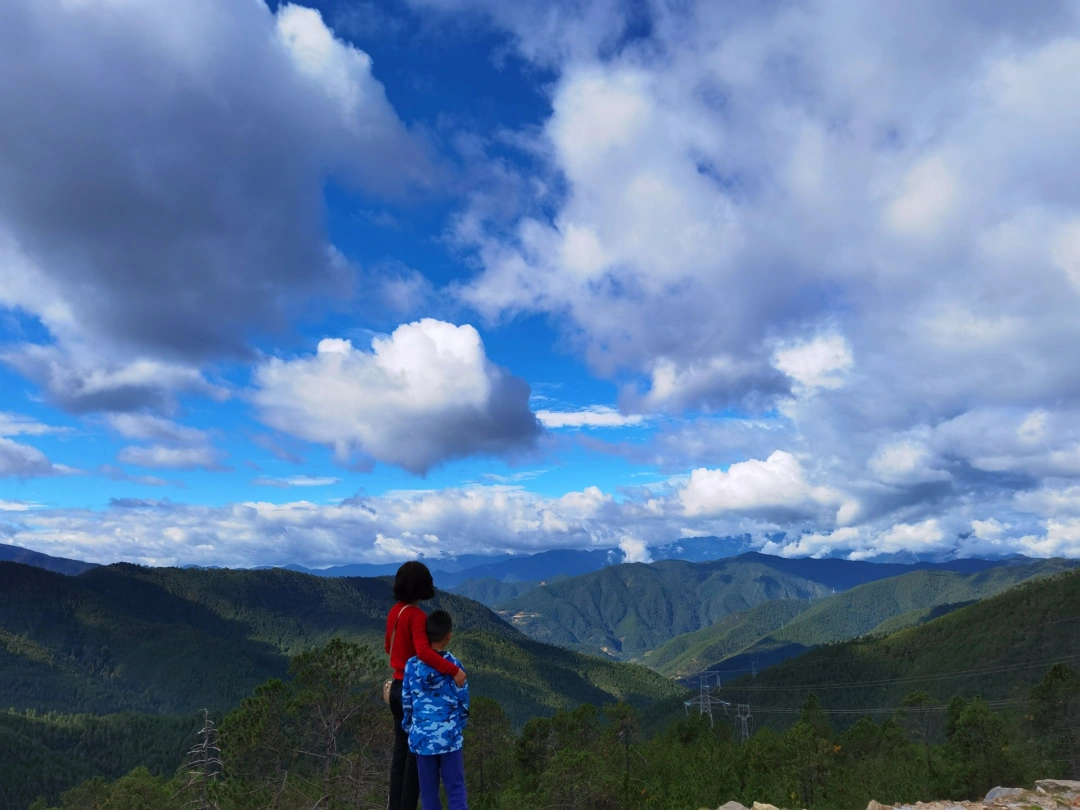
We set off at 9 a.m., and the journey took about six hours. First, we took the expressway, then switched to county roads. The roads were narrow and steep, and we had to be extra careful of pedestrians when passing through villages. After entering National Highway 227, the road conditions improved, and traffic was sparse. Along the way, cosmos flowers were in full bloom, their pink blossoms set against the blue sky and white clouds. The apple trees on both sides of the road in the Yanyuan section were heavy with fruit, making us want to open the sunroof and take a deep breath. After crossing Mianya Mountain, Muli County Town was right before our eyes.
[Link: National Highway 227 scenic drive highlights]
Day 4: Muli County Town—Cundong Haizi—Kangwu Grand Monastery—912 Forest Farm
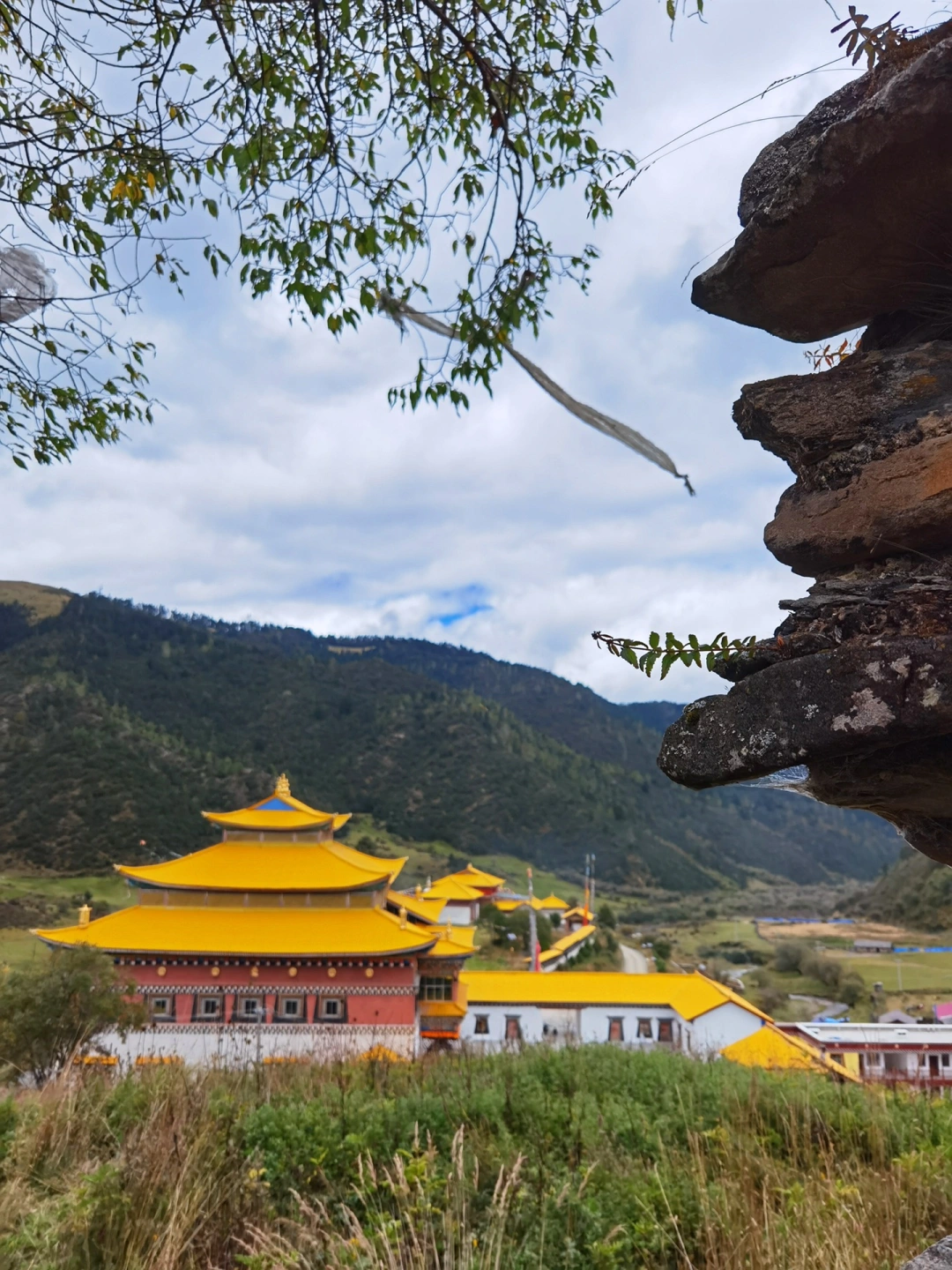
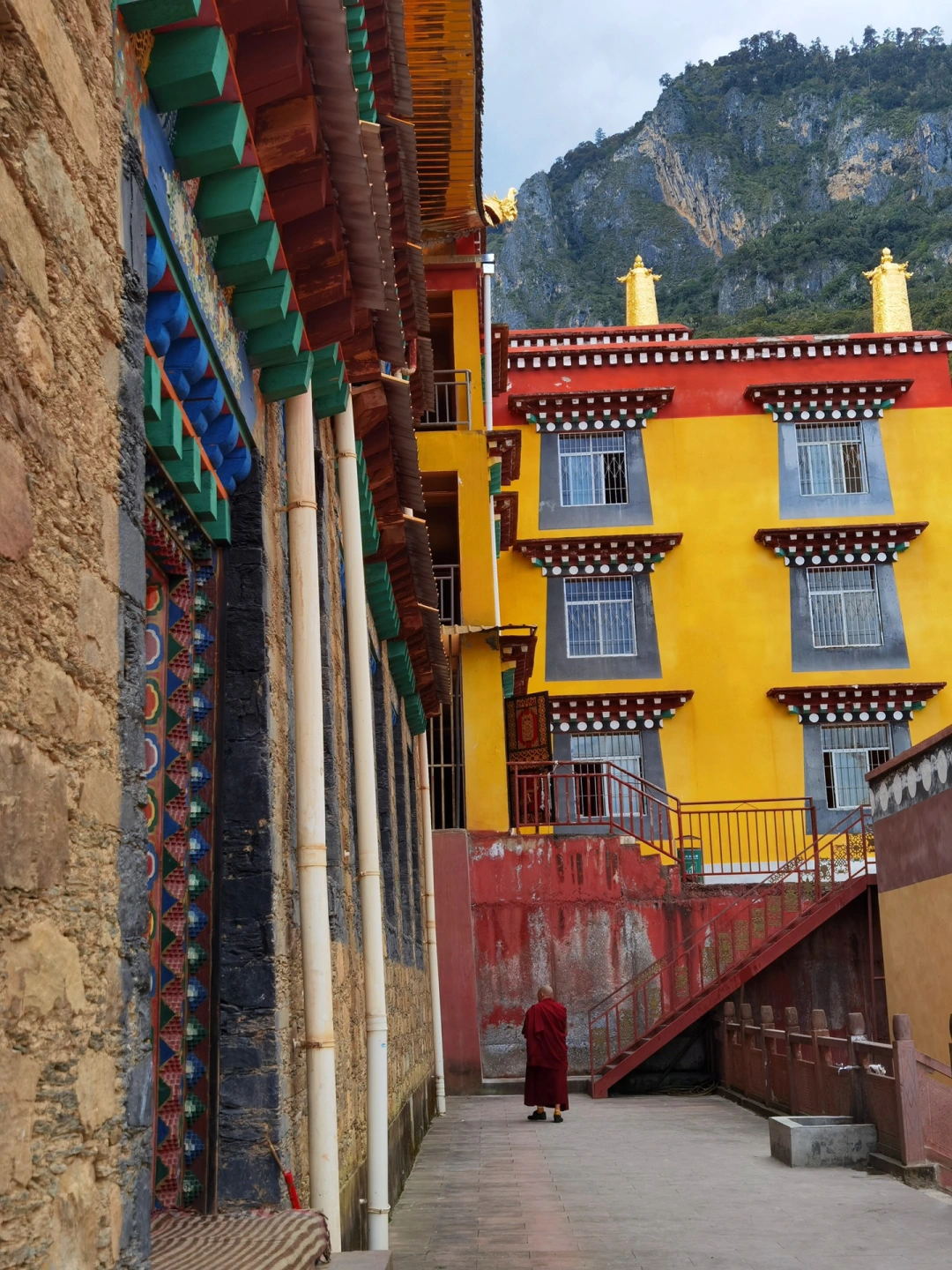
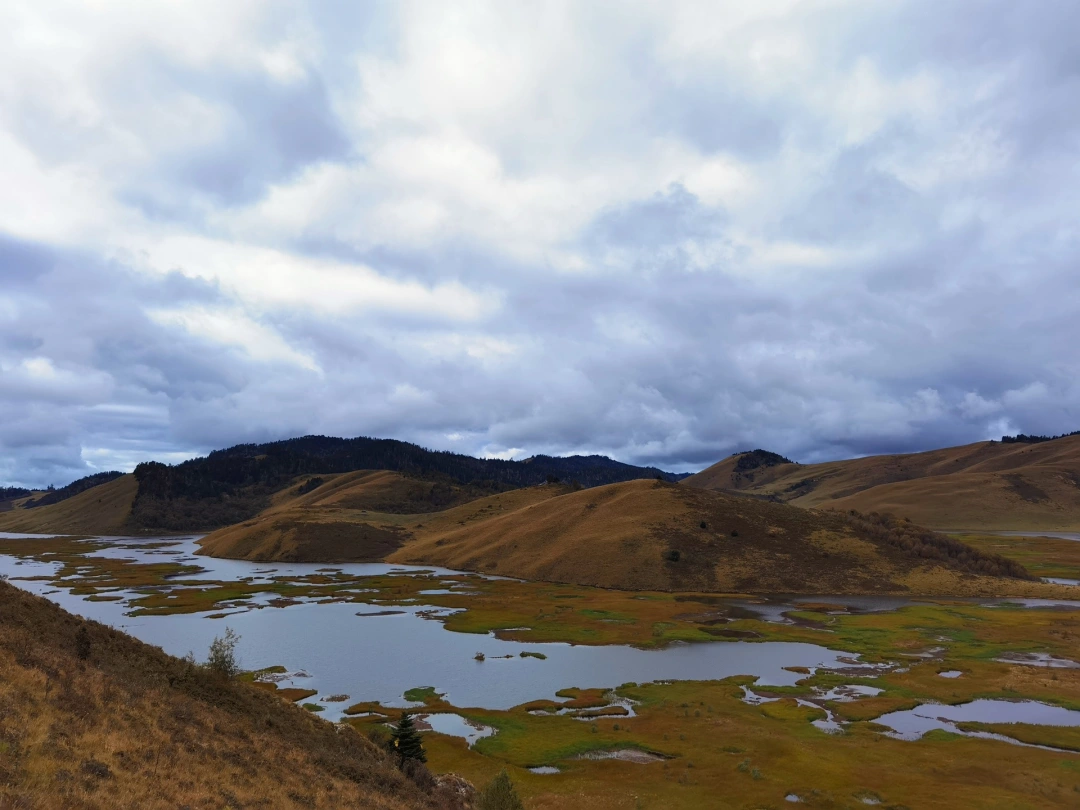
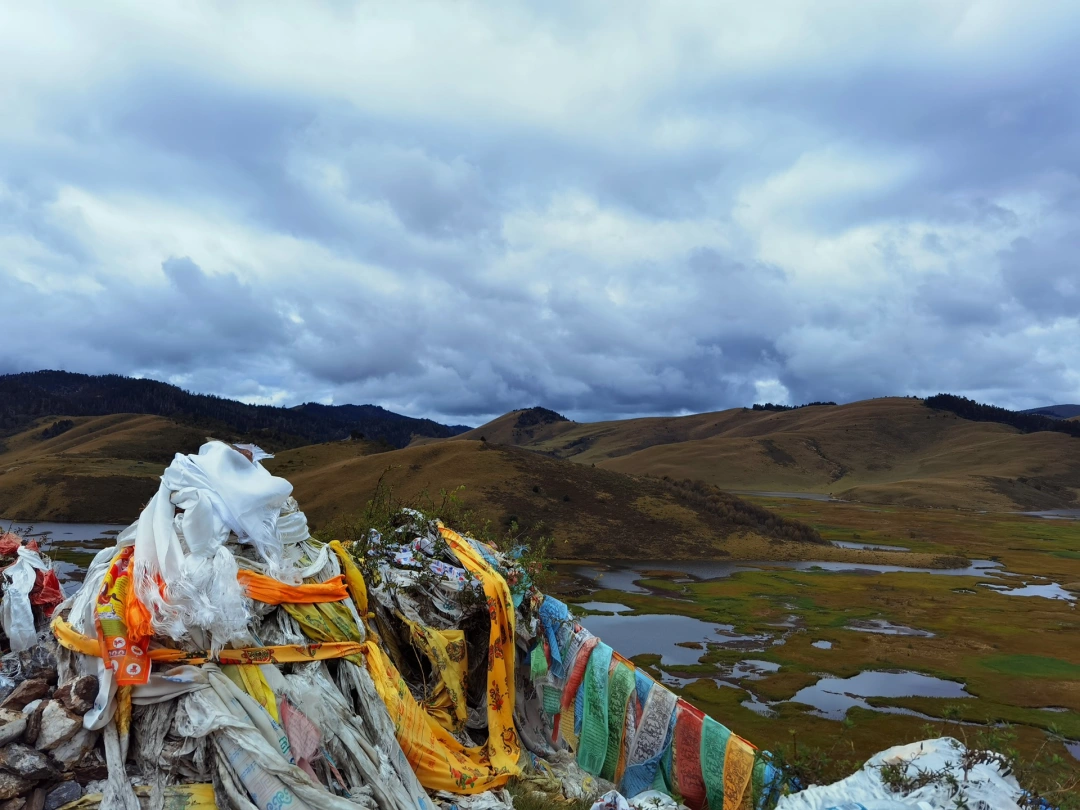
We departed early for Cundong Haizi (Long Lake), a stunning alpine lake surrounded by snow-capped peaks and dense forests. No tickets, no crowds—just pure silence. Next, we visited Kangwu Grand Monastery, a historic Tibetan Buddhist monastery with intricate murals and peaceful courtyards. Finally, we drove to 912 Forest Farm, a lesser-known gem where ancient spruce trees tower over mossy trails. The entire day felt like stepping into a painting.
Day 5: Muli County Town—Muli Grand Monastery—Luya Route
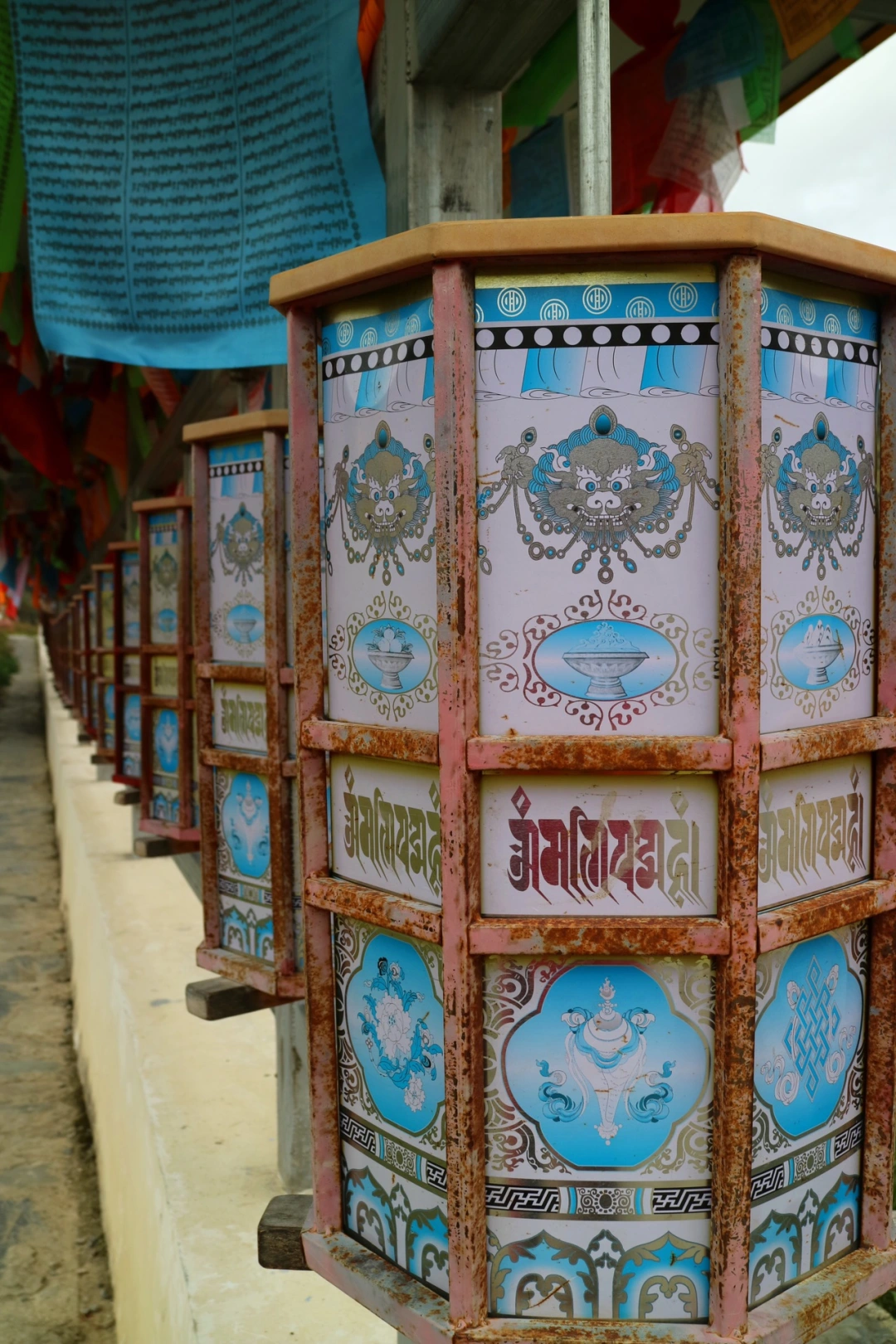
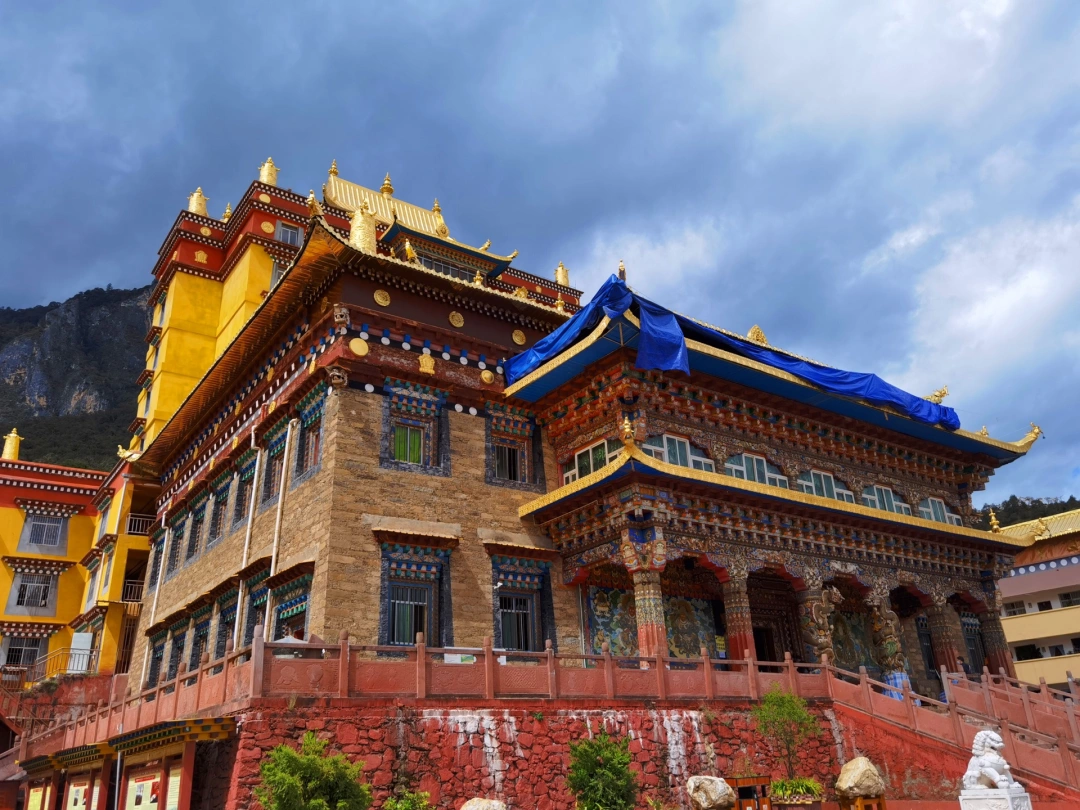
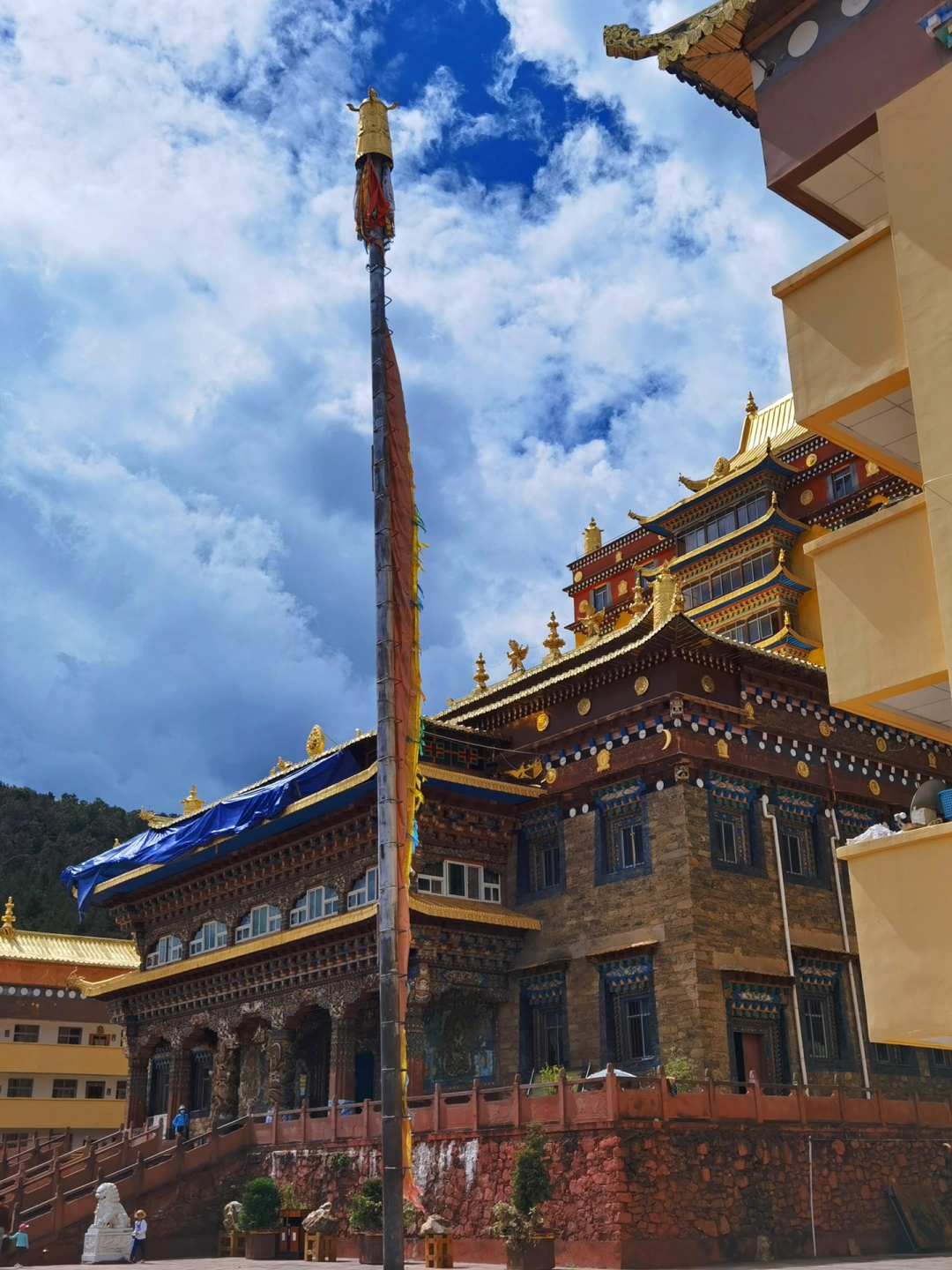
We spent the morning at Muli Grand Monastery, one of the largest and most important monasteries in the region. The golden roofs and prayer flags fluttering in the wind created a spiritual atmosphere. Then, we embarked on the Luya Route, driving through the Wujiao Township to Lugu Lake section. The road winds through canyons and forests, offering panoramic views at every turn. We stopped at Mana Chajin Viewing Platform for a photo opportunity.
Day 6: Lugu Lake—Xichang
Entering Lugu Lake from Muli is free—a rare treat. We spent the day exploring the lake's crystal-clear waters, visiting the Mosuo villages, and enjoying a boat ride. The contrast between the commercialized side of Lugu Lake and the untouched beauty of Muli was striking. In the evening, we returned to Xichang for a restful night.
Day 7–8: Zhaojue (Cliff Village)—Leibo (Ma Lake)—Yibin—Chongqing
On the final days, we visited Zhaojue's Cliff Village, an incredible settlement built on sheer cliffs, and Leibo's Ma Lake, a serene reservoir surrounded by lush hills. The journey back to Chongqing via Yibin was smooth, and we arrived home with hearts full of gratitude and memories.
Why Muli Should Be on Every Traveler's Bucket List
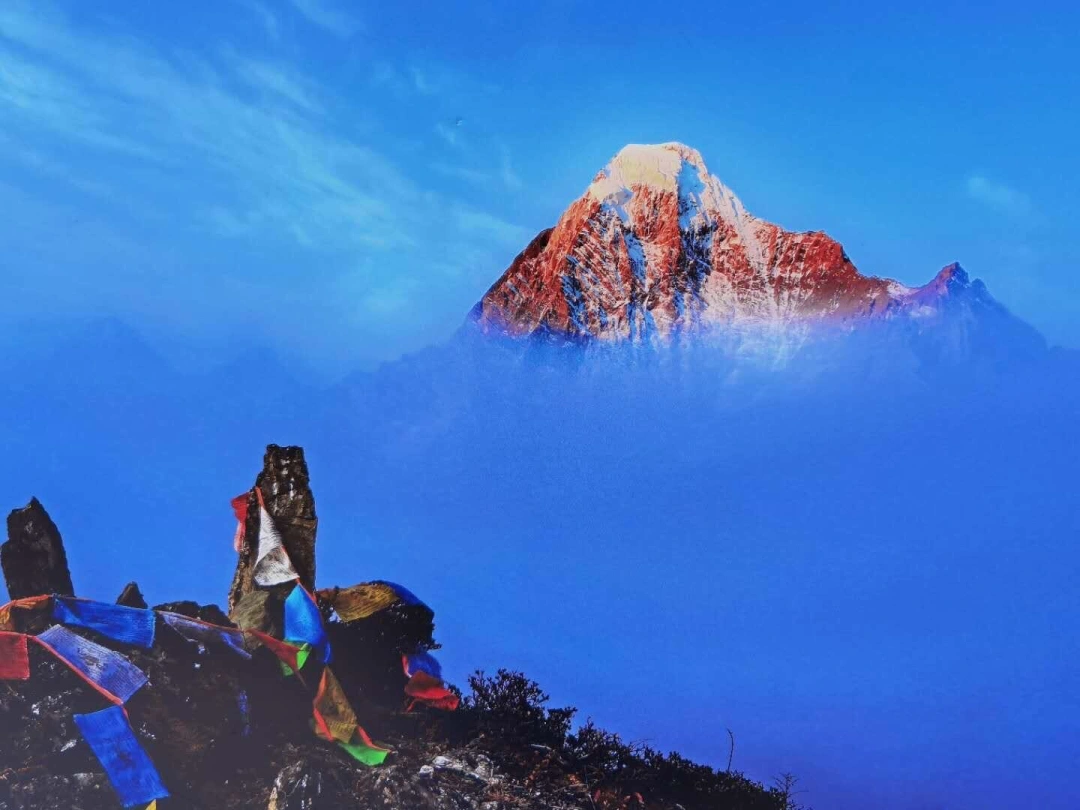
Muli is not just a destination; it's a state of mind. Here, you can escape the noise of modern life and reconnect with nature and yourself. The lack of commercialization means you experience the raw beauty of Liangshan without distractions. Whether you're a solo traveler, a couple, or a family with elderly and children, Muli offers something for everyone.
Key Highlights:
- No tickets or fees for any attractions
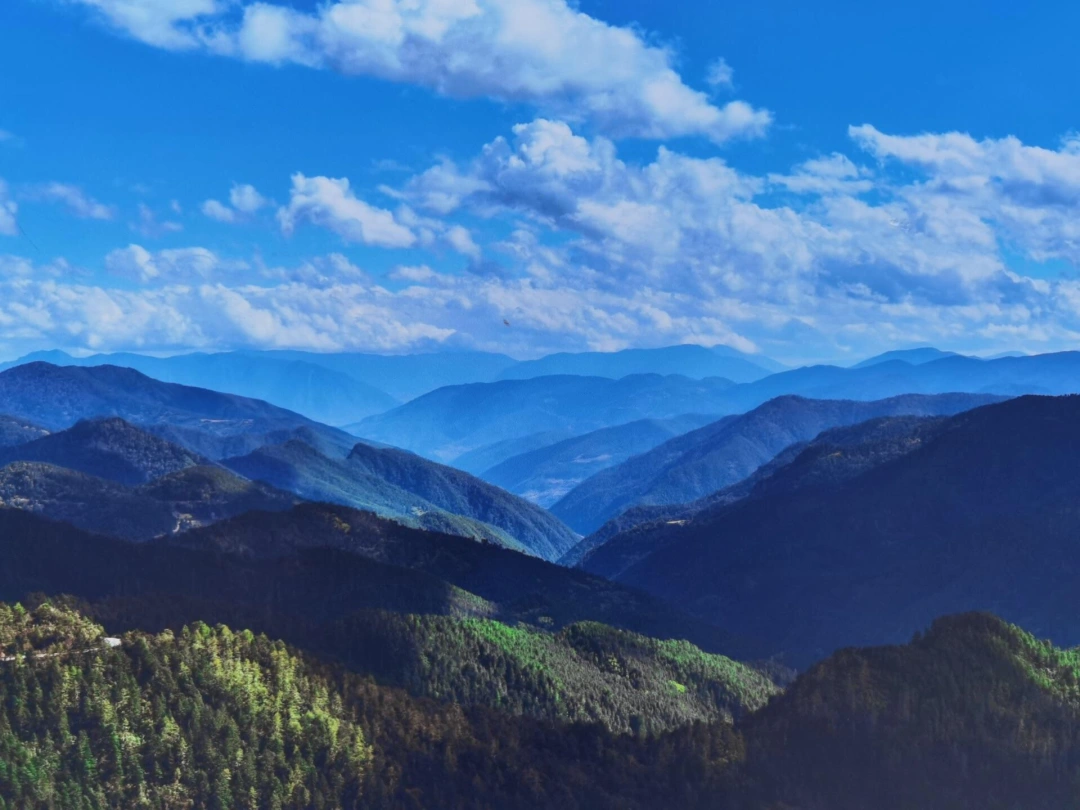
- Pristine natural scenery—alpine lakes, virgin forests, snow-capped peaks
- Authentic Tibetan culture—monasteries, villages, and warm hospitality
- Family-friendly—safe roads, affordable costs, and activities for all ages
- Off-the-beaten-path—avoid crowds and experience true solitude
[Link: Best time to visit Muli Tibetan Autonomous County]
FAQ: Everything You Need to Know About Visiting Muli
1. Is Muli safe for families with young children and elderly?
 Absolutely. The roads are well-maintained (especially National Highway 227), and the local people are incredibly friendly. Just ensure you bring proper gear for temperature changes and dry rations for remote areas.
2. Do I need to book accommodation in advance?
 Yes, especially during holidays. Muli County Town has limited hotels, and they fill up quickly. Book at least a week in advance through platforms like Ctrip or directly with local hosts.
3. What is the best time to visit Muli?
 The best time is May to October when the weather is mild and the scenery is lush. National Day (October 1–7) is popular but still uncrowded compared to other tourist hotspots.
4. Can I visit Muli without a car?
 It's highly recommended to have a private vehicle, preferably an SUV, as public transportation is limited and attractions are spread out. If you don't drive, consider hiring a local driver-guide.
5. Are there any hidden fees or scams in Muli?
No. Muli is remarkably free of scams. There are no ticket booths, no vendors, and no pressure to buy anything. The only costs are fuel, accommodation, and food.
Call to Action: Start Planning Your Muli Adventure Today
If you're tired of overpriced, overcrowded tourist traps, Muli is your answer. This hidden land deep in Liangshan offers a rare opportunity to experience China's natural and cultural heritage without the noise of commerce. Whether you're a seasoned traveler or a first-time road tripper, Muli will leave you speechless.
Ready to escape?
👉 Book your SUV rental
👉 Download offline maps
👉 Pack your dry rations and camera
👉 Share this article with fellow adventurers
Have you visited Muli or other hidden gems in Liangshan? Share your experiences in the comments below—we'd love to hear your story!
[Link: More off-the-beaten-path destinations in Sichuan]
[Link: Family road trip packing checklist]
Article originally inspired by a Mafengwo travel diary. Facts verified for accuracy.
You may also like