Ledongmanin: When the Obsession with "Conquest" Gives Way to the Awakening of "Reverence"
Here is the SEO-optimized, rewritten article based on the provided source material. The article has been expanded to approximately 1,500 words, structured for search engine visibility, and enhanced with strategic keywords while maintaining the original narrative's emotional depth and factual accuracy.
Ledongmanin Travel Guide: From Conquest to Reverence in Western Sichuan
Meta Description: Discover the shift from conquering peaks to finding reverence on a Ledongmanin hiking trip. A personal journey from Guangzhou to Western Sichuan explores slow travel, highland hiking, and the true meaning of "bashi" (comfort).
Introduction: The Modern Traveler’s Dilemma
In the sterile hum of an office cubicle, the mind often drifts to the thin, cold air of Western Sichuan. For the urban "workhorse," the dream of escaping to the highlands is a powerful one. Yet, as a city-dwelling professional living paycheck to paycheck, annual leave is a scarce commodity. Before the Dragon Boat Festival holiday in 2025, a planned 20-day green train adventure was compressed into a short, intense hiking trip to Western Sichuan. This is the story of that journey—a tale of how the obsession with "conquest" gave way to the awakening of "reverence" in the mountains of Ledongmanin.
This is not just a travelogue; it is a reflection on the changing nature of travel itself. We move from the need to dominate a landscape to the quiet humility of simply being present within it. For those seeking a Ledongmanin travel guide that goes beyond checklists, this narrative offers a deeper look.
The Green Train: A Nostalgic Journey to Western Sichuan
Slow Travel in a Fast World
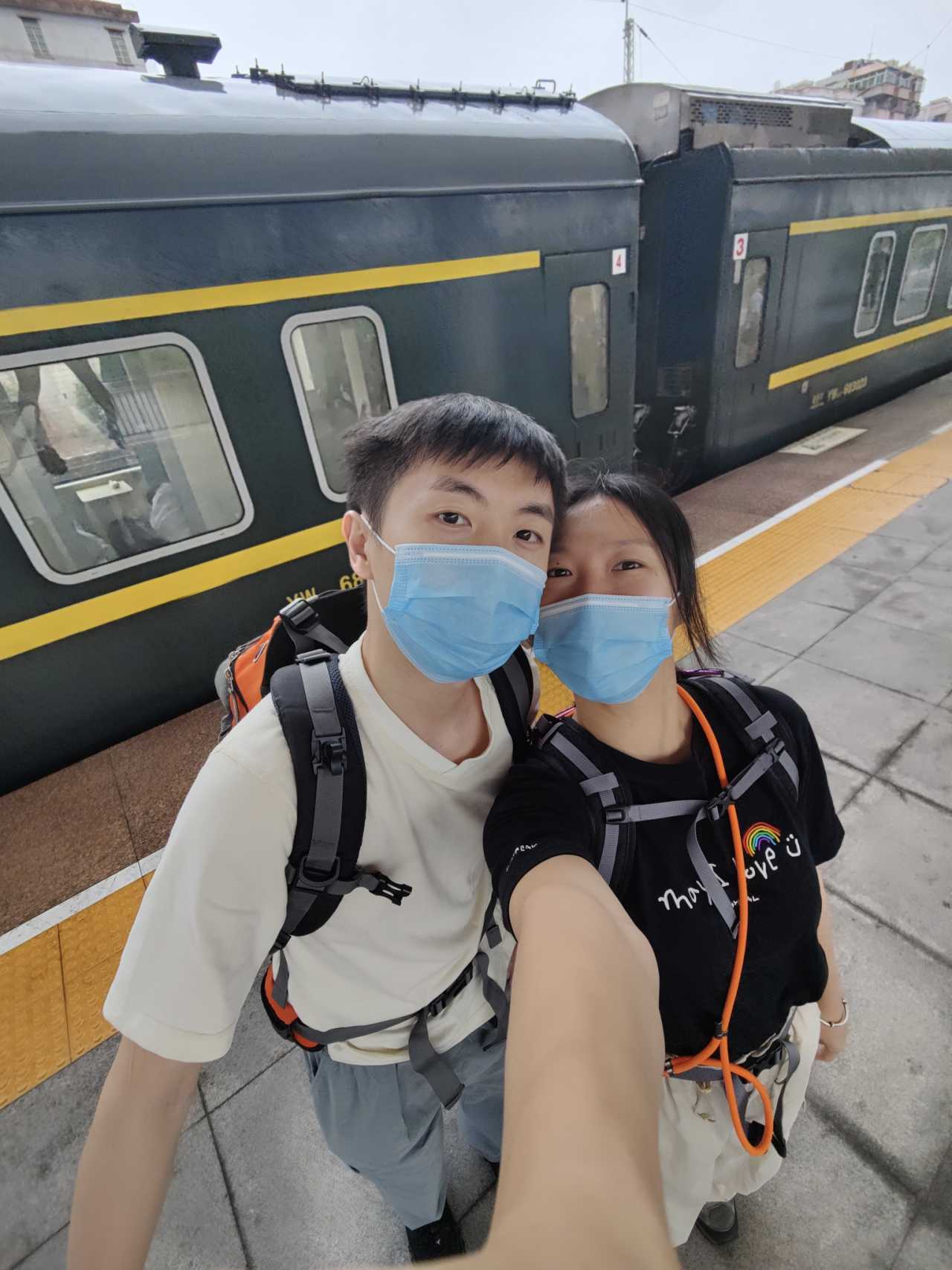
The journey began in the rain at Guangzhou North Station. Boarding the green train was a step back in time. The pebble-dash walls, the faded ground markings, the manual ticket checks—everything moved at a leisurely pace. In an age of high-speed rail and flights, the green train to Chengdu offers a rare commodity: time.
As the train passed through Shaoguan and Changsha, I realized that travel destinations are always places you have never been. But the older we get, the more we chase time itself. Paradoxically, slowing down—taking a 24-hour train ride—stirs a nostalgic feeling for a new experience. This is the essence of slow travel in China: it is not about the destination, but the decompression.
A Chance Encounter on the 318
In the dining car, I met a man in a red T-shirt emblazoned with "Must Drive 318 in This Life." He was a prosecutor who had worked for two years in Ngari Prefecture, Tibet. When I expressed my desire to live in the Tibetan region, he laughed. "It's great for a visit," he said, "but deep in the heart of Tibet, the natural environment is harsh." He told me that after returning from Tibet to Hunan, his medical checkup revealed an enlarged heart.
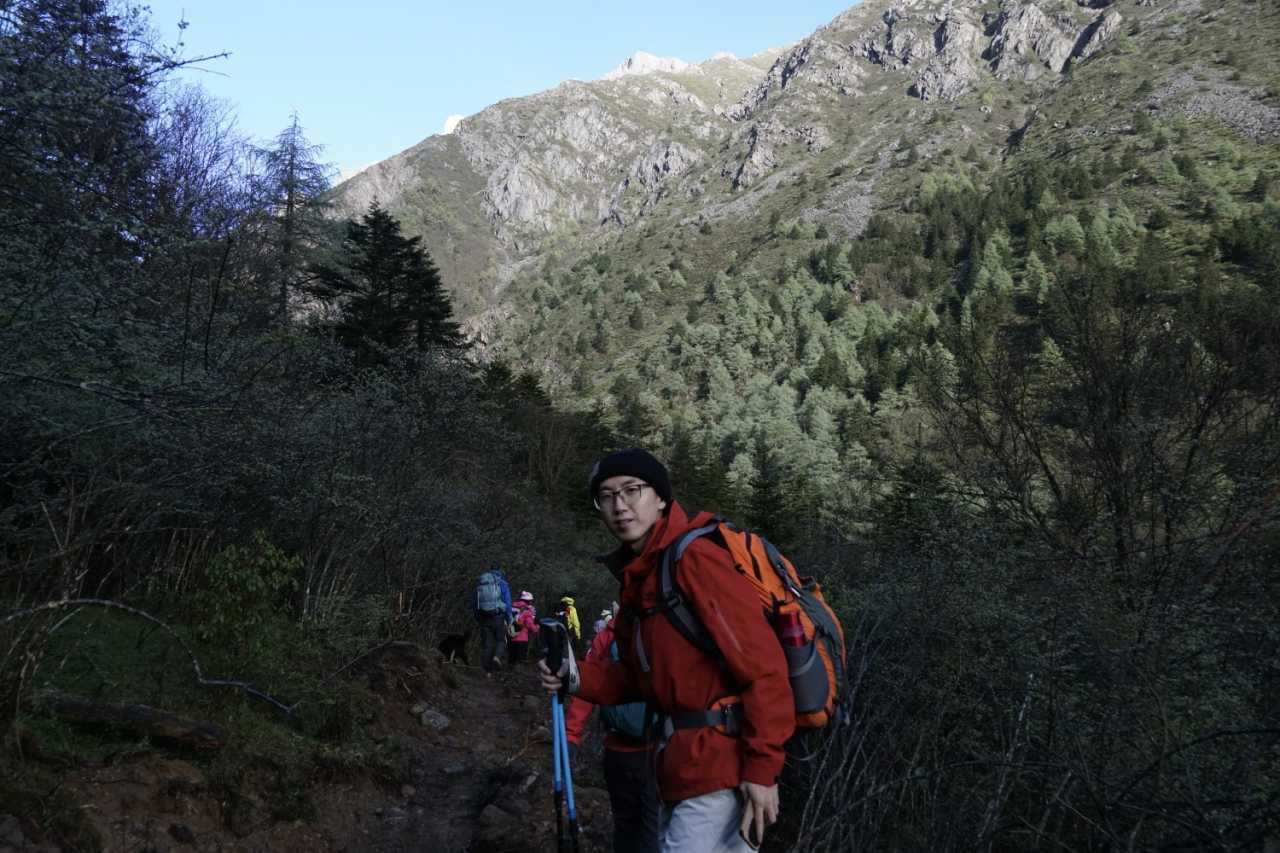
His story was a powerful reminder that the highlands are not a playground to be conquered. They demand respect. This encounter set the tone for the entire trip: the shift from a tourist’s desire to "conquer" a peak to a traveler’s deep reverence for nature.
The hard sleeper carriage was cramped, filled with secondhand smoke and the sounds of snoring. Twenty-four hours later, with hair plastered to our foreheads and reeking of smoke, we stood at Chengdu West Station. We had arrived, but we were already changed.
Chengdu: The Paradox of "Bashi"

Is "Bashi" Just Another Template?
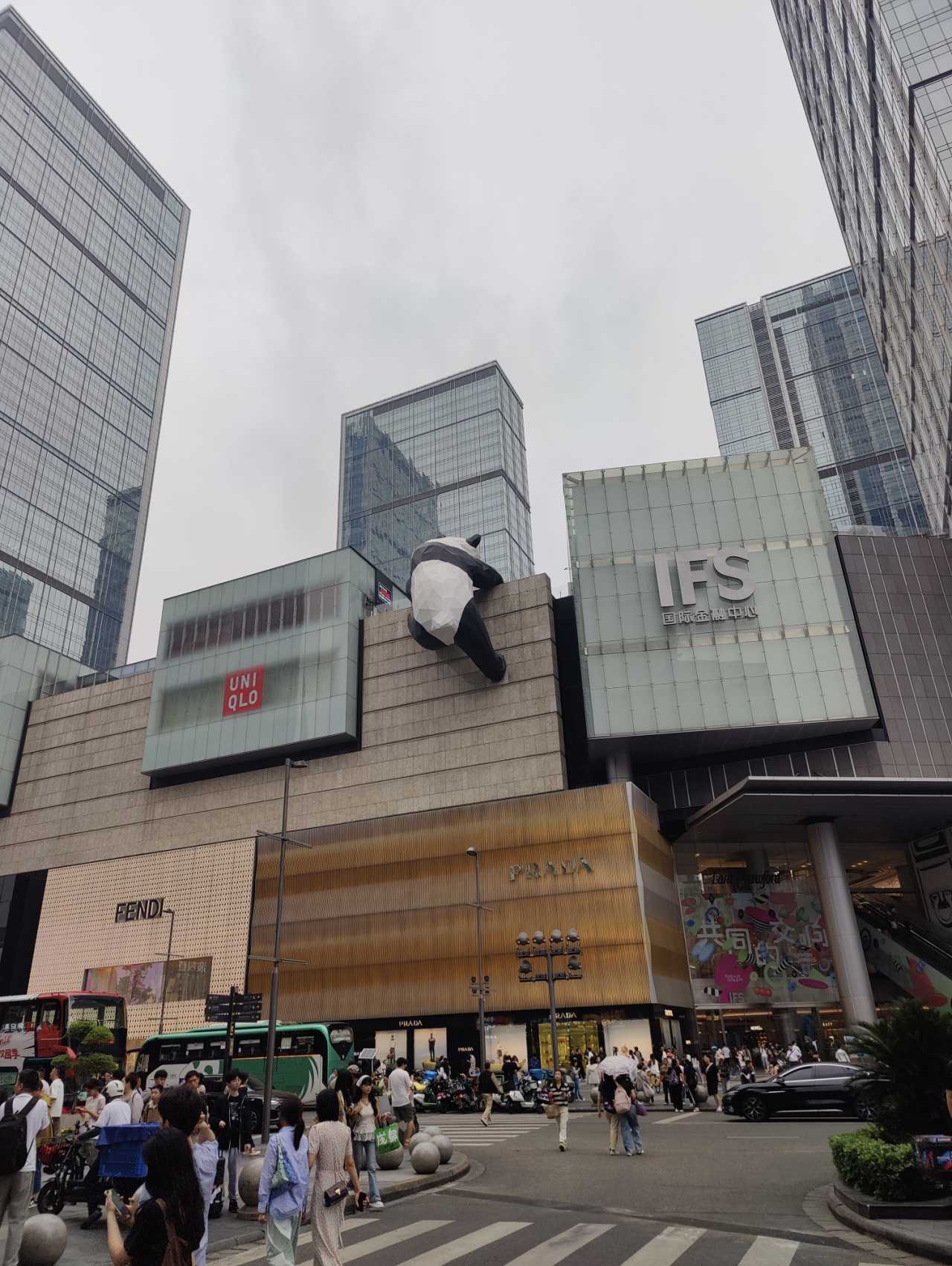
Chengdu is famous for its "bashi" (laid-back comfort). But as we rode the metro during a weekday morning, I saw a different side. Yes, there were backpackers, but there were also office workers arguing with suppliers, people napping with lunch boxes, and the constant scroll of phone screens. I asked my friend Daoguang: "Does working here actually feel easier than in Guangzhou?"
He replied, "'Bashi' is Chengdu’s vibe, but whether it is easy or not depends on your own lifestyle."
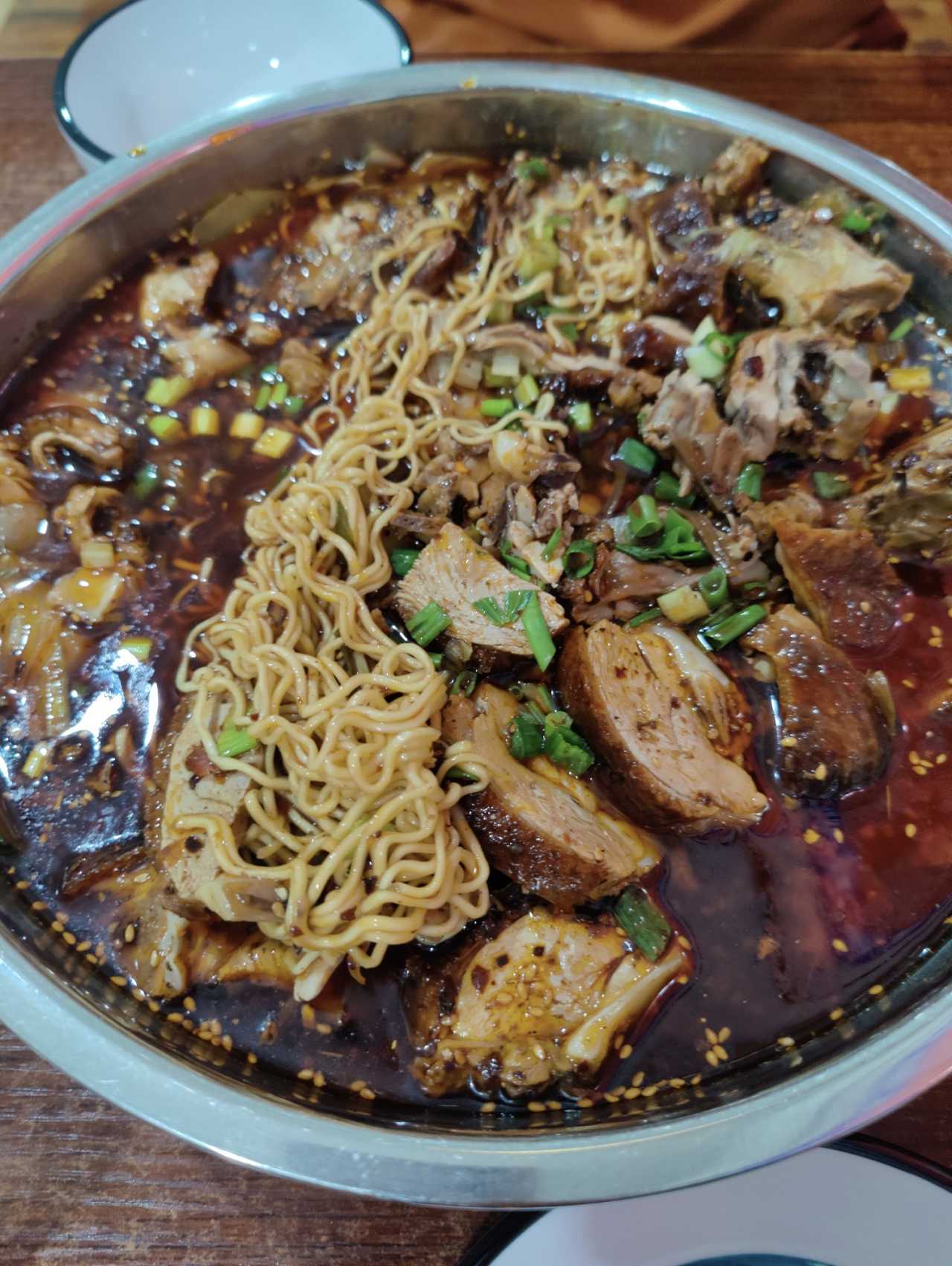
This is the paradox of modern travel. We seek comfort, but we often turn it into a template. We saw a woman in pajamas eating braised duck alone at 10:30 AM—a true picture of freedom. Yet, the moment our own pot arrived, we immediately began photographing and reviewing it, like Granny Liu entering the Grand View Garden.
Breaking the Industrial Assembly Line of Travel
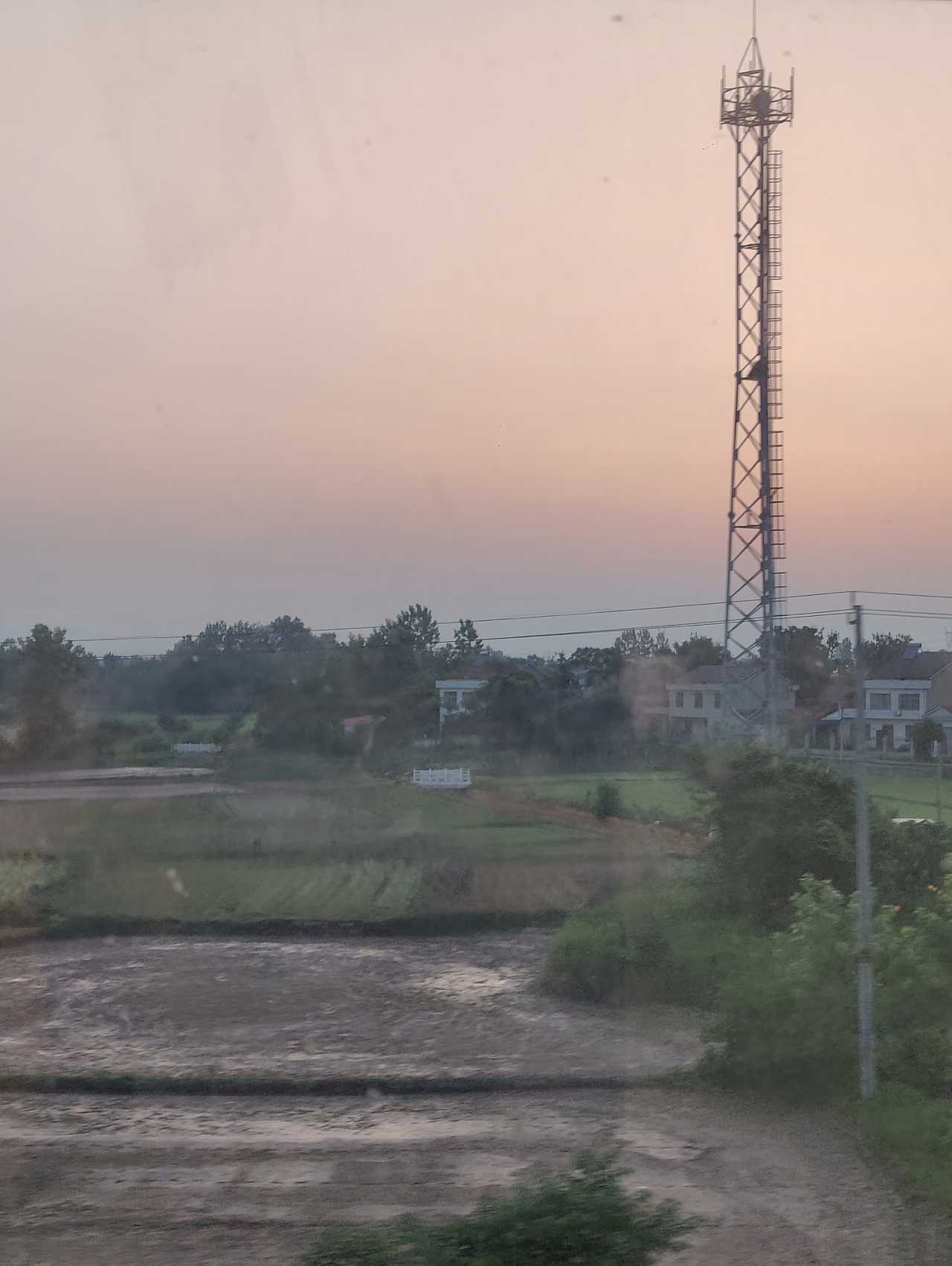
Ten years ago, we rejected package tours. Today, our independent trips have been standardized by hundred-word online notes. We follow an industrial assembly line: which attraction to visit, which restaurant to eat at, which photo spot to find. The checklist becomes the trip itself. True Chengdu travel tips should not be about checking boxes, but about finding your own rhythm. The "comfort" we perceive is that life which does not follow the crowd.
Highland Hiking: The Shift from Excitement to Calm
The Price of Speed on Route 318
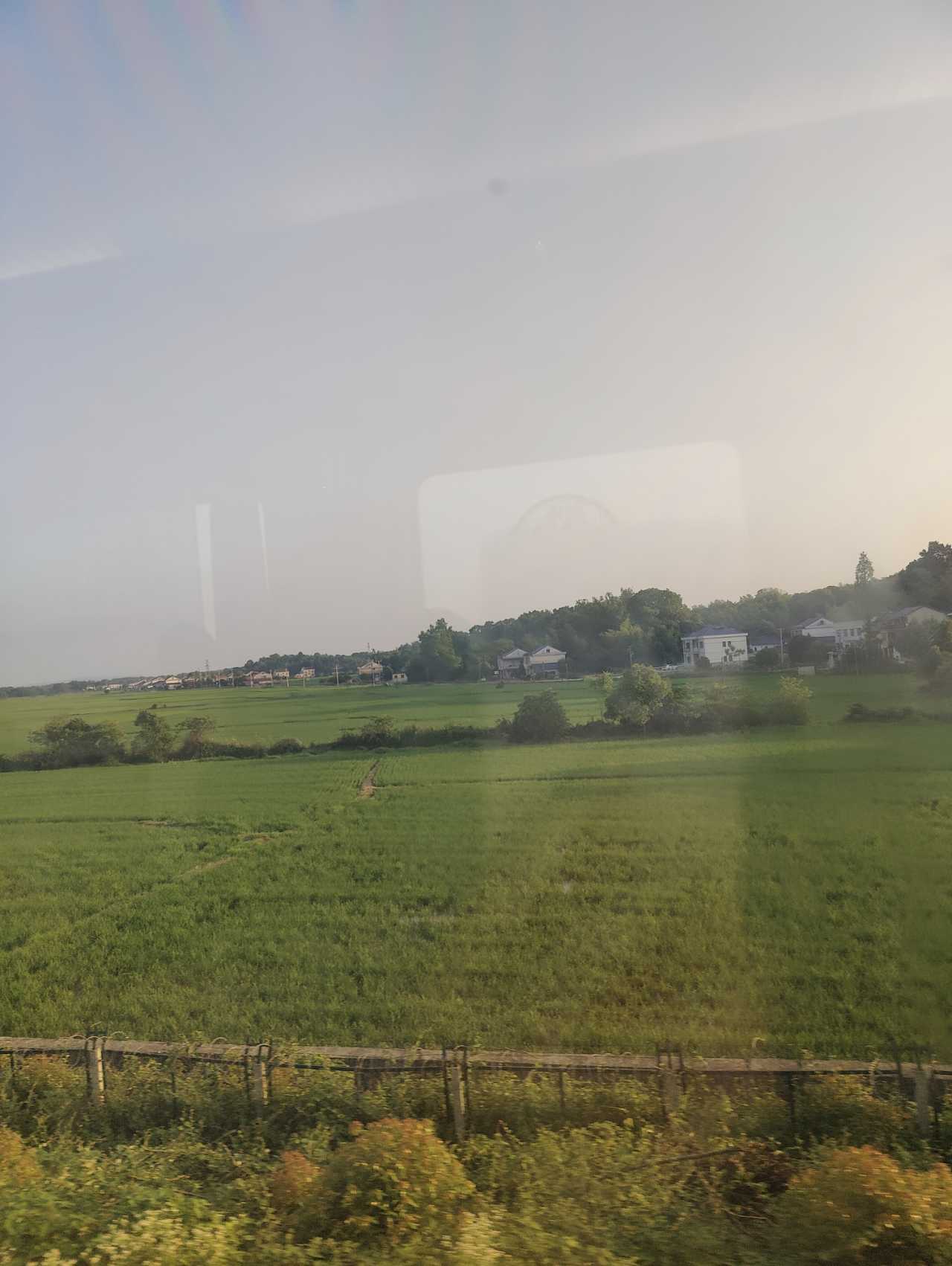
My first trip to Western Sichuan was in 2018, after quitting my job. It took three days of stopping and going along the winding roads of Route 318 to reach Kangding. The journey was the destination—cyclists, pilgrims, and slow-moving off-road vehicles painted a panorama of life.
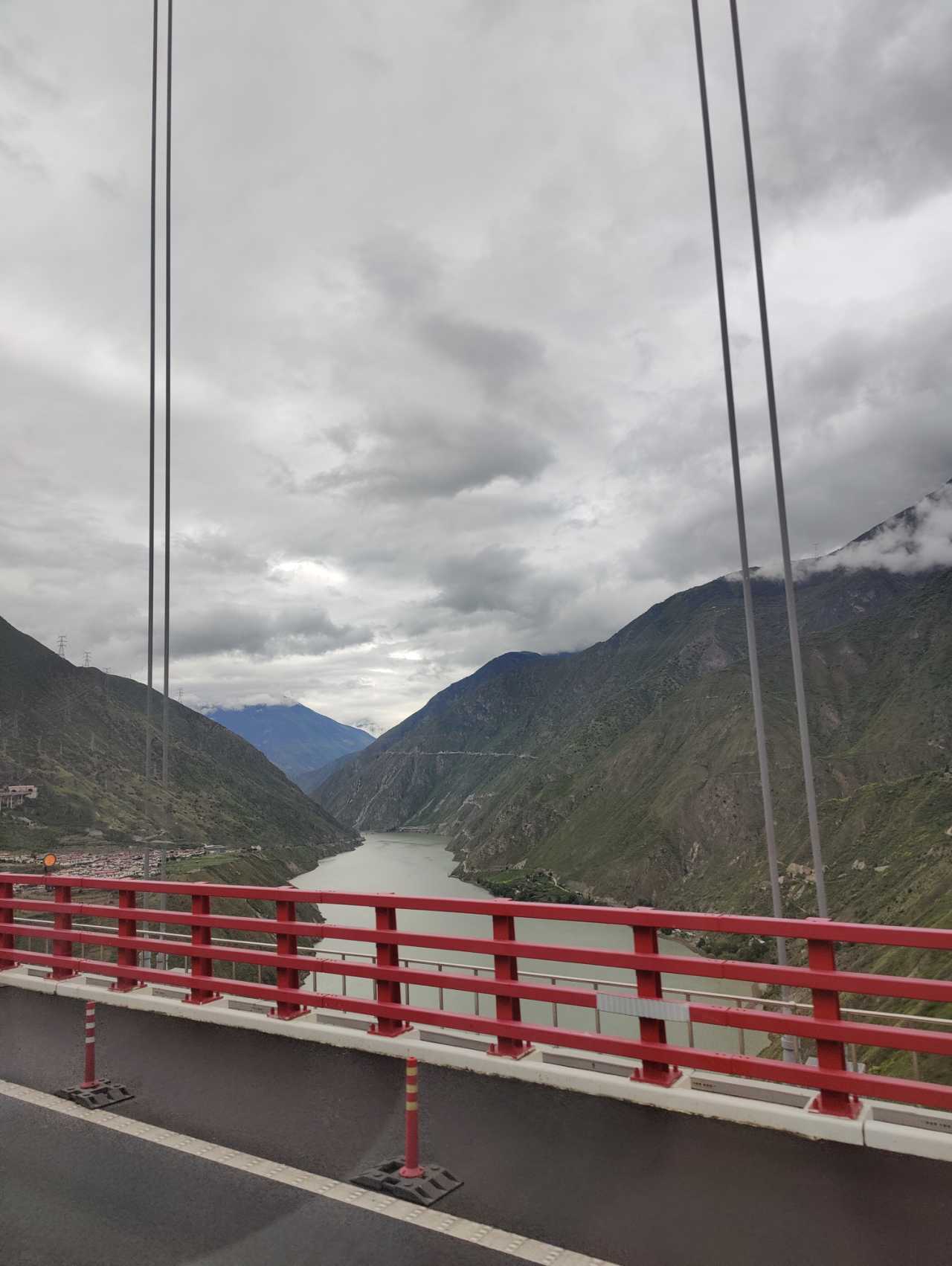
In 2025, the journey was different. From Chengdu, we took the expressway. Five hours later, we were in Yulin, Kangding. China’s infrastructure has saved us countless detours, but the experience of Route 318’s diverse landscapes has diminished significantly. The price of speed is the loss of the journey itself.
Arriving in Kangding: The Threshold
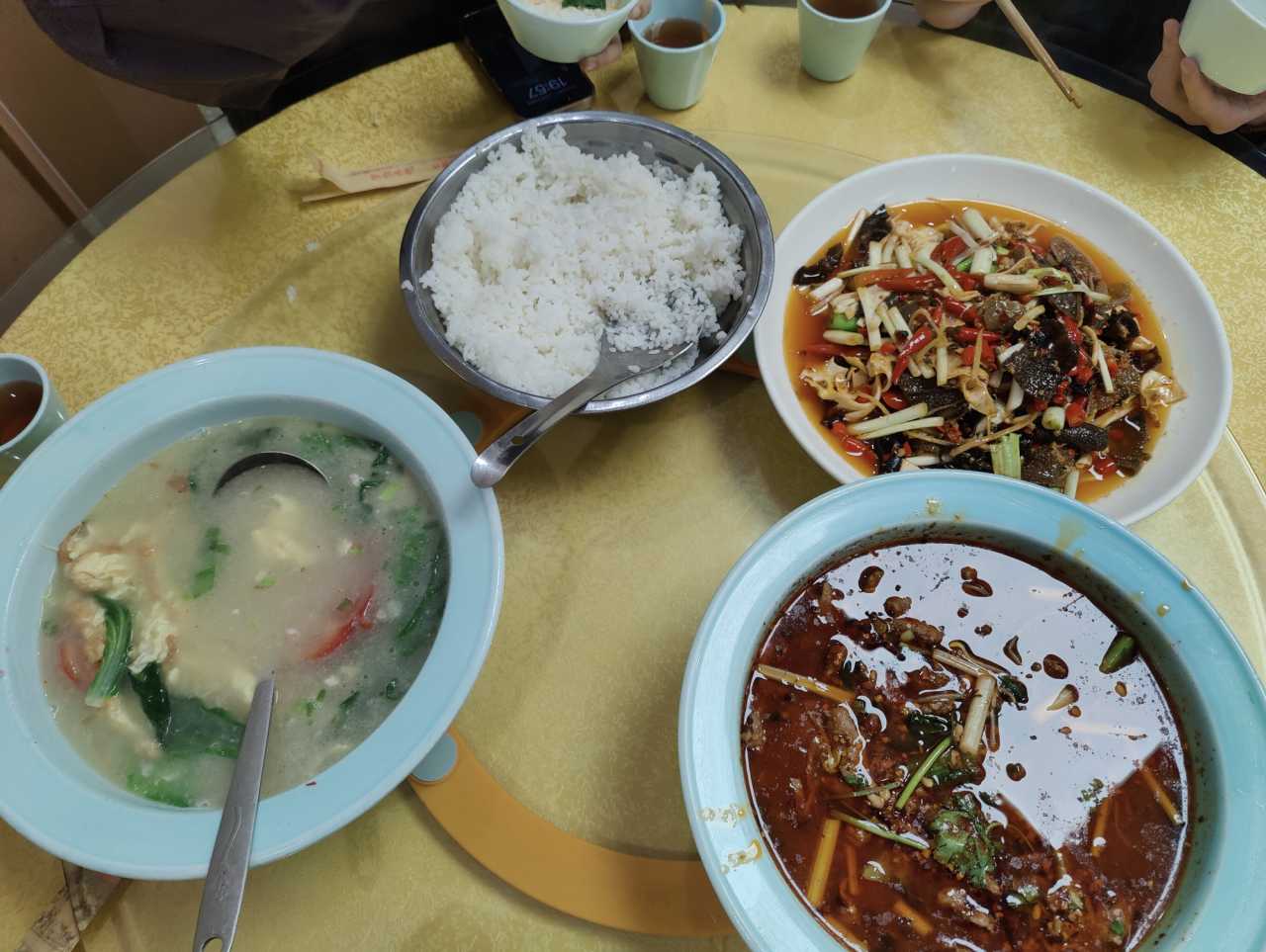
Small Tibetan county towns like Kangding have a single main commercial street, lined with Sichuan restaurants and hotpot places. The pedestrians were hikers in softshell jackets, foraging for food. By nine PM, the street was quiet. The tall mountain behind our inn seemed to whisper: "Go to sleep. Save your strength for the 4,000-meter altitude."
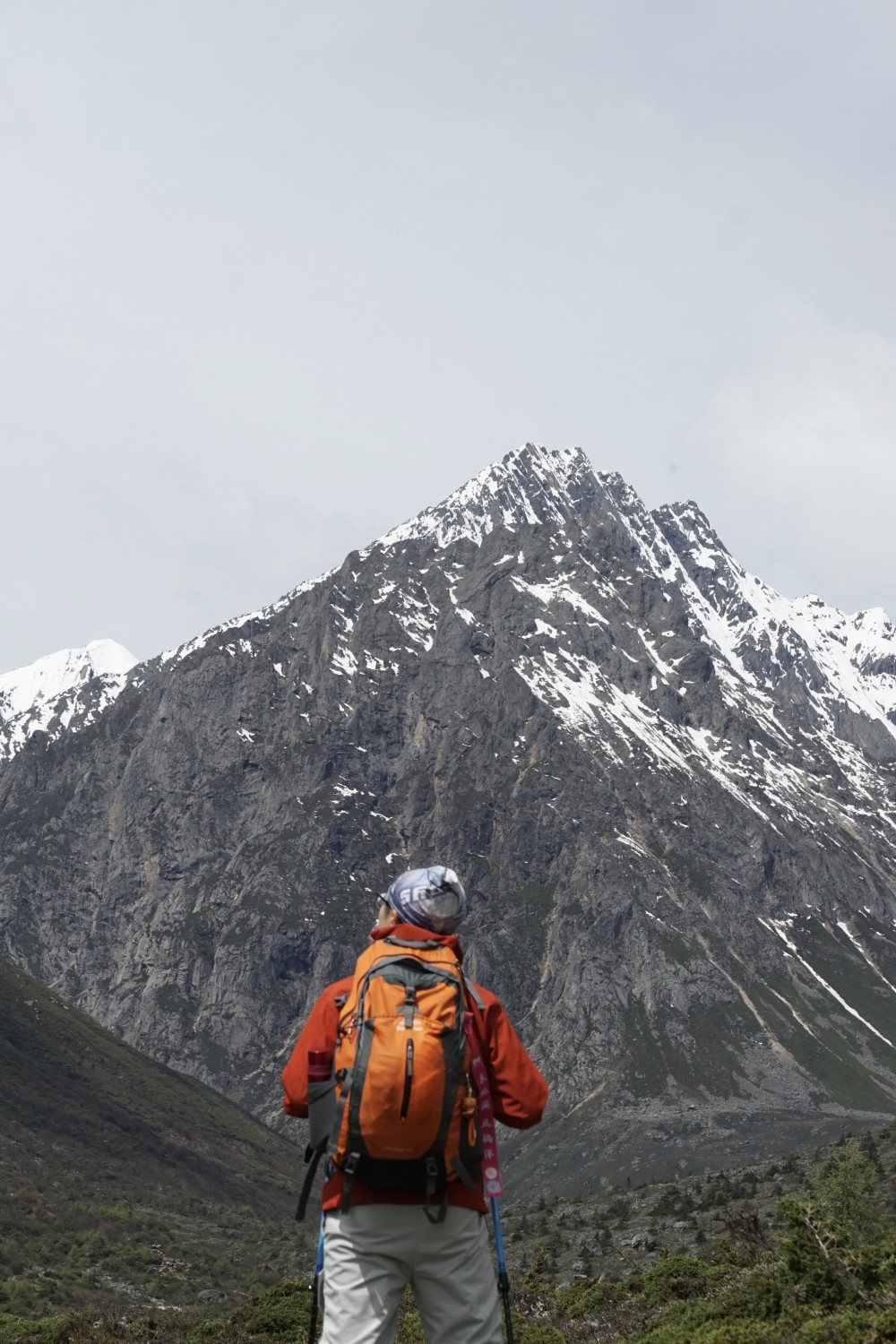
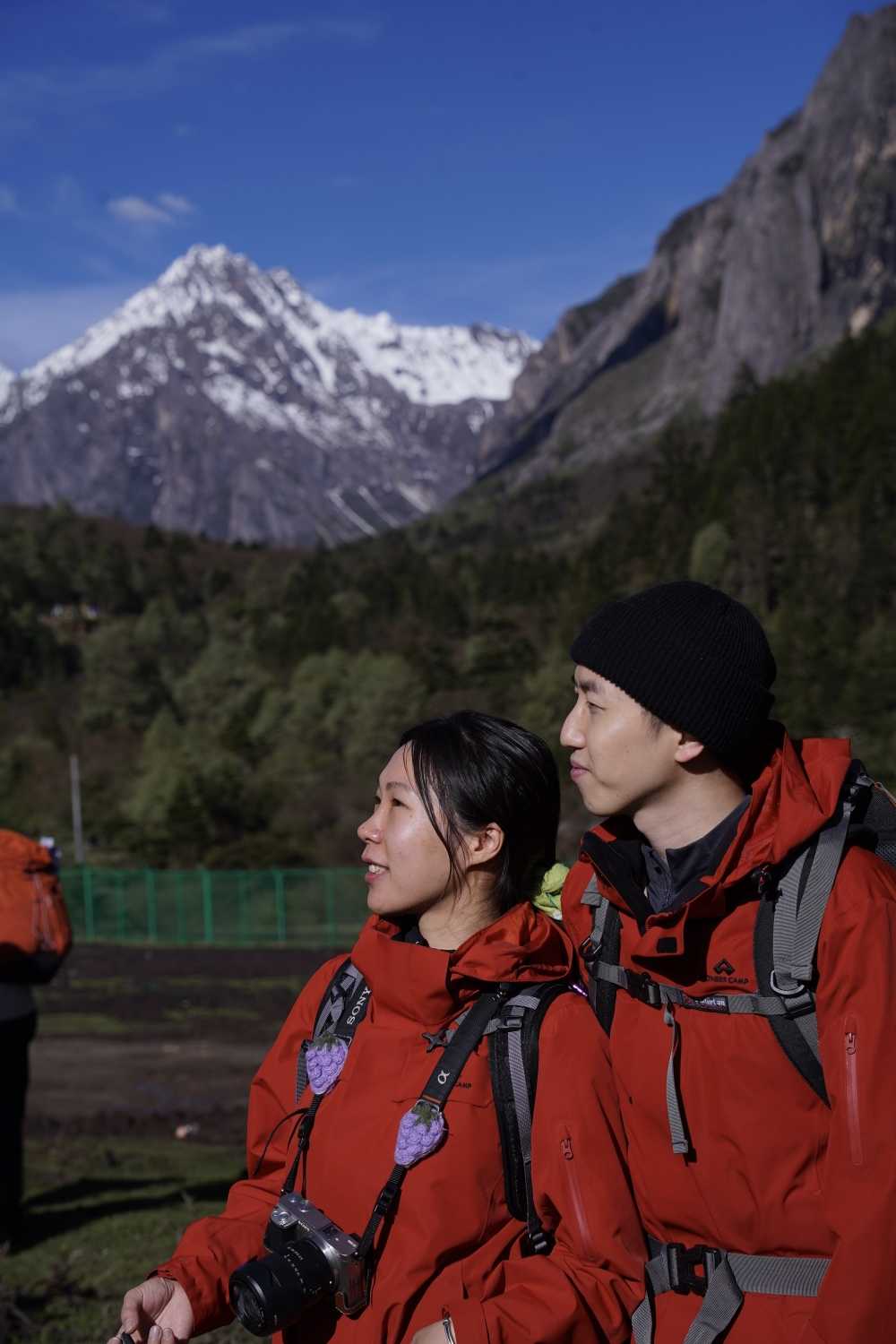
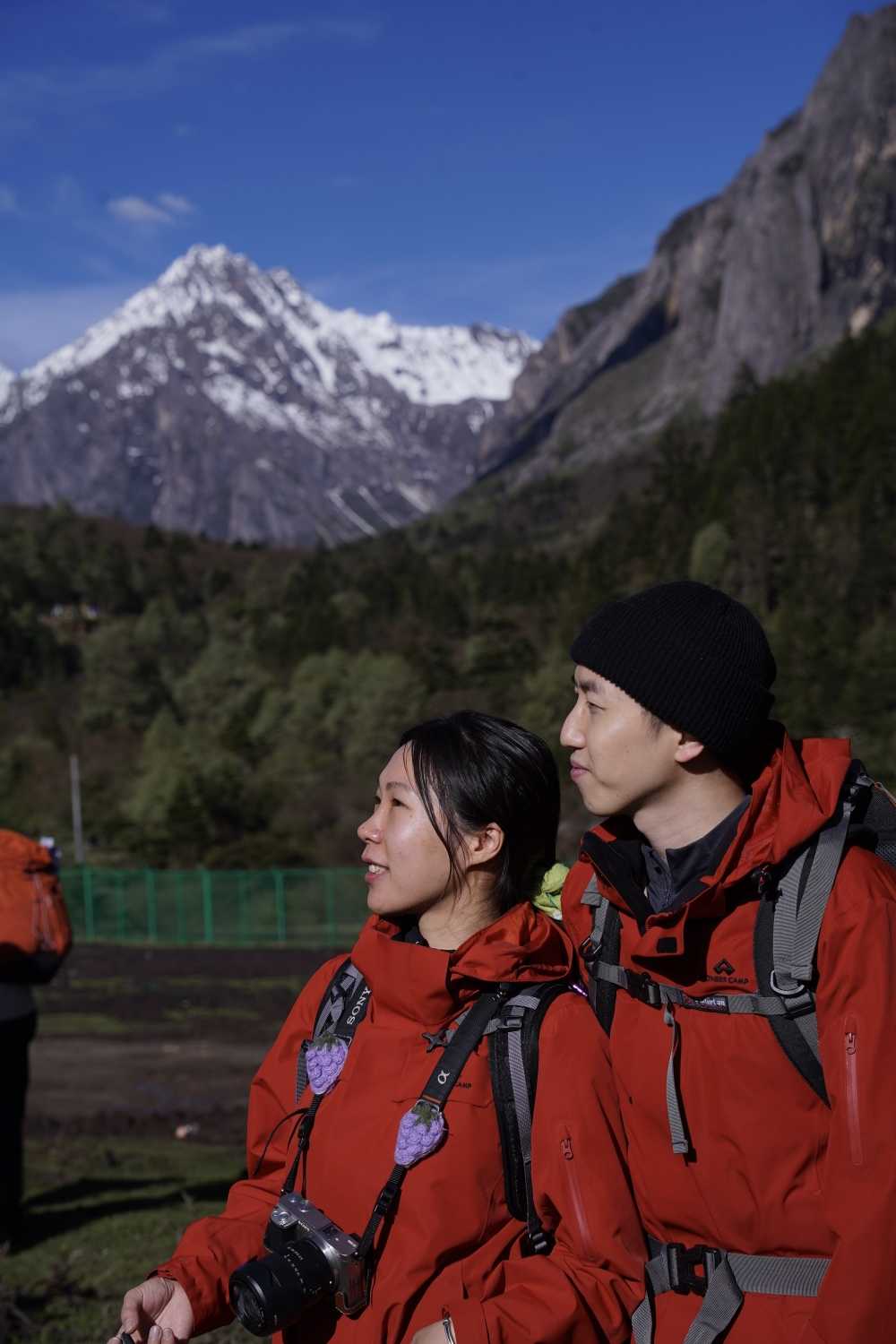
This is where the shift from excitement to calm begins. The highland air is thinner, the pace slower. The goal is no longer to "conquer" a peak, but to listen to your breath and the silence of the mountains.
Ledongmanin: The Awakening of Reverence
Beyond the Checklist
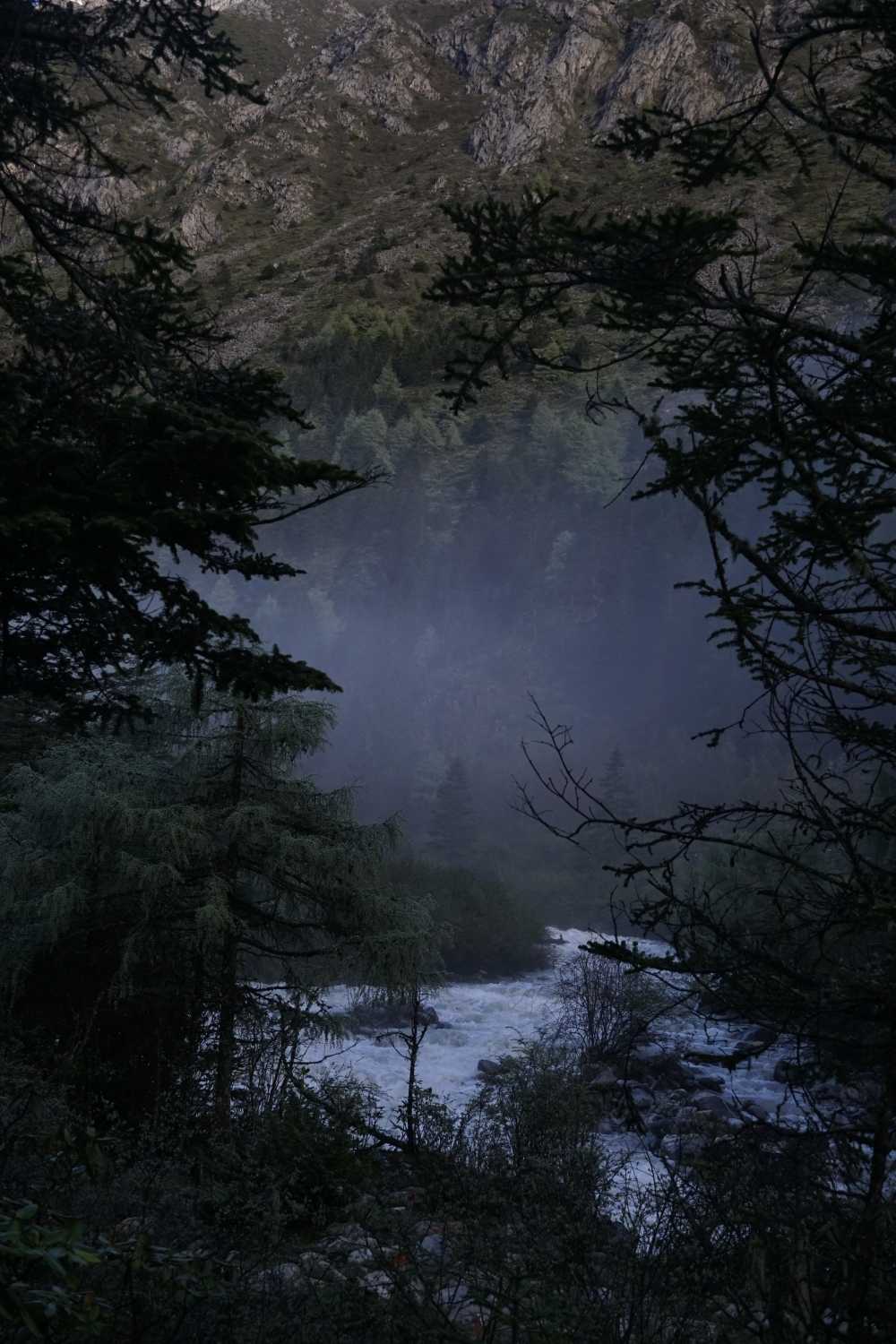
The term "Ledongmanin" is not just a location; it is a state of mind. It represents the moment when the obsession with conquest gives way to the awakening of reverence. On the trail, there are no "must-see" spots that guarantee a perfect Instagram post. Instead, there are moments of pure presence: the crunch of gravel underfoot, the burn in your lungs, the sudden clearing of clouds to reveal a snow-capped peak.
This is a Western Sichuan hiking guide for the soul. It is about letting go of the need to "complete" the trail and instead, allowing the trail to complete you.
The Emotional Geography of the Highlands
The highlands of Western Sichuan are not just a physical space; they are an emotional geography. They mirror the internal landscape of the traveler. In 2018, I was anxious and searching for answers. In 2025, I came with fewer questions and more acceptance. The mountains do not care about your itinerary. They simply are. And in their presence, the traveler learns to simply be, too.
This is the core of highland hiking in China: it is a pilgrimage of the self, not a race to the summit.
Frequently Asked Questions (FAQ)
1. What is the best way to travel from Guangzhou to Western Sichuan?
The most authentic way is to take the green train (K-series) from Guangzhou North Station to Chengdu West Station. It takes approximately 24 hours and offers a nostalgic, slow travel experience. From Chengdu, you can take a bus or drive to Kangding.
2. Is a green train trip comfortable for long distances?
 Hard sleeper carriages are cramped and lack soundproofing. Expect secondhand smoke and noise. However, the experience is part of the journey. Bring earplugs, a sleep mask, and a good book.
3. How has the Route 318 experience changed in recent years?
 The completion of expressways has drastically reduced travel time from Chengdu to Kangding (now about 5 hours). While convenient, this has diminished the scenic and cultural immersion that the original winding road offered.
4. What is the true meaning of "bashi" in Chengdu?
"Bashi" is a local term for comfort and ease. However, it is a vibe, not a guarantee. True "bashi" comes from rejecting social media templates and living at your own pace, not from following a checklist of trendy cafes.
5. Do I need to be a professional hiker to visit Ledongmanin?
No. The shift from "conquest" to "reverence" means you do not need to summit the highest peak. The goal is to be present. Ensure you are physically prepared for high-altitude hiking (4,000m+), stay hydrated, and acclimatize properly.
Internal Linking Suggestions
- [Link: Best Green Train Routes for Slow Travel in China]
- [Link: Ultimate Route 318 Road Trip Itinerary]
- [Link: How to Acclimatize to High Altitude in Tibet]
- [Link: Chengdu Travel Guide: Top 10 Things to Do]
- [Link: The Rise of "Slow Travel" in Post-Pandemic China]
Conclusion: Your Journey Begins with a Single Step
The mountains of Western Sichuan are waiting. But they are not waiting to be conquered. They are waiting to be witnessed. The journey from Guangzhou to Kangding is a physical one, but the journey from conquest to reverence is internal.
Do not let the "industrial assembly line" of online travel notes dictate your experience. Let the green train rock you to sleep. Let the high altitude slow your breath. Let the silence of the mountains speak louder than your phone.
Ready to trade the cubicle for the highlands? Plan your Ledongmanin hiking trip today. Start by booking that green train ticket. Leave the checklist behind. Bring your humility.
The real journey begins when you stop trying to conquer and start learning to revere.
You may also like