Jiuzhaigou's Post-Earthquake Rebirth: A Dual Wonder of Snow and Peach Blossoms
As an SEO content strategist, I have optimized and rewritten the provided source article. The following version is designed to be search-engine friendly, engaging, and informative, while preserving the original narrative and factual accuracy.
Jiuzhaigou Post-Earthquake Rebirth: A Spring Spectacle of Snow and Peach Blossoms
Meta Description: Witness Jiuzhaigou's stunning post-earthquake rebirth. Discover the surreal beauty of spring snow and peach blossoms in this detailed 3-day travel guide. Plan your trip today.
Ten years ago, my first trip to Jiuzhaigou was a dusty, rattling adventure in my father’s beat-up minivan. Back then, the legend of "The Magical Jiuzhaigou" had already branded this paradise onto the national consciousness. After moving to Chengdu, Jiuzhaigou became a place for "sightseeing"—which, in peak season, often meant "people-watching."
Then came August 8, 2017.
A magnitude 7.0 earthquake violently tore through this beautiful land. My heart sank as I messaged a high school friend from the area. She told me their home was uninhabitable, forcing them into tents for over two months. She said that seeing the once-bustling streets empty, with only locals left, she felt for the first time: Jiuzhaigou was her hometown.
That feeling, even through a screen, made my nose sting. I hoped they could endure those hardest days and wait for Jiuzhaigou’s glorious return.
And that day finally came.
H2: Planning Your Jiuzhaigou Post-Earthquake Visit: A 3-Day Itinerary
To be honest, a three-day trip to Jiuzhaigou means two of those days are spent on the road. But when I finally stood on the reopened land, I knew it was worth every mile.

In March 2018, the Jiuzhaigou Scenic Area reopened with strict post-earthquake regulations: a daily cap of 2,000 visitors, and entry was limited to organized tour groups. This policy has since relaxed, but understanding the park's structure is key.
H3: Understanding the "Y"-Shaped Scenic Area
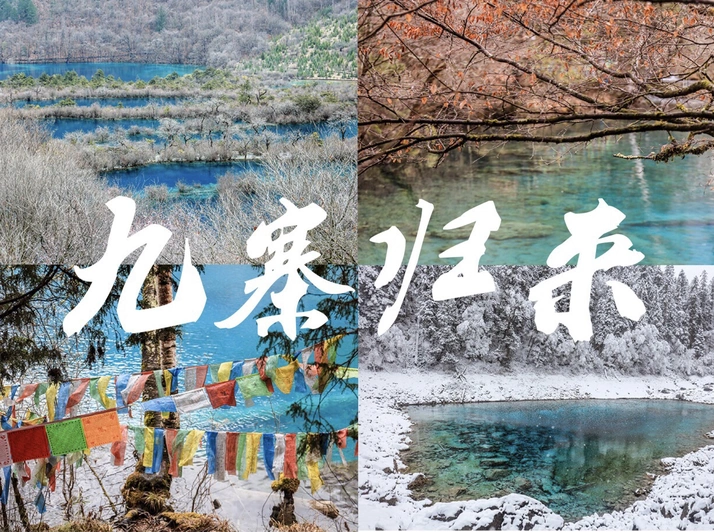
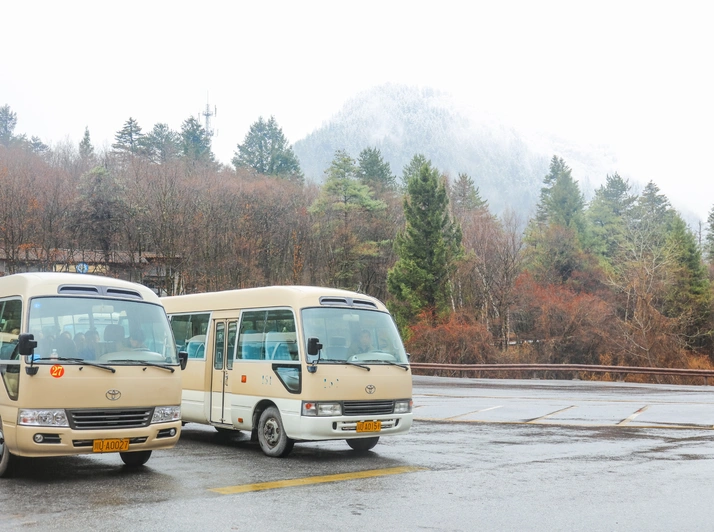
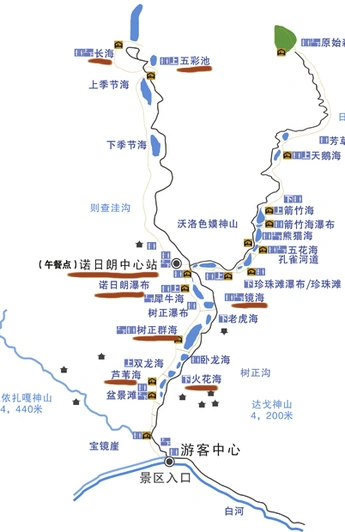
Jiuzhaigou’s layout is shaped like the letter "Y," consisting of three main valleys: Zechawa Valley, Rize Valley, and Shuzheng Valley, spanning over 60 kilometers. Post-earthquake, the initial reopening focused on the Shuzheng and Zechawa valleys. Visitors board scenic area buses (max 20 people per bus) from the visitor center.
Key Stops in the Reopened Area: - Shuzheng Valley: Shuzheng Village, Shuzheng Cluster Lakes, Reed Lake, Bonsai Shoal. - Zechawa Valley (Left Branch): Long Lake, Five-Color Pond, Upper & Lower Seasonal Lakes.
Pro Tip: Since many spots are drive-by only, choose your bus seat wisely. On the way in, sit on the left side for the best views. On the way out, switch to the right.
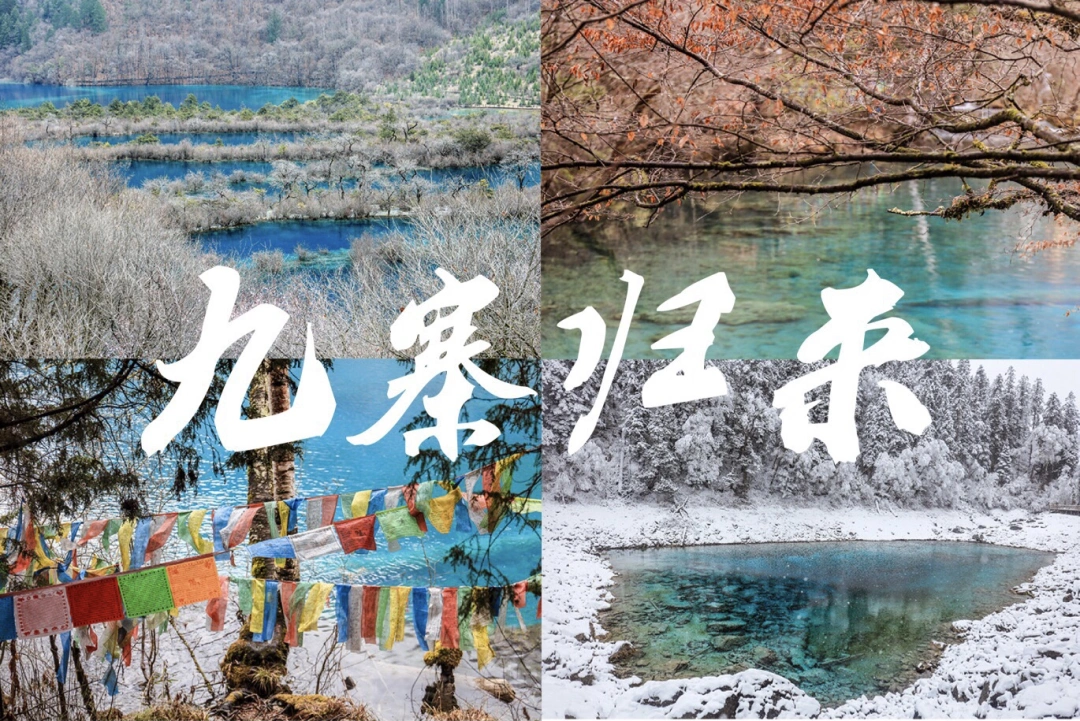
I visited in mid-March, Jiuzhaigou’s quietest season. This "off-season" gave me an unforgettable surprise: a world of ice and snow coexisting perfectly with blooming peach blossoms. It was a meticulously choreographed visual feast of contrast.
H2: Nuorilang Waterfall: The Earthquake’s Scar and a Promise of Recovery
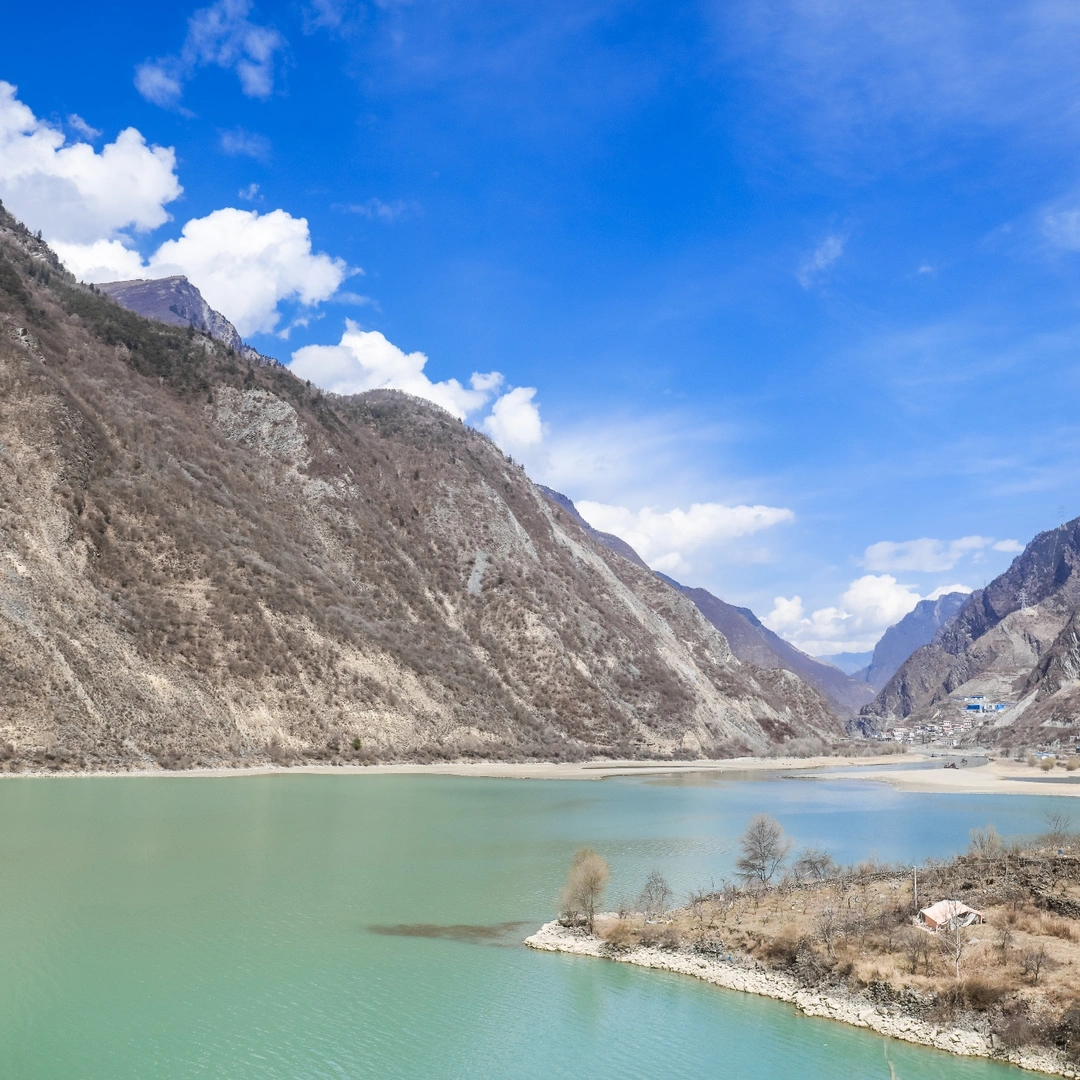
We were among the first visitors to enter the valley. Our first stop was the iconic Nuorilang Waterfall.
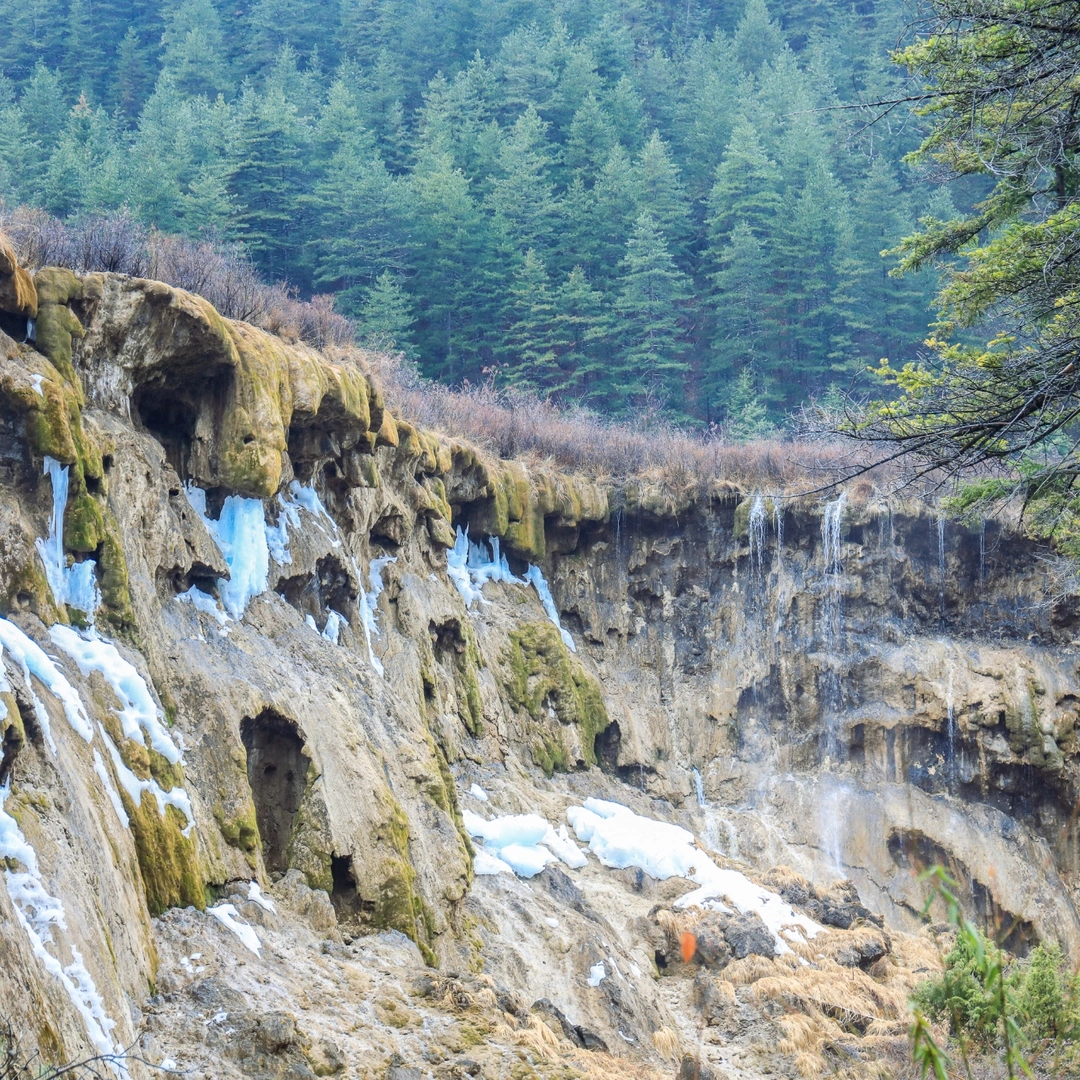
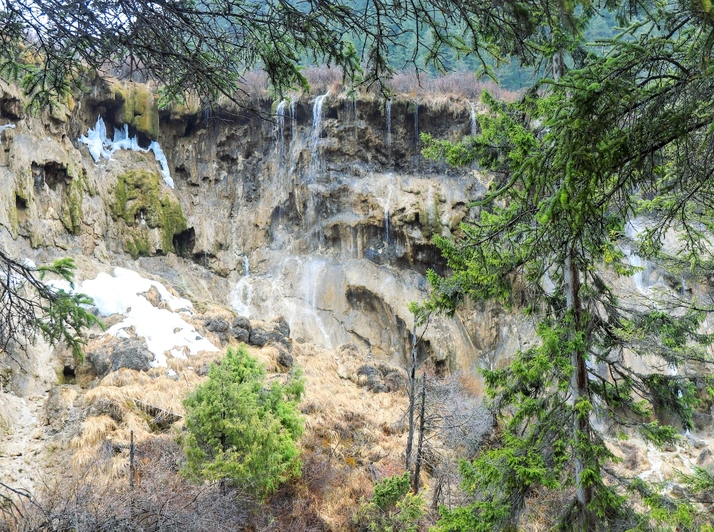
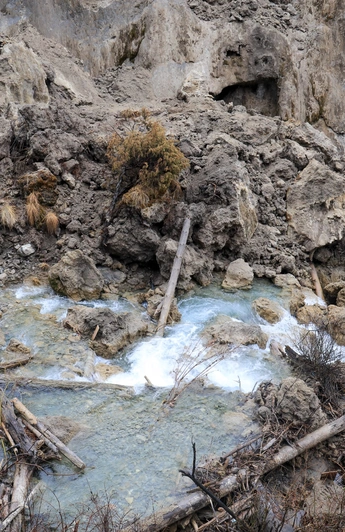
The moment I stepped off the bus, my heart tightened. Due to the earthquake, the waterfall’s width had shrunk dramatically. Combined with the March dry season, only a few thin streams of water remained, with patches of blue ice clinging to the rock face. Honestly, it stung.
But our guide assured us that by April or May, the water flow would increase. The scar is visible, but the promise of recovery is strong. [Link: Jiuzhaigou Waterfall Recovery Status]
H2: Mirror Lake: Not Still, but Stunningly Beautiful
If Nuorilang was sobering, Mirror Lake was pure joy.
March in Jiuzhaigou is cold. Morning mist shrouded the mountains, and the air was so fresh it made my nose tingle—a feeling of pure oxygen overload.
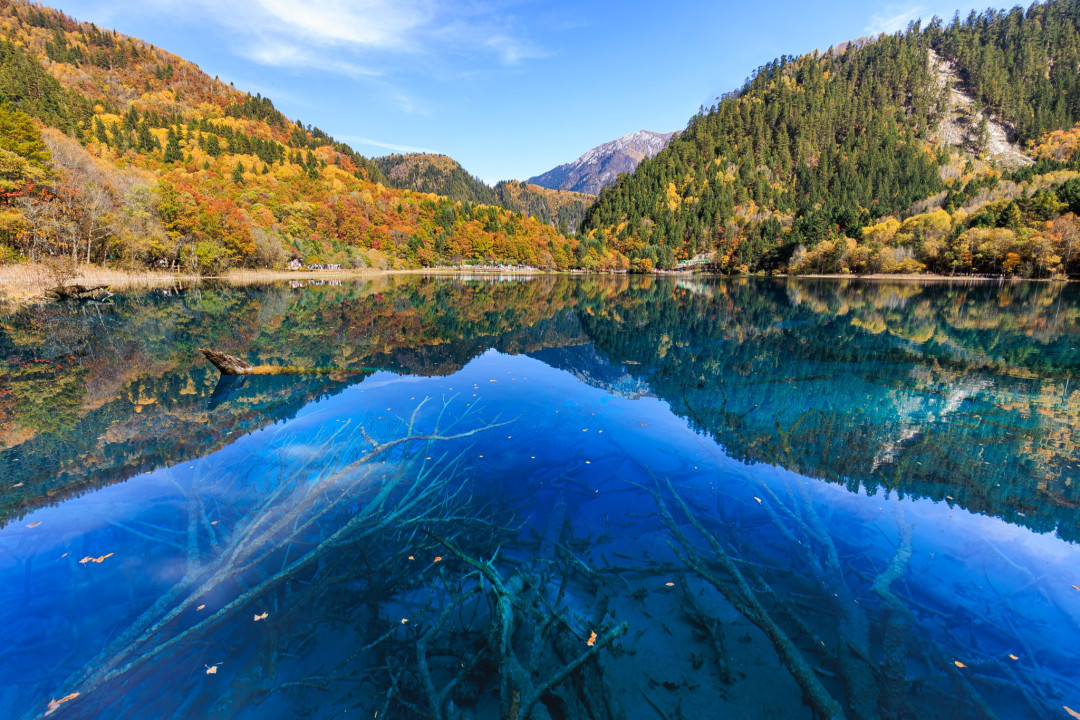
When we spotted Mirror Lake from the bus, cheers erupted. Even under a light rain, the turquoise-blue water was breathtaking. It wasn't perfectly still, but its restlessness made it more alive. The rocks, branches, and even fish swimming at the bottom were crystal clear.
Legend says the mountain goddess Wunuo Semo would groom herself here after losing her love token. Today, you can still see the "vine-wrapped tree" symbolizing their love. Mirror Lake wasn't still, but that restlessness made me happier. Who says Jiuzhaigou isn't beautiful after the earthquake?
H2: Long Lake: A Surprise in a Snowy Wonderland
As we left Mirror Lake, our guide exclaimed, "It's snowing heavily up on the mountain!"
We were in luck.
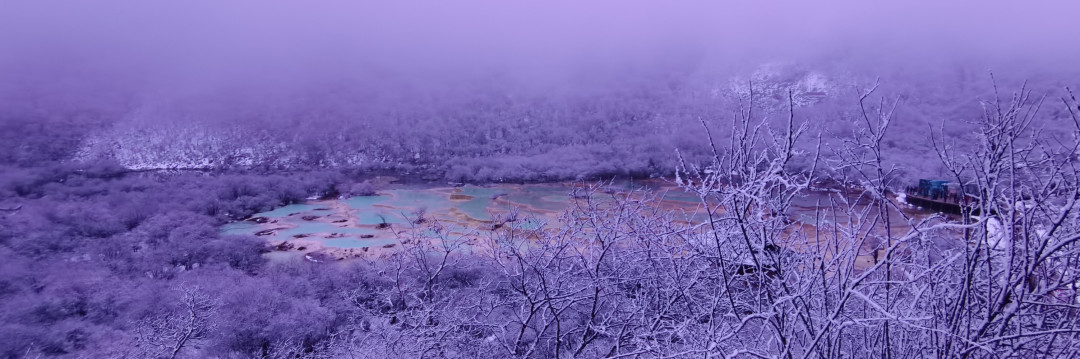
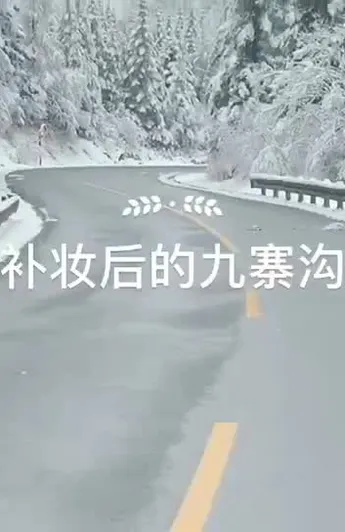
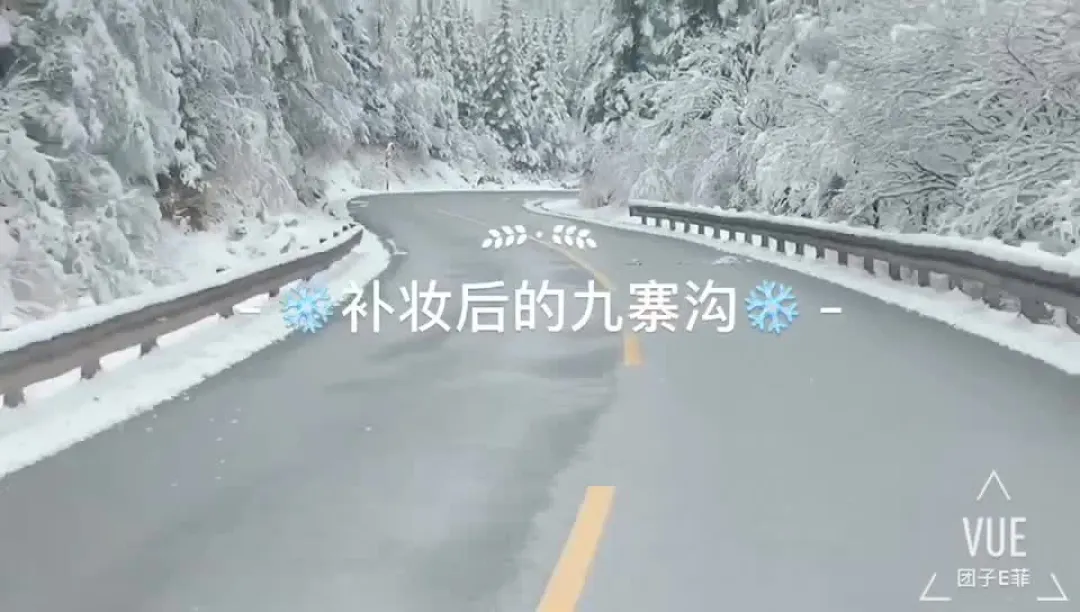
Long Lake, at 3,060 meters, is the highest accessible point in Jiuzhaigou and its largest lake. It was still frozen. A heavy snowfall had transformed the entire mountain into a snowy wonderland. Twenty minutes ago, we were surrounded by green trees and red flowers; twenty minutes later, we were in a frozen landscape.
The contrast was so dramatic I wanted to hit "double-tap like" on social media. The mist-shrouded forest created a gentle, serene atmosphere. Tourists were beside themselves with excitement.
Every winter, this place transforms into a scene of jade trees and silver blossoms. We were lucky to witness it. At this point, Long Lake was just a sheet of ice—if no one told you this was Jiuzhaigou, you wouldn't recognize it.
Pro Tip: At every scenic stop, stalls rent ethnic costumes for photos (30 yuan per set). I even saw a guy stripping down for a TikTok video in the snow—his cold resistance was impressive!
H2: Five-Color Pond: A Gem in a Blizzard
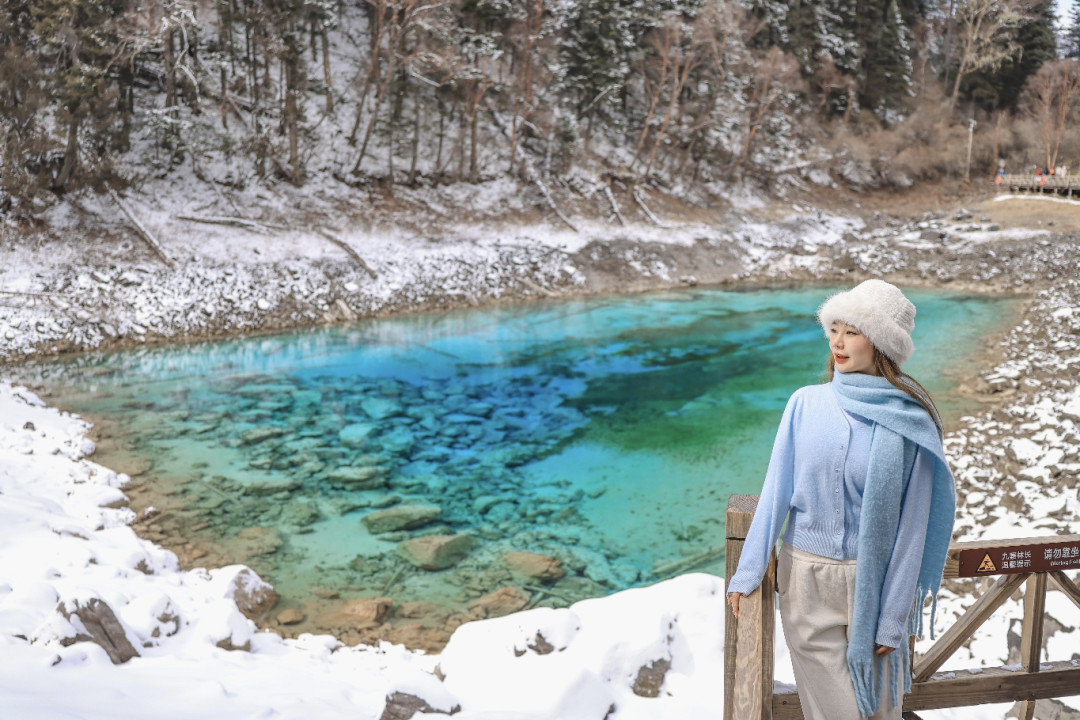
Five-Color Pond was the lake I was most looking forward to. In my memory, it was a kaleidoscope of blues and greens. Under the falling snow, it was different—muted, but still magical. The snowflakes melting on the surface created a shimmering effect, like a living painting.
This pond survived the earthquake relatively unscathed, a testament to Jiuzhaigou's resilience. It remains a must-see destination for any Jiuzhaigou travel guide.
H2: FAQ: Your Jiuzhaigou Travel Questions Answered
Q1: Is Jiuzhaigou fully open after the earthquake? A: Yes, the scenic area has fully reopened. While some areas were initially restricted, the main attractions across all three valleys (Shuzheng, Rize, and Zechawa) are now accessible to all visitors, including independent travelers.
Q2: What is the best time to see snow and peach blossoms together? A: The "dual wonder" of snow and peach blossoms is a spring phenomenon, typically occurring in mid-to-late March. This is Jiuzhaigou's off-season, offering lower crowds and a unique landscape.
Q3: Do I need to book a tour to visit Jiuzhaigou? A: No. The initial post-earthquake restriction requiring tour groups has been lifted. You can now book tickets online and enter as an individual traveler, though booking in advance during peak seasons is highly recommended.
Q4: How long does it take to see the main sights? A: Most visitors spend one full day inside the park using the shuttle bus system. For a more relaxed pace, a two-day pass allows you to explore the "Y"-shaped valleys without rushing.
Q5: Is Jiuzhaigou safe to visit after the earthquake? A: Yes. The park has undergone extensive geological surveys and safety reinforcements. All boardwalks and viewing platforms have been repaired or rebuilt. The scenic area is considered safe for visitors.
Conclusion: A Journey of Resilience
Jiuzhaigou’s post-earthquake rebirth is a story of resilience. From the scarred Nuorilang Waterfall to the pristine Mirror Lake and the snowy wonderland of Long Lake, this destination has not only recovered—it has transformed.
The dual wonder of snow and peach blossoms is a metaphor for Jiuzhaigou itself: a place where destruction and beauty coexist, where the old and the new create something even more breathtaking.
Don't just read about it. Book your Jiuzhaigou trip today and witness this miracle for yourself.
[Link: Jiuzhaigou Travel Packages] [Link: Chengdu to Jiuzhaigou Bus Routes] [Link: Top 10 Jiuzhaigou Photography Spots]
You may also like