Jiuzhaigou in Spring: A Complete Travel Guide to the Min Mountains' Ice and Water Wonderland
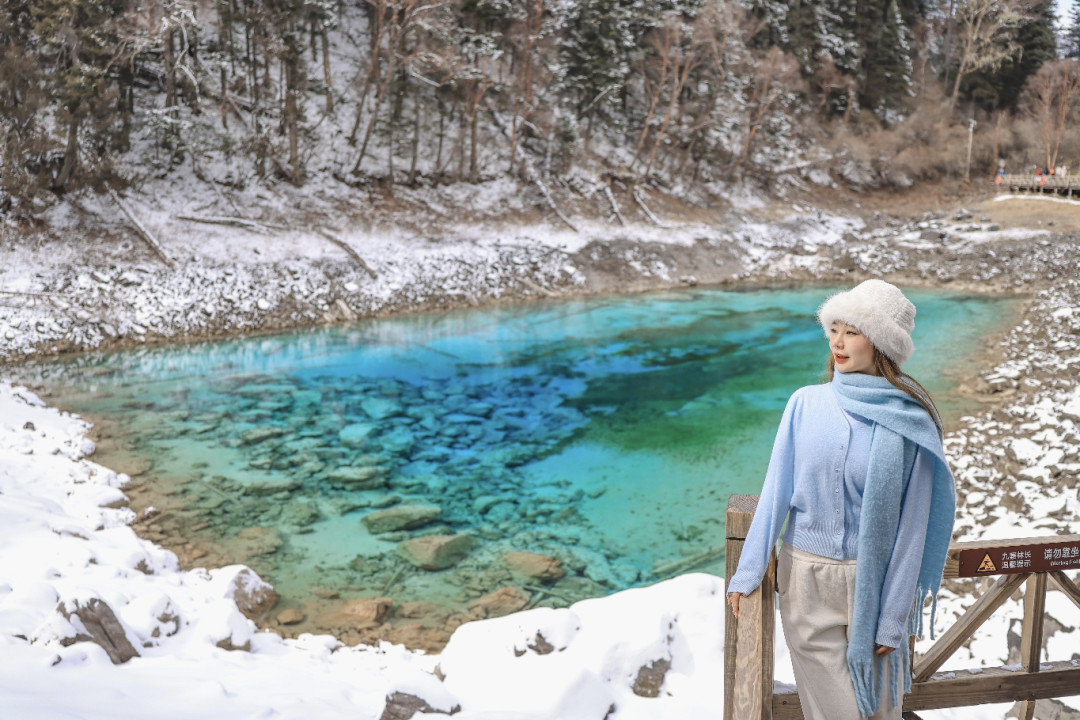
Meta Description: Discover Jiuzhaigou's spring beauty with our expert guide. Learn about off-season tickets, Arrow Bamboo Lake, Panda Lake, and hidden gems. Plan your 2025 trip to this UNESCO wonder.
Introduction: Why Jiuzhaigou Should Be Your Next Spring Destination
Some landscapes are measured not in miles, but in memories. Nestled at the summit of the Min Mountains in Sichuan Province, Jiuzhaigou National Park transforms into a breathtaking symphony of ice and water each spring. From frozen waterfalls to jade-green lakes, this UNESCO World Heritage Site offers a unique travel experience that combines natural wonder, Tibetan culture, and budget-friendly off-season pricing.
Whether you're a solo traveler, a photography enthusiast, or a family seeking adventure, Jiuzhaigou in spring delivers an unforgettable journey through China's most pristine alpine scenery. Let's explore everything you need to know—from transportation to hidden gems—in this comprehensive SEO-optimized guide.
Getting to Jiuzhaigou: High-Speed Rail and Bus Connections
From Sanxingdui to the Min Mountains: A Time-Traveling Journey
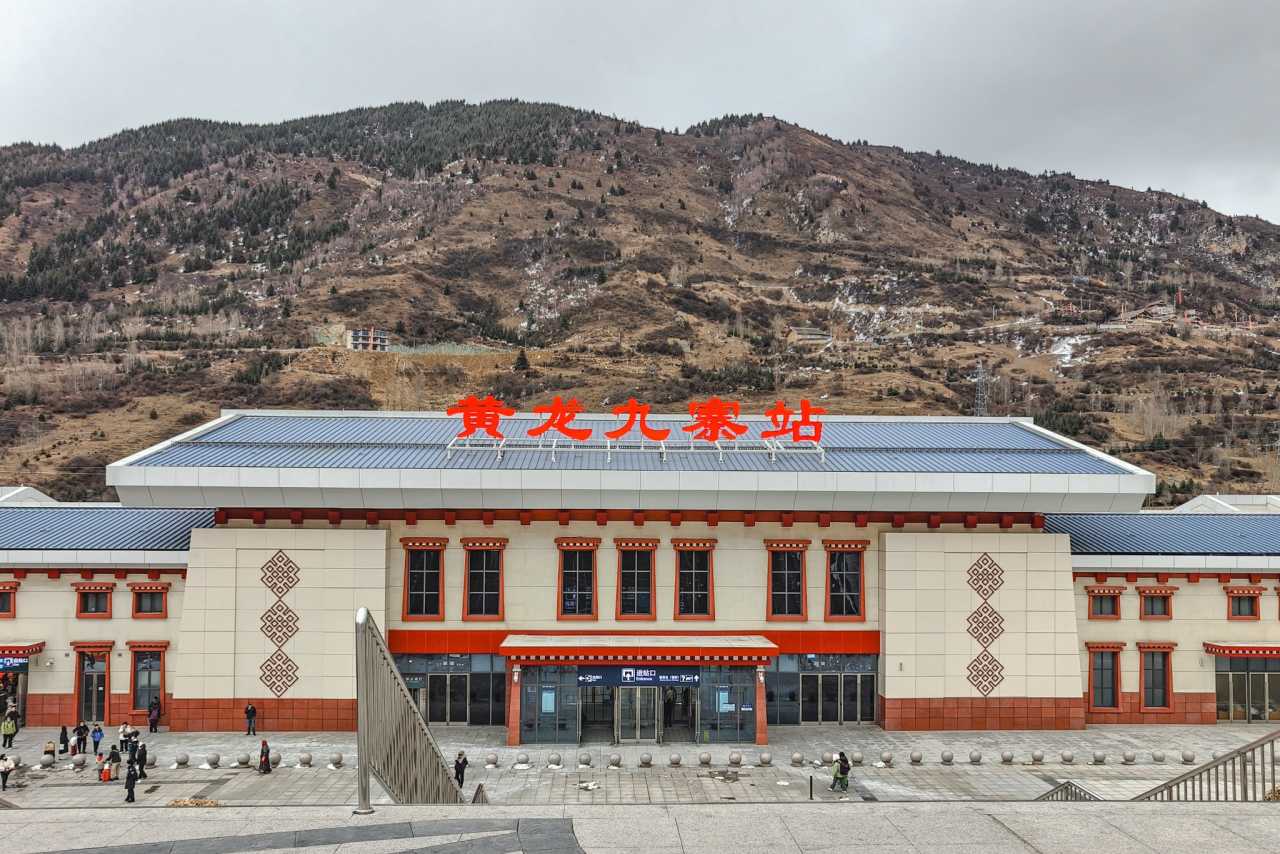
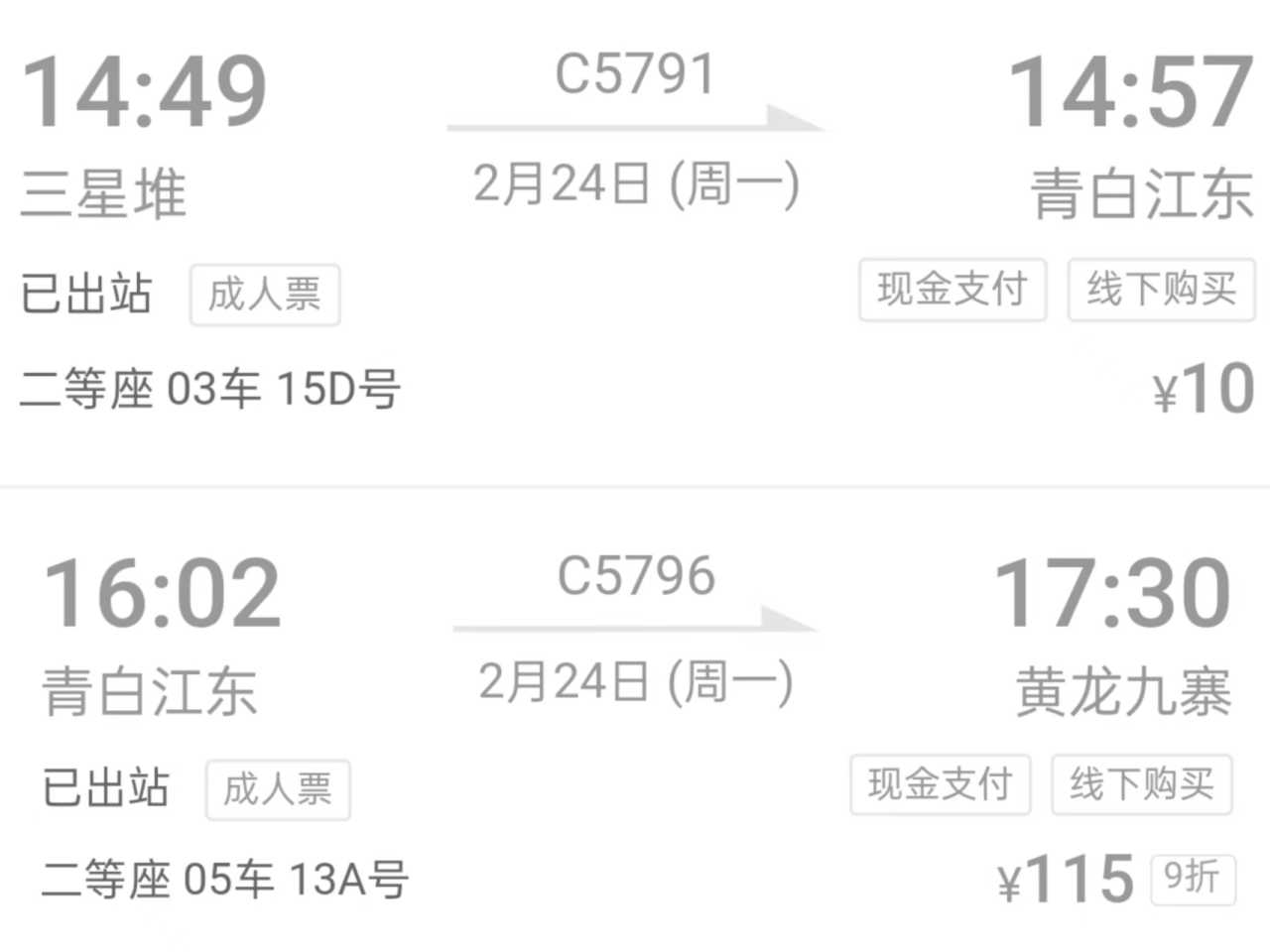
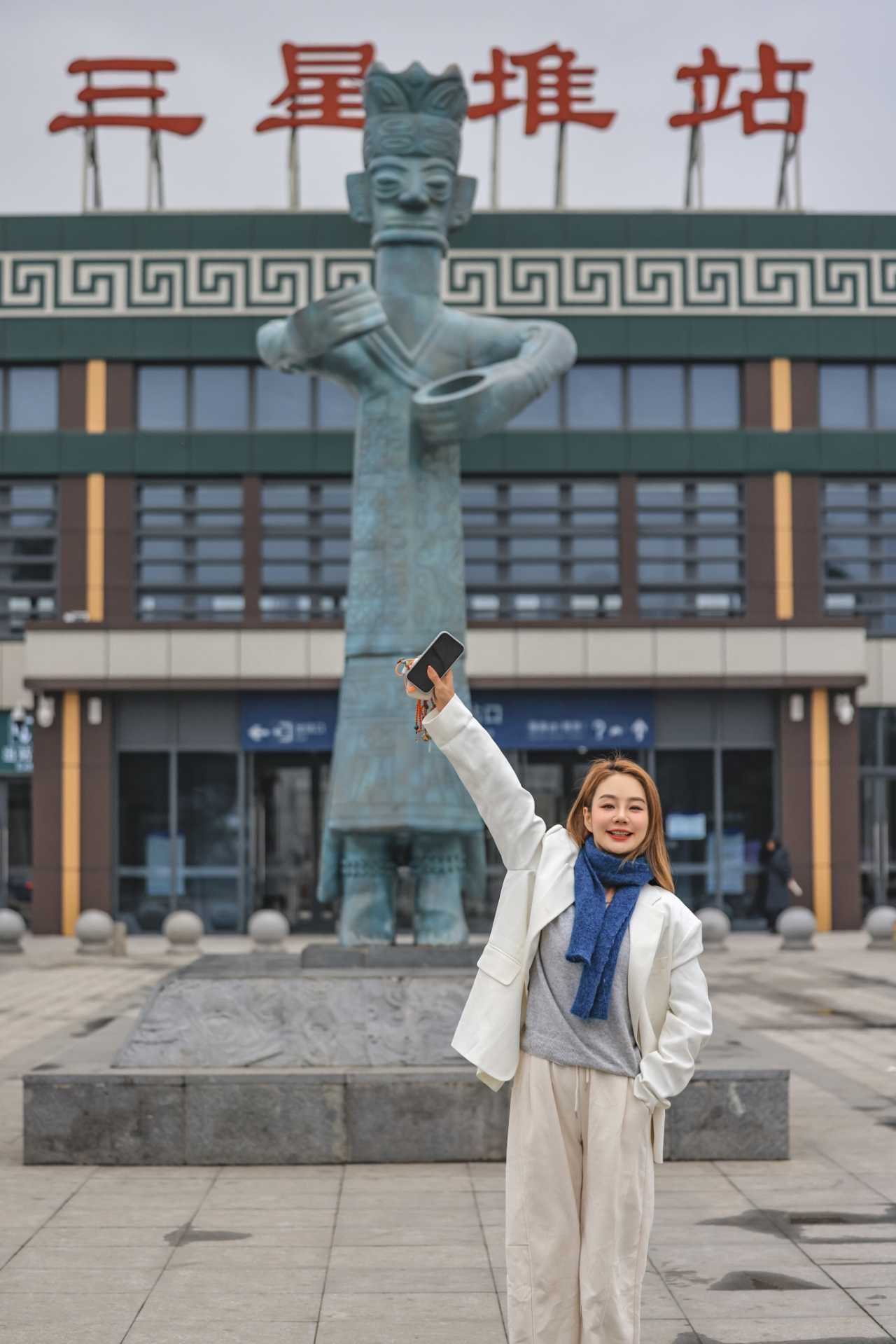
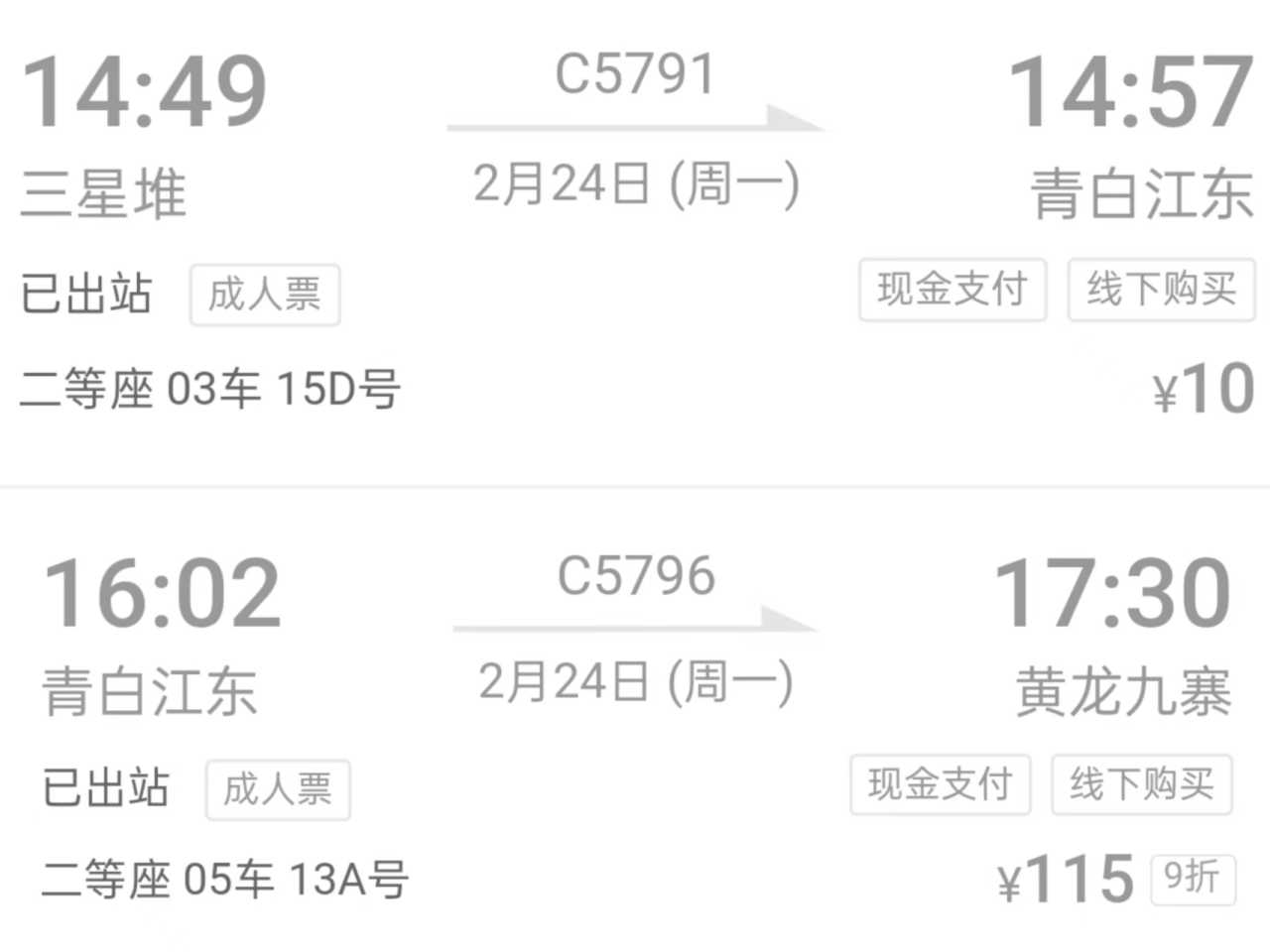
Your adventure begins the moment you step off the high-speed train. The new Chengdu–Jiuzhaigou railway has revolutionized access to this remote paradise. Departing from Sanxingdui station, the C5796 train whisks you through 47 tunnels in just over two hours, arriving at Huanglong Jiuzhaigou Station beneath a striking blue light corridor.
Pro tip: Book your train ticket early, especially during spring festival periods. The 2:49 PM departure from Sanxingdui connects seamlessly with the 6:00 PM direct bus to the park entrance.
Direct Bus to Jiuzhaigou Entrance
After arriving at Huanglong Jiuzhaigou Station, use the WeChat mini-program "Aba Scenic Area Direct Bus" to reserve your seat. The driver will call to arrange a meeting point. The bus follows ancient trade routes once used by Songtsen Gampo's armies, offering stunning views of the Min Mountains as dusk settles.
Travel tip: The bus heater runs full blast, and drivers often play Tibetan drinking songs. It's a cultural immersion before you even reach the park.
Off-Season Strategy: Smart Travel That Saves Money and Hassle
Why Visit Jiuzhaigou in Spring?
From November 16 to March 31 each year, Jiuzhaigou operates on its off-season schedule. This means:
- Ticket price: Only 80 RMB per person (vs. 169 RMB in peak season)
- Sightseeing bus: 80 RMB per person
- Crowds: Significantly fewer visitors
- Scenery: Frozen lakes, snow-capped peaks, and early spring blooms
Important note: Three spots are closed during off-season: Primitive Forest, Fragrant Grass Lake, and Swan Lake. However, the main attractions remain open and are often more magical in their winter-spring transition.
How to Buy Tickets
Purchase tickets one day in advance through the WeChat mini-program "Aba Tourism Ticketing." Availability is excellent during off-season, but booking ahead ensures peace of mind.
Jiuzhaigou's Spring Highlights: A Symphony of Ice and Water
Arrow Bamboo Lake (Jianzhu Hai): Frozen Arrows of Time
Elevation: 2,618 meters
Surface area: 170,000 square meters
Depth: Varies seasonally
Arrow Bamboo Lake is the crown jewel of Jiuzhaigou's spring landscape. As your sightseeing bus rolls through the early morning mist, the lake unfurls like a slow-opening ink-wash painting. Its waters—a deep, jade-like blue—appear steeped for a thousand years.
Why it's called Arrow Bamboo Lake: The name comes from the dense arrow bamboo groves along its shores. These bamboo stalks, a favorite food of giant pandas, rustle in the wind like quivers left behind by King Gesar's legendary campaigns.
Spring phenomenon: In winter, the water level drops, revealing the calcified travertine lakebed. This natural palette displays layers of blue, green, yellow, and purple, creating an otherworldly landscape. Thin ice clings to the shore, adding to the ethereal beauty.
Film connection: Arrow Bamboo Lake was the classic filming location for the sword dance between Broken Sword and Nameless in Zhang Yimou's film Hero. Stand on the circular boardwalk and imagine those martial artists gliding across the water.
Must-see: The "regeneration trees"—calcified fallen trees that have nurtured new saplings. This miracle of nature symbolizes rebirth, perfectly fitting for spring.
Arrow Bamboo Lake Waterfall: A Harp Left by the Glacier
Elevation: 2,629 meters
Width: 150 meters
Drop: 2–5 meters

Before leaving Arrow Bamboo Lake, don't miss its companion waterfall. Water cascades over a forest-top dam, splitting into countless streams to form a vast, arc-shaped curtain. In spring, the ice falls and flowing water weave together into a layered silver veil.
Geological wonder: When the Quaternary glacier retreated, collapsed moraine deposits formed a natural dam, splitting the waters of Arrow Bamboo Lake into countless strings. The result is a harp-like waterfall that plays a melody of ice and time.
Hidden secret: Fallen fir trees encased in travertine have become coral-like formations. New spruce roots pierce through the rotting wood to reach the rock below, creating the strange sight of "dead wood swallowing living trees." Look closely—you'll see schools of naked oxtail fish swimming through the shallow pool, their scales refracting light like scattered stars.
Panda Lake (Xiongmao Hai): A Frozen Fairy Tale
Elevation: 2,587 meters
Length: 570 meters
Average depth: 14.21 meters
As the roar of Arrow Bamboo Lake Waterfall fades, Panda Lake appears in its winter armor. The lake freezes into a massive block of jade-like glass, with only a crescent-shaped patch of open water in the southwest corner. This open water is evidence of an underground river surging below—a silver mirror left by the mountain god Dargye.
Why it's special: The freezing of Panda Lake is no simple seasonal cycle. Moraine deposits from the Quaternary glacier created a natural dam, forming this barrier lake. In winter, seepage from the lakebed exceeds surface water replenishment, causing the water level to drop by five meters and exposing golden travertine sandbars.
Ranger insight: The blue fissures beneath the ice aren't caused by cold, but by geothermal springs breathing under the ice shell. This struggle between fire and ice creates a jade-like static epic.
Tibetan legend: According to Bon texts, Panda Lake was the jade mirror of the goddess Semo. When the white yak god shattered the mirror, the fragments became the lake's scattered islands.
Frequently Asked Questions About Jiuzhaigou in Spring

1. Is Jiuzhaigou worth visiting in spring?
Absolutely. Spring offers lower prices, fewer crowds, and unique ice-and-water scenery. The frozen lakes and waterfalls create a magical atmosphere that summer visitors miss. Plus, you'll see early wildflowers beginning to bloom.
2. What should I pack for Jiuzhaigou in spring?
Temperatures range from -5°C to 10°C (23°F to 50°F). Pack layers: thermal underwear, fleece, waterproof jacket, warm hat, gloves, and sturdy hiking boots. Don't forget sunscreen—the UV reflection off snow and ice is intense.
3. How many days do I need in Jiuzhaigou?
Two days is ideal. Day one covers the main attractions (Arrow Bamboo Lake, Panda Lake, Five Flower Lake). Day two allows for deeper exploration of lesser-known spots like Long Lake and the Tibetan villages.
4. Can I see pandas in Jiuzhaigou?
Wild giant pandas are extremely rare. However, the arrow bamboo groves at Arrow Bamboo Lake are their natural habitat. For guaranteed panda sightings, visit the nearby Chengdu Panda Base before or after your trip. [Link: Chengdu Panda Base travel guide]
5. What are the best photo spots in spring?
Top locations include: - Arrow Bamboo Lake at sunrise (mist over the lake) - Arrow Bamboo Lake Waterfall (rainbows in the spray) - Panda Lake (ice formations and blue fissures) - Five Flower Lake (multicolored travertine beds)
Internal Linking Suggestions
- [Link: Jiuzhaigou vs. Huanglong: Which scenic area to visit first?]
- [Link: Tibetan culture and festivals in the Min Mountains]
- [Link: Best time to visit Jiuzhaigou: Month-by-month guide]
- [Link: Chengdu to Jiuzhaigou: Complete transportation guide]
- [Link: Jiuzhaigou photography tips for beginners]
Conclusion: Plan Your Spring Jiuzhaigou Adventure Today
Jiuzhaigou in spring is not just a destination—it's a narrative poem written in ice and water. From the frozen arrows of Arrow Bamboo Lake to the geothermal whispers beneath Panda Lake, every corner of this UNESCO wonder tells a story of geological time and Tibetan legend.
Your next step: Book your off-season tickets now through the "Aba Tourism Ticketing" WeChat mini-program. Reserve your high-speed rail ticket from Chengdu or Sanxingdui. Pack your warmest layers and your sense of wonder.
The mountains are calling. The lakes are waiting. And spring in Jiuzhaigou is an experience you'll carry in your heart forever.
Ready to go? [Link: Book your Jiuzhaigou tour package now]
Note: All factual information sourced from Mafengwo travel guide and verified against official Jiuzhaigou park data. Prices and schedules subject to change. Always check official sources before traveling.
You may also like


