Galloping Across the Sichuan-Gansu Border: A Date with the Grasslands and Wetlands of Zoigê
Meta Description: Discover Zoigê (Ruo'ergai) on a 3-day Sichuan-Gansu loop. Explore Flower Lake, the Yellow River’s Nine Bends, and highland wetlands at 3,400m. Your ultimate travel guide to China’s most beautiful grassland.
Introduction: Why Zoigê Deserves a Spot on Your Bucket List
On China’s vast grassland map, Zoigê (Ruo'ergai) stands as a unique presence. Unlike Hulunbuir’s endless, pancake-flat expanse, it weaves a layered three-dimensional tapestry with rolling hills, meandering rivers, and scattered wetlands. Nor does it share Xilingol’s vast desolation—instead, on a 3,500-meter-high plateau, it crafts a dream of celestial mirrors with brilliant flower seas and crystal-clear lakes.
This is no monotonous stretch of green grass. It is a symphony of grasslands embracing wetlands, of the Yellow River co-existing with lakes. At around 3,400 meters above sea level, a 65,000-square-kilometer green carpet unfurls toward the horizon. The clarity of Flower Lake (Huahu), the serpentine curves of the Yellow River’s Nine Bends, and the vast desolation of Riganqiao interweave—offering both the grandeur of northern grasslands and the delicate beauty of southern wetlands. Every step brings a new encounter with highland romance.
This three-day journey along the Sichuan-Gansu loop, beginning in mid-September, immersed me in an exclusive memory of what many call “China’s most beautiful grassland.”
Day One: Entering the Painting – Flower Lake Like a Mirror
The Grassland Sky Road S209: A Windows Desktop Outside the Window
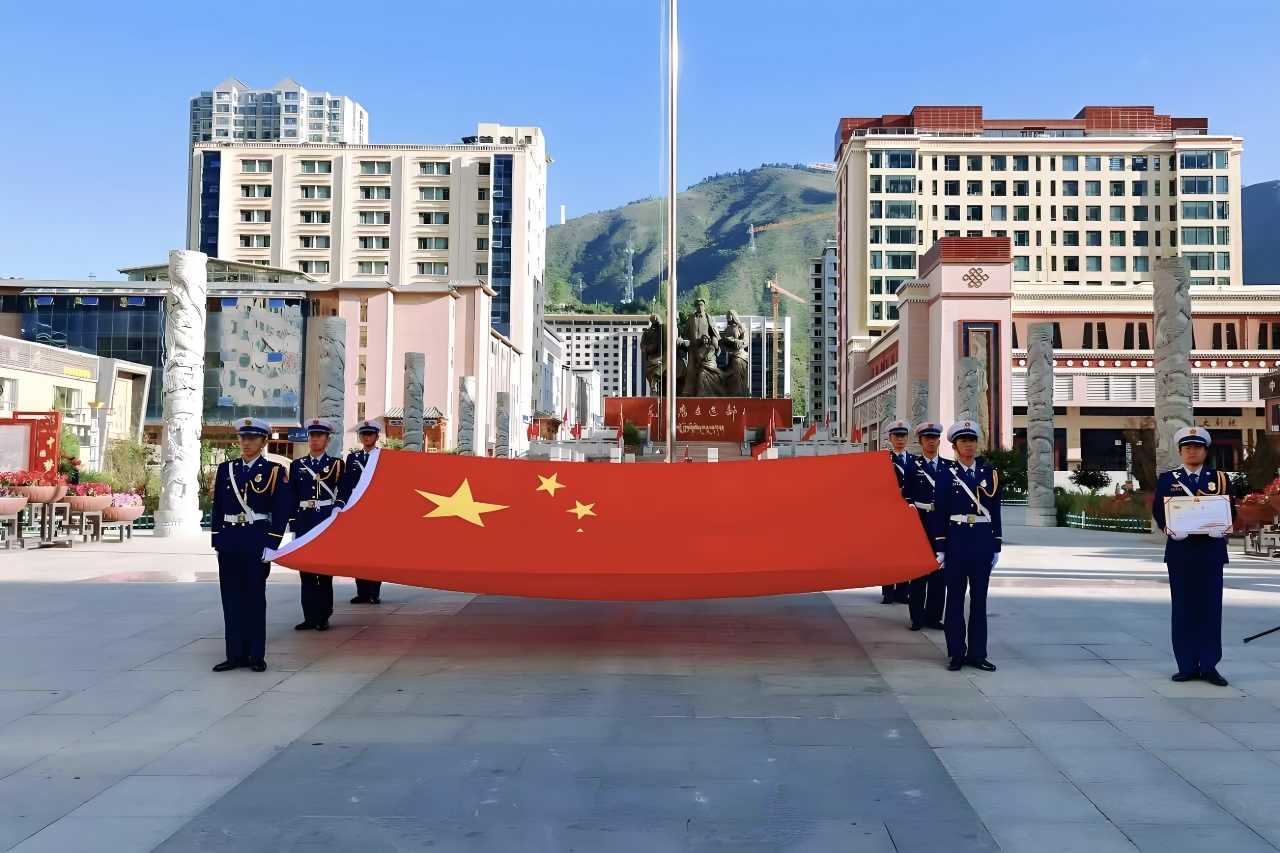
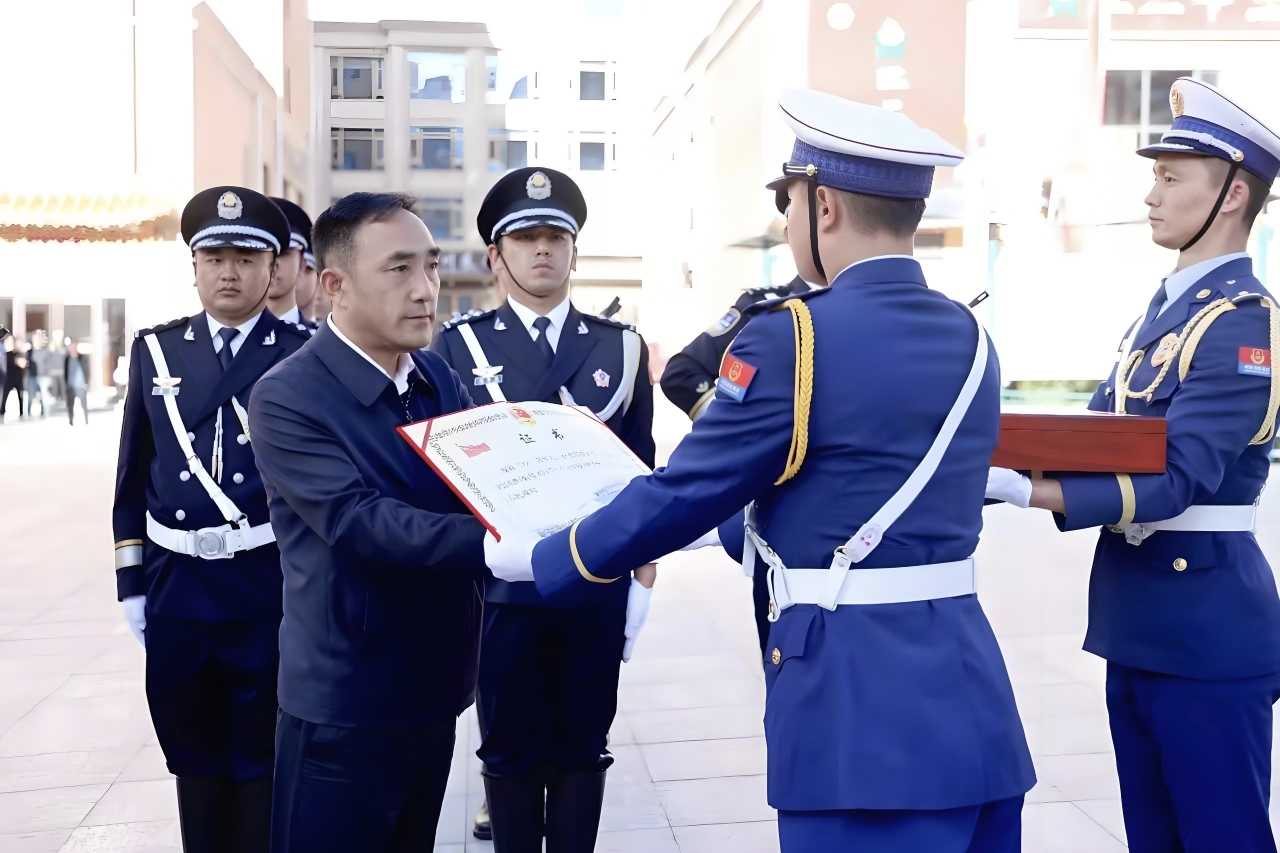
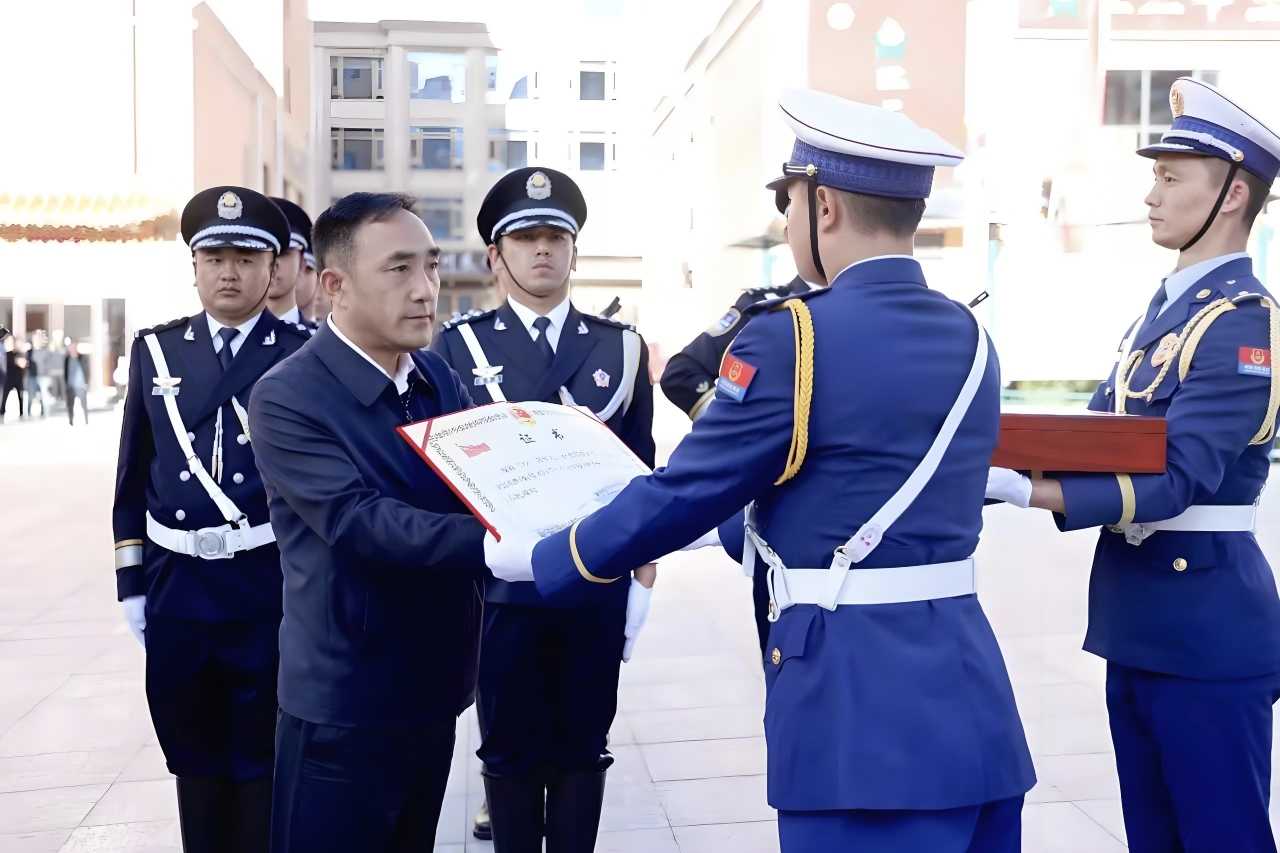
At eight in the morning, we attended a special flag-welcoming ceremony in the square of Diebu County town—a flag that had once flown over Tiananmen Square during the 80th anniversary of the Lazikou Battle victory on September 16, 2015. This ceremonial touch infused the entire journey with a solemn yet warm undertone.
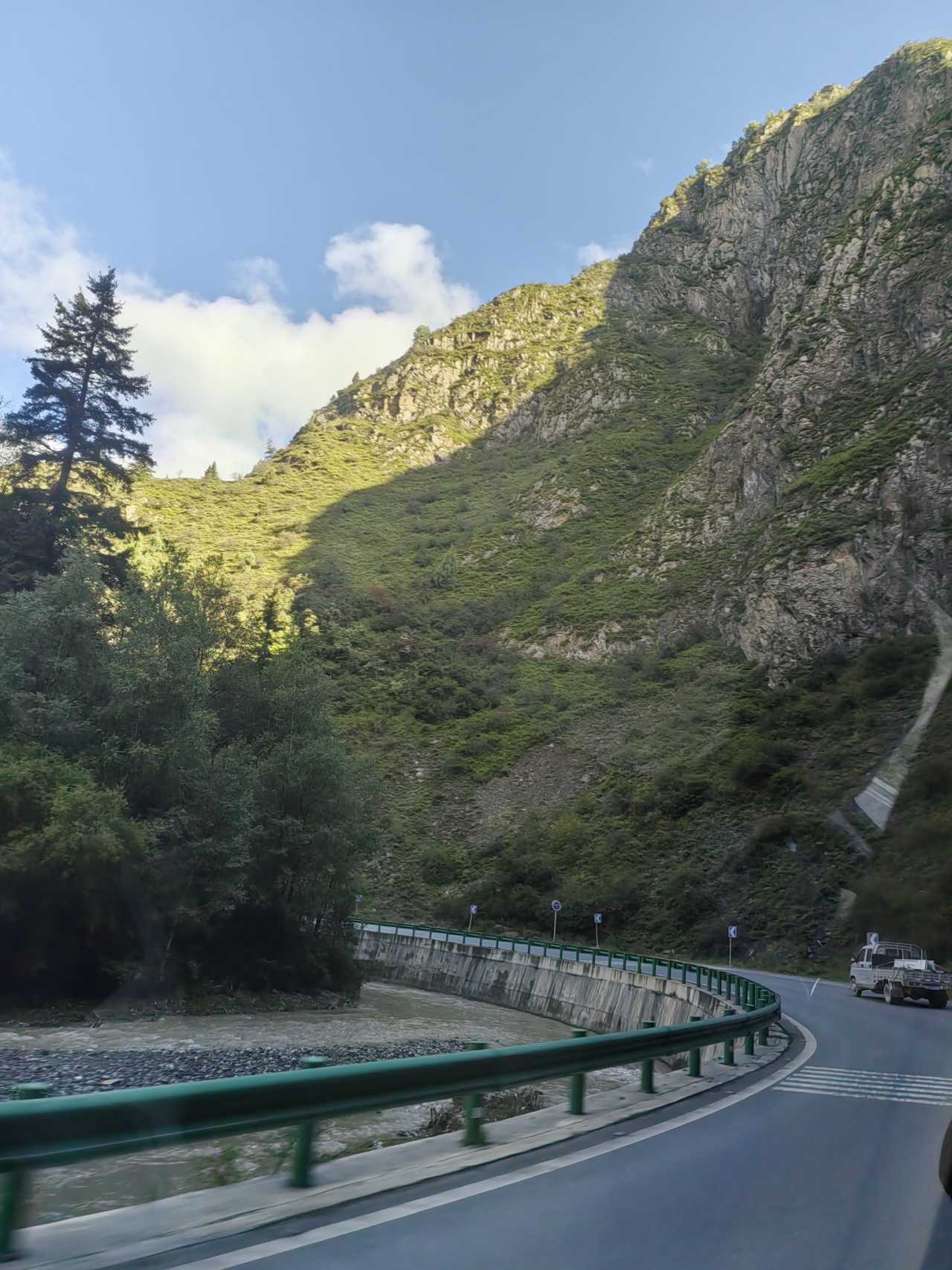
At nine sharp, we set off from Diebu County town onto Provincial Road S209, and the visual feast began. The road stretched like a white silk scarf drifting across an endless green carpet. Following our plan, we stopped at three viewpoints.
The first stop was Jage Monastery (Jiagesi), a Gelug sect Tibetan Buddhist temple built during the Qing Dynasty. In 2012, it was designated the eighth batch of provincial-level cultural relic protection units in Sichuan. The temple stood quietly on the grassland, its red walls and golden roofs strikingly vivid against the blue sky and green grass.
At the three-way intersection where Chuanlang Highway meets G345, a statue of a galloping horse stepping on a flying swallow stood tall. Surrounding it was Zoigê grassland, dotted with colorful wildflowers that dressed the prairie like a floral carpet. Each pause was a cleansing for the eyes: undulating meadows like frozen green waves, herds of yaks like scattered black pearls, and cloud shadows chasing each other across the vast land.
Important tip: This beauty is fragile and precious. Do not drive onto the meadows for a photo—the viewpoints already offer the best perspectives.
Flower Lake: The Crystal Mirror Box of the Wetland Kingdom
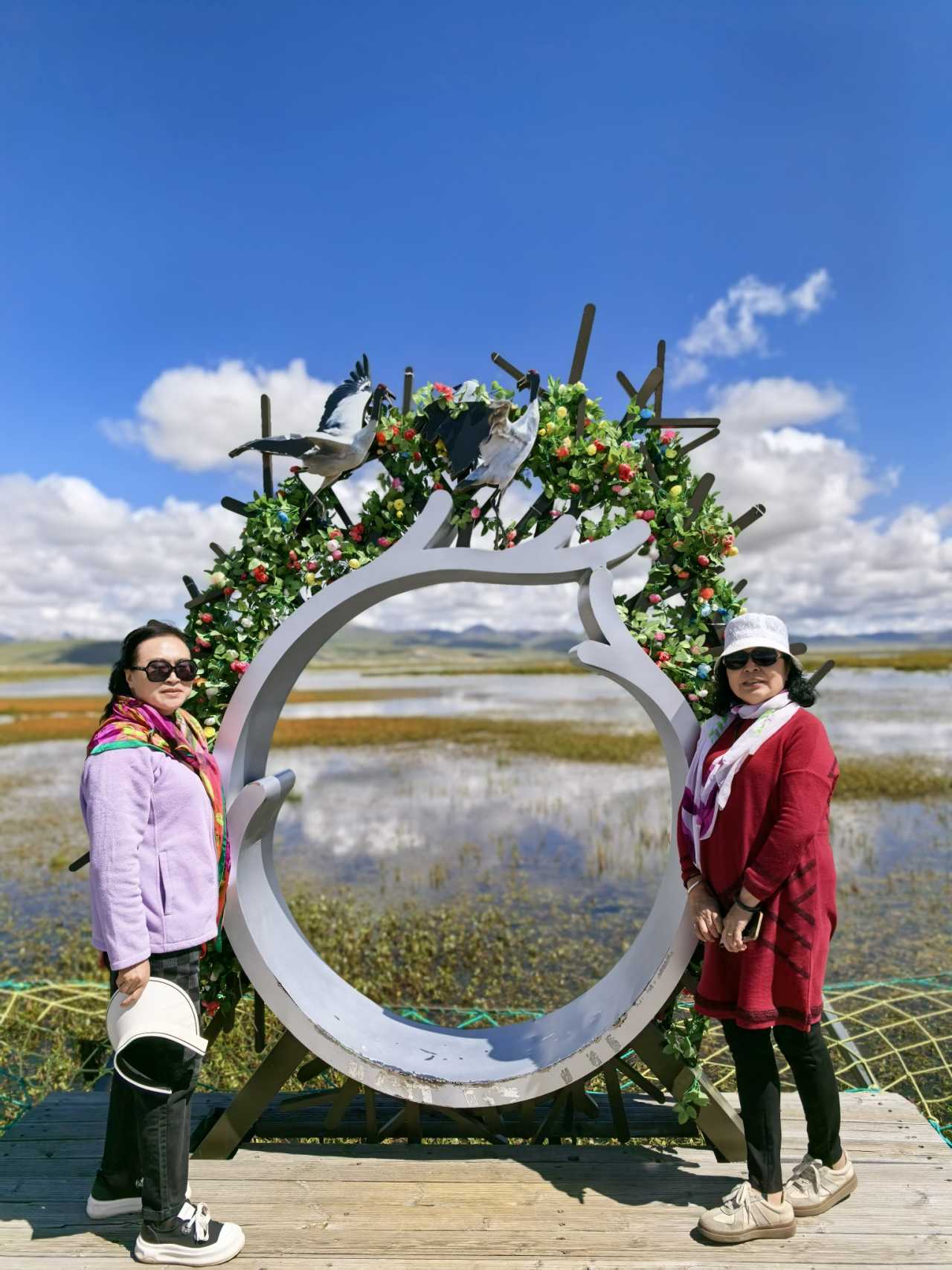
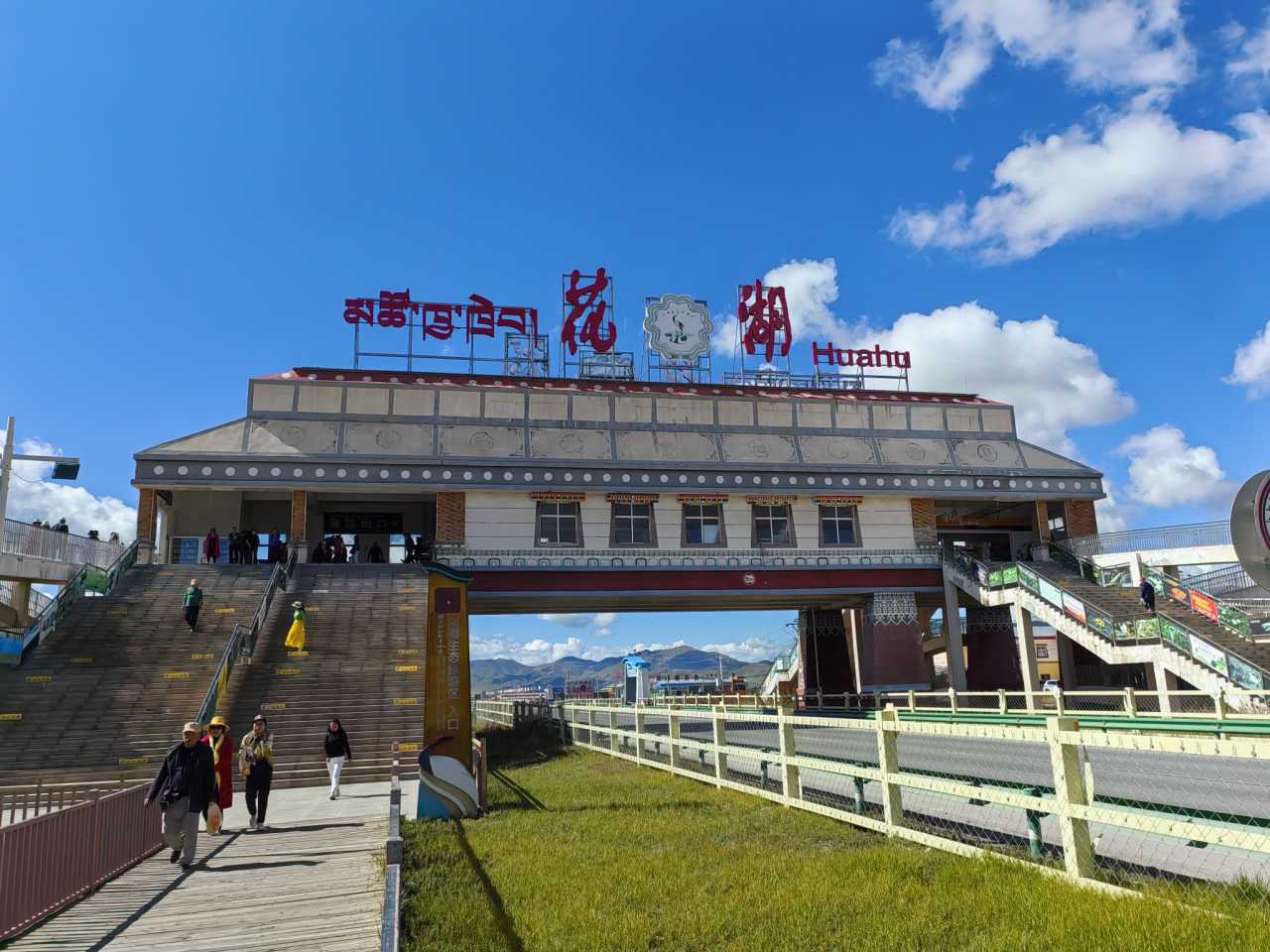
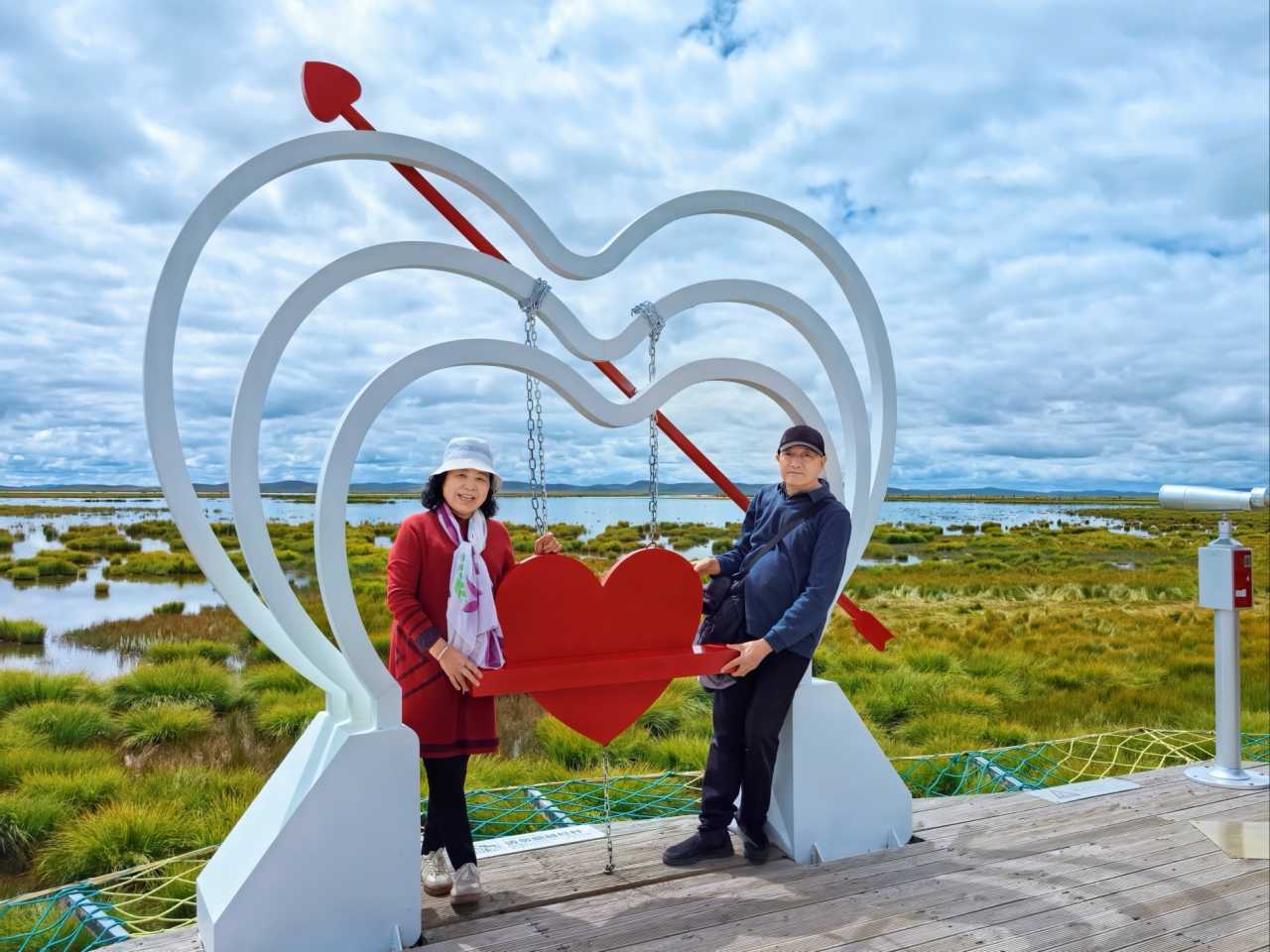
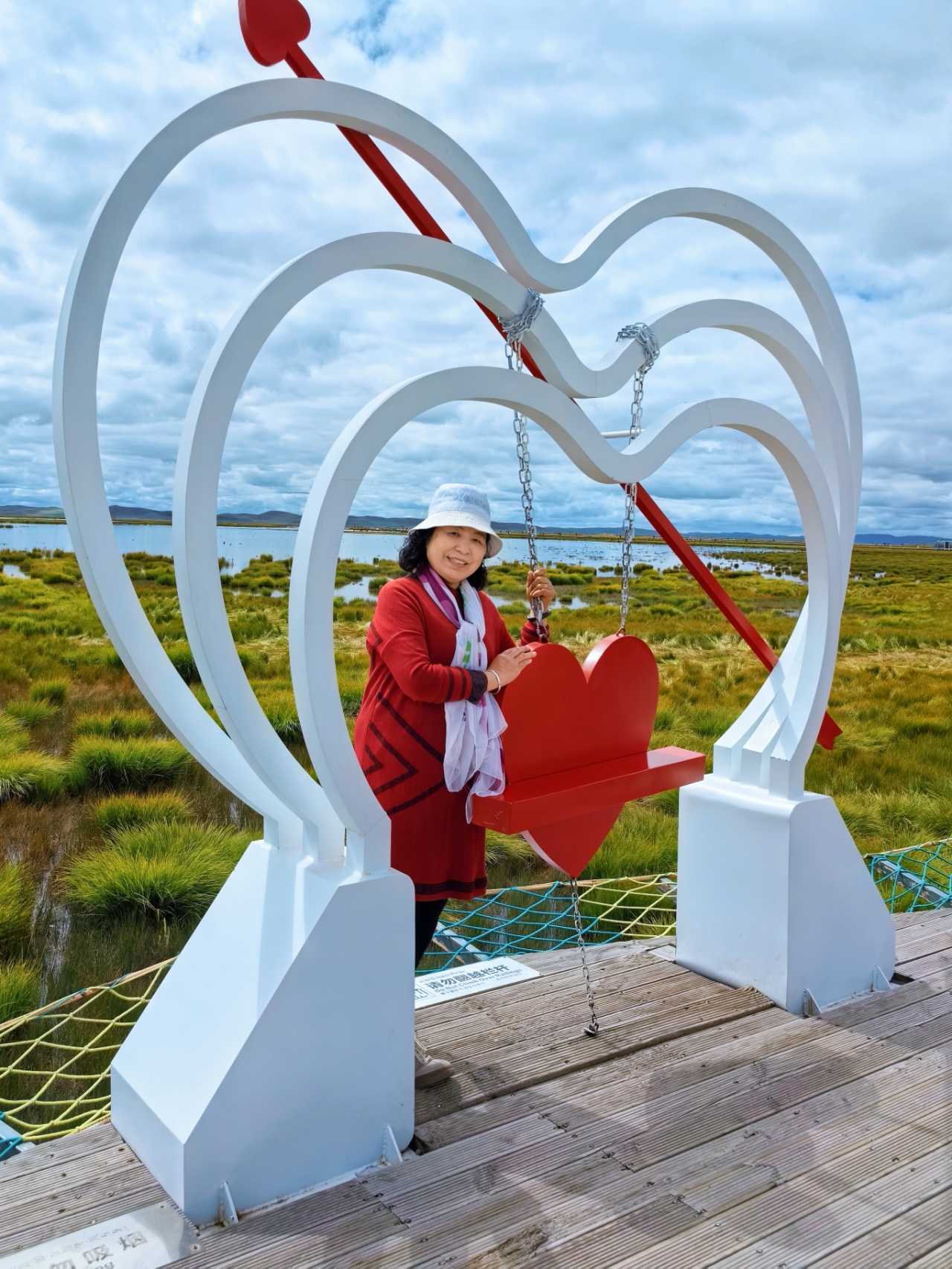
After three hours of driving, we finally arrived at the day’s highlight—Zoigê Flower Lake (Huahu). The clear weather added an extra layer of brilliance to this highland wetland.
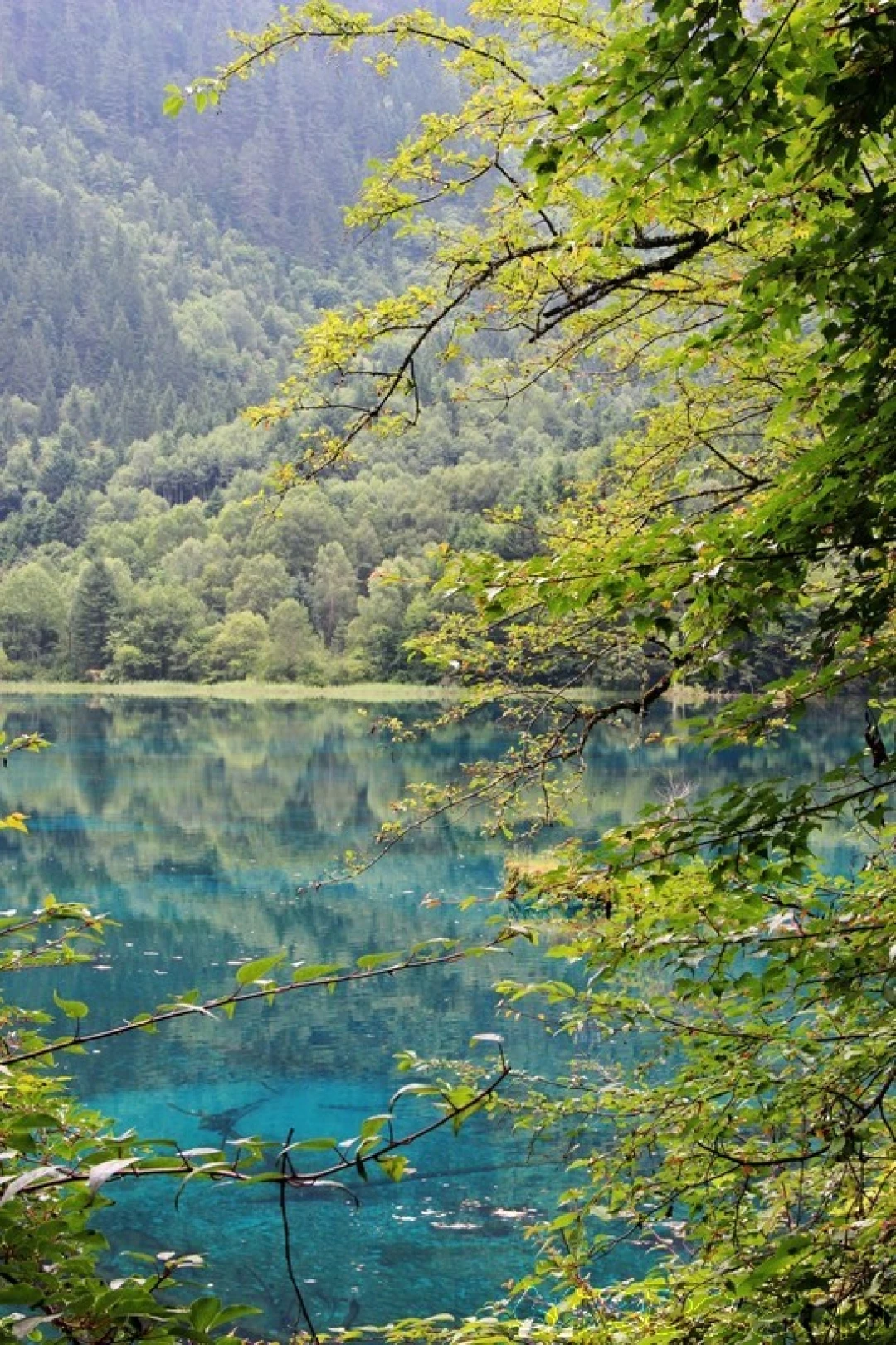
Taking the scenic shuttle deep into the core area, we stepped off the bus and were immediately captivated by the 300-plus acres of crystalline water. Though the peak summer bloom had passed, the clear water remained breathtakingly beautiful. The blue sky and white clouds reflected perfectly in the water, making it impossible to tell where the sky ended and the lake began. The entire wetland seemed like the most transparent mirror box in the world, absorbing all the purity of the plateau.
Why is it called “Flower Lake”? In summer, aquatic plants do bloom with colorful flowers—but its beauty goes far beyond that. When the azure sky and massive white clouds are reflected intact on the lake’s surface, the whole wetland becomes a giant “mirror box,” where heaven and earth mirror each other, blurring the line between reality and illusion.
Walking along the gentle wooden boardwalk felt like strolling on clouds. The symphony of wind and birdsong filled the air. With luck, you might spot elegant black-necked cranes pacing in the shallows, or flocks of bar-headed geese flying overhead. There was no noise here—only the purest stillness between heaven and earth.
By one in the afternoon, the sunlight over Zoigê was just right. The sun cast a honey-gold hue, thickly pouring over the meadows—the green was gilded, a yellow-green carpet spreading from our feet to the base of the snowy mountains. The white railings of the long walkway cast geometric shadows, like musical staffs of time, and we sat at the rests between notes.
A sharp cry pierced the sky, and flocks of red-billed gulls came swooping in. They hovered mid-air or dived down, their red beaks glinting in the sunlight, chasing one another for food, turning the peaceful lakeside into the liveliest arena.
As evening fell, we arrived at Zoigê County town and checked into our pre-booked hotel. At an altitude of about 3,400 meters, first-time visitors to the plateau may experience mild altitude sickness. Fortunately, the hotel was equipped with diffuse oxygen supply—the room gently released oxygen, offering comfort in the midst of fatigue and preparing us for the next day’s journey.
Accommodation Tip: Overnight in Zoigê County town at around 3,400 meters. It is highly recommended to choose a hotel room with diffuse oxygen supply, which can greatly alleviate altitude sickness and ensure a restful night’s sleep.
[Link: Best hotels in Zoigê County for altitude comfort]
Day Two: Poetry in the Rain and the Epic Song of the Nine Bends
Morning Rain on the Grassland: An Unexpected Blank Space
Our original plan was to have an immersive experience on the Zoigê grasslands—horseback riding, chasing the wind on motorcycles—but an unexpected rain disrupted our rhythm. The grassland in the rain lost some of its vastness but gained a dreamy haze. The grass, washed by the rain, turned an even more vivid green, and the air was filled with the moist fragrance of vegetation.
Instead of stubbornly sticking to our plan, we took a simple photo stop at the edge of the grassland, watching raindrops wet the grass blades and listening to the wind brush past our ears. This unplanned poetic moment became an unexpected delight.
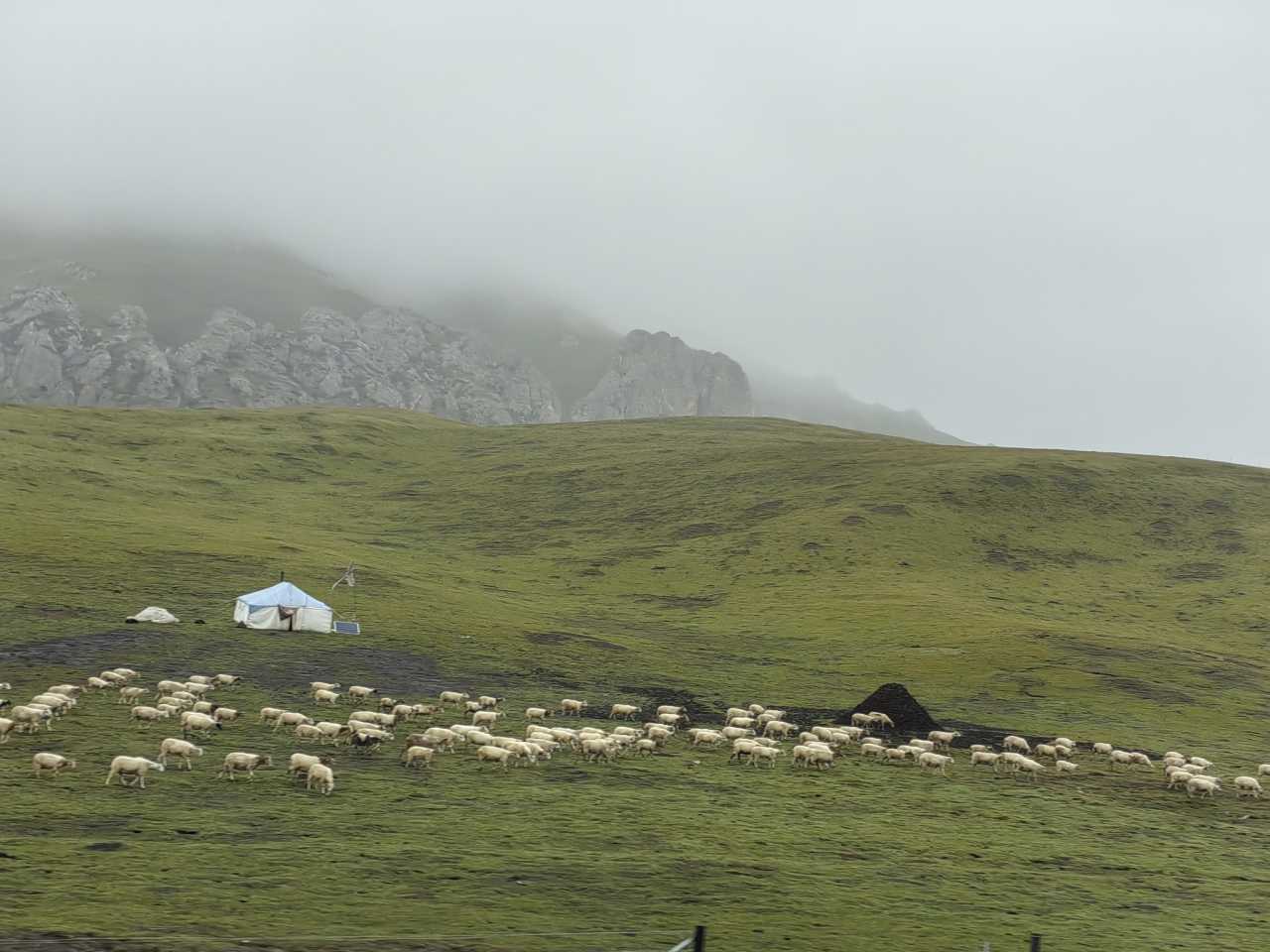
The rain-soaked scenery of Zoigê has its own charm. The grass, drenched by the rain, became even more lush and verdant. Mist swirled around the mountains, casting a mysterious veil over the prairie. A young herder rode his motorcycle, slowly driving a herd of yaks along the road—they didn’t care that we were in a hurry.
We took photos at the central point of the Zoigê grassland. Unable to ride an off-road motorcycle, we could only pose on one for a picture; unable to gallop across the prairie, we settled for a photo with a horse as a keepsake. But who says regrets aren’t part of the journey?
The Yellow River’s Nine Bends and Eighteen Turns: A Silver Silk Scarf Flowing from the Sky
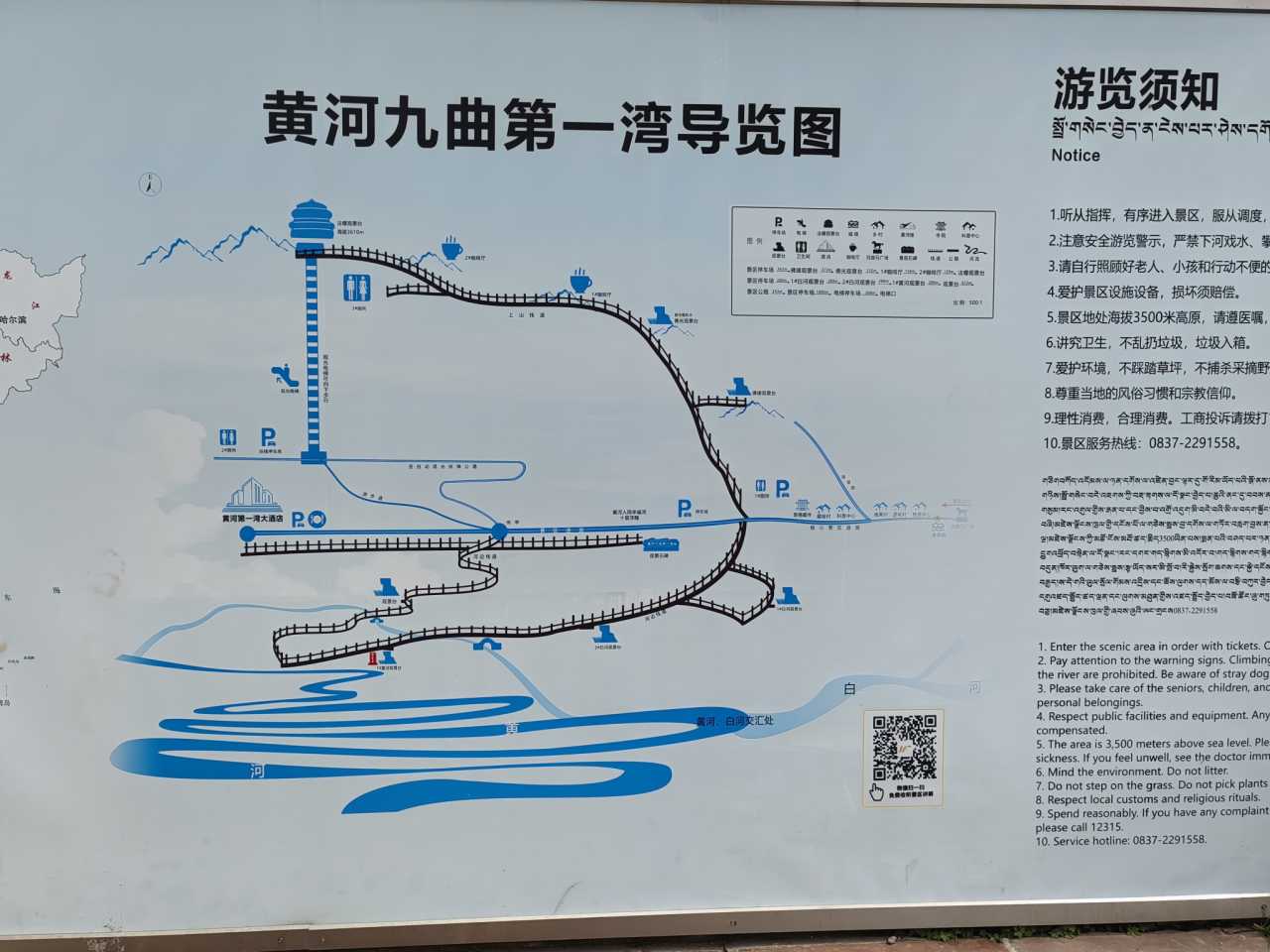
As the rain lightened, we drove to Tangke’s First Bend of the Yellow River (Jiuqu Huanghe Diyi Wan)—the gentlest version of the Yellow River within Sichuan. Unlike the roaring torrent at Hukou Waterfall, here the Yellow River meanders like a golden ribbon wrapped around the grassland. After the rain cleared, the clouds gradually parted, and sunlight pierced through to cast a golden edge on the river’s surface.
If you don’t want to climb the 900 steps, you can take the elevator directly to the observation deck—saving time and energy. Standing at the highest point, you can take in the full panorama of the “Nine Bends and Eighteen Turns.” At that moment, you truly understand the grandeur of “the Yellow River’s waters come from the sky.”
From the summit, the Yellow River resembles a master painter, using sinuous brushstrokes to sketch countless graceful “S” shapes across the flat grassland. The river shimmered silver under the sunlight, like a silk scarf fallen from heaven—peaceful yet majestic, complete.
[Link: Best viewpoints for Yellow River photography in Sichuan]
Day Three: Riganqiao Wetlands and the Farewell to the Plateau

Riganqiao: The Wetland That Touches the Sky
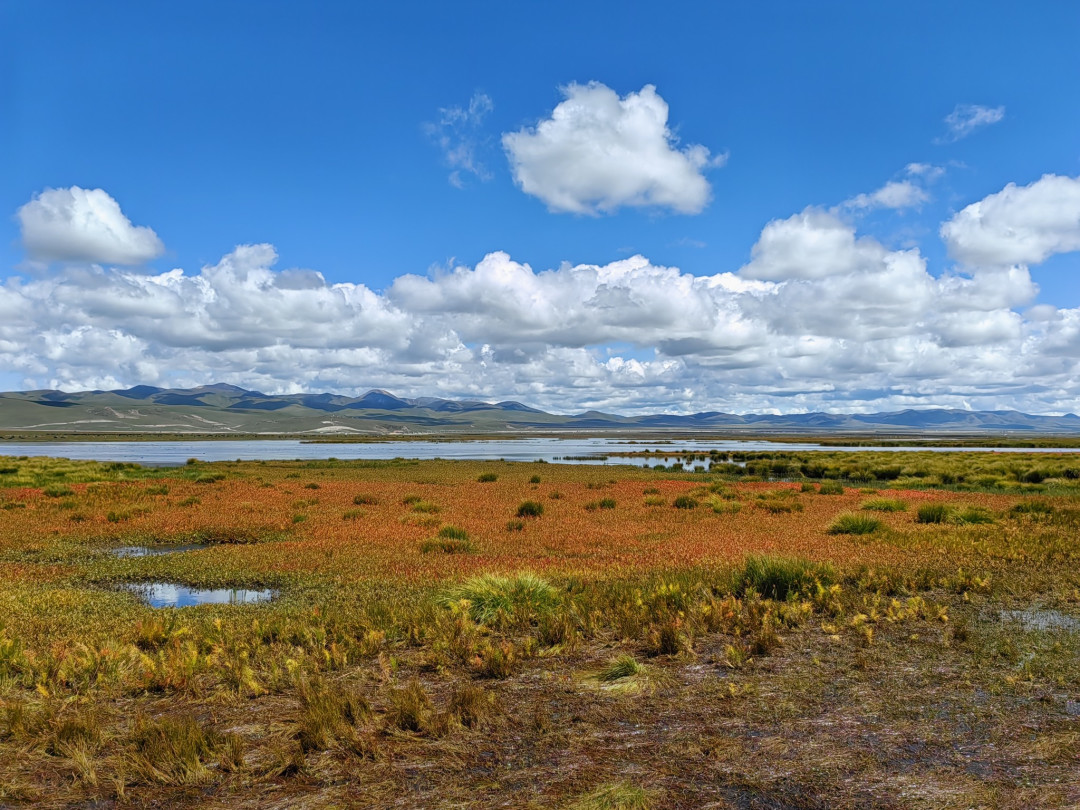
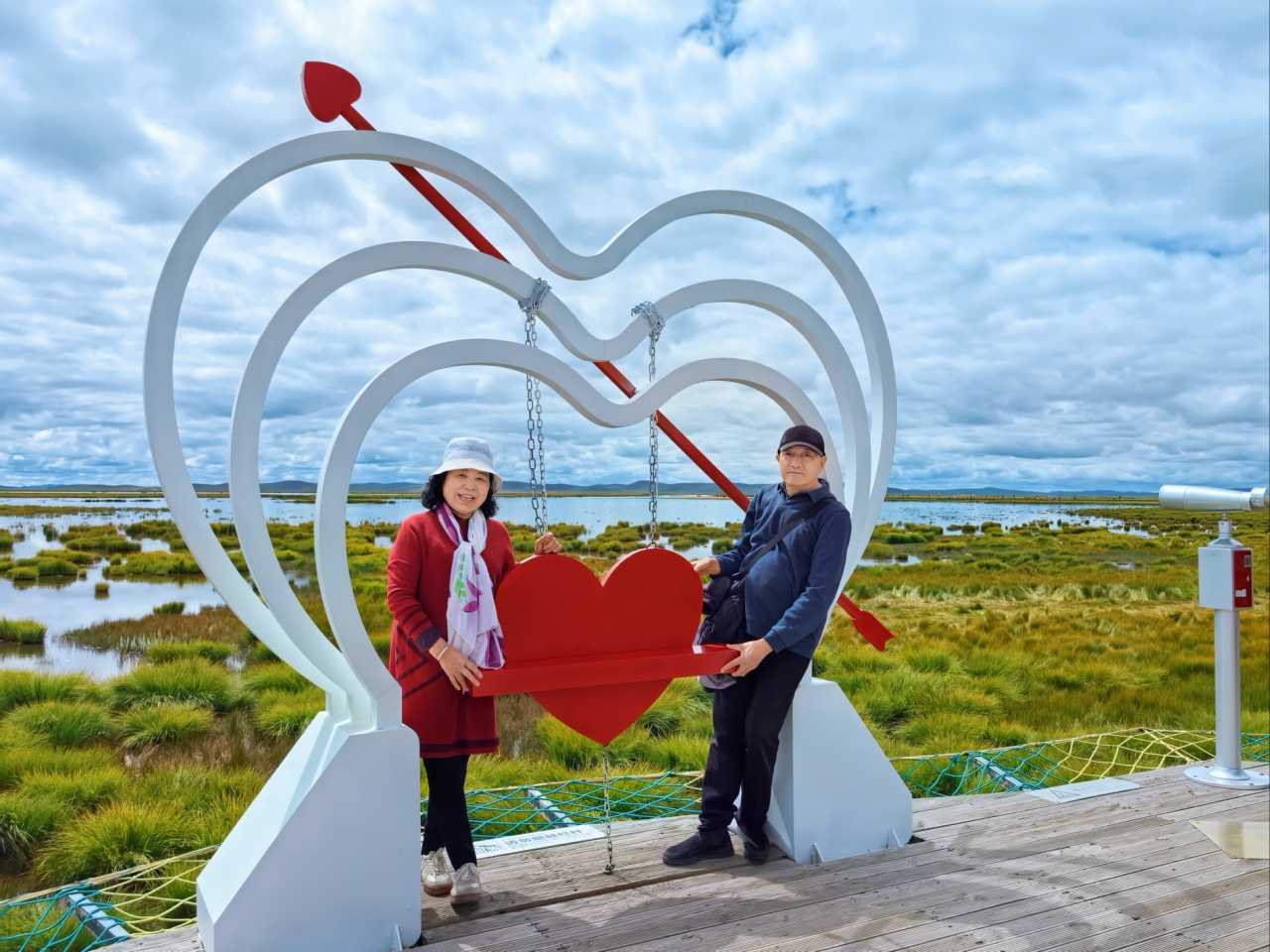
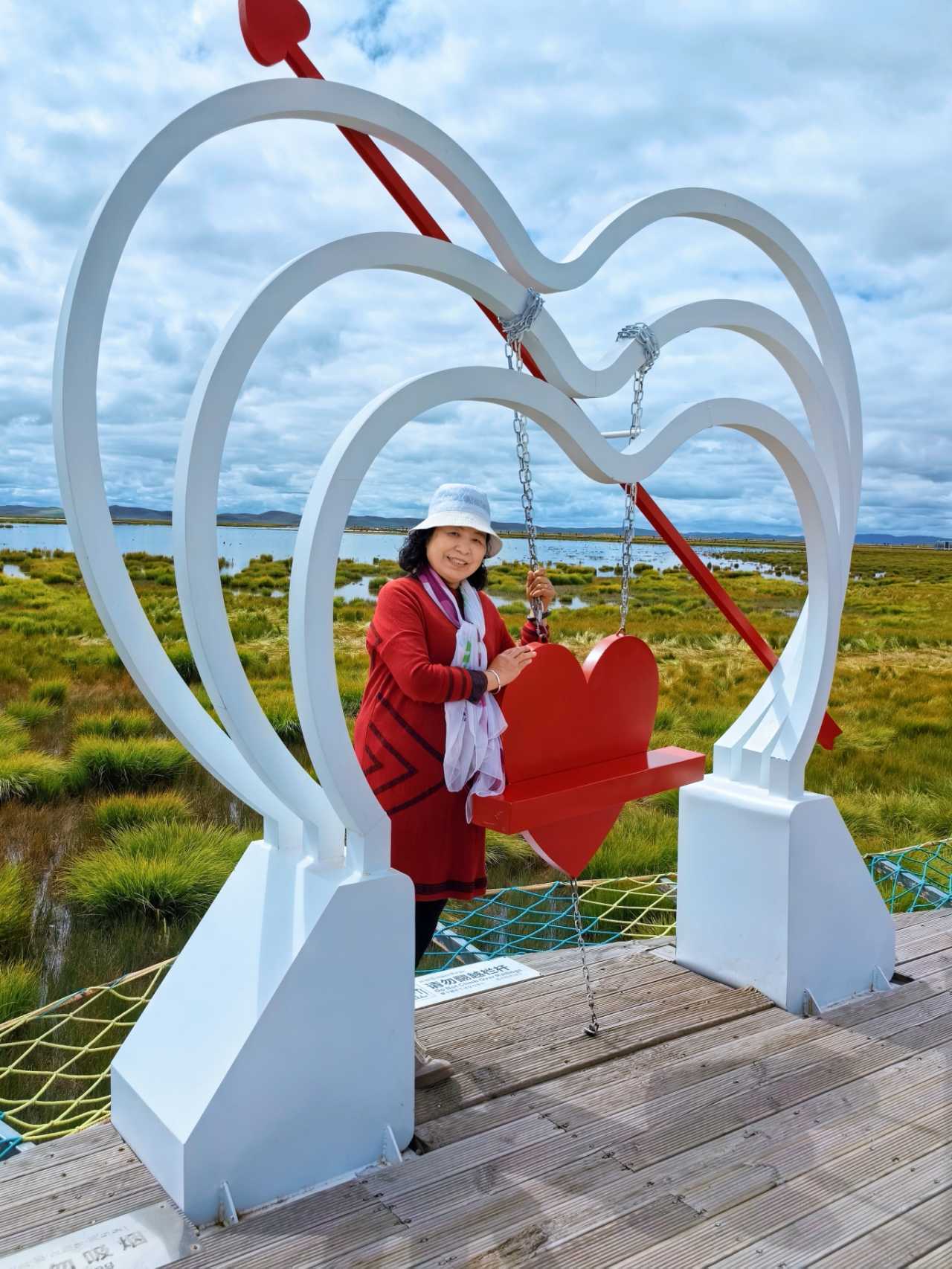
On the final morning, we visited Riganqiao, a lesser-known but equally stunning wetland area within the Zoigê National Nature Reserve. Unlike the more famous Flower Lake, Riganqiao offers a raw, untamed beauty. The wetlands stretch as far as the eye can see, dotted with small lakes and winding streams that reflect the ever-changing sky.
The boardwalk here is shorter but more intimate, allowing you to feel the pulse of the wetland ecosystem. We spotted Tibetan snowcocks and heard the distant calls of whooper swans. The air was thin but crisp, carrying the scent of damp earth and wild herbs.
Practical Tips for Your Zoigê Adventure
| Aspect | Recommendation |
|---|---|
| Best time to visit | June to September (peak flower season in July-August) |
| Altitude | 3,400–3,500 meters; prepare for mild altitude sickness |
| Transportation | Self-drive or hire a local driver; S209 and G345 are well-maintained |
| Accommodation | Zoigê County town (oxygen-supplied rooms recommended) |
| Must-see spots | Flower Lake, Yellow River Nine Bends, Riganqiao Wetlands |
[Link: Complete packing list for high-altitude grassland travel]
FAQ: Your Zoigê Travel Questions Answered
1. Is Zoigê suitable for first-time visitors to high altitudes?
Yes, but with precautions. The altitude (3,400–3,500m) can cause mild symptoms like headaches or shortness of breath. Stay hydrated, avoid alcohol, and choose oxygen-supplied accommodation. Most visitors adjust within 24–48 hours.
2. What is the best time of year to see the flower sea at Flower Lake?
Peak blooming occurs from mid-July to early August. However, September offers clear skies and fewer crowds, with the lake still reflecting the sky like a mirror. The “mirror box” effect is best on windless, sunny days.
3. Can I visit the Yellow River’s Nine Bends without climbing the stairs?
Absolutely. There is an elevator that takes you directly to the observation deck. This is especially helpful for those with mobility concerns or altitude sensitivity.
4. Are there any cultural etiquette tips for visiting Tibetan monasteries like Jage Monastery?
Yes. Dress modestly (cover shoulders and knees), speak quietly, and avoid pointing at religious statues. Photography may be restricted inside temples—always ask permission first.
5. How do I get to Zoigê from major cities like Chengdu or Lanzhou?
From Chengdu, drive via the Sichuan-Tibet Highway (G317) to Diebu County, then take S209. From Lanzhou, take G213 south toward Zoigê. Both routes take approximately 8–10 hours. Alternatively, fly to Jiuzhai Huanglong Airport and drive 3 hours to Zoigê.
Conclusion: Your Date with the Grasslands Awaits
Zoigê is not just a destination—it’s a feeling. It’s the cool breeze on your face as you stand at the Yellow River’s first bend, the reflection of clouds in Flower Lake’s mirror-like surface, and the unexpected poetry of rain on the prairie. Whether you’re a seasoned traveler or a first-time explorer of China’s highlands, this Sichuan-Gansu grassland loop offers an unforgettable blend of natural wonder, cultural richness, and personal discovery.
Are you ready to gallop across the border? Start planning your Zoigê adventure today. Book your accommodation in advance, pack your camera and a warm jacket, and prepare to be humbled by the beauty of China’s most beautiful grassland.
[CTA: Book Your Zoigê Grassland Tour Now – Expert Guides & Custom Itineraries Available]
Article last updated: September 2025. All information is based on firsthand travel experience during mid-September. Conditions may vary by season.
You may also like