Five People, One Car, Northern Sichuan's Secret Realm: A Spontaneous "Off-the-Beaten-Path" Road Trip
Meta Description: Discover Northern Sichuan's hidden gems on a spontaneous road trip from Chengdu to Jiuzhaigou, Huanglong, Zoige Grassland, and the First Bend of the Yellow River. Perfect for budget travelers and nature lovers.
Introduction: When Spontaneity Meets Adventure
Some trips are meticulously planned; others are purely spontaneous. Our Northern Sichuan road trip was decidedly the latter — no rigid itinerary, no must-see attractions, just five friends eager to set off together, with hearts yearning to encounter surprises along the way.
While everyone else was buried in books preparing for college entrance exams, we wanted to seize a window before the holiday crowds surged in. We rented two cars, packed snacks and laughter, and disappeared into the mountains and lakes of Northern Sichuan. This is our story of a spontaneous "off-the-beaten-path" adventure through one of China's most breathtaking regions.
Assembling in Chengdu: Hotpot and Reunions
May 25th, 7:30 PM. Our plane landed in Chengdu. The five of us stuffed our luggage into two rented cars — just enough space, just enough chaos. We checked into Shengbo Qingju Guofeng Hotel (Chunxi Branch) , a 270-yuan king-bed room that offered decent value for money.
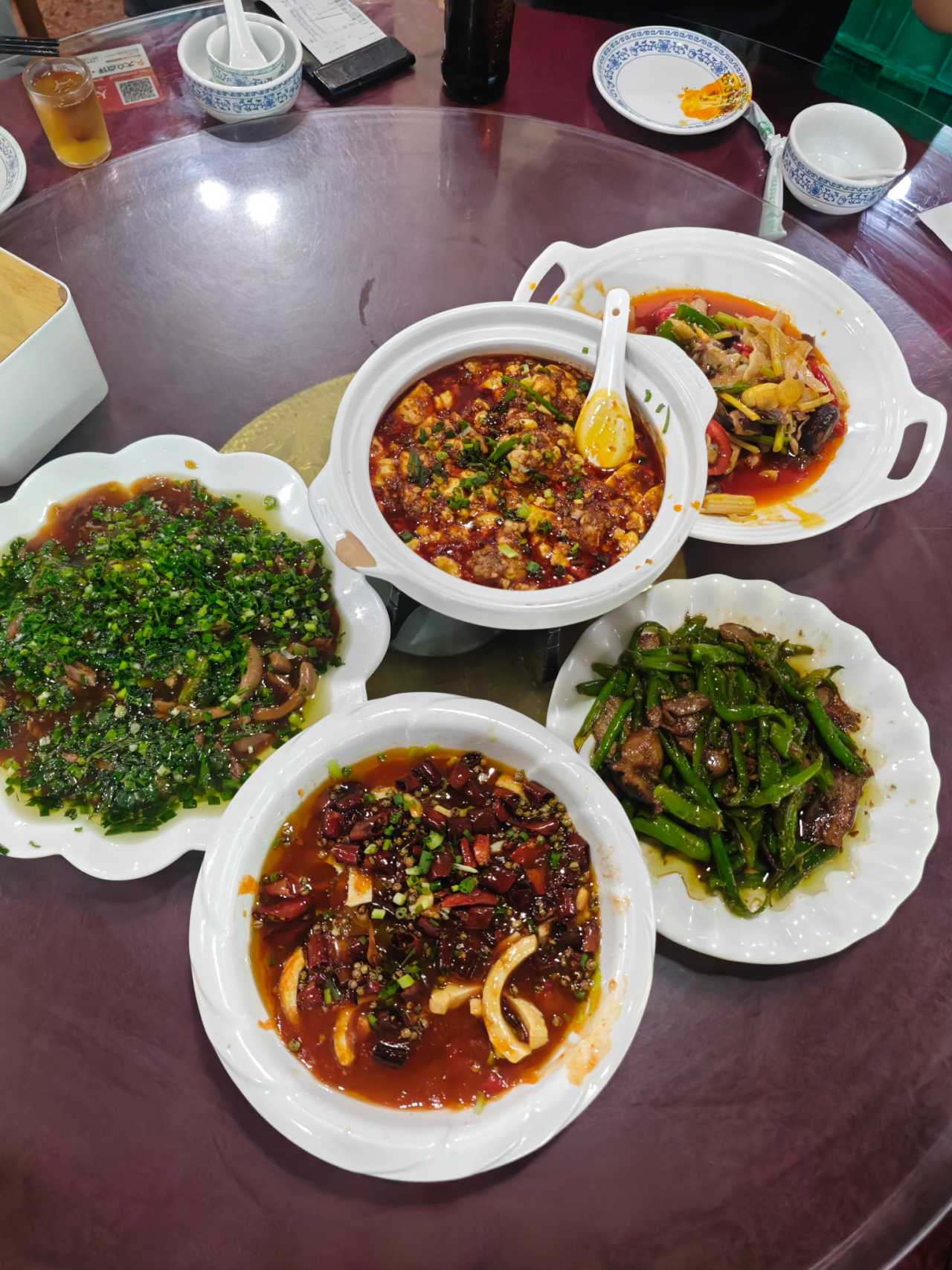
The first order of business after dropping our bags? Food. On any street corner in Chengdu, you can walk into almost any restaurant and not be disappointed. We ordered a table full of authentic local dishes, and every single one made us want to give the chef a standing ovation — arrive even a minute later, and there'd already be a line out the door.
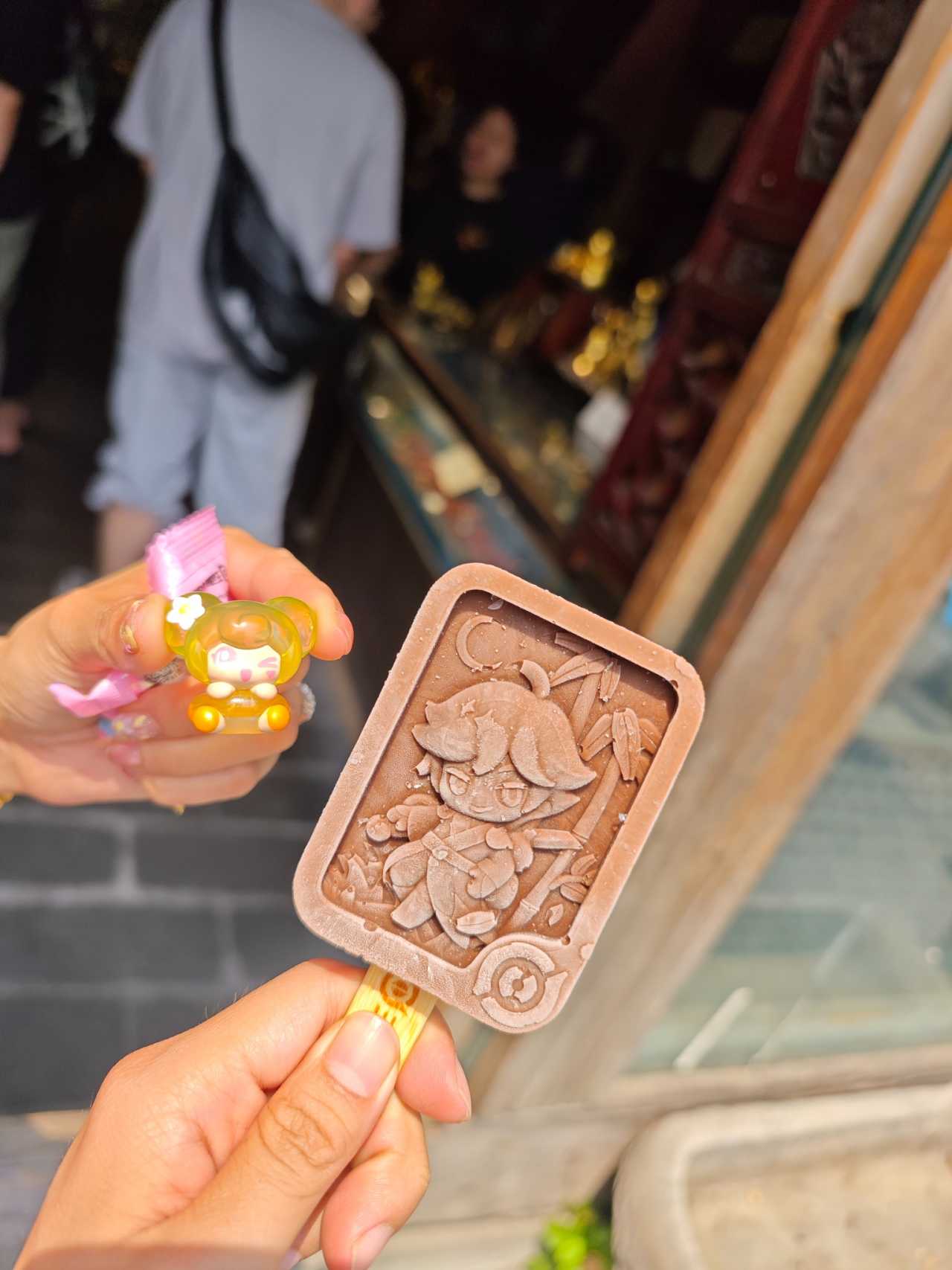
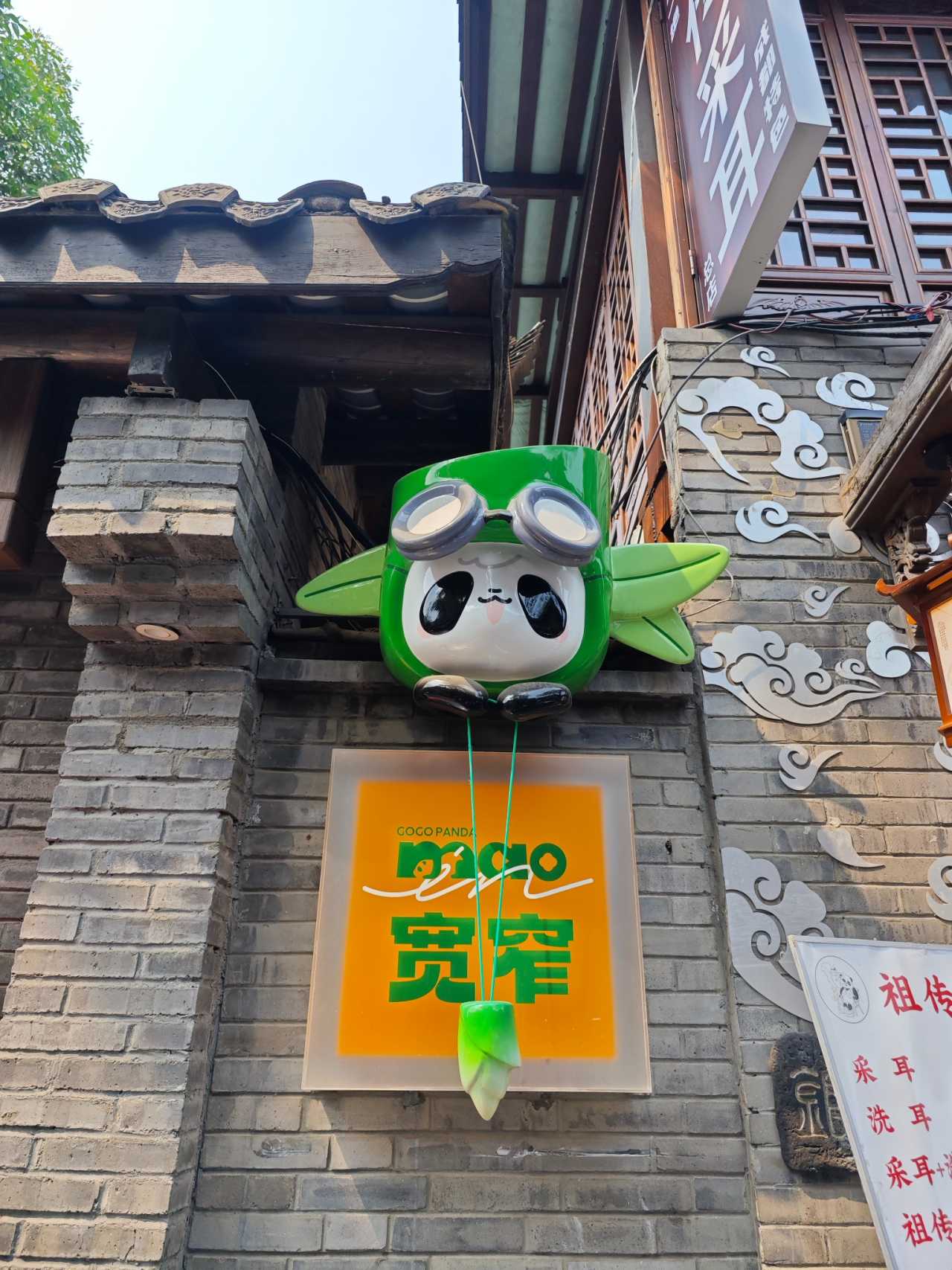
After dinner, I strolled into Kuanzhai Alley (Wide and Narrow Alley) for the fourth time. I knew it as well as my own home — which shops sold what, which corner was best for photos. But my friends were seeing it for the first time. Watching their excited faces, I found myself rediscovering the city's vibrant, smoky energy all over again.
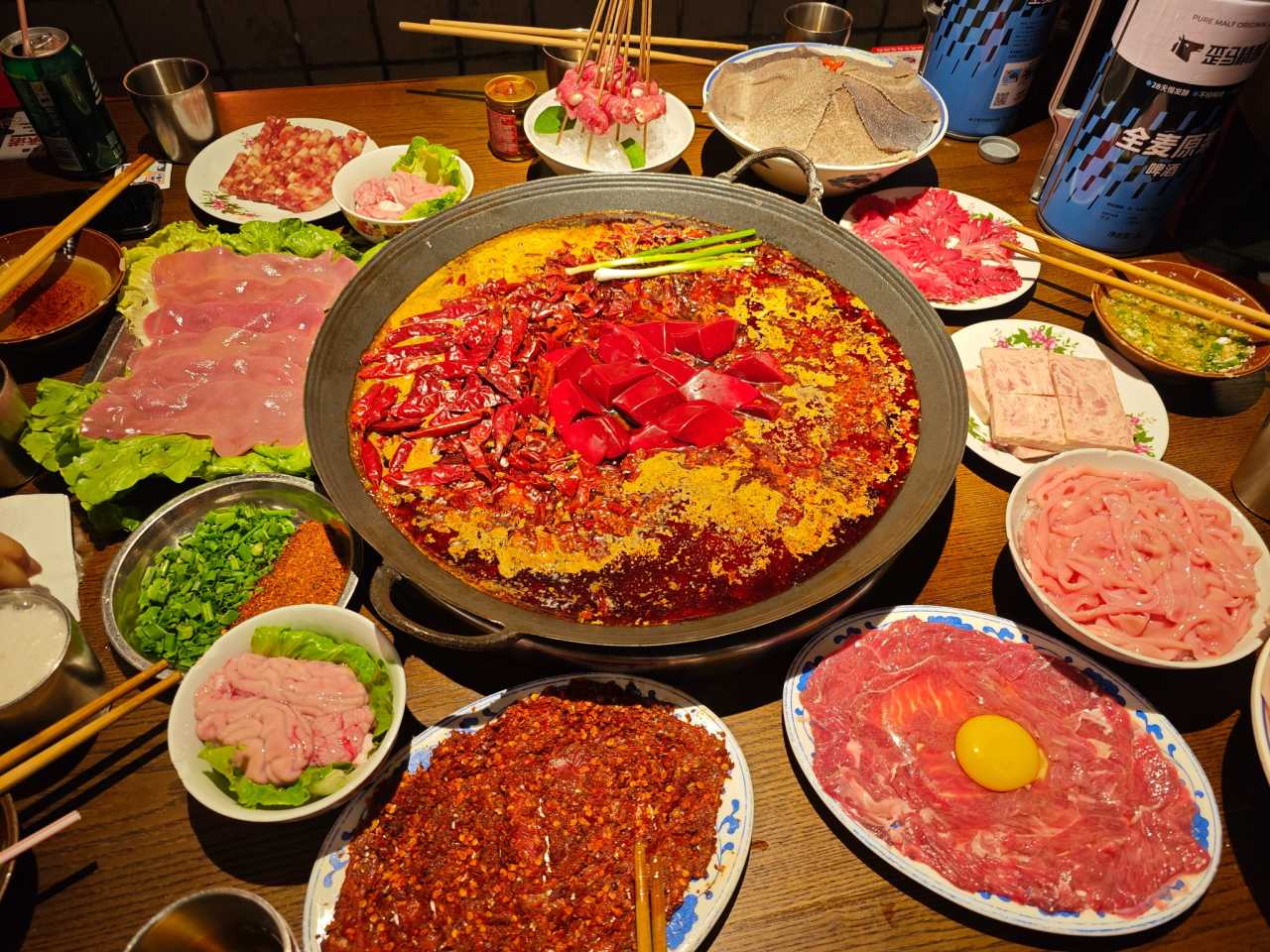
As night deepened, a sizzling mala (numbing and spicy) hotpot kicked off our upcoming journey. Red oil bubbling, steam rising, the five of us raised our glasses: "Northern Sichuan, here we come!"
[Link: Best hotpot restaurants in Chengdu]
Huanglong Stood Us Up, But We Met a Rainbow
At nine in the morning, we set off from Chengdu, heading west toward Huanglong Scenic Area. On the map, the distance didn't look far. But once we started driving, it was nothing but winding mountain roads — curve after curve, impossible to pick up any speed.
The result? We completely missed the visiting hours for Huanglong — by the time we arrived, the cable car had less than half an hour left. The five of us looked at each other and burst out laughing. This kind of "surprise" is basically standard equipment for a road trip.
Huanglong Ticket Guide
Since we were there, we didn't want to leave empty-handed. Here's a handy guide for Huanglong:
- Tickets: Must be purchased with real-name registration through the "Beautiful Aba" app or the "Aba Tourism Network" mini-program
- Pricing: Entry plus uphill cable car = 250 yuan; downhill cable car = 40 yuan; sightseeing bus = 20 yuan
- Important note: Only 5,000 sightseeing bus tickets are sold daily — grab them early
Since we couldn't enter the scenic area, we detoured to the nearby Xuebaoding Viewing Platform at an elevation of 4,007 meters. It was raining when we first arrived. Just as we were about to leave, the rain stopped, and a perfect rainbow stretched across the sky — like nature playing a joke on us, or perhaps offering a gentle consolation.
That night we stayed at Chuanzhusi Guobin Hotel, a 191-yuan heated-floor luxury king room — warm and cozy.
[Link: Huanglong vs Jiuzhaigou: Which to visit first]
Dreamlike Jiuzhaigou: A Landscape Painting in a Y-Shape
Early the next morning, we visited Chuanzhu Temple. Built in 1270 as a Tibetan Buddhist monastery, it's known in Tibetan as "Drolun Gompa." In the early years after liberation, it had 86 rooms covering 27 mu (about 4.5 acres), with intricately carved beams and painted pillars.
From Chuanzhu Temple to Jiuzhaigou Valley, it's just over an hour's drive. Entry costs 280 yuan, which includes both the admission ticket and the sightseeing bus — also purchased in advance through the Aba Tourism Network.
Jiuzhaigou's Y-Shaped Route
Jiuzhaigou's route is shaped like the letter Y, with two branches leading to Long Lake and the Primeval Forest. From the entrance, take the sightseeing bus to Nuorilang Center Station (which has a restaurant and a smoking area), then transfer to buses heading in different directions. Pro tip: Sit on the left side going to Long Lake, and the right side going to the Primeval Forest.
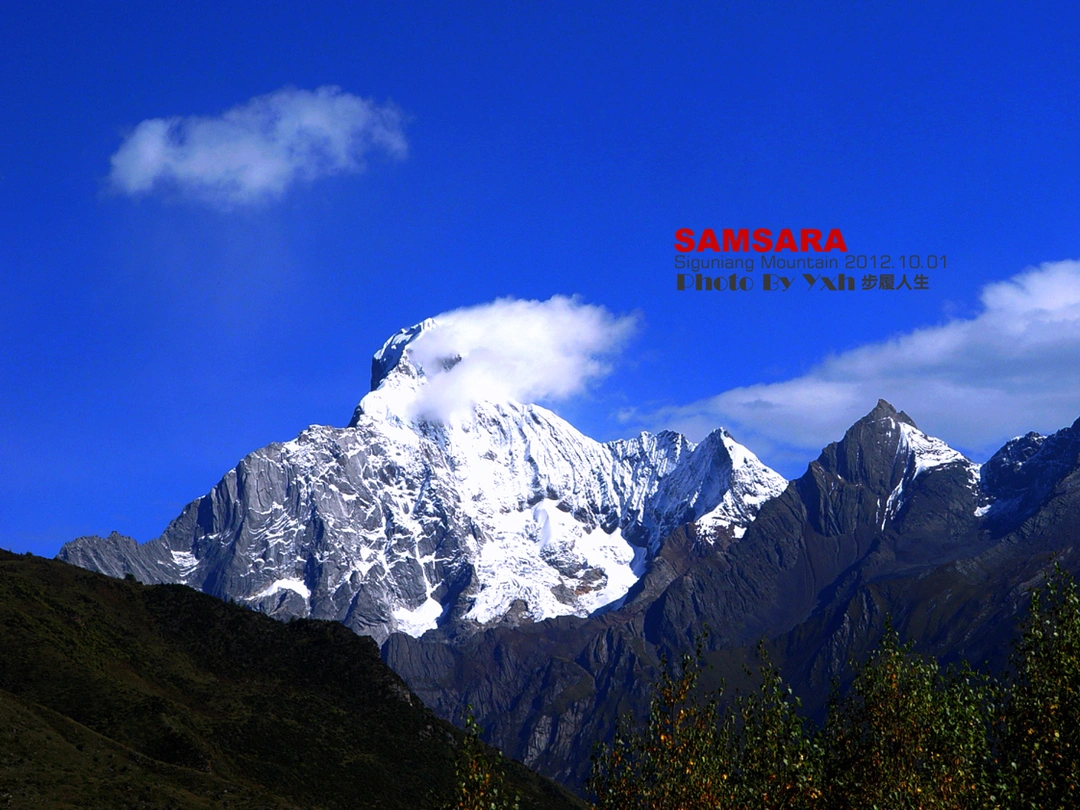
Long Lake is the largest lake in Jiuzhaigou, curving along the mountain valley with endless snow-capped peaks at its far end, all above 4,000 to 5,000 meters, cloaked in white year-round.
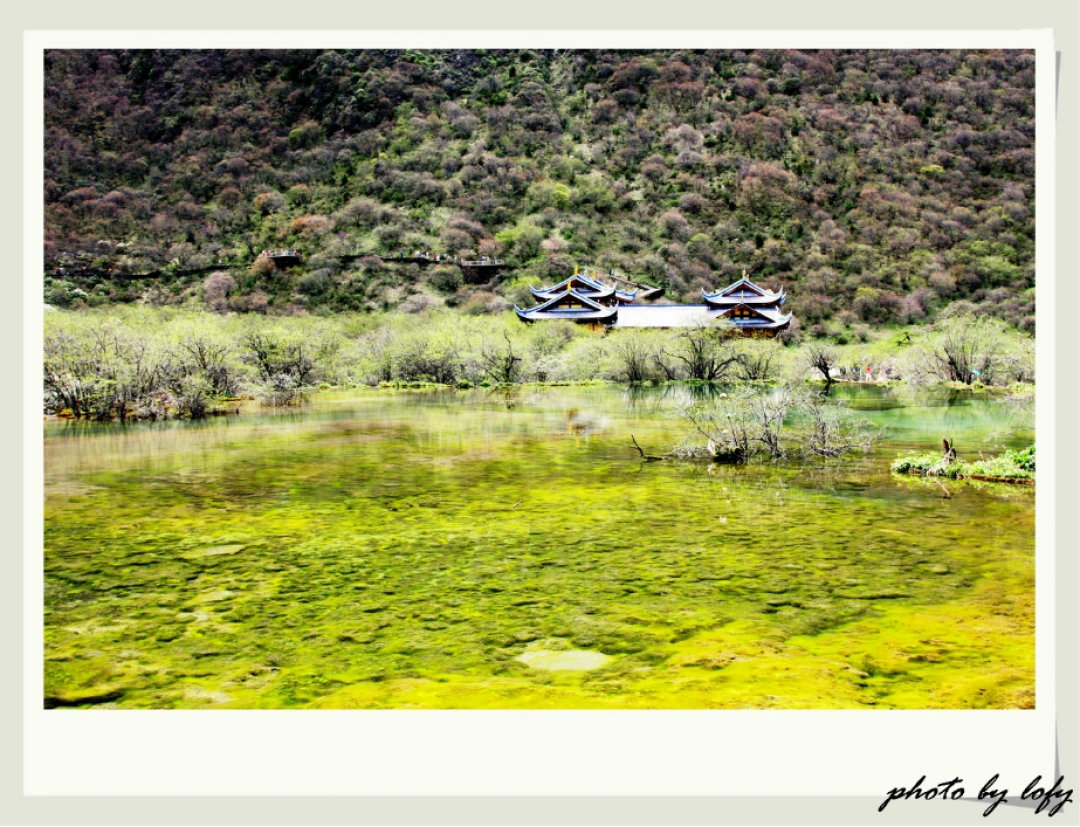
Five-Color Pond is known as the "Eye of Jiuzhaigou" — the smallest lake in the scenic area. Unfortunately, we visited during the dry season, and combined with the aftermath of the earthquake, we didn't see the stunning colors we'd seen in photos.
Arrow Bamboo Lake Waterfall is 7 meters high and 150 meters wide, with water rushing out from dense forest. But Pearl Shoal Waterfall is even more spectacular — 21 meters high and 162 meters wide. It's the very spot where the Tang Monk and his disciples were shown leading their horse through water in the ending credits of Journey to the West.
We spent an entire day slowly exploring Jiuzhaigou. In the evening, we enjoyed an authentic Tibetan meal, with a young Tibetan man singing live to entertain us. We checked into Lichen Bieyuan Siji Manju Hot Spring Hotel (Jiuzhaigou Branch) , a 361-yuan elegant king room. Soaking in the hot springs washed away all the day's fatigue.
[Link: Jiuzhaigou travel tips for first-time visitors]
Crossing the Zoige Grasslands: Prairie, Cattle, and the First Bend of the Yellow River

At breakfast, our five-person appetites left the restaurant auntie stunned — four baskets of steamed buns, one basket of steamed dumplings, three bowls of wonton soup, several fried dough sticks... Full and happy, we hit the road!
This leg of the journey had it all: forests, villages, a young calf blocking the road, falling rocks, and patches of thick fog — like we were enduring a "journey of 81 trials." But when the Zoige Grassland appeared before us, all the exhaustion vanished — the sky had cleared!
Zoige Grassland: The Water Tower of China
The Zoige Grassland is the most important water source conservation area along the upper reaches of the Yellow River, and also the world's largest "plateau solid reservoir" — the Zoige Peat Swamp Wetland. It contributes more than 30% of the Yellow River's water supply and is known as the "Water Tower of China." Blue sky, white clouds, grassland, open road — the boundless expanse filled us with exhilaration.
With weather this good, how could we not jump for joy? The five of us leaped into the air on the prairie, and the camera froze that moment of freedom and happiness.
First Bend of the Yellow River
Continuing on, we arrived at the First Bend of the Yellow River. The Yellow River flows from the Bayan Har Mountains in Qinghai, winding eastward, and meets the Bai River in Tangke Township, Zoige County, Sichuan, forming the magnificent first great bend. Tickets cost 105 yuan (including the escalator).
But life always has surprises — the scenic area lost power and didn't come back until 9 or 10 PM. We played cards in the dark, which turned out to be its own kind of fun. The weather was fickle too — raining when we arrived, clearing briefly during dinner. In the end, we never got to see the sunset over the winding Yellow River. Some regrets left behind, to be fulfilled next time.
That night we stayed at Yellow River First Bend Xianju Leyuan Homestay, a 254-yuan comfortable twin room.
[Link: Zoige Grassland travel guide]
Lotus Treasure Leaf in the Fog: Zhaga'er Lake at the Foot of the Sacred Mountain
From the First Bend of the Yellow River to Lotus Treasure Leaf (Lianbao Yeze) , it's about a three-hour drive. Lotus Treasure Leaf is a branch of the Bayan Har Mountains' Guoluo range, with elevations ranging from 3,500 to 5,369 meters. Its highest peak, Nianbaoyuze, is considered a sacred mountain in Tibetan Buddhism.
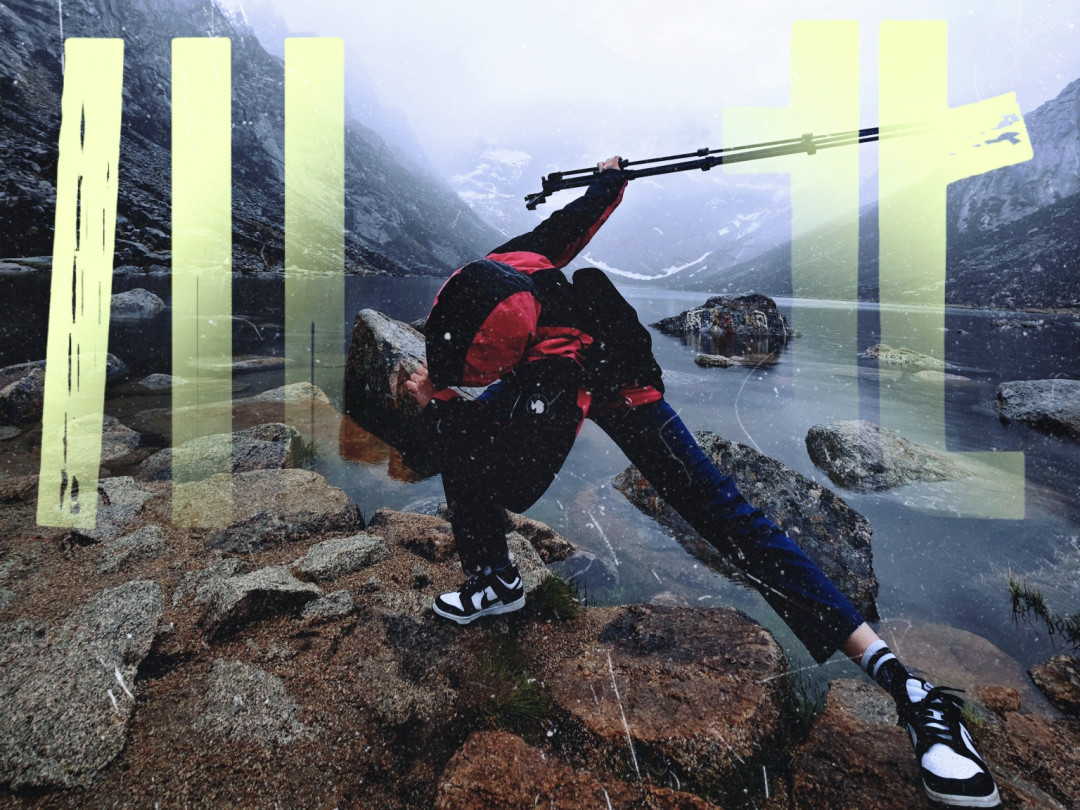
The drive through this region is nothing short of spectacular. Fog rolled in as we approached — thick, mysterious, and utterly atmospheric. At the foot of the sacred mountain lies Zhaga'er Lake, a turquoise gem that seemed to glow even through the mist. We parked the car and walked along the shore, the silence broken only by the occasional call of a bird and the soft lapping of water.
Lotus Treasure Leaf is less visited than Jiuzhaigou or Huanglong, making it a true "off-the-beaten-path" destination. There are no crowds, no ticket lines — just raw, untouched nature. If you're looking for solitude and spiritual connection, this is the place.
Frequently Asked Questions (FAQ)
1. What is the best time to visit Northern Sichuan for a road trip?
The best time is May to October, when the weather is mild and roads are clear. May and June offer fewer crowds, while September and October provide stunning autumn colors. Avoid the Chinese National Day holiday (October 1-7) if you want to avoid crowds.
2. How many days do you need for a Northern Sichuan road trip?
 A minimum of 5-7 days is recommended to cover Chengdu, Jiuzhaigou, Huanglong, Zoige Grassland, and the First Bend of the Yellow River. Our trip took 6 days, and we felt it was just right.
3. Is it safe to drive in Northern Sichuan?
Yes, but be prepared for winding mountain roads, fog, falling rocks, and occasional livestock on the road. Drive cautiously, especially in bad weather. Renting a sturdy SUV or 4WD is recommended.
4. How much does a Northern Sichuan road trip cost?
 For a group of 5, expect to spend approximately 2,500-3,500 yuan per person for a 6-day trip, including car rental, fuel, accommodation, meals, and entry fees. Budget options are available at every stop.
5. Do I need to book tickets in advance for Jiuzhaigou and Huanglong?
Absolutely. Both scenic areas require advance booking through the "Aba Tourism Network" mini-program or "Beautiful Aba" app. Tickets sell out quickly, especially during peak season. Book at least 3-7 days in advance.
Conclusion: Your Northern Sichuan Adventure Awaits
Our spontaneous road trip through Northern Sichuan taught us that the best adventures are often the ones you don't plan. From the rainbow at Xuebaoding to the misty shores of Zhaga'er Lake, every unexpected moment became a cherished memory.
If you're looking for a destination that combines stunning natural beauty, rich Tibetan culture, and the thrill of the open road, Northern Sichuan is calling your name. Whether you're a solo traveler, a group of friends, or a family seeking adventure, this region offers something for everyone.
Ready to plan your own Northern Sichuan road trip? Start by booking your flights to Chengdu, renting a reliable car, and downloading the Aba Tourism Network app. Then, let the road guide you — just like it guided us.
Pack your bags, gather your friends, and hit the road. Northern Sichuan's secret realms are waiting.
[Link: Complete Northern Sichuan road trip itinerary] [Link: Best car rental options in Chengdu] [Link: Tibetan culture and etiquette guide]
Have you taken a road trip through Northern Sichuan? Share your experiences in the comments below!
You may also like