A Spontaneous Journey to Jiuzhaigou: Meeting Your Truest Self in Paradise on Earth
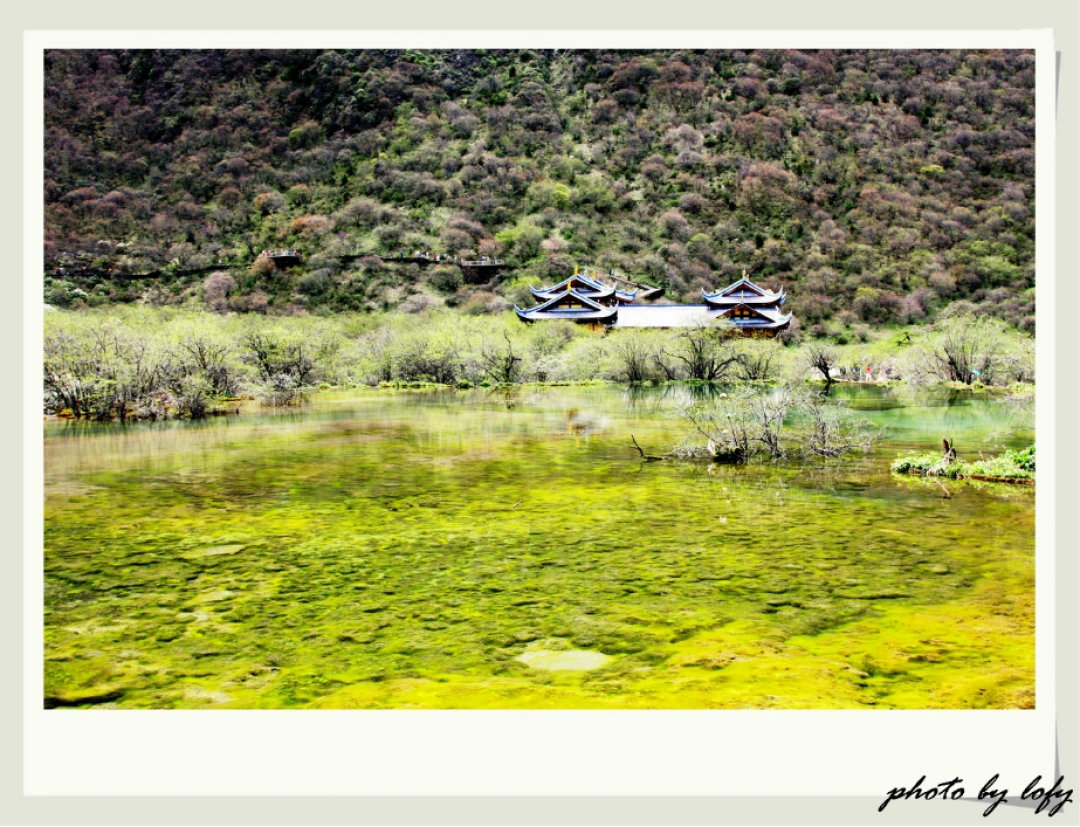
Meta Description: Discover the ultimate Jiuzhaigou travel guide—from Chengdu hotpot to Huanglong's colorful pools and Jiuzhaigou's crystal lakes. This 5-day Sichuan itinerary reveals how a spontaneous trip can help you reconnect with your truest self in China's paradise on earth.
Introduction: Why Jiuzhaigou Became My First Travelogue
Over the years, I've traveled to many places and taken countless photos, yet I never seriously wrote a travelogue. Perhaps it was busyness, perhaps laziness—I always found excuses. But Jiuzhaigou, that place praised by so many as "paradise on earth," had always been on my mind, yet I never made the trip. Until that偶然 opportunity came, and I finally set foot on this land that had haunted my dreams.
It's been over a week since I returned. As I sorted through the photos, memories came flooding back. Looking at the vibrant colors, the ethereal mist, and the crystal-clear lakes captured in my lens, I decided to dedicate my first travelogue to this place that stole my heart at first sight. As the ancients said, "Propriety demands reciprocity"—since I gained so much from others' travel stories, it's time I shared my own.
This Sichuan travel itinerary is designed for first-time visitors who want to experience the best of Chengdu, Huanglong, and Jiuzhaigou in just 5 days. Whether you're a solo traveler, a couple seeking adventure, or a family looking for unforgettable memories, this guide will help you plan your own spontaneous journey to paradise.
5-Day Sichuan Itinerary Overview: From Beijing to Paradise
Before diving into the details, here's the overall plan for this Jiuzhaigou travel guide:
| Day | Activities | Accommodation |
|---|---|---|
| Day 1 | Beijing → Chengdu, Chunxi Road & Jinli | Chengdu Jinyue Hotel |
| Day 2 | Chengdu → Huanglong, Jiuzhaigou arrival | Jiuzhaigou Qianhe International Hotel |
| Day 3 | Full day exploring Jiuzhaigou | Jiuzhaigou Qianhe International Hotel |
| Day 4 | Horseback riding near Jiuzhaigou, return to Chengdu | Chengdu Jinyue Hotel |
| Day 5 | Chengdu Panda Base, return to Beijing | — |
Below, I'll break it down into the Chengdu chapter, the Huanglong chapter, and the Jiuzhaigou chapter—with the longest section naturally devoted to the place I can't stop thinking about.
Chengdu: A City You Never Want to Leave
Arriving in Chengdu: The Lure of Hotpot
It was around 11 AM when we landed in Chengdu on the first day. Compared to Beijing's notorious traffic jams, Chengdu's roads were a relief—smooth sailing all the way. Finding our hotel, however, proved to be a bit of an adventure.
We'd spotted the newly opened Chengdu Jinyue Hotel on Ctrip. Two reasons drew us to it: first, its location was close to where I needed to handle some business; second, a new hotel should have decent facilities. The problem? It was so new that even Baidu Maps couldn't find it. Following the map location provided by Ctrip, our driver circled around several times without success. After a few phone calls to the hotel, the driver finally pinpointed it—turns out we'd driven three or four kilometers past the marked location.
Thankfully, the hotel service was decent. Our original room had no internet access and no hot water in the sink. After the staff tried and failed to fix it, they upgraded us to a better room for free. By the time we settled in, it was already 12:30 PM. We immediately hailed a cab and headed for the long-awaited Chengdu hotpot.
Hotpot and Skewers: The Taste of Chengdu
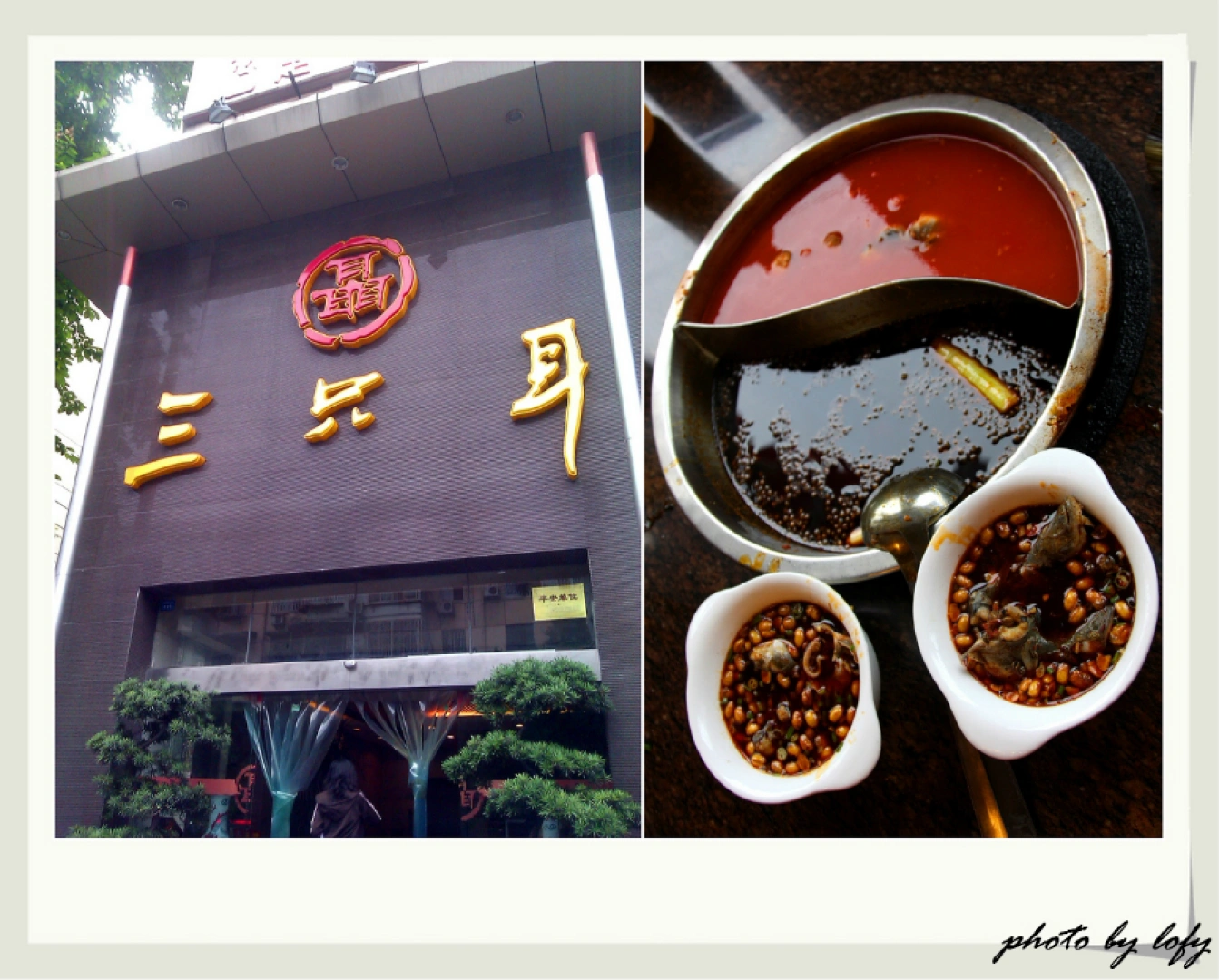
My wife had been to Chengdu before and still raved about "Three Ears" hotpot (San Zhi Er), so that was our first stop. Chengdu hotpot lives up to its reputation. "Three Ears" is famous for its cold-pot fish, similar to Beijing's梭边鱼 hotpot but far superior—numbing without being harsh, fragrant without being greasy, and spicy just right. That meal made me fall completely in love with Chengdu, this city that makes you never want to leave. As they say in Sichuan dialect, "Bashi!" (awesome!)

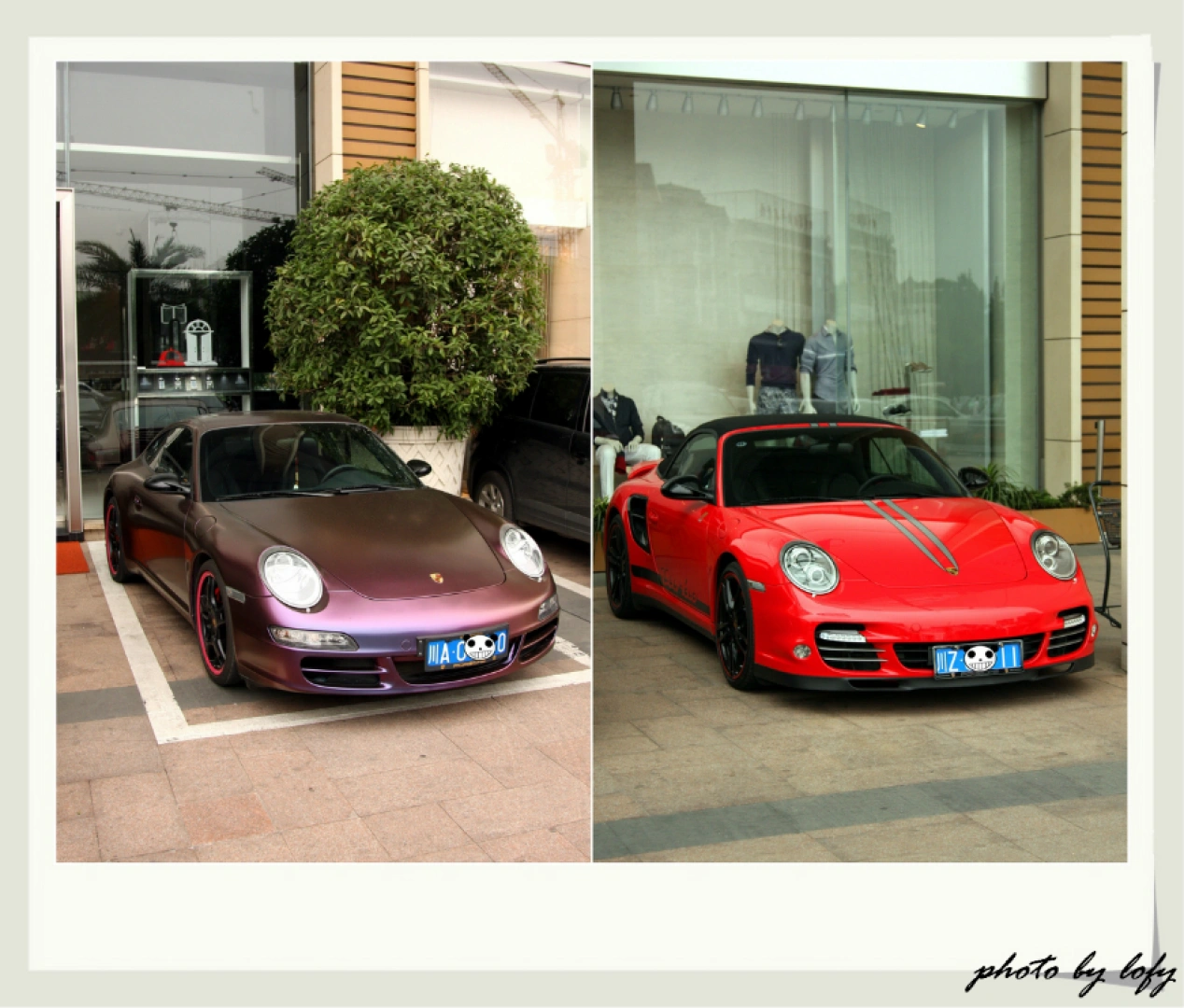
In the afternoon, I had business to attend to while my wife visited the Jinsha Site Museum. We met up in the evening and decided to check out the legendary Chunxi Road. After wandering around, we only bought one T-shirt. My wife noted that the discounts in Chengdu's malls weren't as good as Beijing's. We figured it's because Chengdu locals live a more relaxed, carefree lifestyle—they spend money when they have it, don't like saving, and have a more超前 consumption mindset. You can tell from the档次 of cars on the streets. But honestly, I didn't see as many beautiful women on Chunxi Road as the legends claim—similar to my experience at Chongqing's Jiefangbei a few years back.
Feeling hungry after shopping, we followed my travel notes and a local friend's recommendation to Yulin Chuanchuanxiang (skewer hotpot). Again, absolutely delicious! Though the restaurant was larger and prices slightly higher than the hole-in-the-wall joints—long skewers at 1.5 yuan each, short ones at 0.2 yuan—it was still much cheaper than hotpot. Eating skewer hotpot is about the atmosphere. Chengdu locals gather with friends, order a few beers, throw in handfuls of skewers, and laugh loudly. You can't help but get swept up in the vibe and feel like this is what life is really about.
Satisfied and full, we headed to Jinli Ancient Street. Having visited similar cultural streets before, Jinli struck me as decent but nothing特别 surprising.
Back in Chengdu: Last Bites and Pandas
On the fourth day, we flew back to Chengdu from Jiuzhaigou. After two days of intense hiking, we didn't feel like going out once we got back to the hotel. But we were leaving Chengdu the next day, and my friend had recommended "Old Pier" hotpot (Lao Matou) that we hadn't tried yet. I couldn't bear the thought of missing it, so I dragged my wife out and headed straight to the Old Pier Yulin flagship location. Maybe because we'd eaten so much in Chengdu already, this meal wasn't as mind-blowing. Still, even this hotpot was leagues above what you'd get at Haidilao in Beijing—though I'll give Haidilao credit for its service.
We were flying back to Beijing at noon on the fifth day, so we spent our last morning in Chengdu at the Giant Panda Breeding Research Base. It would've been a shame to visit Chengdu without seeing the pandas. But there was one regret—we missed the panda cub season. According to staff, pandas give birth concentratedly in August and September, so interested visitors should plan around that time.
At the base, those round little creatures were born masters of cute. Some munched on bamboo, others dozed in trees, and a few struck各种 philosophical poses. My wife couldn't tear herself away from those white fluffy balls, snapping photo after photo. Besides giant pandas, we also saw red pandas leisurely eating bamboo—equally adorable.
[Link: Best time to visit Chengdu for panda cubs]
Huanglong: A Colorful Fairyland on the Plateau
If our focus in Chengdu was "eating," starting from Huanglong, it was all about "seeing."
Altitude Sickness: An Unexpected Challenge
Our flight from Chengdu to Jiuzhai Huanglong Airport departed early the next morning. It was raining in Chengdu, and we worried about delays. Thankfully, our concerns were unfounded—the plane landed on time at Jiuzhai Huanglong Airport.
As soon as we stepped out of the cabin, my wife said she felt headaches and chest tightness. I thought she was joking at first, since I felt nothing. But when I asked airport staff while waiting for luggage, they told us the elevation was nearly 3,500 meters. I finally believed she had mild altitude sickness. Without any medication, there wasn't much we could do except let her walk slowly and adapt.
After collecting our luggage, our pre-booked driver, Master He, was waiting at the exit. He was a tall, sturdy man with the typical高原红 (plateau-red) complexion and an outgoing personality. He played local music during the drive and sang along, which got me humming too. From Master He, we learned we were lucky to have arrived on time. There's a local saying about Jiuzhai Airport: "Jiuzhai Huanglong, nine out of ten flights are delayed" —referring to how高原 weather frequently causes delays or cancellations.
The altitude kept rising on the way from the airport to Huanglong, peaking above 4,000 meters. My wife took a few puffs of oxygen from the car's supply, which helped slightly, but her headache persisted. Altitude sickness really varies from person to person. My reaction was mild—only brief, slight headaches and occasional dizziness.
[Link: How to prevent altitude sickness in Sichuan]
Huanglong's Travertine Pools: Nature's Masterpiece
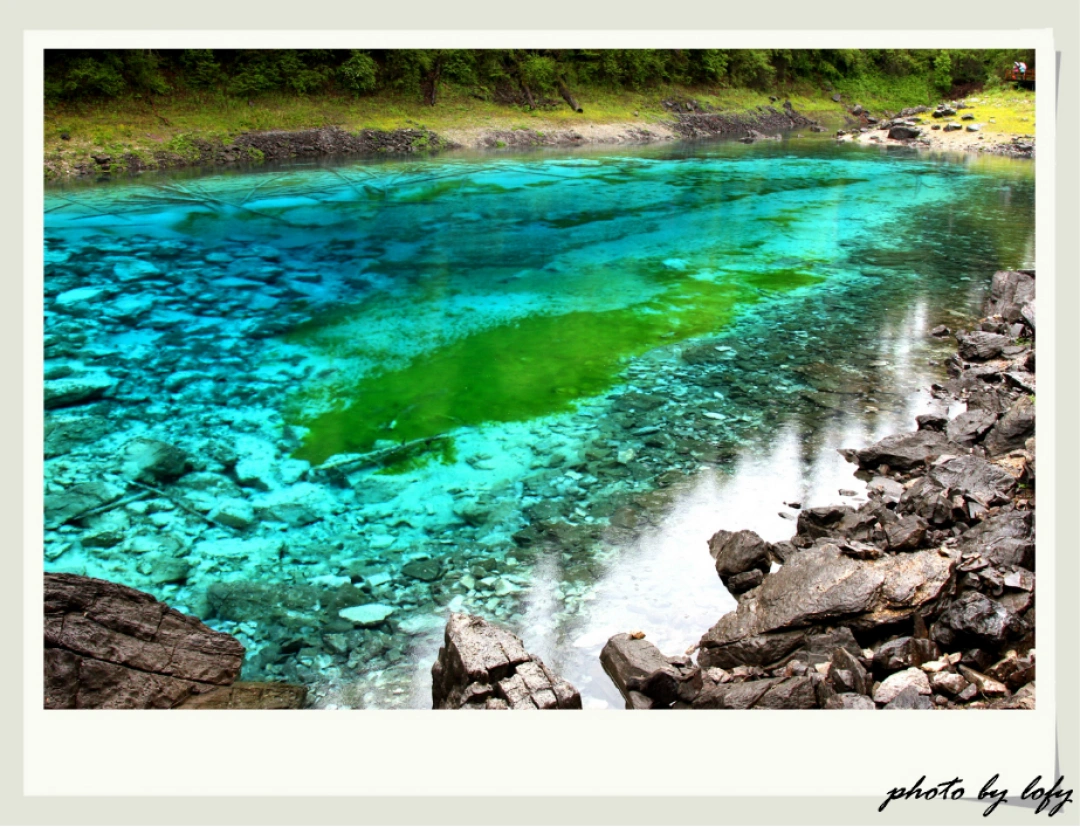
Despite the altitude challenges, Huanglong was absolutely worth it. The colorful travertine pools cascading down the mountain like golden scales are unlike anything I've ever seen. The water ranges from turquoise to emerald green, and on a sunny day, the reflections are mesmerizing. We spent about 3 hours exploring the main trail, taking breaks whenever my wife needed to catch her breath.
Pro tip: Bring portable oxygen canisters if you're prone to altitude sickness. They're available at the airport and in Chengdu pharmacies.
Jiuzhaigou: Paradise on Earth
Full-Day Exploration of Jiuzhaigou Valley
On Day 3, we dedicated an entire day to Jiuzhaigou National Park. This is the highlight of any Sichuan travel itinerary, and for good reason. The park is massive, so planning your route is essential.
Must-see spots in Jiuzhaigou: - Five Flower Lake – The most colorful lake in the valley - Pearl Shoal Waterfall – A wide, cascading waterfall that looks like pearls - Long Lake – The largest and deepest lake in Jiuzhaigou - Mirror Lake – Perfect reflections on calm mornings - Nuorilang Waterfall – One of China's widest waterfalls
We took the park's shuttle bus to the highest point first (Long Lake), then worked our way down. This strategy saved energy and allowed us to avoid crowds. By afternoon, the sunlight filtering through the autumn leaves created a kaleidoscope of colors—golden, crimson, and emerald. It's no exaggeration to say that Jiuzhaigou in autumn is China's most beautiful natural wonder.
Horseback Riding Near Jiuzhaigou
On Day 4, before our flight back to Chengdu, we tried horseback riding near Jiuzhaigou. This is a less touristy activity that offers a unique perspective on the Tibetan plateau. Our guide led us through meadows and forests, stopping at a local Tibetan family's home for butter tea. It was a peaceful, grounding experience—a perfect counterpoint to the bustling park.
Frequently Asked Questions About Jiuzhaigou Travel
1. What is the best time to visit Jiuzhaigou?
The best time to visit Jiuzhaigou is October–November for autumn foliage, or April–May for spring blooms. Summer (June–August) is lush but crowded, while winter (December–March) offers fewer crowds and snow-covered landscapes.
2. How do I get to Jiuzhaigou from Chengdu?
You can fly from Chengdu Shuangliu Airport to Jiuzhai Huanglong Airport (about 1 hour). Alternatively, take a bus from Chengdu's Xinnanmen Bus Station (8–10 hours). Driving yourself is not recommended for first-timers due to winding mountain roads.
3. Is altitude sickness a problem in Jiuzhaigou?
Yes, especially at Huanglong (3,500–4,000 meters) . Jiuzhaigou itself is lower (2,000–3,000 meters). Symptoms include headaches, dizziness, and nausea. Prevention tips: Stay hydrated, avoid alcohol, ascend gradually, and consider taking Diamox (acetazolamide) before your trip.
4. How many days do I need for Jiuzhaigou and Huanglong?
 A minimum of 3 days is recommended: 1 day for Huanglong, 1 full day for Jiuzhaigou, and 1 day for travel between them. Our 5-day itinerary (including Chengdu) is ideal for a comprehensive experience.
5. What should I pack for a Jiuzhaigou trip?
- Layered clothing (temperature swings from 5°C to 25°C)
- Comfortable hiking shoes
- Sun protection (hat, sunglasses, sunscreen)
- Portable oxygen canisters (for altitude)
- Rain gear (unpredictable weather)
- Camera with extra batteries (you'll take hundreds of photos)
Final Thoughts: Why This Journey Changed Me
Looking back at this spontaneous trip, I realize that traveling to Jiuzhaigou wasn't just about seeing beautiful scenery—it was about meeting your truest self. In the quiet moments by Mirror Lake, watching the clouds drift over the mountains, I felt a sense of peace that city life rarely offers. The vibrant colors of the lakes, the warmth of Chengdu's hotpot, and the laughter shared with my wife reminded me that the best journeys are often the ones we don't overplan.
If you've been dreaming of visiting Sichuan's paradise on earth, don't wait for the "perfect" time. Book that flight, pack your bags, and let the journey unfold. As the locals say, "Bashi!" —it will be awesome.
Ready to Plan Your Own Jiuzhaigou Adventure?
Don't let this be just another travel dream. Start planning your Sichuan itinerary today:
- Book your flights – Fly into Chengdu Shuangliu, then connect to Jiuzhai Huanglong
- Reserve accommodation – We recommend Jiuzhaigou Qianhe International Hotel for comfort and location
- Purchase park tickets in advance – Jiuzhaigou limits daily visitors; book on the official WeChat account
- Pack wisely – Use our packing checklist above
- Share your journey – Tag us on social media with #JiuzhaigouParadise
Your truest self is waiting in paradise. Go find it.
Have questions about planning your Jiuzhaigou trip? Drop a comment below, and I'll help you out!


