Escaping the Crowds, Discovering Chengdu: A Backpacker's Literary Wanderings
Meta Description: Discover Chengdu beyond the tourist traps. This backpacker's guide reveals hidden alleys, creative ruins, and literary corners for solo travelers seeking authentic experiences and volunteer travel opportunities.
Introduction: Why I Chose an "Irresponsible" Birthday Adventure
At 26, I looked in the mirror and realized life had become a monochrome routine. Nine-to-five, same faces, same streets. So I did something unconventional: I traded my camera skills for free accommodation in Chengdu through a volunteer travel platform. This wasn't a spontaneous whim—it was a calculated escape from the ordinary.
When friends called it irresponsible, I called it necessary. Volunteer travel isn't just about saving money; it's about trading skills for experiences. As a photography rookie, I offered my camera in exchange for room and board at a local inn. The platform's philosophy—"Turn what you love into your life"—resonated deeply. After two rounds of screening, I was heading to Chengdu, China's most livable city, for a May Day adventure that would redefine my relationship with travel.
Hidden Gems: Escaping Chengdu's Tourist Crowds

I despise crowded tourist spots. Travel should be about seeing scenery, not the backs of heads. So I deliberately avoided popular check-in spots and ducked into the alleyways where Chengdu's true character hides.
Wutongshu Street → Xiaotong Alley → Kuixing Street
When people mention Chengdu, Kuanzhai Alley comes to mind. But once a place becomes an internet sensation, commercialization follows. Instead, I recommend three unassuming lanes right next to it.
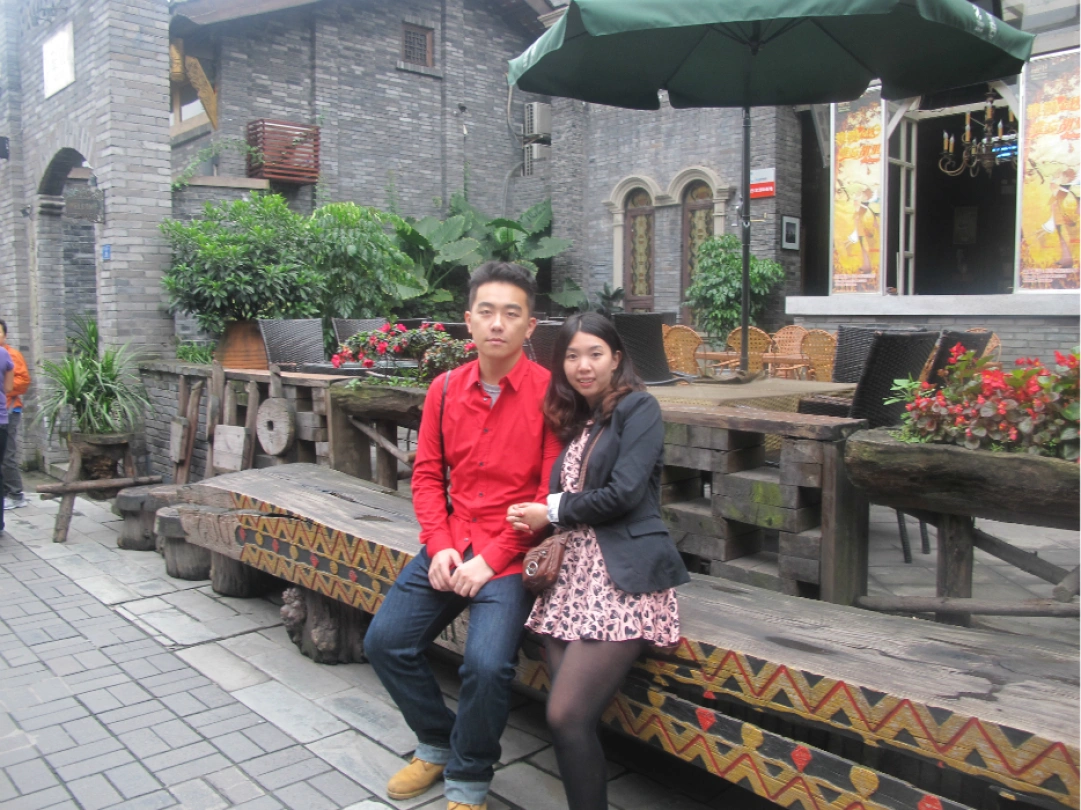
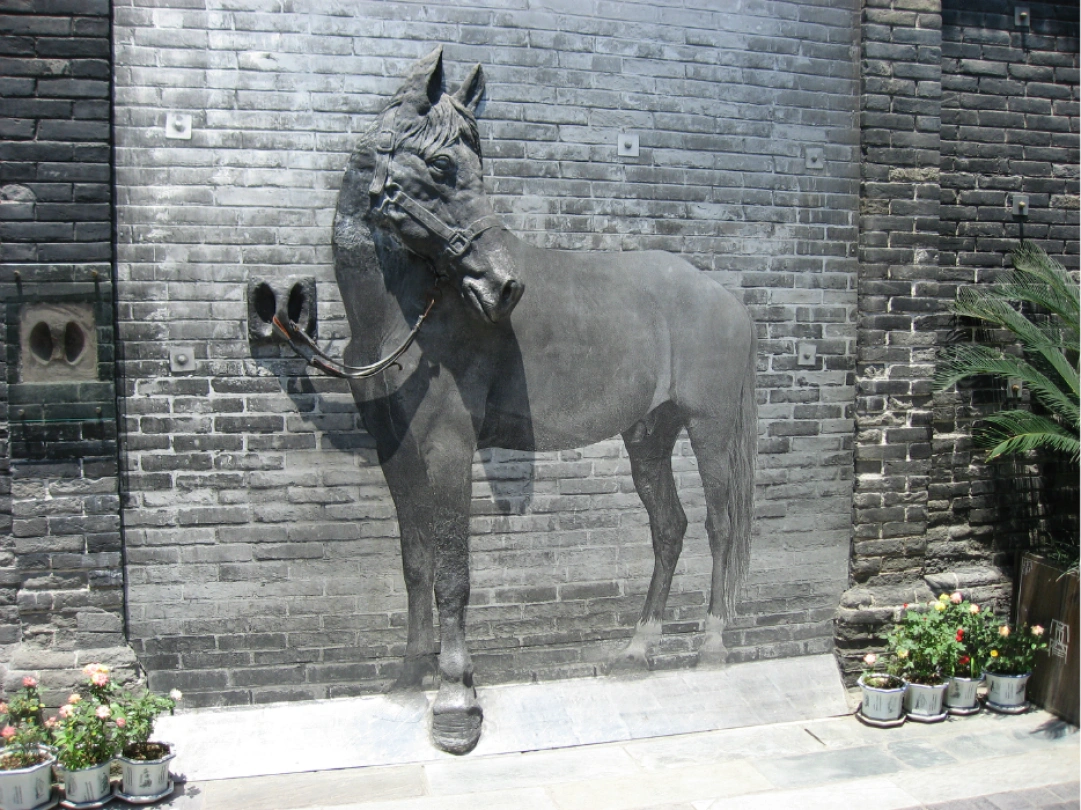
During May Day, I biked past the Kuanzhai crowds, turned a few corners, and arrived at Wutongshu Street. That feeling of breaking free from the throng was like being rescued after drowning. These three lanes are short but packed with character—each shop tells a story through its unique decor. The highlight? The shop assistants speak in soft, sweet voices with impeccable attitudes.
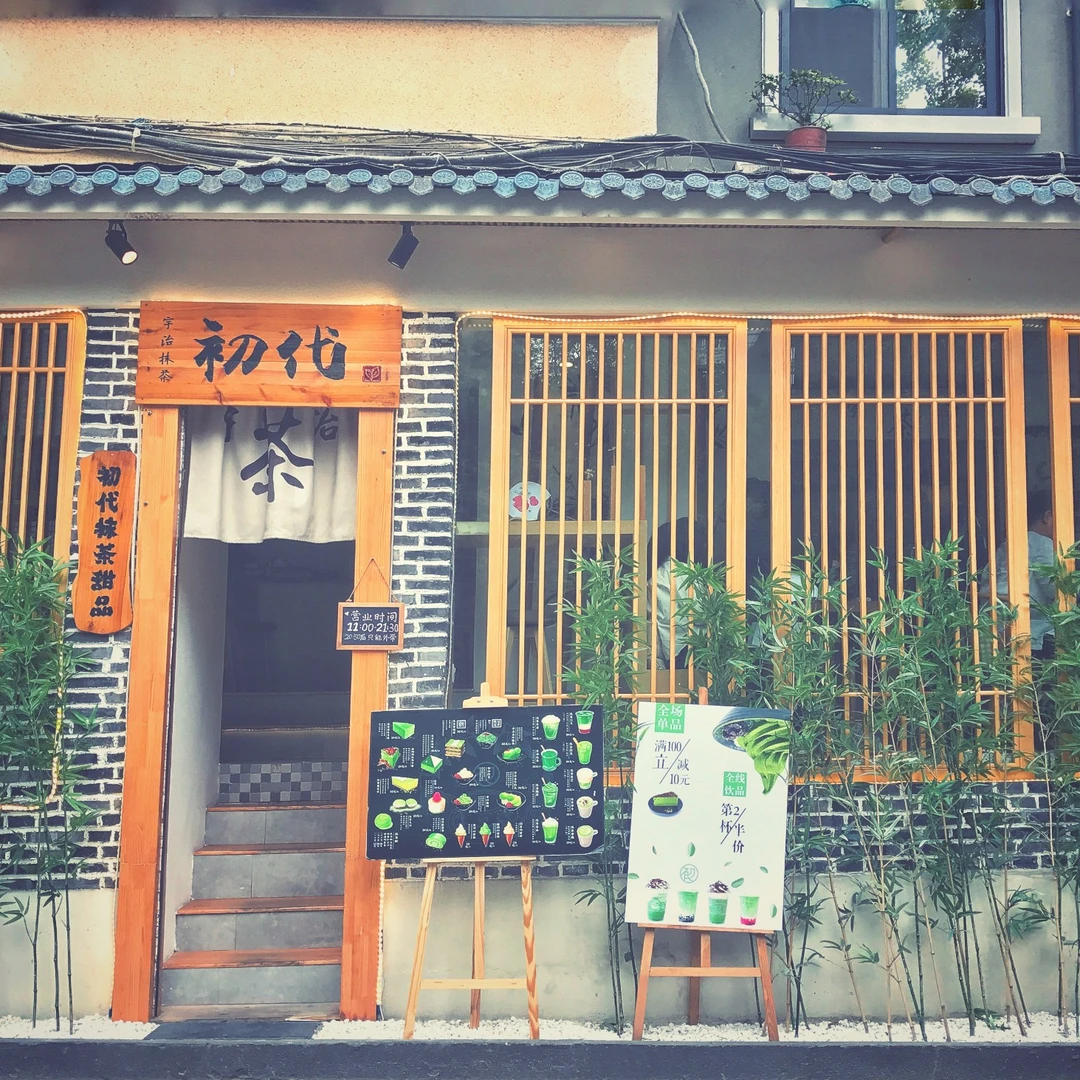
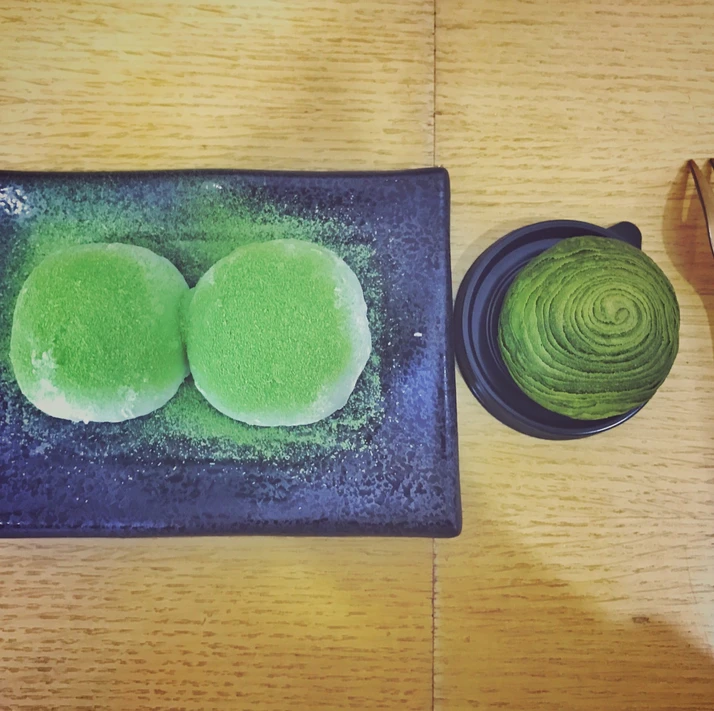
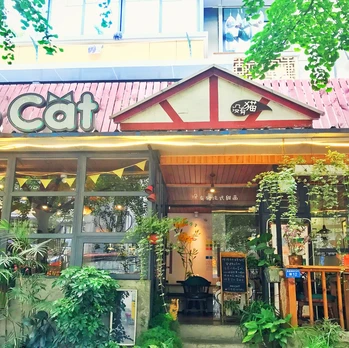
As a matcha addict, I couldn't miss Chu Dai (Chudai) . There was also a cat-themed shop, but the feline masters were napping inside. If I lived in Chengdu, I'd visit daily to pet cats and write.
Pro tip: Visit early morning or late afternoon to avoid the small crowds that do gather.
Panda Post Office: Send a Postcard to Someone Far Away
Just one street from Kuanzhai Alley lies the Panda Post Office. "Wow, so many pandas!" was my first reaction. Confession: I'm afraid of pandas. Their deep, dark eyes trigger something primal in me. But since I wasn't visiting the Giant Panda Base, this was my panda fix.
The postcards here are diverse, and the cultural creative products are distinctive. I picked favorites, wrote them, and sent them off. A postcard isn't just paper—it's emotion traveling thousands of miles. The version of yourself on the road, writing these words, must be thinking of someone. That longing, traveling across distances—how romantic.
Insider tip: Keep your receipt from the Panda Post Office. Get it stamped at the front desk for a discount on drinks at the Panda Drink Shop next door. [Link: Chengdu souvenir shopping guide]
Qinglian Shangjie & Tangba Street: Literary Fresh Finds
These two streets are filled with literary and fresh shops. I visited Wuzhao Xiaoshi (Wuzhao Café) , a Japanese-style coffee shop. Arriving around 4 PM, only one seat remained—the beauty of solo travel shines here. Next door are Wuzhao Bookstore and Lotus bar, which you can visit together.
Creative Ruins: Finding Inspiration in Industrial Spaces
I'm increasingly convinced that life's surprises come from breaking rules. Creativity thrives in collision and subversion. So wherever I go, I seek places full of creative energy.
Eastern Suburb Memory: New Art from Industrial Ruins
This former State-owned Hongguang Electronic Tube Factory was transformed into a music park and renamed Eastern Suburb Memory in 2012. The strong industrial vibe hits you immediately—preserved old buildings renovated with stories. A desolate, stark atmosphere exudes an old, musty scent that deeply attracted me.
I walked slowly, using my camera to capture light and shadow. Many people come here for artistic photos and wedding shoots; the air is filled with sweetness.
Transportation: No. 4, Jianshe South Branch Road, outside the Second Ring Road East, Chenghua District. Take buses 180, 342, or 1013 to "Eastern Suburb Memory North Gate" stop. [Link: Chengdu industrial art districts]
U37 Creative Warehouse: A Hidden Paradise in the City
U37 looks unremarkable from outside, but inside it's a different world. Very few tourists here—mostly locals, which I loved. Ten old warehouses and office buildings with lush native trees and great greenery. Coffee shops, food places, book bars, creative workshops, music venues—everything you could want, plus a 100-meter graffiti wall perfect for photos.
Transportation: No. 37, Shuinianhe South Street, Jinjiang District. Take Metro Line 2 to "Niuwangmiao Station."
IBOX Container Creative Tribe: A Color Lover's Paradise
A short bike ride from U37, IBOX is pure visual joy—extreme black, bright yellow, passionate red, melancholy blue, fresh green—all these colors colliding. I hauled my camera and tripod, squatting, sitting, lying down, snapping away. What's my image? Doesn't exist.
What moved me most was a little girl focused on playing the guqin (ancient Chinese zither) in a studio. Her fingers brushed the strings, the notes flowing, and my heart quieted. The guqin teacher came out and said, "Come in and listen; you can sit inside." So I joined them for tea.
Transportation: No. 1, Jinjiang East Road. Take Metro Line 2 to "Niuwangmiao Station."
Sichuan Art Museum: Art Never Lies
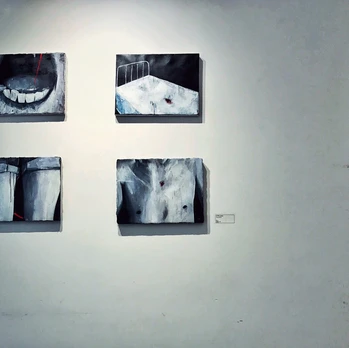
Whenever I visit a city, I go to its local art museum. Because art is not a skill; it is the truth. The Sichuan Art Museum houses rotating exhibitions of contemporary Chinese art, calligraphy, and traditional paintings. The space itself is worth visiting—a modernist building with natural light flooding through glass ceilings.
Admission: Free (ID required). Closed Mondays. [Link: Free things to do in Chengdu]
Volunteer Travel: How to Trade Skills for Accommodation
My trip was made possible through Voluntour International Volunteer Travel. Here's how it works:
- Choose a platform: Research reputable volunteer travel platforms with verified reviews.
- Select a project: Look for skill-exchange opportunities that match your abilities.
- Apply: Submit your portfolio or resume. For photographers, have 5-10 sample images ready.
- Interview: Platforms typically conduct two rounds of screening.
- Confirm with host: The innkeeper or project leader has final approval.
What to expect: You trade 3-4 hours of work daily for free accommodation and sometimes meals. Work can include photography, social media management, reception, or basic maintenance. The key is clear communication about expectations before arrival.
Safety tips: Always use platforms with verified hosts. Read reviews from past volunteers. Share your itinerary with someone at home. Trust your instincts—if something feels off, it probably is.
FAQ: Chengdu Backpacker Travel
Q: Is Chengdu safe for solo female travelers?
 A: Absolutely. Chengdu is one of China's safest cities for solo female travelers. Streets are well-lit, public transportation is reliable, and locals are generally helpful. Use common sense, avoid dark alleys late at night, and keep valuables secure.
Q: What's the best time to visit Chengdu for fewer crowds?
A: April-May and September-October offer mild weather and fewer tourists. Avoid Chinese national holidays (May Day, National Day in October, Spring Festival) when domestic tourism peaks.
Q: How do I get around Chengdu without speaking Chinese?
 A: Download Did Chuxing (ride-hailing), Metro China (subway map), and Google Translate with offline Chinese. Most metro stations have English signs. For buses, use navigation apps like Baidu Maps with English interface.
Q: What should I pack for a volunteer travel trip to Chengdu?
A: Comfortable walking shoes, a reusable water bottle, a power bank, a universal adapter, a light jacket (even in summer), and your skill tools (camera, laptop, etc.). Pack light—you'll likely move between locations.
Q: Can I extend my stay if I like the volunteer placement?
A: Yes, but discuss this with the host and platform in advance. Most placements are flexible, but they need to plan for accommodation and work schedules.
Conclusion: Your Chengdu Adventure Awaits
This trip transformed my understanding of travel. It's not about checking boxes or collecting Instagram shots. It's about trading comfort for authenticity—exchanging a hotel room for a local inn, a tour bus for a bicycle, a crowded square for a hidden alley.
Chengdu taught me that the best adventures happen when you break the rules. When you say yes to the unexpected. When you trust that a photography rookie can trade skills for shelter.
Your turn: Next time you feel stuck in routine, consider volunteer travel. Start researching platforms today. Book that flight. Trade your skills for experiences. The world is waiting, and it's more accessible than you think.
Ready to escape the crowds? [Link: Best volunteer travel platforms for China] | [Link: Budget backpacking in Chengdu] | [Link: Solo female travel tips for China]
Have you tried volunteer travel? Share your experience in the comments below. Your story might inspire someone else's adventure.
You may also like