Driving into the Wild: How a Car-Bed Carried Me to Every Passion in Western Sichuan
Meta Description: Discover the ultimate Western Sichuan car-bed road trip guide. Learn how to sleep in your car, avoid crowds with a reverse loop itinerary, and explore Sertar, Jiesi Valley, and more. Perfect for budget adventurers seeking freedom on the road.
Introduction: Escaping the Heat with a Spontaneous Western Sichuan Road Trip
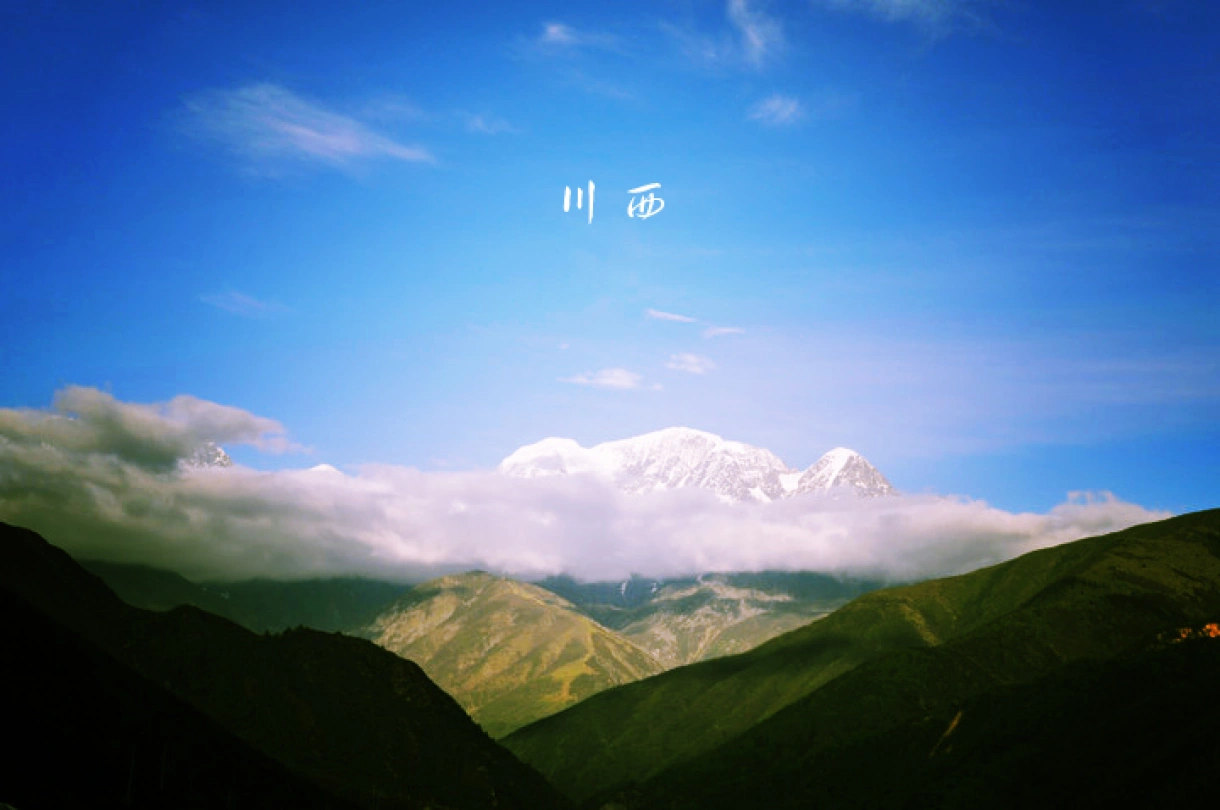
That summer vacation, my social media feed was conquered by Western Sichuan. Snow-capped mountains, endless grasslands, red prayer halls, and Tibetan women in traditional robes—every photo hit like a punch to the gut, especially for someone trapped in Chongqing's sweltering heat.
At first, I just wanted a quiet camping spot near Chongqing. My finger traced circles on the map: suburbs, Chongqing-Guizhou border, Sichuan-Chongqing boundary—and then, almost unconsciously, the line stretched westward, winding deep into the heart of Western Sichuan.
"Forget it, let's just go straight to Western Sichuan."
That moment of decision felt like freedom. A spontaneous trip isn't about how long you've planned—it's about how quickly you decide.
But there was a problem: peak summer season meant hotels in Western Sichuan were nearly impossible to book. I glanced at my camping gear in the trunk, and a bold idea took shape—why not sleep in the car?
And so began an eight-day, seven-night car-bed road trip through Western Sichuan—a journey that turned a simple escape into a life-changing adventure.
Car-Bed Road Tripping: Sleeping with the Scenery Outside Your Window
You don't need an RV to enjoy the freedom of stopping whenever you want. A car-bed—a term that sounds rough—became the most unique experience of our trip.
What Is a Car-Bed?
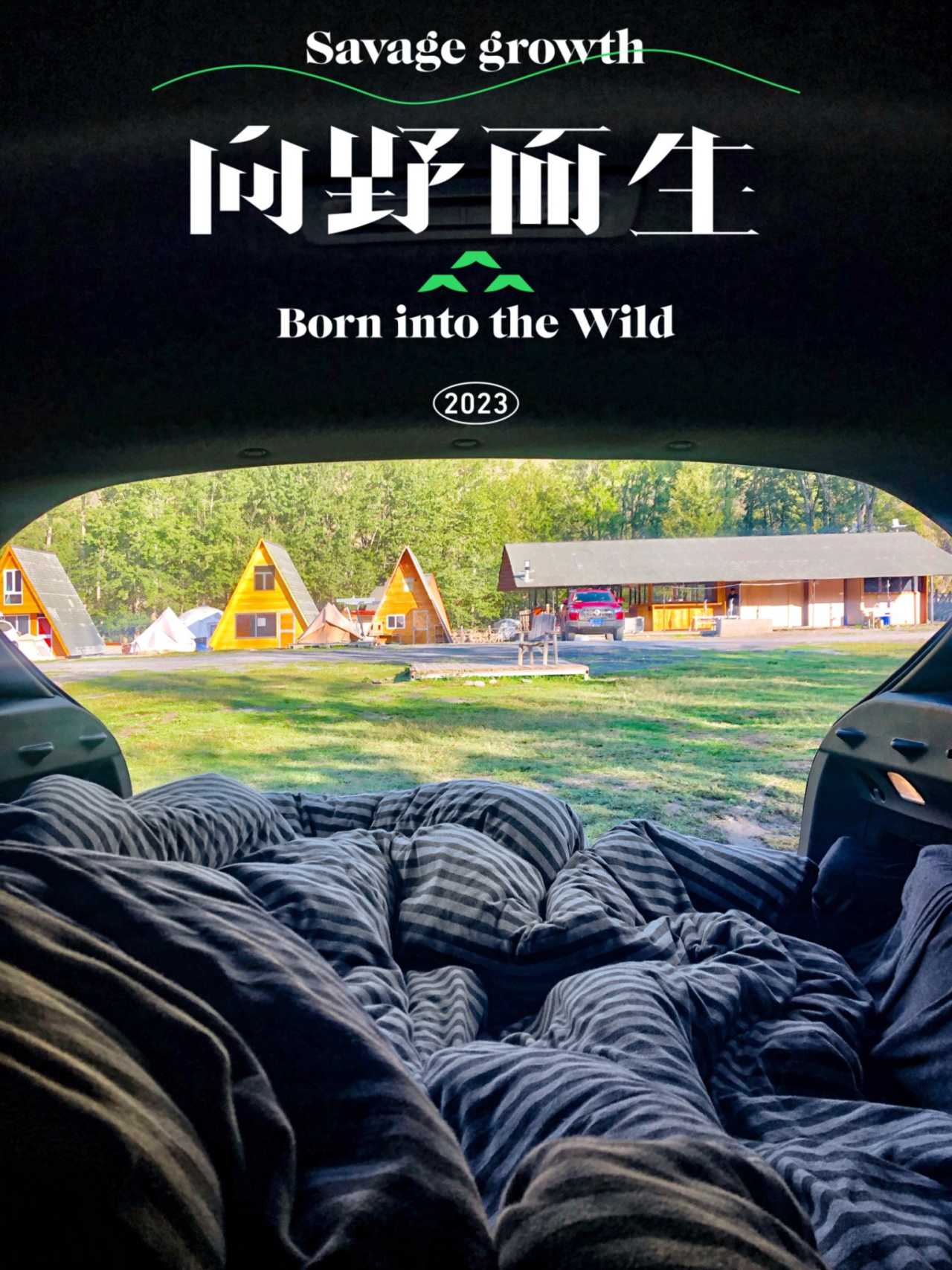
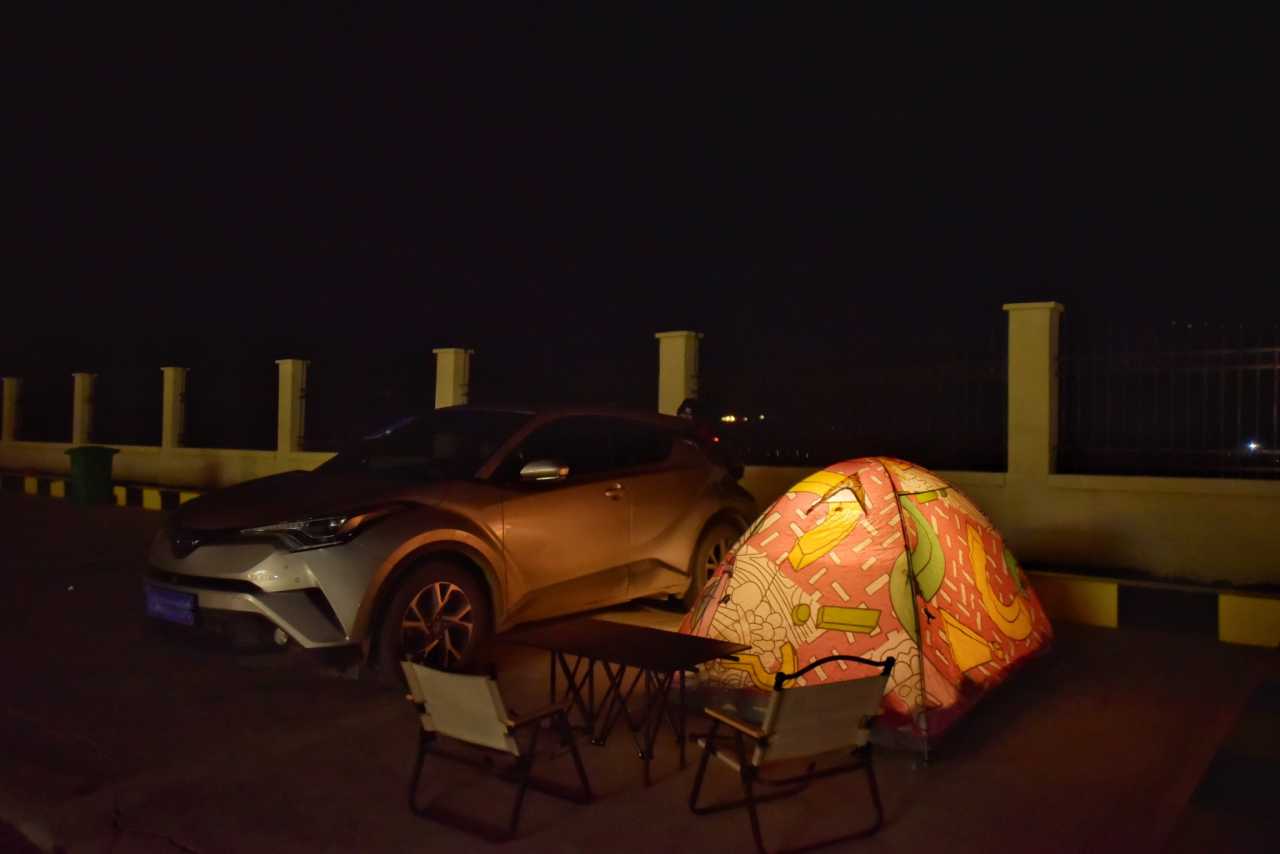
Simply put, it's using your car's rear space. Fold down the seats, lay out a mattress, and transform your vehicle into a mobile bedroom. We drove a small SUV. We flattened the back seats, spread a pre-prepared mattress, added a fitted sheet and pillows—and just like that, a "mobile bed" was ready.
Space was tight. With two people squeezed in, even turning over required caution. But when you open the trunk every morning to see snow-capped peaks, grasslands, morning mist, and prayer flags—that feeling of "sleeping beside the wild" makes the crampedness entirely worth it.
Car-Bed Essentials Checklist

If you're planning a Western Sichuan car-bed road trip, here's what to prepare:
- Mattress: An inflatable air mattress or memory foam pad—comfort and easy storage are key.
- Blanket + Fitted Sheet + Pillow: Use stuffed toys or neck pillows as space-saving substitutes.
- Car Window Sunshades: Suction-cup types work, but custom-fit ones offer better privacy and light blocking.
- Car Mosquito Net: Custom-made nets fit over windows, are breathable, and keep bugs out.
- Rain Guards for Windows: On our second night, rain seeped in—we were completely caught off guard.
The "Three Big Questions" of Car-Bed Life
Q1: What about using the bathroom and washing up?
This is the core issue of car-bed road trips. Our strategy: prioritize parking spots with public restrooms—gas stations, service areas, scenic spot parking lots. If there's no option, bring a portable tent and a portable toilet. It's rough, but doable.
For washing up, we brought drinking water and a kettle, boiling hot water daily for a quick wash. For showers, we booked a cheap hourly hotel room every few days to "recharge."
Q2: How do you choose parking spots? Is it safe?
We used an app called "Woyou Self-Driving," which has tons of parking spot info shared by fellow travelers—including toilet availability, hot water, fees, etc. Our chosen spots were all free except one campsite charging 10 yuan—including gas stations, a Red Army memorial square, and highway service areas.
Safety-wise, regular parking lots and gas stations have surveillance. Plus, car-bed and RV campers tend to cluster together, making it quite safe. Remote wilderness requires caution—better to travel in groups.
Q3: How do you handle electricity?
If you drive an EV, just use the car's power source. For gas cars, bring a car inverter and a large-capacity portable power station.
The Reverse Loop: A Secret Weapon to Avoid Crowds in Western Sichuan
During summer, traffic jams in Western Sichuan are the norm. To dodge the masses, we designed a reverse loop itinerary—starting from Chongqing, passing through Chengdu, Xiaojin, Barkam, and Sertar, then heading south through Dawu, Tagong, and Xinduqiao, finally looping back via Leshan to Chongqing.
This strategy was golden. We barely hit any traffic, while the opposite lane often stretched endlessly. If you're planning a peak-season trip, I highly recommend going in reverse.
Our Western Sichuan Road Trip Itinerary at a Glance
- Day 1: Chongqing → Chengdu → Ande Service Area (slept at the service area)
- Day 2: Ande Service Area → Xiaojin County
- Day 3: Xiaojin County → Barkam → Sertar
- Day 4: Sertar Larung Gar Buddhist Academy
- Day 5: Sertar → Dawu → Tagong
- Day 6: Tagong area (Moshi Stone Park, Muya Grand Monastery, etc.)
- Day 7: Tagong → Yarra Snow Mountain Viewpoint → Xinduqiao
- Day 8: Xinduqiao → Kangding → Luding → Leshan
- Day 9: Eating and drinking in Leshan
- Day 10: Leshan → Chongqing
Jiesi Valley: A Budget Alternative to Mount Siguniang
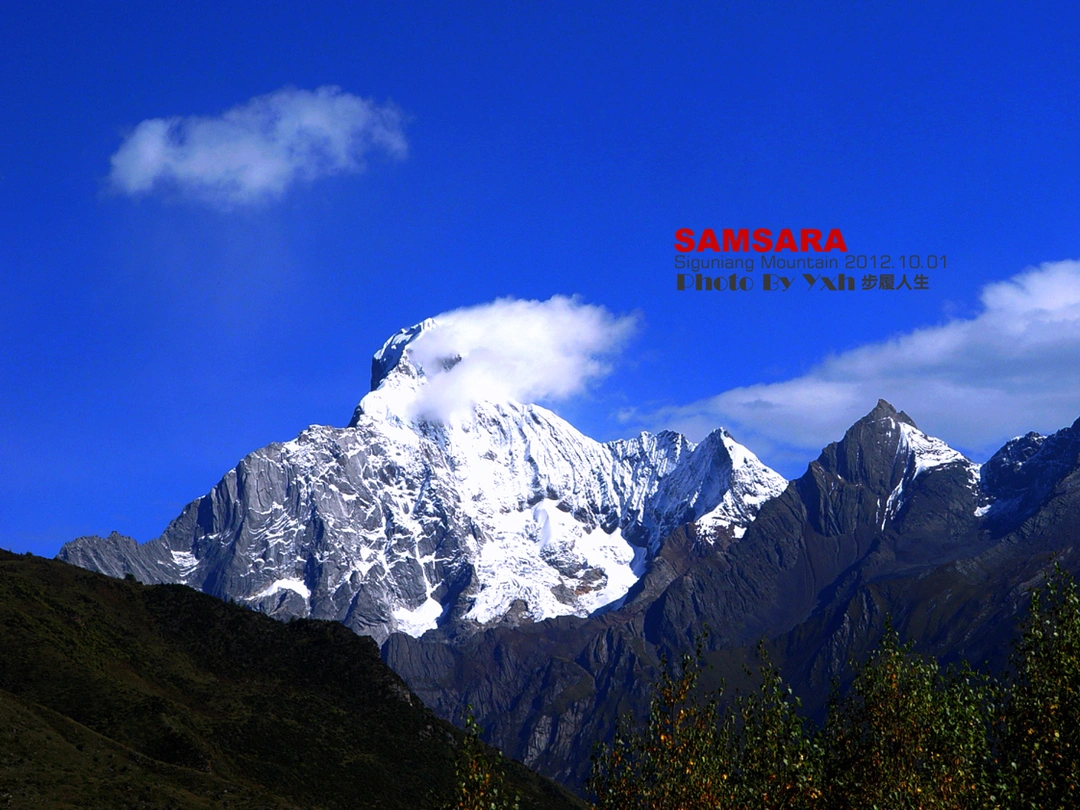
Leaving Chengdu, we passed through the Balang Mountain Tunnel and arrived at the Maobiliang Viewing Platform. On a clear day, you can see all four peaks of Mount Siguniang—unfortunately, clouds and mist obscured the view, leaving us to imagine its grandeur.
Instead of entering the Mount Siguniang scenic area, we turned into Jiesi Valley—a budget alternative with fewer people, stunning scenery, and not fully developed.
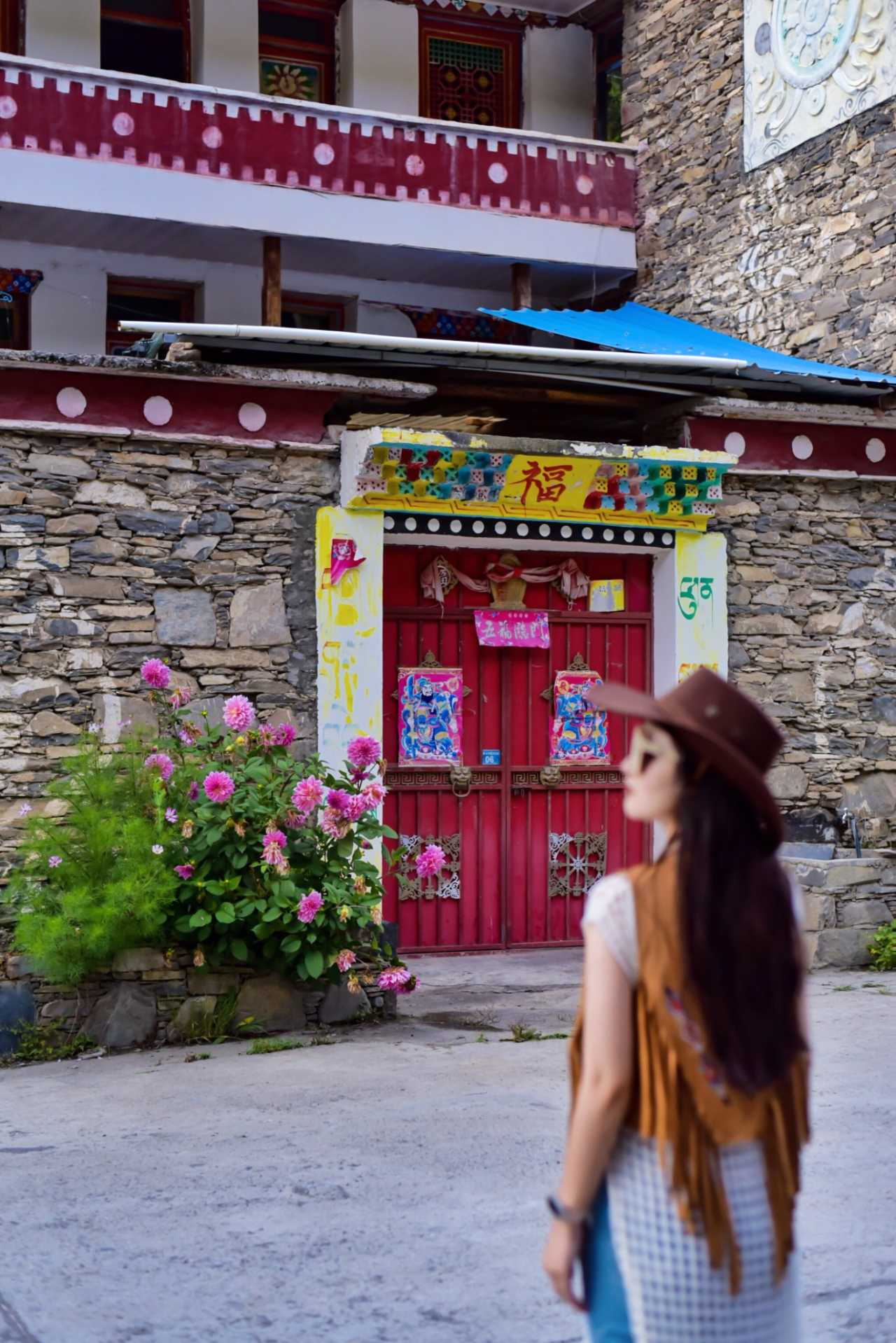
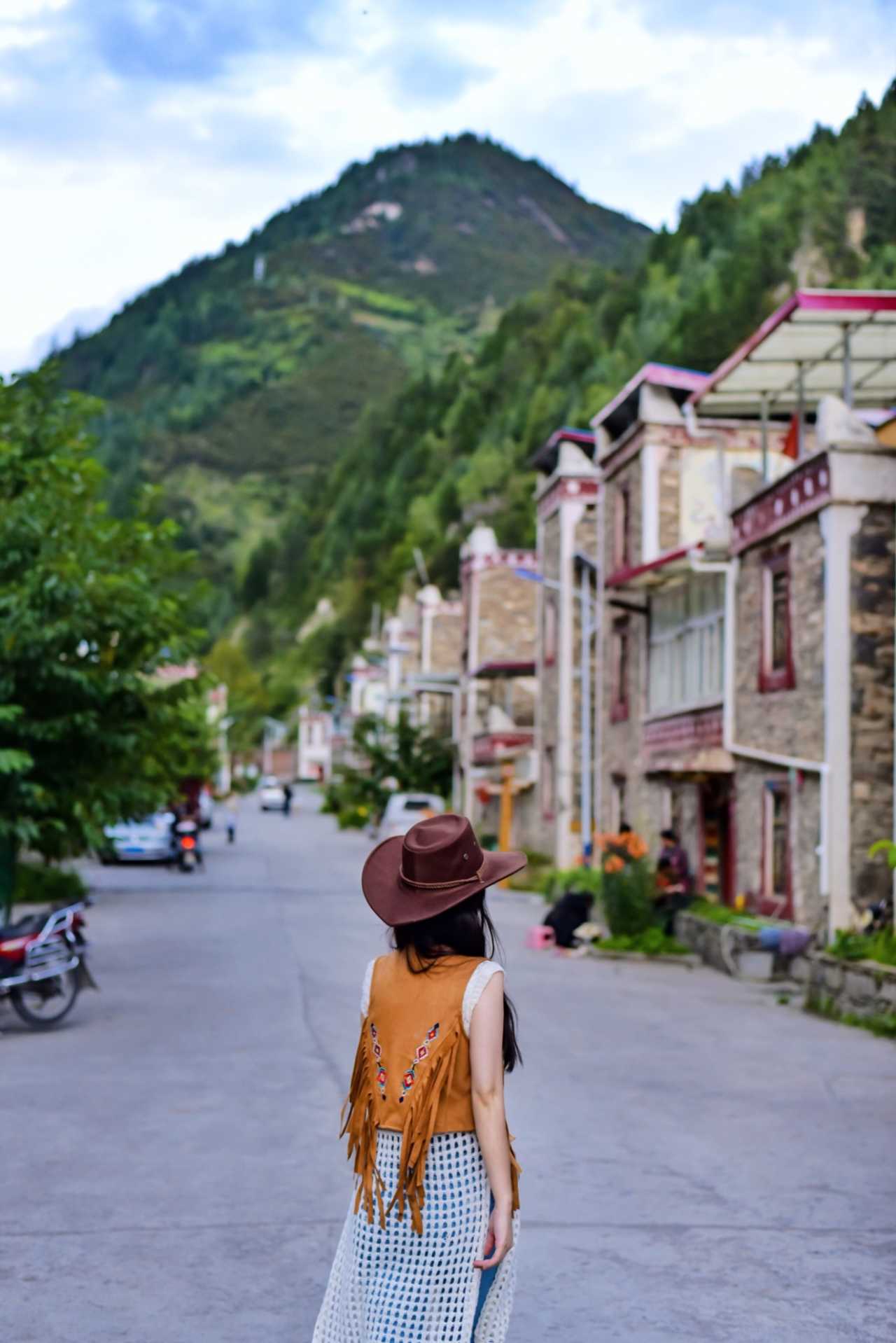
Before entering the valley, we passed through Xianghua Village, a Tibetan settlement with unique Bissaman culture. The houses were brightly colored, stacked stone walls against a snowy mountain backdrop—every snapshot looked like a movie still.
Xianghua Bridge marks the entrance to Jiesi Valley. It costs 10 yuan per person as a cleaning fee, no open flames allowed, and no toilets. The first half of the valley has paved roads, but the last section is gravel and rough. We planned to hike in, but after just a few photos, headaches kicked in—altitude sickness. We had to give up and head to our parking spot for the night: a Red Army battle memorial square.
[Link: Tips for managing altitude sickness in Western Sichuan]
Sertar: An Eight-Year Pilgrimage of Faith
In 2015, I was traveling from Shangri-La to Daocheng and planned to stop by Sertar, but missed out because I couldn't get a bus ticket. That regret lingered for eight years.
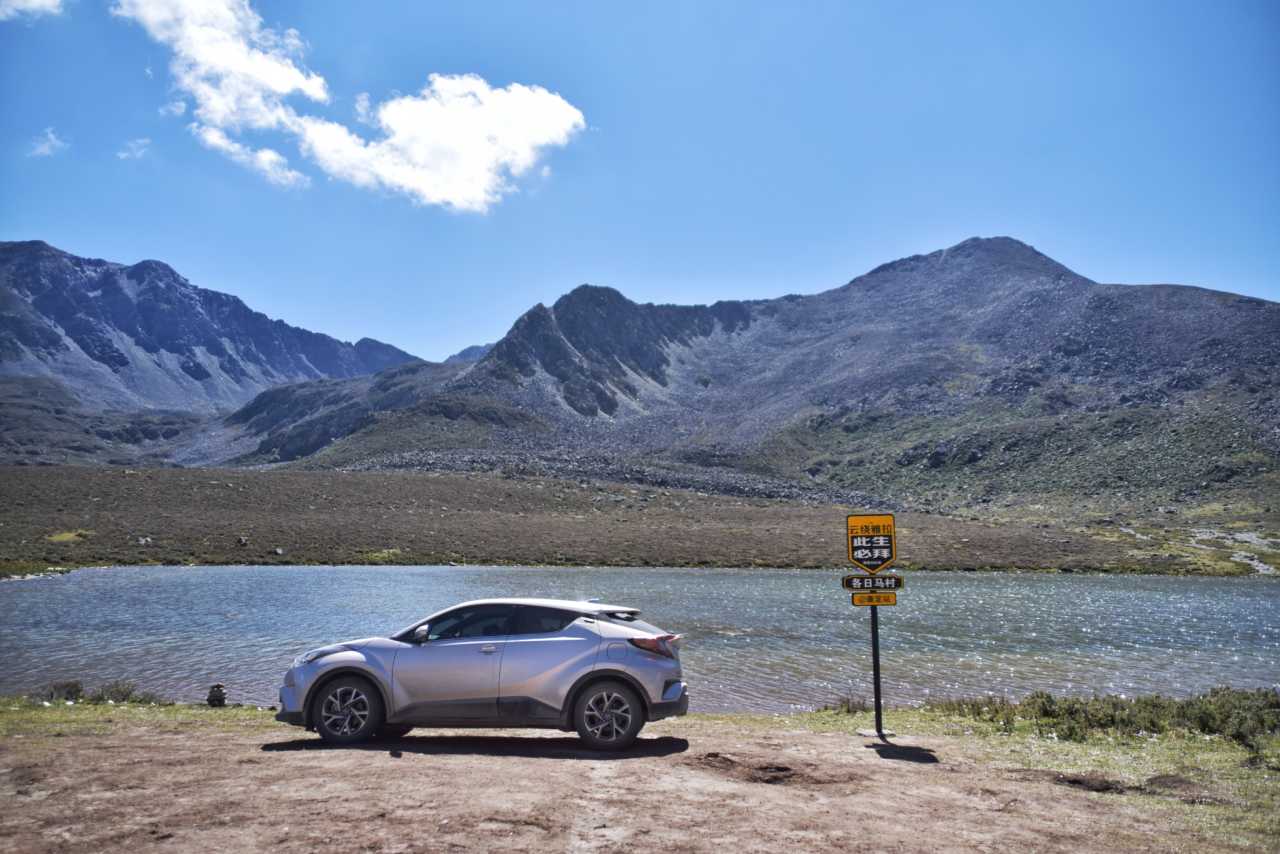
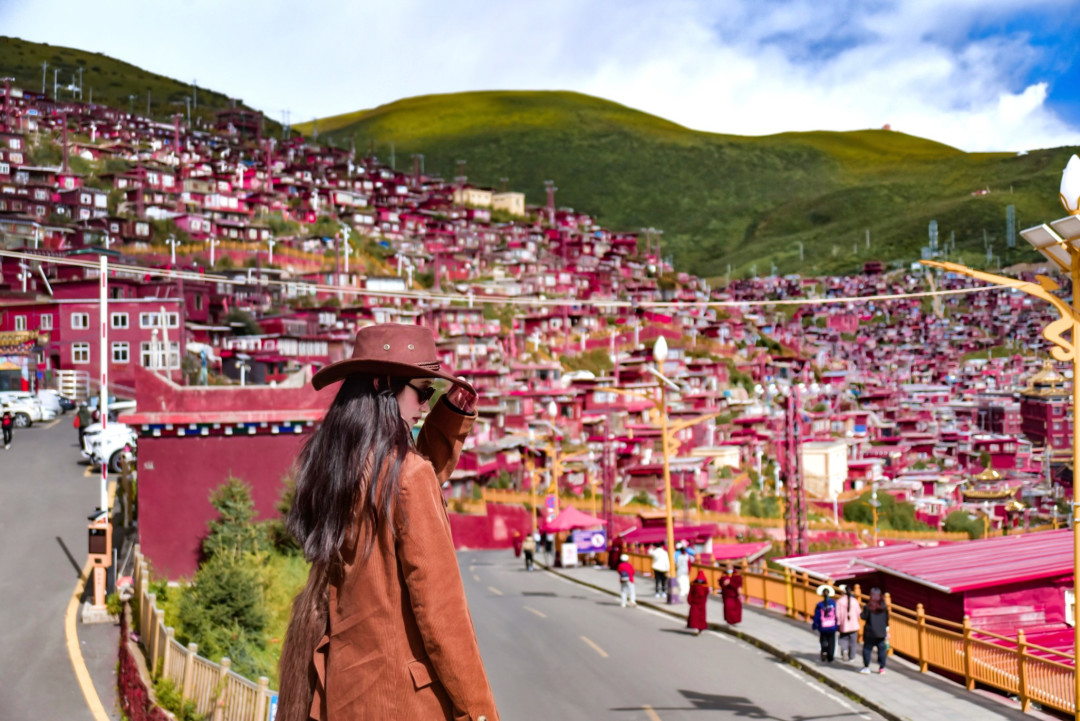
So when I heard that Sertar Larung Gar Buddhist Academy had reopened to visitors, I didn't hesitate to make it the most important destination of this trip.
From Jinchuan County, it was a seven-hour drive—over snowy mountains, through thick fog, and into pouring rain, as if experiencing all four seasons. Passing through Wengda, we saw groups of Tibetan macaques along the roadside, with many cars stopping to take photos.
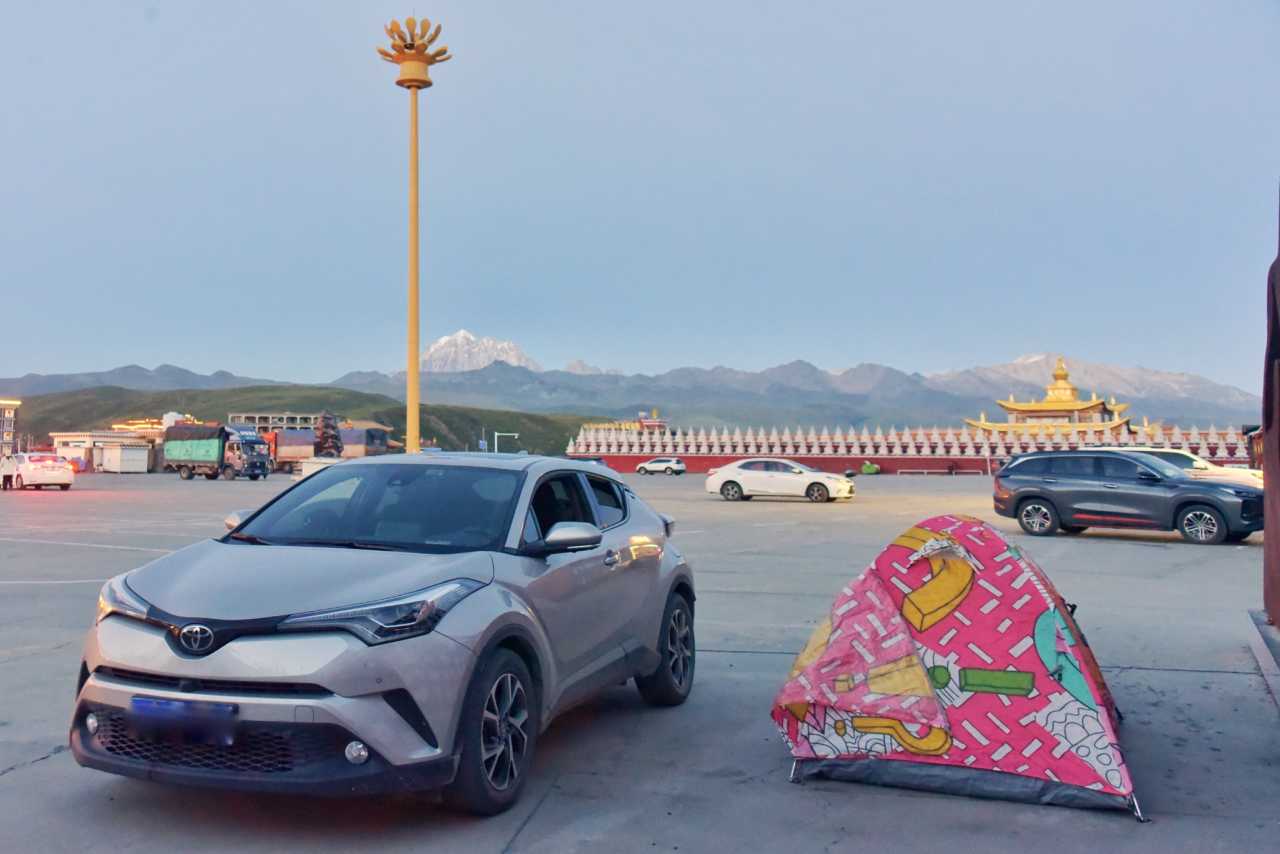
We parked at the PetroChina gas station in Luoruo Town. It's on high ground, facing the academy's mountain, with a grassland nearby. The station had toilets, hot water, surveillance, and friendly staff. We stayed two nights and felt completely safe.
How to Enter Sertar Larung Gar Buddhist Academy
Method 1: Online Reservation Search for the mini-program "Larung Gully Entry Reservation" on WeChat and select the "Luoruo Town Distribution Center Shuttle Route." Reservations can be made 54 hours in advance (tickets are released at 6:00 PM three days ahead). Note: Each adult can only buy one ticket—no multi-ticket purchases—but you can buy tickets for minors. Remember to fill in your personal info in advance under "My Profile-Settings-Visitor Info."
Method 2: On-Site Purchase Go to the Golden Horse Grassland ticket office in Sertar County to buy tickets for the next day or same-day.
Important Tips: - Tickets are limited and sell out fast—book early. - The academy is a sacred site; dress modestly and respect local customs. - Photography restrictions apply in certain areas—always ask permission.
[Link: Best time to visit Sertar Larung Gar Buddhist Academy]
Tagong Grassland: Where the Sky Meets the Earth
From Sertar, we drove south to Tagong Grassland—a vast, windswept plateau where yaks roam freely and prayer flags dance in the wind. We spent two nights here, exploring the Moshi Stone Park and Muya Grand Monastery.
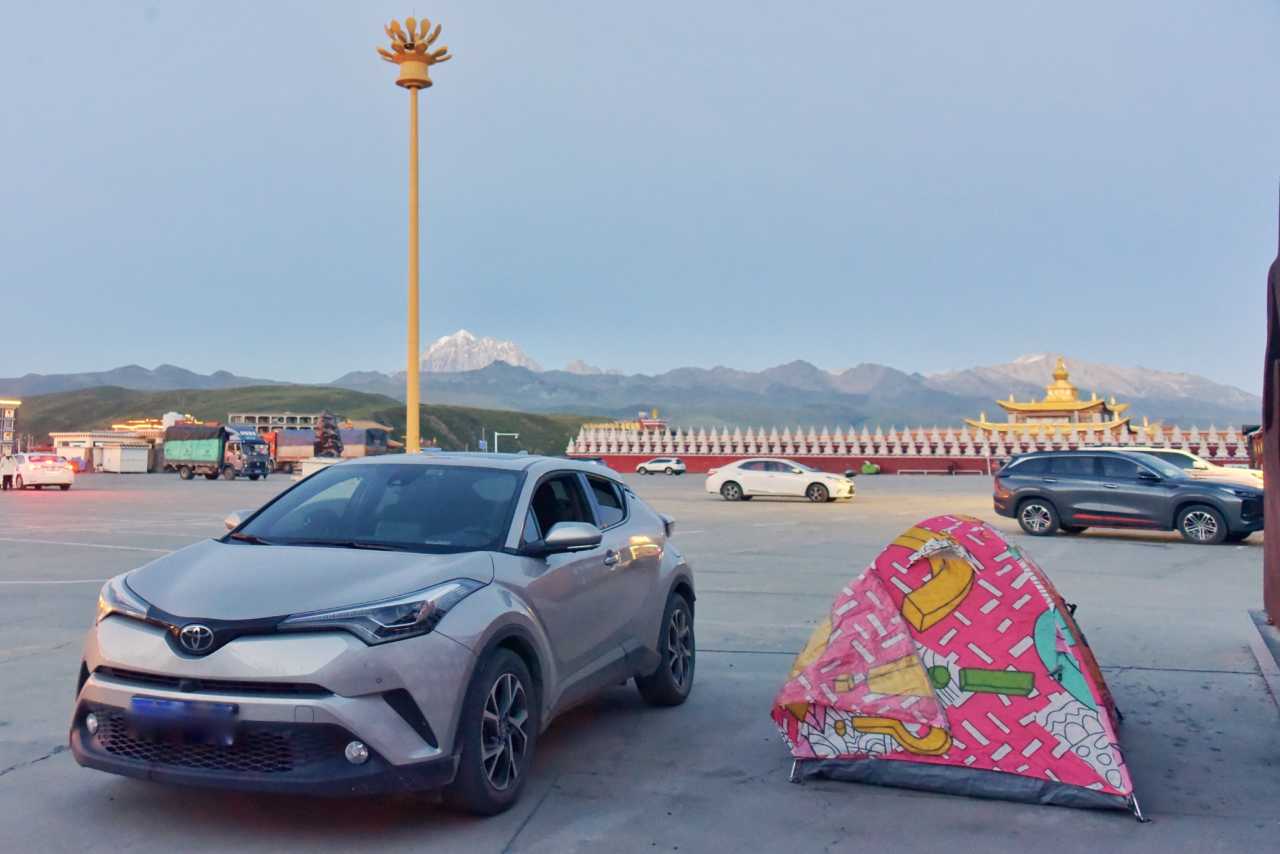
Moshi Stone Park is a geological wonder—massive black rocks scattered across the grassland, creating an otherworldly landscape. Muya Grand Monastery, with its golden roofs and intricate murals, offers a glimpse into Tibetan Buddhist art and architecture.
Our parking spot was a grassy area near the monastery, shared with a few other car-bed campers. The night sky was breathtaking—stars so bright they seemed close enough to touch.
Yarra Snow Mountain Viewpoint: A Hidden Gem
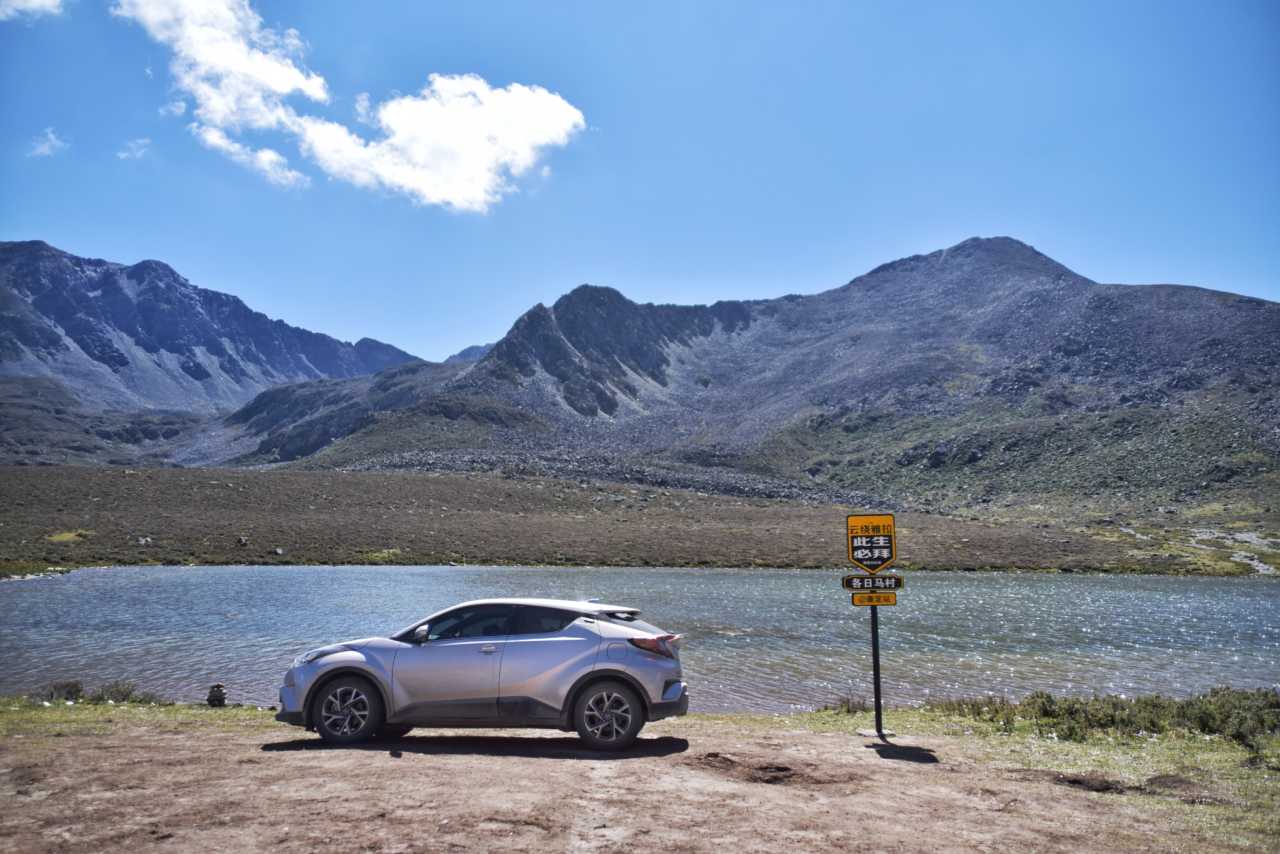
On Day 7, we drove to the Yarra Snow Mountain Viewpoint, a lesser-known spot that offers panoramic views of the surrounding peaks. The road was rough—gravel and dirt—but the reward was worth it: a 360-degree view of snow-capped mountains, with no crowds in sight.
We parked near the viewpoint, brewed some tea, and watched the sunset paint the mountains in shades of gold and pink. It was a moment of pure, unfiltered freedom—the kind that only a car-bed road trip can provide.
Xinduqiao: The Photography Paradise
Our final stop before heading back was Xinduqiao, a small town famous for its photogenic landscapes—golden fields, winding rivers, and traditional Tibetan houses. It's a favorite among photographers, and for good reason.
We spent the night at a local campsite, enjoying a hot meal and swapping stories with other travelers. The next morning, we drove through Kangding and Luding, stopping at Leshan for a day of eating and drinking before returning to Chongqing.
Frequently Asked Questions (FAQ)
1. Is it safe to sleep in a car in Western Sichuan?
Yes, if you choose well-lit, busy spots like gas stations, service areas, or designated campsites. Avoid remote areas alone. Use apps like "Woyou Self-Driving" to find safe, shared parking spots.
2. What's the best time for a Western Sichuan road trip?
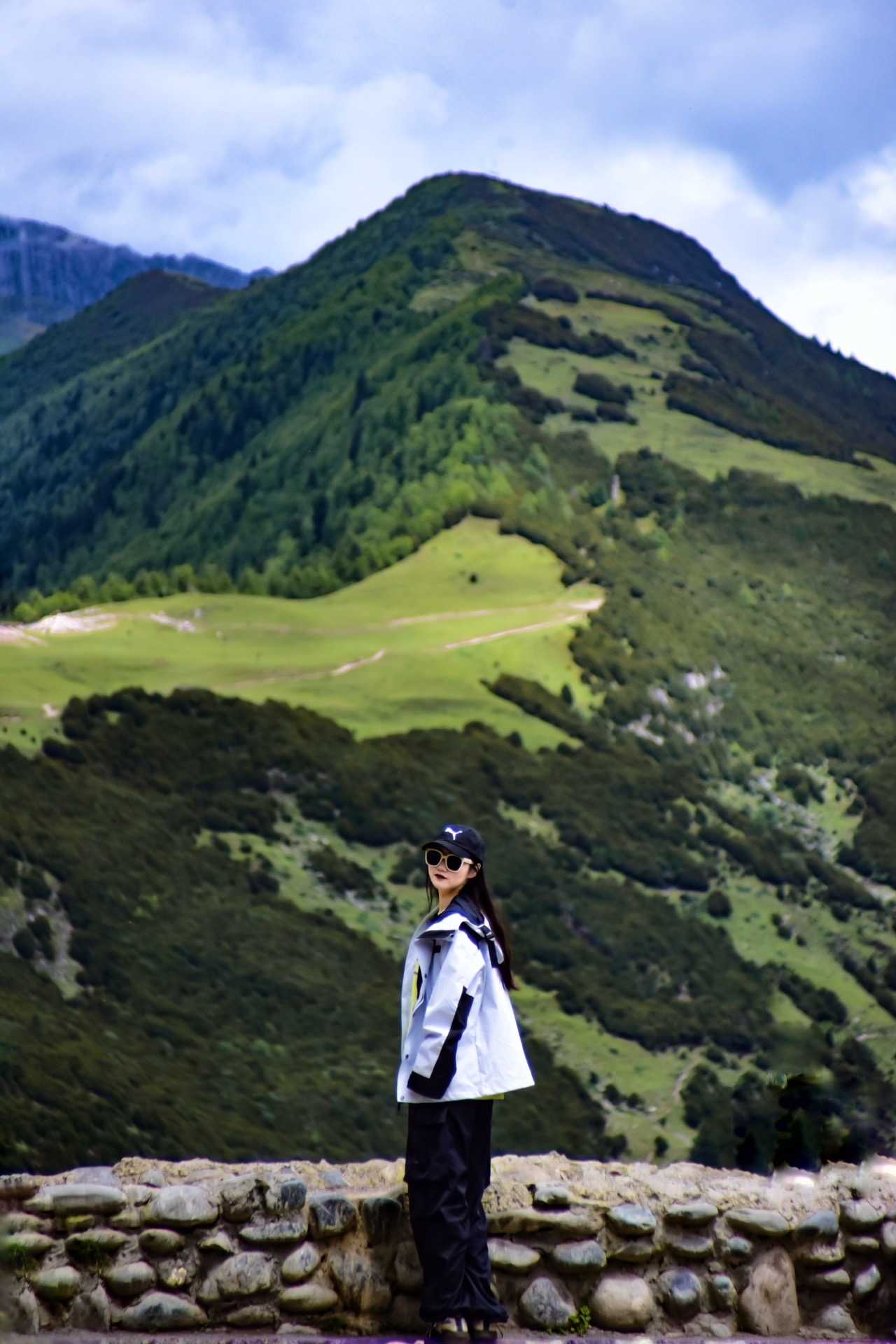
Summer (June–August) offers lush green landscapes but also peak crowds and rain. Autumn (September–October) provides clear skies and golden hues. Spring (April–May) is quieter but colder. Winter (November–March) is for experienced cold-weather campers.
3. How do I handle altitude sickness in Western Sichuan?
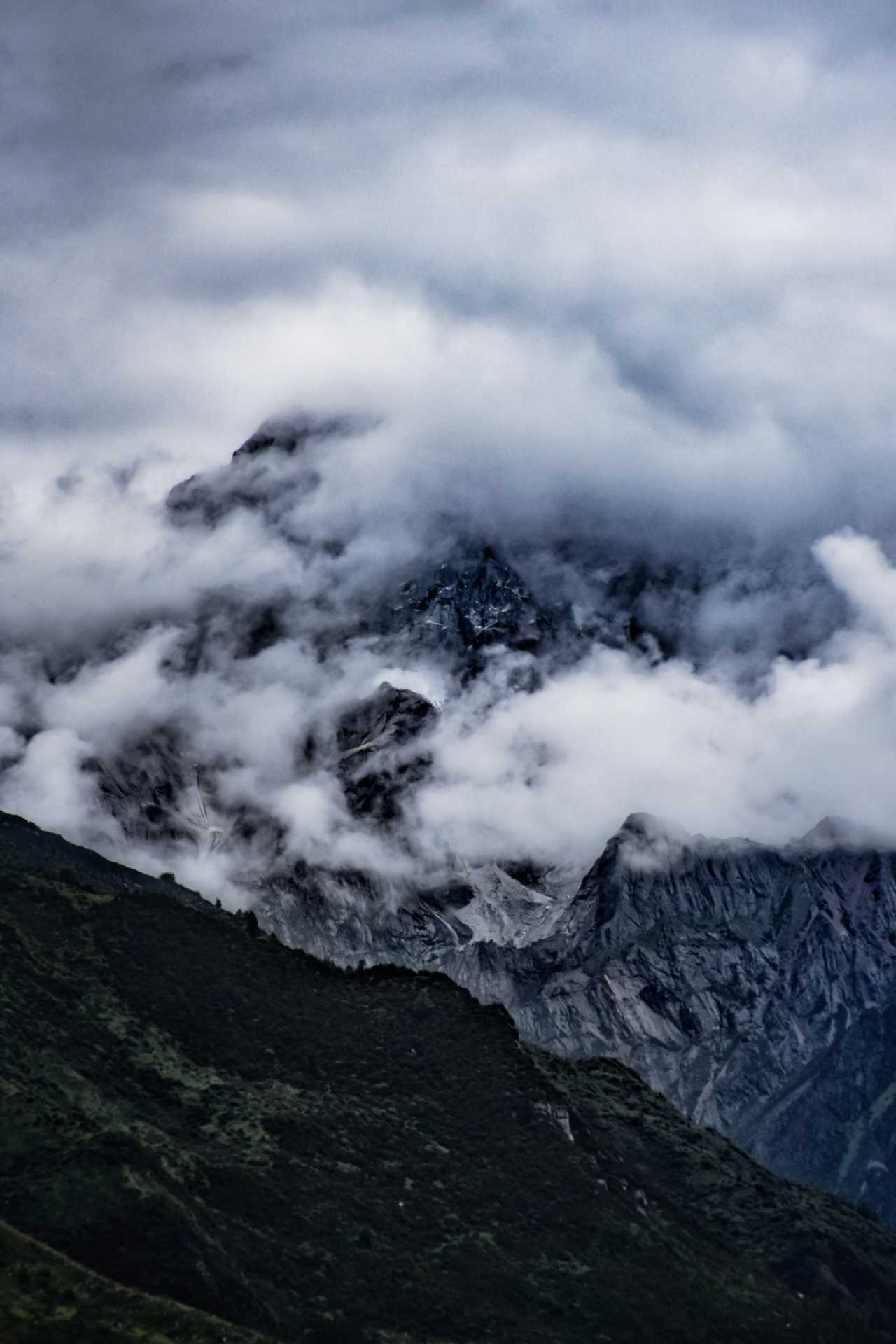
Ascend gradually, stay hydrated, avoid alcohol, and carry medication like acetazolamide. If symptoms worsen (headache, nausea, dizziness), descend immediately. Our Jiesi Valley hike was cut short due to altitude sickness—listen to your body.
4. Can I do a car-bed road trip with a sedan?
Yes, but space is limited. A small SUV or hatchback is ideal. Sedans can work if you fold down rear seats and use a compact mattress. Test your setup before the trip.
5. What's the budget for a 10-day car-bed road trip in Western Sichuan?
Our total cost (fuel, food, occasional hotel, entry fees) was around 3,000–4,000 yuan per person. Car-bed camping saved us hundreds on accommodation. The biggest expense was fuel—Western Sichuan's mountain roads consume more gas.
Final Thoughts: Why You Should Try a Car-Bed Road Trip
This trip taught me that freedom isn't about luxury—it's about flexibility. A car-bed road trip lets you chase the sunset, wake up to snow-capped peaks, and change your plans on a whim. It's rough, it's cramped, but it's unforgettable.
If you're dreaming of Western Sichuan but worried about crowds, costs, or logistics—just go. Pack your car, fold down the seats, and let the road guide you. The wild is waiting.
Are you ready to drive into the wild? Start planning your Western Sichuan car-bed road trip today. Share your itinerary in the comments below, or ask for tips—I'm happy to help.
[Link: Essential gear for a Western Sichuan road trip] [Link: Best car-bed camping spots in Sichuan]