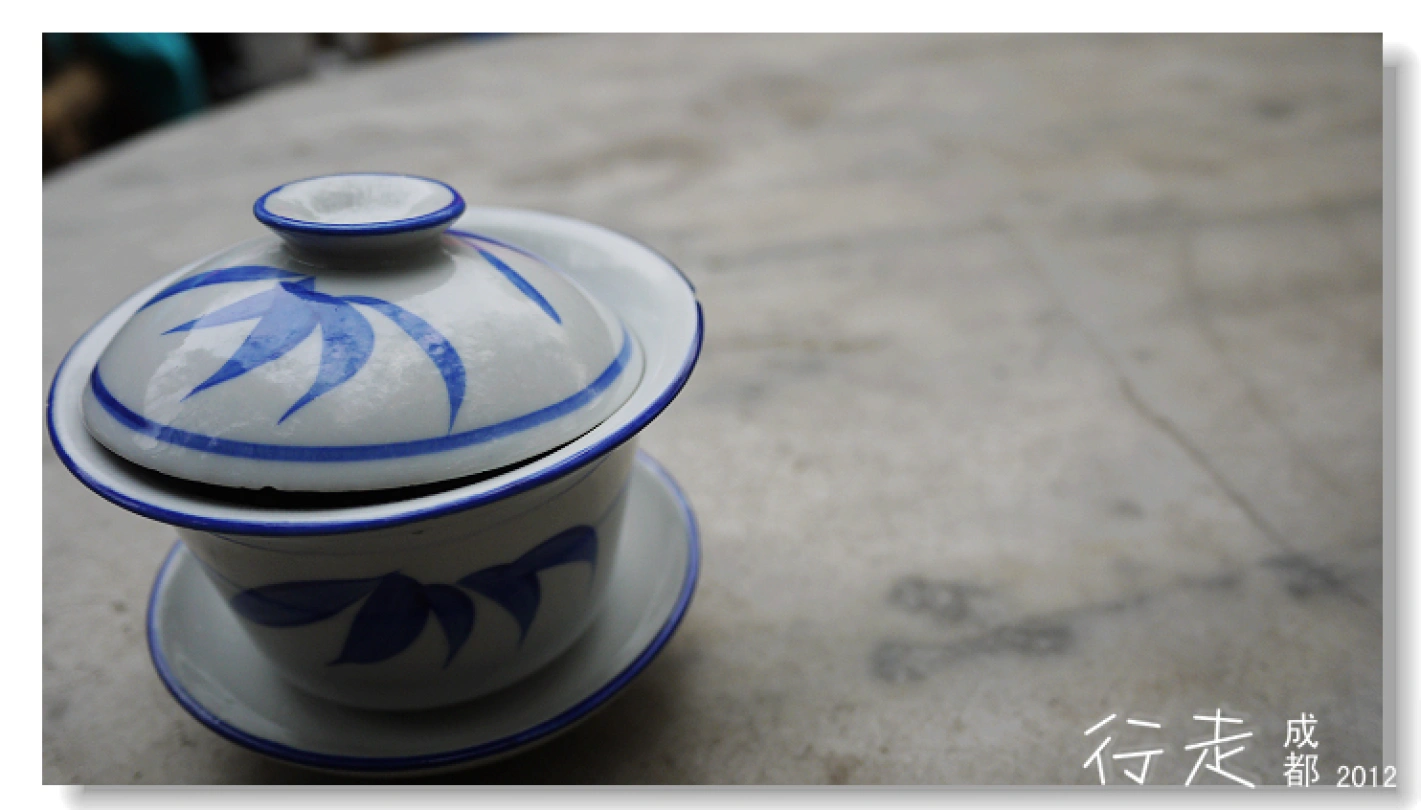
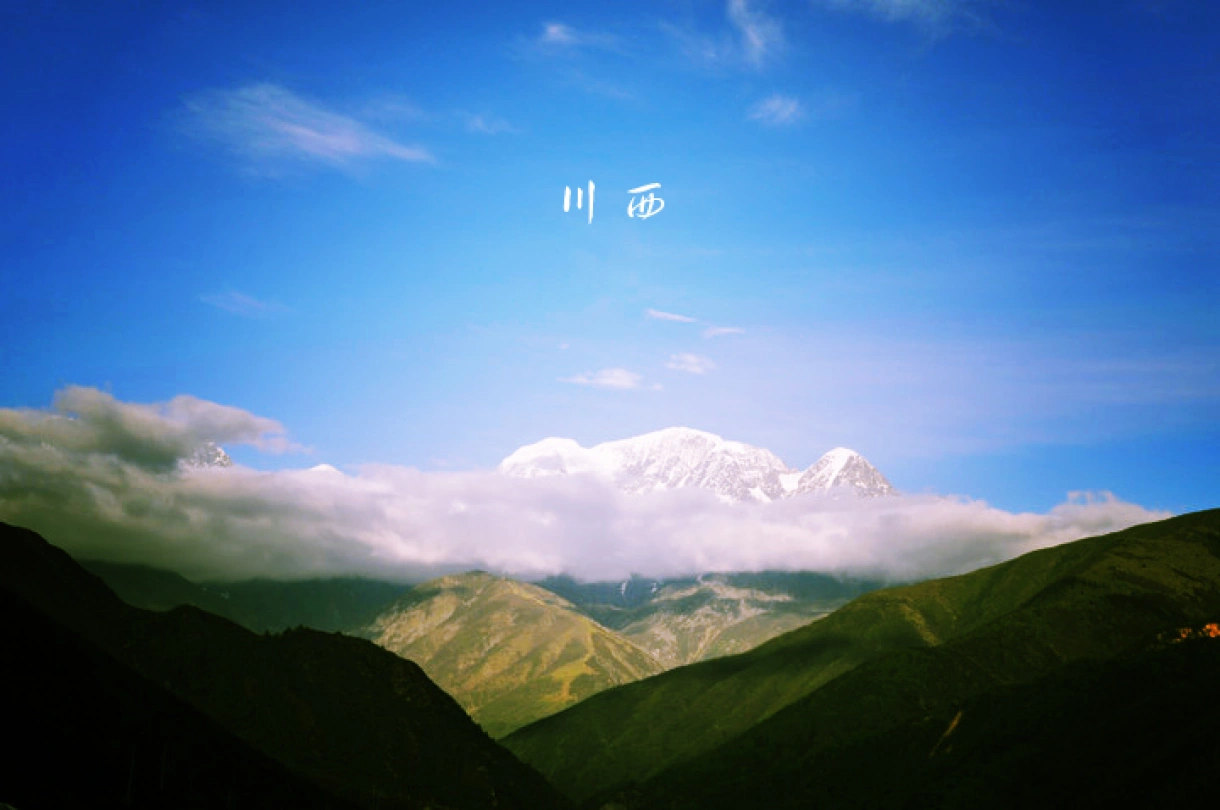
Chengdu: A City's Narrative Poem — How to Turn Everyday Life into Your Story

Meta Description: Discover Chengdu beyond the tourist crowds. From hidden cyberpunk rooftops to nostalgic cafés and authentic Sichuan cuisine, learn how to experience this city like an old friend. Your ultimate Chengdu travel guide.
"May you travel across mountains and rivers, and find the world worth every step"
— This is probably what I most wanted to say to this city as I picked up my pen.
On February 4th, the Beginning of Spring, a light rain fell over Chengdu.
Du Fu once wrote: "Good rain knows its season; when spring arrives, it comes forth."
I stood by the window, watching the rain slant into the alleyways, and suddenly felt that this city's gentleness was just like the rain — unassuming, yet nourishing everything in silence.
This isn't a standard travelogue.
I don't want you to squeeze through crowded tourist spots, to be pushed along in Kuanzhai Alley, or — worse still — to miss the true soul of Chengdu.
I want to take you on a journey to know this city the way you'd get to know an old friend.
Why Chengdu? — A City That Pulls You In
I wasn't born in Chengdu, but the first time I settled here, I naturally called it "my city."
This sense of belonging isn't "I like it here" — it's "this place accepted me."
Chengdu's magic lies in this: it doesn't rush you to fall in love. It simply goes about its own quiet life.
In the plazas, people dance baba wu (community square dancing). The moment the sun comes out, the whole city flocks to the parks for tea. At night, steaming food stalls line the streets; laundry hangs from old buildings; the sounds of mahjong tiles, arguments, and laughter blend together — chaotic, yet real.
I've watched the 2009 Korean director's film A Good Rain Knows (also known as Season of Good Rain) many times.
In that movie, Chengdu isn't just a city — it's a mood: tender, elegant, steeped in the warmth of everyday life.
A thousand people see a thousand different Chengdus, because there are a thousand different stories. And I'm just one of them.
[Link: Best time to visit Chengdu for spring weather]
Unlocking Chengdu's Hidden Photo Spots — No Crowds, Better Shots

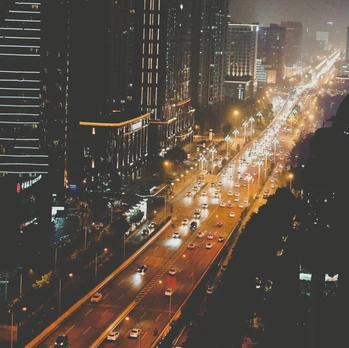
Tianzijie Commercial Building: A "Cyberpunk" Rooftop Overlooking Jiuyan Bridge
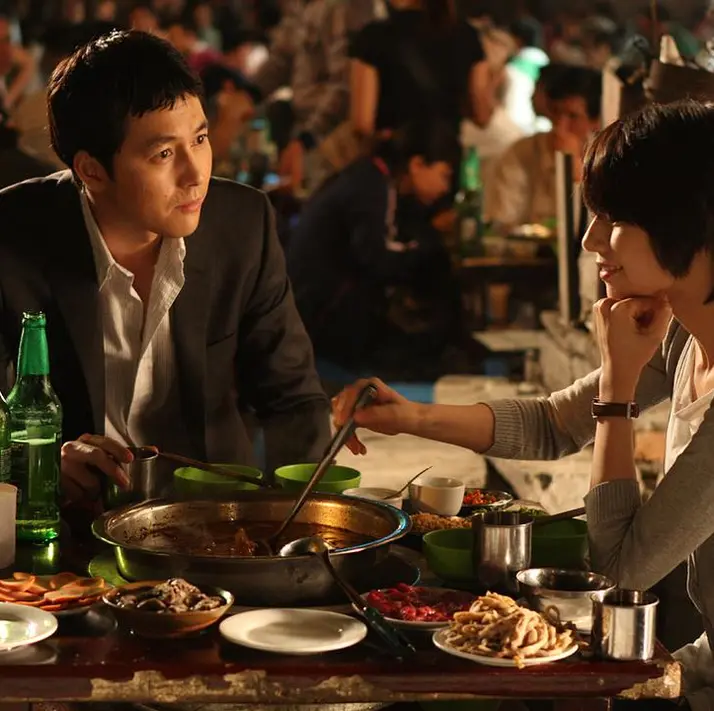
Near Jiuyan Bridge, just search for "Tianzijie Commercial Building" on your map.
Take the elevator to the top floor, climb one more flight of stairs, push open the rooftop door — and the view opens up instantly.
The rooftop door is open year-round, so no need to worry about being turned away.
But a word of caution: don't go up when it's windy, or you'll freeze. The railing is actually quite high; you'll need the right angle to capture that "on top of the city" feel.
Pro tip: Visit at golden hour (just before sunset) for the best lighting on Jiuyan Bridge and the Jin River.
Taikoo Li: Two Different Worlds by Day and by Night
Taikoo Li needs no introduction — it's where Chengdu's most stylish young people gather.
But what I want to say is: Taikoo Li at night is ten times more beautiful than during the day.
Different festivals bring different light installations, and every corner is a photo op.
The only thing worth shooting during the day is the Brown Bear outside the LINE store — that spot has the best natural light.
[Link: Chengdu shopping guide — Taikoo Li vs. IFS]
Mandarin Duck House (Yuanyang Lou): A "Museum of Human Warmth" in Old Chengdu
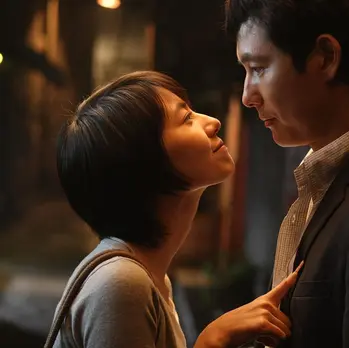
No. 18 Hongwasi, very close to the city center, right next to Sichuan University's Wangjiang campus.
Step inside, and you're transported back to the 1980s.
This was a filming location for the movie Buddha Mountain. All the warmth of old Chengdu is concentrated here.
Nowadays, many people come to take photos, but the residents still greet you warmly — shopping for groceries, picking up kids, pulling up stools for a chat. It's incredibly endearing.
Photography tip: Shoot in black and white to capture the nostalgic, documentary-style feel of old Chengdu.
West Village Courtyard: The Same Spot as The Ex-File 3, with an Artistic Football Field
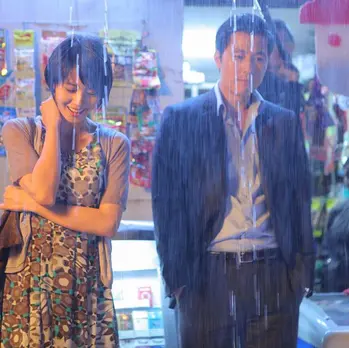
Li Boqing's football field sits below. The entire building is square-shaped, and many people come here for night runs.
There are railings, a football pitch, art galleries, exhibitions — and floors 1 through 5 are packed with delicious food.
When the sun's out, grab a seat outside for tea, and you'll find yourself staying all day.
University of Electronic Science and Technology (UESTC): Autumn Longing, Hidden in Fallen Leaves
Every autumn, UESTC becomes Chengdu's "spokesperson for fall."
"Slowly falling maple leaves are like longing; I light a candle to warm the end of autumn" — this song is best listened to here.
The campus is on Jianshe Road. After the street food stalls nearby were featured on Day Day Up, every shop now has long lines.
But it's so delicious that every time I go back, I eat until I'm dizzy.
Best time to visit: Mid-October to early November for peak autumn foliage.
Sichuan University: Summer on the Stadium Benches
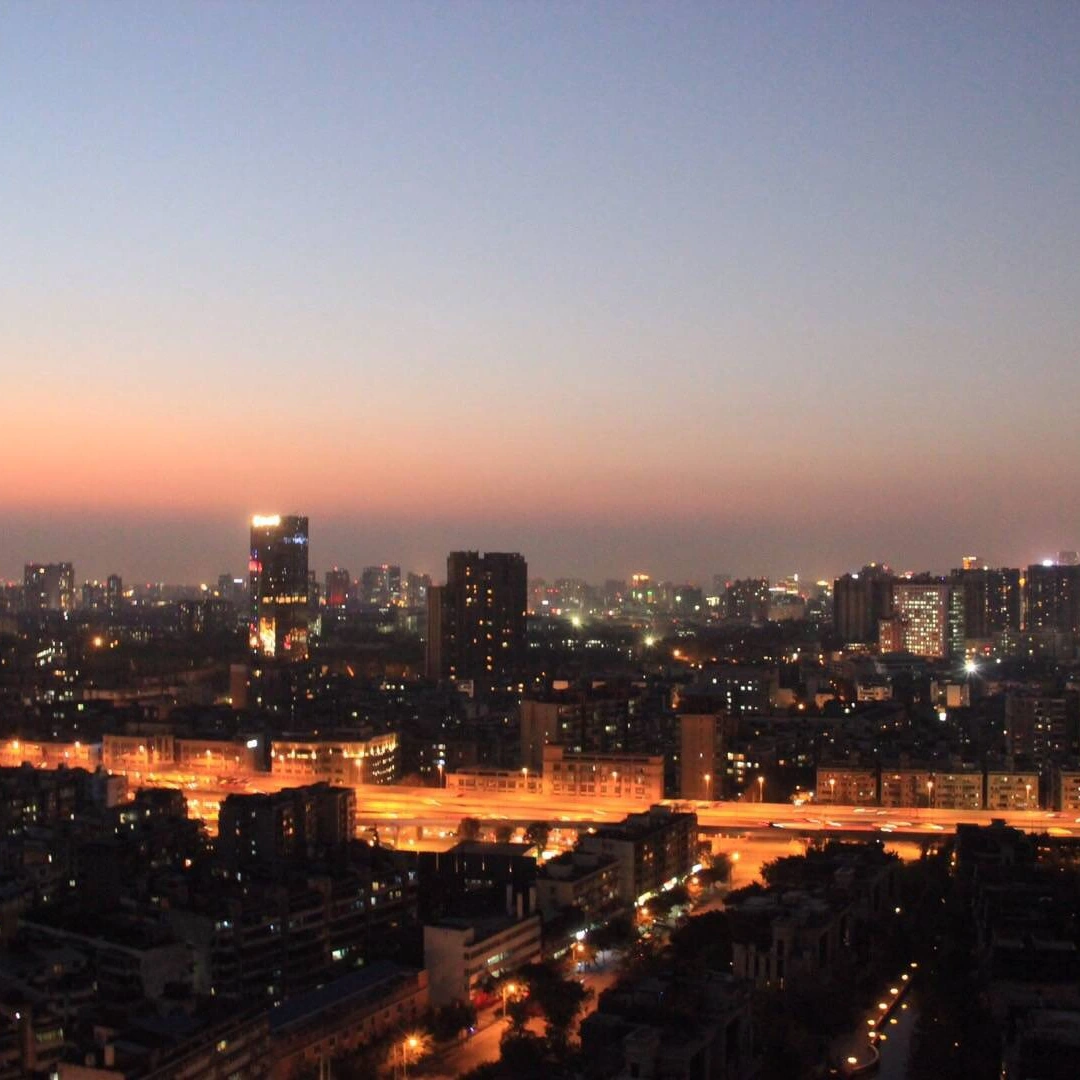
Sichuan University is very close to downtown. My favorite spot is the benches by the stadium.
In summer, after dinner with friends nearby, we'd sit here chatting, watching people run below, telling our own stories in the breeze.
Kuixinglou Street / Wutongshu Street / Xiaotong Alley / Hongqiang Alley: Old Chengdu's Artistic Corners
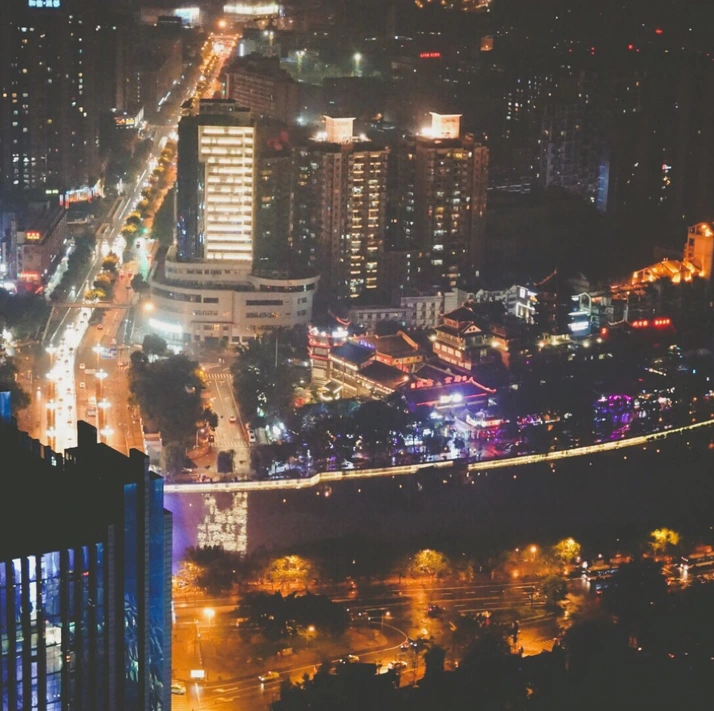
Near Kuanzhai Alley, these streets are all within walking distance of each other.
Private restaurants, cafés, dessert shops, small bars, indie cinemas, quirky hostels — and occasionally, vintage markets.
Instead of being pushed through Kuanzhai Alley, come wander these lanes before they're demolished.
Donghu Park: Chengdu Spring's "Color Palette"
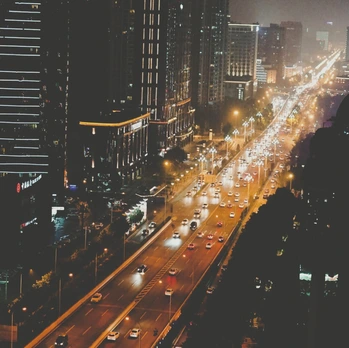
People's Park has been written about to death, and there's nothing new to say about gaiwancha (covered-bowl tea).
Donghu Park skews younger, with bright tones — in spring, the view is a riot of green, yellow, and blue, like someone knocked over a paint box.
There are hand-painted graffiti walls where you can add your own art.
There's also an exhibition hall and an art district. It's right across from Sichuan University, super convenient.
IBOX / U37 Creative Park: Container-Box Youth Energy
In Shuinianhe, colorful shipping containers are stacked on top of each other.
Photo shoots, afternoon tea, painting (even beginners get one-on-one instruction) — perfect for showing off on social media.
This is a gathering spot for skateboarders, with frequent high-energy competitions.
[Link: Chengdu creative parks and art districts guide]
A Trendy Café List for Your Girl Squad — A Little Love, Not Nearly Enough
Being a polished "piggy girl" needs no excuse. Here's my curated list of Chengdu's most Instagrammable cafés:
| Café Name | Location | Specialty | Rating |
|---|---|---|---|
| MITU Mintu | Near Chunxi Road | Desserts | ⭐⭐⭐⭐ |
| The Senes Wake Up (Xingshi) | Multiple locations | Light meals, pasta | ⭐⭐⭐⭐½ |
| Bieyou | Jiuyan Bridge area | Handmade leather + tea | ⭐⭐⭐⭐ |
| Brunch Me | Jinjiang Wanda | Concept store + dining | ⭐⭐⭐⭐⭐ |
| Unicorn Whale (Dujiaojing) | West gate | Cute interiors | ⭐⭐⭐½ |
| Zhua Meng Jiao | Langyu Building, Chunxi | Sichuan dialect vibe | ⭐⭐⭐⭐ |
| Dear Home | Sansheng Township | Garden + guesthouse | ⭐⭐⭐⭐⭐ |
| Love Your Tea (Ai Ni De Cha) | Jinghuirong, Chunxi | Photo wall | ⭐⭐⭐½ |
| Bonne Heure (Wuzao Xiaoshi) | Multiple locations | New creative dishes | ⭐⭐⭐⭐⭐ (100 stars!) |
| Yijie | Jinxiu Road | Bold style + gallery | ⭐⭐⭐⭐ |
Insider tip: Bonne Heure (Wuzao Xiaoshi) is my absolute favorite — I've been back a thousand times, and every new dish makes me tear up with joy. Don't miss their seasonal specials.
[Link: Chengdu café hopping itinerary for a weekend]
Chengdu's Food: A Pretty Shell Is Common, But an Interesting Soul Weighs Over 200 Pounds

I gained over 20 pounds during my college years in Chengdu.
What can I say? No regrets.
Chengdu's food can heal me, redeem me. Gaining weight doesn't matter — after all, an interesting soul weighs over 200 pounds.
Here's a typical exchange with modern Sichuan parents:
Whenever I declare with a full mouth, "I'm going on a diet tomorrow," my Sichuan friends' parents just laugh and push another bowl of mapo tofu toward me. "Eat first," they say. "Life is short."
Must-Try Chengdu Dishes
- Mapo Tofu — The classic. Find it at Chen Mapo Tofu (陈麻婆豆腐) near Kuanzhai Alley.
- Dan Dan Noodles — Try the street stall near Sichuan University's south gate.
- Hot Pot (Huoguo) — Go to Huangcheng Laoma (皇城老妈) for an authentic experience.
- Chuan Chuan Xiang — Skewers boiled in spicy broth. Try Shu Zhu Liu (蜀煮流) on Jianshe Road.
- Fuqi Feipian — Sliced beef and offal in chili oil. The original shop is on Changfa Street.
Pro tip: Don't be afraid to ask for wei la (微辣, mild spicy) if you're not used to Sichuan heat. Real Chengdu locals will respect your honesty.
[Link: Chengdu street food guide — where locals eat]
FAQ: Everything You Need to Know About Chengdu Travel

Q1: What is the best time to visit Chengdu?
A: Spring (March–May) and autumn (September–November) are ideal. Spring brings mild temperatures and blooming flowers, while autumn offers stunning foliage at UESTC and People's Park. Avoid the rainy summer months (June–August) if you dislike humidity.
Q2: How many days do I need in Chengdu?

A: 3–4 days is sufficient for the city itself. Day 1: Kuanzhai Alley and Jinli. Day 2: Hidden photo spots (Tianzijie, Taikoo Li, Mandarin Duck House). Day 3: Food tour and cafés. Day 4: Day trip to the Giant Panda Breeding Research Base.
Q3: Is Chengdu expensive for tourists?
A: No. Chengdu is one of China's most affordable major cities. Street food meals cost ¥10–30 ($1.50–$4.50), café drinks ¥25–45 ($3.50–$6.50), and budget hotels ¥150–300 ($20–$42) per night.
Q4: Can I get by with English in Chengdu?
A: In tourist areas (Taikoo Li, Kuanzhai Alley, major hotels), yes. In local neighborhoods and smaller restaurants, a translation app is helpful. Learn basic phrases like "xie xie" (thank you) and "zhe ge duo shao qian?" (how much is this?).
Q5: What's the best way to get around Chengdu?

A: The Chengdu Metro is efficient and covers most attractions. Taxis and ride-hailing apps (Didi) are affordable. For short distances, rent a shared bike (Mobike, Hellobike) — Chengdu is very bike-friendly.
[Link: Chengdu metro map and transportation guide]
Your Chengdu Story Awaits
Chengdu isn't a city you visit — it's a city that visits you. It stays in your bones, in the way you sip tea slower, in the way you laugh louder, in the way you accept that an interesting soul weighs over 200 pounds.
So pack your camera, bring an empty stomach, and leave your expectations at home. The best stories aren't planned — they happen when you let the city guide you.
Ready to write your own Chengdu narrative?
Start planning your trip today. Book your flights, save this guide, and tell me in the comments: what's the first thing you'll do when you arrive?
Follow me for more off-the-beaten-path Chengdu guides, hidden café discoveries, and authentic Sichuan food recommendations. Your next adventure starts here.