Walking Through Chengdu: The Ultimate Slow Life Journey of Taste and Sight
Meta Description: Discover Chengdu's slow life in this SEO-optimized travel guide. From late-night pig trotters to teahouse culture, explore the best food, sights, and hidden gems of China's most leisurely city. Perfect for first-time visitors.
Introduction: Why Chengdu is the World's Slow Life Capital
Some cities are simply born for "whiling away the hours." Chengdu is one such place—a city where people willingly let time slip away in teahouses, around mahjong tables, and in front of food stalls. In March 2012, with an empty stomach and legs ready to be worn out, I transferred through Xi'an and landed in this land of Bashu, where the old saying goes: "Don't enter Sichuan when young, don't leave when old."
This Chengdu travel guide takes you on a slow life journey through taste and sight—from rainy night food adventures to morning teahouse rituals, from iconic landmarks to hidden street food stalls. Whether you're planning a Chengdu food tour or simply curious about Chengdu's slow life culture, this article will help you experience the city like a local.
Arriving in Chengdu: The First Gentle Bite on a Rainy Night
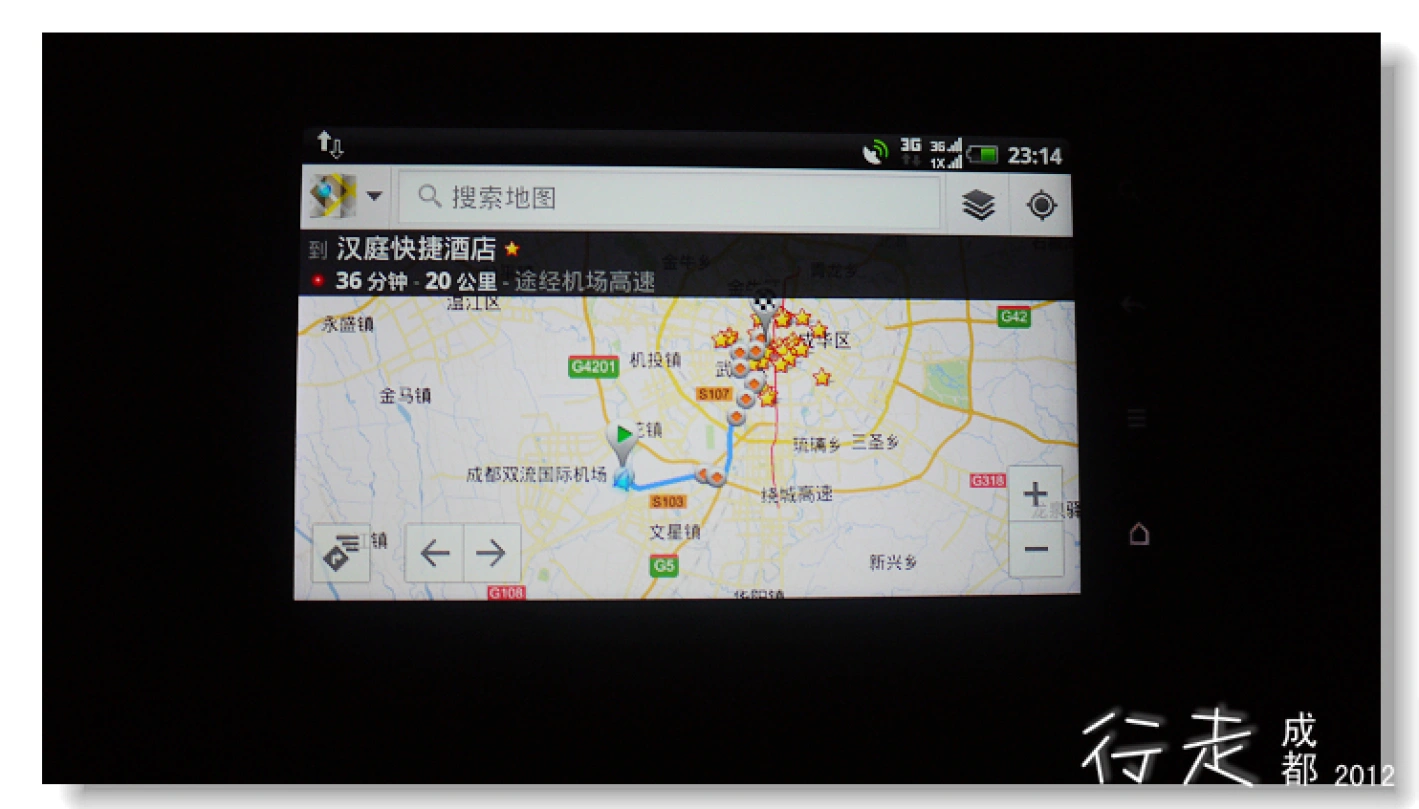
Chengdu's Shuangliu Airport isn't large, even a bit dated, but its two runways hint at its importance as the Southwest's transportation hub. It was nearly 11 PM when I arrived, with a fine drizzle falling. The weather forecast had played a joke: Chengdu had seen rain twice the previous month—once for 15 days, once for 14—because that was February.
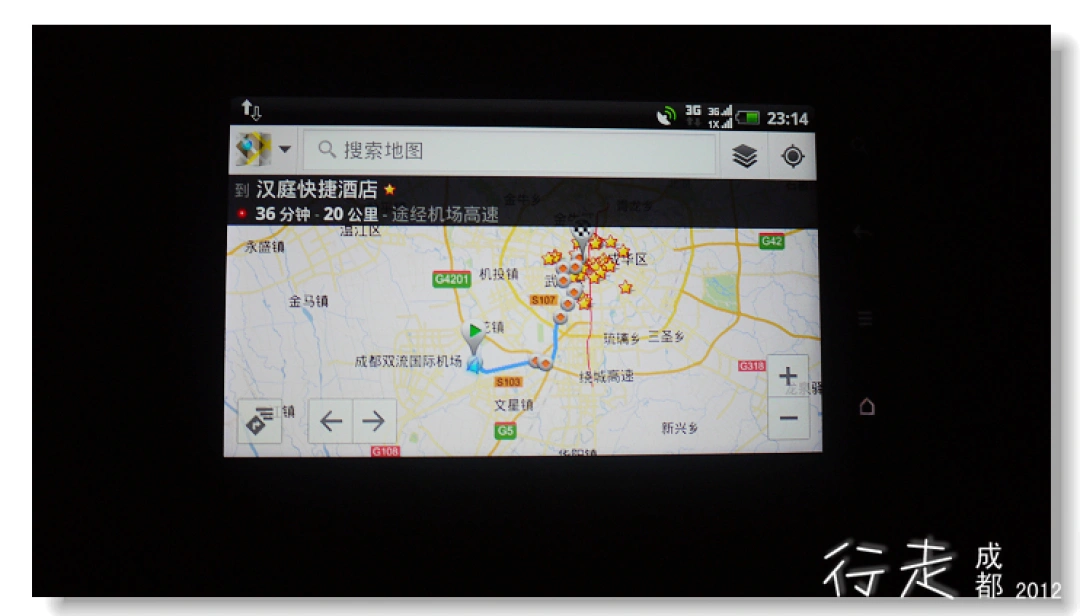
Fortunately, the airport taxi queue moved quickly, and I was in a cab within ten minutes. The driver was a talkative young man, and his words revealed the innate warmth and openness of Chengdu locals. The 20-kilometer ride cost about 70 yuan—not cheap—but my late-night cravings easily outweighed any hesitation.
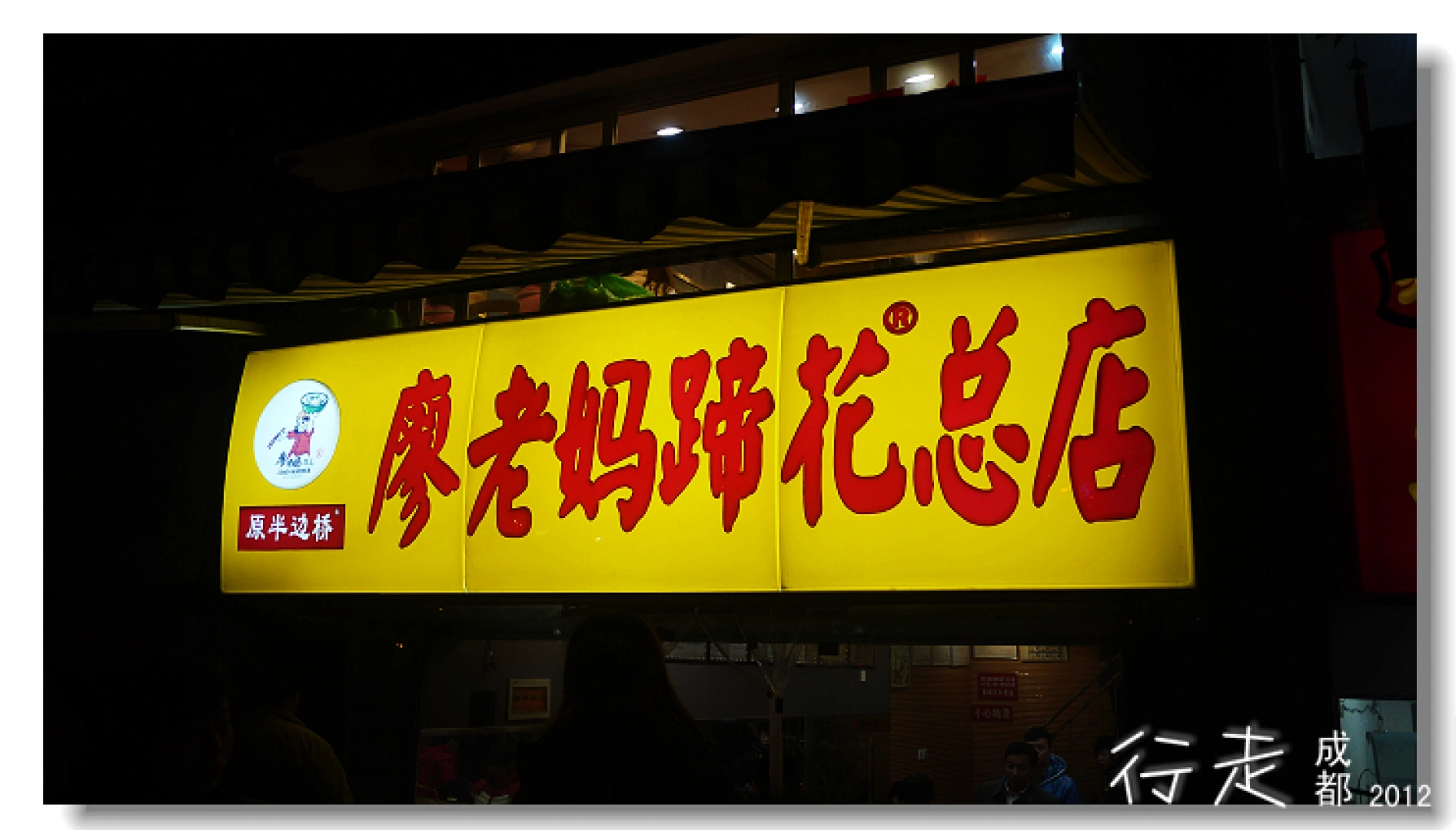
I chose a hotel near People's Park. When I asked for directions, almost everyone pointed in the same direction: "老妈蹄花 (Laoma Pig Trotters)." The taxi driver strongly recommended it too, as if it were the soul of Chengdu's late-night food scene. I stepped out, turned right, rounded a corner, and saw a long row of "廖老妈蹄花 (Liao's Laoma Pig Trotters)" signs. When a dish gets copied this much, it must be worth eating.
I avoided the shops with touts, believing that a true old establishment wouldn't need to solicit customers. Then I spotted a place packed with people, where the waitstaff barely acknowledged anyone—that was it: No. 7-11, East City Root South Street.
Late-Night Trotters and Rabbit Heads: A Chengdu Food Tradition
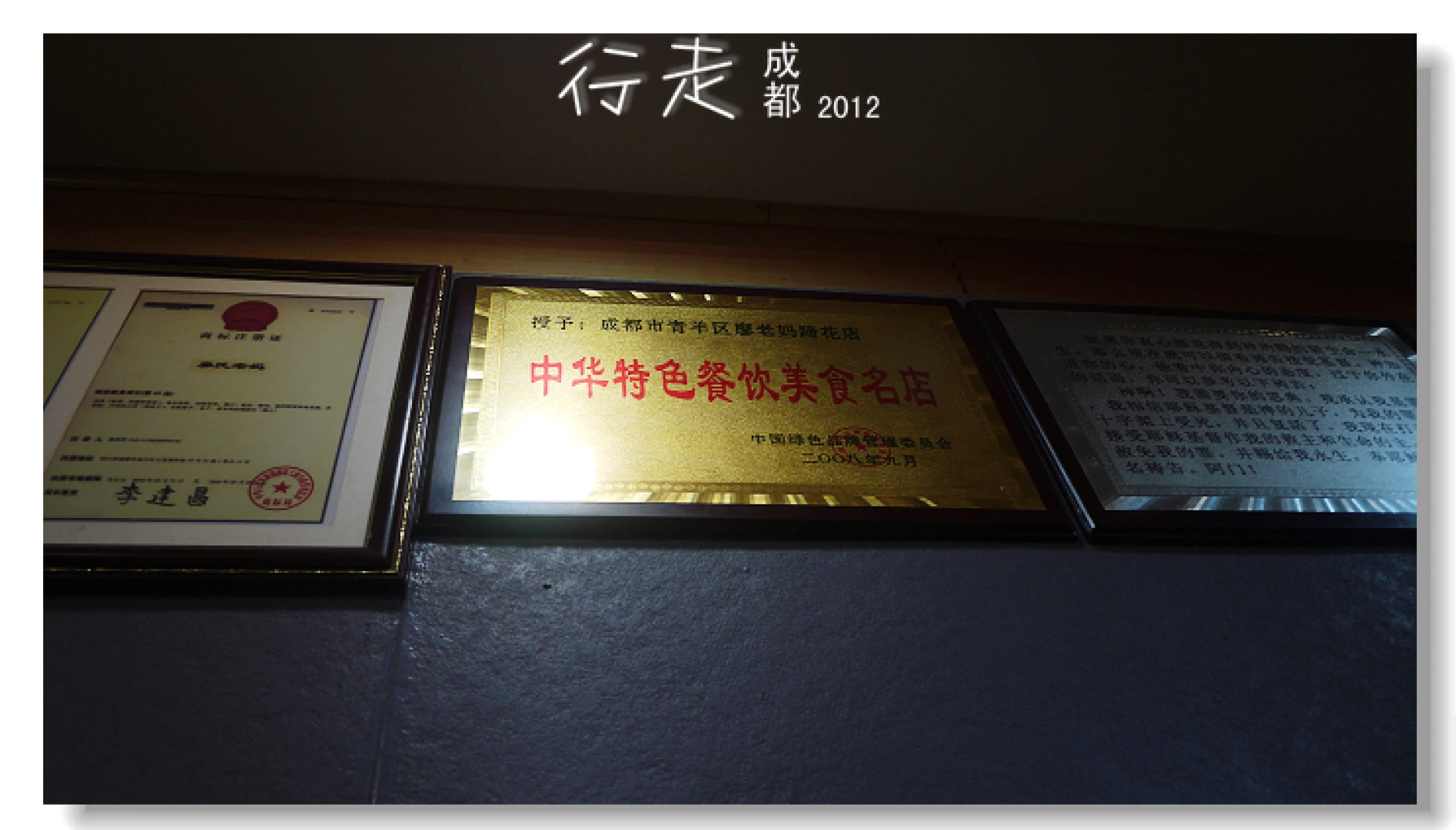
A plaque on the wall confirmed it was a famous spot. The signature dish, "芸豆老妈蹄花 (Laoma Pig Trotters with Kidney Beans)," cost 22 yuan per serving. Almost every table had one bowl per person—eat and leave, with tables turning over fast. At midnight, the place was full; Chengdu's nightlife was just beginning.

The trotters were melt-in-your-mouth tender, bones included. The broth was white and rich, and the kidney beans cut the richness while filling you up. One serving was enough to satisfy, yet the local girls ate them with casual ease. The trotters themselves were simply savory; you needed dipping sauce—for Sichuanese, no meal is complete without spice. Dipped trotters were what they called "巴适 (bā shì)"—perfectly satisfying.
Rabbit heads are another Chengdu specialty, with Shuangliu County's being the most famous. Seven yuan each, five-spice flavor, boiled so soft you could crush any bone. But the "鱼香肉丝 (fish-fragrant shredded pork)" disappointed me—too sweet, with Sichuan peppercorns and some strange melon shreds, tasting odd. The "豆花 (tofu pudding)" was also mediocre. Lesson learned: the biggest item on the sign is the real deal.
[Link: Best late-night food in Chengdu]
Day Two: Measuring Chengdu's Slowness on Foot
Chengdu has nearly an hour's time difference from the eastern coast; dawn comes around 7 AM. The sky was damp, with a light drizzle, but that didn't stop the plan. Whenever I visit a new city, I choose to walk—spending the most time, measuring the city with my feet.
People's Park: A Pot of Tea, a Whole Morning
People's Park is where Chengdu locals come for tea and morning exercise. Crane Call Teahouse (鹤鸣茶社) is an old establishment with history. On clear days, regulars drift in: they pull up their own chairs, brew their own tea, play mahjong, read a book, soak up the sun, and sip tea all afternoon. This is Chengdu's slow life.
There's also a branch of Zhong Dumplings (钟水饺) in the park, where I had breakfast. Zhong Dumplings sit somewhere between large wontons and dumplings: smooth-skinned, juicy filling, clear broth. With a dab of chili sauce—salty, spicy, and savory paired with the silky dumpling skin—delicious. "担担面 (dandan noodles)" looked fresh at first, but once mixed, resembled Beijing's zhajiang noodles, only spicy. The staff, seeing we were out-of-town visitors, asked if we wanted mild or medium spice; we chose mild.
A "ding-ding" sound rang out—every Chengdu local knows it: the ear-cleaner had arrived. Twenty yuan for an ear cleaning, enjoying the tinkling sound and birdsong, feeling your lungs and spleen clear after the procedure. First time in Chengdu? You must try it once.
[Link: Chengdu teahouse culture guide]
The Search for He Ji Egg-Baked Cake: An Unfinished Food Adventure
Chengdu is a "no left turn" city, the taxi driver told me—many roads forbid left turns. Strolling the streets, I photographed plenty of prohibition signs. Walking about 15 kilometers daily was tiring, but the sights I saw weren't something you'd get from visiting attractions.
"蛋烘糕 (egg-baked cake)" is a famous Chengdu snack, three yuan for two. Simple preparation, simple fillings, yet it yields a fragrant, soft, and chewy pastry. Slightly crispy on the outside, tender inside, with meat or sugar fillings—soft and wonderfully aromatic. That one bite convinced me to search for an even more famous egg-baked cake stall.
I headed toward Wenweng Road to find He Ji Egg-Baked Cake (贺记蛋烘糕)—a pushcart stall with no shop, set up only at the entrance of Chengdu No. 4 High School's senior campus. I searched all over Wenmiao Front Street and Back Street but found nothing. Later I learned: they only set up at 4 PM, and only if it wasn't raining. Going in the morning was a wasted effort.
The stone-carved gate of Shishi High School looked ancient and storied. Provincial magazine offices were everywhere, reminding me of Ge You's "Editor's Story" TV series. At a street corner, I stumbled upon Liao Ji Bang Bang Chicken (廖记棒棒鸡), a "poached chicken shop" with branches all over town. Yellow chicken went in, came out covered in spicy sauce—fragrant, spicy, sweet, with a lingering finish. We ate it by a roadside trash can; passersby looked at us like we were crazy—in the rain, no umbrella, mouths greasy.
[Link: Chengdu street food guide]
Tianfu Square to Chunxi Road: The City's Central Axis
Tianfu Square wasn't as modern as I'd imagined—similar to Hangzhou's Wulinmen Square, with a science museum and a large plaza. But Hangzhou doesn't have a Mao Zedong statue; Chengdu does.
Zongfu Road isn't wide or new, but it's famous: Lai's Sweet Dumplings (赖汤圆), Zhong Dumplings, Couple's Lung Slices (夫妻肺片), Han's Steamed Buns (韩包子), Wangfujing, and Chunxi Road are all here. Not visiting here means you haven't truly been to Chengdu. Chengdu is also a city with many electric scooters—I'd just come from Xi'an, where you see neither scooters nor bicycles.
Chunxi Road was brimming with spring charm, but I'd come at the wrong time—bundled in a winter coat, I couldn't see any bare legs. Chengdu has many beautiful women—stunning, fashionable.
Qi Le Guokui (其乐锅魁) is a well-known spot on Chunxi Road. "锅魁 (guokui)" and "锅盔 (guokui)" are different: the former is split and stuffed, the latter can be eaten plain. We bought one with Couple's Lung Slices filling, but the bread wasn't chewy enough, not hot enough, and the filling was sparse—a far cry from Xi'an's roujiamo.
[Link: Chunxi Road shopping guide]
Green Stone Bridge: The Battlefield of Street Food
Heading south from Chunxi Road, I reached Green Stone Bridge (青石桥), which seemed to be a wholesale seafood market. Wang Po Buckwheat Noodles (王婆荞面) had a big reputation—the exterior renovation showed business was booming. Prices were still affordable, probably catering mostly to locals.
I ordered a bowl of eel buckwheat noodles, a bowl of pork intestine vermicelli, a piece of frozen cake (冻糕), a leaf-wrapped dumpling (叶儿耙), and a "冒节子 (mao jie zi)"—a tied pork intestine. The buckwheat noodles were hand-pressed; the eel was very finely chopped, but at 9 yuan a serving, it was a steal.
[Link: Chengdu noodle shops guide]
FAQ: Planning Your Chengdu Slow Life Trip
1. When is the best time to visit Chengdu for a slow life experience?
Spring (March to May) and autumn (September to November) are ideal. The weather is mild, and outdoor activities like teahouse sitting and street food walks are most enjoyable. Avoid summer heat and winter dampness.
2. How many days do I need to experience Chengdu's slow life?
A minimum of 3-4 days is recommended. Spend one day in People's Park and surrounding streets, one day exploring Tianfu Square and Chunxi Road, and one day for food-focused wandering. Add an extra day for nearby attractions like the Giant Panda Base.
3. What are the must-try Chengdu street foods for first-timers?
Don't miss: Laoma Pig Trotters (老妈蹄花), egg-baked cake (蛋烘糕), dandan noodles (担担面), rabbit heads, and buckwheat noodles. Each represents a different aspect of Chengdu's culinary culture.
4. Is Chengdu walkable for tourists?
Yes, but be prepared for long walks—15 kilometers daily is common. Wear comfortable shoes, carry an umbrella (rain is frequent), and use taxis or the metro for longer distances. Chengdu's flat terrain makes walking pleasant.
5. What should I know about Chengdu's teahouse culture?
Teahouses are social hubs. Order a pot of tea (usually jasmine or green tea), sit for hours, and enjoy the atmosphere. Ear cleaning services are common. Don't expect fast service—that's the point. Crane Call Teahouse in People's Park is the most iconic.
Conclusion: Your Chengdu Slow Life Awaits
Chengdu isn't just a city—it's a state of mind. From rainy night trotters to morning teahouse rituals, from hidden street food stalls to bustling commercial streets, every moment invites you to slow down and savor. Whether you're a food lover, culture enthusiast, or simply seeking escape from the fast pace of modern life, Chengdu delivers.
Ready to experience Chengdu's slow life for yourself? Start planning your trip today. Book your flights, pack comfortable shoes, and prepare your appetite. The city of "巴适" is waiting.
[Link: Chengdu travel tips] [Link: Best Chengdu hotels near People's Park]
You may also like


