Daocheng Yading Travel Guide: The Last Shangri-La That Will Shock Your Soul
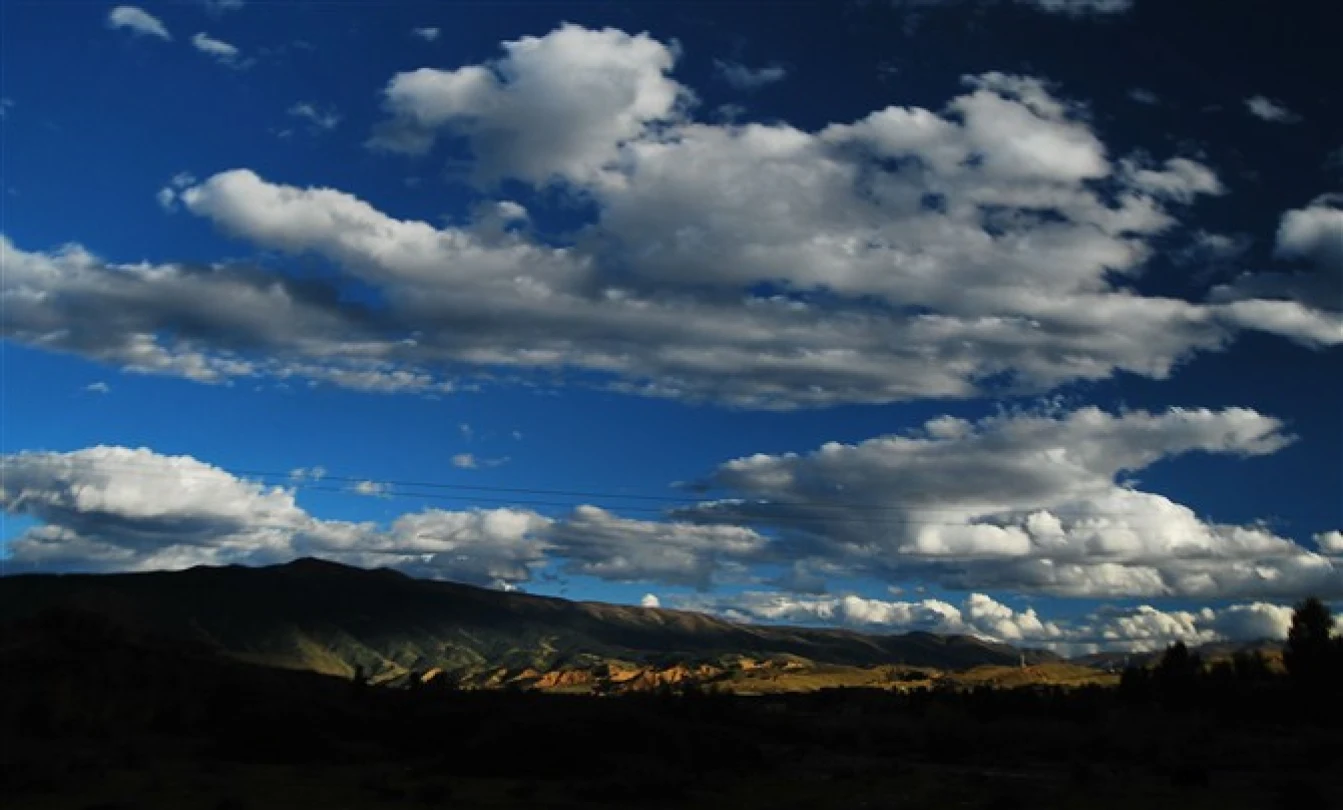
Meta Description: Discover why Daocheng Yading is called "the last Shangri-La" in this detailed travel guide. From snow-capped mountains to sacred lakes, experience the raw beauty of Western Sichuan's most breathtaking destination.
Introduction: Why Daocheng Yading Deserves a Place on Your Bucket List
Some places haunt your imagination long before you ever see them. You've heard their names whispered in travel circles, scrolled through countless Instagram photos, and watched documentaries that try—but fail—to capture their essence. Daocheng Yading is exactly that kind of place. Nestled deep in the western Sichuan plateau, this sacred landscape has been called "the last Shangri-La," a title that carries weight for anyone who dreams of untouched wilderness.
But here's the truth: no photograph, no video, no secondhand story can prepare you for the moment you stand before the three holy peaks—Xiannairi, Xianuoduoji, and Yangmaiyong. The shock hits you somewhere deep in your chest, and you understand why this place has been a pilgrimage destination for centuries.
In this comprehensive guide, I'll share my personal journey to Daocheng Yading, including practical tips, honest reviews, and the raw emotional experience of witnessing one of China's most spectacular natural wonders.
Is Daocheng Yading Too Commercialized? A Honest Assessment
Before I left for Daocheng, nearly everyone tried to talk me out of it. "It's become too commercial," they warned. "You'll regret going." Even fellow travelers in Xinduqiao shook their heads. But I've learned an important lesson: other people's experiences are just references. Your own eyes are the truth.
Yes, Daocheng has developed infrastructure. Yes, you'll find ticket booths and boardwalks. But commercialization doesn't erase the sacred. The moment you see Xiannairi's snow-capped peak piercing the clouds, you'll understand why this place inspired James Hilton's Lost Horizon. The "Blue Moon Valley" of his imagination exists right here, in Yading Village.
Key takeaway: Don't let others' cynicism rob you of your own discovery. Daocheng Yading remains one of China's most breathtaking destinations, despite—or perhaps because of—its accessibility.
Getting to Daocheng: The Bumpy Road to Paradise
The Long Journey from Kangding to Daocheng
The road to Daocheng is not for the faint of heart. At 7 a.m., I stood by the roadside with my travel companion, Bu Bu, waiting for a ride. The bus from Kangding to Derong appeared at 7:30, and we squeezed into the last row. What followed was a five-hour roller coaster ride over terrible road conditions.
I bounced around like a pinball. The person next to me hit their head on the luggage rack. I once flew into the aisle, scaring myself half to death. The guys on either side grabbed me back whenever they saw me "taking off." This painful parabolic motion didn't end until 4 p.m.
Pro tip: If you're prone to motion sickness, prepare accordingly. The road from Kangding to Daocheng is notoriously bumpy, especially in the back seats.
Meeting Fellow Travelers in Litang
In Litang, I met Zi Xing, a stranger whose warmth touched me deeply. He insisted on treating Bu Bu and me to a meal, making me promise to find him in Chengdu for another meal. We shared a car with five backpackers coming down from Tibet, all heading to Daocheng. The price: 50 yuan each for a shared ride to Yading, departing the next morning.
The scenery from Litang to Daocheng gradually unfolded. After grasslands, piles of rubble appeared. Approaching Haizi Mountain, the entire mountain was covered in glacial remains—traces of the Quaternary glaciers telling stories spanning billions of years.
Daocheng Accommodation: An Unpleasant First Impression
The Driver Drama at the Inn
At 9 p.m., we arrived in Daocheng. I heard someone calling my name—Li Jing and others were already waiting at the inn. We had arranged a car for eight people to Yading, 50 yuan each. But when the driver heard this, his face fell. "If you're staying at our inn, you have to take our car. I'll match any price!"

I was furious. "I've never heard of such a rule!" He snatched my phone, trying to reply to the other driver on my behalf. I chased after him, grabbed my phone back, and went straight to the inn owner, Brother Wolf. He was reasonable: "There's no such rule."
Lesson learned: Book your transportation independently. Some inns try to force guests into using their services. Stand your ground.
First Encounter with Yading: Snow Mountains, White Poplars, and Yaks
The Drive to Yading Village
Early the next morning, our driver Zhaxi Duoji arrived on time. A genuine Tibetan man with a simple, honest smile, he drove us through large groves of white poplars. The shrubs on hillsides were tinged with red, and the higher we went, the deeper the colors became. Road conditions were surprisingly good—mostly concrete, except for a short dirt section.
Red-roofed new villages dotted the mountainside. We ran into a herd of yaks slowly crossing the road. They weren't in a hurry, and neither were we.
Two hours later, we arrived at Riva Township (which some now call "Shangri-La Town"). The ticket booth charged 150 yuan per ticket. Li Jing had a military officer's ID card, so it was completely free. Sweet! But honestly, 150 yuan felt worth it.
The First Glimpse of the Holy Peaks
At a lookout point, we caught a glimpse of Xiannairi. The road stretched into the distance. Xianuoduoji made its first appearance, and Yading Village lay quietly at the foot of the snow mountain. The five people sharing our ride didn't interact much—they had just come out of Motuo, "graduated from college," while we were only "elementary school graduates." Only Old Wang, sitting in the back, was friendly. He chatted about photography and took several pictures of me.
Chonggu Temple: Lying on the Grassland, Not Wanting to Leave
Accommodation in Yading Village
We reached Yading Village just before noon and stayed at Dengba Inn—50 yuan a night, so basic it was heartbreaking. At night, we heard rats crawling on the ceiling, but the blankets were thick, so we stayed warm. The other five travelers stayed at a place for 30 yuan a night, and the owner drove them for free to the scenic area entrance—we got the short end of the stick.
The Entrance Experience
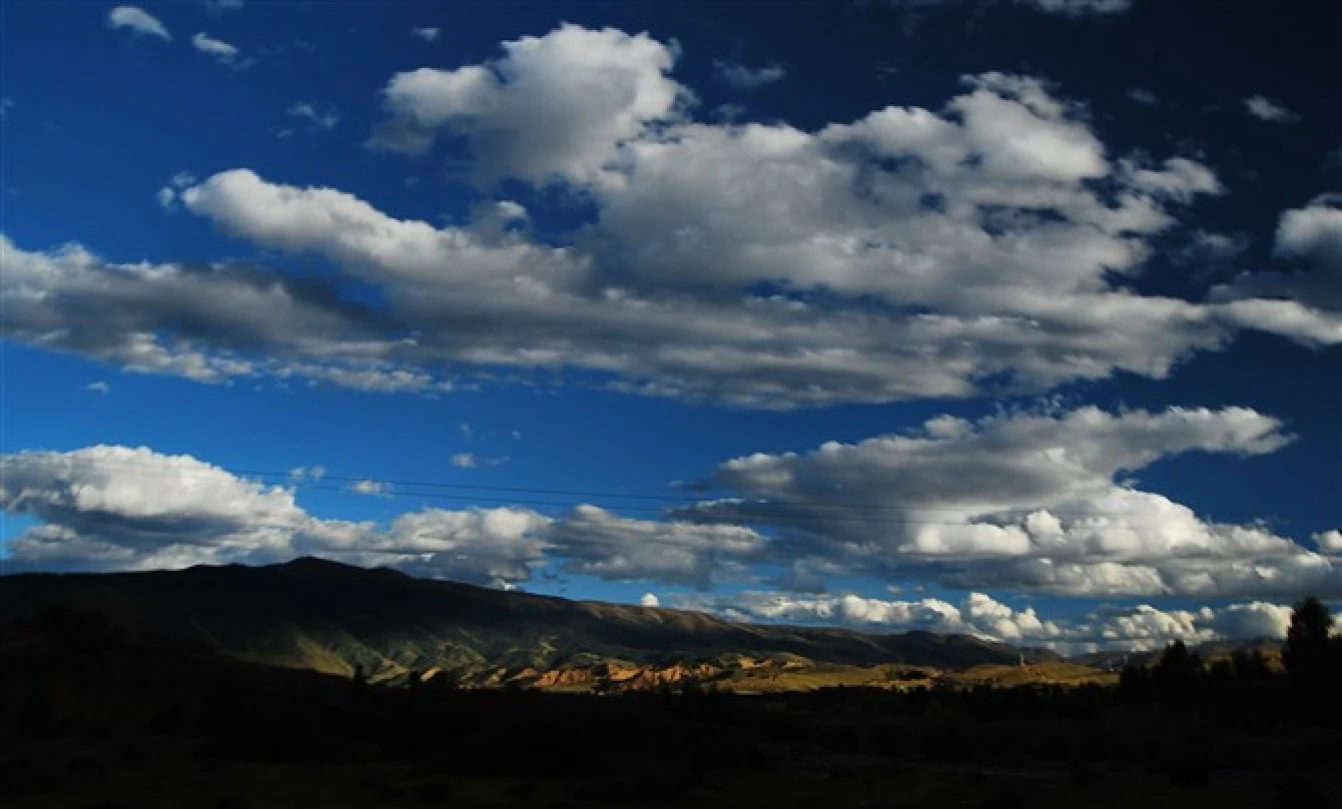
At the scenic area entrance, a boardwalk ran along the river to the right. A young girl enthusiastically greeted us, bringing water for her parents. She wanted to be a guide. "Without a guide, you'll easily get lost!" she declared confidently. I firmly refused, and she turned and walked away without hesitation.
Tip: You don't need a guide for the main trails. The paths are well-marked.
The Visual Impact of Xiannairi and Xianuoduoji
From Longtongba to Zhabeibeng, you can ride a horse—90 yuan round trip, about half an hour. Not worth the money. After passing Zhabeibeng, Xiannairi suddenly appeared before us. Looking up, Xianuoduoji was ahead again. The feeling was like a series of climaxes—heart racing, speechless with shock.
Chonggu Temple was right in front of us. The view of Xianuoduoji from the grassland side was so stunning it made you want to lie down and never leave. If the staff hadn't been so sternly shooing people away, I would have stayed on the grass, soaking up the sun. Chonggu Temple beneath Xiannairi—the visual impact was far stronger than any photo. Even the man-made boardwalk railings looked ridiculously beautiful.
Pearl Lake: Waiting for the Sun
There was no sun at Pearl Lake, so we sat and waited. In the woods to the right, someone told me the reflections were beautiful for photos. I lay on the ground and managed to take a few shots before a staff member caught me. "I'm just taking photos! I won't play in the water!" I pleaded. He gave me three minutes—and actually counted down. The wind picked up, and the water surface showed no reflections. When the sun finally came out, I rushed to take more, but it was as crowded as a market.
Luorong Cattle Farm: Your Eyes Are the Best Camera
The next morning, I decided to walk from Chonggu Temple to Luorong Cattle Farm. This is where the magic truly unfolds. The grassland stretches beneath the holy peaks, and yaks graze peacefully. Your camera will try to capture it, but trust me—your eyes are the best camera here.
Photography tip: Arrive early for the best light. The morning sun illuminates the snow peaks with a golden glow that no filter can replicate.
FAQ: Everything You Need to Know About Daocheng Yading
1. What is the best time to visit Daocheng Yading?
The best time is October to November when the autumn colors are at their peak. The white poplars turn golden, and the shrubs blaze with red and orange. Summer (June-August) offers green landscapes but frequent rain. Winter (December-February) is cold but less crowded.
2. How much does a trip to Daocheng Yading cost?
Expect to spend around 150-200 yuan per day for budget travel: - Scenic area ticket: 150 yuan - Accommodation: 30-50 yuan per night (basic inns) - Shared rides: 50 yuan per person per leg - Food: 30-50 yuan per day
3. Do I need a guide for Yading?
No. The main trails are well-marked and easy to follow. Guides may try to convince you otherwise, but you can explore independently. However, if you're hiking remote trails, a guide can be helpful.
4. What should I pack for Daocheng Yading?
- Altitude sickness medication (Daocheng is at 3,700m-4,700m)
- Warm layers (temperatures drop significantly at night)
- Sun protection (sunscreen, sunglasses, hat)
- Comfortable hiking shoes
- Water and snacks (limited food options inside the scenic area)
- Cash (ATMs are scarce)
5. Is Daocheng Yading suitable for beginners?
Yes, with precautions. The main trails are moderate. The biggest challenge is altitude. Acclimatize for 1-2 days in Daocheng before hiking. Avoid alcohol and overexertion. If you feel dizzy or nauseous, descend immediately.
Internal Linking Suggestions
[Link: How to Plan a Western Sichuan Road Trip] [Link: Altitude Sickness Prevention Tips for High-Altitude Travel] [Link: Best Photography Spots in Daocheng Yading] [Link: Budget Travel Guide to Sichuan's Must-See Destinations] [Link: Comparing Yading with Other Shangri-La Destinations]
Final Thoughts: Why Your Own Eyes Are the Only Truth
Daocheng Yading taught me something important: other people's experiences are just references. Your own eyes are the truth. Despite the commercialization, the bumpy roads, and the occasional unpleasant encounters, this place remains one of the most spiritually moving landscapes I've ever witnessed.
The shock of seeing Xiannairi up close, the peace of lying on the grassland at Chonggu Temple, the frustration of waiting for sunlight at Pearl Lake—all of it is part of the experience. You can't capture it in photos. You can't replicate it through stories. You have to be there.
Your journey starts now. Don't let others' warnings stop you. Pack your bags, book your tickets, and see for yourself why Daocheng Yading is called the last Shangri-La. The shock will reach the depths of your soul—and you'll never be the same.
Ready to plan your trip? [Link: Book your Daocheng Yading tour package here] or [Link: Join a group travel community for shared rides and tips].
You may also like


