Beyond the Postcards: Discovering the Hidden Soul of New Xindu Bridge
Meta Description: Explore the hidden soul of New Xindu Bridge on the Western Sichuan loop. Discover mani stone arrays, Yala Pass views, and Tagong Grasslands in this honest travel reflection.
Let me start with a confession. Like many of you, I love taking photos. I admire the art of photography. But I would never dare to call myself a photographer. I'm just a traveler who happens to carry a camera—someone who clicks shutter buttons more out of habit than artistic vision. When it comes to New Xindu Bridge, however, you simply cannot avoid the conversation about photography. It's like trying to talk about Paris without mentioning the Eiffel Tower.
But here's the thing: this isn't a travel guide. It's not a detailed itinerary. It's simply one wanderer's honest reflections, born from stubborn curiosity and occasional bursts of spontaneity. If my words seem biased or incomplete, take them with a grain of salt. They come from someone who believes that the journey itself matters more than the destination.
Why Overplanning Ruins the Magic of Western Sichuan Travel
I've always thought that traveling should feel like an adventure, not a military operation. Too many people spend weeks crafting perfect itineraries, researching every restaurant, and mapping every photo spot. They treat their vacations like strategic campaigns, worrying about missing something or failing to capture that perfect shot.
But here's the truth I've learned: the best travel moments are rarely planned. They're the ones that catch you off guard, that make you forget about your checklist, that leave you breathless and speechless.
Every trip leaves behind some regrets. And that's exactly how it should be. Those small disappointments become the fuel for your next journey, the reason you'll return to explore deeper. When visiting New Xindu Bridge, leave room for spontaneity. The hidden gems—like the Mani stone arrays and Yala Pass viewpoints—often reveal themselves when you least expect them.
[Link: Best time to visit Western Sichuan]
My First Glimpse of Xindu Bridge: From Skeptic to Believer
I first heard about Xindu Bridge years ago. "Photographer's paradise," they called it. "Heaven on Earth." The reputation was so grand that I became skeptical. I've learned that when something is hyped too much, reality rarely matches expectations. So I never bothered to visit. Not once did I feel the urge to see for myself.
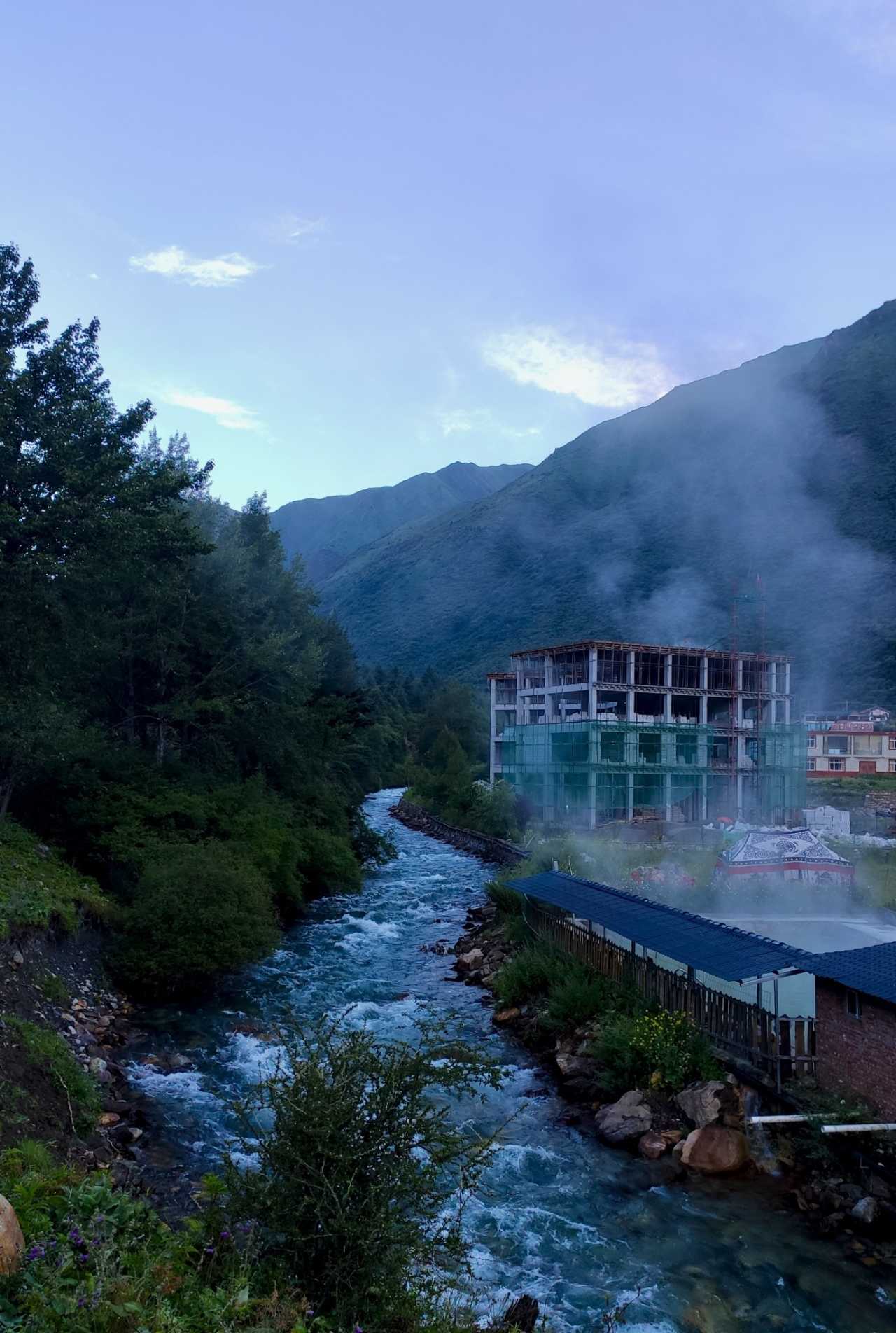
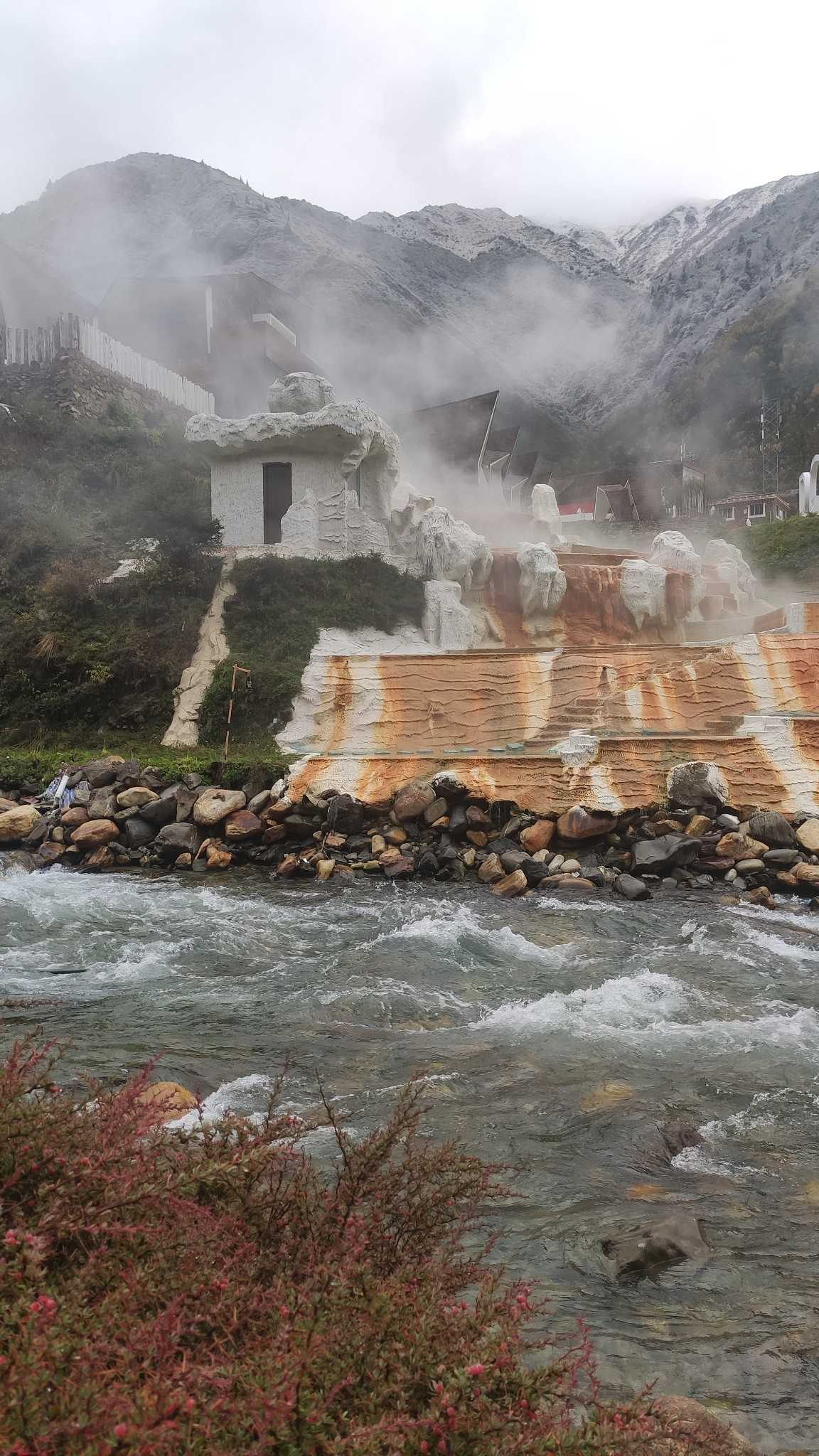
Then came an unexpected trip to Western Sichuan. A few old friends invited me to soak in hot springs at Zhonggu Village in Kangding. The purpose was clear: relaxation, not exploration. Even after arriving in Kangding—already standing at the gateway to Western Sichuan's legendary landscapes—we felt no burning desire to explore. Our minds were fixed on those warm, mineral-rich waters.
The hot springs were wonderful. Natural, rustic, utterly rejuvenating. With time to spare, we decided on a spontaneous detour: a loop through Tagong Town, passing through Xindu Bridge for a quick lunch before returning to Kangding. Nothing ambitious. Just a casual drive.
That decision changed everything.
Racing Through Clouds and Mountains: The Yala Pass Experience
The next morning, we left Zhonggu Village and climbed steadily into the mountains. Soon we reached Honghaizi, a high-altitude lake nestled beside the road. The water was deep blue, mirroring distant peaks and drifting clouds. It was peaceful, serene—a postcard moment.
We didn't linger. The road continued climbing, and the temperature dropped. Near the Yala Mountain Pass, thick fog suddenly enveloped us. Our car seemed to float through clouds, navigating a sky road.
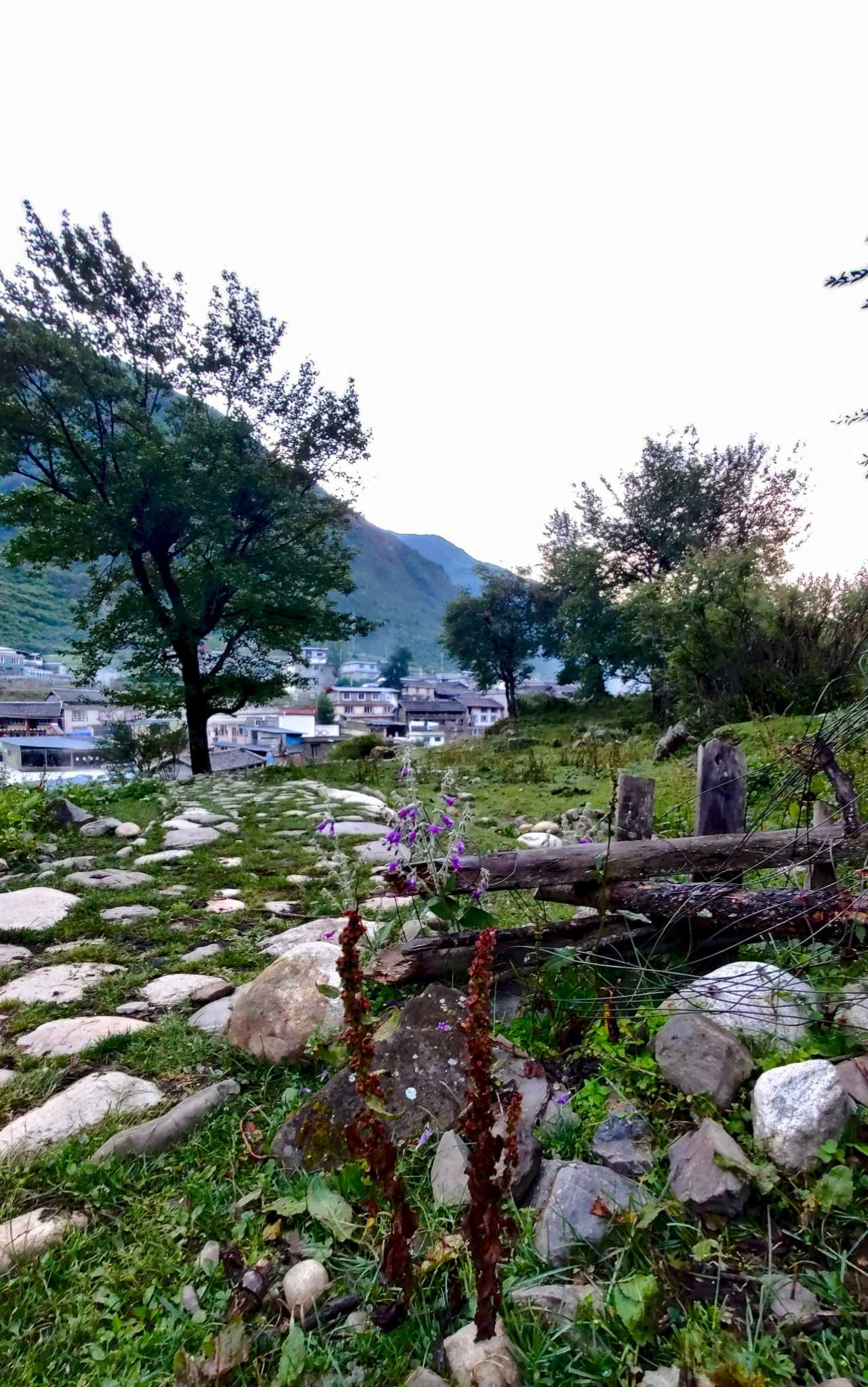
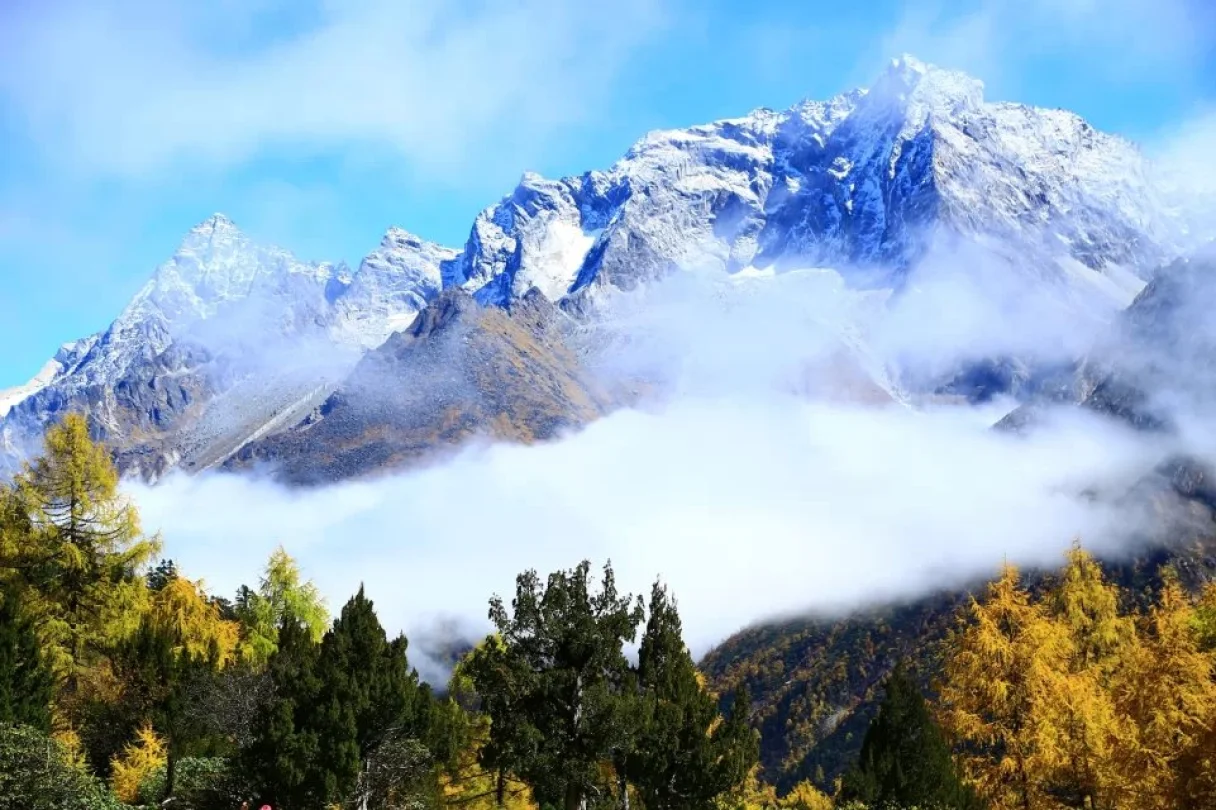
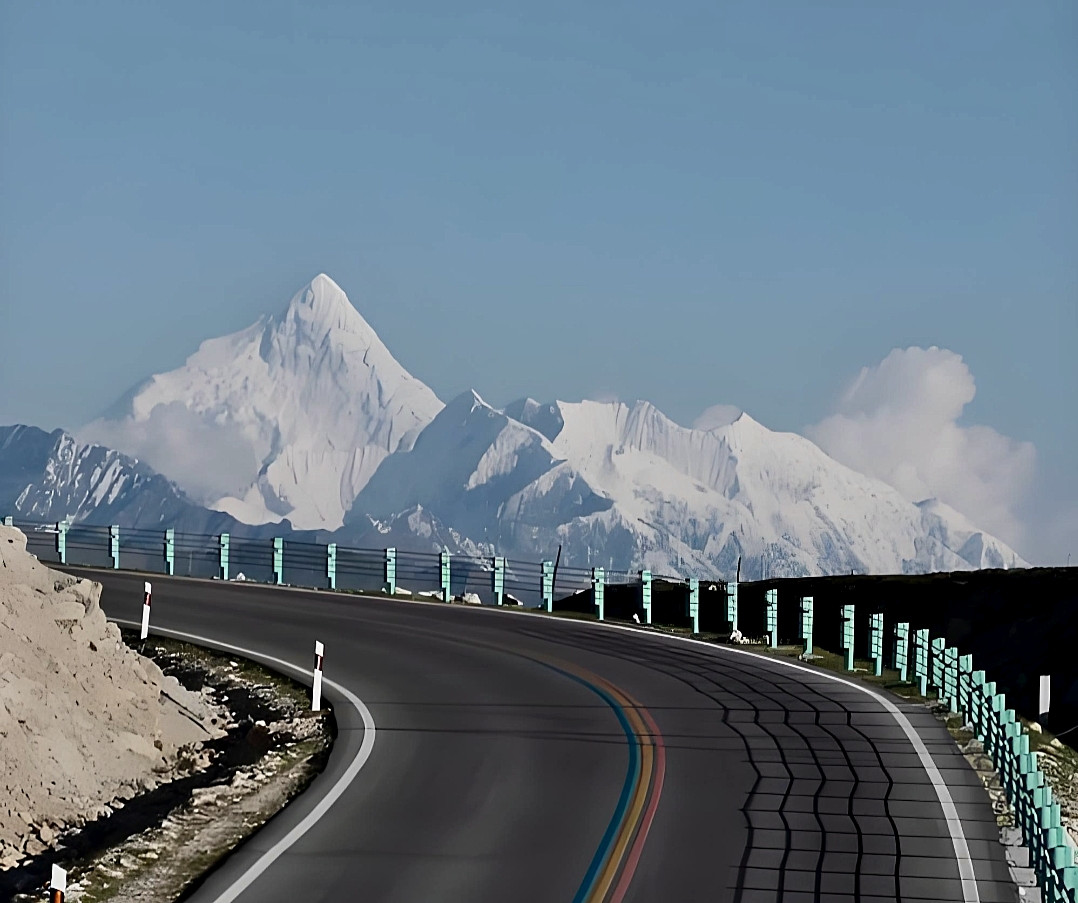
Then, without warning, the fog parted. To our right, a magnificent snow-capped peak pierced the sky. To our left, even more majestic mountains rose—the sacred Qingrao Shenshan and, farther away, the king of Sichuan peaks, Mount Gongga, surrounded by its royal court of lesser peaks.
Two mountain ranges, simultaneously revealed. Blue sky meeting white snow. On either side of the pass, the landscape transformed completely. The weather shifted in an instant. It felt like we had crossed through a dimensional portal, leaving our ordinary world behind for a realm of pure magic.
The visual impact was overwhelming, but the emotional resonance was even deeper. Standing there, looking down at the Kangding Airport—one of the highest in the world—I felt both powerful and insignificant. We were above the runway, yet dwarfed by the mountains around us.
[Link: Kangding travel guide]
Racing Across the Tagong Grasslands: Where You Forget to Take Photos
Ahead stretched the Tagong Grasslands, endless waves of green under a dome of blue sky. The view was so expansive, so breathtaking, that we forgot to take photos. Yes, we actually forgot to document the moment. That's how captivated we were.
Someone once joked that Western Sichuan lacks oxygen but never lacks scenery. They weren't wrong. But at 4,400 meters elevation, the air is thin and cold. The wind bites. Even with such beauty before us, we couldn't linger long.
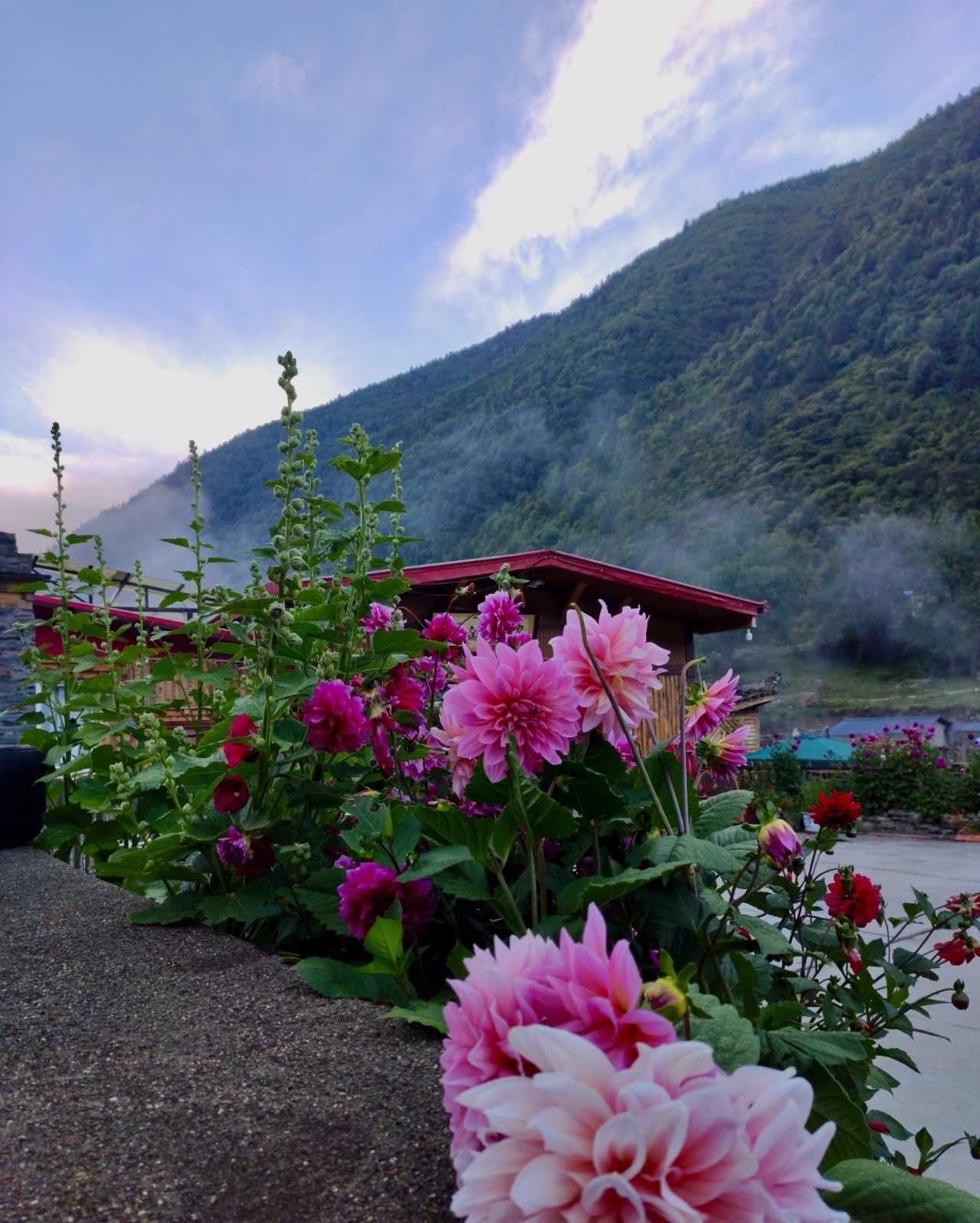
Driving through this landscape is like riding a roller coaster. We ascended from 2,000 meters to 4,400 meters, then dropped back to 3,000 meters in just ten minutes. The altitude changes were dizzying, exhilarating. Occasionally, yaks would block the road, adding to the adventure.
The airport road had recently opened, and few people knew about it. Traffic was light, no trucks. The driving experience was pure pleasure—smooth, scenic, unforgettable. I predicted then that this route would become one of Western Sichuan's most beloved scenic drives. Time has proven me right.
[Link: Altitude sickness prevention tips]
Through Canyons and Forests: The Hidden Canyon Road to Xindu Bridge
From Yala Pass, we drove through grasslands for about an hour to reach Tagong Town, then turned south onto National Highway 248.
The scenery changed gradually. Lush meadows gave way to rugged canyons. Gentle streams became roaring rivers. Forests appeared—dark green conifers standing like towers on steep slopes, bright green meadows spreading like carpets along the riverbanks, gray cliffs and rocky outcrops reminding us of nature's raw power.
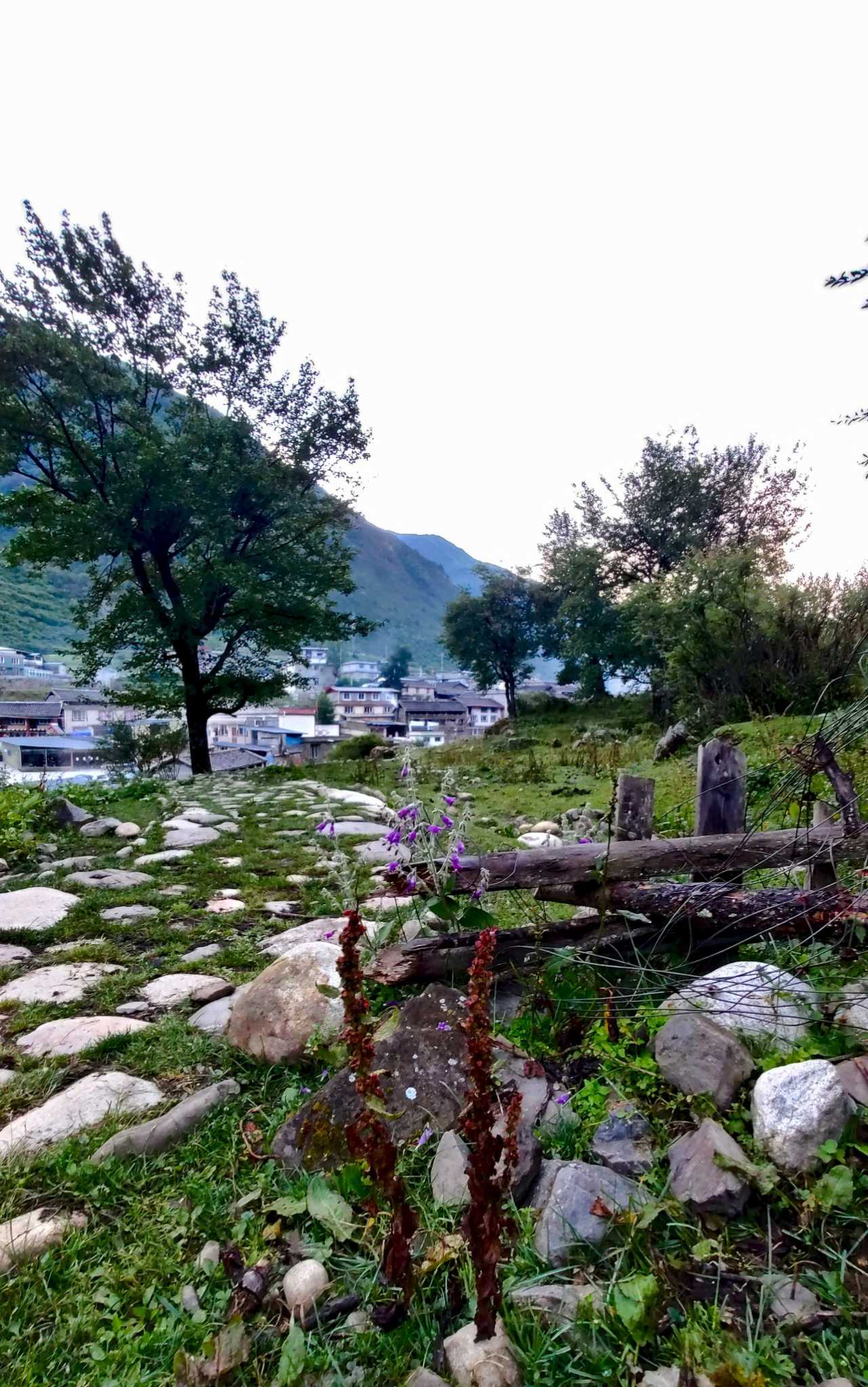
In the river, stones of all sizes lay half-submerged. Some were covered in crimson moss, looking like scattered cinnabar or red felt. From a distance, they resembled patches of sunset glow stretching along the valley.
The canyon walls rose dramatically, seeming to pierce the sky. Where the river narrowed, water rushed and roared, creating white foam and mist. Rainbows appeared in the spray, almost close enough to touch.
I rolled down the window, letting the fresh mountain air flood the car. I breathed deeply, trying to sync my heartbeat with nature's rhythm. And yes, I shouted—just because. The mountains echoed back, accepting my joy without judgment.
The Mani Stone Array: The Hidden Soul of Xindu Bridge
Something caught my eye on a hillside: a patch of exposed rocks that seemed out of place. Unlike typical rockfalls, these stones were arranged deliberately. Some were huge, others small. Many had carvings—Tibetan script, Buddha eyes, deity images. Some were freshly painted, others faded by time.
We stopped to investigate. The stones weren't just scattered; they formed a massive array. And there were more further ahead, on both sides of the road.
"Mani stones!" someone exclaimed. "No, it's a Mani stone formation!"
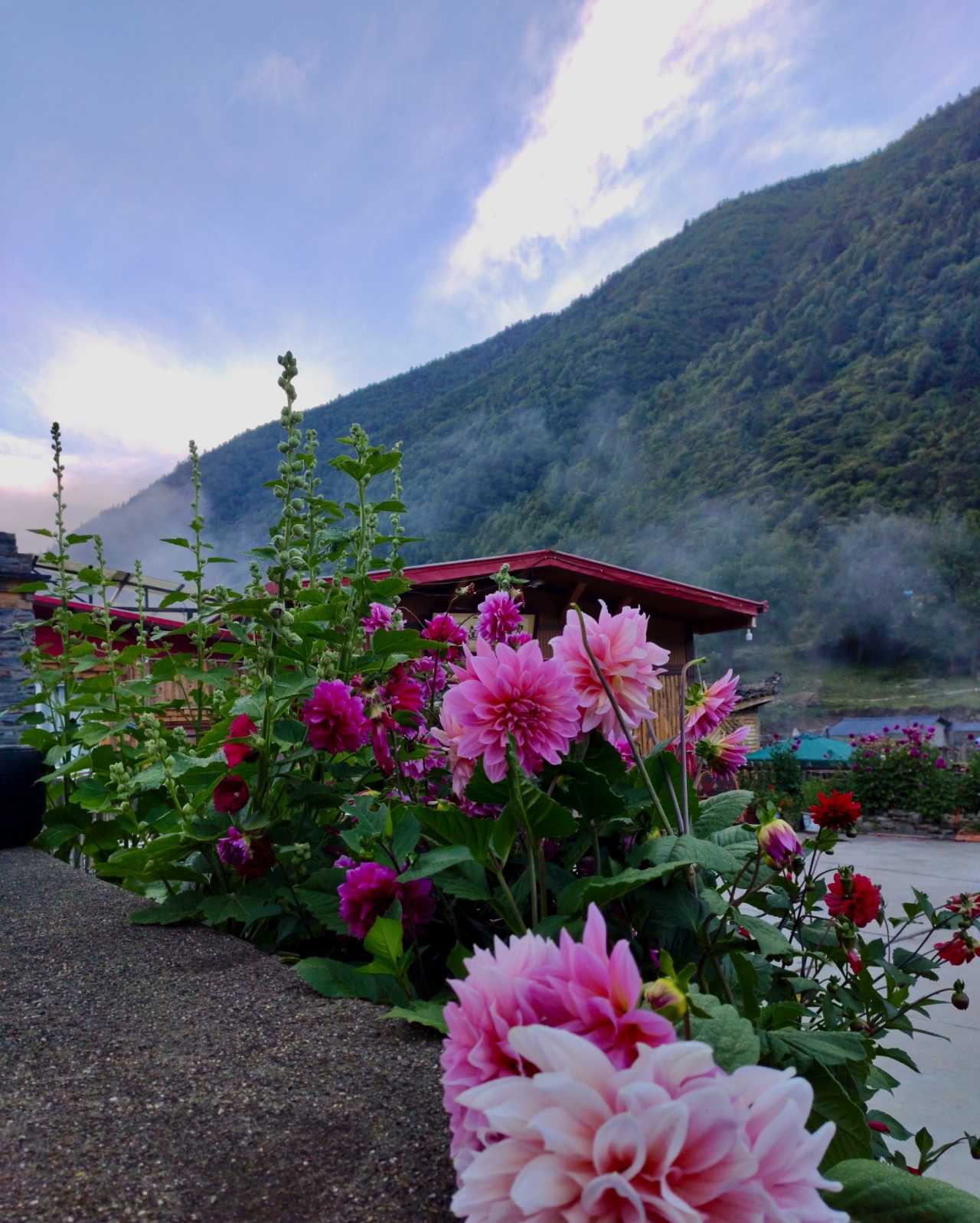
I'd seen smaller mani piles before, but nothing like this. These weren't just piles; they were fields of sacred stones, each one carved with prayers and mantras. The scale was overwhelming. This wasn't the work of one person or one generation. Generations of devotees had contributed, expressing their faith through patient labor.
Each symbol represented a spiritual aspiration. Each stone told a story. Standing there, we felt a rare solemnity. Strangely, despite being exposed to the elements, the carvings showed no moss, no weathering. Was it divine protection? Or just the magic of this place?
This is the hidden soul of New Xindu Bridge—not the postcard views, but the sacred labor of faith carved into stone.
[Link: Tibetan Buddhist culture in Sichuan]
Emerging into Light: The Final Approach to Xindu Bridge
The V-shaped canyon suddenly widened. Mountains pulled apart, and the road smoothed out. The river that had accompanied us from Tagong lost its aggressive energy, becoming calm and gentle.

Multiple pools appeared in the widening riverbed, some crescent-shaped, others round like jade plates. The water sparkled in the sunlight, connecting the pools like a necklace of precious gems.
Our mood lightened with the landscape. Yaks and horses grazed freely, ignoring our presence. Someone noticed we hadn't seen any sheep. We wondered about it briefly, but the beauty around us silenced all questions.
This was Xindu Bridge—not as a destination, but as a revelation. The bridge itself is modest, unassuming. But the journey to reach it, the landscapes that unfold along the way, the sacred stones that line the path—these are what make it unforgettable.
Frequently Asked Questions About New Xindu Bridge
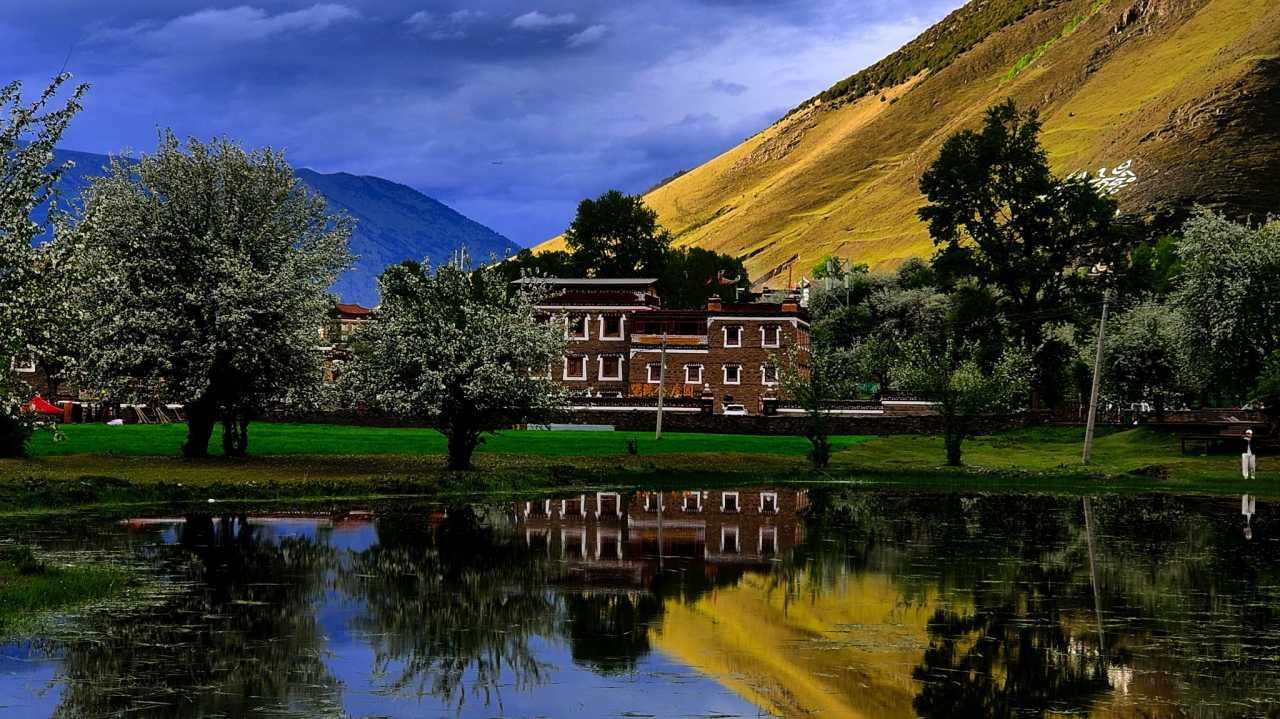
1. What is the best time to visit New Xindu Bridge?
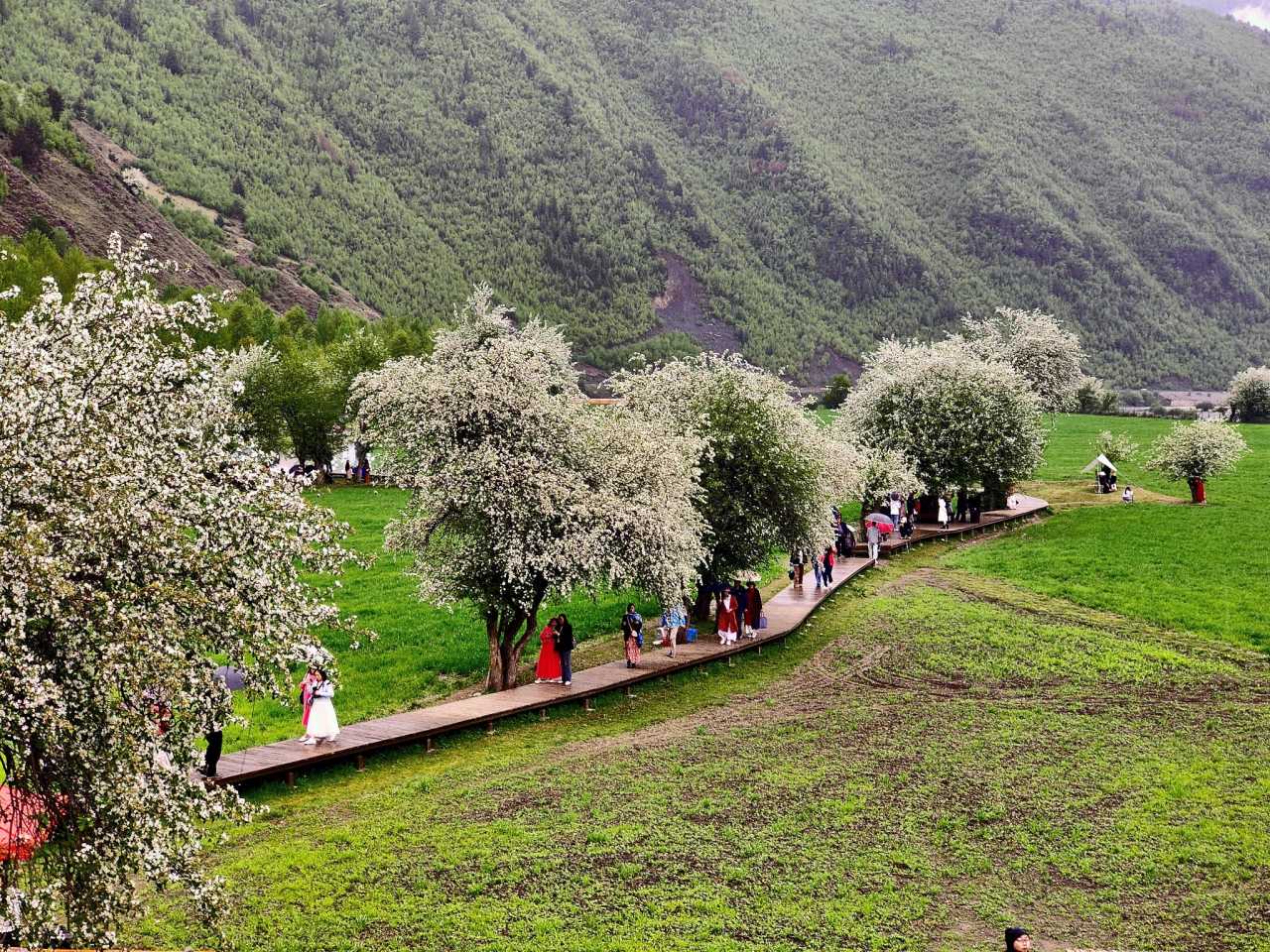 The ideal time is May to October, when the weather is mild and the grasslands are lush. Autumn (September-October) offers stunning golden hues. Winter can be harsh with snow and road closures.
2. How do I get to New Xindu Bridge from Kangding?
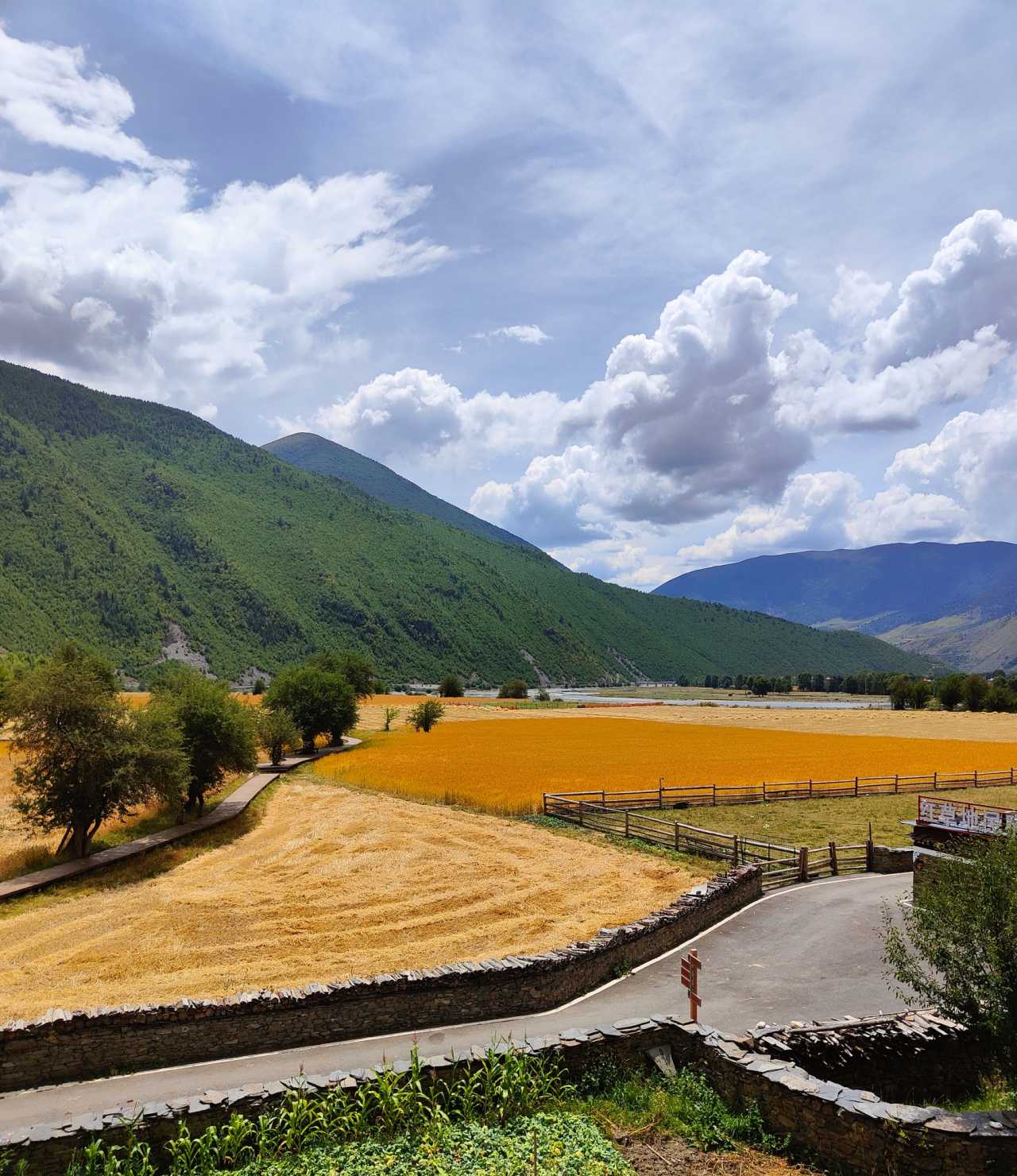 Drive via National Highway 248 through Tagong Town. The loop from Kangding to Zhonggu Village, over Yala Pass, through Tagong, and down to Xindu Bridge takes about 4-5 hours without stops. The newly opened airport road offers a smoother, less crowded route.
3. What altitude is Xindu Bridge and do I need to prepare for altitude sickness?
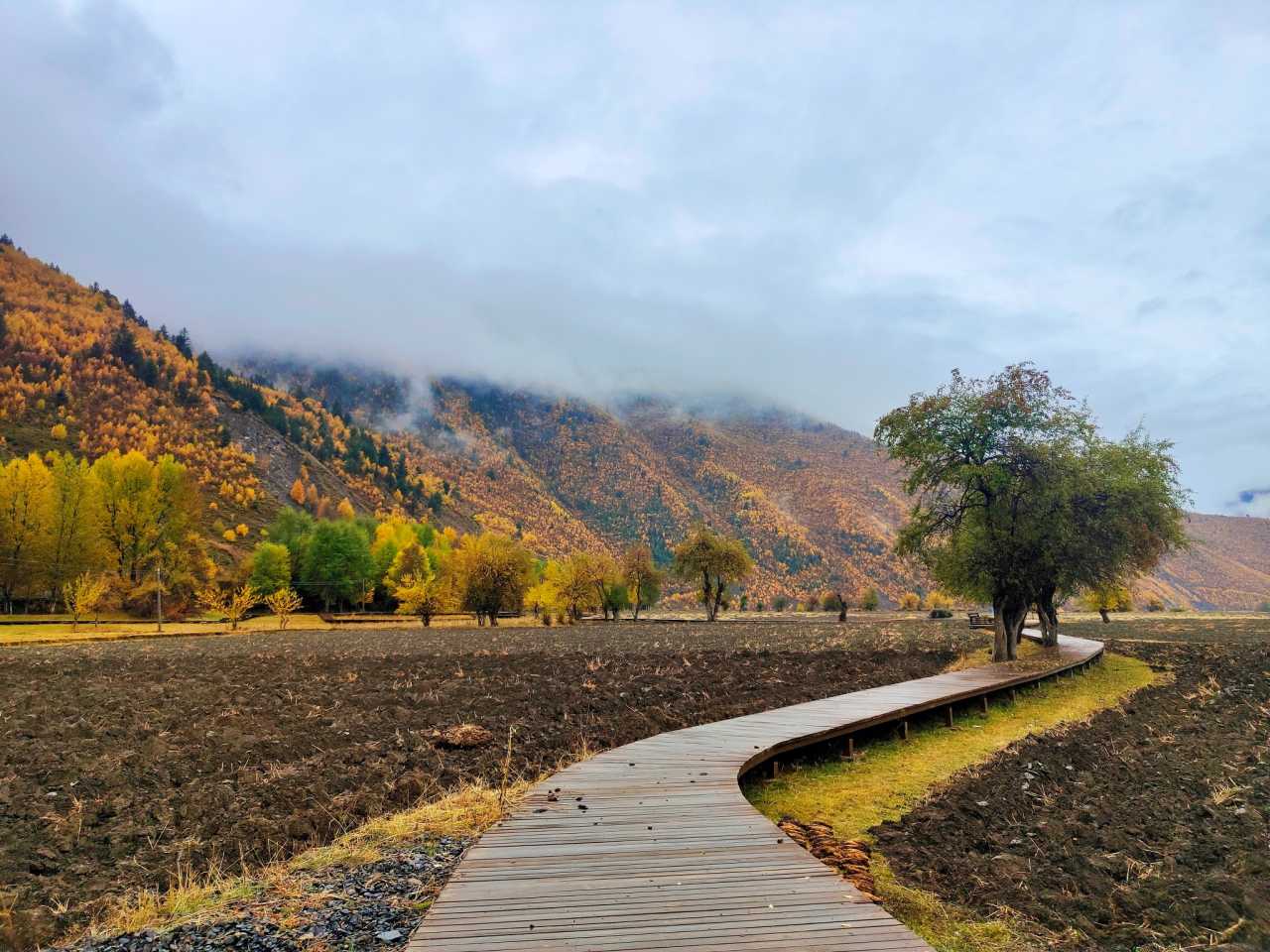 Xindu Bridge sits at approximately 3,300 meters (10,800 feet). The Yala Pass reaches 4,400 meters. Acclimatize in Kangding (2,600m) for a day before proceeding. Stay hydrated, avoid alcohol, and consider taking altitude sickness medication.
4. Are the Mani stone arrays accessible to all visitors?
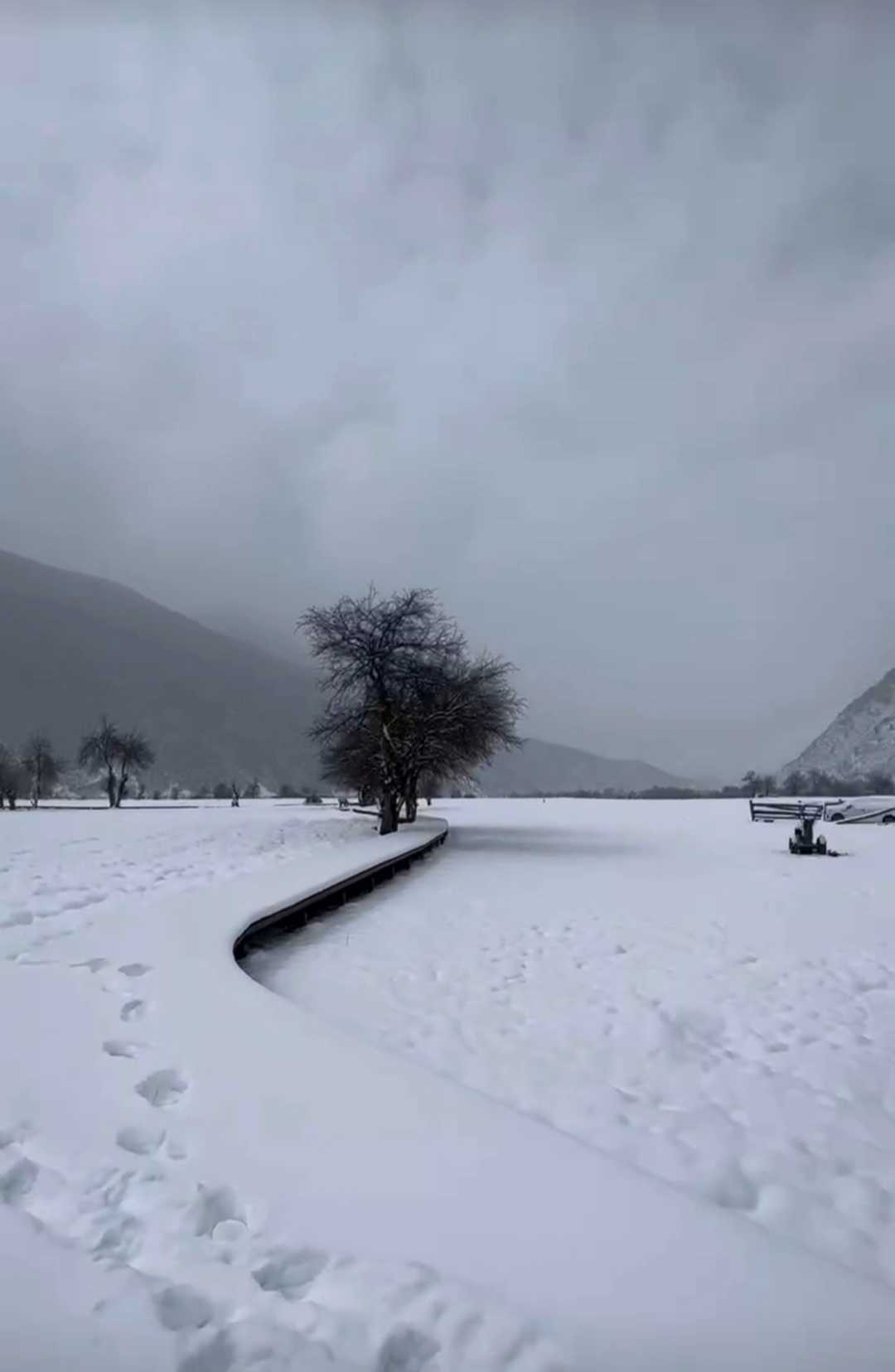 Yes, the Mani stone formations are visible from the roadside along the canyon section of National Highway 248. You can pull over safely to explore. Respect the sacred nature of the stones—do not remove or damage them.
5. Is this route suitable for family travel?
Yes, but with precautions. The roads are well-maintained, but altitude changes are dramatic. Children and elderly travelers should acclimatize properly. Carry warm clothing even in summer—temperatures drop significantly at high passes.
Your Journey Awaits: Embrace the Unexpected
The New Xindu Bridge isn't about the bridge itself. It's about the Yala Pass where clouds part to reveal sacred peaks. It's about the Tagong Grasslands where you forget to take photos because you're too busy being present. It's about the Mani stone arrays that generations of faith have built.
It's about realizing that the best travel moments are never planned.
So here's my invitation to you: Stop overplanning. Start exploring.
Pack your bags, drive to Western Sichuan, and let the road guide you. When you reach Xindu Bridge, don't just take a photo. Listen to the wind. Touch the sacred stones. Breathe the thin, cold air. Let the mountains remind you how small you are—and how vast the world remains.
Book your Western Sichuan road trip today. The hidden soul of Xindu Bridge is waiting.
[Link: Western Sichuan road trip itinerary] [Link: Best photography spots in Sichuan]
Ready to discover the hidden soul of New Xindu Bridge? Share your travel plans or questions in the comments below. And remember: the best photos are the ones you almost forget to take.
You may also like